
Picture this: It’s 3 PM on a beautiful Saturday, and I’m desperately trying to pry my 6-year-old away from his iPad. “Let’s go for a nature walk!” I suggest cheerfully. The response? A dramatic eye roll and a very theatrical “That’s SO boring, Mom.”
Sound familiar? I was stuck in this exact cycle until I discovered the magic of a nature scavenger hunt for kids. Now my son literally races me to get his shoes on when I mention our “treasure hunting” walks. Here’s how a simple list transformed our outdoor adventures from battles into the highlight of our week.
Why Nature Scavenger Hunt for Kids Works Like Magic
I used to think nature walks were supposed to be peaceful, contemplative experiences. Wrong. Kids need purpose, they need goals, and honestly, they need something to keep their minds busy while their bodies move.
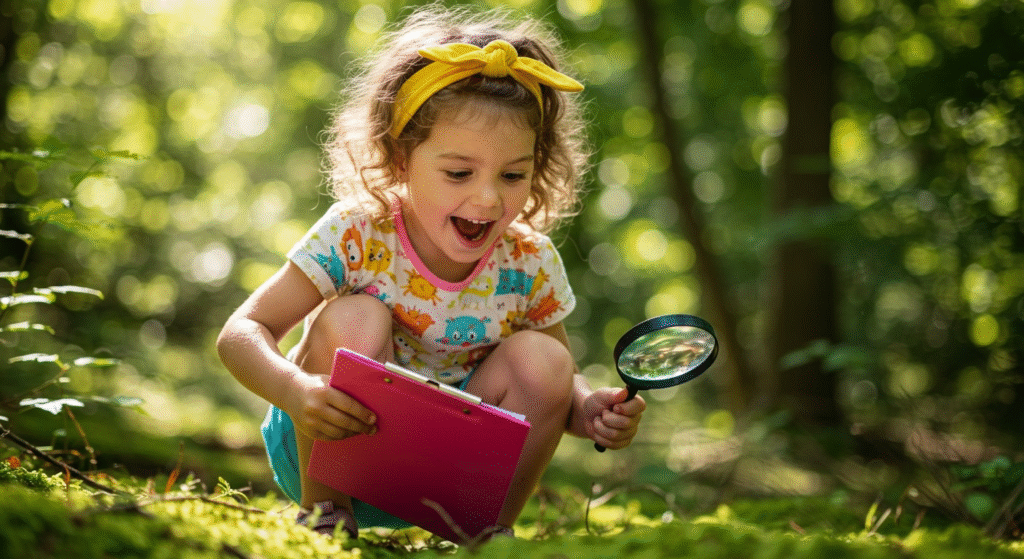
A nature scavenger hunt for kids transforms a regular walk into an exciting treasure hunt. Instead of dragging reluctant feet behind me, I now have enthusiastic explorers who notice details I’ve walked past for years. According to child development experts, this type of purposeful outdoor play enhances observation skills, builds vocabulary, and creates positive associations with nature that last into adulthood.
The real genius? It works for any attention span. My 4-year-old gets excited finding “something yellow,” while my 8-year-old loves the challenge of spotting animal tracks. Everyone wins, and I finally get that outdoor time without the whining.
Research consistently shows that outdoor activities like nature scavenger hunts help children develop both gross motor skills and cognitive abilities while reducing stress and anxiety. When kids are actively engaged in purposeful searching, they’re not just walking – they’re problem-solving, categorizing, and making connections between what they know and what they discover.
The Age-by-Age Breakdown That Actually Works
Here’s what took me three kids to figure out: not every nature scavenger hunt for kids works for every age. I used to create these elaborate lists that frustrated my toddler and bored my older kids. Once I started tailoring hunts to actual developmental stages, our walks became genuinely enjoyable for everyone.
Ages 2-4: The “Big Picture” Hunters
These little ones need simple, obvious items they can easily spot and understand. Think “something red,” “a rock,” or “a bird.” They’re still developing their observation skills, so success builds confidence.
Perfect items for this age include:
- Something soft (like moss or a feather)
- A yellow flower
- A stick shorter than your hand
- Something that makes noise when you shake it
- A round stone
Ages 5-7: The “Detail Detectives”
This is the sweet spot for a nature scavenger hunt for kids’ activities. They can handle more specific items like “a heart-shaped leaf,” “something that feels rough,” or “a flower with five petals.” They love the challenge but still need achievable goals.
Great challenges for this group:
- A leaf with pointed edges
- Something fuzzy or furry
- Two different types of tree bark
- An insect or bug
- Something that grows in a pattern
Ages 8+: The “Nature Scientists”
These kids can handle complex challenges like “evidence of an animal,” “three different types of tree bark,” or “something that changes with the seasons.” They’re ready for educational depth and real discovery.
Advanced challenges include:
- Signs of animal habitation
- A plant you’ve never seen before
- Evidence of weathering on rocks
- Three different leaf shapes from different plants
- Something that shows adaptation to its environment
Understanding these stages completely transformed our family’s outdoor time from frustrating to fantastic.
Simple Nature Scavenger Hunt for Kids Ideas (No Prep Required)
Let’s start with the easiest wins – hunts you can create on the spot without any special preparation. These are perfect for when inspiration strikes or when you need an immediate outdoor activity.
The Basic Five Senses Hunt
Challenge kids to find something they can see, hear, smell, touch, and (safely) taste. My kids love this because it gets them thinking about nature differently. We’ve discovered that pine needles smell amazing, tree bark has interesting textures, and bird songs are everywhere once you start listening.
This hunt naturally encourages mindfulness and present-moment awareness. Kids slow down when they’re trying to identify different sounds or notice subtle smells. It’s like nature meditation for children, except they don’t realize they’re being calm and centered.
Color Collection Challenge
Pick three colors and see how many natural items you can find in each color. This simple nature scavenger hunt for kids activity works brilliantly because colors are everywhere in nature, but you have to really look to notice them all.
Start with primary colors for younger kids, then challenge older children with specific shades like “forest green,” “golden yellow,” or “rust orange.” This teaches color vocabulary while encouraging careful observation.
Shape Detective Hunt
Look for circles, triangles, lines, and patterns in nature. Pinecones have spirals, flowers often have symmetrical patterns, and tree rings create perfect circles. It’s amazing what geometric shapes exist naturally when you start paying attention.
This hunt bridges art, math, and science concepts naturally. Kids start seeing mathematical relationships in the natural world, which builds foundational STEM thinking without feeling like formal education.
Texture Treasure Hunt
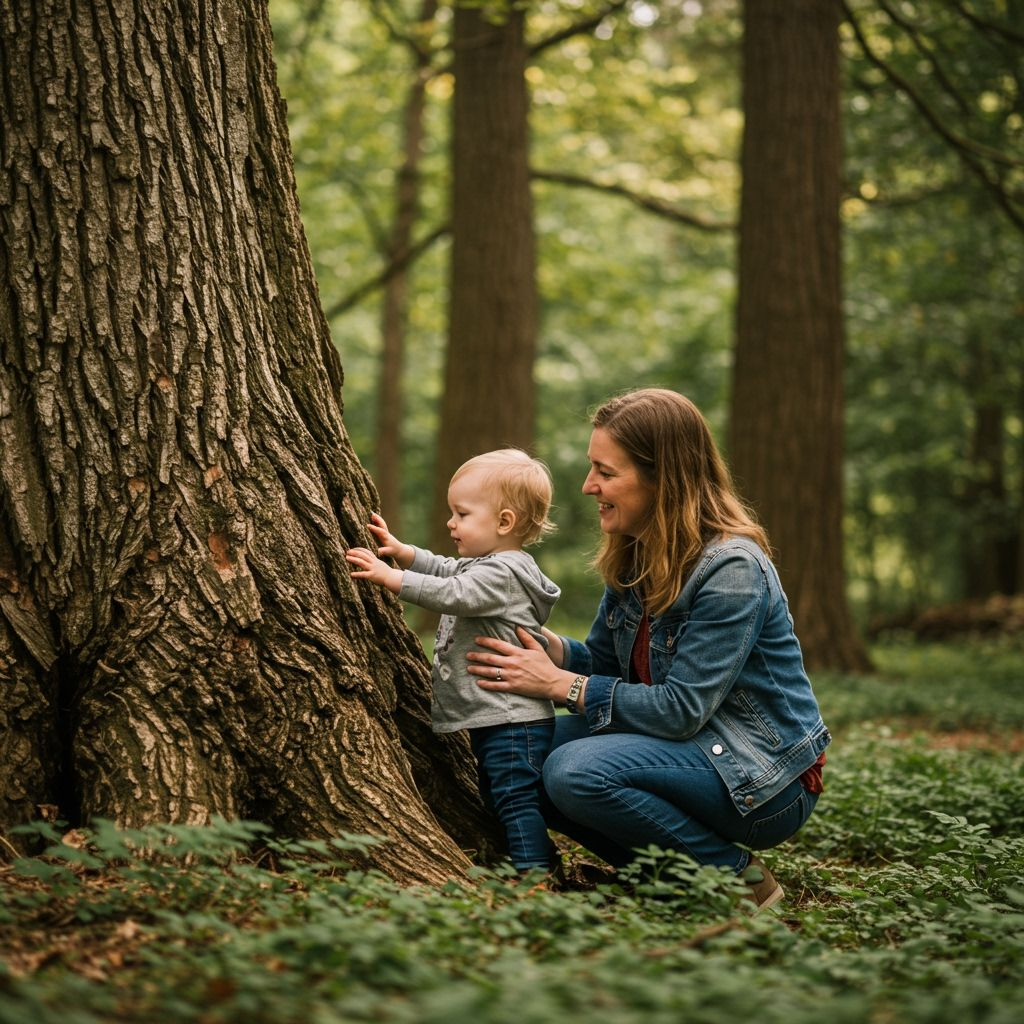
Find things that are smooth, rough, bumpy, soft, and prickly. This is particularly great for younger kids who love touching everything anyway. Just make sure to establish safety rules first – no touching anything unknown or potentially harmful.
Expand this hunt by adding temperature concepts (things that feel warm or cool), weight comparisons (heavy stones vs. light leaves), or flexibility tests (bendable twigs vs. rigid rocks).
Creative Variations That Keep It Fresh
After months of regular scavenger hunts, I needed ways to keep things interesting. Here are the variations that have been absolute hits with my kids and their friends.
Egg Carton Collection Box
This is hands-down my kids’ favorite version. Take an empty egg carton and write or draw different items in each compartment. Kids collect actual objects to place in each section. There’s something so satisfying about filling up all those little compartments, and it keeps hands busy during the hunt.
The beauty of this method is that it provides immediate visual feedback. Kids can see their progress, and there’s a natural stopping point when all compartments are filled. Plus, the collected items become conversation starters when you get home.
Nature Bingo Cards
Create bingo cards with pictures or words of nature items instead of numbers. Kids mark off squares as they find items. The first to get a line wins, but honestly, my kids just love marking things off and never care about winning.
Make multiple versions so kids aren’t competing for the same items, or create team bingo where everyone works together to complete one giant card. The collaborative version works especially well for mixed age groups.
Alphabet Nature Hunt
Find something in nature for each letter of the alphabet. This nature scavenger hunt for kids activity works great for car rides too – you can play it while driving through different areas, spotting items through the windows.
Start with just five letters for younger kids, then gradually increase the challenge. Some letters are naturally harder than others (good luck finding something that starts with X!), which creates natural difficulty levels within one activity.
Seasonal Challenges
Adapt your hunts to match the season. Spring hunts focus on new growth and baby animals, summer hunts include flowers and insects, fall hunts celebrate changing colors, and winter hunts look for animal tracks and evergreen plants.
Seasonal hunts help kids notice environmental changes throughout the year. Return to the same location across different seasons to see how the available items change – it’s a powerful lesson in natural cycles and adaptation.
For more seasonal activities, check out our scavenger hunt ideas for kids that work year-round.
The Printable List My Kids Love Most
After trying dozens of variations, here’s the nature scavenger hunt for kids list that gets the most enthusiastic response from my children and their friends:
Easy Finds (Great for confidence building):
- A stick shorter than your finger
- Something yellow
- A smooth rock
- A feather (if you’re lucky!)
- Something that fell from a tree
- A flower petal
- Something rough to touch
- A curved stick or branch
Medium Challenges:
- Animal tracks or signs
- A leaf with holes in it
- Something that smells interesting
- A Y-shaped branch
- Something perfectly round
- Two different types of seeds
- A plant growing in an unusual place
- Something that moves when you touch it
Advanced Discoveries:
- Evidence of an insect’s home
- Two different types of tree bark
- A plant you don’t recognize
- Something that shows how animals use plants
- Three different shades of green
- Signs of weathering or erosion
- Something that demonstrates camouflage
- Evidence of plant or animal adaptation
The key is mixing easy and challenging items so everyone can find something, but there’s always more to discover.
What I Learned About Screen-Free Fun
Here’s my biggest revelation: kids don’t actually hate nature – they hate being bored in nature. Once I gave them something specific to do outdoors, their whole attitude changed. My screen-obsessed 7-year-old now asks to go on scavenger hunts, and my toddler has developed this amazing ability to spot details I completely miss.
The transformation didn’t happen overnight. The first few times, my kids were still asking when we could go home. But as they started succeeding at finding items, their confidence grew. Now they create their own hunt lists and challenge each other to find increasingly difficult items.
What surprised me most? These hunts have made me a better observer, too. I notice seasonal changes, animal behaviors, and plant details that I was completely blind to before. It’s become quality family time that actually feels restorative instead of exhausting.
The National Wildlife Federation emphasizes that regular nature experiences during childhood create lifelong environmental stewards. When kids develop positive associations with outdoor time, they’re more likely to care about conservation and environmental protection as adults.
Nature Scavenger Hunt for Kids: Safety Tips That Matter
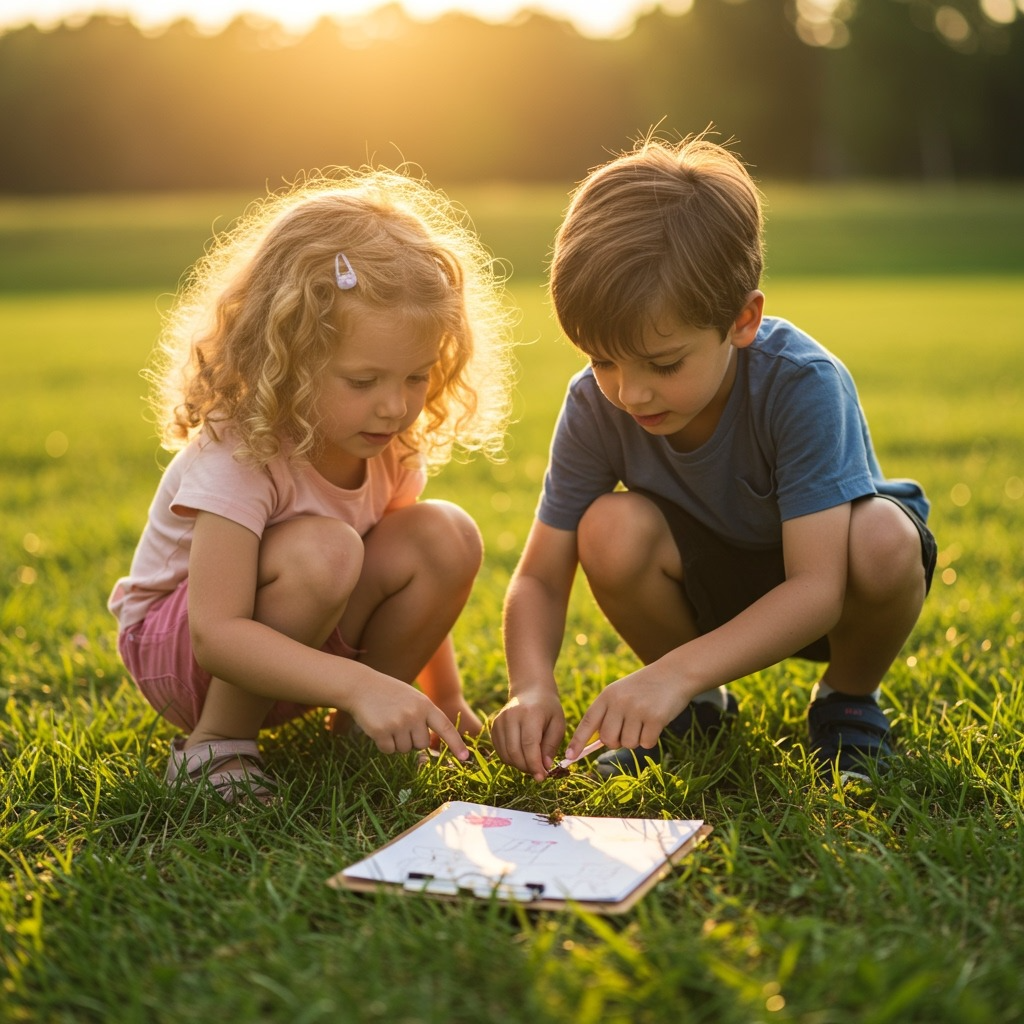
Let’s talk practical safety because outdoor exploration should be fun, not scary. Here are the non-negotiable rules that keep our hunts safe and enjoyable:
The Basic Safety Rules:
- Look, but don’t touch unknown plants, mushrooms, or animals
- Stay where adults can see you.
- No putting nature items in your mouth (obviously, but worth stating!)
- Check for ticks after spending time in tall grass or wooded areas.
- Bring water and stay hydrated.
Essential Supplies:
- First aid supplies for scrapes and scratches
- Hand sanitizer or wipes for after touching things
- A small bag for collecting items (if allowed in your area)
- Sunscreen and bug spray as needed
- Whistle for each child in case they get separated.
Location-Specific Considerations:
Different environments require different precautions. Beach hunts need sun protection and tide awareness, forest hunts require tick checks and plant identification knowledge, and urban nature hunts need traffic awareness.
Teaching Moment Opportunities:
Use safety discussions as learning opportunities. Explain why certain plants might be harmful, how to identify poison ivy, or why we don’t disturb animal homes. These become valuable life skills that extend far beyond scavenger hunts.
For more safety-conscious outdoor activities, our fun facts for kids include great information about staying safe while exploring nature.
Making It Educational Without Killing the Fun
The secret to educational nature scavenger hunts? Layer the learning subtly so kids don’t realize they’re in “school mode.” Here’s how I sneak in educational value without dampening the excitement.
Vocabulary Building: Instead of just “find a leaf,” try “find a serrated leaf” or “find a leaf with parallel veins.” Kids learn new words naturally when they’re actively searching for examples.
Create a “word of the day” approach where you introduce one new scientific term during each hunt. Words like “deciduous,” “evergreen,” “camouflage,” or “adaptation” become part of their regular vocabulary when connected to real experiences.
Scientific Observation: Encourage kids to describe what they find using specific details. “I found a gray rock” becomes “I found a smooth, gray rock with white speckles that feels cool to touch.”
Ask open-ended questions that promote critical thinking: “Why do you think this plant grows here instead of over there?” or “What might have made these marks on this tree?”
Ecosystem Understanding: Ask questions like “Why do you think this plant grows here?” or “What animals might use this for shelter?” Let their natural curiosity lead the discussion.
Point out relationships between different elements you find. Show how fallen logs provide homes for insects, which feed birds, which spread seeds in their droppings. These connections help kids understand that nature is interconnected rather than just a collection of separate objects.
Pattern Recognition: Point out patterns in nature – spirals in pinecones, symmetry in flowers, branching patterns in trees. These observations build mathematical thinking skills.
Challenge older kids to find examples of Fibonacci sequences in nature (pinecones, sunflower centers, nautilus shells), or to identify different types of symmetry in leaves and flowers.
The key is following their interests and questions rather than forcing predetermined lessons. When kids discover something that fascinates them, that’s your teaching moment.
Beyond the Hunt: Extending the Experience
The best nature scavenger hunt for kids doesn’t end when you get home. Here’s how we extend the learning and fun:
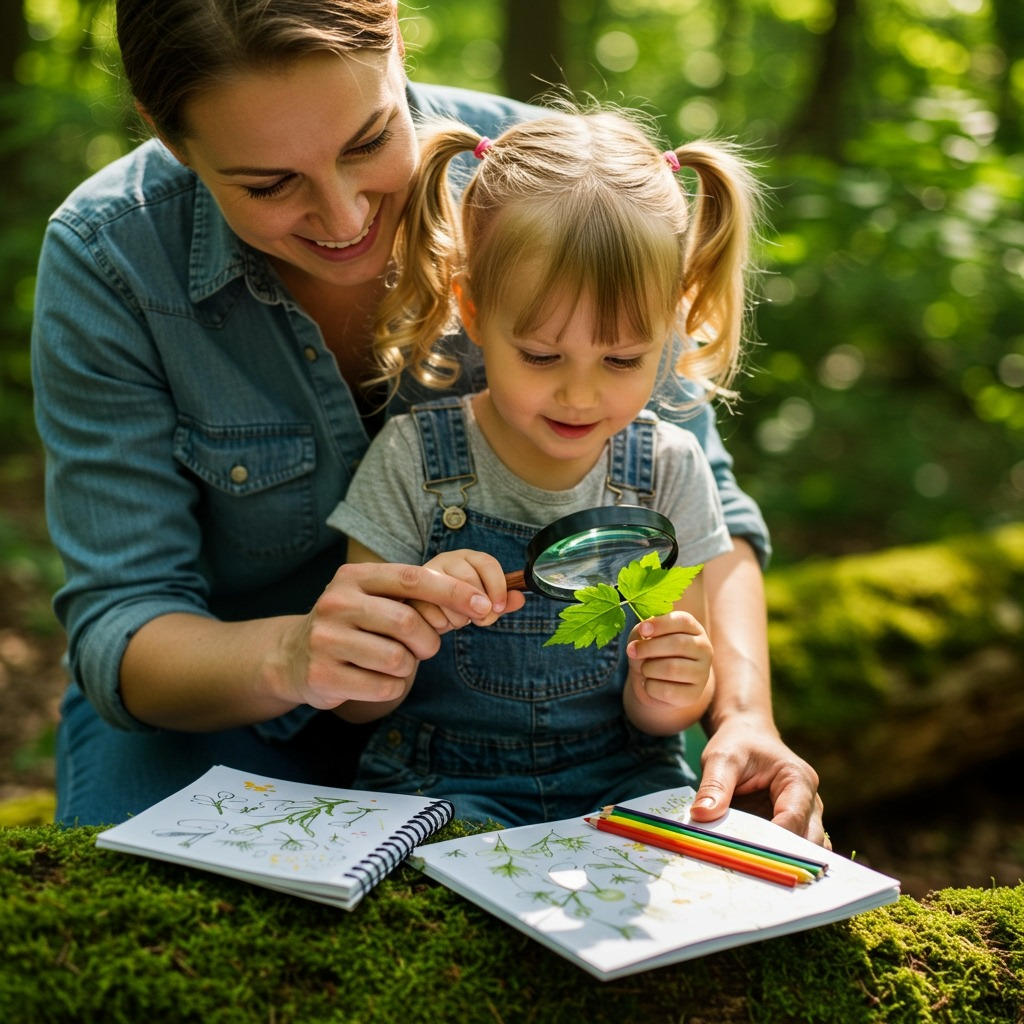
Create a Nature Journal: Kids can draw or write about their favorite finds. Even preschoolers can make simple drawings and dictate stories about their discoveries.
Start with basic observations and gradually add more scientific elements. Older kids can measure items, note where they were found, and record weather conditions or time of day.
Start a Nature Collection: Designate a special box or shelf for interesting rocks, shells, or other treasures (following local collection guidelines, of course).
The organization becomes part of the learning process. Sort collections by color, size, texture, or type. Create labels for different categories and research the proper names for items you’ve collected.
Research Discoveries: If you found something unfamiliar, look it up together when you get home. We’ve learned about local birds, identified mysterious insects, and discovered the names of plants we see regularly.
Use field guides, nature apps, or online resources to identify mysterious finds. This research time reinforces what was discovered during the hunt and often leads to planning future hunts to find related items.
Plan Return Visits: Kids love revisiting spots where they made great discoveries. Seasonal return visits show how environments change throughout the year.
Document changes over time through photos or drawings. Create a timeline showing how the same location looks different across seasons, which reinforces concepts about natural cycles and adaptation.
Photography Extensions: Give kids cameras (or use phones) to document finds too large or inappropriate to collect. Create photo albums of your hunt discoveries.
Photography encourages kids to think about composition, lighting, and perspective while creating permanent records of temporary discoveries.
For additional educational activities that blend learning with fun, try our easy trivia questions for kids during rest breaks on your nature walks.
Special Themes and Advanced Variations
Once your family gets comfortable with basic nature scavenger hunts, these themed variations add fresh challenges and deeper learning opportunities:
Animal Detective Hunt: Focus specifically on finding evidence of animal activity – tracks, scat, chewed leaves, nests, or feeding signs. This develops observation skills while teaching about local wildlife behavior and habitat needs.
Weather and Seasons Hunt: Look for items that show weather effects – sun-bleached leaves, rain-worn rocks, frost-damaged plants, or wind-blown seeds. This helps kids understand how the weather shapes natural environments.
Survival Skills Hunt: Find items that humans historically used for shelter, food, or tools. This connects kids to human history while teaching about resource identification and sustainability.
Micro-Environment Hunt: Focus on one small area like a single tree, rock, or pond edge. See how many different items you can find in a space smaller than a playground. This teaches about biodiversity and habitat density.
Conservation Challenge Hunt: Look for examples of human impact on nature – both positive (planted gardens, bird houses) and negative (litter, erosion). This naturally leads to discussions about environmental stewardship and conservation.
Creating Your Own Family Traditions
The beauty of nature scavenger hunt for kids activities is how they adapt to your family’s interests and local environment. Here’s how to develop personalized traditions:
Location-Based Traditions: Create special hunts for favorite family locations. Beach hunts focus on shells and sea life, mountain hunts emphasize different tree types and elevation changes, and urban hunts highlight nature’s adaptation to city environments.
Holiday and Celebration Hunts: Design special scavenger hunts for birthdays, holidays, or seasonal celebrations. Halloween hunts look for orange and black items, Earth Day hunts focus on conservation examples, and birthday hunts search for items matching the child’s age.
Multi-Generational Hunts: Include grandparents or extended family by creating hunts that work for different mobility levels. Some items can be spotted from benches or accessible paths, while more adventurous finds reward those who can explore further.
Skill-Building Progressions: Design a hunt series that builds specific skills over time. Start with color identification, progress to shape recognition, advance to plant part identification, and eventually tackle species identification or ecosystem relationships.

Technology Integration (When Appropriate)
While nature scavenger hunts are fantastic screen-free activities, strategic technology use can enhance the experience:
Nature Apps: Use plant and animal identification apps to verify discoveries and learn proper names for findings. Apps like iNaturalist let kids contribute to citizen science projects while learning about local biodiversity.
Digital Documentation: Create digital scrapbooks of hunt discoveries, complete with photos, locations, dates, and discoveries. This creates lasting memories while reinforcing observation skills.
Research Extensions: Use online resources to learn more about interesting discoveries. Find out migration patterns of birds you spotted, learn about the life cycle of insects you found, or research the ecological role of plants you discovered.
Sharing and Connection: Create family blogs or social media accounts to share discoveries with distant relatives or connect with other nature-loving families. This extends the social benefits of hunts while building digital literacy skills.
The Bottom Line on Nature Scavenger Hunt for Kids
A well-planned nature scavenger hunt for kids transforms reluctant outdoor participants into enthusiastic explorers. The key isn’t finding the perfect location or creating elaborate lists – it’s matching the activity to your children’s developmental stage and interests.
Start simple, celebrate every discovery, and don’t worry about completing every item on the list. The goal is building positive associations with nature and outdoor time, not checking boxes.
Remember, you’re not just creating a fun activity – you’re fostering a lifelong appreciation for the natural world. These hunts teach observation skills, build vocabulary, encourage physical activity, and create screen-free family bonding time that actually works.
The benefits extend far beyond the immediate activity. Kids who regularly engage in nature-based activities show improved creativity, better problem-solving skills, enhanced focus, and reduced anxiety levels. They’re more likely to become adults who value environmental protection and seek outdoor recreation throughout their lives.
For more nature-focused activities, check out our tongue twisters for kids to practice while walking, or browse the National Wildlife Federation’s nature activity suggestions for families.
Frequently Asked Questions
At what age is best for nature scavenger hunts?
Nature scavenger hunts work for all ages, from toddlers to teens, but the key is adapting the difficulty level. Toddlers need simple, visual items like “something red,” while older kids can handle complex challenges like “evidence of animal habitation.” Mixed-age groups work well when hunts include items at multiple difficulty levels.
How long should a nature scavenger hunt take?
Plan for 30-60 minutes depending on your children’s ages and attention spans. Younger kids (2-5) typically enjoy 20-30 minute hunts, while older children can sustain interest for an hour or more. Always have a backup plan to cut it short if needed, and remember that finding half the items is still a success.
What supplies do I need for a nature scavenger hunt?
The basics include a list (printed or on your phone), something to collect items in (bags or containers), and writing materials to check off finds. Optional extras include magnifying glasses, cameras, clipboards, field guides for plant/animal identification, and small rewards or stickers for motivation.
Can we do nature scavenger hunts in winter?
Absolutely! Winter hunts are fantastic for finding animal tracks, evergreen plants, interesting ice formations, and signs of how animals and plants survive cold weather. Just dress appropriately and adjust expectations for seasonal changes. Winter hunts often reveal animal activity that’s hidden during other seasons.
Are there rules about collecting items from nature?
Always check local regulations before collecting anything. Many parks prohibit removing natural materials. When in doubt, take photos instead of collecting items. Private property and protected areas often have strict no-collection policies. Teaching kids to respect these rules builds environmental stewardship alongside observation skills.