
Here’s the truth: When my oldest started refusing anything green and lived on chicken nuggets for three solid months, I panicked. I stood in the supplement aisle at Target, holding a tub of kids’ protein powder, convinced I was failing at keeping my child nourished. Then I texted my pediatrician in full mom-crisis mode. Her response? “Put the powder down and let’s talk.” That conversation completely changed how I think about protein shakes for kids.
The Mistake I Almost Made (And Why I’m Glad I Asked First)
I almost fell into the trap of thinking protein shakes were the quick fix to my picky-eater problems. Marketing makes it seem like every kid needs extra protein to thrive. But the reality? Most healthy kids are already getting plenty of protein—even the ones who seem to survive on air and goldfish crackers. The real question isn’t whether kids can drink protein shakes, but whether they actually need to. And for the vast majority of children, the answer is no.
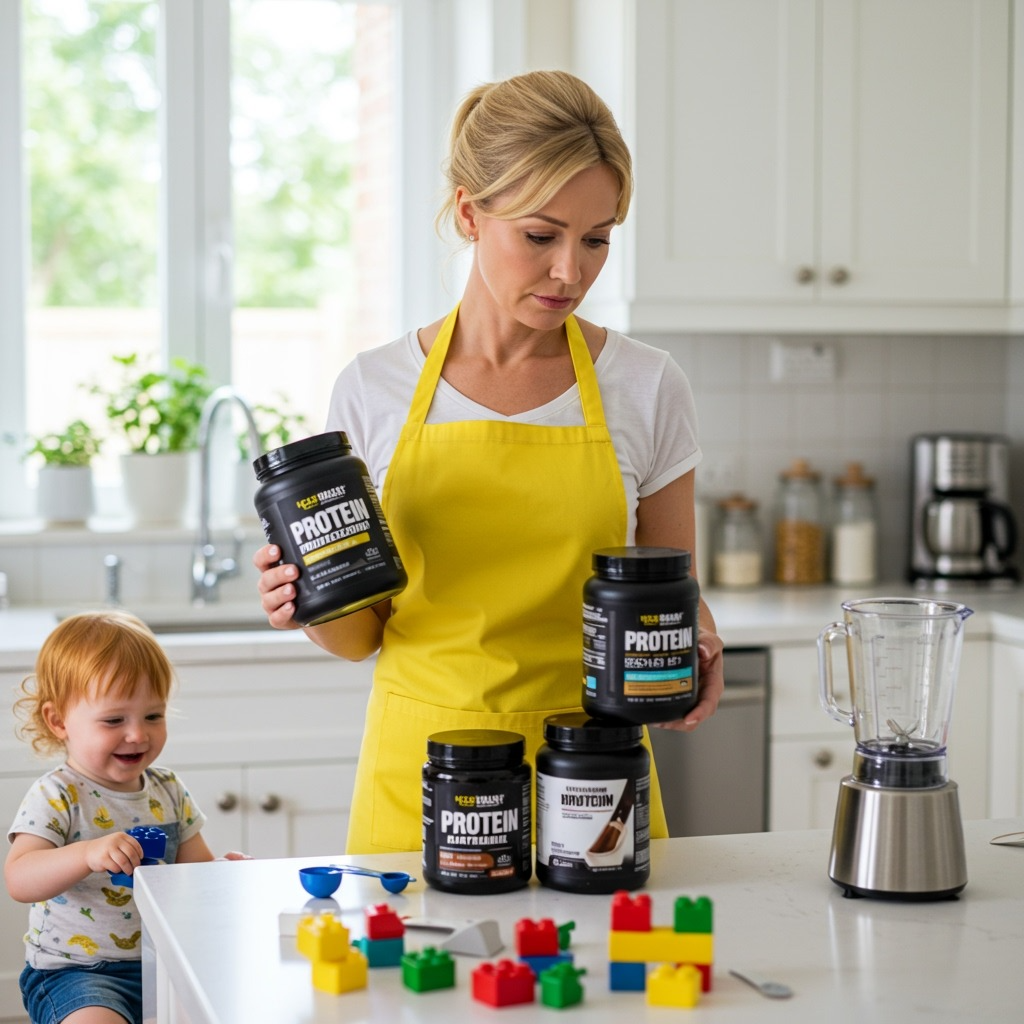
So, Can Kids Drink Protein Shakes? The Honest Answer
Yes, kids can drink protein shakes—but that doesn’t mean they should. According to pediatric experts at WebMD and the Cleveland Clinic, protein supplements are unnecessary for most healthy children. In fact, too much protein can actually be harmful. Here’s what matters: Does your child have a genuine need, or are we just looking for a convenient solution to normal kid eating habits?
The American Academy of Pediatrics makes it clear: if your child is drinking the recommended amount of milk and eating a reasonably balanced diet, they’re probably meeting their protein needs already. Each ounce of cow’s milk contains about a gram of protein, so a toddler drinking their daily milk is already well on their way to hitting protein targets.
How Much Protein Do Kids Actually Need?
Before we even think about protein shakes, let’s talk numbers. According to current dietary guidelines, here’s what kids need daily:
- Ages 1-3: 13 grams of protein
- Ages 4-8: 19 grams of protein
- Ages 9-13: 34 grams of protein
- Girls 14-18: 46 grams of protein
- Boys 14-18: 52 grams of protein
Another way to think about it: kids need about half a gram of protein for every pound they weigh. So a 30-pound toddler needs around 15 grams daily, while a 60-pound second-grader needs about 30 grams.
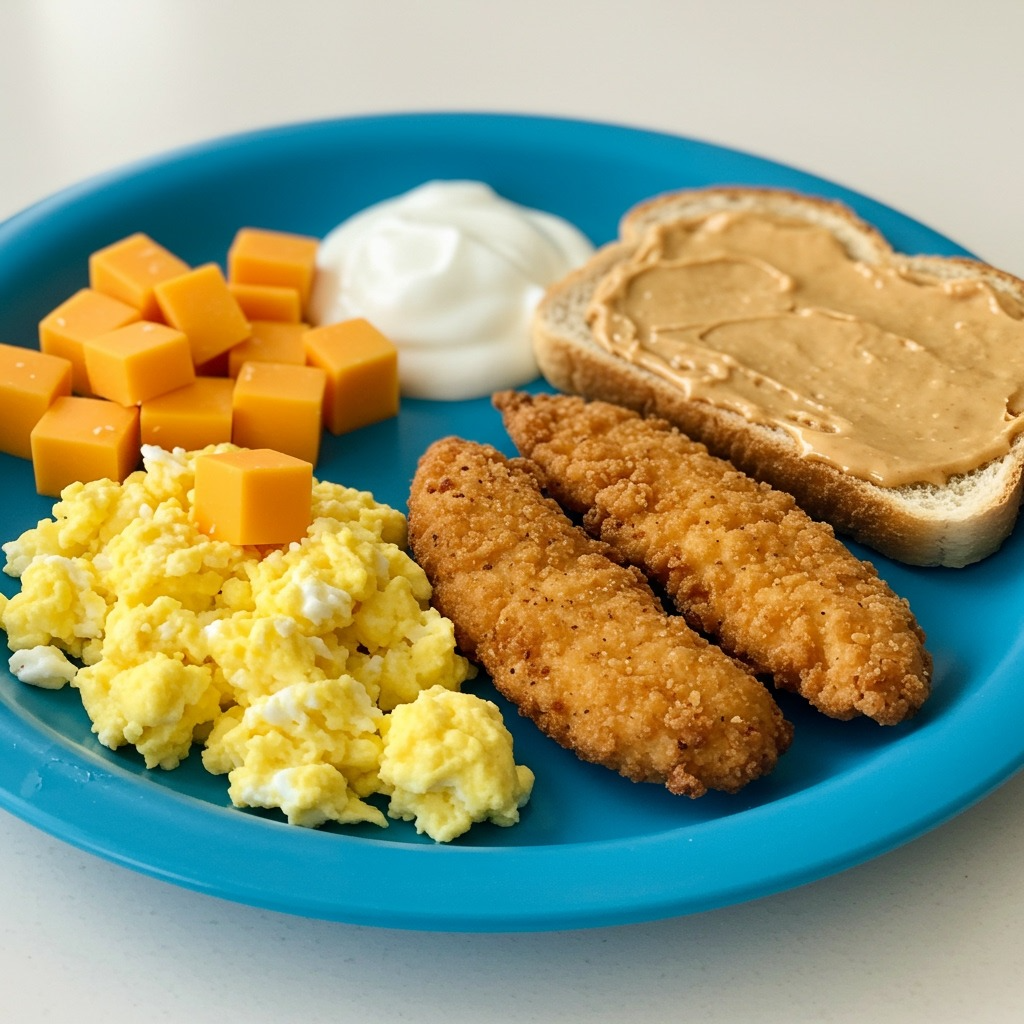
Here’s what really opened my eyes: One chicken breast has about 25 grams of protein. A cup of Greek yogurt? 18 grams. Even a tablespoon of peanut butter has 7 grams. When you add up a typical day—milk, eggs, cheese stick, chicken nuggets, yogurt—most kids are easily hitting (or exceeding) their protein needs without any supplements.
When Protein Shakes Might Actually Make Sense
Okay, so there ARE legitimate situations where protein shakes can be helpful. My pediatrician walked me through the exceptions:
Underweight or Malnourished Children
If a child is significantly underweight or has been diagnosed with malnutrition, a pediatrician might recommend protein supplementation as part of a broader nutritional plan. But this should only happen under medical supervision—not just because you think your kid seems small.
Vegan or Vegetarian Kids
Children following plant-based diets might need up to 15% more protein than meat-eaters to reach the same levels, since plant proteins aren’t always absorbed as efficiently. However, this doesn’t automatically mean protein shakes are necessary. Foods like tofu, lentils, quinoa, nut butters, and fortified plant milks can usually fill the gap. If you’re raising kids with dietary restrictions, understanding when kids learn to read food labels can help them make good choices independently.
Elite Young Athletes
Is that 15-year-old training for competitive sports multiple hours daily? They might benefit from protein supplementation, especially around workouts. But again, talk to a sports dietitian first. Most recreational athletes—even active ones—get enough protein from meals.
Children With Metabolic or Medical Conditions
Kids with conditions like cystic fibrosis, inflammatory bowel disease, or certain metabolic disorders might struggle to absorb nutrients. In these cases, protein supplements might be medically necessary. Always follow your doctor’s specific recommendations.
Extreme Picky Eaters
If your child literally refuses all protein sources—no meat, eggs, dairy, beans, or nuts—a protein shake might serve as a temporary bridge while you work with a feeding therapist. But it shouldn’t replace efforts to expand their diet.
Why Most Kids Don’t Need Protein Shakes (Even Picky Eaters)
Here’s what finally convinced me to skip the protein powder: My pediatrician had me track my “chicken nugget kid’s” intake for three days. Turns out, between breakfast milk, a cheese stick at snack, those infamous nuggets, and bedtime yogurt, he was getting 30+ grams of protein daily. He didn’t need extra protein. He needed me to stress less and trust his body’s hunger cues.
Research published by medical experts consistently shows that protein deficiency is extremely rare in the United States among children with access to varied foods. Most kids naturally regulate their intake over several days—even if individual meals look sparse.
According to resources from Mayo Clinic’s parenting guidance, parents often underestimate how much protein their children consume because they’re not accounting for all the “hidden” protein in bread, pasta, vegetables, and snacks.

The Real Risks of Too Much Protein for Kids
This is where things get serious. Excess protein isn’t just unnecessary—it can actually be harmful. Here’s what pediatric nutritionists worry about:
Kidney Strain
Young kidneys aren’t designed to process excessive protein. Over time, too much can strain developing organs, especially in children with undiagnosed kidney issues.
Displacement of Other Nutrients
When kids fill up on protein shakes, they’re less hungry for whole foods containing fiber, vitamins, minerals, and antioxidants that powders can’t replicate. This creates nutritional imbalances that supplements can’t fix.
Weight Gain
Protein shakes often contain significant calories—sometimes 200+ per serving. If kids don’t need the extra protein, those calories just add up without providing balanced nutrition.
Contamination Concerns
Protein powders aren’t FDA-regulated like foods. A 2018 study found concerning levels of heavy metals in some popular protein powders. Children are more vulnerable to these contaminants than adults.
Creating Unhealthy Relationships With Food
Teaching kids that they need supplements to be healthy can undermine their natural ability to eat intuitively. It sends the message that real food isn’t enough—which isn’t true for most kids.
The Cleveland Clinic puts it bluntly: additional protein for most children does more harm than good. That stopped me in my tracks.
What to Do Instead: Getting Protein From Real Food
Instead of reaching for protein powder, I focused on making protein-rich foods more appealing and accessible. Here are strategies that actually worked in my house:
Make Protein Fun and Familiar
- Cut chicken into fun shapes with cookie cutters
- Let kids dip everything (ranch, hummus, yogurt-based sauces)
- Try breakfast for dinner—pancakes with eggs hidden inside.
- Make “ants on a log” with peanut butter and celery.
- Create build-your-own taco or pizza nights.
Looking for more creative ways to engage kids around food? Check out our fun activities for kids that include cooking projects.
Sneak It In (Without Lying)
I’m not talking about hiding vegetables in brownies. I mean offering naturally protein-rich snacks:
- String cheese and crackers
- Trail mix with nuts
- Hard-boiled eggs (try different seasonings!)
- Edamame (kids love popping them out)
- Greek yogurt parfaits with fruit
Involve Kids in Food Prep
When my kids help make scrambled eggs or roll turkey roll-ups, they’re way more likely to eat them. Cooking together builds skills and reduces mealtime battles. For easy ideas, try our collection of easy recipes for kids.
Offer Protein at Every Meal and Snack
Without pressuring them to eat it, just consistently include a protein option. Over time, exposure increases acceptance.
Model Good Eating
Kids watch everything. When they see you enjoying chicken, fish, beans, and nuts, they’re more likely to try them too.
If You Do Choose Protein Shakes: How to Do It Safely
After talking with my pediatrician and doing my research, here’s what I learned about choosing protein shakes if they’re genuinely needed:
Get Medical Approval First
Seriously. Don’t just buy protein powder because it seems healthy. Ask your pediatrician or a pediatric dietitian whether your child actually needs supplementation.
Check the Protein Amount
Many protein shakes contain 20-30 grams per serving—more than a young child needs in an entire day. Look for products specifically formulated for children with age-appropriate amounts.
Look for Third-Party Testing
Choose products with NSF or USP certification, which means they’ve been tested for contaminants and actually contain what the label claims.
Read the Ingredient List
Avoid products with excessive sugar, artificial sweeteners, unnecessary additives, or long lists of ingredients you can’t pronounce.
Use Them as Supplements, Not Meal Replacements
Protein shakes should supplement a balanced diet, not replace meals. Whole foods provide fiber, vitamins, minerals, and beneficial compounds that powders can’t match.
Monitor Your Child’s Total Protein Intake
If adding a shake, make sure you’re not pushing them into excessive protein territory. More isn’t better.
What About Homemade Protein Smoothies?
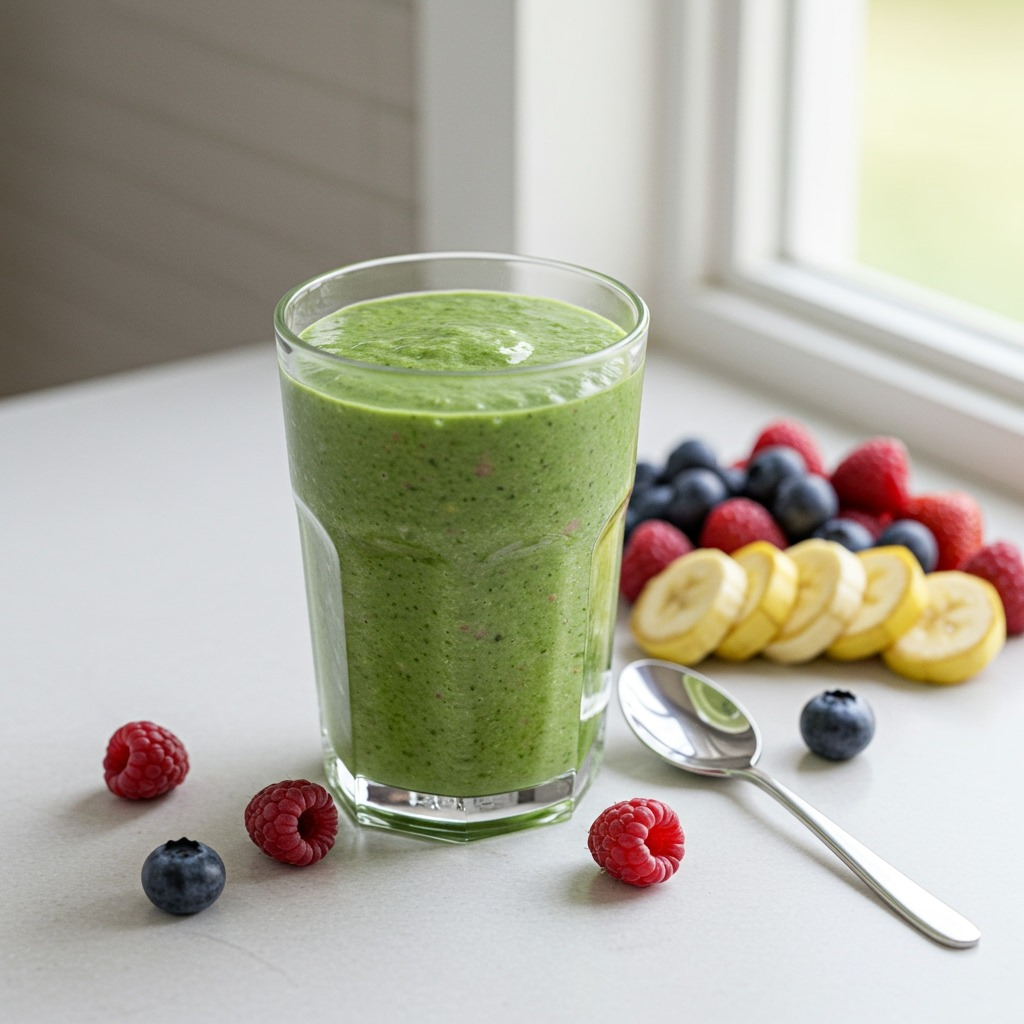
This is different from commercial protein powders. Making smoothies with whole food ingredients—Greek yogurt, nut butter, milk, fruits, maybe some oats or chia seeds—gives you control over what goes in. These can be a great way to pack nutrition into a kid-friendly format.
A simple formula:
- 1 cup milk (dairy or fortified plant-based)
- ½ cup Greek yogurt
- 1 tablespoon nut butter
- 1 cup frozen fruit
- Optional: handful of spinach (they won’t taste it!)
This provides protein, calcium, healthy fats, fiber, and vitamins without any powders or supplements. Plus, kids often love the “special treat” aspect of smoothies.
My Biggest Takeaway: Trust the Process (And Your Pediatrician)
I used to worry constantly about whether my kids were eating “enough” protein. Now I track their intake occasionally just to reassure myself, but mostly I’ve learned to trust that healthy kids with access to varied foods will get what they need. Some days, they eat a ton of protein. Other days, not so much. Over several days, it balances out.
The best thing I did was stop stressing and start making protein-rich foods available without pressure. When mealtimes became less fraught, everyone relaxed—and ironically, my picky eater started trying more foods.
If you’re worried about your child’s nutrition, growth, or eating habits, the answer isn’t found in the supplement aisle. It’s found in a conversation with your pediatrician. They can assess whether there’s actually a problem or if you’re just dealing with normal childhood eating patterns. Understanding child development stages—like when kids start talking or when kids stop napping—helps us know what’s normal.
When to Call the Doctor
Reach out to your pediatrician if:
- Your child is losing weight or not growing as expected
- They refuse entire food groups for extended periods.
- You’re concerned about a medical condition affecting nutrition.
- Your child is an elite athlete with high training demands.
- You’re considering any dietary supplements.
According to the CDC’s child development resources, regular check-ups help catch nutritional concerns early.
FAQ: Real Mom Questions About Kids and Protein Shakes
Can I give my toddler protein shakes if they’re a picky eater?
For most toddlers, protein shakes are unnecessary. Toddlers need only 13 grams of protein daily—easily achieved through milk, yogurt, cheese, and small amounts of meat or beans. Focus on offering varied foods without pressure rather than supplementing.
Are protein shakes safe for kids who play sports?
For recreational athletes, regular meals and snacks provide enough protein. Elite athletes training intensively might benefit from targeted supplementation, but consult a sports dietitian first. Most young athletes need more carbohydrates for energy than extra protein.
What’s the difference between protein shakes and meal replacement drinks like PediaSure?
Medical nutrition shakes like PediaSure are formulated for children who are underweight or have feeding difficulties. They’re more balanced than typical protein shakes, containing vitamins, minerals, fats, and carbs—not just protein. These should still only be used under medical guidance.
Can too much protein hurt my child?
Yes. Excessive protein can strain developing kidneys, displace other essential nutrients, contribute to unnecessary weight gain, and potentially expose children to contaminants found in some protein powders. More isn’t better when it comes to protein.
How do I know if my child is getting enough protein without supplements?
Most kids get plenty. Try tracking intake for a few days—you’ll likely be surprised. If you’re genuinely concerned, ask your pediatrician to assess growth charts and dietary patterns before considering supplements.
Are plant-based protein shakes better for kids than whey protein?
Not necessarily. What matters most is whether the shake is needed at all, properly tested for safety, and age-appropriate in protein content. Both plant and dairy-based options can be safe when used appropriately under medical guidance.
My child is vegan. Do they need protein powder?
Most vegan children get adequate protein from varied plant foods like beans, lentils, tofu, quinoa, nuts, seeds, and fortified plant milks. Work with a pediatric dietitian to ensure balanced nutrition rather than automatically adding supplements.
Looking back, I’m so glad I paused in that Target aisle and called my pediatrician. The protein shake industry wants us to believe our kids need their products. But the truth is simpler and cheaper: real food, reasonable expectations, and regular pediatrician check-ups are what most kids need to thrive.
Your picky eater? They’re probably getting more nutrition than you think. And on the days when dinner is a disaster and everyone eats cereal? That’s normal too. Progress, not perfection, applies to feeding kids just like everything else in parenting. You’re doing better than you think.