
The playdate started out fine.
My daughter was five, and we’d invited her new friend from kindergarten over for the afternoon. I’d prepped snacks, set out toys, and honestly thought it would be two hours of easy parallel play while I caught up on laundry.
But within ten minutes, I heard crying. Then yelling. Then my daughter stormed into the kitchen, arms crossed, face red. “She won’t share! She’s playing with MY dolls!”
I rushed into the living room to find the other little girl sitting alone, confused and teary-eyed. My daughter refused to go back. The playdate ended early. The other mom gave me a polite smile, but I could see the judgment in her eyes.
That’s when it hit me: my kid didn’t know how to share, take turns, or navigate conflict—and I’d been assuming those skills would just… happen.
Turns out, social skills don’t develop automatically. They’ve learned. And as much as I hated to admit it, I hadn’t been teaching them. I’d been too focused on ABCs, bedtime routines, and keeping everyone fed to realize that empathy, cooperation, and communication don’t just show up one day because your kid turned five.
So I did what any overwhelmed mom does: I went down a research rabbit hole. And what I found changed everything—not just for my kids, but for our whole family dynamic. Today, I’m breaking down the seven social skills every kid actually needs, why they matter more than I ever realized, and how I teach them in real, practical, non-nagging ways every single day.
Why Social Skills Matter More Than I Thought
For a long time, I thought social skills were just about “being nice” and “playing well with others.” Important, sure—but not that big of a deal.
I was wrong.
Research shows that kids who develop strong social skills early are more likely to succeed academically, attend college, and maintain full-time employment as adults. On the flip side, kids who struggle with social skills are more likely to experience mental health challenges, depend on public assistance, and even face legal troubles later in life.
That’s not meant to scare you—it’s meant to show you how powerful these skills are. Social skills aren’t just about making friends (though that’s huge). They’re about communication, emotional regulation, problem-solving, and navigating the world with confidence.
Think about it: nearly every interaction your child has—whether it’s asking for help, resolving a disagreement, working on a group project, or even ordering food at a restaurant—requires social skills. These are the foundations for healthy relationships, self-esteem, and emotional well-being.
And here’s the thing I wish I’d understood sooner: some kids naturally pick up on social cues, while others need more explicit teaching and practice. If your child struggles in social situations, it doesn’t mean they’re “bad” or “behind”—it means they need support, modeling, and lots of patient repetition.
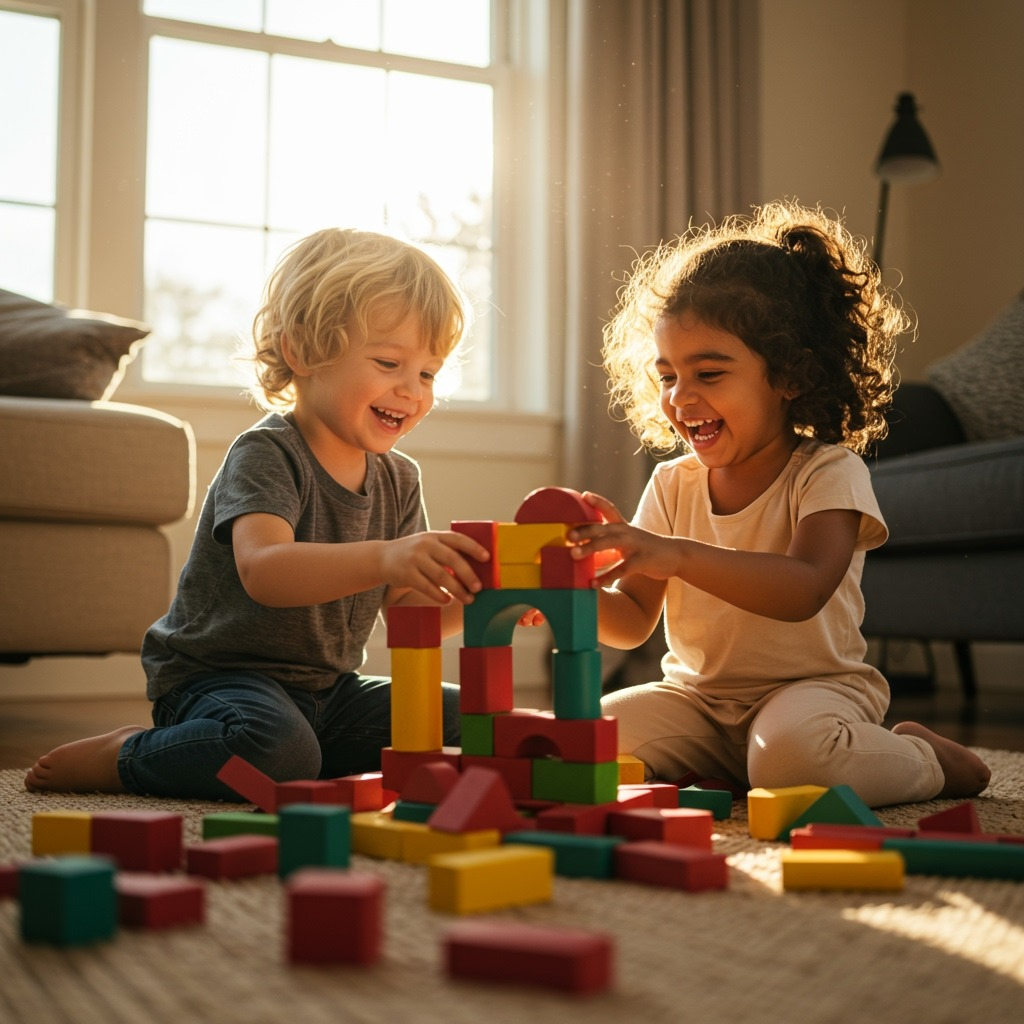
The 7 Social Skills Every Kid Actually Needs
After that disastrous playdate, I started paying closer attention to what my kids were (and weren’t) doing in social situations. Here are the seven skills I realized were non-negotiable—and the ones I now focus on teaching every single day.
1. Sharing
Sharing is hard. Even for adults, honestly. But for toddlers and preschoolers, it’s especially tough because they’re wired to focus on their own needs first. That’s developmentally normal—but it’s also a skill they need to learn.
Sharing teaches kids about fairness, empathy, and negotiation. It helps them build and keep friendships, and it’s one of the first ways they learn that other people have feelings and needs too.
What it looks like: Taking turns with toys, splitting snacks, and letting a sibling choose the movie sometimes.
2. Active Listening
Active listening means more than just hearing words—it’s about paying attention, processing what someone said, and responding appropriately. This is a tough one for kids (and, let’s be honest, for a lot of adults too).
Kids who learn to listen well develop stronger receptive language skills, which help them understand stories, follow directions, answer questions, and pick up on social cues.
What it looks like: Making eye contact, not interrupting, asking questions, responding to what someone actually said.
3. Empathy
Empathy is the ability to understand and care about someone else’s feelings. It’s the skill that helps kids relate to their peers, respect boundaries, and show kindness—even when it’s hard.
Empathy develops gradually, so it’s important to extend grace as kids learn. But with modeling and practice, they can learn to recognize emotions in others and respond with compassion.
What it looks like: Saying “Are you okay?” when someone falls, comforting a friend who’s sad, and understanding why someone might be upset.
4. Cooperation
Cooperation is all about working together toward a common goal. Whether it’s cleaning up toys, playing a game, or completing a school project, kids need to learn that teamwork makes everything easier—and more fun.
Kids who cooperate learn patience, problem-solving, and how to function within a community.
What it looks like: Helping a sibling with chores, playing a board game without tantrums, working on a puzzle together.
If you’re looking for fun ways to encourage teamwork at home, check out these activities for kids that make cooperation feel like play.
5. Respect
Respect means treating others with kindness, courtesy, and consideration—regardless of their background, beliefs, or opinions. It’s one of the most important values we can teach our kids, and it starts with modeling it at home.
What it looks like: Using kind words, respecting personal space, listening when someone says “no,” and treating others the way they want to be treated.
6. Self-Control
Self-control is the ability to manage emotions and behaviors—even when things don’t go your way. It’s what helps kids resist impulses, handle frustration, and make thoughtful decisions instead of reactive ones.
Self-control is directly tied to emotional intelligence and is one of the strongest predictors of success in school and life.
What it looks like: Waiting for a turn, staying calm when losing a game, using words instead of hitting when upset.
7. Communication
Communication is the ability to express thoughts, feelings, and needs clearly and respectfully—and to understand what others are communicating to you. It’s the glue that holds all the other social skills together.
Kids who communicate well can advocate for themselves, resolve conflicts, build friendships, and navigate social situations with confidence.
What it looks like: Saying “Can I have a turn?” instead of grabbing, expressing feelings with words, and asking for help when needed.
For more on building strong communication habits early, this guide on when kids start talking has great developmental milestones to watch for.
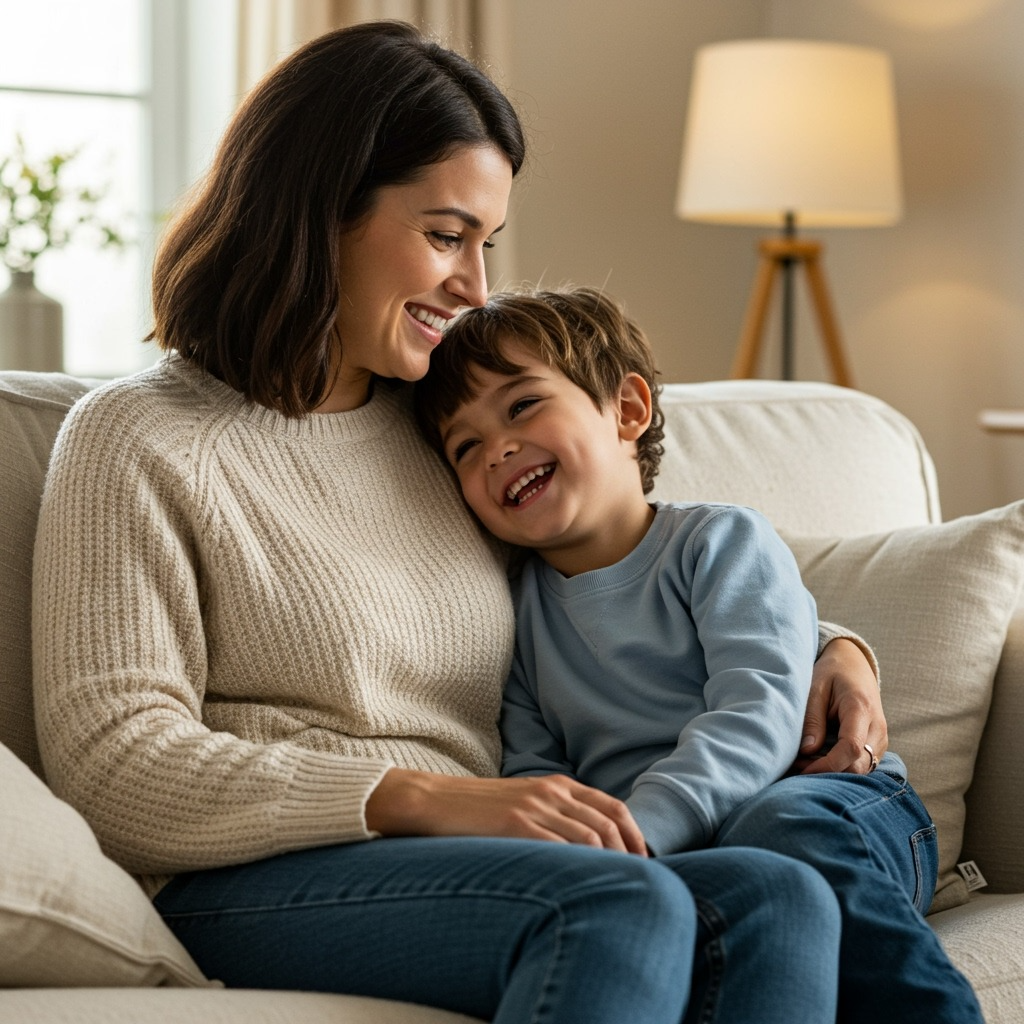
How I Teach These Skills Without Nagging All Day
Okay, so we know what skills kids need. But how do you actually teach them without turning into a nagging, lecturing parent 24/7?
Here’s what’s worked for me:
Model It (Even When It’s Hard)
Kids learn by watching. If I want my kids to listen, I need to listen to them. If I want them to use respectful language, I need to use it too—even when I’m frustrated.
This doesn’t mean being perfect. It means being intentional. When I mess up (and I do, often), I apologize and model how to make it right.
Use Natural Consequences
Instead of lecturing, I let natural consequences do the teaching. If my son won’t share his toys, his sister doesn’t want to play with him. If my daughter interrupts constantly, people stop listening to her.
I don’t rub it in—I just calmly name what happened: “I noticed your sister walked away. I wonder if she felt frustrated when you didn’t share?”
Role-Play Tricky Situations
Before playdates, outings, or new social situations, we role-play. I’ll say, “What if your friend wants to play with the toy you’re using? What could you say?” We practice different scenarios so they’re not figuring it out in the heat of the moment.
According to the CDC’s guidelines on positive parenting, role-playing and practicing social situations help kids build confidence and competence in real-world interactions.
Catch Them Doing It Right
Positive reinforcement is huge. When I see my kids sharing, listening, or showing empathy, I name it: “I saw you let your brother go first. That was really kind.”
Kids repeat behaviors that get positive attention.
Build Social Skills Into Daily Routines
You don’t need fancy lessons or a curriculum. Social skills are everywhere:
- Mealtimes: Taking turns talking, listening to each other’s stories, asking questions
- Chores: Cooperating to clean up, helping each other, taking responsibility
- Bedtime: Talking about the day, naming feelings, practicing empathy
The more you weave these skills into everyday life, the more natural they become. If you’re looking for structured ways to incorporate learning moments, these easy trivia questions for kids can spark great conversations during family time.
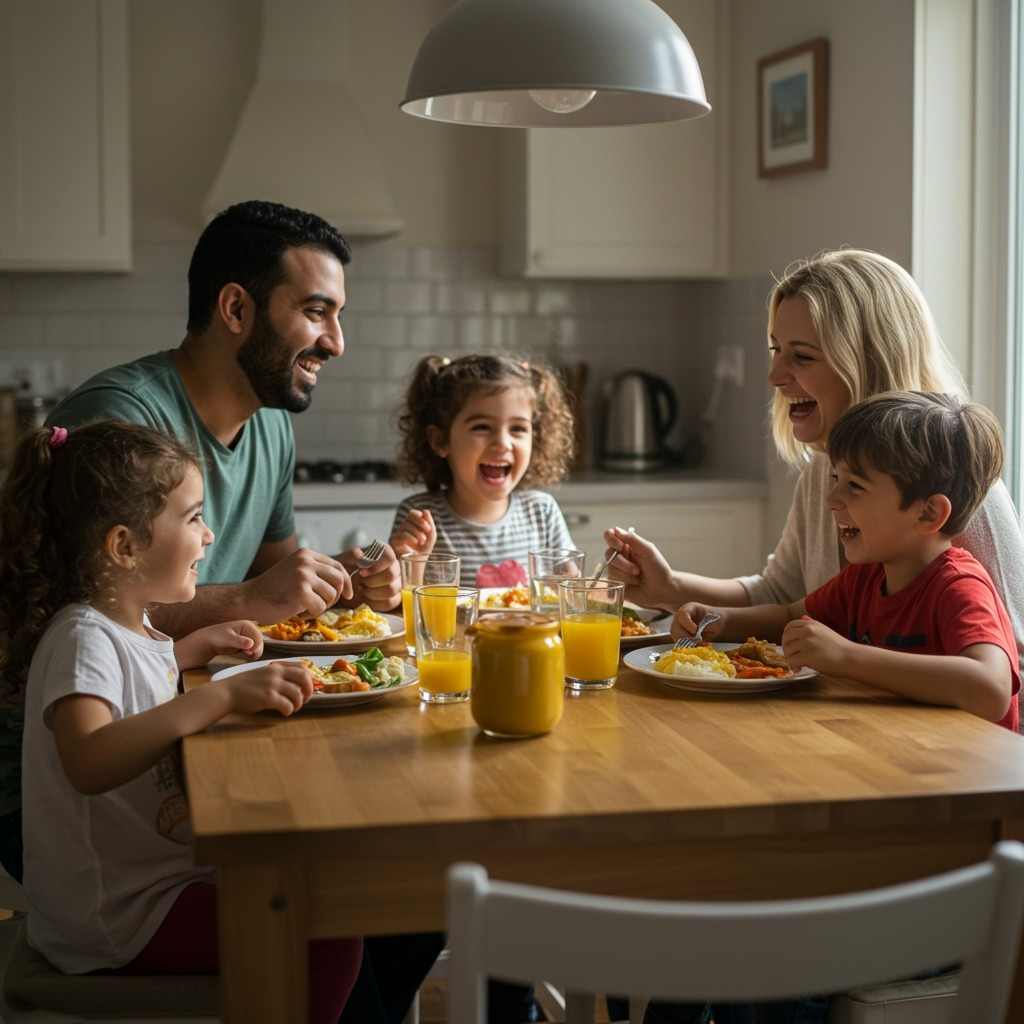
When Your Kid Struggles (And What Actually Helps)
Let’s be real: not every kid picks up social skills at the same pace. And that’s okay.
If your child is hitting, refusing to share, interrupting constantly, or melting down in social situations, here’s what helps:
Check Your Expectations
Make sure your expectations are age-appropriate. A two-year-old isn’t going to share willingly—they’re still figuring out object permanence. A four-year-old might interrupt because they haven’t developed impulse control yet.
Understanding developmental stages helps you stay patient and adjust your approach. If you’re wondering about when kids start preschool or what developmental milestones to expect, it can help frame realistic expectations.
Stay Calm and Consistent
Kids learn best when we’re calm, not when we’re yelling or shaming. When my daughter hit her brother, I calmly said, “Hitting hurts. I won’t let you hit. Let’s find another way to show you’re upset.”
Then I followed through—every single time. This approach aligns with principles of soft parenting, which focuses on firm boundaries with gentle delivery.
Offer Alternatives
Instead of just saying “don’t do that,” give them something to do. “You can’t hit your brother, but you can tell him you’re frustrated or take a break in your room.”
Seek Support When Needed
Some kids need extra help—whether that’s from a therapist, counselor, or social skills group. If your child is consistently struggling despite your best efforts, there’s no shame in asking for professional support. In fact, it’s one of the best things you can do.
Resources like Child Mind Institute offer great guidance on when to seek additional help and what to look for.
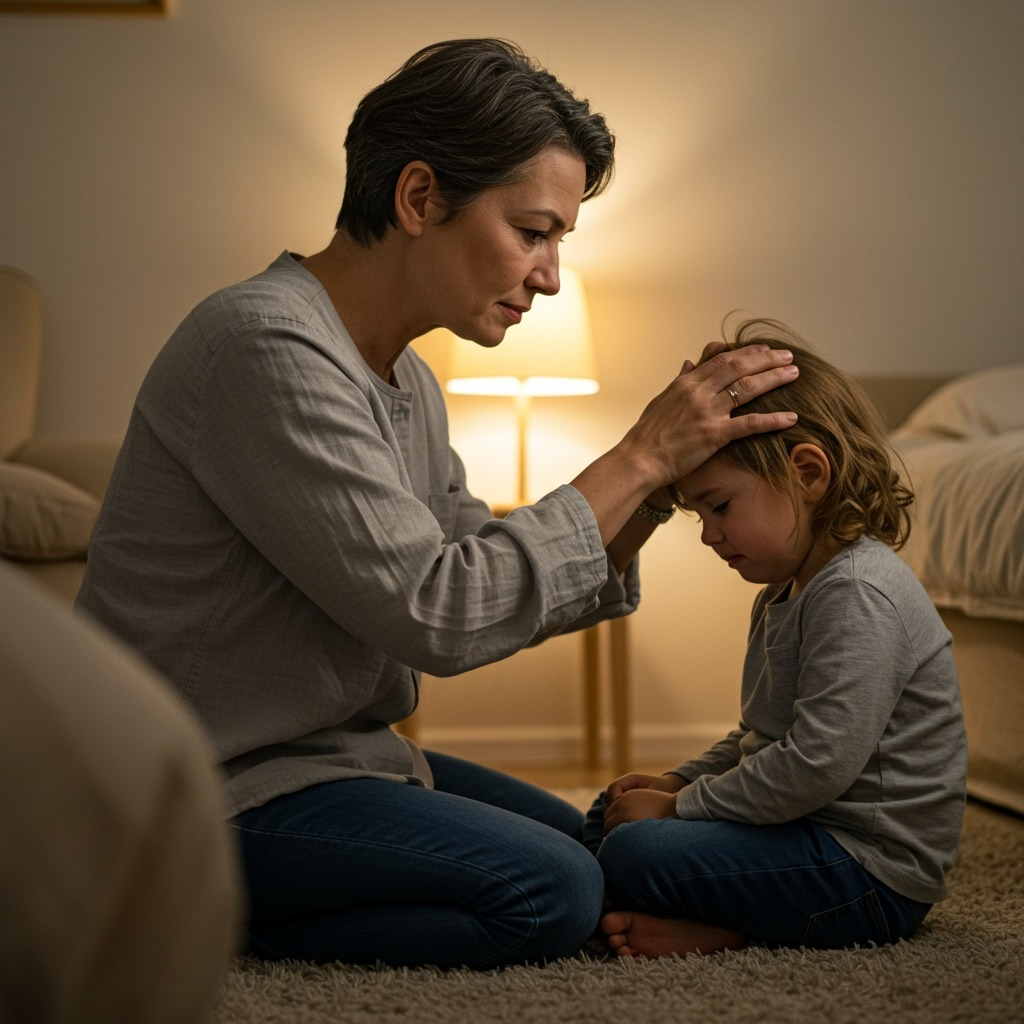
The Long Game
Here’s what I remind myself on the hard days: social skills are lifelong learning.
I’m still working on listening better, managing my frustration, and communicating clearly. My kids are going to be working on these skills for years—and that’s okay.
The goal isn’t perfection. It’s progress. It’s noticing when your child shares without prompting, or when they comfort a friend, or when they use their words instead of their fists. Those moments? They’re worth celebrating.
Teaching social skills isn’t always easy, and there will be days when you feel like you’re repeating yourself for the millionth time. But you’re planting seeds. You’re building a foundation that will serve your child for the rest of their life.
And on the days when it feels like too much—when the playdates are still a disaster and the siblings are still fighting—remember this: You’re not alone. You’re doing important work. And your kids are learning, even when it doesn’t feel like it.
For more support on different parenting approaches that balance connection and boundaries, explore the parenting styles chart to see what resonates with your family.
Frequently Asked Questions
At what age should kids start learning social skills?
Social skills development begins in infancy and continues throughout childhood and beyond. Babies start learning social skills through bonding and communication with caregivers. Toddlers begin learning to share, take turns, and express emotions. Preschoolers develop empathy, cooperation, and conflict resolution. Each stage builds on the last, so it’s never too early—or too late—to start teaching and reinforcing these skills.
What if my child doesn’t want to share?
Not wanting to share is completely normal, especially for toddlers and preschoolers. Start by teaching turn-taking instead of forcing immediate sharing. Use timers, offer choices (“You can play with it for five more minutes, then it’s your sister’s turn”), and model sharing yourself. Praise your child when they do share, even in small moments. Over time, with consistency and patience, sharing becomes easier.
How can I help my shy child develop social skills?
Shy kids may need more time and gentle encouragement. Start with low-pressure social situations like one-on-one playdates with familiar friends. Role-play scenarios at home so they feel prepared. Don’t force interaction—let them observe and join in when ready. Praise small steps, like saying hello or making eye contact. Many shy kids develop strong social skills—they just need a slower, more gradual approach.
Are social skills the same as manners?
Social skills and manners overlap but aren’t the same. Manners are specific behaviors like saying “please” and “thank you.” Social skills are broader abilities like empathy, communication, cooperation, and emotional regulation. Manners are part of social skills, but true social competence goes deeper—it’s about understanding emotions, reading social cues, and building healthy relationships.
When should I be concerned about my child’s social development?
If your child consistently struggles with social interactions despite teaching and practice, avoids peers, shows no interest in friendships, has frequent aggressive outbursts, or seems unable to read basic social cues by age 4-5, it may be worth consulting a pediatrician or child psychologist. Early intervention can make a huge difference. Trust your instincts—if something feels off, it’s always okay to seek professional guidance.