
Let me paint you a picture: flour everywhere, eggshells in the batter, and my 4-year-old having a complete meltdown because her cookies didn’t look like the Pinterest photo. That was my first attempt at “easy baking recipes for kids,” and it was an absolute disaster.
After three years of trial and error (and way too many kitchen cleanups), I’ve finally found the recipes that actually work with kids. Not the ones that look perfect on Instagram, but the ones that keep my children engaged, create minimal mess, and actually produce something delicious we want to eat.
If you’re tired of ambitious baking projects ending in tears and wasted ingredients, this list is for you. These are the tested, mom-approved easy baking recipes for kids that have saved our family baking time and made the kitchen a place of joy instead of stress.

Why Most “Kid-Friendly” Recipes Fail (And What Actually Works)
Here’s the truth about most easy baking recipes for kids: they’re designed by people who don’t actually bake with children regularly. After countless kitchen disasters, I’ve learned what separates the winners from the epic fails.
The biggest mistake most recipes make is assuming kids have patience. Recipes with multiple rising times, complicated decorating steps, or delicate techniques are setting you up for failure. Kids want to see results quickly, and their attention spans are about as long as it takes to crack an egg (badly).
Successful easy baking recipes for kids have three essential qualities: they’re forgiving (a little extra flour won’t ruin everything), they’re fast (under an hour from start to finish), and they involve tasks kids can actually do independently. Stirring, pouring, and shaping work. Precise measurements and delicate folding techniques do not.
The research shows that cooking with children builds confidence and life skills, but only when the experience is positive. Nothing kills a child’s enthusiasm for baking like feeling incompetent or constantly being corrected.
What actually works: One-bowl recipes, muffins (the ultimate kid-friendly bake), no-bake options, and anything that involves chocolate chips. Kids love having “jobs” in the kitchen, so recipes that let them crack eggs, measure ingredients, or decorate the finished product are golden.
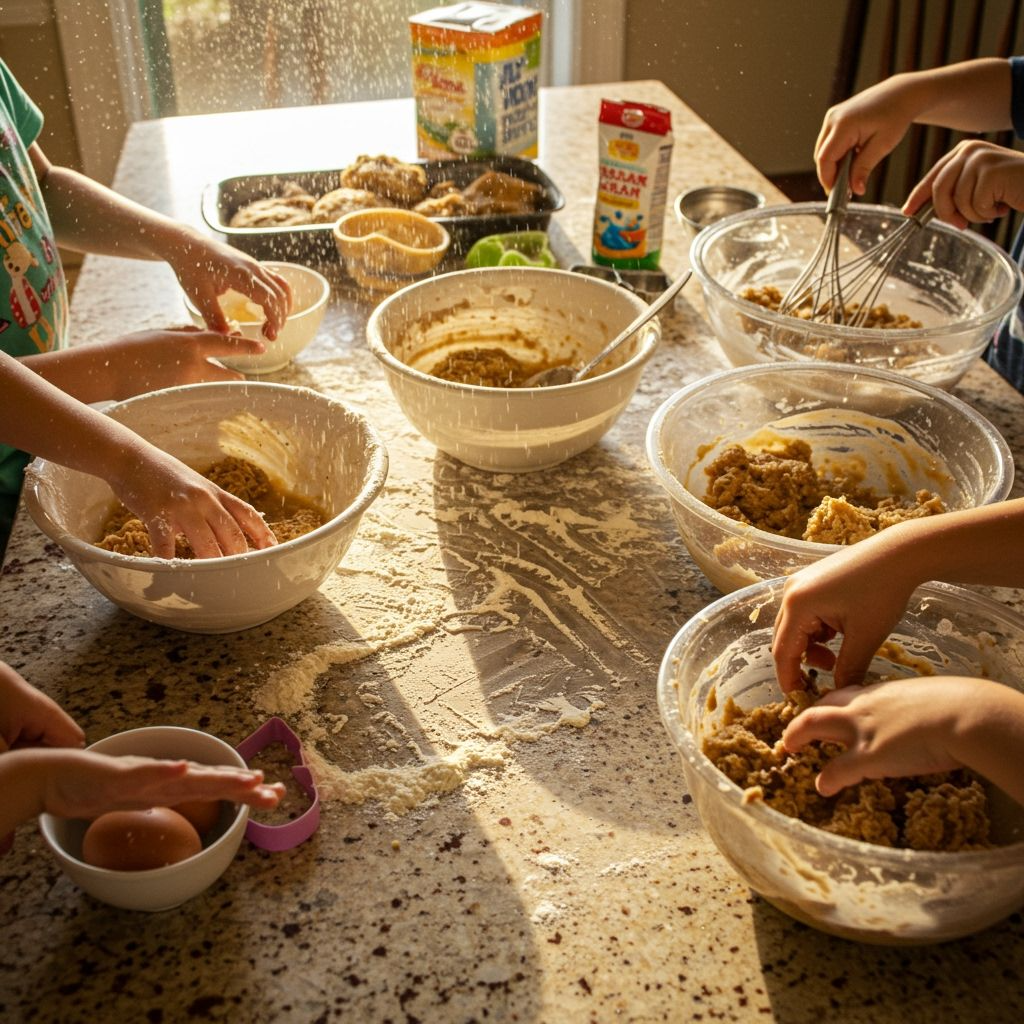
I’ve learned to embrace the mess and lower my expectations about perfection. The goal isn’t magazine-worthy results—it’s creating positive memories and teaching basic kitchen skills. When you adjust your mindset, baking with kids becomes so much more enjoyable.
The science behind successful kid baking: Children learn best through hands-on experiences that engage multiple senses. The tactile experience of mixing dough, the visual transformation during baking, and the immediate reward of eating their creation all work together to create positive learning memories.
The Ultimate Starter Recipes (Ages 3-6)
These are the recipes I start every child with, regardless of their previous kitchen experience. They’re virtually foolproof and give kids confidence to tackle more challenging bakes later.
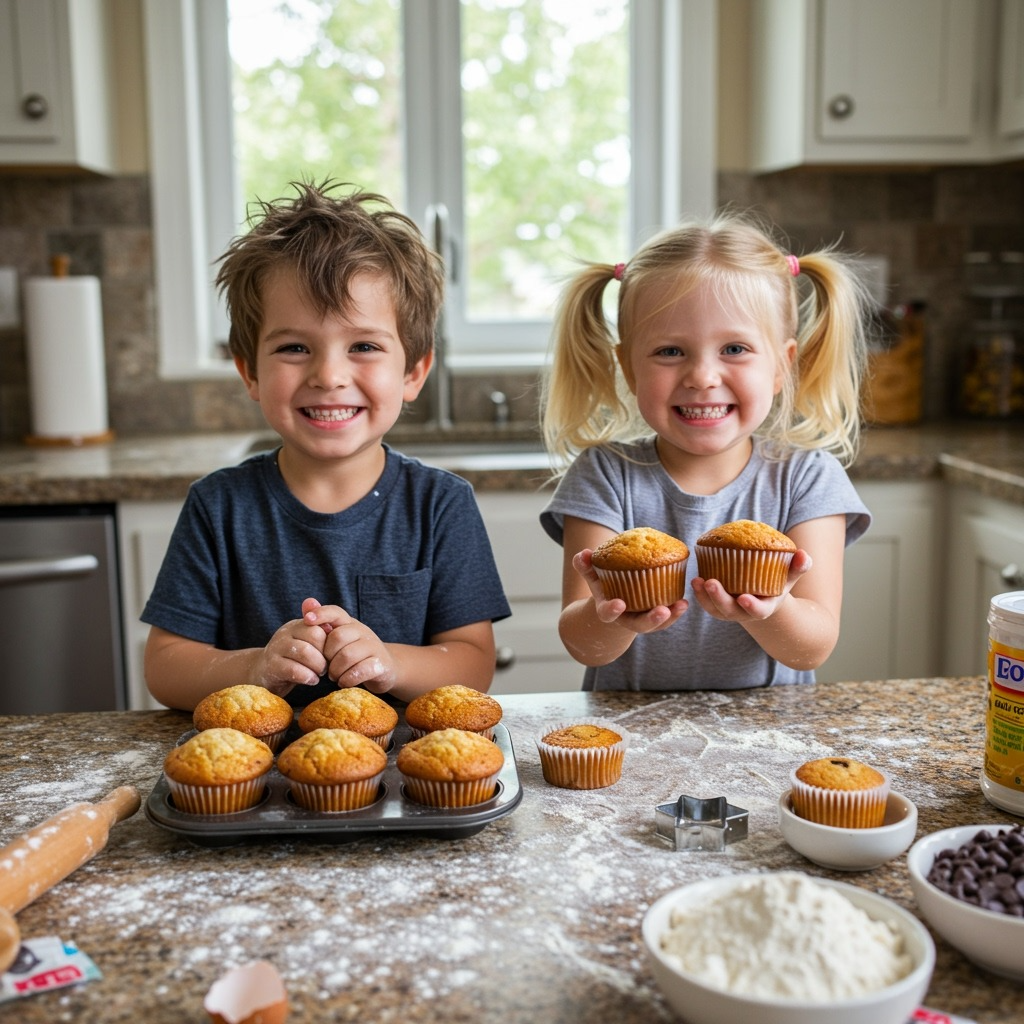
Easy Banana Muffins
This is hands-down the best first recipe for kids. Muffins are forgiving, bake quickly, and kids can help with every step. Plus, you probably have all the ingredients in your pantry right now.
Why it works: The batter can handle enthusiastic mixing, and even if you forget them in the oven for an extra few minutes, they’re still delicious. Kids love mashing the bananas—it’s the perfect job for little hands that builds their confidence while developing fine motor skills.
Kid jobs: Mash bananas with a fork, crack eggs (expect some shells), measure and dump ingredients, fill muffin cups. The measuring practice is fantastic for early math skills and teaches them about fractions and volume.
Pro tip: Use paper liners and let kids fill them about 2/3 full. They’ll be so proud seeing their muffins rise in the oven. The visual transformation from batter to golden muffins is pure magic for young children.
Recipe success rate: Nearly 100% when kids follow basic steps. Even “mistakes” like overmixing or uneven distribution usually result in perfectly edible muffins.
No-Bake Chocolate Oat Cookies
When you need something sweet but don’t want to turn on the oven, these are perfect. They come together in about 10 minutes and teach kids about following a sequence without the pressure of baking times.
Why it works: No oven means no burnt disasters. Kids can see the transformation happen on the stovetop, which is magical for them. Plus, they set up quickly, so there’s almost instant gratification—crucial for maintaining young attention spans.
Kid jobs: Measure oats and cocoa powder, drop spoonfuls onto wax paper, lick the spoon (obviously, the most important job). The stovetop mixing requires adult supervision, but kids can help monitor the bubbling process.
Mess factor: Minimal! Everything goes in one pot, and cleanup is easy. The biggest mess usually comes from dropping the cookie mixture onto wax paper, which is actually great practice for hand-eye coordination.
Educational bonus: This recipe teaches kids about states of matter as they watch ingredients transform from solid to liquid and back to solid as they cool.
Mini Pizzas on English Muffins
Not technically baking, but kids love making their own personal pizzas. It teaches them about toppings, flavor combinations, and gives them complete creative control over their meal.
Why it works: Impossible to mess up, and everyone gets exactly what they want. Great for picky eaters who can control their own toppings. The quick cooking time keeps kids engaged from start to finish.
Kid jobs: Spread sauce with the back of a spoon, sprinkle cheese evenly, arrange toppings in patterns or designs, and create their own flavor combinations.
Learning opportunities: Discuss different food groups, practice fine motor skills with small toppings, and explore creativity through food art.
Just like conversation starters for kids help develop communication skills, these simple recipes build confidence and kitchen competence while teaching valuable life skills.
Level Up Recipes (Ages 7-12)
Once kids have mastered the basics, these recipes challenge them without being overwhelming. They involve slightly more complex techniques but are still designed for success.
Perfect Chocolate Chip Cookies
The ultimate crowd-pleaser and a rite of passage for young bakers. I use a recipe that doesn’t require chilling the dough because waiting is torture for excited kids.
Why it works: Kids can practice measuring, mixing techniques, and shaping. The smell of cookies baking is pure magic, and everyone loves the end result. The recipe is forgiving enough that small variations in ingredient amounts won’t ruin the final product.
Kid jobs: Measure all ingredients (great math practice), mix the dough (excellent arm workout that builds strength), scoop onto baking sheets, set the timer, and monitor baking progress.
Learning opportunities: Discuss how baking soda works as a leavening agent, why we use both brown and white sugar (brown sugar adds moisture and chewiness), and the importance of not overbaking for perfect texture.
Success tips: Use an ice cream scoop for consistent cookie sizes, teach kids to check for golden edges rather than relying solely on the timer, and explain why cookies continue cooking slightly on the hot pan after removal from the oven.
Simple Vanilla Cupcakes
Cupcakes are like individual celebration cakes, and kids love having their own personal dessert. This recipe is straightforward and produces consistently good results.
Why it works: Individual portions mean no cutting or serving drama. Kids can decorate each cupcake differently, making them feel like professional bakers. The batter is more forgiving than layer cakes and bakes quickly.
Kid jobs: Mix batter with an electric mixer (supervised), fill cupcake liners using an ice cream scoop or large spoon, decorate with frosting and sprinkles after cooling.
Decoration station: Set up bowls of different sprinkles, colored frosting, and small candies. Let kids go wild—the messier, the more fun. This creative freedom builds confidence and artistic expression.
Pro tip: Make extra cupcakes to freeze unfrosted. Kids love having “emergency treats” available for last-minute celebrations or friend visits.
Soft Pretzel Bites
This recipe introduces kids to working with yeast without being too complicated. The rise time is short, and the shaping is pure fun.
Why it works: Kids love the hands-on shaping process, and the results feel restaurant-quality. The science lesson about yeast is fascinating for curious kids, and the short rise time maintains their interest.
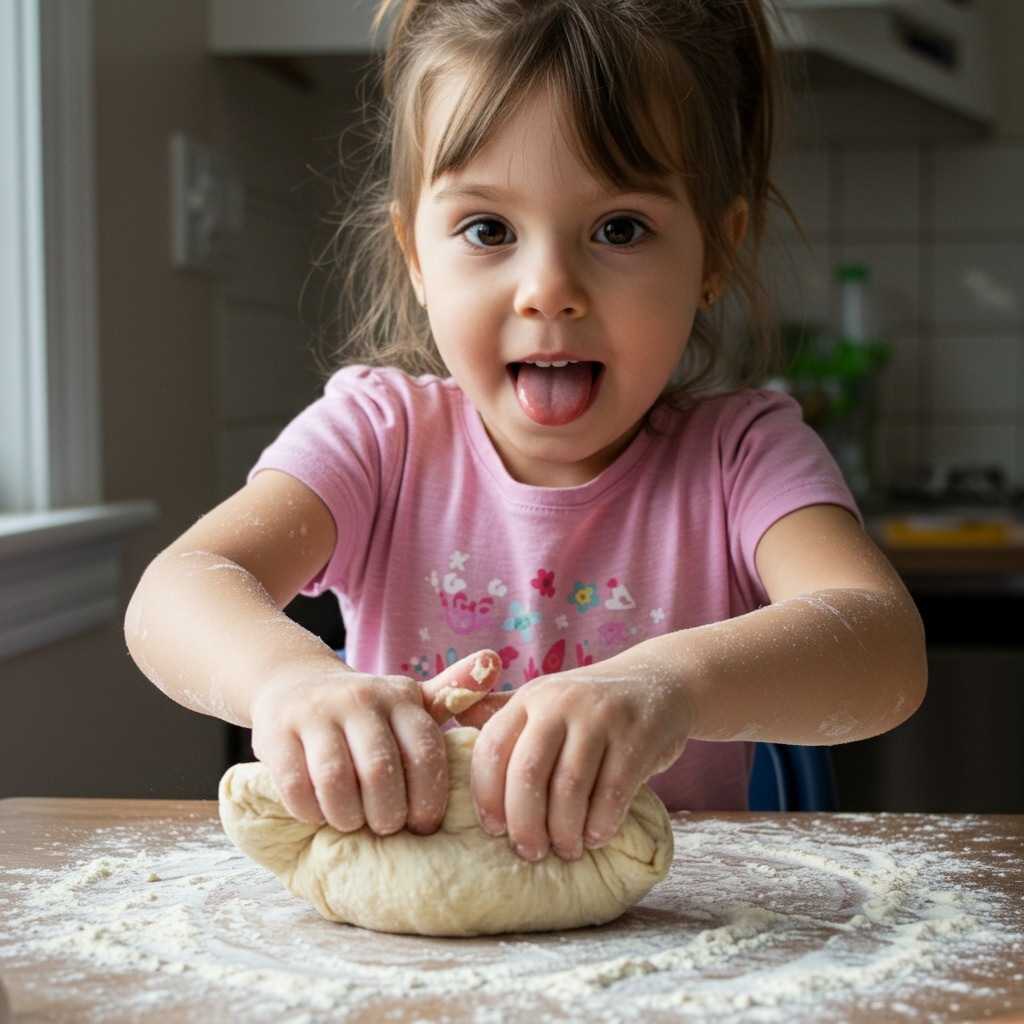
Kid jobs: Mix dough ingredients, knead the dough (great sensory experience), shape into bite-sized pieces (doesn’t need to be perfect), brush with melted butter, and sprinkle with coarse salt.
Science connection: Explain how yeast works as a living organism that eats sugar and produces gas bubbles, making the dough rise. Kids are amazed by this biological transformation happening in their kitchen.
Customization options: Try different toppings like cinnamon sugar, parmesan cheese, or everything seasoning. Let kids experiment with flavors and keep notes about their favorites.
Activities like fun facts for kids can tie into the science of baking, making the experience educational as well as delicious.
Homemade Pizza Dough
Once kids master pretzel dough, pizza dough is the natural next step. It’s more forgiving than bread dough but still teaches important kneading techniques.
Why it works: Pizza is universally loved, and kids feel incredibly accomplished making their own dough from scratch. The kneading is therapeutic and great for working out energy while building hand strength.
Kid jobs: Measure ingredients accurately, knead dough until smooth and elastic, shape into individual pizzas, and choose and arrange toppings creatively.
Make it educational: Discuss gluten development and why we knead (to develop the protein structure that gives pizza dough its chewy texture), how heat changes the dough structure, and the history of pizza in different cultures.
Family activity: Let each family member create their own personal pizza with preferred toppings. This eliminates arguments about toppings and lets everyone express their creativity.
The Mess-Free Crowd Pleasers
Sometimes you want to bake with kids, but don’t have the energy for a major cleanup. These recipes minimize mess while maximizing fun.
Microwave Mug Cakes
Individual cakes that cook in the microwave in 90 seconds? Yes, please. These are perfect for instant gratification and minimal cleanup.
Why it works: Each child makes their own cake in their own mug. No sharing, no fighting, and the microwave does all the work. Plus, cleanup is just washing mugs. The speed satisfies kids’ need for immediate results.
Kid jobs: Mix ingredients directly in the mug, choose toppings like chocolate chips or berries, operate the microwave with supervision, and decorate with frosting or powdered sugar.
Flavor variations: Chocolate, vanilla, funfetti, lemon, peanut butter—let kids experiment with different flavor combinations. Keep a chart of successful combinations for future reference.
Educational aspect: Great for teaching measurement precision since the small quantities make differences more noticeable. Also teaches about how microwaves work differently from ovens.
Rice Krispies Treats
The classic for a reason. Three ingredients, one pot, and results that make everyone happy. It’s impossible to mess up and requires no baking.
Why it works: The mixing is satisfying, the marshmallow melting is mesmerizing for kids to watch, and the end result is universally loved. The process teaches them about melting points and how heat changes food properties.
Kid jobs: Measure cereal, stir the mixture (it’s a workout that builds arm strength!), press into the pan with buttered hands, and cut into squares when cool.
Variations: Add chocolate chips, sprinkles, or food coloring to make them special. Try different cereals for texture variations. Let kids create their own signature combinations.
Success tip: Butter the hands well before pressing the mixture into the pan to prevent sticking. This is a great lesson in practical problem-solving.
Apple Nachos
Not baking exactly, but it feels like making a special treat. Kids love the assembly process, and it’s healthy enough for snack time.
Why it works: No heat required, completely customizable, and teaches about healthy treat alternatives. Great for kids who want to “cook” but aren’t ready for heat-based cooking yet.
Kid jobs: Slice apples with supervision (great knife skills practice), warm peanut butter or caramel in the microwave, arrange apple slices artistically, and drizzle toppings creatively.
Topping bar: Set up options like granola, mini chocolate chips, coconut flakes, chopped nuts, and dried fruit. This teaches kids about flavor combinations and nutrition.
For more creative snack ideas, check out these fun snacks for kids that complement your baking adventures and provide healthy alternatives to traditional sweets.
Advanced Projects for Confident Young Bakers
Once kids have mastered the basics, these more complex recipes challenge their skills while still maintaining high success rates.
Decorated Sugar Cookies
This recipe introduces kids to working with rolled dough, cookie cutters, and decorating techniques. It’s perfect for holidays or special occasions.
Why it works: The dough is stable and holds shapes well. Kids can practice using cookie cutters, learn about dough thickness, and express creativity through decorating. The cookies can be eaten immediately or saved for special occasions.
Kid jobs: Roll dough to even thickness, use cookie cutters to create shapes, transfer cookies to baking sheets, mix colored icing, and decorate with various techniques.
Decorating techniques: Royal icing for smooth surfaces, buttercream for piping, sprinkles for texture, and edible markers for detailed work. Each technique teaches different fine motor skills.
Educational value: Teaches patience (waiting for layers to dry), planning (thinking about decoration order), and artistic expression. Great for developing creativity and attention to detail.
Simple Bread Loaf
Making bread from scratch gives kids an incredible sense of accomplishment. This no-knead recipe simplifies the process while still teaching fundamental bread-making principles.
Why it works: The long rise time teaches patience, but the hands-on work is minimal. Kids love watching the dough transform and the house smelling amazing. The success rate is high with basic attention to timing.
Kid jobs: Mix ingredients, monitor rising progress, shape the loaf, brush with egg wash or butter, slice when cool with supervision.
Learning opportunities: Discuss yeast biology, gluten development, fermentation processes, and the history of bread in human civilization. Connect to social studies lessons about different cultures and their bread traditions.
Variations: Add herbs, cheese, or dried fruits to create different flavors. Let kids experiment with additions and document their favorite combinations.
Building Kitchen Confidence Through Baking
Easy baking recipes for kids do more than just produce treats—they build essential life skills and confidence that extends far beyond the kitchen.
Mathematical concepts: Baking naturally incorporates fractions (half cups, quarter teaspoons), multiplication (doubling recipes), and measurement conversions. Kids learn these concepts practically rather than abstractly.
Scientific principles: Chemical reactions (baking soda and acid), physical changes (melting, solidifying), temperature effects, and timing all become tangible concepts through the baking experience.
Following directions: Recipes teach kids to read carefully, follow sequences, and understand the importance of order in processes. These skills transfer to other areas of learning.
Problem-solving: When things go wrong (and they will), kids learn to analyze what happened and adjust for next time. This builds resilience and critical thinking skills.
Cultural awareness: Different recipes introduce kids to traditions from various cultures, expanding their worldview and appreciation for diversity.
Research shows that children who participate in food preparation are more likely to try new foods, understand nutrition, and develop positive relationships with cooking throughout their lives.
Safety First: Teaching Kitchen Awareness
Before diving into easy baking recipes for kids, establishing safety habits is crucial. These practices should become second nature. The Mayo Clinic emphasizes the importance of creating safe cooking environments for children to learn effectively.
Heat safety: Teach kids to identify hot surfaces, use oven mitts properly, and maintain safe distances from stovetops and ovens. Practice these skills repeatedly until they become automatic.
Sharp object awareness: Even butter knives require respect. Teach proper holding techniques, cutting directions (away from the body), and storage practices.
Cleanliness habits: Hand washing before and during cooking, cleaning spills immediately, and keeping raw ingredients separate from finished products prevent illness and accidents.
Equipment respect: Show kids how to use mixers, blenders, and other appliances safely. Teach them to unplug equipment when not in use and never put their hands near moving parts.
Chemical safety: Even common ingredients like vanilla extract contain alcohol, and baking soda can irritate eyes. Teach kids to handle all ingredients carefully and wash their hands after contact.
These safety lessons, when taught consistently and patiently, become lifelong habits that enable independent cooking as kids grow older.
Troubleshooting Common Baking Disasters
Even with the best easy baking recipes for kids, things can go sideways. Here’s how to handle common disasters without losing your mind or your child’s enthusiasm.
Oversalted cookies: It happens when kids get excited with the salt shaker. If caught early, add more flour and sugar to balance it out. If not, call them “special salty cookies” and use them as a learning experience about measurement importance.
Flat cookies or muffins: Usually from too much liquid or not enough flour. Instead of disappointment, talk about what might have caused it and how to adjust next time. Make it a science experiment and document the results.
Burnt bottoms: Check your oven placement and temperature accuracy. Bottom racks cook faster, and kid bakers often forget to set timers. Use this as a lesson about oven awareness and the importance of timing.
Egg shells in the batter: This will definitely happen. Teach kids to crack eggs into a small bowl first, then transfer to the main mixture. When shells do get in, use a larger piece of shell to fish out the smaller pieces—it works better than spoons.
Too much enthusiasm with mix-ins: When kids add “just a few more” chocolate chips and suddenly your cookie dough is 50% chocolate chips, roll with it. These often become the family favorites because they’re unique creations.
Tears over imperfect results: Remind kids that even professional bakers make mistakes. Focus on how good everything smells, how much fun you had together, and how delicious imperfect cookies still taste. Emphasize effort over outcome.
Ingredient substitutions gone wrong: Sometimes, kids want to experiment by substituting ingredients. While creativity should be encouraged, explain why certain substitutions work and others don’t. Keep notes about successful experiments.
The most important response to baking disasters is maintaining a positive attitude and treating them as learning opportunities rather than failures.
Creating Lasting Kitchen Memories
The goal of easy baking recipes for kids isn’t just delicious treats—it’s building confidence, teaching life skills, and creating positive associations with the kitchen that last a lifetime.
Start small and build gradually. Master muffins before attempting layer cakes. Let kids experience success with simple recipes before introducing more complex techniques. This builds confidence systematically.
Make it about them, not the results. Ask what they enjoyed most, what they’d like to try next time, and what they learned. Their enthusiasm and sense of accomplishment matter more than perfect cookies.
Document the journey. Take photos of kids in action, not just the finished products. Years later, the flour-covered faces and proud smiles will mean more than any perfectly decorated cake. Create a special photo album of kitchen adventures.
Include extended family when possible. Like the activities in road trip games for kids, baking can bring generations together and create shared experiences across age groups. Grandparents often have wonderful stories about their own childhood baking experiences.
Celebrate their independence. As kids master recipes, let them take more ownership. Eventually, they’ll be making their favorite treats independently—a proud moment for any parent and a confidence boost for kids.
Connect to family traditions. Share stories about recipes from your own childhood, family heritage, or special occasions. This gives baking deeper meaning beyond just making treats.
The kitchen skills kids learn through baking extend far beyond desserts. They learn to follow directions, understand cause and effect, practice math skills, develop patience, and build confidence in their abilities.
Seasonal Baking Adventures
Easy baking recipes for kids can be enhanced by connecting them to seasons and holidays, making each baking session special and memorable.
Spring baking: Focus on fresh flavors like lemon, strawberry, and herbs. Plant a small herb garden and use fresh herbs in bread recipes. Make flower-shaped cookies and discuss how plants grow.
Summer projects: No-bake recipes are perfect for hot weather. Focus on fruit-based treats, ice cream making, and recipes that don’t heat up the kitchen. Great for outdoor cooking experiences.
Fall traditions: Apple and pumpkin recipes connect to harvest themes. Visit apple orchards or pumpkin patches, then use your fresh ingredients in baking projects. Discuss seasonal changes and food sources.
Winter celebrations: Holiday cookies, hot cocoa mixes, and warming spices create cozy kitchen experiences. Focus on sharing treats with others and discussing various cultural celebrations.
Each season offers unique learning opportunities and helps kids understand the connection between food and nature’s cycles.
Nutritional Considerations for Kid Bakers
While baking is often associated with treats, there are ways to incorporate healthier ingredients and teach kids about balanced nutrition. The Harvard School of Public Health provides excellent guidelines for children’s nutrition that can inform our baking choices.
Whole grain alternatives: Substitute part of the all-purpose flour with whole wheat flour in muffins and quick breads. Start with replacing 25% and gradually increase as kids adjust to the taste and texture.
Natural sweeteners: Reduce sugar amounts gradually and experiment with natural alternatives like applesauce, mashed bananas, or dates. Kids often don’t notice reduced sugar when it’s done gradually.
Hidden vegetables: Zucchini bread, carrot muffins, and sweet potato cookies are excellent ways to add nutrients while maintaining kid appeal. Let them help grate vegetables for hands-on learning.
Protein additions: Add nuts, seeds, or nut butters to recipes for extra protein and healthy fats. Great for growing bodies and sustained energy.
Portion control: Making mini versions of treats (mini muffins, cookie bites) naturally controls portions while still satisfying sweet cravings.
Balance discussions: Talk about treats as “sometimes foods” and discuss how baking fits into a balanced diet. This builds healthy relationships with food from an early age.

My Top Recommendations for Getting Started
If you’re ready to start baking with your kids but feeling overwhelmed by choices, here’s my step-by-step approach based on years of kitchen adventures:
Week 1: Try banana muffins. They’re forgiving, use common ingredients, and give kids confidence. The mashing process is therapeutic, and the results are almost guaranteed to be successful.
Week 2: Make no-bake chocolate oat cookies. Kids love seeing the transformation happen on the stovetop, and the quick setting time provides immediate gratification.
Week 3: Attempt chocolate chip cookies using a no-chill recipe. This introduces more complex mixing techniques while maintaining a high success rate.
Week 4: Try microwave mug cakes for instant gratification and minimal cleanup. Kids love the individual portions and quick cooking time.
Month 2: Introduce soft pretzel bites to teach about yeast and kneading techniques. The short rise time keeps kids engaged while teaching important bread-making basics.
Month 3: Try decorating sugar cookies to develop artistic skills and patience. This recipe teaches about dough handling and decorating techniques.
Once kids have mastered these progression recipes, they’re ready for more adventurous projects like pizza dough, simple bread loaves, or themed holiday treats.
The investment in teaching kids to bake pays off quickly. My children now make their own snacks, help with dinner preparation, and have developed a genuine love for cooking that extends to trying new foods and understanding nutrition.
What started as a way to keep them busy on rainy afternoons has become one of our favorite family activities and a source of practical life skills they’ll carry into adulthood.
These easy baking recipes for kids aren’t just about creating treats—they’re about creating capable, confident young people who see the kitchen as a place of creativity and connection rather than stress and obligation.
Remember that every expert baker started as a beginner, making mistakes and learning from them. Give your children the same gift by starting with simple, successful recipes that build their confidence and skills gradually. The slightly imperfect cookies made with love and enthusiasm will always taste better than store-bought perfection.
FAQ
At what age can kids start baking?
Kids as young as 3 can help with simple tasks like stirring and adding pre-measured ingredients. By age 5-6, they can handle most muffin recipes with supervision. Age 8+ can typically manage complete cookie recipes independently with minimal help, and by 10-12, they can tackle more complex projects like bread making.
How do I keep kids interested during longer baking times?
Choose recipes with minimal waiting periods, or use baking time for cleanup and preparation for decorating. Explain what’s happening in the oven and let them peek through the window to watch the transformation. Set up decorating stations while items bake to maintain engagement.
What if my child is allergic to common baking ingredients?
Many recipes can be adapted successfully—use dairy-free butter, egg replacements like applesauce or flax eggs, or gluten-free flour blends. Start with naturally allergen-free recipes like Rice Krispies treats or fruit-based snacks until you find good substitutions that work for your family’s needs.
How do I handle the mess without going crazy?
Lay out towels or newspapers before starting, use larger bowls than needed, and keep cleanup supplies handy. Accept that some mess is inevitable and focus on the learning experience rather than cleanliness. Set up designated spaces for each step to contain chaos.
What if the recipe fails completely?
Turn failures into learning opportunities by discussing what might have gone wrong. Keep backup ingredients for a quick substitution recipe like mug cakes, and remember that many “failures” still taste good even if they don’t look perfect. Document what went wrong to avoid repeating mistakes.