
When my son started school, he suddenly became hesitant to share his drawings in class—even though he’d always loved art at home. So one morning, I scribbled a note for his lunchbox: “You are creative and brave!” That simple message set the tone for his day. He came home grinning, waving a new drawing, and whispered, “Mom, my heart felt bigger today.” That’s when I realized the quiet power of positive affirmations and how they shape kids’ self-esteem, resilience, and emotional well-being.
Here’s the deep-dive on how to make affirmations a joyful, beneficial habit for your whole family: over 70 child-friendly phrases, science-backed tips, daily routines for every age, answers to your top questions, and inspiration for making affirmation rituals a natural part of daily life.
Why Positive Affirmations Matter for Kids
Positive affirmations are simple, encouraging statements designed to help kids believe in themselves, manage emotions, and grow confident. They’re not about pretending problems don’t exist—they teach children to notice their strengths, approach setbacks as opportunities to learn, and foster resilience for the everyday ups and downs of childhood.
Introducing affirmations early gives children the vocabulary for self-love, grit, and empathy. Science shows that when kids repeat positive self-talk, especially out loud and with support from caregivers, they build neural pathways for optimism and healthier thinking. Kids who practice affirmations are more willing to try new things, recover from failure, and build positive relationships—essential skills at home, school, and beyond.
Affirmations also nurture a growth mindset (“Mistakes help me learn,” “I can try again”), turning challenges into stepping stones instead of roadblocks. These skills are the foundation for strong mental health, improved academic performance, and better friendships at every stage.
If you’re looking for creative ways to spark confidence, explore fun trivia questions for kids that get kids talking about what makes them unique!
How to Introduce Positive Affirmations to Your Kids
- Start small: Pick one or two affirmations that feel true or needed, and use them at breakfast, bedtime, or before school.
- Model the mindset: Children imitate your behavior, so use affirmations in your own routine, too—“I’m learning to be patient today.”
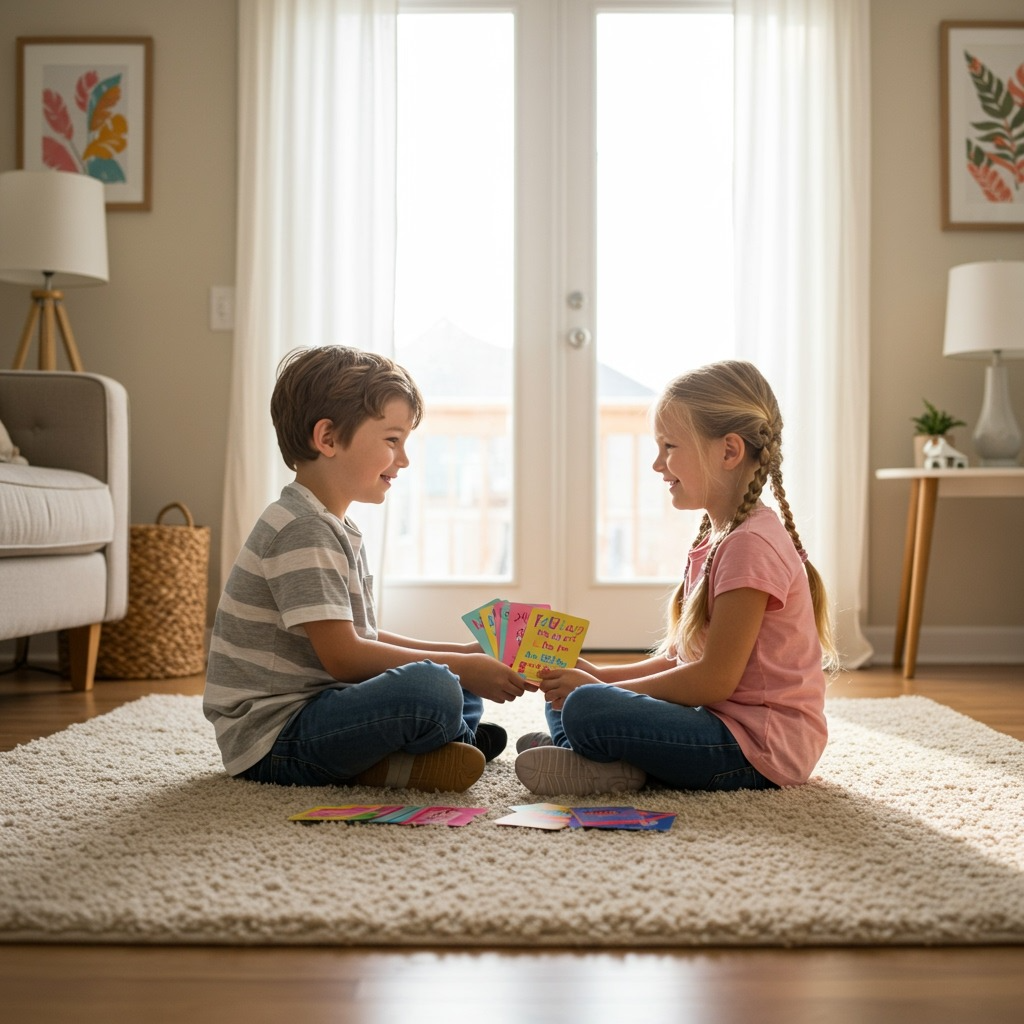
- Make it playful: Use songs, silly voices, sing-back games, or draw affirmation cards together.
- Keep it every day: Incorporate affirmations in daily transitions (before school, post-meltdown, after practice), not only during tough times.
- Tie affirmations to real events: When your child faces a tough challenge (a dentist visit, a new class, making a mistake), add a relevant affirmation—“You were so brave today. Let’s say it together: I am brave.”
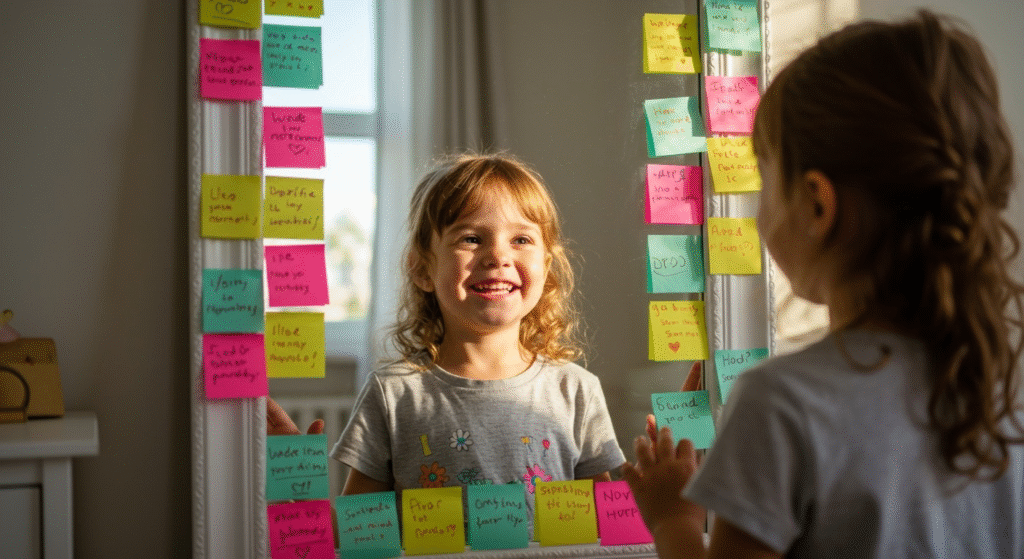
- Use visual reminders: Write affirmations on sticky notes or draw pictures with your child and display them on a mirror, fridge, or bedroom wall.
- Personalize: Encourage your child to create their own affirmations around their interests and experiences.
Looking for fresh ways to weave joy into your family’s daily routines? These fun facts of the day for kids are a great conversation starter alongside affirmations.
70+ Positive Affirmations for Kids
These phrases give your child tools for navigating school jitters, sibling disagreements, tough days, or just celebrating their unique personality:
Confidence and Self-Esteem
- I am kind and helpful.
- I’m proud of who I am.
- I believe in myself.
- I can do hard things.
- Every day, I get better.
- My mistakes help me learn.
- I am brave, even when I’m scared.
- My family loves me exactly as I am.
- I am creative and imaginative.
- I am a problem-solver.
- My voice matters.
- I am enough.
- I am beautiful inside and out.
- I am unique, and that’s my superpower.
- I am important.
Resilience, Growth, and Big Emotions
- I can ask for help when I need it.
- I am patient and calm.
- I will keep trying.
- I am safe and cared for.
- I work through challenges step by step.
- I’m not afraid of mistakes—they help me grow.
- I can take deep breaths to calm down.
- I am stronger than my worries.
- I’m learning new things every day.
- I’m allowed to feel my feelings.
- I can solve problems by thinking things through.
- I bounce back after tough moments.
Empathy, Friendship, and Social Skills
- I am a good friend.
- I listen to others and care about their feelings.
- I treat others with respect.
- I can share and be kind.
- I am honest and trustworthy.
- I choose kind words.
- I can work as a team.
- I am grateful for today.
- I make others smile with my words and actions.
- I can help others when they’re sad.
- I respect myself and others.
Learning, Curiosity, and Motivation
- I am smart and curious.
- School is a place where I can try, learn, and grow.
- I like trying new things.
- My brain is powerful and helps me discover new things.
- When I read, I open new worlds.
- Asking questions helps me learn.
- I am open to new ideas.
- I love to imagine and invent.
- Practice makes me better.
Self-Reliance and Independence
- I can make good choices.
- I take care of my body and mind.
- I am in charge of my happiness.
- My ideas matter.
- I can do things myself—and ask for help when I need it.
- I trust myself to try hard things.
- I am capable.
- I can set goals and achieve them.
Family and Belonging
- My family loves me no matter what.
- I belong just as I am.
- I am a gift to those around me.
- I can give love and receive love.
Encourage your child to make up their own affirmations as life evolves—after all, the most powerful mantras are the ones that feel personal. Want to add a little laughter to your routines? Enjoy these math jokes for kids together while you’re at it!
Fun Ways to Practice Affirmations as a Family
Building a positive mindset should feel like an adventure, not a chore. Here are some family-favorite ways to weave affirmations naturally into your daily rhythm:
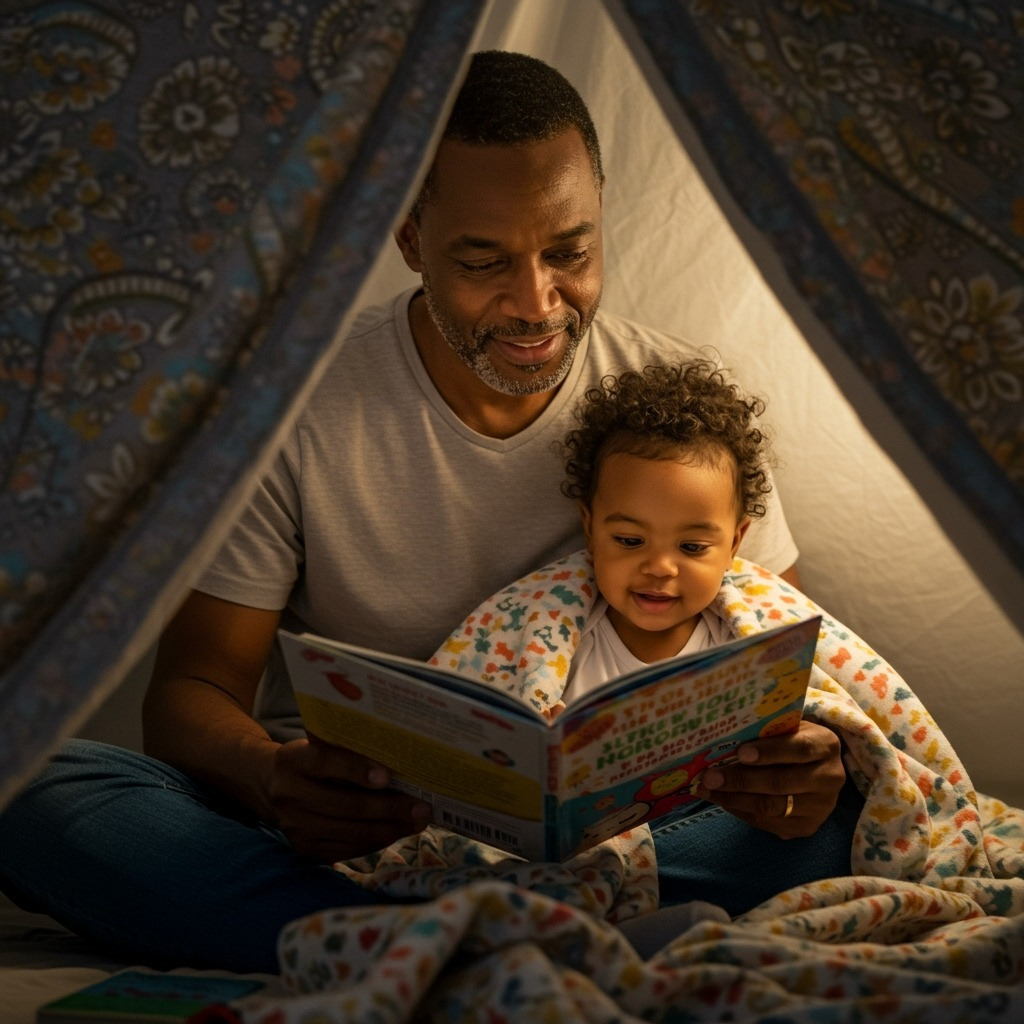
- Bedtime Boost: End the day with, “What’s one thing you liked about yourself today?” or say a favorite affirmation as you tuck your child in.
- Morning Mirror: Place colorful notes on the bathroom mirror or breakfast nook for an uplifting start.
- Lunchbox Love: Slip an affirmation card or sticky note into their backpack or lunch bag for a mid-day smile.
- Car Chats: Repeat affirmations on the drive to school or practice, testing who can say them with the silliest accent.
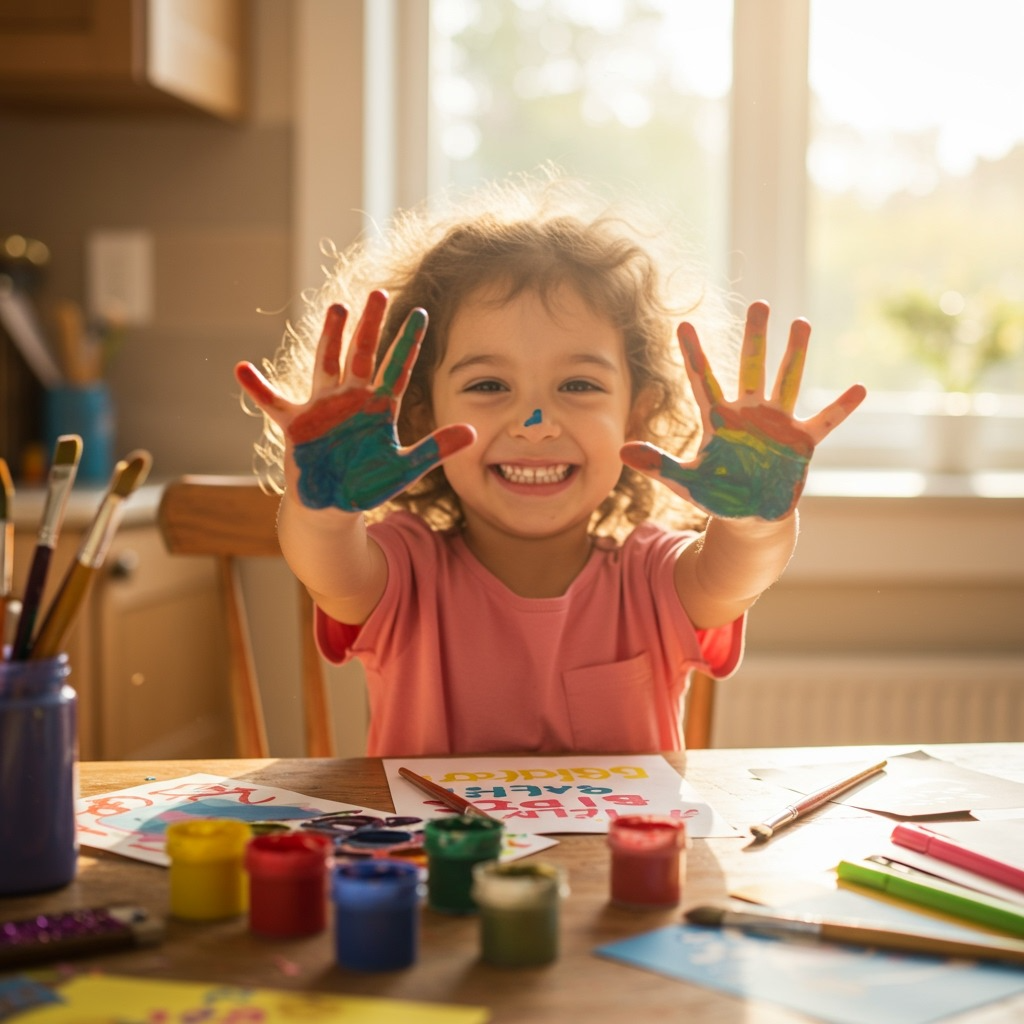
- Affirmation Art & Posters: Let kids draw or decorate their favorite affirmations to hang on their walls (or yours!).
- Affirmation Jars: Fill a jar with affirmation slips and let your child pick one at random each morning.
- Family Affirmation Charades: Play a game where one person acts out an affirmation, and others guess what it is.
- Affirmation “Bingo”: Create a bingo card with affirmations—a child marks them when they use the phrase or demonstrate the attitude.
- Roleplay: Practice responding to everyday situations (like a tough homework problem or a playground disagreement) with affirmations.
If you’re looking for even more ways to connect, try out these activities for kids that turn everyday moments into teachable, memorable fun.
Customizing Affirmations for Every Child
For Kids with Anxiety, ADHD, or Learning Differences
Adjust affirmations to foster self-acceptance and growth. Try:
- I am learning and growing at my own pace.
- I am creative and have unique strengths.
- I am brave, even when things feel tough.
- I can handle challenging feelings.
For Teens and Tweens
Affirmations for this age should validate their independence and identity:
- My ideas and opinions matter.
- I am proud of how I speak up for myself.
- I trust myself to make the right decisions.
- I can learn from every experience—even mistakes.
For Specific Challenges
If your child is working on being more patient, try:
“I can wait my turn and listen to others.”
If they’re overcoming a fear, try:
“It’s okay to be nervous. I am brave, and I can do new things.”
For kids struggling with friendships:
“I am a good friend, and I choose kindness even when it’s hard.”
If your family is facing change:
“I can handle change, and I always have love around me.”
For Sibling Rivalry or Cooperation
Use affirmations like:
- I can share and be fair.
- I am patient with my brother/sister.
- Our family works together as a team.
For more ideas on keeping peace during family time, check out these house rules for kids.
Making Afformations Stick: Problem-Solving Tips
What if My Child Thinks Affirmations are Silly?
It’s completely normal. Try making a game out of them, using songs or silly voices, or letting your child invent “opposite day” affirmations, too (“I am a broccoli-loving unicorn!”) to keep things playful and engaging.
What if They Don’t Remember to Use Affirmations in Tough Moments?
Practice affirmations regularly during calm times so the phrases feel familiar. During stressful moments, model using your own—“I’m feeling frustrated, but I know I can handle this.”
What if My Kid is Reluctant or Quiet?
Some kids prefer to quietly repeat affirmations, write or draw them, or even say them to a favorite stuffed animal. Respect their style, and offer options for expression.
How Do I Know if Affirmations are Working?
Notice subtle shifts: your child is trying new things, being quicker to recover from disappointment, or using kind words with themselves and others. Celebrate progress, even if it’s small. For a confidence boost, blend affirmations with routines like your morning routine for kids.
FAQ: Positive Affirmations for Kids
At what age should I start using affirmations?
As early as toddlerhood. Even if children don’t fully understand the phrases at first, they learn by repetition and imitation.
What if my child finds affirmations boring or over-repeats the same ones?
Encourage them to pick new phrases, write their own, or use themes (sports, animals, favorite characters) to keep things fresh and relate to their interests.
Can affirmations change a negative self-image?
With consistent, supportive use and positive family modeling, affirmations help reframe negative self-talk over time.
Are written or spoken affirmations better?
Let your child choose! Many kids love seeing their affirmations taped up, while others enjoy quietly repeating them alone. Both are powerful.
Do affirmations help with school, sports, and friendships?
Absolutely—kids who practice affirmations show more resilience, confidence, and empathy in all areas of life. Try pairing affirmations with fun activities for kids for a double dose of growth.
Beyond Words: Affirmations as a Family Value
When positive affirmations become woven into daily life, they feel much less like a lesson—and more like a normal, supportive part of your parenting. Repeat them as you brush teeth, whisper them at bedtime, tuck them in notes or text messages, or make them part of family rituals around celebrations or challenges.
If you want your child to grow up believing “I am enough,” practice saying it together, showing it with your actions, and gently guiding them to find their own words of strength. In the world that tries to tell kids they need to change to fit in, your family’s affirmations are a kind of armor—a gentle reminder that, no matter what, they are worthy, loved, and truly enough.
For more ideas, laughter, and real-family encouragement, explore these uplifting posts on fun activities for kids, house rules for kids, and our favorite math jokes for kids—because positivity and playfulness truly go hand in hand.