
Raising kids with real confidence is less about pep talks and more about daily habits. If you want to help your child develop a strong, positive inner voice, confidence mantras are one of the easiest, most effective tools you can use. These short, powerful phrases don’t just boost self-esteem—they actually help children manage stress, take on challenges, and bounce back from mistakes.
I’ve seen firsthand how these mantras can turn a child’s tough morning around or help them walk into a new classroom with their chin a little higher. The beauty of mantras is that they’re simple, free, and just require a daily dose of repetition and encouragement.
In this guide, you’ll find my favorite confidence mantras organized for real-life situations, practical strategies for weaving them into your family’s routines, and extra tips for deepening the impact. I’ll also share how to handle those times when mantras aren’t enough, plus internal links to more PeachyToes resources to help your child bloom—inside and out.
Why Confidence Mantras Belong in Every Kid’s Life
There’s growing evidence that what children repeatedly say to themselves matters as much as what they hear from us—sometimes more. Mantras are simple positive statements kids repeat until they begin to believe them. Over time, these small seeds can change the way your child thinks and acts.
Top Benefits of Mantras for Kids
- Help kids bounce back from disappointments and mistakes.
- Train young minds to focus on effort and progress over perfection.
- Reduce anxiety by offering a reliable anchor in stressful situations.
- Foster healthy self-worth, curiosity, and risk-taking.
- Promote resilience and a growth mindset, setting kids up for lifelong success.
By prompting your child to repeat empowering statements, you’re equipping them with tools they’ll use independently, long after childhood.
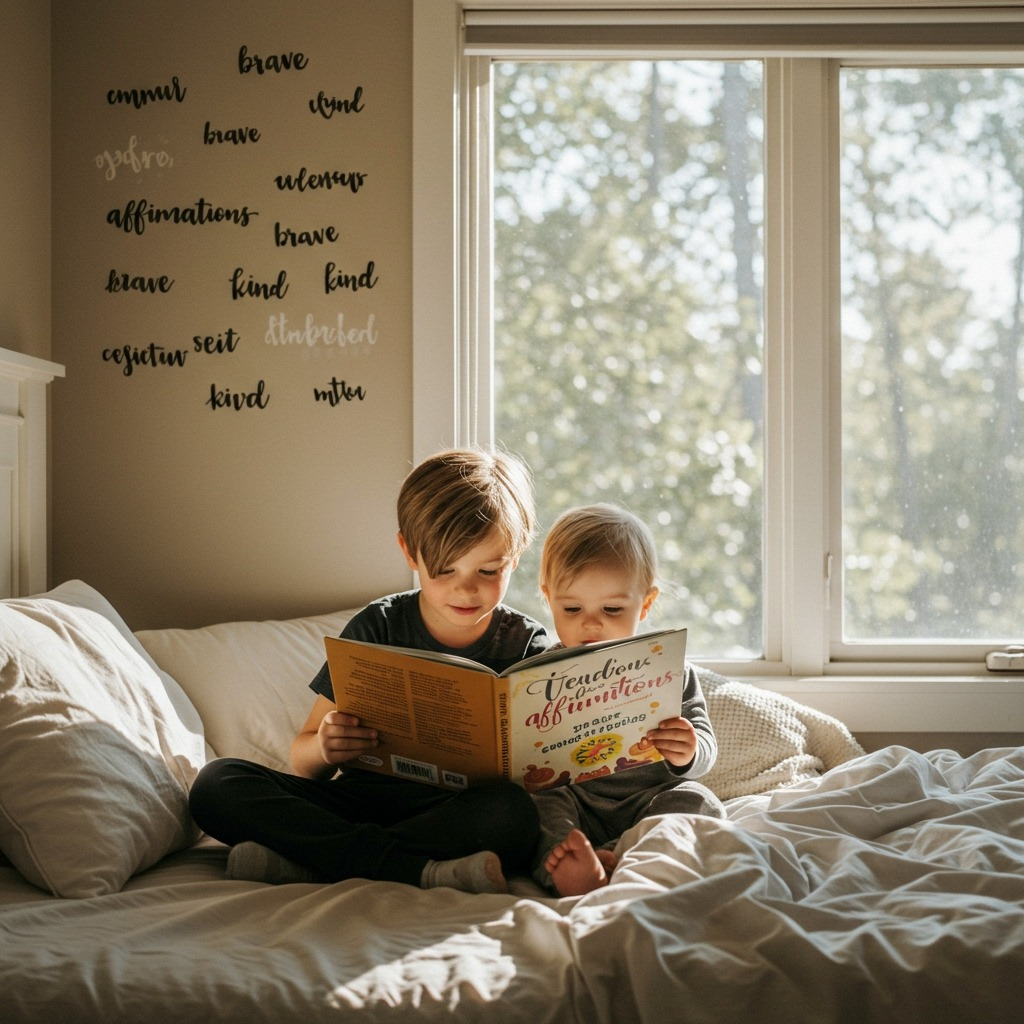
Confidence Mantras for Every Situation
Below, you’ll find powerful mantras tailored for different needs—facing fears, classroom setbacks, making friends, and more. Encourage your child to choose one or two that “feel right,” or help them come up with their own creations.
For everyday self-esteem:
- “I am enough just as I am.”
- “I am proud of who I am.”
- “There is no one better to be than myself.”
- “I am growing stronger each day.”
For mistakes and setbacks:
- “I can do hard things.”
- “Mistakes help me learn and grow.”
- “I get better every single day.”
- “I can try again.”
For trying new things:
- “I am brave, even when I feel scared.”
- “It’s okay not to know everything.”
- “I can try new things and learn from them.”
For social confidence:
- “My ideas matter.”
- “I am a good friend.”
- “I choose kindness and respect.”
- “I deserve to be included.”
For school and learning:
- “I am a curious learner.”
- “I can ask for help when I need it.”
- “I have a strong brain that loves to grow.”
- “I am capable of solving problems.”
For challenging days:
- “Today, I choose to be confident.”
- “I can get through tough moments.”
- “I am allowed to feel my feelings.”
- “I am grateful for another day to make a difference.”
For goal setting and dreams:
- “I believe in my dreams and my abilities.”
- “Every day, I’m getting closer to my goals.”
- “My hard work matters.”
Use these as a springboard—feel free to personalize according to your child’s life. For even more ideas, explore fun facts of the day for kids and add them to your nightly routine as a confidence boost.
How to Make Confidence Mantras a Superpower in Daily Life
A single mantra said once is nice—but making confident self-talk a daily habit is life-changing. Here’s how to do it, step by step.
1. Build Mantras Into Your Routine
Just like brushing teeth, saying a mantra works best when it’s a reliable part of your day:
- Recite a mantra each morning as your child gets ready or before heading to school.
- Whisper it together before bedtime or tuck-ins.
- Say it out loud in the car before sports practice or music lessons.
2. Use Visual Reminders
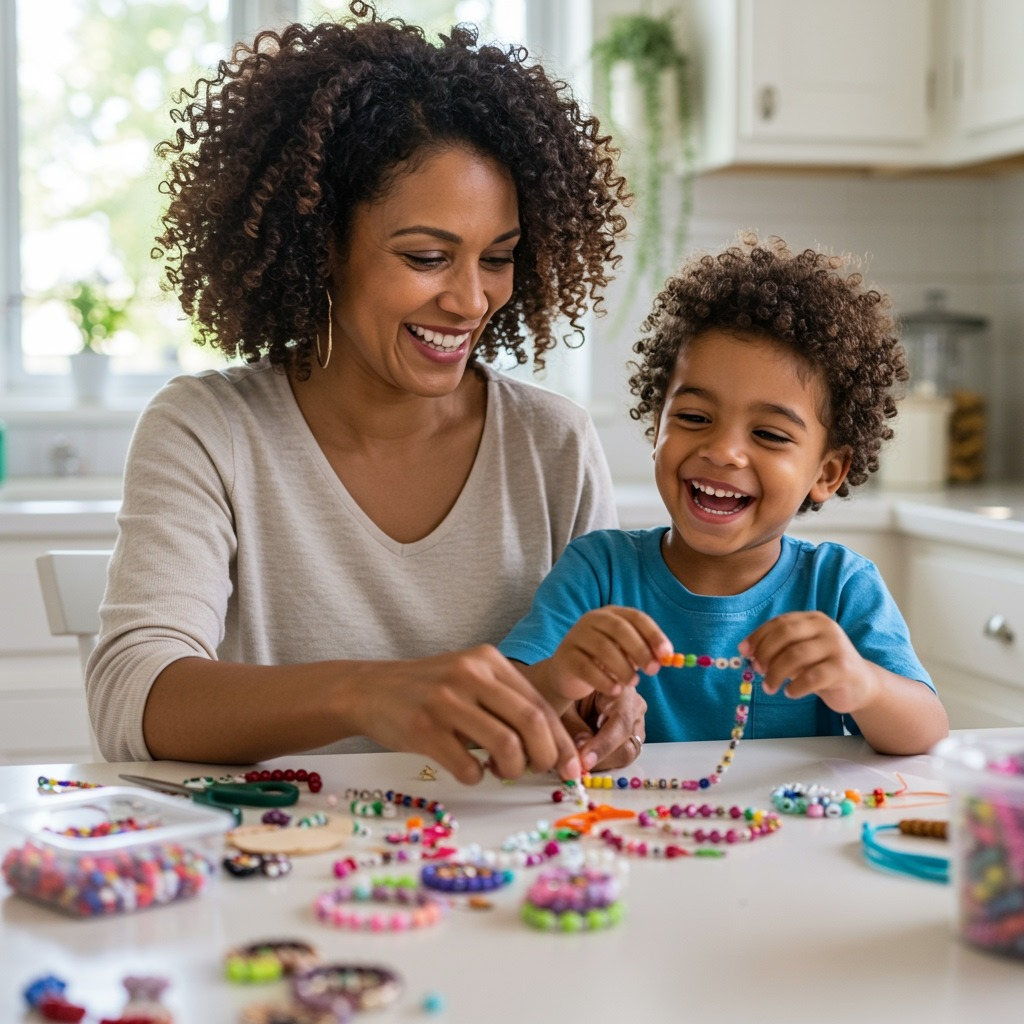
Write mantras on mirrors, lunch box notes, or sticky notes around your home. For creative kids, let them design “mantra posters,” affirmation cards, or DIY bracelets they can wear to school.
3. Practice What You Preach
Be the example: say your own affirmations out loud, especially when facing a personal challenge. You might say: “I’m a brave mom, even when things feel new.” Over time, this shows kids the power of positive self-talk through action, not just words.
4. Make It Playful
Turn mantras into songs, rhymes, or silly chants with hand motions. Kids learn best when they’re having fun! For more playful connections, try these fun activities for kids during your week.
5. Get Personal
Encourage your child to invent their own unique mantra. It could be something specific, like “I’m smart at building Legos,” or as creative as “I am calm like a river.” Children are more likely to use and believe mantras that fit their personality and real concerns.
6. Anchor Mantras to Real-Life Challenges
Tie the right mantra to what your child is going through:
- Nervous about a spelling test? Try: “I can do hard things.”
- Worried about joining a new club? “I am brave—even when nervous.”
- Upset about making a mistake in soccer? “Mistakes help me get better.”
This demonstrates that mantras are practical, not just wishful.
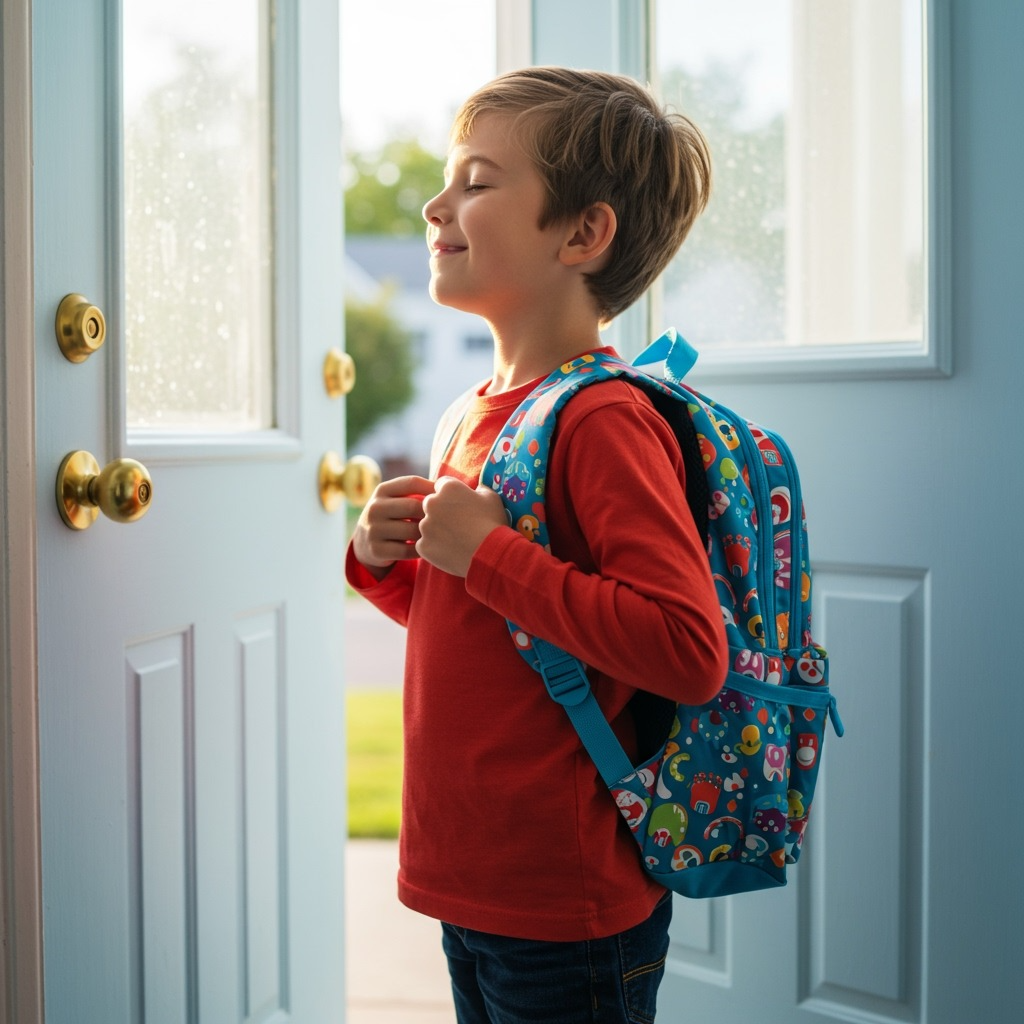
True Story: How Mantras Changed My Daughter’s Year
Last year, my daughter was struggling with reading and dreading every homework assignment. Her go-to phrase was, “I’m just not good at this.”
We started repeating one simple mantra every day: “I can figure things out, even when they’re hard.” At first, she rolled her eyes. (Honestly, so did I.) But we stuck with it—after school, before homework, at bedtime.
Over months, something shifted. She caught herself before negative spirals. I started noticing her muttering, “I can do hard things,” when a word stumped her. By spring, she was reading whole chapters with far less frustration. That shift in mindset started with her words—not mine.
Your child’s story can change, too. For more about turning setbacks into strengths, visit how to make your kids mentally strong.
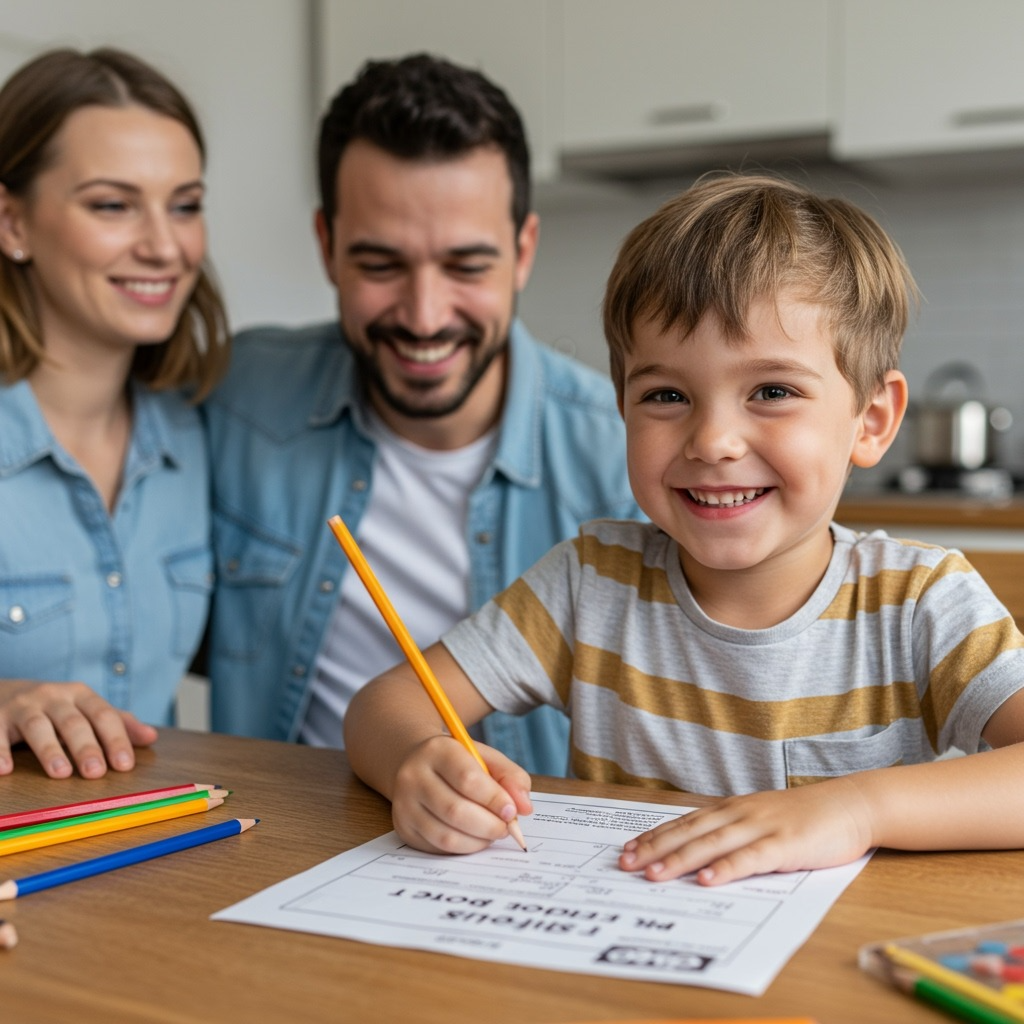
25 Extra-Helpful Confidence Mantras to Try
Here are even more options, especially for those just starting out or looking for a fresh phrase when old ones run stale:
- “I am confident and strong.”
- “I grow through what I go through.”
- “I am unique and valuable.”
- “I believe in myself.”
- “My thoughts are important.”
- “I can ask for help if I need it.”
- “I choose to see the good.”
- “I am worthy of respect and love.”
- “I am in charge of my words and actions.”
- “Today, I will try my best.”
- “There is no problem I can’t solve.”
- “My creativity makes me special.”
- “Every day, I learn and get better.”
- “I handle challenges with courage.”
- “I am proud of how I try.”
- “It’s okay to not know something—yet.”
- “I am enough.”
- “I trust myself to make good choices.”
- “It’s safe to be myself.”
- “I matter to my friends and family.”
- “My best is always enough.”
- “I can use my voice for good.”
- “I am grateful for today.”
- “Kindness starts with me.”
- “I am calm, even in a tough moment.”
You can rotate through these weekly, let your child pick their “mantra of the month,” or use them as prompts before big events. For families who love a morning ritual, these make wonderful breakfast-time or bedtime affirmations.
Encouraging Mantras in Social and Emotional Growth
Confidence is more than just feeling good—it’s also about having healthy relationships, managing emotions, and making decisions that fit your values. Here’s how mantras help in those areas:
Friendships and Social Confidence
- Remind kids that “I am a good friend” and “I respect others’ differences.”
- Encourage honesty and kindness with “I stand up for what’s right” and “I include others.”
Looking for more ways to support positive friendships? Integrate conversation starters for kids into your car rides or playdates.
Managing Tough Feelings
- Help kids say, “I am allowed to feel angry/sad/worried.”
- Use: “Big feelings are okay—I know how to talk about them.”
Pair mantras with soft parenting principles to strengthen your child’s emotional coping skills.
Building Perseverance and a Growth Mindset
- Teach, “I bounce back when things get hard.”
- “Every mistake is a step towards learning something new.”
If your child is interested in a growth mindset, try weaving in playful learning with math jokes for kids or fun trivia questions for kids.
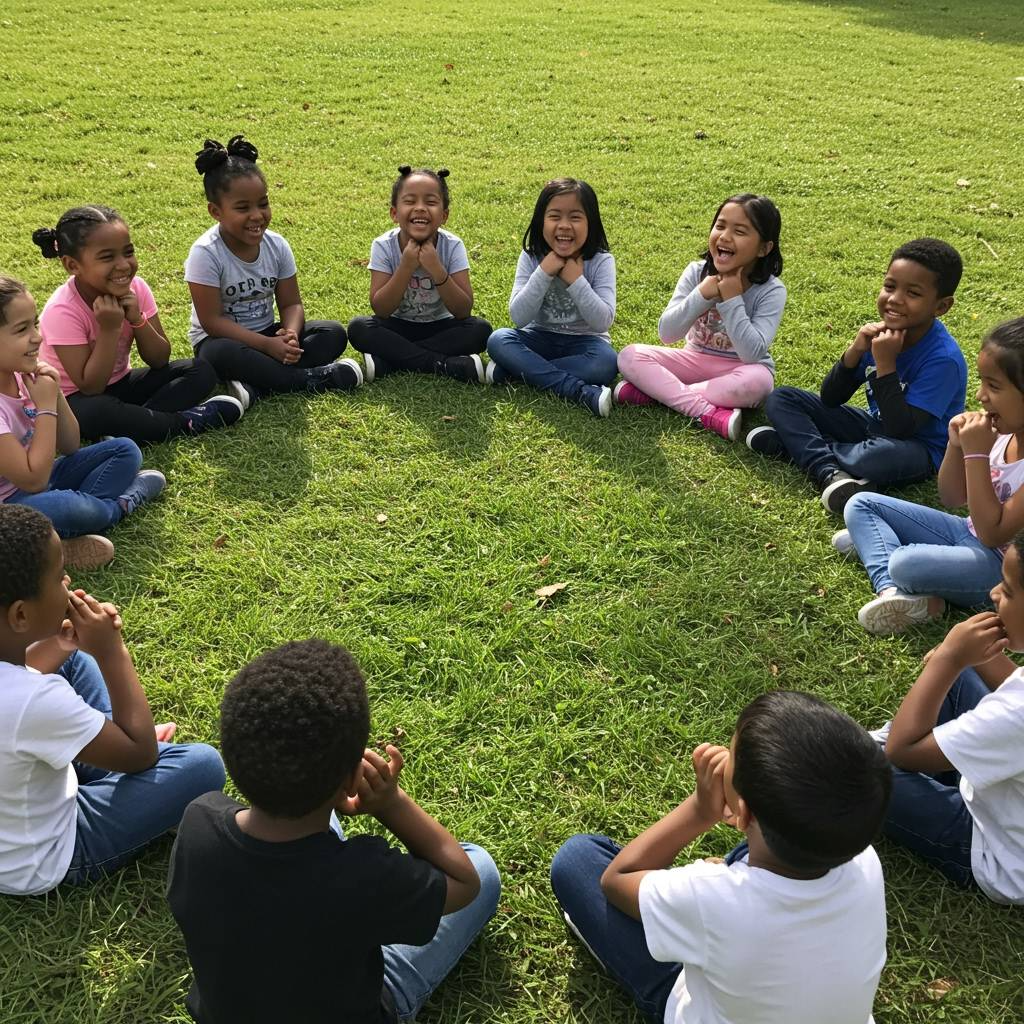
How to Help Kids Who Doubt Mantras “Work”
Some kids will resist or roll their eyes at mantras—especially older children or those who struggle with negative beliefs. That’s okay. Here are ways to gently encourage their use, without forcing positivity:
- Acknowledge doubts: “It’s okay if you don’t believe this right away. Say it with me for now, and let’s see what changes.”
- Pair with real examples: Remind them of a time when they did something hard or were a good friend.
- Integrate movement: Chant mantras while stretching, skipping, or clapping hands.
- Create “power” objects: Make a “confidence stone” (a painted rock to squeeze in the pocket) paired with a mantra, or design customized mantra cards for their backpack.
When Mantras Aren’t Enough: Getting Extra Support
Sometimes, extra encouragement is needed if your child is showing persistent low self-esteem or big worries that interfere with daily life, social activities, or school. Warning signs might include frequent negative self-talk, withdrawal from friends, or fear of trying new things.
If this sounds familiar, don’t be afraid to reach out for support. A pediatrician or child therapist can provide guidance and teach proven tools for building realistic, lasting confidence. Remind your child that it takes strength to ask for help, and “I can get help when I need it” is a mantra worth practicing, too. You can also find compassionate, practical guidance in our gentle parenting book collection.
Bringing It All Together: Raising Kids Who Believe in Themselves
Confidence mantras are a cornerstone of raising self-assured, emotionally healthy kids. When you weave them into daily routines, personalize them, and model their use yourself, you’re growing more than just self-esteem—you’re giving your child lifelong tools for resilience.
Here’s your actionable checklist to get started:
- Pick one mantra with your child this week and say it (together) each morning.
- Put sticky notes with affirmations where your child will see them—in a backpack, on the bathroom mirror, inside a lunchbox.
- Connect mantras to real situations and positive feedback.
- Let your child make their own mantra crafts, posters, or bracelets.
- Encourage sharing mantras among siblings or friends for a community confidence boost.
FAQ: Confidence Mantras for Kids
How long does it take before confidence mantras start working?
Mantras are a long game. Some kids feel a boost after a few days, but lasting change can take weeks or even months of consistent repetition. Think “mental push-ups”—the more your child practices, the stronger their inner voice becomes.
What if my child laughs or refuses to say their mantra?
That happens! Don’t push. Instead, keep using positive self-talk yourself, and offer gentle opportunities: “Would you like to pick a new mantra today?” Sometimes, hearing their favorite character or even a pet “say” the mantra (role-playing) can break the ice.
Should I correct negative self-talk immediately with a mantra?
Rather than correcting or dismissing, acknowledge what your child is feeling: “It sounds like you’re having a rough day.” Once validated, you can offer, “Want to try our mantra together?” Connection first, then redirection.
Can confidence mantras benefit neurodiverse kids?
Absolutely! Mantras can help neurodiverse children (such as autistic or ADHD kids) manage anxiety and transitions. Keep phrases short, concrete, and relevant to situations they encounter most often.
How can I make mantras more engaging for my child?
Use visuals, music, movement, games, or crafts. Choose a “mantra of the day” and weave repetition into playtime. Let your child lead the way—they’ll use mantras more if they have a say in how and when they appear.
Repeating positive mantras may seem simple, but the confidence children build with them is strong enough to last a lifetime. Start today, and watch as your child grows into someone who truly believes: “I am enough, and I can do hard things.”