
Three years ago, I thought hosting a Christmas party for my daughter’s friends would be easy. How hard could it be, right? Throw on some Christmas music, set out cookies, and let the kids play?
Wrong. SO wrong.
Within 20 minutes, I had seven sugar-hyped six-year-olds running in circles, one crying because someone knocked over her juice, another asking “what do we do now?” every five seconds, and me hiding in the kitchen stress-eating leftover gingerbread while texting my husband SOS messages.
That party was a disaster. But it taught me something crucial: you need a PLAN. Not just decorations and snacks—you need structured activities, a timeline, backup options, and realistic expectations. The next year, armed with proper Christmas party ideas for kids, I tried again. And you know what? It was actually fun. The kids were engaged, I wasn’t frazzled, and multiple parents asked me for tips.
Now I’m that mom who hosts the Christmas party everyone talks about—not because I spend a fortune or have Pinterest-perfect decorations, but because I learned what actually works. And I’m sharing every single trick with you today.

Why You Actually Need a Plan
Here’s the truth nobody tells you: kids need structure, especially at parties. Without organized activities, you get chaos. With too many structured activities, you get overwhelmed kids and a stressed host. The sweet spot is having a flexible plan with multiple activity stations so kids can rotate based on their energy and interest.
I learned this the hard way, but you don’t have to. The key is creating what I call “activity zones”—different areas of your space dedicated to specific things. This way, high-energy kids can burn off steam in one area while quieter kids do crafts in another. Nobody feels forced to participate in something they’re not enjoying, and you’re not constantly trying to wrangle the entire group.
Choosing Your Party Theme
You don’t NEED a theme, but having one makes planning so much easier. It gives you a framework for decorations, activities, and even food. Here are the themes that have worked best for me and the moms in my circle.
Winter Wonderland is perfect for younger kids. Think snowflakes, white and blue decorations, and lots of sparkle. This theme works beautifully because everything feels magical without being too specific. You can include snowman building (with cotton balls or marshmallows), ice princess dress-up, and “Frozen” themed snacks. Over at Parents, you’ll find amazing winter wonderland atmosphere ideas without spending hundreds of dollars.
Santa’s Workshop is my personal favorite for elementary-age kids. Set up craft stations where kids can “work” as Santa’s elves, making ornaments, decorating cookies, or wrapping toy donations for charity. This theme naturally incorporates activities and gives kids a sense of purpose. Plus, you can play it up by wearing elf hats and playing workshop-themed games.
Polar Express Party has become incredibly popular, and for good reason. If you’ve got a group that can sit still for a movie, this is gold. Serve hot chocolate, give kids “tickets,” and create a cozy viewing area with blankets and pillows. Before or after the movie, set up train-themed activities and let kids wear pajamas. The American Library Association offers wonderful resources for Polar Express party activities that go beyond just watching the movie.
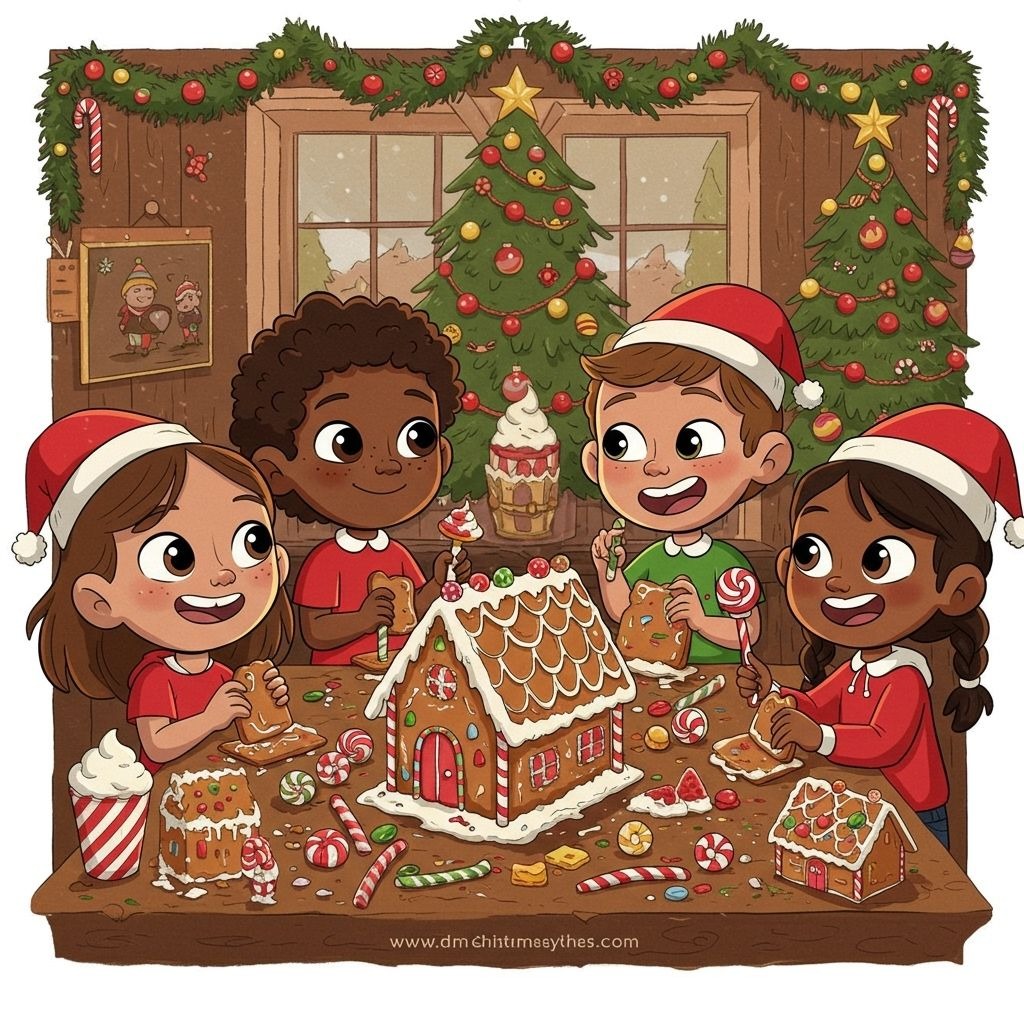
Gingerbread House Decorating Party works for all ages—you just adjust the complexity. For little ones, use graham crackers and pre-made frosting. For older kids, invest in actual gingerbread house kits. Set up a long table with tons of candy, let kids go wild, and suddenly you’ve got an hour of focused entertainment. Bonus: they take home their creation as a party favor.
Ugly Christmas Sweater Party is perfect for tweens who think they’re too cool for “baby” parties. Everyone wears their tackiest sweater, you have a contest with silly categories (most creative, most lights, most ridiculous), and the vibe is fun and relaxed. Pair this with age-appropriate games and a good playlist, and you’ve got a hit.
Active Games That Actually Work
Kids need to MOVE. Especially after they’ve had sugar. Here are the active games that have been worth their weight in gold at my parties.
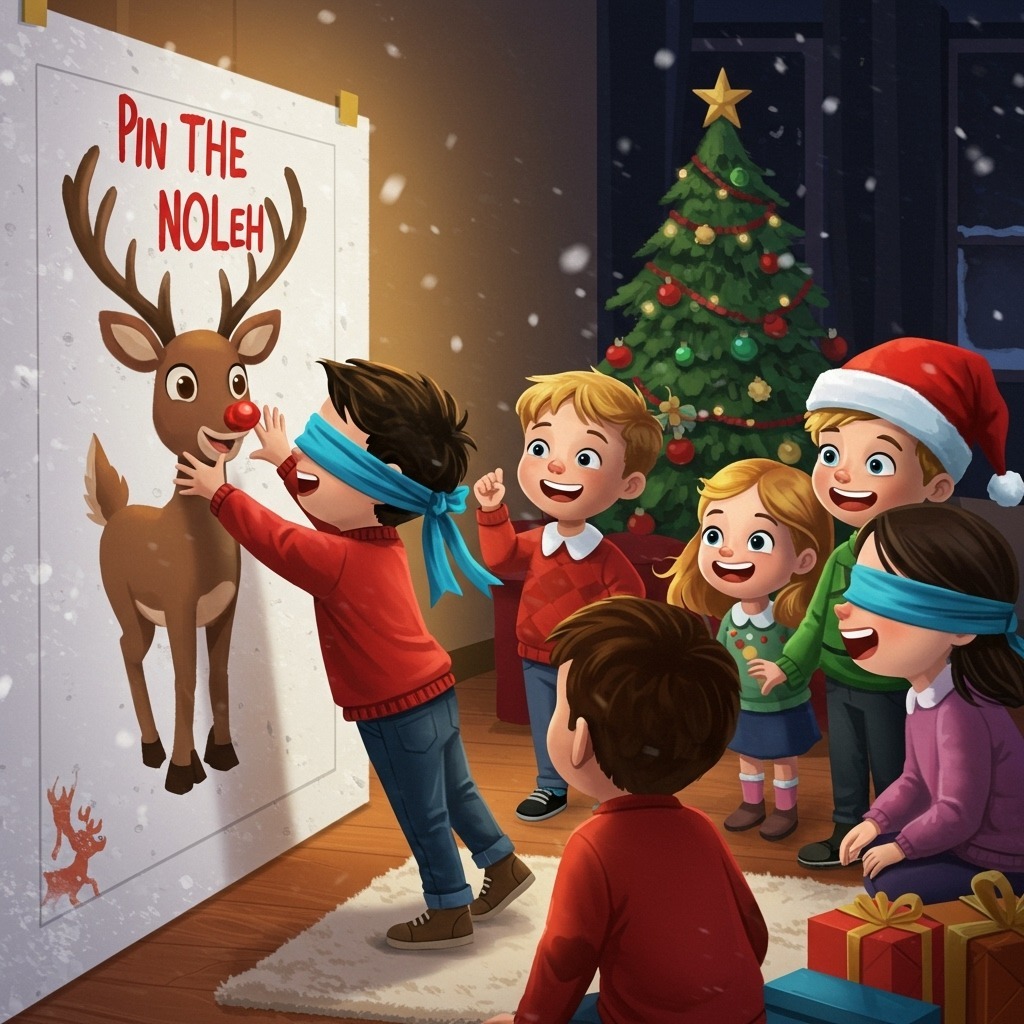
Pin the Nose on Rudolph is exactly what it sounds like—the Christmas version of pin the tail on the donkey. Draw or print a large Rudolph picture, make red circular noses with tape, blindfold kids, and let them try. It’s simple, requires minimal supplies, and kids genuinely love it. I’ve used this game for ages 4-10 successfully.
Snowball Toss involves creating “snowballs” from white socks or cotton balls and setting up buckets at varying distances. Kids throw their snowballs trying to land them in buckets, with farther buckets worth more points. This burns energy, works for different skill levels, and can be played indoors or outdoors.
Santa Limbo makes me laugh every single time. Kids stuff a pillow under their shirts to create a “Santa belly,” then try to limbo under a stick. It’s hilarious, gets everyone giggling, and works for mixed ages since you adjust the stick height. Just make sure you have enough space and maybe move breakable items first.
Candy Cane Relay Race requires candy canes (the plastic ones work great for this) and two buckets per team. Kids use only the candy cane hook to pick up ornaments or small items and transfer them to the other bucket. The first team to move all its items wins. It’s trickier than it sounds and keeps kids engaged way longer than you’d expect.
Christmas Music Freeze Dance needs only music and space. Kids dance when the music plays and freeze when it stops. Add a holiday twist by calling out poses: “Freeze like a Christmas tree!” or “Freeze like a snowman!” If you’re working on building confidence in your kids through play, our guide on positive affirmations for kids has great tips that complement these types of activities.
Quiet Activities for Balance
Not every kid wants to run around constantly, and even high-energy kids need breaks. These calmer activities have saved me countless times.
Christmas Bingo is a lifesaver. You can find free printable Christmas bingo cards online or make your own with holiday images. This occupies kids for a solid 20-30 minutes, works for large groups, and gives you a chance to catch your breath. I keep small candy canes or stickers as prizes.
Ornament Decorating Station is my secret weapon. Set up a table with clear plastic or plain wood ornaments, paint markers, glitter glue, stickers, and ribbon. Let kids create their own ornaments to take home. This activity naturally attracts the crafty kids and gives them something meaningful to do. Plus, you’re basically solving the party favor problem at the same time.
Christmas Charades works surprisingly well even with younger kids if you use simple concepts. Write things like “building a snowman,” “wrapping presents,” “decorating a tree,” or “Santa eating cookies” on cards. Kids act them out while others guess. The National Education Association has found that games like charades help develop communication skills and creativity in children, which is an added bonus.
Holiday Coloring Corner might seem too simple, but trust me—some kids NEED this quiet space. Print free Christmas coloring pages, set out crayons and markers, and let kids decompress. This is especially helpful if you have any kids who get overwhelmed by noise and activity.
Storytime Area can be as simple as a cozy corner with Christmas books. For younger parties, plan a specific storytime where you read a holiday book to the group. For older kids, just having the books available gives them an option if they need a break.
Party Food That Won’t Stress You Out
I’ve learned the hard way that elaborate food is not necessary. Kids care about presentation more than complexity. Here’s what actually works.
Reindeer Rice Krispie Treats are ridiculously easy and always a hit. Make regular Rice Krispies treats, add pretzel antlers, candy eyes, and a red M&M nose. Done. Kids think they’re adorable, and you barely did anything. If you’re looking for more kid-friendly food ideas throughout the year, check out our collection of easy recipes for kids.
Snowman Fruit Kabobs sound fancy, but take minutes. Stack three white fruits (marshmallows, bananas, or white grapes) on a skewer. Add raisin eyes and a tiny carrot piece nose. These make parents happy because it’s fruit, and kids happy because it’s fun.
The Christmas Tree Veggie Tray is literally just vegetables arranged in a tree shape on a platter. Use broccoli for the tree, a carrot stick for the trunk, cherry tomatoes as ornaments, and a bell pepper star on top. Serve with ranch dressing. Is it Pinterest-perfect? No. Do kids eat more veggies this way? Absolutely.
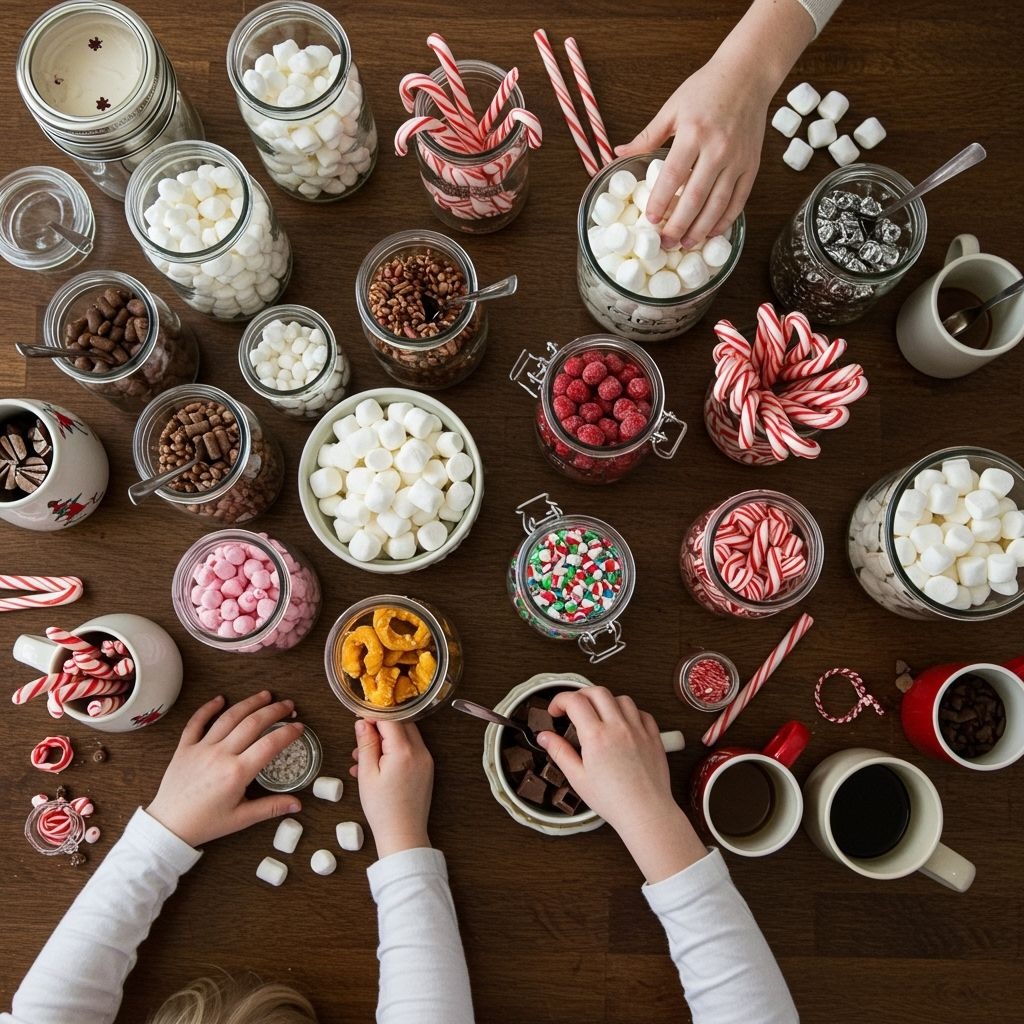
Hot Cocoa Bar is my most successful party idea ever. Set up a table with hot cocoa, marshmallows, whipped cream, candy canes, and sprinkles. Kids make their own drinks, which keeps them busy and happy. If you’re hosting during colder months, this is basically mandatory. Betty Crocker has fantastic hot cocoa bar setup ideas that go beyond the basics.
Cookie Decorating can be simple or elaborate, depending on your energy level. Buy pre-made sugar cookies, set out frosting and sprinkles, and step back. Kids will entertain themselves for at least 30 minutes. Package them in cellophane bags tied with ribbon, and boom—party favors again.
DIY Craft Stations That Work
Craft stations are amazing IF you set them up correctly. Here’s what I’ve learned works best.
Ornament Making is the gold standard craft activity. Provide clear plastic ornaments, paint, glitter, small decorations, and ribbon for hanging. Each child creates a personalized ornament. This is meaningful, keeps kids engaged, and solves your party favor problem. Win-win-win.
Christmas Card Creation works especially well for slightly older kids. Provide blank cards, stickers, stamps, markers, and Christmas-themed embellishments. Kids make cards for family members or to donate to nursing homes. This adds a service element that parents appreciate.
Reindeer Headbands are simpler than they sound. Start with brown construction paper cut into headband strips. Kids trace their hands for antlers, add red pom-pom noses, and googly eyes. Staple it all together. They’ll wear them during the party and take them home.
Snow Globe Crafts can be made with clear plastic cups or jars, small figurines, glitter, and glue. Kids create their own snow globes to shake and watch the glitter fall. This requires a bit more setup, but creates something kids genuinely treasure.
The key to successful craft stations is PREPARATION. Pre-cut complicated shapes, have all supplies organized in containers, and provide examples kids can follow. The more prep you do beforehand, the smoother it runs during the party.
Your Party Planning Timeline
This is what changed everything for me—working backward from party day instead of scrambling last minute.
Three Weeks Before: Send invitations, decide on a theme, create an activity list, check supplies you already have
Two Weeks Before: Order or buy any needed supplies, plan the menu, and arrange any help from other parents.
One Week Before: Prep any make-ahead food, confirm RSVPs, create party day schedule
Three Days Before: Deep clean party areas, do a test run of any new activities, and make a shopping list for fresh food.
One Day Before: Pick up fresh food, set up activity stations, prep any music playlists.
Party Day Morning: Final tidying, set out food prep, take a deep breath
This timeline keeps you from that panicked last-minute scramble. Trust me—your stress levels will thank you.
Budget-Friendly Tips
You don’t need to spend a fortune. Here’s how I keep costs down without sacrificing fun.
Use dollar store supplies for games and crafts. Seriously—their seasonal section is amazing. Make your own decorations with construction paper and printer paper. Ask each parent to bring one snack item, potluck-style. Choose activities that use items you already have at home. Shop after-Christmas sales for next year’s party. Make your own hot cocoa instead of buying fancy mixes.
I’ve thrown fantastic parties for under $50 by being strategic about where I spend money. Splurge on the one or two things that matter most (maybe that’s good cookies or special craft supplies), then save everywhere else.
Adjusting for Different Ages
Toddlers (2-4): Keep it SHORT—90 minutes max. Focus on sensory activities and simple games. Have a separate play area for non-party activities. Expect parents to stay. Keep food simple and allergy-friendly. Plan for meltdowns and have a quiet space available.
Elementary (5-9): Two hours is perfect. Mix active games with crafts. Kids this age love structure and rules. Competition is fine, but keep it friendly. They can handle slightly more complex foods and activities. Teaching kids at this age about basic manners for kids before parties helps everything run more smoothly.
Tweens (10-12): Let them have more independence. They’ll appreciate less “baby” games and more sophisticated activities. Music matters more to this age. They might want to help plan. Consider letting them do their own thing more, rather than constant organized activities.
What to Do When Things Go Wrong
Because something WILL go wrong. It always does. Here’s how to handle it.
If an activity flops: Move on immediately. Don’t try to force it. That’s why you have multiple options planned.
If a kid gets upset: Have a designated calm space and a backup adult who can step away with them.
If you run out of food: Kids care way less than you think. Have some emergency snacks hidden just in case.
If kids are bored: Break out an emergency activity you kept in reserve (a simple game or extra craft supplies).
If everything is chaos: Put on a Christmas movie, serve snacks, and give yourself grace. Perfect parties don’t exist.
The best thing I ever did was lower my expectations. The goal isn’t perfection—it’s creating fun memories. If the kids had a good time and nobody got hurt, you succeeded.
Making Memories That Matter
Here’s what I wish someone had told me before that first disastrous party: your kids won’t remember if the decorations matched or if the cookies were homemade. They’ll remember laughing with their friends, making something cool, and feeling special.
Last year, my daughter told me her favorite part of the party was when we all sat in a circle and shared what we were grateful for that Christmas. It took zero planning, cost nothing, and meant everything. Sometimes the best moments are the unplanned ones that happen because you created space for connection.
These Christmas party ideas for kids aren’t about being the perfect Pinterest mom. They’re about having a framework that lets you actually enjoy the party instead of just surviving it. Start with one or two ideas that feel doable, add your own twist, and see what works for your family.
Frequently Asked Questions
How far in advance should I start planning a kids’ Christmas party?
Start planning about three weeks before your party date. This gives you enough time to send invitations, gather supplies, and prepare without feeling rushed. Send invitations two to three weeks in advance so parents can RSVP and plan accordingly. The actual intensive prep work (decorating, food prep) can happen the few days before the party. Having a timeline prevents last-minute panic and ensures you don’t forget important details.
How long should a Christmas party for kids last?
For toddlers and preschoolers, keep parties to 90 minutes maximum. Kids ages 5-9 do well with 2-hour parties. Tweens and teens can handle 2-3 hours. Shorter is always better than longer—you want kids to leave while they’re still having fun, not when they’re overtired and melting down. Structure your party so the main activities happen in the middle, with arrival and departure buffer time built in.
What’s a reasonable budget for a kids’ Christmas party?
You can absolutely throw a great party for $50-75 if you’re strategic. This covers basic supplies, food, and one special element (maybe craft supplies or a nice dessert). If you want something more elaborate with professional decorations, entertainment, or fancy food, budget $100-150. Remember that kids care more about fun activities than expensive details. Dollar stores, DIY projects, and potluck-style food contributions can dramatically reduce costs without reducing fun.
How do I keep kids entertained without spending a fortune?
Focus on activities rather than stuff. Games using items you already own (like charades, scavenger hunts, or dance parties) cost nothing. DIY craft stations with dollar store supplies work amazingly well. Make your own hot cocoa bar instead of buying fancy treats. Use free printable games and decorations from online resources. The key is having multiple activity options so kids stay engaged—that matters way more than expensive decorations or entertainment.
What should I do about food allergies at a kids’ Christmas party?
Always ask about allergies when parents RSVP. Label all foods clearly with ingredients. Consider making at least some allergy-friendly options available. For crafts using food items (like gingerbread house decorating), have a non-food alternative station for kids with restrictions. When in doubt, focus on whole foods like fruits and vegetables that are naturally free of common allergens. Most parents of kids with allergies are used to bringing their own safe snacks, but having a few safe options available is thoughtful and inclusive.