
Three years ago, I tried to be the Christmas mom. You know the one—the mom with Elf on the Shelf doing acrobatics every morning, a different advent activity planned for all 25 days, homemade ornaments drying on every surface, and a color-coordinated hot cocoa bar that looked like it belonged in a magazine.
By December 10th, I was exhausted. By December 15th, I’d given up on half of it. And by Christmas morning, I realized my kids didn’t even remember most of the elaborate things I’d done. What did they remember? The night we drove around looking at lights in our pajamas while eating candy canes.
That’s when I learned the hard truth about Christmas traditions: the ones that actually stick aren’t usually the ones that take the most effort. The best Christmas tradition for kids is simply one you’ll actually want to repeat next year—and the year after that.
After several years of trial and error, I’ve finally figured out which Christmas traditions are worth protecting and which ones can go straight in the donation bin with last year’s ugly sweaters. Some have become so important that my kids started asking about them in November. Others? Well, let’s just say the elaborate gingerbread village only happened once.
Why Christmas Traditions Matter More Than You Think
Before I had kids, I didn’t realize how powerful Christmas traditions could be. I thought they were just nice things families did—sweet, but optional. Now I understand they’re so much more than that.
Christmas traditions create the framework for how our kids will remember their childhood. Years from now, they won’t remember the specific toys they got or how perfectly decorated our house was. They’ll remember the cozy feelings, the anticipation, the things we did together year after year that made December feel magical.
These traditions also build excitement in a way that nothing else can. When my 6-year-old knows that on December 1st we’ll get our matching pajamas, and on the first Saturday we’ll decorate the tree, and every Sunday we’ll drive around looking at lights—it creates this beautiful rhythm to the season. The anticipation becomes part of the magic.
But here’s what I love most: traditions teach values without feeling like lectures. When we bake cookies for our neighbors every year, I’m teaching generosity. When we sort through old toys to donate before Christmas, I’m teaching gratitude. These lessons stick because they’re wrapped in something joyful and memorable, much like how positive parenting techniques work best when they’re woven into daily life rather than delivered as rules.
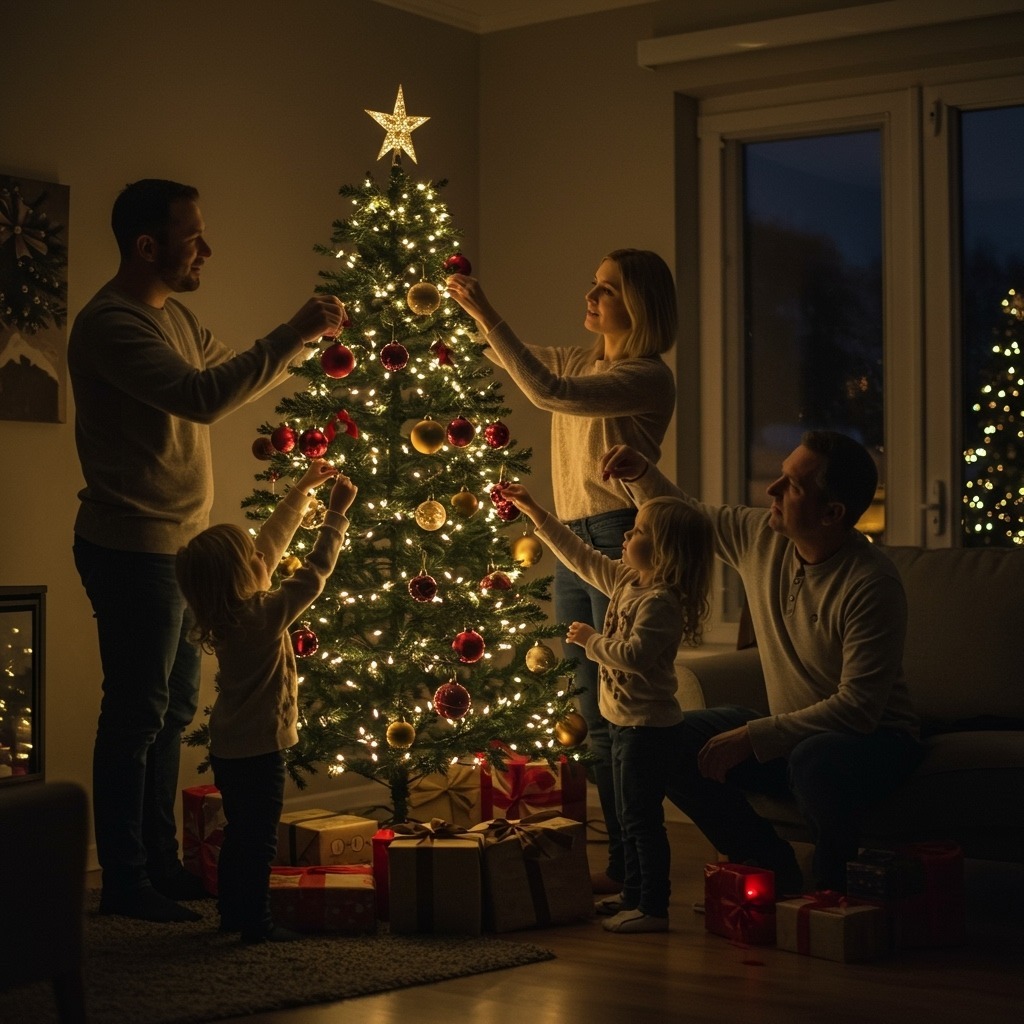
The key is choosing traditions that align with your family’s values and energy levels—not Pinterest’s expectations.
The Must-Have Christmas Traditions Every Family Needs
I’m convinced there are a handful of traditions that work for almost every family, regardless of your style, budget, or how much time you have. These are the foundational ones that create the Christmas magic kids crave.
Advent Activities That Build Excitement
The countdown to Christmas is half the fun for kids. That torturous waiting, that constant “how many more days?” question—you might as well channel it into something meaningful.
I used to buy those chocolate Advent calendars from the store, but the cheap chocolate and tiny plastic toys weren’t doing it for us. Then I discovered Advent activity calendars, and everything changed. Instead of stuff, each day reveals an activity we’ll do together.
Some days it’s simple: “Watch a Christmas movie” or “Drive to see lights.” Other days it’s slightly more involved: “Bake cookies for neighbors” or “Make paper snowflakes.” The beautiful part? I plan it all in November using a simple printable calendar, and then December just flows without me frantically trying to think of something special to do every day.
For families who want something even simpler, the Parenting website offers free printable Advent calendars you can customize to your family’s schedule and interests. The point isn’t to do something Pinterest-worthy every day—it’s to create little moments of togetherness sprinkled throughout the month.
The Matching Pajamas Phenomenon
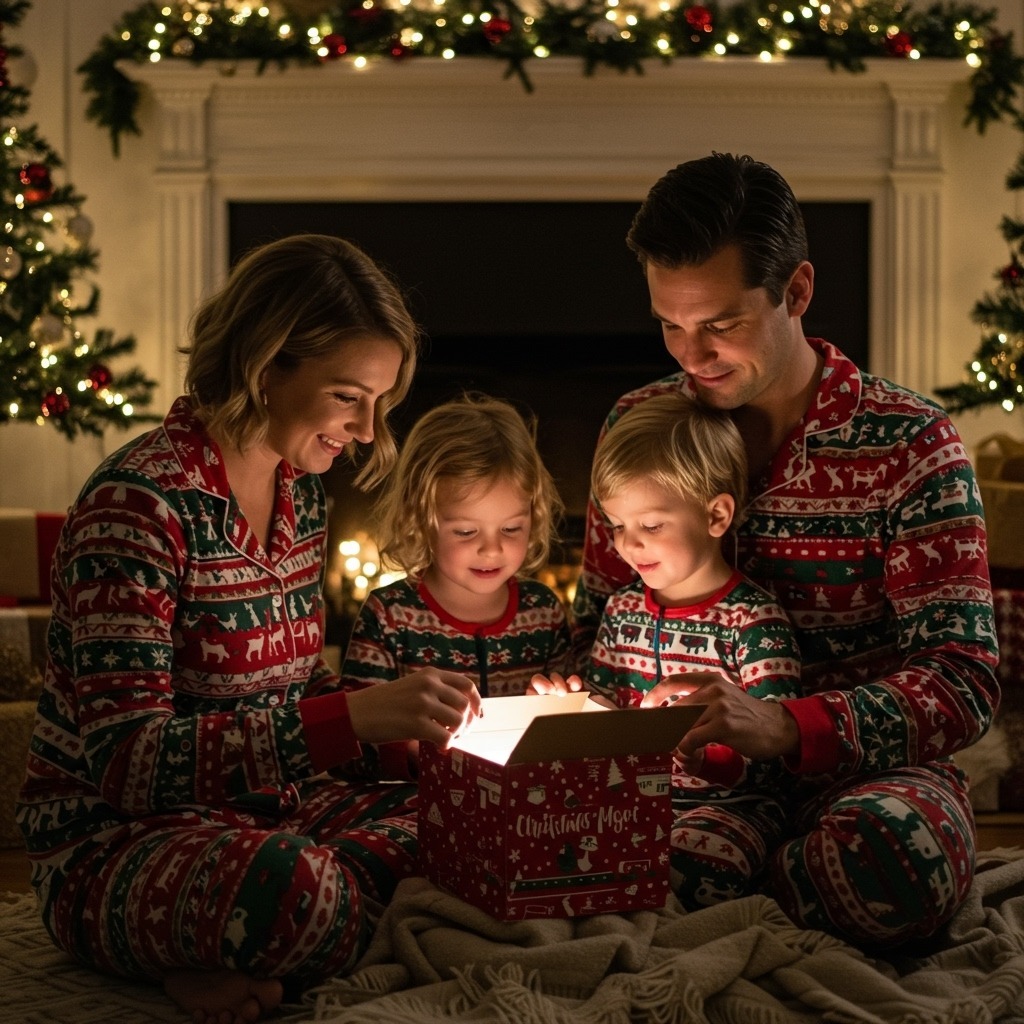
I resisted matching family pajamas for years because it felt so cheesy. Then my kids saw a family in matching Christmas PJs at the store and begged for them. I caved. And honestly? It’s become one of our favorite traditions.
There’s something about everyone putting on the same cozy pajamas on Thanksgiving night that officially kicks off the Christmas season in our house. We wear them for decorating the tree, for Christmas movie nights, and for lazy Saturday mornings throughout December. They show up in every Christmas photo we take.
My kids love getting to help pick the pattern each year. And even my husband, who initially rolled his eyes, now asks in November when we’re getting “this year’s jammies.” The tradition works because it’s simple, it makes kids feel special, and it signals that Christmas magic is officially here.
Budget-friendly tip? Target and Old Navy always have affordable matching family pajamas. You don’t need to spend a fortune for this tradition to feel special.
Christmas Baking Together
Baking Christmas cookies with kids is chaotic, messy, and rarely produces magazine-worthy results. It’s also absolutely worth doing.
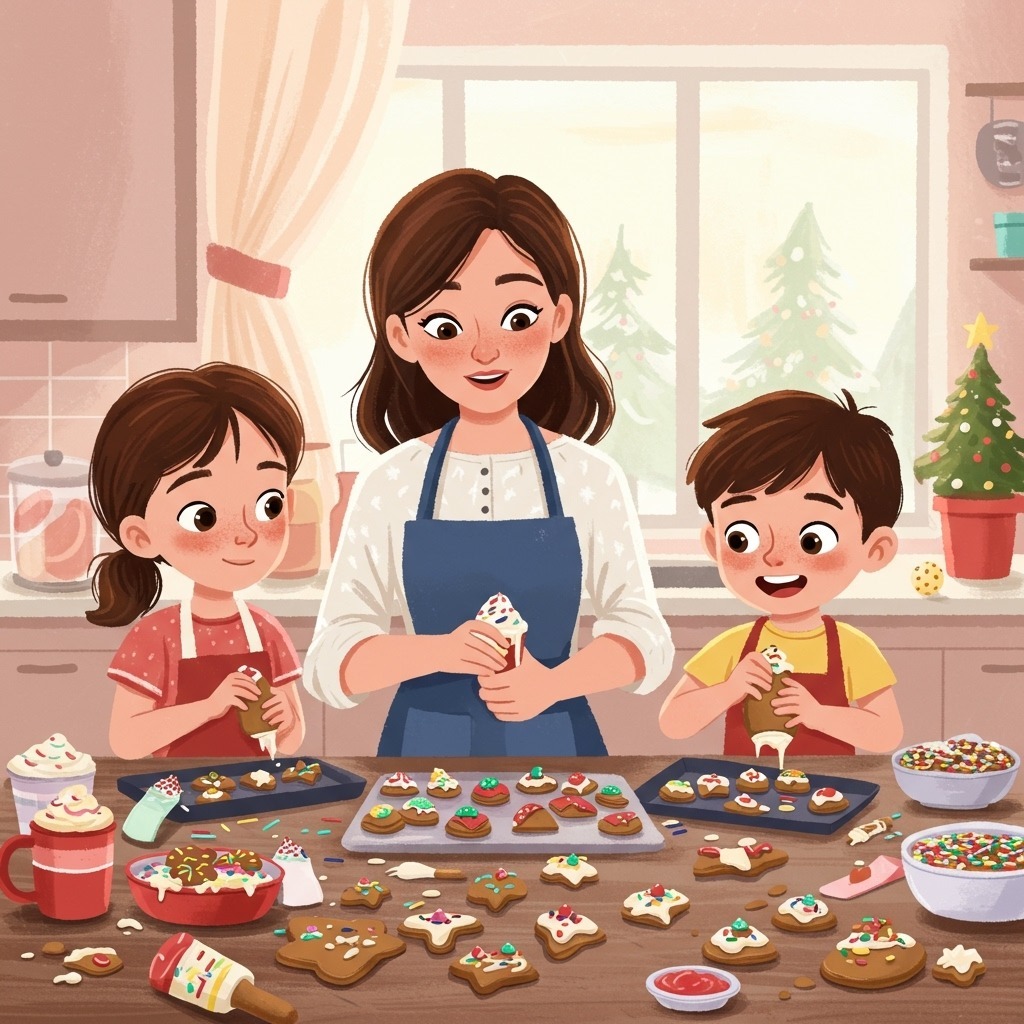
We set aside two different baking days in December. The first is just for us—we make whatever cookies we want, the kitchen gets destroyed, and we eat way too much dough. The second is for giving—we bake simple treats for teachers, neighbors, mail carriers, and anyone else who’s been kind to us throughout the year.
The magic isn’t in perfect cookies. It’s in my 4-year-old’s face when she puts sprinkles on her misshapen creation. It’s in my 8-year-old’s heart to feel proud to deliver cookies we made to her teacher. It’s in the memory of flour on everyone’s noses and Christmas music playing while we work.
Keep it simple with easy baking recipes designed for kids. Sugar cookies with premade dough and store-bought frosting count. Rice Krispies treats with red and green M&Ms count. The point is making something together, not culinary perfection.
Traditions That Teach Giving and Gratitude
The Christmas traditions I value most are the ones that gently teach my kids about giving, kindness, and gratitude without me having to lecture about it.
One tradition that transformed our December is using Kindness Elves instead of the traditional Elf on the Shelf. Instead of a spy reporting to Santa, these little elves arrive with notes suggesting kind things the kids can do—make someone’s bed, draw a card for a neighbor, help a sibling with something. My kids love finding the daily notes and actually get excited about doing kind things to “help” the elves.
Another powerful tradition is taking kids shopping specifically to buy donations for toy drives. I give each kid a small budget, and we go through the toy aisles together picking out gifts for kids who might not get much for Christmas. This simple act teaches empathy in a tangible way that just telling them “some kids don’t have toys” never could.
Before we bring out our Christmas decorations, we also sort through the playroom and fill bags with toys, books, and clothes to donate. The rule is simple: we make room for new blessings by sharing what we’re not using anymore. It’s become such a standard part of our December that my kids now suggest it themselves, showing how positive parenting moments compound over time into lasting values.
The Giving Manager is another tradition worth trying. Throughout December, every time someone does something kind, they add a piece of straw to a small manger. On Christmas morning, you place baby Jesus on all that straw. My kids genuinely love racing to see who can add the most straw, which means they’re constantly looking for ways to be kind. It’s sneaky good parenting disguised as Christmas tradition.
Simple Traditions That Don’t Require Much Planning
Some of the best Christmas traditions are the ones that take almost zero planning but create the most memories.
Driving around to look at Christmas lights has become sacred in our house. We pile everyone in the car in pajamas, bring candy canes or hot cocoa in travel mugs, and just drive. Sometimes we have a route planned to hit the best neighborhoods. Sometimes we just wander. The kids love pointing out their favorite displays, we listen to Christmas music, and for 30-45 minutes, everyone is just present and happy. Zero prep required.
Christmas movie marathons are another low-effort tradition that kids adore. We rotate through classics—The Grinch, Rudolph, The Polar Express, and Home Alone. We make popcorn, pile on the couch under blankets, and just be together. In a season that can feel frantic, these slow evenings where we do nothing but watch movies feel like exhaling.
Reading Christmas books before bed throughout December adds magic without adding stress. We pull out all our Christmas books on December 1st and read a different one each night. The library has dozens of options if you don’t want to buy them, and Readingrockets offers wonderful recommendations sorted by age group.
Hot cocoa nights with a toppings bar are ridiculously easy, but feel special to kids. Set out marshmallows, whipped cream, candy canes, chocolate chips, and whatever else sounds good. Let kids make their own elaborate creations. Take a picture. That’s it—instant tradition.
Taking annual family photos by the Christmas tree also takes minimal effort but creates a beautiful record of your family growing. We do ours right after we decorate the tree. Nobody needs to dress up or pose perfectly. We just snap a few shots in our matching pajamas, and every year we look back at previous years’ photos and laugh at how much everyone has changed.
The Special Traditions Worth the Extra Effort
While simple traditions form the backbone of our Christmas season, there are a few that require more effort but have proven absolutely worth it.
Christmas Eve boxes have become the tradition my kids ask about most. On Christmas Eve, each child gets a box containing new pajamas, a Christmas book, a small activity (like a puzzle or coloring book), hot cocoa mix, and special treats. It’s not a “present”—it’s supplies for a cozy family evening. We put on the new pajamas, read the new book together, sip hot cocoa, and do the activity. It creates this perfect calm before the excitement of Christmas morning.
Visiting Santa for photos is one tradition I almost skipped because of the hassle—the lines, the potential meltdowns, the expense. But looking back at years of Santa photos showing my kids growing up has made me so glad we did it. We don’t go to the fancy, expensive Santas. The mall Santa works just fine. The point is capturing that moment when they still believe, when meeting Santa feels magical.
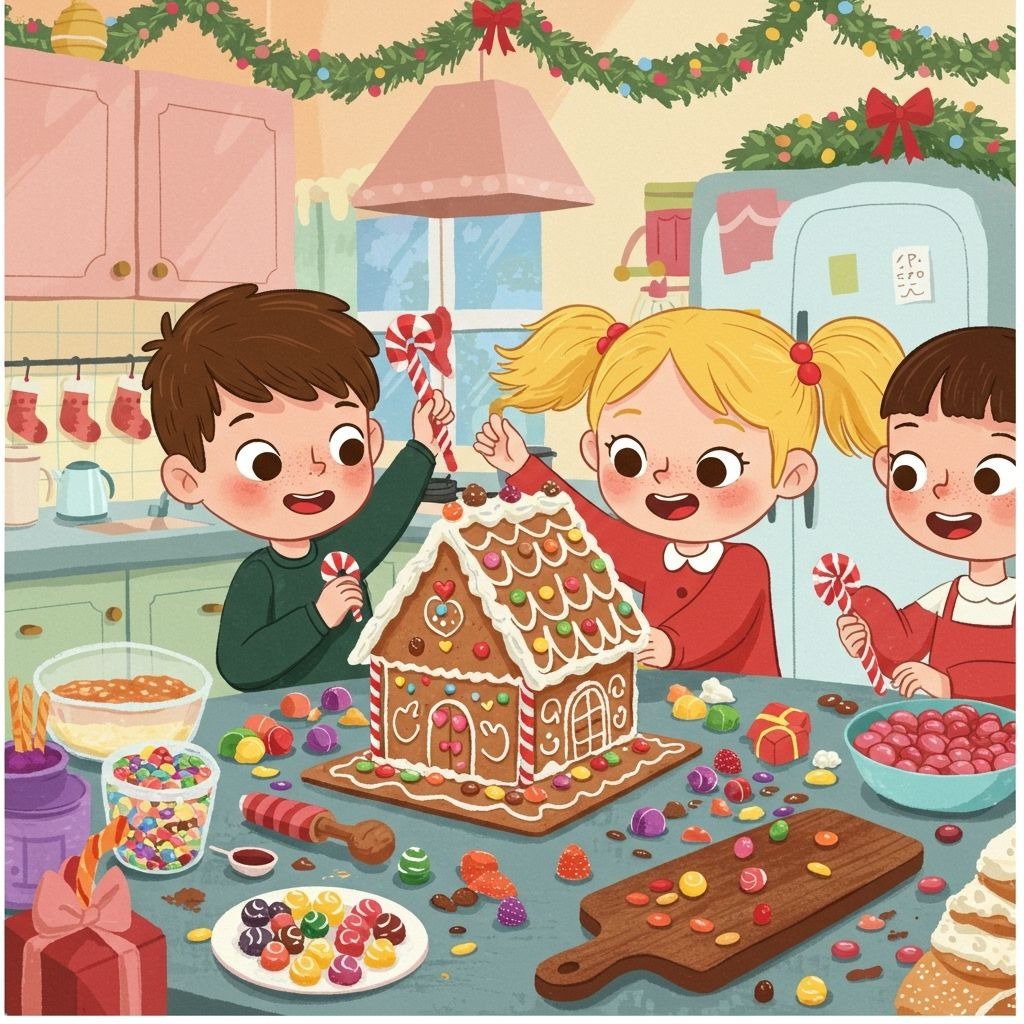
Decorating gingerbread houses is messy and time-consuming, but my kids talk about it for weeks afterward. We buy premade kits to make it easier, set up a decorating station with all the candy sorted into bowls, and let them go wild. The houses look ridiculous. The kitchen gets destroyed. They love every second of it. According to Good Housekeeping, the key is accepting that it’s a messy activity and just rolling with it rather than trying to control the chaos.
Our Christmas morning breakfast tradition started by accident, but has become something I protect fiercely. Instead of opening presents the second everyone wakes up, we make cinnamon rolls first (the kind from a tube—nothing fancy). We eat together, still in pajamas, Christmas music playing, before the present chaos begins. It creates this calm, together moment before the excitement takes over.
The annual ornament tradition is another keeper. Every year, I buy or make each child an ornament that represents something significant from their year—a sport they played, a hobby they loved, a milestone they reached. When they’re grown and have their own trees, they’ll take these ornaments with them, and each one will tell part of their story.
Traditions That Bombed in Our House (So You Can Skip Them)
Let’s talk about the Christmas traditions that sounded amazing but completely flopped, so you don’t waste your time on them.
The elaborate North Pole Breakfast was a disaster. I spent two hours setting up a fancy breakfast spread with themed decorations, special pancakes, and cute food labels. My kids ate for 10 minutes and were done. The cleanup took longer than the event. We now do chocolate fondue night instead—cut up fruit and treats, melt chocolate, let kids dip. Way less work, way more fun.
Elf on the Shelf nearly broke me. The pressure to come up with creative elf scenes every single night for the entire month of December was exhausting. I’d forget to move the elf and have to sneak it to a new spot while the kids were distracted. The elf caused more stress than joy. We switched to Kindness Elves, who only visit occasionally with kind activity ideas, and everyone is happier.
Complicated Pinterest crafts always seemed like a good idea until we actually tried to do them. Homemade ornaments that required six steps and specialty supplies? Gave up halfway through. Elaborate Advent calendars, I tried to make from scratch. Took hours, and my kids barely noticed. Now we stick to simple crafts that actually get completed.
The lesson? Traditions should add joy, not stress. If something feels like a burden or you’re dreading it, give yourself permission to skip it. Childhood memories are made from genuine moments of connection, not from perfectly executed Pinterest ideas. Focus your energy on traditions you actually enjoy and that align with how you naturally parent rather than trying to be someone you’re not.
How to Start New Traditions Without Overwhelming Your Family
If you’re feeling inspired to add new traditions but worried about overwhelming yourself, here’s what I’ve learned: less is more, and slow growth is better than burnout.
Start with three to five core traditions maximum. For us, that’s matching pajamas on Thanksgiving, decorating the tree together, Christmas Eve boxes, driving to see lights, and Christmas morning breakfast. Everything else is a bonus, not required. This prevents December from feeling like an endless checklist.
Let your kids have input on which traditions matter most to them. Last year, I asked my kids what their favorite Christmas traditions were, and their answers surprised me. Some things I thought were important barely registered, while simple things I almost skipped were their favorites. Now I focus on the ones they actually care about.
Give yourself permission to skip traditions some years. If someone is sick, if life is chaotic, if you’re just not feeling it—it’s okay to skip things. Traditions should serve your family, not enslave you to them. We’ve had Decembers where we did the bare minimum, and Christmas was still magical.
Build slowly over time. You don’t need to establish every tradition in year one. We add or try one new tradition every couple of years. Some stick, some don’t. The traditions we do now are the result of seven years of gradually figuring out what works for our family.
Most importantly, make traditions your own. Just because everyone else does Elf on the Shelf doesn’t mean you have to. Just because your neighbor has an elaborate light display doesn’t mean yours needs to compete. The best Christmas traditions are the ones that fit your family’s personality, values, and, realistically, your energy levels.
Age-Appropriate Christmas Traditions
One thing I wish I’d known earlier: not all traditions work for all ages. Matching traditions to your kids’ developmental stages makes everything easier.
For toddlers (ages 2-4), stick with sensory and simple traditions. Looking at lights, wearing special pajamas, reading picture books, decorating cookies (even if they only add sprinkles), and listening to Christmas music all work beautifully. Don’t expect them to sit through long activities or remember complex traditions. Simple and repeated is perfect.
Early elementary kids (ages 5-8) are ready for traditions with more involvement. They can help bake cookies from start to finish, enjoy longer Christmas movies, participate in giving traditions like shopping for toy donations, write letters to Santa, and handle simple crafts. This is the golden age for Santa magic, so traditions involving Santa belief are especially powerful.
Tweens (ages 9-12) need traditions that don’t feel babyish but still create family togetherness. Movie marathons, driving to see lights, special Christmas breakfasts, and service projects work well. Many kids this age are questioning or have figured out Santa, so shift focus toward traditions that emphasize family and giving rather than Santa magic. Including them in planning traditions and letting them help with younger siblings makes them feel valued. Understanding what kids learn at different stages can help you set appropriate expectations for participation.
As your kids grow, be willing to evolve traditions rather than abandoning them entirely. The way we decorate gingerbread houses has changed as my kids got older—now they work more independently and create more elaborate designs. The tradition stayed, but adapted.
Making Traditions Your Own
The final piece of creating Christmas traditions that stick? Making them uniquely yours instead of copying what everyone else does.
We have a tradition nobody else I know does: on Christmas Eve, we each write a letter to our future selves about what happened that year and what we hope for next year. We seal them in envelopes and open them the following Christmas Eve. Reading last year’s letters while writing new ones has become a beautiful way to reflect on how much changes in a year.
Another unique one: instead of a traditional Advent calendar, we have a “kindness calendar” where each day suggests one kind thing to do for someone else. My kids designed it themselves, which makes them even more invested in it.
Don’t be afraid to adapt popular traditions to fit your family. If traditional Elf on the Shelf doesn’t work, try the Kindness Elves version. If baking elaborate cookies is overwhelming, make no-bake treats instead. If your kids hate getting dressed up for Christmas photos, take silly, casual ones instead.
It’s also okay to let go of traditions that no longer serve your family. Maybe something worked when kids were little, but it doesn’t anymore. Maybe you’ve been doing something out of obligation rather than joy. Christmas traditions should evolve as your family grows and changes.
The traditions that will stick are the ones that feel authentically you—the ones that match your family’s personality, that you genuinely enjoy doing, that create real connection rather than just checking a box. Those are the ones your kids will remember decades from now.
Frequently Asked Questions
What are the best Christmas traditions to start with young kids?
The best Christmas traditions for young kids are simple and sensory: wearing matching pajamas, looking at Christmas lights, reading holiday books before bed, decorating cookies (even just adding sprinkles), and listening to Christmas music. Toddlers and preschoolers thrive with repetitive, short activities they can actively participate in. Save complex traditions for when they’re older and can sustain attention longer.
How many Christmas traditions should a family have?
Most families find that three to five core traditions are enough to create Christmas magic without becoming overwhelming. These might include one advent activity, one giving tradition, one special event, and one or two simple repeated activities. You can have additional bonus traditions, but having a manageable core set ensures you’ll actually do them every year rather than burning out.
When should you start Christmas traditions with kids?
You can start simple Christmas traditions as soon as you have children, even as babies. While infants won’t remember their first Christmas, starting traditions early establishes patterns and creates photo memories. Many parents begin with basic traditions like matching pajamas and tree decorating in the baby’s first year, then gradually add more complex traditions as children grow and can participate more actively.
How do you choose which Christmas traditions to keep?
Choose Christmas traditions based on three criteria: do your kids actually enjoy it, do you enjoy it, and does it create connection? Ask your kids which traditions they love most—their answers might surprise you. Drop traditions that feel like obligations or create stress. Keep the ones that genuinely bring joy and that you realistically want to repeat next year. Quality matters more than quantity.
Are expensive Christmas traditions better than simple ones?
No, expensive traditions are not better than simple ones. Kids often remember simple traditions like driving to see lights or making cookies together more vividly than expensive activities. The emotional connection and consistency matter far more than how much something costs. Many of the most beloved family traditions—like reading books together, wearing matching pajamas, or looking at lights—cost very little.
What if my kids are different ages—how do I do traditions that work for everyone?
Choose flexible traditions that can be adapted for different ages, like decorating cookies (older kids do more complex decorating while young ones add sprinkles), watching movies (pick ones with appeal across ages), or giving back (let older kids shop while younger ones draw cards). You can also do some traditions separately by age group and save a few special ones for all-family participation.
How do I start Christmas traditions if we never had any before?
Start by choosing just one or two traditions this year that appeal to your family’s interests and schedule. Don’t try to establish everything at once. Next year, add one more if desired. Read about different tradition ideas, ask your kids what sounds fun to them, and experiment with a few to see what sticks. Remember that traditions become traditions through repetition over the years, not perfection in year one.
Should Christmas traditions include religious elements?
Whether to include religious elements in Christmas traditions is entirely up to your family’s beliefs and values. Many families combine religious traditions (like reading the nativity story, attending church services, or creating a nativity scene) with secular ones (like Santa, decorating, and gift-giving). Choose traditions that align with what you want to teach your children about the meaning of Christmas for your family.