
My daughter was 7 years old when I accidentally discovered what she’d been noticing all along.
I was in the hallway putting away laundry when I overheard her on a video call with her friend. “Yeah, my mom always reads one more chapter even when she’s tired,” she said, her voice full of pride. “And she lets me wear my mermaid costume to Target. She doesn’t even care if people stare.”
I froze, my hand mid-reach into the linen closet. Those weren’t the things I thought defined my parenting. I wasn’t throwing elaborate birthday parties or signing her up for expensive camps. I was just… existing alongside her. Reading an extra chapter because she asked. Picking my battles about what she wore in public.
But to her? Those were the moments that mattered.
That conversation changed everything for me. I started paying attention to what my kids actually noticed versus what I thought they should notice. And you know what I discovered? Kids are watching us constantly—but not in the ways we think.
They’re not keeping score of how clean the house is or whether you made Pinterest-worthy school lunches. They’re noticing the 30 little things that show them they matter. And honestly? Most of us are already doing so many of them without even realizing it.
Why These Little Things Matter So Much
Before we dive into the list, let’s talk about why these small moments carry so much weight.
Child development experts at the American Academy of Pediatrics explain that children’s brains are literally wired to absorb information from their environment—especially from their primary caregivers. Every interaction, every gesture, every small choice you make is teaching them something about themselves, about relationships, and about the world.
But here’s the beautiful part: it’s not the big expensive things they remember.
My kids don’t talk about the time we went to Disney World (which cost a fortune and nearly killed me). They talk about the time we had a spontaneous living room campout on a Tuesday night because the power went out. They remember the secret knock we created. The time I let them eat cereal for dinner. The way I always smell their hair when I hug them.
Research shows that secure attachment—that deep sense of safety and love kids need to thrive—is built through consistent small moments, not grand gestures. Every time you notice them, respond to them, or make room for their needs, you’re depositing into their emotional bank account.
So if you’re feeling like you’re not doing enough, I promise you: you’re probably doing more than you think. These 30 little things kids always notice prove it.

The Complete List: 30 Little Things Kids Always Notice
Acts of Love and Pride (The Ways You Show They Matter)
1. When you wear something they made for you
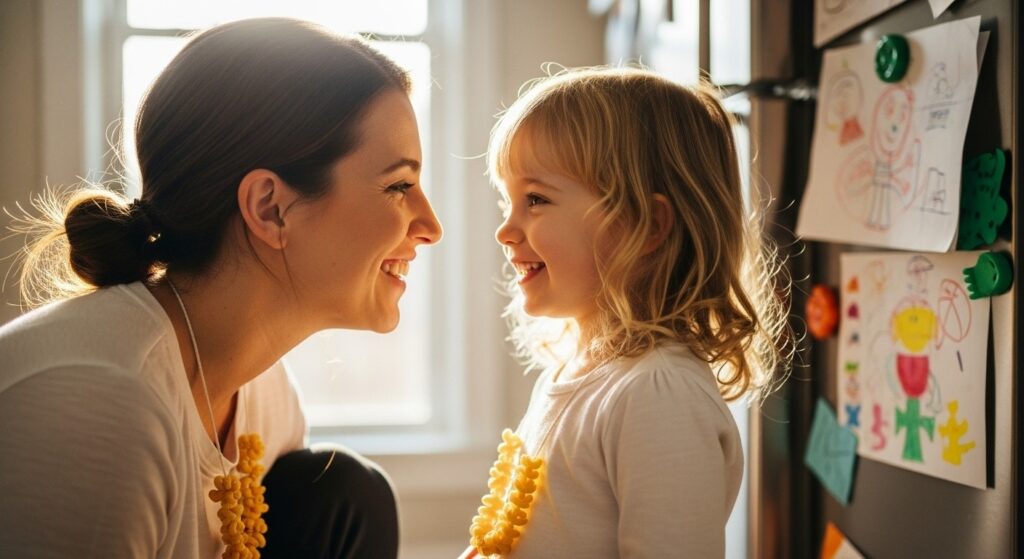
That macaroni necklace? That painted rock? Wear it. Even if it’s just until you get out the door for work. My son made me a bracelet out of rubber bands in kindergarten, and I wore it for weeks. He checked for it every single day.
2. When you display their artwork
Kids notice if their drawings make it onto the fridge or get “accidentally” recycled. Create a rotating gallery—even if it’s just a piece of yarn with clothespins. Having these kids’ craft supplies on hand makes it easy for them to create things they’re proud to see displayed.
3. When you show up
They notice if you’re at the game, the recital, the assembly. But they also notice if you’re really there or just physically present while scrolling your phone. Put the phone away. You can’t get these moments back.
4. When they overhear you bragging about them
This one is HUGE. Let your kids “accidentally” overhear you telling someone else something wonderful about them. “She worked so hard on that project.” “He was so kind to his sister today.” It sinks in deeper than compliments said directly to their face.
5. When you make their favorite foods
Heart-shaped pancakes. Cutting their sandwich into fun shapes. Making their favorite dinner on a random Tuesday. These small culinary efforts mean the world. Check out these easy pancake recipes for inspiration.
6. When you slip notes into unexpected places
Lunch box notes. A surprise sticky note on their bathroom mirror. A little drawing under their pillow. One mom I know leaves a new joke in her son’s lunchbox every day, and he’s saved every single one.
7. When you show genuine enthusiasm for their interests
Even if you couldn’t care less about Minecraft, Pokémon, or whatever they’re currently obsessed with, they notice if you try. Build the Minecraft world with them. Learn the Pokémon names. Watch them play their game. The effort matters more than the expertise.
Quality Time and Presence (The Ways You Show Up)
8. When you spend time with just one kid
Going for a walk with only one child—no siblings tagging along—feels special to them. It doesn’t have to be fancy. A trip to get the mail together counts.
9. When you put your phone down and really listen
Kids can tell the difference between “uh-huh” while scrolling Instagram and actually making eye contact and engaging. They notice when you stop what you’re doing to hear about their day.
10. When you play at their level
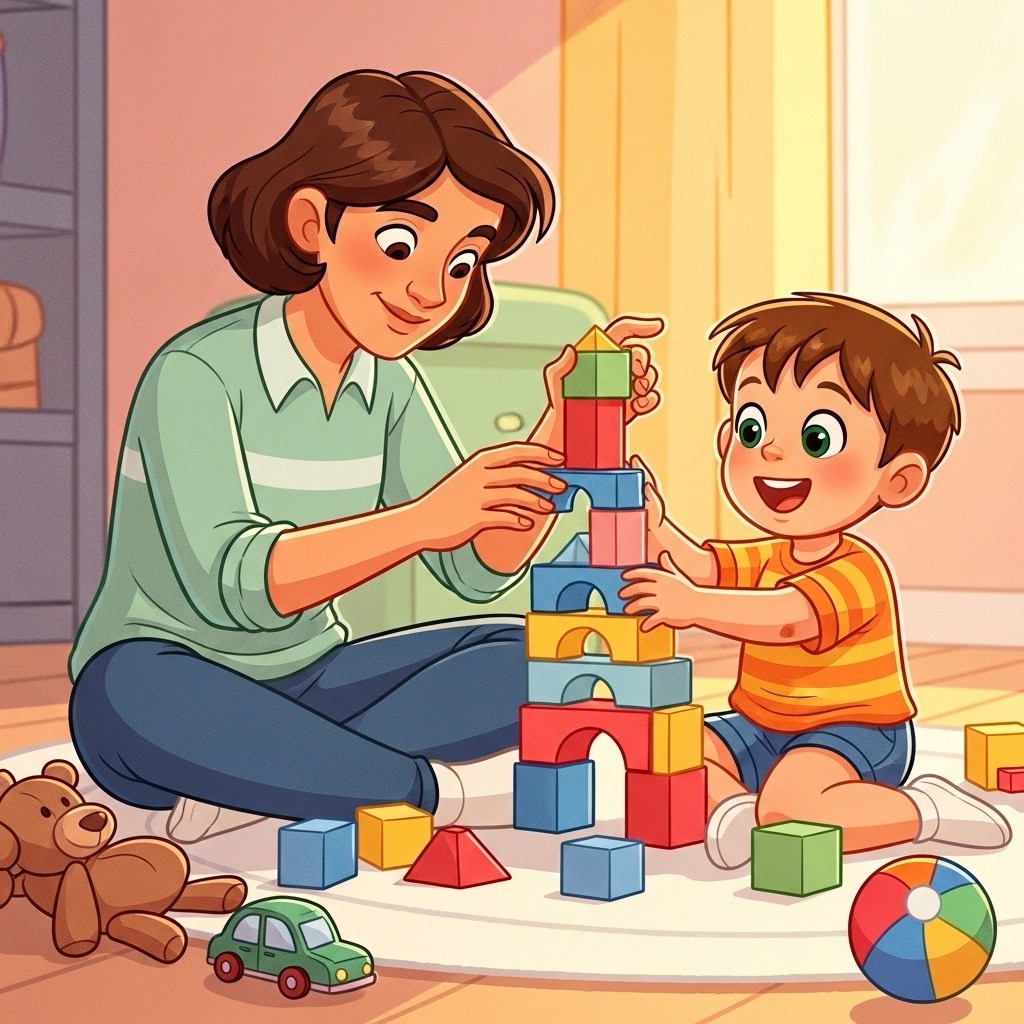
Building LEGOs on the floor. Having a tea party with stuffed animals. Playing pretend. Getting down on their level—literally—shows them you value their world.
11. When you create rituals, they can count on
Taco Tuesdays. Sunday morning pancakes. Friday movie nights. Apple picking every fall. Kids thrive on predictable traditions, even tiny ones. These rituals become the scaffolding of their childhood memories.
12. When you’re present at bedtime
The bedtime routine matters so much more than we realize. Reading that extra chapter. Lying with them for five more minutes. Talking about their day. This is when kids open up about the stuff that’s really bothering them.
13. When you say YES to spontaneity
“Can we have a dance party right now?” “Can we go outside even though it’s almost bedtime?” “Can we make cookies?” Sometimes saying yes to the off-script moments creates the best memories.
14. When you ask them to teach YOU something
“Show me how to do that!” “Can you teach me?” Kids light up when they get to be the expert. And telling them what a good teacher they are? That’s confidence gold.
How You Handle Conflict and Emotions (The Ways You Model Humanity)
15. When you make up after arguing in front of them
If your kids see you fight with your partner, they need to see you make up, too. Apologizing, hugging, working it out—that teaches them that conflict doesn’t mean the end of love.
16. When you apologize to them
“I’m sorry I yelled. That wasn’t okay.” Kids remember when parents own their mistakes. It teaches them that everyone messes up and repair is always possible. This is a core principle in gentle parenting books.
17. When you let them vent without trying to fix it
Sometimes kids need to complain, rage, or be upset without immediately being told to “let it go” or “look on the bright side.” They notice if you can sit with their big feelings without rushing them through it.
18. When you stay calm when they’re not
Kids are watching how you handle your own stress, frustration, and anger. When you take deep breaths, use calm words, or step away to collect yourself, they’re learning emotional regulation by example.
19. How you treat people, you don’t have to be nice to
The way you talk to the cashier, the server, the person who cut you off in traffic—kids are watching all of it. They’re learning how to treat people from the way you treat people.
20. When you admit you don’t know something
“That’s a great question. I don’t know the answer, but let’s find out together!” Modeling curiosity and intellectual humility teaches them so much more than pretending to know everything.
21. When you take care of yourself, too
Kids notice if you never rest, never eat, never do anything for yourself. Teaching them that you’re a person with needs too is one of the most important lessons they’ll ever learn.
Freedom and Flexibility (The Ways You Let Them Be Themselves)
22. When you close the door on the messy room
Sometimes choosing peace over cleanliness is the right call. Kids notice when you pick your battles and don’t sweat the small stuff.
23. When you let them wear whatever they want in public
Princess dressed to go to the grocery store? Superhero cape to the dentist? Letting them express themselves—even when it’s slightly embarrassing—shows them you value their autonomy. One mom I know let her daughter wear a tutu every single day for three months straight. That girl is now a confident teenager who knows her mom has her back.
24. When you let them jump in puddles
Even without rain boots. Even if they get soaked. Even if you have somewhere to be in 10 minutes. Sometimes joy matters more than staying dry.
25. When you don’t force them to perform
“She’s shy.” “He doesn’t want to hug right now.” Respecting their boundaries and not forcing them to hug relatives, perform on command, or be “on” when they’re not feeling it teaches body autonomy.
26. When you let them quit something they truly hate
If they’ve given it a real try and they’re genuinely miserable, giving your blessing to quit teaches them that their mental health matters more than seeing everything through to the bitter end.
27. When you join in their chaos
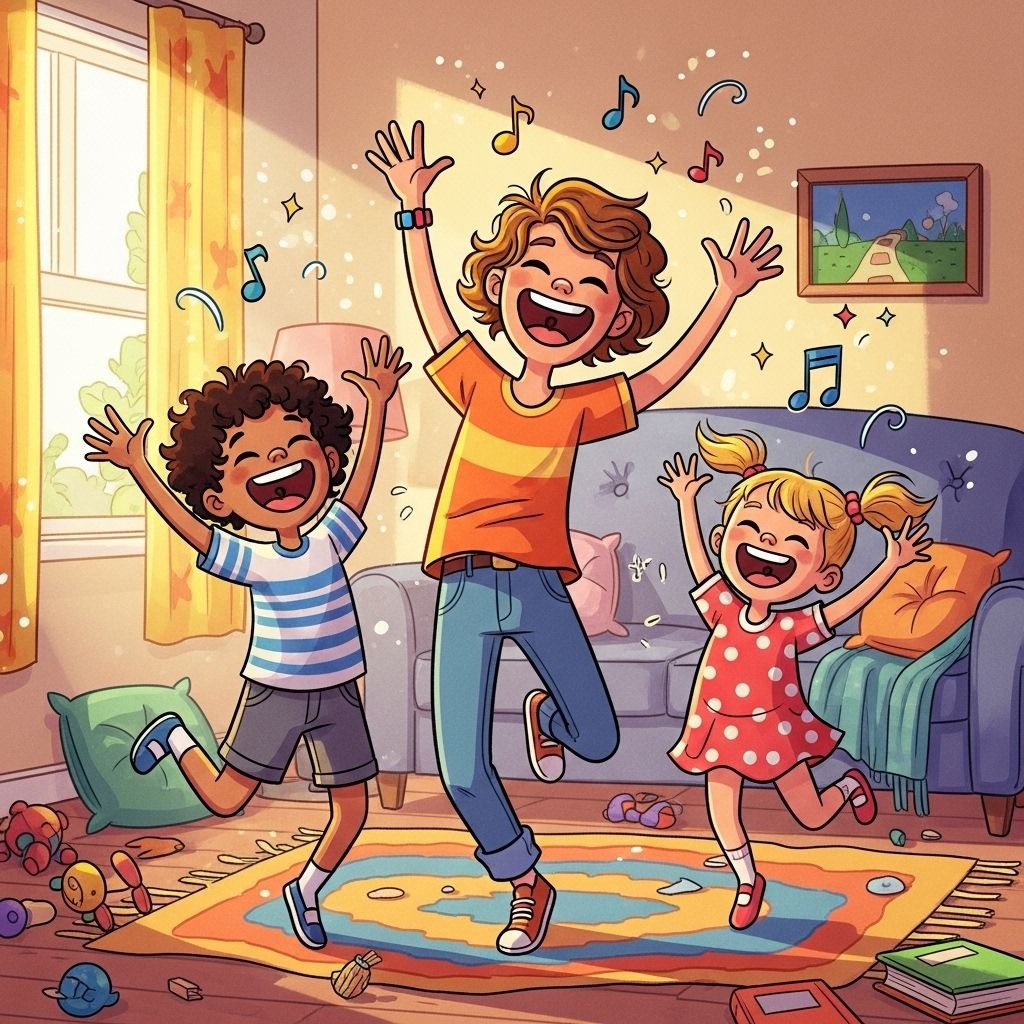
Starting a pillow fight. Cranking up music during homework for an impromptu dance party. Getting messy with finger paints. Showing enthusiasm on the amusement park ride. When you embrace the mess and the noise and the fun, they feel seen.

Connection and Communication (The Ways You Build Your Bond)
28. When you make a secret family handshake or inside joke
My family has a secret knock. My friend’s family has a made-up word that only they understand. These tiny shared languages create belonging. Teaching kids conversation starters can help build this kind of connection.
29. When you have a family motto or saying
“We can do hard things!” “Mistakes are proof that you’re trying!” “Our family sticks together!” A phrase you can invoke when things get tough becomes a verbal hug.
30. When you thank them for the small things
“Thank you for hanging up your towel without me asking.” “I noticed you put your dish in the sink. Thanks for doing that.” Noticing and appreciating their small efforts—without being asked—teaches gratitude and encourages more of that behavior.
The Things They Notice That We Don’t Realize
Beyond this list of 30 intentional things, kids are also absorbing things we don’t even think about. And honestly? Some of these are the wake-up calls I needed as a parent.
Your Phone Habits: If you’re constantly glued to your phone, they notice. They feel invisible. They learn that screens matter more than people. I had to set “phone-free zones” during meals and after school pickup because my kids pointed out I was “always on your phone, Mom.” Ouch. But they were right.
How You Talk About Your Body: If you’re always complaining about your weight, criticizing how you look, or obsessing over diets, they’re absorbing that message. Model body neutrality and self-acceptance instead.
How You Handle Mistakes: Do you beat yourself up when you spill something? Apologize profusely for tiny errors? Laugh it off and move on? They’re watching and learning how to treat themselves when they inevitably mess up.
Whether You Practice What You Preach: If you tell them not to yell but you yell all the time, that hypocrisy lands. If you tell them to be kind but you gossip about neighbors, they notice. Kids have a finely tuned BS detector.
Your Work Attitude: If you constantly complain about your job, dread Mondays, and count down to retirement, that teaches them that work is something to endure rather than find meaning in.
The good news? Once you’re aware of these patterns, you can start shifting them. Not perfectly (perfection isn’t the goal), but consciously.
What Kids Remember Years Later
Here’s the thing that finally took the pressure off for me: kids don’t remember perfect parents. They remember present parents.
A study from the University of Michigan found that what kids remember most isn’t the fancy vacations or expensive gifts—it’s the ordinary moments. The bedtime stories. The inside jokes. The way you smelled. The songs you sang. The traditions you kept.
They remember if you showed up. If you apologize when you are wrong. If you made them feel important. If you created a safe place to fall apart and be put back together.
They remember if you saw them—really saw them—not as a project to perfect but as a person to love.
My mom wasn’t perfect. She yelled sometimes. She burned dinner. She forgot things. But you know what I remember? She always made time for one-on-one time with each of us. That she laughed at herself when she messed up. That she came to every single thing that mattered. That she told me she was proud of me, not for achievements, but for just being me.
That’s what our kids will remember, too.
And if you’re reading this thinking, “I’m failing at half these things,” I want you to know: so am I. This list isn’t a scorecard. It’s not a test you can fail. It’s simply a reminder that the little things you’re already doing matter more than you think.
You’re already doing so many of these things without even realizing it. Keep doing them. Keep showing up. Keep being imperfect and present and human.
That’s what kids need. That’s what they notice. That’s what they’ll carry with them for the rest of their lives.
How to Be More Intentional About the Little Things
Okay, so now you know what kids notice. But how do you actually put this into practice without overwhelming yourself?
Start with ONE thing from this list. Pick the one that resonated most with you and do it this week. Maybe it’s leaving a note in your kid’s lunchbox. Maybe it’s starting a family handshake. Maybe it’s just putting your phone in a drawer during dinner.
Be present in small moments. You don’t need hours of quality time. You need the present moments. Five minutes of completely undivided attention beats an hour of distracted proximity.
Let go of perfection. You’re going to forget the note some days. You’re going to scroll your phone at dinner. You’re going to lose your patience. That’s called being human. What matters is the overall pattern, not each individual moment.
Make ordinary moments special. You don’t need a reason to make pancakes, start a dance party, or go for a walk. Tuesday is reason enough.
Ask your kids what THEY notice. “What’s your favorite thing we do together?” “What makes you feel most loved?” Their answers might surprise you. And give you a roadmap for what matters most to them.
Having the right tools helps too. We keep these board games on hand for spontaneous family game nights, and these activity books have been lifesavers for keeping screen-free connection time fun and engaging.
Remember: Progress, Not Perfection. The goal isn’t to do all 30 of these things every day. The goal is to be intentional about small moments. To show up. To let your kids know they matter. You’re already doing that in a hundred ways they notice.
Frequently Asked Questions About What Kids Notice
Q: How do I balance being present with my kids and taking care of my own needs?
This is the question every parent struggles with, and the answer is: both/and, not either/or. Kids actually need to see you taking care of yourself—it teaches them that self-care isn’t selfish. The key is being fully present during your designated kid time, not half-present all the time. Quality beats quantity. Set boundaries like “Mom’s quiet time is 7-8 pm” or “Saturday mornings are for my workout,” and then when you ARE with your kids, put your phone away and really be there. They’ll respect your boundaries more when they know they’re getting your full attention during your together time.
Q: What if I’ve already messed up a lot of these things? Is it too late?
Absolutely not. Kids are incredibly resilient and forgiving, especially when parents acknowledge mistakes and make changes. You don’t need to have a formal sit-down, but you can say things like, “I realized I’ve been on my phone too much during dinner, and I’m going to work on that.” Or simply start implementing these small changes without fanfare. Your kids will notice the shift, and it will mean something. Repair is always possible. Some of the most securely attached adults had imperfect childhoods with parents who were willing to acknowledge mistakes and try to do better.
Q: My teenager rolls their eyes at everything I do. Do they still notice these little things?
YES. Teenagers are biologically wired to push away from parents, but they’re still watching and noticing everything. In fact, teens often remember these small gestures even more vividly than younger kids because they have the cognitive ability to understand what you’re actually doing. Keep showing up at their games even if they act like they don’t care. Keep leaving notes even if you don’t get acknowledgment. Keep having family rituals even when they seem annoyed. Years later (sometimes decades later), they’ll tell you how much those things meant. Trust the process.
Q: How do I get my partner on board with being more intentional about these little moments?
Share this article with them as a conversation starter, not as criticism. You could say, “I read this interesting article about what kids actually remember, and it made me think about what we’re doing well and what we might want to add.” Focus on picking one or two things you can do together, like starting a family motto or having a weekly game night. Lead by example too—when your partner sees you being intentional and your kids lighting up in response, that’s often more convincing than any conversation. Also, remember that your partner might show up differently than you do, and that’s okay. Different love languages and expressions are actually good for kids to see.
Q: Are these things really more important than providing financially for my kids?
Both matter, but they’re not in competition. Yes, kids need food, shelter, clothing, and opportunities. But research consistently shows that above a certain baseline of financial stability, more money doesn’t equal happier kids. Kids with less affluent parents who are present, affectionate, and engaged tend to be better adjusted than kids with wealthy but emotionally absent parents. You don’t have to choose between working and being present—you just have to be intentional about the time you DO have together. If you work long hours, make the morning routine or bedtime routine sacred. If you travel for work, leave notes and video messages. Quality of presence matters more than quantity of time.
The truth is, you’re probably already doing more of these 30 little things than you realize. You’re showing up. You’re trying. You’re loving your kids imperfectly but persistently. And they’re noticing all of it—the big stuff and especially the small stuff. So give yourself credit for the tiny moments you’re already creating. Those are the moments they’ll carry with them forever.