
My daughter stood in the kitchen doorway last Tuesday morning and said the words that made my stomach drop: “Mom, I’m bored.”
It was 9:47 a.m. Summer break, day three. I had a deadline in two hours, a mountain of laundry threatening to avalanche, and a child who’d already burned through screen time, toys, and coloring books.
Then it hit me. “Want to make lunch with me?”
Her eyes lit up. And just like that, I stumbled onto the solution I wish I’d discovered years ago: simple recipes for kids they can actually make themselves.
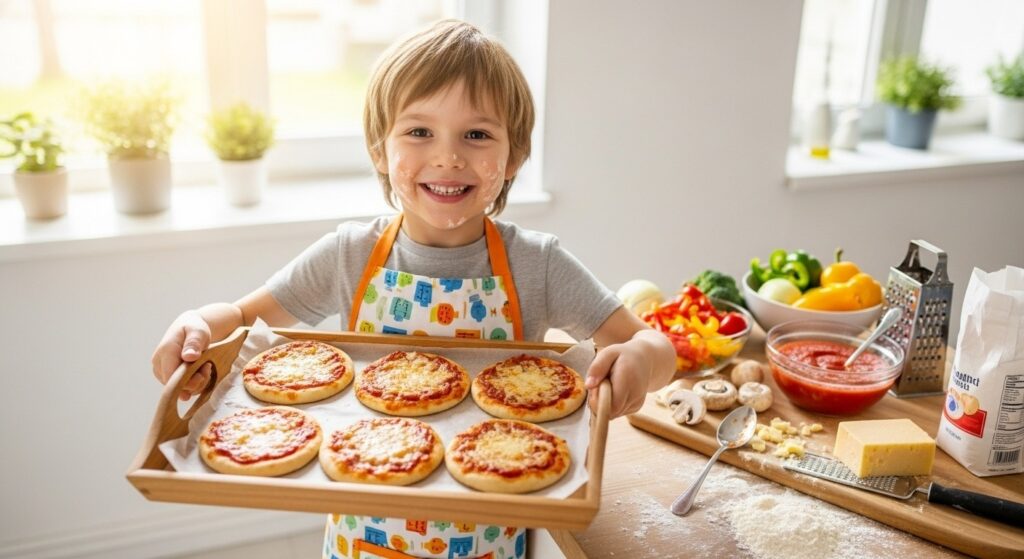
That day, we made English muffin pizzas together. She spread the sauce (messily), sprinkled the cheese (everywhere), and pulled them from the toaster oven herself. She was so proud. And for the next hour, she was happily occupied eating her creation.
Fast forward six months, and my kids now make several meals and snacks on their own. It’s given them confidence, taught them real-life skills, and—let’s be honest—given me precious time back in my day. These simple recipes for kids have transformed our kitchen from my domain into our family space.
Why Teaching Kids to Cook Is One of the Best Things You’ll Ever Do
Before I share my favorite recipes, let me tell you why getting kids in the kitchen matters way more than I ever realized.
First, it builds real independence. Kids who can make their own snacks and simple meals feel capable. They’re not waiting for you to drop everything and make them food. They can handle it themselves.
Second, it teaches practical math and reading. Following a recipe means measuring, counting, reading instructions, and understanding sequences. It’s educational without feeling like school.
Third, picky eaters are more likely to try foods they helped make. I’ve watched my vegetable-hating son eat cucumbers because he cut them himself. There’s something magical about ownership that trumps pickiness.
Fourth, it’s quality time that doesn’t feel forced. Cooking together creates natural conversation. My kids tell me things while we’re mixing batter that they’d never share during a sit-down “talk.”
And finally? According to the American Academy of Pediatrics, involving kids in meal preparation helps them develop healthy relationships with food, improves their motor skills, and can even boost their self-esteem and social skills.
1. English Muffin Pizzas
This is our gateway recipe—the one that hooks kids on cooking.
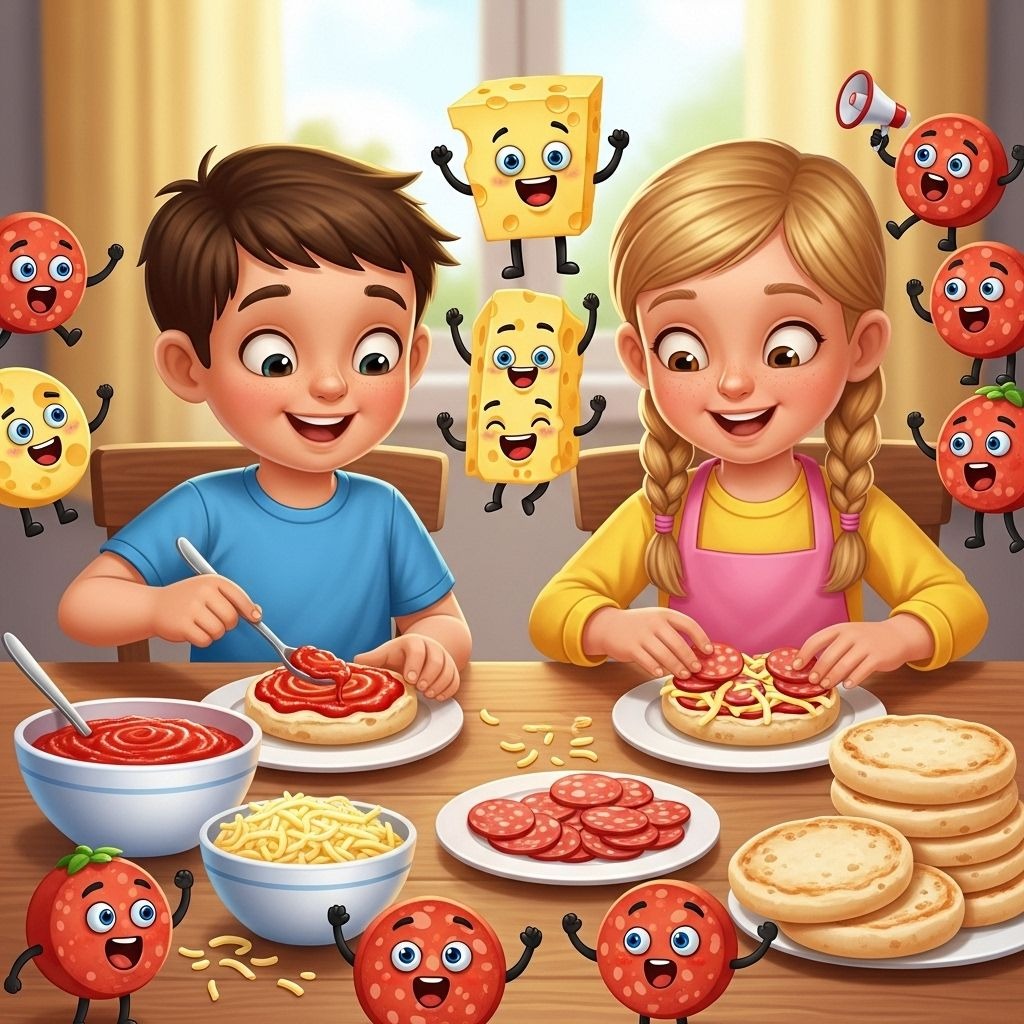
You need English muffins, pizza sauce, shredded mozzarella, and whatever toppings your kids like. That’s it. Split the muffins, spread sauce, add cheese and toppings, and toast them in the toaster oven or bake at 375°F for about 10 minutes.
Even my four-year-old can do this with minimal supervision. My eight-year-old makes them completely solo now.
The beauty of this recipe is the customization. One kid wants just cheese? Done. Another wants pepperoni and olives? Perfect. Everyone gets what they want without you making three different meals.
We make these for lunch, after-school snacks, and even quick dinners. I keep the ingredients stocked at all times because I know it’s a meal they can handle independently.
2. Smoothie Bowls
Smoothies in a bowl—fancier than a cup, way more fun for kids to make.
The basic formula: frozen fruit, a liquid (milk, juice, or yogurt), and toppings. I taught my kids to use one cup of frozen fruit (usually mixed berries), half a cup of liquid, blend until thick, pour into a bowl, and top with granola, fresh fruit, coconut flakes, or whatever they want.
My kids love this because it feels like dessert for breakfast. I love it because it’s actually nutritious, and they can make it without my help.
Pro tip: Pre-portion the frozen fruit into bags on Sunday. Then on weekday mornings, kids just grab a bag, dump it in the blender, add liquid, and go. Takes five minutes, and they feel like little chefs.
For families who want to get kids really involved in the kitchen, investing in kids’ baking and cooking sets makes a huge difference. My daughter has her own kid-safe knives, measuring cups, and utensils, which makes her feel like she has her own official cooking space.
3. Quesadillas
This might be the simplest recipe on the list, and it’s become a weekly staple in our house.
Cheese + tortilla + skillet (or microwave). That’s the basic version. As kids get more confident, they can add beans, leftover chicken, veggies, or whatever sounds good.
For younger kids or beginners, I teach the microwave method first: place cheese on half a tortilla, fold it over, and microwave for 30-45 seconds. Done.
For older kids or those ready for the stove, I supervise while they heat a skillet on medium-low, place the cheese-filled tortilla in the pan, and flip it after a minute or two. The crispy version is way better than microwaved, and kids feel so accomplished using the stove.
We serve these with salsa, sour cream, or guacamole for dipping. Sometimes we cut them into triangles, and my kids pretend they’re fancy nachos.
4. Banana Sushi
I know this sounds weird, but trust me on this one.
You spread peanut butter (or sunflower seed butter for nut-free schools) on a tortilla, place a banana in the center, roll it up, and slice it into rounds. It looks like sushi, which makes it fun and exciting for kids.
Sometimes I’ll sprinkle granola or mini chocolate chips inside before rolling for extra texture and flavor. Other times, I’ll add a thin layer of cream cheese along with the peanut butter.
This is sweet enough to feel like a treat but is actually pretty nutritious. Bananas provide potassium and fiber, the nut butter adds protein and healthy fats, and the whole wheat tortilla gives them complex carbs.
My kids eat this without complaint, and I love that it takes about ninety seconds to make.
5. Breakfast Foods for Lunch
Plot twist: who says lunch has to be “lunch food”?
I pack pancakes, waffles, French toast, or even muffins as the main component of lunch all the time now. Kids love it because it feels special and different.
Cold pancakes with syrup on the side for dipping? My kids think it’s the coolest thing ever. I make a big batch on Sunday, freeze them individually, and pull them out as needed. They thaw perfectly by lunchtime.
Mini muffins are another winner. I make batches of banana muffins, blueberry muffins, or even veggie-loaded muffins (zucchini or carrot) and freeze them. Two muffins plus some cheese, fruit, and veggies make a complete lunch.
Cheese waffles are also surprisingly good cold. I make them with shredded cheese mixed into the batter, freeze them, and pack them with some fruit and yogurt.

6. Cold Pizza
Hear me out: cold pizza is not just acceptable for kid lunches—it’s actually preferred by some kids.
I make pizza on whole wheat naan or pita bread, bake it, let it cool completely, and pack it. Or I’ll pack leftover pizza from dinner. Either way, it’s a hit.
The key is using good toppings that taste good cold. Cheese pizza is always safe. Pepperoni works great. Veggies like peppers and olives hold up well. Just avoid anything too saucy that might get soggy.
You can also do mini pizzas using English muffins. Make a bunch, let them cool, wrap individually, and freeze. Pull one out in the morning, and it thaws by lunchtime.
7. Quesadilla Triangles
Quesadillas travel really well and taste great at room temperature.
I make them the night before or in the morning, let them cool, cut them into triangles, and pack them in the lunch box. I include a small container of salsa, sour cream, or guacamole for dipping.
The basic version is just cheese, but you can add all sorts of things: black beans, shredded chicken, diced peppers, or even leftover taco meat.
My kids prefer them plain with just cheese, which is totally fine. They’re still getting protein and calcium, and it’s something they’ll actually eat.
These pack beautifully in reusable snack containers for kids, which keep them from getting squished and are easy to clean and reuse.
8. Chilled Chicken Nuggets
I know you’re thinking, “Cold chicken nuggets? Really?”
But yes, really. Kids who love chicken nuggets often don’t mind eating them cold. In fact, some prefer them that way.
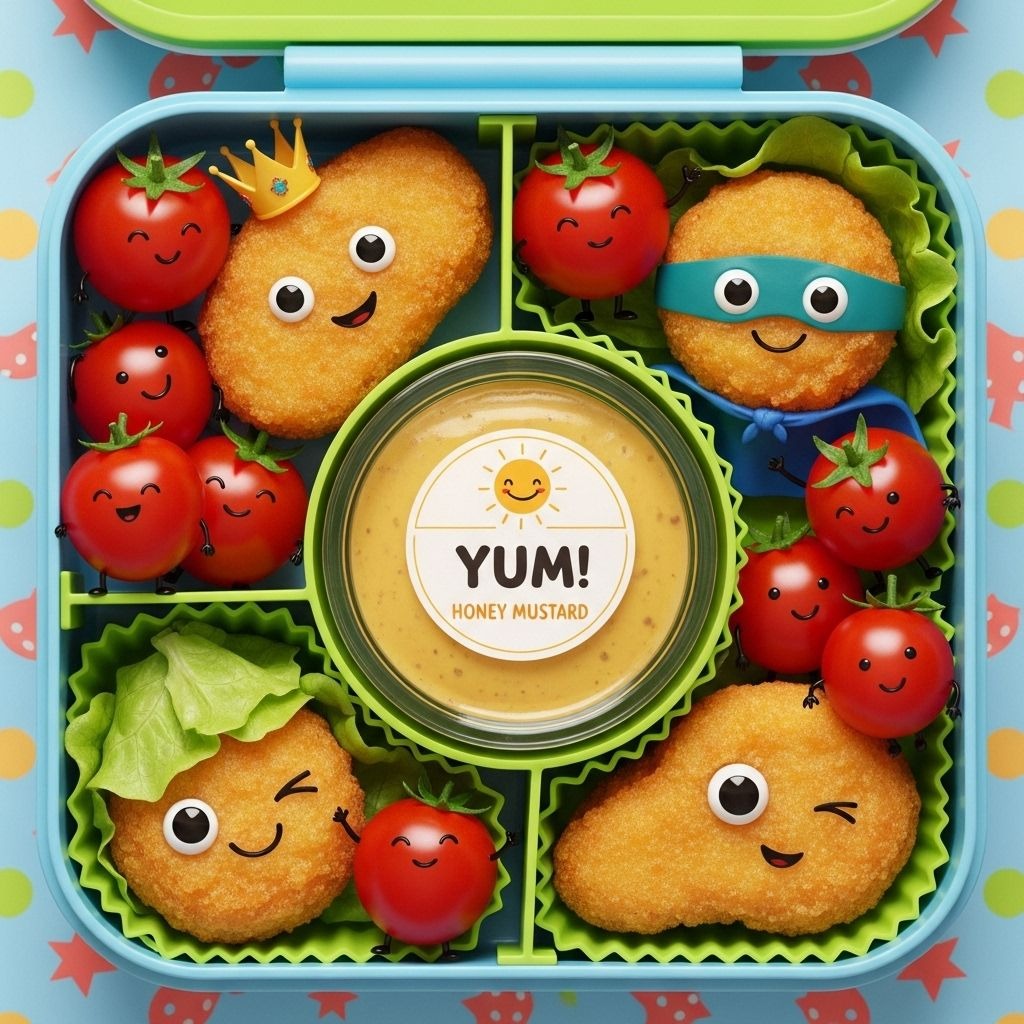
I bake a batch of homemade or frozen chicken nuggets, let them cool completely, and pack them with ketchup or ranch for dipping. Add some fruit, crackers or pretzels, and veggies, and you’ve got a complete lunch.
This works especially well with higher-quality nuggets that have real chicken and a good coating. The texture holds up better cold than cheaper versions.
If you’re looking for ways to make cooking with your kids more fun and get them involved in meal prep, I highly recommend these kids’ baking and cooking sets. My kids love helping make their own chicken nuggets from scratch on the weekends.
9. Yogurt Parfait
This is more of an assembly situation than cooking, but it’s such a reliable lunch.
I pack Greek yogurt in one container, granola in another, and fresh fruit or berries in a third. The kids layer it themselves at lunch, which keeps the granola crunchy.
Sometimes I’ll add a drizzle of honey or a small container of chocolate chips for them to sprinkle on top. It feels like dessert but is actually pretty nutritious.
The protein from the yogurt keeps them full, the fruit gives them vitamins and fiber, and the granola provides energy. Plus, it’s colorful and appealing, which matters more than we want to admit when it comes to getting kids to eat.
10. Snack Plate Lunch
Some days, a “real meal” just isn’t happening. And that’s okay.
On those mornings, I pack what I call a “snack plate” lunch—basically a bunch of different snacks that together make a balanced meal.
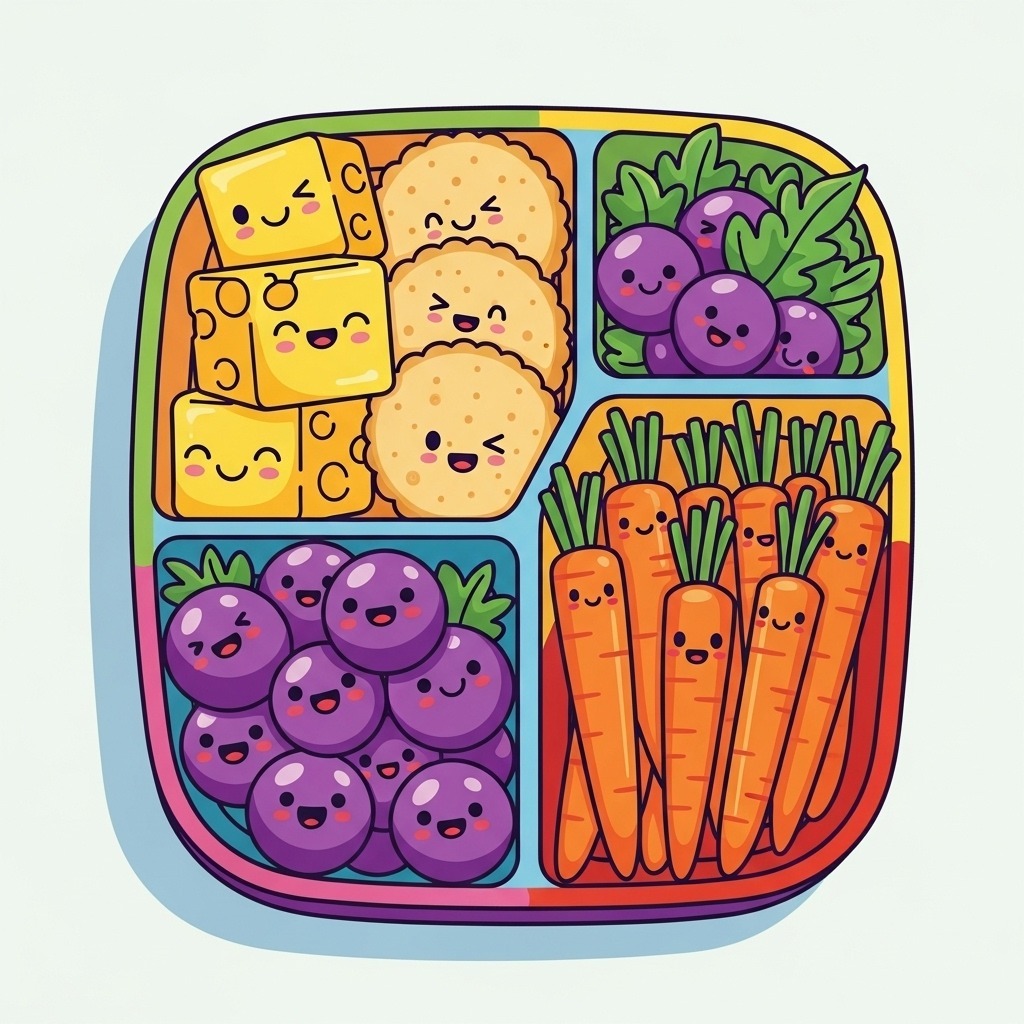
A typical snack plate might include:
- String cheese or cheese cubes
- Crackers or pretzels
- Apple slices or grapes
- Baby carrots or cherry tomatoes
- A hard-boiled egg
- A few cookies or a granola bar
It’s not fancy, but it covers all the food groups, and kids love the variety. They get to pick and choose what they want to eat first, which gives them some control.
This approach has become one of my favorites because it requires zero cooking and almost no thought. I just grab items from the fridge and pantry, toss them in a divided container, and we’re done.
For more ideas on keeping kids engaged and happy, these fun snacks for kids are perfect additions to any lunch box.
Tips for Success When Teaching Kids to Cook
Here’s what I’ve learned after a year of getting my kids more involved in the kitchen:
Start with no-cook recipes first. Building confidence with recipes that don’t involve heat makes kids feel capable before introducing the intimidation of the stove.
Accept the mess. Their first smoothie will have berries on the walls. Their first scrambled eggs might have some shell pieces. It’s part of learning. Clean-up is easier than you think, and the skills they’re building are worth it.
Teach safety explicitly. Hot pans, sharp knives, electrical appliances—don’t assume kids understand the dangers. Talk through safety rules before every cooking session.
Let them make mistakes. Burnt toast teaches more than perfect toast. Let them figure out what went wrong and how to fix it next time.
Make a mess station. I keep a towel, spray cleaner, and extra bowls at kid-level so they can clean up as they go. It’s made a huge difference in how manageable the chaos feels.
Have the right tools. Get kids their own aprons, measuring cups, and cooking utensils. When they have their own gear, they take cooking more seriously. The kids’ baking and cooking sets we got have made my daughter feel like she’s a legitimate chef, not just playing around.
Prep ingredients in advance. For younger kids, measure and prep ingredients ahead of time. As they get older, teach them to do their own mise en place.
Be patient. What takes you five minutes will take them twenty. And that’s okay. You’re teaching a lifelong skill, not just making one meal.
Celebrate their wins. Take pictures. Serve their creations at family dinner. Let them call grandma to brag about what they made. Recognition fuels their desire to keep learning.
For families looking for more structured meal ideas that work with kids who are learning to cook, these breakfast ideas for kids include lots of options that kids can help prepare or make independently.
The Bottom Line
Simple recipes for kids aren’t just about feeding them—they’re about teaching independence, confidence, and real-world skills.
Every time your child successfully makes something in the kitchen, they’re learning that they’re capable. That they can follow instructions. That they can create something from scratch. These aren’t small things. These are building blocks of confidence that extend way beyond the kitchen.
Start with one recipe from this list. Maybe it’s the English muffin pizzas because they’re foolproof. Maybe it’s fruit kabobs because there’s no heat involved. Maybe it’s scrambled eggs because your kid has been begging to use the stove.
Pick one. Teach it. Practice it until they can do it independently. Then add another.
Before you know it, your kid will be making their own breakfast, packing their own snacks, and maybe even helping with family dinners. And you’ll wonder why you didn’t start this earlier.
You’ve got this. And your kids are going to surprise you with how capable they are once you give them the chance.
Frequently Asked Questions
At what age can kids start cooking?
Kids can start helping in the kitchen as young as 2-3 years old with simple tasks like washing vegetables, tearing lettuce, or stirring. By ages 4-5, they can do more complex tasks like spreading, pouring measured ingredients, and assembling (like the English muffin pizzas). Ages 6-7 can handle mixing, cutting soft foods with butter knives, and using the microwave with supervision. By ages 8-10, most kids can use the stove with close supervision and follow simple recipes independently. Every child develops at their own pace, so trust your judgment and always supervise based on their maturity level and the task at hand.
What are the safest recipes for kids to start with?
The safest starter recipes involve no heat and minimal sharp tools: fruit kabobs, ants on a log, smoothies, overnight oats, and no-bake energy balls are all excellent first recipes. These build confidence and teach basic skills like measuring, mixing, and following steps without the risks associated with stoves, ovens, or sharp knives. Once kids master these, move to microwave-based recipes (like mug cakes), then toaster oven recipes (like English muffin pizzas), and finally introduce supervised stovetop cooking with recipes like quesadillas and scrambled eggs.
How do I teach kitchen safety to my child?
Start with clear, explicit rules before they ever touch ingredients: always wash hands first, tie back long hair, roll up sleeves, and wipe up spills immediately to prevent slipping. For heat safety, teach “hot handle” awareness—always assume pans are hot, use oven mitts, and never reach across burners. For knife safety, start with butter knives on soft foods and teach proper grip and cutting technique (fingers curled back, knife pointing away from body). Never leave the room when kids are cooking with heat, even if they’re “experienced.” Make safety part of every cooking session, not just a one-time lecture. Repetition and consistency are key.
What if my child makes a mess or wastes ingredients?
Messes and mistakes are part of learning—expect them and plan for them. Put towels down, use non-breakable dishes, and have cleaning supplies within reach. When spills happen, stay calm and teach clean-up as part of cooking. For wasted ingredients, start with inexpensive items like eggs, flour, and basic produce, so mistakes don’t feel costly. You can also practice techniques with play materials first (like cracking plastic eggs or using dried beans for measuring practice). Remember that the goal isn’t a perfect meal—it’s building skills and confidence. That spilled milk or burnt toast is tuition for learning a lifelong skill.
Can cooking with kids really help picky eaters?
Yes! Research shows that kids who help prepare food are more likely to try new foods and develop less picky eating habits. When kids are involved in making a meal, they feel ownership and pride that motivates them to taste it. Start by having them help prepare foods they already like, then gradually introduce new ingredients in familiar recipes. Let them make choices (“Should we add blueberries or strawberries to our smoothie?”), which gives them control and reduces mealtime power struggles. Don’t force eating—just exposure through cooking is valuable. Even if they don’t eat the new food the first time, handling it, smelling it, and watching it cook are all steps toward acceptance.
What recipes have your kids learned to make? I’d love to hear what’s working in your kitchen—drop a comment and let me know what simple recipes your kids love making!