
I was rushing around trying to get my 4-year-old ready for preschool when she looked up at me with tears in her eyes and said, “Mama, I’m not smart enough for big kid school.” My heart absolutely broke. Where was this coming from?
That moment made me realize how much our little ones absorb—not just what we say to them, but what they overhear us saying about ourselves. I knew I had to do something different, and that’s when I discovered the power of affirmations for kids.
If you’ve ever wondered whether those simple positive statements actually work, or you’re looking for ways to build your child’s confidence from the inside out, you’re in the right place. After using affirmations for kids with both my children for over two years now, I can honestly say it’s been a game-changer for our entire family.
What Are Affirmations for Kids (And Why They Actually Work)
Affirmations for kids are simple, positive statements that children repeat to themselves to build confidence, self-worth, and emotional resilience. Think of them as intentional messages we help our children send to their developing brains.
The science behind this is actually pretty fascinating. According to research from the Mayo Clinic, positive affirmations can literally rewire our thought patterns over time. For children, whose brains are still developing, these positive messages can be especially powerful in shaping their self-perception and emotional responses.
When we consistently use affirmations for kids, we’re essentially teaching them to become their own cheerleader instead of their worst critic. And trust me, in a world where kids face so much pressure and comparison, this skill is invaluable.
The Real Benefits I’ve Seen (Backed by Research)
When I first started using affirmations for kids, I’ll admit I was a bit skeptical. But after just a few weeks, I noticed some real changes:
Enhanced Self-Confidence: My shy daughter started raising her hand more in class and trying new activities without as much hesitation. She went from hiding behind my legs at playdates to introducing herself to new kids.
Better Emotional Regulation: Those meltdowns over “messing up” became less frequent. She started saying things like “mistakes help me learn” instead of calling herself “stupid.” The shift from self-criticism to self-compassion was remarkable.
Improved Resilience: When her tower fell down or a friend said something mean, she bounced back faster. The affirmations gave her tools to handle disappointment without it derailing her entire day.
Stronger Social Connections: As her self-esteem grew, she became more empathetic with friends and more willing to include others. Confident kids tend to be kinder kids—they’re not operating from a place of insecurity.
Better Sleep and Reduced Anxiety: Bedtime affirmations helped calm her nighttime worries. Instead of lying awake thinking about everything that could go wrong, she’d repeat positive statements about feeling safe and loved.
The Mistake I Made with Affirmations (That You Can Avoid)
Here’s what I wish someone had told me from the start: not all affirmations for kids are created equal, and timing matters more than I realized.
I started by having my daughter repeat generic phrases like “I am perfect” and “I can do anything.” But she’d look at me like I was crazy because, well, she’s smart enough to know she can’t actually fly or do calculus!
The breakthrough came when I learned to make affirmations specific, realistic, and tied to her actual experiences. Instead of “I am perfect,” we switched to “I am learning and growing every day.” Instead of “I can do anything,” we used “I can do hard things with practice and help.”
Another crucial mistake: I only pulled out affirmations when things were going wrong. If she were melting down about a mistake, I’d frantically try to get her to say positive things. But affirmations for kids work best when practiced during calm moments, building that positive internal voice before it’s needed in crisis mode.

Age-Appropriate Affirmations for Kids That Actually Stick
For Toddlers (Ages 2-4)
Keep it simple and concrete. Toddlers respond best to short, clear statements they can easily remember and understand:
- “I am loved”
- “I am safe”
- “I can try new things”
- “My feelings are okay”
- “I am learning”
- “I am helpful”
- “I am growing big and strong”
At this age, focus more on emotional security and basic self-acceptance. They’re just beginning to develop their sense of self, so these foundational affirmations create a positive baseline.
For Preschoolers (Ages 4-6)
This age group can handle slightly longer affirmations and understand more complex emotions:
- “I believe in myself”
- “I can do hard things”
- “I am a good friend”
- “I learn from my mistakes”
- “I have great ideas”
- “I choose to be kind”
- “My body is strong and capable”
- “I can ask for help when I need it”
- “I am unique and special”
Preschoolers are starting to compare themselves to others, so affirmations that celebrate their individual worth are particularly important.
For School-Age Kids (Ages 6-12)
Older children can work with more sophisticated concepts and longer phrases:
- “I am capable of solving problems.”
- “My voice and opinions matter”
- “I can handle challenges with courage”
- “I am proud of my unique qualities”
- “I choose to focus on positive thoughts”
- “I have the power to make good choices”
- “I am learning to be patient with myself”
- “I can disagree with others respectfully”
- “I trust myself to figure things out”
- “I celebrate other people’s success without feeling less about myself”
At this age, kids are dealing with more complex social situations, academic pressure, and identity formation, so affirmations should address these challenges.
How to Make Affirmations for Kids Part of Your Daily Routine
The key to success with affirmations for kids isn’t just what you say—it’s when and how you say it. Here’s what’s worked best in our house:
Morning Routine (Our Game-Changer)
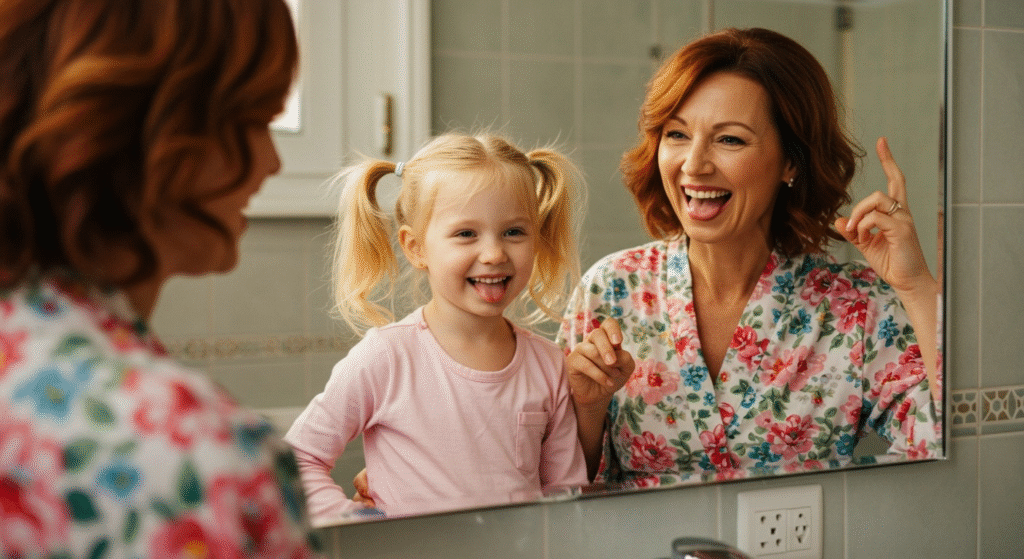
We do affirmations while brushing teeth or getting dressed. My kids now automatically start their day with positive self-talk. Try setting 3-5 affirmations to the tune of a favorite song—trust me, they’ll stick!
My daughter created her own morning affirmation song to the tune of “Twinkle, Twinkle, Little Star”: “I am brave, I am smart, I am kind with all my heart. I can learn and I can grow, there’s so much that I can know!”
During Car Rides and Transitions
Road trip games for kids can easily include affirmation rounds. We play “Affirmation ABCs” where each person says a positive statement starting with the next letter of the alphabet. It turns a potentially boring car ride into a confidence-building activity.
During Conversation Starters for Kids at Dinner
We’ve made it a tradition to share one affirmation each person used that day. It reinforces the practice and gives us insight into their emotional world. Sometimes the kids will say, “I used my ‘I can do hard things’ affirmation when math got tricky today!”
Bedtime Wind-Down
This is perfect for calming affirmations about rest, safety, and gratitude. Some nights we whisper affirmations while doing back rubs—pure magic for both connection and confidence building. Bedtime affirmations help process the day positively and set up peaceful sleep.

Affirmations for Kids by Challenge Type
For Anxiety and Worry
- “I am safe and protected”
- “I can handle whatever comes my way”
- “I breathe deeply and feel calm”
- “My worries are just thoughts, not facts”
- “I trust myself to figure things out”
- “It’s okay to feel scared and be brave at the same time”
- “I have adults who love me and keep me safe”
- “I can take things one step at a time”
For Building Friendship Skills
- “I am a kind and caring friend”
- “I listen with my whole heart”
- “I include others and make them feel welcome”
- “I share and take turns willingly”
- “I forgive and move forward”
- “I can be myself and still have good friends”
- “I treat others how I want to be treated”
- “I can handle disagreements calmly”
For Academic Confidence
- “My brain is always learning and growing”
- “I ask questions when I need help”
- “Mistakes help me learn better”
- “I am curious and love discovering new things”
- “I do my best, and that’s enough”
- “I can focus on one thing at a time”
- “I am proud of my effort, not just my results”
- “Learning takes time, and that’s perfectly okay”
This connects beautifully with what do kids learn in kindergarten, as positive self-talk forms the foundation for academic success and emotional regulation in school settings.
For Sibling Relationships
- “I love my family, even when we disagree”
- “I can share space and toys with kindness”
- “I use my words instead of my hands”
- “We work together as a team”
- “I celebrate my sibling’s successes”
- “I can have my own feelings without hurting others”
- “Our family has enough love for everyone”
- “I can be patient when someone is learning”
For Building Independence
- “I can try new things on my own”
- “I trust my ability to make good choices”
- “I can solve problems step by step”
- “I am responsible for my actions”
- “I can take care of my belongings”
- “I am growing more independent every day”
- “I can speak up for what I need”
Creating Personalized Affirmations for Your Child
The most powerful affirmations for kids are the ones that speak directly to their unique challenges and strengths. Here’s how to create custom affirmations:
Step 1: Listen to Their Self-Talk
Pay attention to the negative things your child says about themselves. If you hear “I’m not good at math,” you can create: “I am learning math step by step, and that’s exactly how it should be.”
Keep a mental (or actual) note of their specific language. If your child says, “I’m terrible at drawing,” create an affirmation like “My art is unique and getting better with practice.”
Step 2: Highlight Their Strengths
Notice what your child does well and turn it into an affirmation. If they’re naturally helpful: “I love helping others and making a difference.” If they’re creative: “I have amazing ideas and love expressing them.”
Step 3: Address Current Challenges
Is your child struggling with bedtime fears or when do kids stop napping transitions? Create specific affirmations: “I feel calm and safe in my bed” or “My body knows how to rest peacefully.”
Step 4: Make Them Collaborative
Involve your child in creating their affirmations! Ask them what they’d like to feel more confident about, then work together to create positive statements. When kids help create their affirmations, they’re more likely to believe and use them.
Making Affirmations Fun and Engaging
Let’s be real—if it feels like another chore, kids won’t want to do it. Here are some creative ways to make affirmations for kids actually enjoyable:
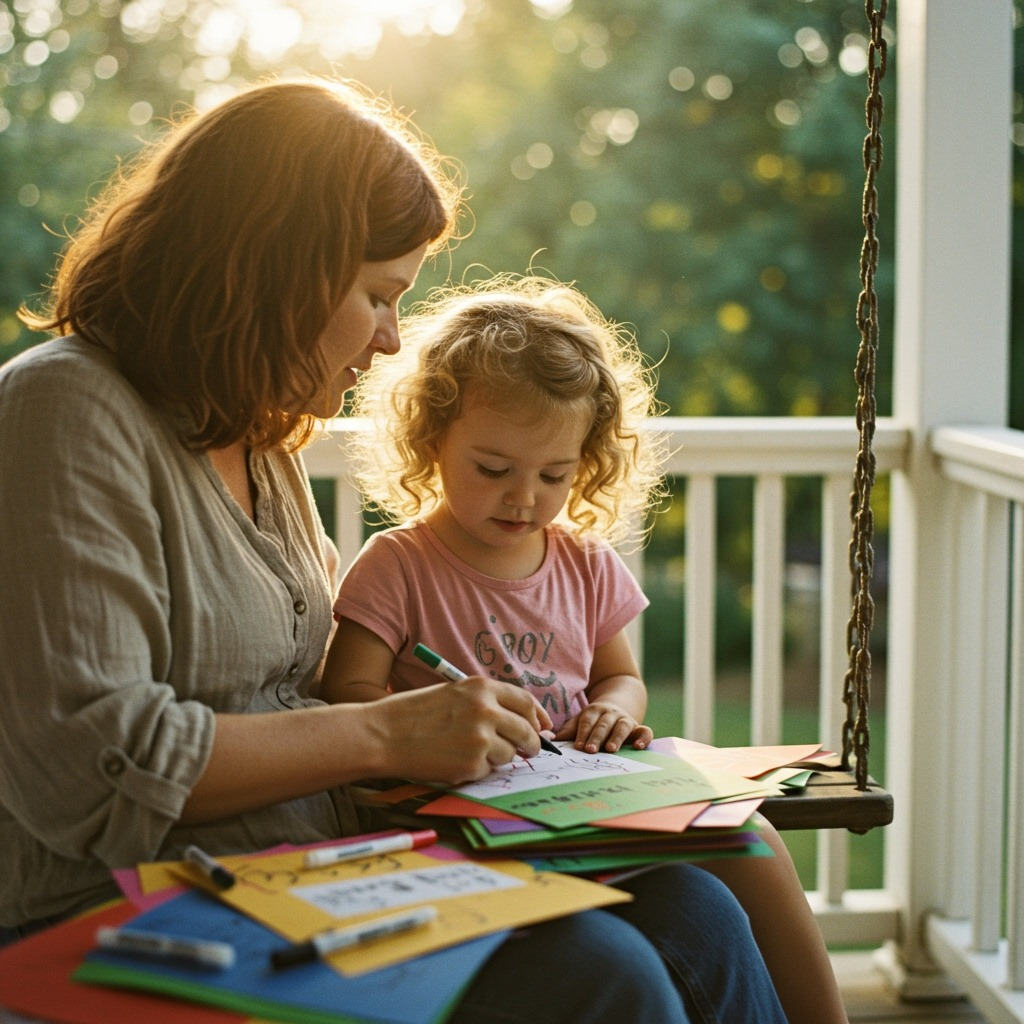
Affirmation Art Projects
- Create colorful affirmation posters for their bedroom walls
- Make affirmation stones with painted positive words
- Design affirmation cards that they can pick from each morning
- Create an affirmation journal with drawings and stickers
- Make affirmation bookmarks for reading time
Movement and Music
- Turn affirmations into songs or raps
- Do power poses while saying confidence affirmations (Superman pose is a favorite!)
- Create an affirmation dance routine
- Use different voices or accents for different affirmations
- March around the house while chanting affirmations
Technology Integration
- Record affirmations in their own voice to play back
- Create digital affirmation videos with fun backgrounds
- Use apps that send daily affirmation reminders
- Make affirmation playlists with upbeat music
- Create affirmation screensavers for devices
Games and Activities
- Affirmation treasure hunts around the house
- Mirror affirmation time with silly faces
- Affirmation story time, where you create tales around positive messages
- Family affirmation relay races
- Affirmation Mad Libs for older kids
Try incorporating fun facts for kids about how our brains work with positive thinking. Kids love understanding the “why” behind what they’re doing!
Common Mistakes Parents Make with Affirmations for Kids
Mistake #1: Making Them Too Generic
Saying “you’re amazing” every day loses its power. Be specific about what makes them amazing that day. Instead of generic praise, try “I love how you helped your sister find her toy—that was really thoughtful.”
Mistake #2: Only Using Them During Crisis Moments
Affirmations work best when practiced regularly during calm times, not just when your child is upset. Think of them like exercise for the brain—consistency builds strength.
Mistake #3: Not Modeling the Behavior
If you’re constantly putting yourself down, your kids will notice. Practice positive self-talk yourself-they are always watching! Let them hear you say things like “I made a mistake, but I’m learning” or “I’m proud of how I handled that challenge.”
Mistake #4: Forcing It
Some days your child won’t want to do affirmations, and that’s okay. Keep it light and pressure-free. If they resist, try saying, “That’s okay, I’ll do my affirmations and you can listen if you want.”
Mistake #5: Making Them Too Long or Complicated
Keep affirmations short and age-appropriate. A 4-year-old doesn’t need a paragraph-long affirmation—three to five words is perfect.
The Science Behind Why Affirmations for Kids Work
Understanding the research behind affirmations can help you feel more confident about using them with your children. According to the American Psychological Association, positive self-affirmation practices can:
- Reduce stress and anxiety responses in children
- Improve academic performance by reducing test anxiety
- Strengthen resilience in the face of challenges
- Support healthy identity development
- Improve emotional regulation skills
The key is neuroplasticity—our brains’ ability to form new neural pathways. When children regularly practice positive self-talk through affirmations, they’re literally creating new thought patterns that become more automatic over time.
When to Seek Additional Support
While affirmations for kids are incredibly powerful, they’re not a cure-all. If your child is struggling with persistent negative self-talk, anxiety, or behavioral challenges that don’t improve with consistent positive reinforcement, it might be time to talk with their pediatrician or a child counselor.
According to child development experts, affirmations work best as part of an overall supportive environment. They complement, but don’t replace, professional help when needed.
Signs that additional support might be helpful:
- Persistent negative self-talk despite consistent affirmation practice
- Extreme anxiety that interferes with daily activities
- Significant behavioral changes or regression
- Sleep or appetite changes
- Withdrawal from activities they used to enjoy
The Ripple Effect: How Affirmations Changed Our Whole Family
Here’s what I didn’t expect: using affirmations for kids didn’t just change my children—it changed me too. I started paying more attention to my own self-talk and realized I was modeling some pretty negative patterns.
Now our whole family practices affirmations together. My husband does them during his commute (“I can handle whatever today brings”), I say them while making coffee (“I have everything I need to be a good mom today”), and the kids naturally use them when facing challenges.
It’s created this beautiful culture of encouragement and a growth mindset in our home. Instead of immediately jumping to fix problems, we first help each other remember our strengths and capabilities.
The kids have started noticing when others use negative self-talk, too. My son will gently remind his friends, “Hey, you’re still learning—that’s okay!” It’s beautiful to see them naturally becoming encouragers.
Advanced Strategies for Affirmations Success
Creating Themed Affirmation Weeks
Try focusing on one theme per week:
- Kindness Week: All affirmations focus on being kind to oneself and others
- Brave Week: Affirmations about courage and trying new things
- Gratitude Week: Affirmations about appreciation and thankfulness
- Friendship Week: Affirmations about social connections and empathy
Seasonal Affirmations
Adapt affirmations to match what’s happening in your child’s life:
- Back-to-school affirmations for new beginnings
- Holiday affirmations for gratitude and giving
- Summer affirmations for adventure and growth
- Birthday affirmations for celebrating another year of wisdom
Family Affirmation Traditions
- Create family affirmation chants for sports events or challenging times
- Start meals with gratitude affirmations
- End bedtime stories with personalized affirmations
- Use affirmations during house rules for kids discussions to reinforce positive family values

Troubleshooting Common Challenges
“My Child Says Affirmations Don’t Work”
This usually means the affirmations aren’t specific or relevant enough. Try:
- Making them more personal and specific
- Asking your child what they’d like to feel more confident about
- Starting with smaller, more believable statements
- Focusing on effort and process rather than outcomes
“My Child Forgets to Do Affirmations”
Try:
- Linking affirmations to existing routines (brushing teeth, getting dressed)
- Using visual reminders like colorful sticky notes
- Making it a family practice rather than an individual requirement
- Creating fun rituals that naturally include affirmations
“My Child Resists Affirmations”
This is common and okay! Try:
- Modeling positive self-talk without requiring participation
- Making it playful rather than serious
- Starting with gratitude instead of self-affirmations
- Using stories or characters who use positive self-talk
As parenting experts note in research about modern family approaches, the most effective strategies are often the simplest ones that the whole family can embrace together, creating lasting positive change through consistency and love.
Frequently Asked Questions
Q: What age should I start using affirmations for kids?
A: You can start as early as 18 months with very simple phrases like “I am loved.” Toddlers absorb language constantly, and positive messaging becomes part of their internal vocabulary even before they can repeat the words back. The key is keeping affirmations age-appropriate and simple for younger children.
Q: How many affirmations should my child say each day?
A: Start with 3-5 affirmations for kids and repeat them consistently rather than overwhelming them with too many. Quality and repetition matter more than quantity. It’s better to really internalize a few powerful affirmations than to rush through a long list.
Q: What if my child doesn’t want to say affirmations?
A: Don’t force it! Try making it into a game, song, or simply model positive self-talk yourself. Sometimes kids need to see the behavior before they’re ready to participate. You might also try letting them choose their own affirmations or create them together as a fun activity.
Q: Can affirmations replace therapy if my child has low self-esteem?
A: Affirmations for kids are a wonderful tool, but they’re not a replacement for professional help if your child is struggling significantly. Think of them as part of an overall supportive approach. If your child shows signs of depression, severe anxiety, or persistent negative self-talk that doesn’t improve with positive interventions, consult with their pediatrician or a child therapist.
Q: How long does it take to see results from affirmations?
A: Every child is different, but many parents notice subtle changes in self-talk and confidence within 2-4 weeks of consistent practice. The key is making it a regular part of your routine. Some children may show immediate interest and engagement, while others take longer to warm up to the practice. Be patient and consistent.