
Last Tuesday, my 5-year-old asked for the iPad for the third time before 10 a.m., and I almost caved. Almost. Instead, I pulled out some glue, salt, and watercolors—three things I already had in my pantry—and suggested we “make magic.” I expected her to last maybe ten minutes before wandering off. She worked on her salt painting for an hour. An entire hour of focused, screen-free creativity.
That afternoon taught me something important: kids don’t need fancy art supplies or expensive kits to stay engaged. They need art activities for kids that spark curiosity, feel a little bit magical, and let them make choices. Since then, we’ve tried dozens of projects, and I’ve figured out which ones actually work with real kids who have short attention spans and strong opinions.
Whether you’re desperate for a rainy day activity or looking to reduce screen time, these are the art activities that have transformed our afternoons from “I’m bored” battles into genuine creative time.
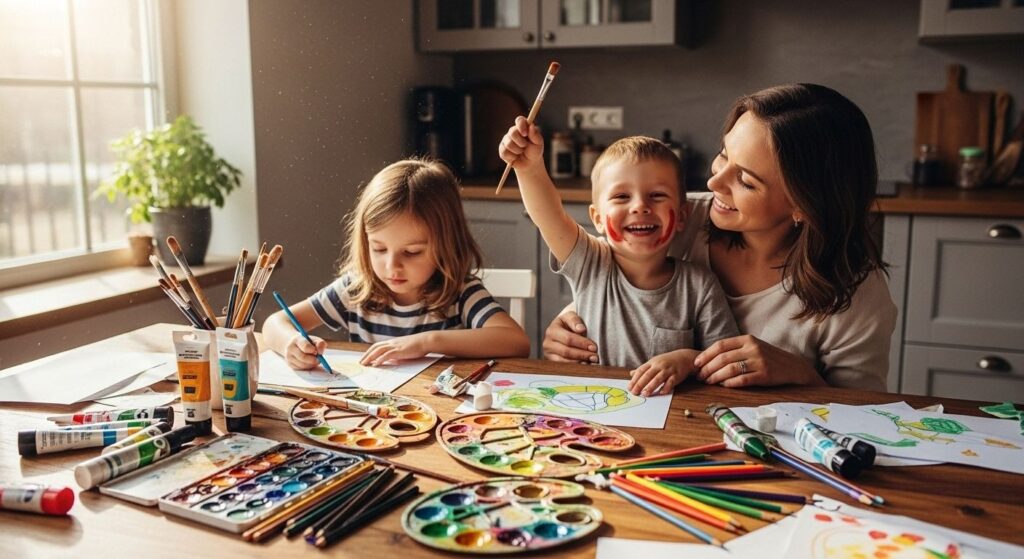
Why Art Activities Matter More Than I Realized
I used to think art time was just about keeping my kids busy. Boy, was I wrong. According to research from the American Academy of Pediatrics, creative activities like art actually support brain development in ways I never understood.
Every time my daughter mixes colors or decides where to place a piece of torn paper on her collage, she’s making decisions and solving problems. When my son gets frustrated that his painting doesn’t look “right” and works through it anyway, he’s building emotional regulation skills. These aren’t just cute projects—they’re genuine learning experiences.
Art activities for kids also give them control in a world where adults make most of their decisions. They choose the colors, decide what to create, and determine when they’re finished. That sense of autonomy builds confidence in ways that surprised me. My quietest child becomes chatty and confident when she’s creating art.
The best part? You don’t need to be artistic yourself. I can barely draw a stick figure, but my kids don’t care. They just want the space, the materials, and the permission to create.
No-Mess Art Activities for Kids (Start Here)
If the thought of paint everywhere makes you want to skip art time entirely, start here. These activities minimize mess while maximizing creativity.
Raised Salt Painting
This became our signature activity after that first magical afternoon. Draw a design with glue on thick paper or cardboard, sprinkle salt over the glue, shake off the excess, and then touch watercolors or liquid food coloring to the salt lines. The color spreads like magic along the salty pathways, and kids are absolutely mesmerized.
The best part is you probably have everything you need already. We’ve made snowflakes, hearts, rainbow designs, and abstract patterns. My kids request this activity by name now, and cleanup takes about two minutes.
Watercolor Resist Art
Give your kids white crayons and white paper, and let them draw “invisible” pictures. Then paint over the entire page with watercolors, and their hidden drawings magically appear as the wax resists the paint. This simple activity feels like performing magic tricks, and the surprise factor keeps even my most easily distracted child engaged.
Q-tip Pointillism
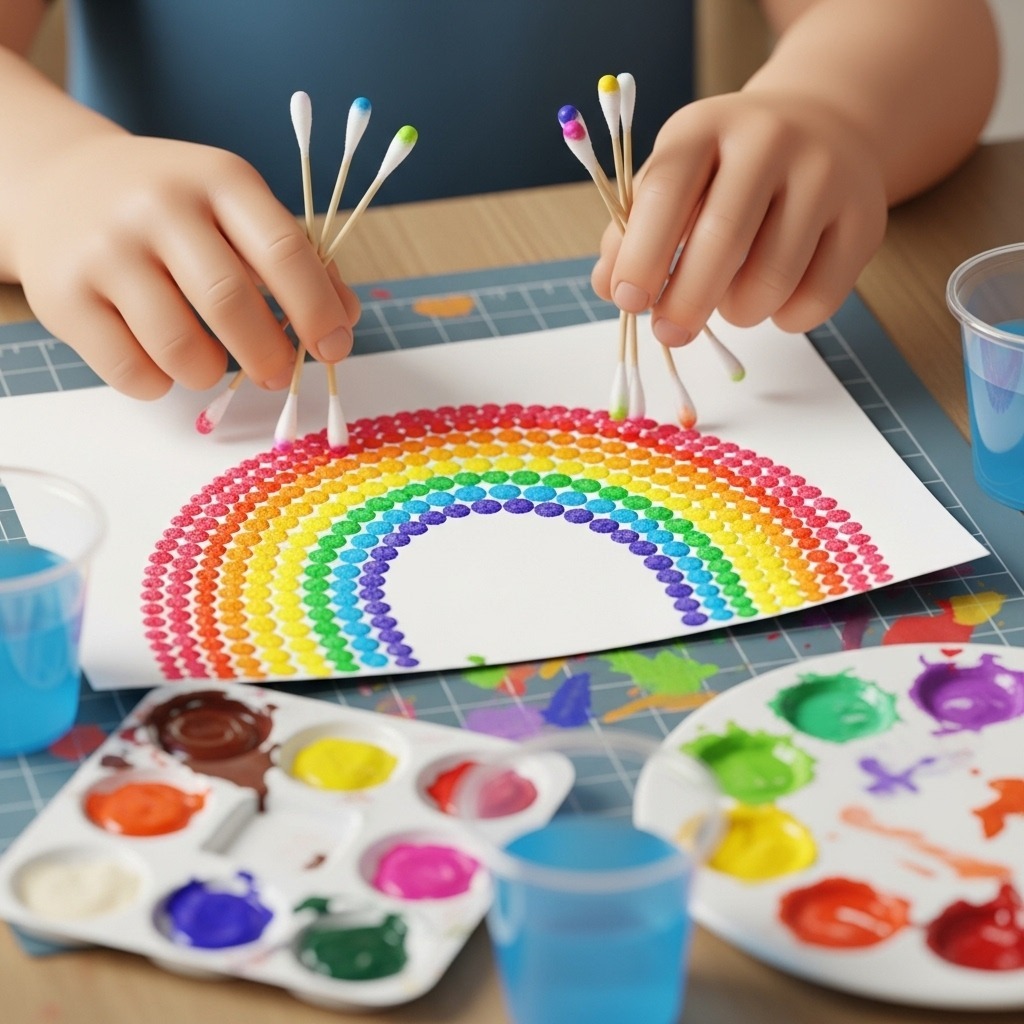
Instead of regular paintbrushes, give kids Q-tips and let them create art using only dots. They can make rainbows, hearts, their names, or abstract designs. This technique is perfect for kids who get overwhelmed by “free painting” because the dots give them structure while still allowing creativity.
I keep a kids’ wooden painting kit stocked with washable paints specifically for activities like this. Having designated supplies means I can say yes to art time without worrying about my good brushes getting ruined.
Paper Collage and Mosaic Art
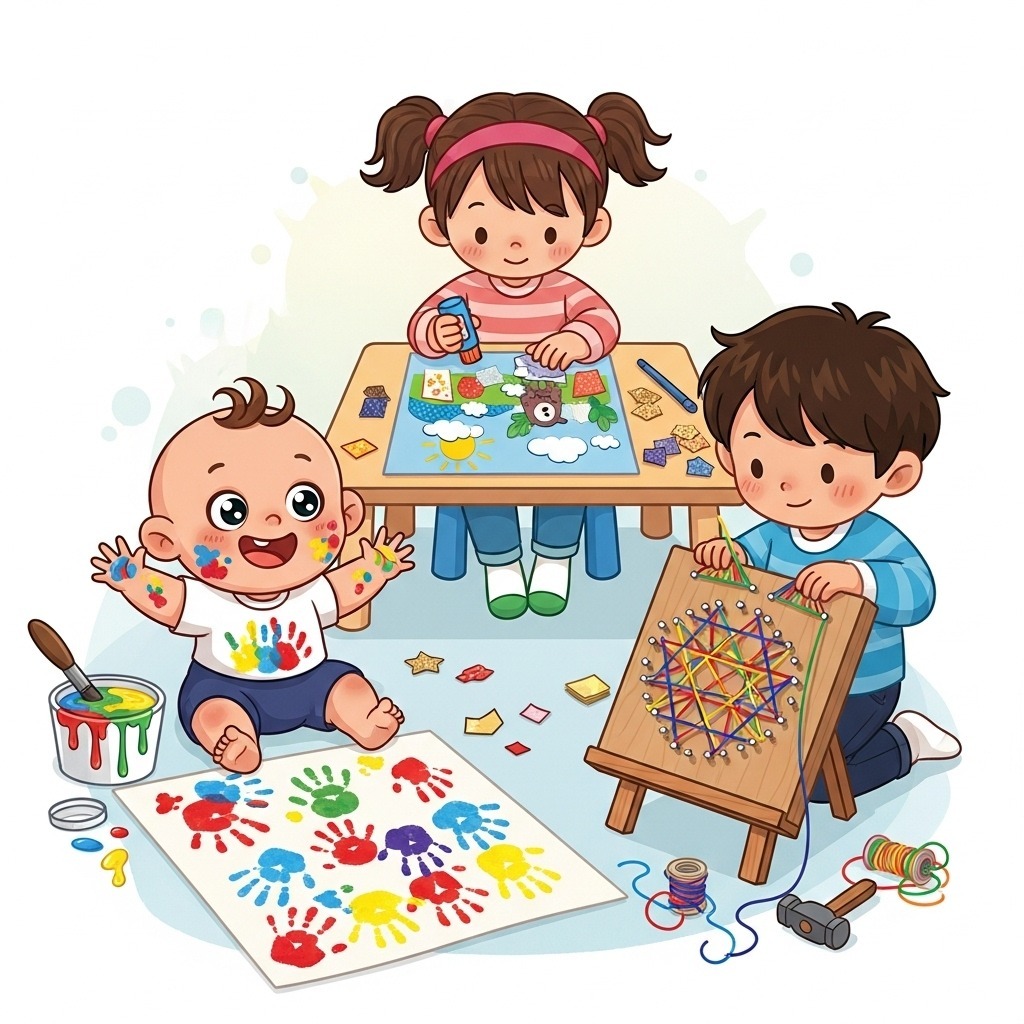
This is my go-to for toddlers and preschoolers. Let them tear (not cut) colorful magazine pages, old wrapping paper, or construction paper into small pieces, then glue them onto paper to create pictures or patterns. The tearing motion is satisfying, and there’s no “wrong” way to do it.
We’ve made everything from simple flowers to elaborate landscapes using this technique. It’s also a fantastic quiet-time activity when you need 20 minutes to prep dinner. Plus, it ties in perfectly with other activities for kids when you’re planning a full afternoon of engagement.
Messy Art Activities Worth the Cleanup
Sometimes you need to embrace the mess. These activities require more cleanup but deliver maximum engagement and sensory satisfaction.
Finger Painting Variations
Plain finger painting is great, but these variations take it to the next level. Try finger painting inside a sealed ziplock bag for truly mess-free fun. Or freeze paint in ice cube trays, then let kids “paint” with melting ice cubes on thick paper outside on a hot day. The changing textures and temperatures add a whole sensory dimension.
My kids also love adding dish soap to finger paint to make it extra slippery and foamy. The texture becomes completely different, and the soap makes cleanup easier afterward.
Marble Painting
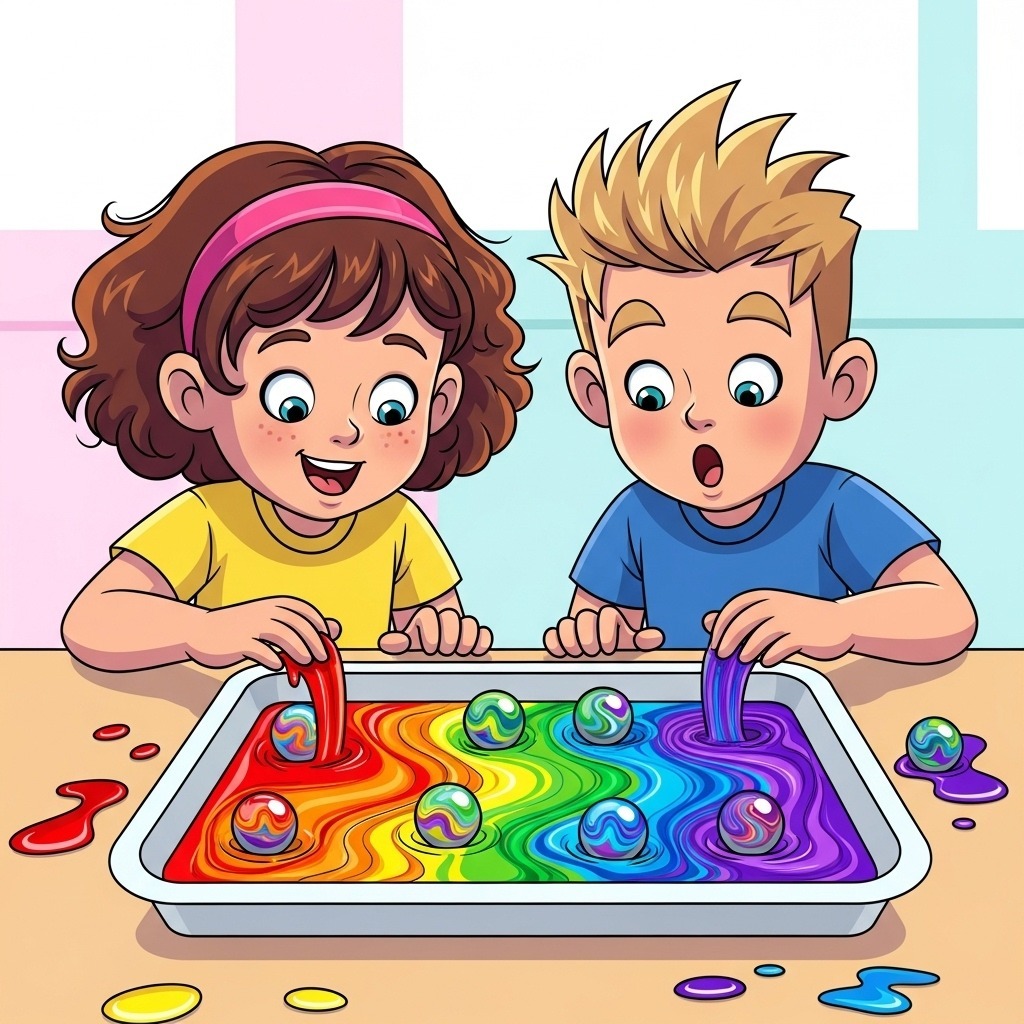
Place paper in a shallow box or tray, drop a few dollops of paint on the paper, add a marble or two, and let kids tilt the box to roll the marbles through the paint. The resulting patterns are always unique and surprisingly beautiful. My 3-year-old calls this “magic ball painting,” and she’s not wrong about the magic part.
This activity is especially good for kids who don’t like getting their hands messy but still want to create art. The marble does all the work.
Splatter Art (Take It Outside)
On nice days, we take this one to the backyard. Tape large paper to the fence or lay it on the grass, water down some paint, and let kids flick, drip, or spray it onto the paper using brushes, spray bottles, or even fly swatters. The bigger the movements, the better the release of energy.
This activity has saved us on days when my kids had too much energy and not enough outlets. It’s art therapy and physical activity rolled into one. Just keep everyone in clothes you don’t care about.
Bubble Wrap Stomping Art
Wrap your kids’ feet in bubble wrap, dip them in washable paint, and let them stomp all over large sheets of paper. The textured footprints are fascinating, and kids think it’s hilarious. This combines movement, art, and sensory play into one activity.
Fair warning: this gets messy. Set it up outside if possible, or in a bathroom where you can hose everyone down afterward. But the giggles and the engagement? Totally worth it.
Art Activities Using What You Already Have
You don’t need a massive craft budget to do art activities for kids. These ideas use materials you probably already have at home.
Melted Crayon Art
Remember those broken crayons rolling around in the bottom of the crayon box? They’re perfect for this. Peel off the paper wrappers, arrange crayons on thick paper or canvas, and either melt them with a hair dryer (for older kids with supervision) or place them in the sun on a hot day. The melting colors create stunning abstract art.
We’ve also grated old crayons, sandwiched the shavings between wax paper, and ironed them (adult job) to create colorful suncatchers. Nothing gets wasted, and kids love giving new life to “broken” supplies.
Magazine Mosaic Masterpieces
Before you recycle those old magazines, let kids cut or tear out colorful sections to create mosaic art. They can follow a simple outline (like a heart or flower) or create abstract designs. This activity teaches color sorting, develops fine motor skills, and produces surprisingly sophisticated results.
My 7-year-old made an entire underwater scene using just blue, green, and yellow magazine pieces, and I was genuinely impressed. We framed it, and it’s still hanging in our hallway.
Nature Art with Found Objects
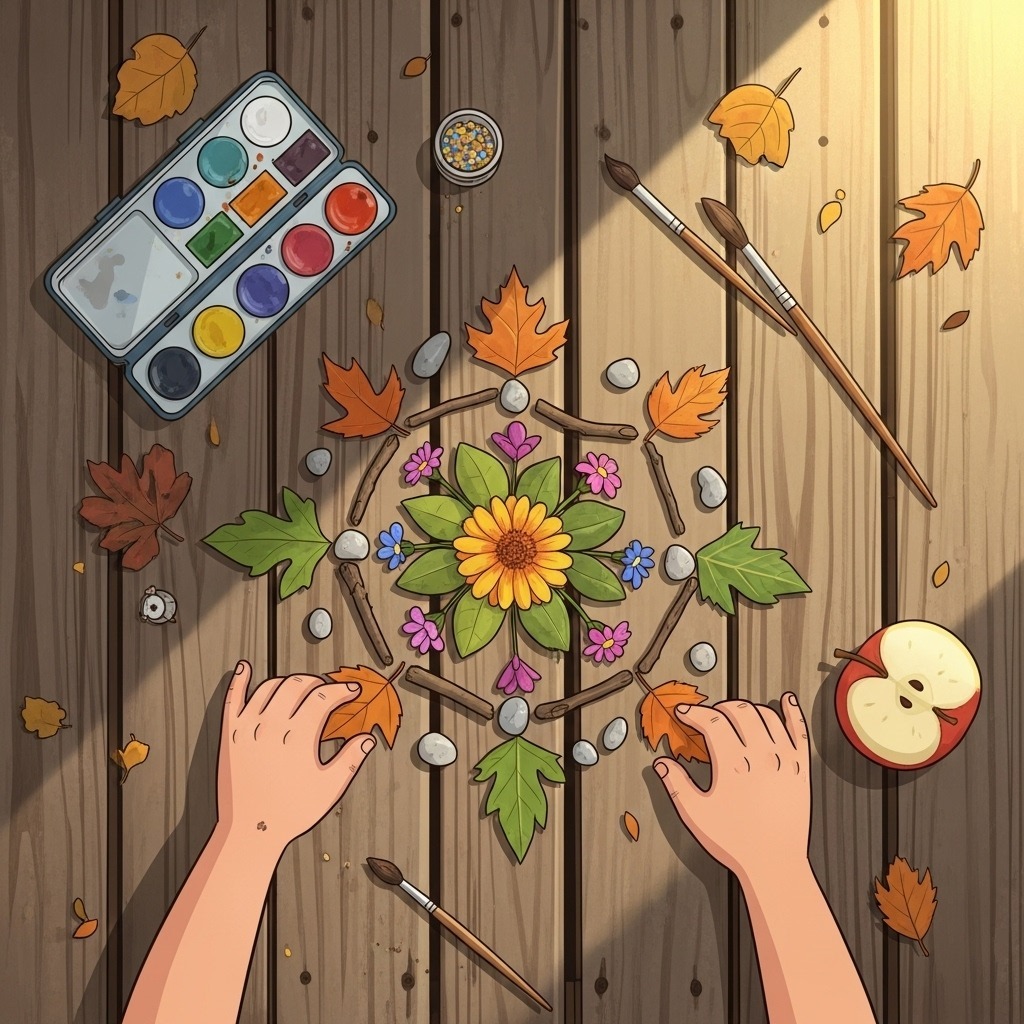
Go on a nature walk and collect leaves, sticks, flowers, pebbles, and pinecones. Back home, arrange them into temporary art on the ground or glue them onto cardboard for permanent pieces. We’ve made leaf animals, stick frames, pebble rainbows, and flower mandalas.
This combines outdoor time with creativity, and kids love the “treasure hunt” aspect of gathering materials. It costs absolutely nothing and works beautifully in any season. If you’re looking for more outdoor inspiration, check out our guide to fun outdoor activities for kids.
Recycled Cardboard Creations
Toilet paper rolls, cereal boxes, egg cartons, and cardboard packaging become robots, castles, cars, animals, and more with some paint, glue, and imagination. I keep a “creation station” box where we toss clean recyclables, and my kids raid it regularly for building materials.
This teaches resourcefulness and environmental awareness while providing endless creative possibilities. Plus, investing in a good kids’ craft supplies set with glue, tape, markers, and embellishments means they can transform cardboard into anything they imagine.
Age-Appropriate Art Projects
Not every activity works for every age. Here’s what I’ve learned about matching projects to developmental stages.
Ages 2-4: Simple Sensory Activities
At this age, it’s all about the process, not the product. Focus on activities that engage their senses and develop motor skills. Finger painting, playdough, tearing paper, and stamping with sponges or vegetables all work beautifully.
Don’t expect realistic results or long attention spans. If your toddler paints for ten minutes, that’s a win. Let them explore textures, mix colors, and make messes. The learning happens in the doing, not in creating something frame-worthy.
Simple kids activity books with coloring pages and stickers can also supplement messier projects when you need something quick and contained.
Ages 5-7: Building Skills
This age group can follow simple multi-step instructions and start developing specific techniques. They can learn to blend colors, create patterns, and work on projects over multiple sessions. Watercolor painting, simple sewing cards, origami, and collage work all help build patience and precision.
They’re also starting to care about how their art looks, which can lead to frustration. Remind them that there’s no “wrong” way to make art, and display their work proudly regardless of how it turned out. A dedicated 3-layer arts and crafts supplies warehouse keeps everything organized and accessible when inspiration strikes.
Ages 8+: Complex Projects
Older kids can handle more sophisticated projects like string art, advanced origami, detailed paintings, and mixed media work. They can also work more independently, which is great for parents who need to multitask.
This is also when they might want “real” art supplies rather than kid versions. If your child shows serious interest, consider upgrading their materials to support their growing skills. They might even enjoy learning to bake and could benefit from a kids’ baking and cooking set to explore culinary creativity alongside visual art.
Seasonal Art Activities Kids Actually Want to Make
Tying art to seasons and holidays keeps it fresh and exciting throughout the year.
Spring and Summer Ideas
Press flowers between heavy books for a week, then glue them onto cardstock to make bookmarks or cards. Create nature suncatchers using contact paper and collected flower petals and leaves. Paint rocks with waterproof paint to create garden markers or kindness rocks to hide around the neighborhood.
Summer is perfect for outdoor art like sidewalk chalk, water painting on fences (the “paint” disappears as it dries), and sun prints using construction paper and objects. These activities beat the heat while keeping kids creatively engaged during the summer activities for kids season.
Fall and Winter Projects
Leaf printing with paint creates beautiful fall art—press painted leaves onto paper to transfer their shapes and vein patterns. Pinecone animals with googly eyes and felt become woodland creatures. Coffee filter snowflakes dyed with watered-down markers create delicate winter decorations.
During the holidays, homemade ornaments, cards, and gift wrap let kids create meaningful presents for family. Salt dough ornaments, painted pinecones, and decorated picture frames all make treasured gifts while keeping little hands busy during long winter breaks.
My Best Tips for Art Time Success
After hundreds of art sessions, these are the strategies that actually work.
Set Up Your Space Thoughtfully
Designate an art area where mess is manageable—kitchen table with a vinyl tablecloth, garage floor with newspapers, or outdoor patio when weather permits. Keep supplies in clear containers where kids can see and access them easily. The easier it is to start, the more often you’ll actually do art activities.
I use an old shower curtain as a drop cloth because it wipes clean and protects our floors. Having dedicated art clothes (old t-shirts that can get stained) also removes the stress of ruining good outfits.
Manage the Mess Proactively
Fill a cup with soapy water before you start—it makes cleaning brushes easier and prevents paint from drying on them. Keep paper towels and wet wipes within arm’s reach. Put paint in muffin tins or small containers rather than letting kids pour directly from bottles.
Most importantly, make cleanup part of the activity. Kids who create art also clean up art. This teaches responsibility and ensures you won’t dread the next art session.
Know When to Step Back
This is the hardest lesson I learned. My instinct is to “help” and guide their projects, but art time isn’t about creating perfect products. It’s about letting kids explore, make choices, and work through problems independently.
Resist the urge to fix their work or show them the “right” way unless they specifically ask for help. The crooked rainbow and the brown mess from mixing all the colors together? Those represent learning, experimentation, and creative freedom. Let them own their process.
According to experts at the National Association for the Education of Young Children, open-ended art experiences support creativity and problem-solving far more than adult-directed projects where everyone’s art looks the same.
Frequently Asked Questions
What are the best art activities for kids who say they “can’t draw”?
Start with abstract art that doesn’t require drawing skills—splatter painting, marble art, finger painting, or collages made from torn paper. These activities remove the pressure of creating something realistic and let kids focus purely on color, texture, and composition. Process art activities, where the focus is on creating rather than the final product, work beautifully for hesitant artists. Once they build confidence through these activities, they’ll naturally become more willing to try drawing and other representational art.
How do I keep multiple kids engaged in art at the same time?
Set up stations with different activities so each child can work on what interests them, or choose open-ended activities that work for multiple age levels, like painting, playdough, or collage. Having a well-stocked kids’ craft supplies set means everyone can access what they need without fighting over materials. You can also assign older kids to help younger siblings with certain steps, which builds cooperation while keeping everyone involved.
What art supplies are actually worth buying?
Start with basics: washable tempera or finger paints, construction paper, white glue, crayons, markers, and child-safe scissors. As your kids show interest, add watercolors, oil pastels, modeling clay, and craft materials like pom poms, googly eyes, and pipe cleaners. Quality matters more than quantity—a good set of washable paints beats a huge pack of dried-out markers. Invest in storage solutions, too, because organized supplies get used more often.
How long should art time last for different ages?
Toddlers (ages 2-3) might engage for 10-15 minutes before losing interest, and that’s completely normal. Preschoolers (ages 4-5) can often work for 20-30 minutes on activities they enjoy. School-age kids (6+) can engage for an hour or more, especially on projects that really capture their imagination. Follow your child’s lead rather than enforcing a time limit. If they want to stop after five minutes, that’s fine. If they want to keep going for two hours, let them.
Are there art activities that support learning specific skills?
Absolutely. Cutting with scissors develops fine motor skills and hand-eye coordination. Painting and drawing build pre-writing skills by strengthening hand muscles. Sorting materials by color or size incorporates early math concepts. Collage and mosaic work teach planning and spatial awareness. Pattern-making activities develop logical thinking. Mix in things for kids to do when they’re bored that combine art with storytelling, and you’re also building language skills. The educational benefits are everywhere if you look for them.
Here’s what matters most: art activities for kids don’t need to be Instagram-worthy or gallery-ready. They need to engage your child, spark creativity, and provide a healthy alternative to screens. The wonky painted butterfly and the lopsided collage represent time spent creating, problem-solving, and building confidence.
Start with one simple activity this week. Maybe it’s that raised salt painting that transformed my Tuesday, or maybe it’s letting your kids paint rocks in the backyard. The specific project matters less than creating the space and time for creativity to happen.
I promise the mess is temporary. The paint washes off (usually). But the memories of making art together, the quiet focus on your child’s face, and the pride when they show you their finished work? Those stick around forever.
So grab some glue, pull out those broken crayons, and say yes to art time. Your kids—and your screen time limits—will thank you.