
It was 6:47 PM on a Tuesday. Dinner was burning, my toddler was melting down because his crackers broke wrong, and my 7-year-old was whining about homework for the fifteenth time. I snapped.
“Because I said so! Just do it and stop asking me why!”
The words flew out of my mouth before I could stop them. And in that instant, I heard my own mother’s voice echoing through me. The phrase I swore I’d never say. The phrase that used to make me feel small and unheard as a kid.
My son’s face fell. He didn’t argue back. He just went quiet and walked away. And I stood there in my kitchen, stirring burnt pasta, feeling like the world’s worst mom.
If you’ve ever caught yourself saying something to your kids and immediately thought, “Oh no, I’ve become my parents,” you’re not alone. We’ve all got bad parenting quotes rattling around in our heads — phrases we heard growing up that slip out when we’re stressed, tired, or at our wits’ end.
The good news? Recognizing these harmful phrases is the first step to changing them. Let’s talk about the most common bad parenting quotes we need to retire, why they hurt more than we realize, and what to say instead that actually works.
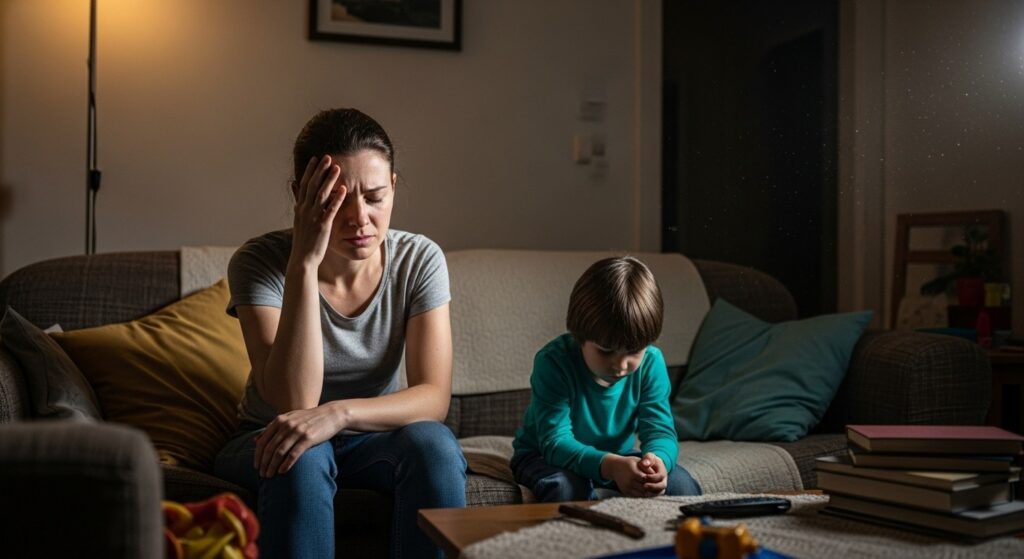
What Makes a Quote “Bad Parenting”?
Not every imperfect thing you say to your kids counts as damaging. We all have our moments. But certain phrases cross a line because they shame rather than guide, control rather than teach, and dismiss rather than validate.
Dr. Tovah Klein, who directs the Barnard College Center for Toddler Development, explains that phrases that blame children for their emotions or behavior can be particularly harmful. When we shame kids — even unintentionally — we plant seeds of self-doubt that can grow into bigger issues like anxiety, low self-esteem, and perfectionism.
Bad parenting quotes generally fall into a few categories:
- Shame-inducing: Makes the child feel inherently bad or wrong
- Dismissive: Invalidates their feelings or experiences.
- Controlling: Demands obedience without explanation or respect
- Comparative: Measures them against others.
- Threatening: Uses fear instead of teaching
The tricky part? Most of these phrases don’t come from a place of malice. They come from frustration, exhaustion, and repeating what we heard growing up. We say them when we’re overwhelmed and our brains default to autopilot.
But intent doesn’t erase impact. Our kids don’t know we’re stressed or that we didn’t mean it the way it sounded. They just hear the words and internalize the message.
Understanding the difference between firm parenting and harmful language has been crucial for me. If you’re exploring different approaches to connecting with your kids, this article on things we should never say to a child goes even deeper into language that hurts versus helps.
The Most Common Bad Parenting Quotes (And Why They Hurt)
1. “Because I Said So”
This is probably the most classic bad parenting quote in history. I heard it constantly as a kid, and I swore I’d never say it. But when my son asked “why?” for the tenth time about the same rule, it slipped right out.
Here’s why it’s problematic: It shuts down communication completely. It teaches kids that their questions don’t matter, that authority figures don’t owe them explanations, and that they should follow rules blindly without understanding the reasoning.
We want to raise kids who think critically, ask questions, and understand the “why” behind decisions. “Because I said so” does the opposite.
What to say instead: “I understand you don’t agree with this. Let me explain my reasoning, and then we’ll move forward with my decision.” This acknowledges their feelings, provides an explanation, and still maintains your authority without being dismissive.
2. “Stop Crying” or “You’re Fine”
I used to say this all the time when my daughter would cry over what seemed like nothing. She’d drop her toy, burst into tears, and I’d automatically respond with “You’re fine! It’s okay!” while picking up the toy.
But she wasn’t fine. She was upset. And telling her she wasn’t feeling what she was clearly feeling taught her that her emotions were wrong or invalid.
When we dismiss kids’ feelings — even over seemingly small things — we teach them to suppress emotions rather than process them. This can lead to difficulty identifying and expressing feelings as they get older.
What to say instead: “I see you’re upset. That was frustrating when your toy fell. It’s okay to feel sad.” Validate first, then help them process. You’re not agreeing that it’s a catastrophe, but you’re acknowledging that their feelings are real and acceptable.
For more ways to respond when kids are emotional, I found this resource on things to say to your child instead of “stop crying” incredibly helpful for reframing my automatic responses.

3. “Why Can’t You Be More Like Your Sister?”
Comparison is a poison pill for self-esteem. When we compare our kids to siblings, classmates, or anyone else, we’re essentially telling them they’re not good enough as they are.
I made this mistake with my two kids all the time without even realizing it. “Your brother could sit still through dinner at your age.” “Why can’t you clean your room like your sister does?” Every comparison was a tiny message that said: “You’re lacking.”
Kids need to know they’re valued for who they are, not measured against someone else’s strengths. Comparison breeds resentment — both toward you and toward the sibling or peer they’re being compared to.
What to say instead: Focus on their individual progress. “I notice you’re working hard on staying at the table. Last week you could only sit for five minutes, and today you made it to ten!” This celebrates their growth without measuring them against anyone else.
4. “You’re So Lazy/Selfish/Dramatic”
Labels stick. When you call a child lazy, they start to see themselves as lazy. When you call them selfish, that becomes part of their identity.
The problem with labeling is that kids internalize these descriptors and start to live up (or down) to them. It becomes a self-fulfilling prophecy.
What to say instead: Address the behavior, not the character. “I noticed you left your backpack on the floor again. Please hang it up.” versus “You’re so lazy, you never put anything away!” The first addresses the specific action; the second attacks their identity.
It’s a small shift in language, but it makes a huge difference in how kids perceive themselves.
5. “I Do Everything For You and You’re So Ungrateful”
This one comes from a real place. We ARE doing everything. We’re exhausted. We feel unappreciated. But guilt-tripping our kids isn’t the answer.
When we say things like this, we’re teaching kids that having needs makes them a burden. We’re creating shame around asking for help or needing support. This can lead to kids who either become people pleasers who never ask for anything, or kids who rebel against the guilt manipulation.
What to say instead: Set boundaries without the guilt. “I’m feeling overwhelmed right now. I need you to help by putting your dishes in the sink.” Or even: “I’m doing a lot for this family, and I need more help. Starting today, you’re responsible for [specific task].”
State your needs clearly without making your child feel bad for existing.
6. “Wait Until Your Father Gets Home”
This phrase undermines your authority and delays consequences, making discipline way less effective. It also uses the other parent as the “bad guy,” which isn’t fair to them or helpful for family dynamics.
Plus, it teaches kids that one parent is the real authority and the other is just… what, a placeholder?
What to say instead: Handle it yourself, in the moment. “What you did wasn’t okay. Here’s the consequence.” Be the authority figure in your own parenting moments.
7. “You’re Such a Bad Kid”
This is perhaps the most damaging phrase on this list. Telling a child they’re bad — not that their behavior was bad, but that THEY are bad — cuts deep.
Kids are still forming their sense of self. When they hear they’re bad, they believe it. And when they believe they’re bad, they act accordingly.
What to say instead: “That choice you made wasn’t okay. You’re a good kid who made a poor choice. Let’s talk about how to make a better choice next time.” Separate the child from the behavior. Always.
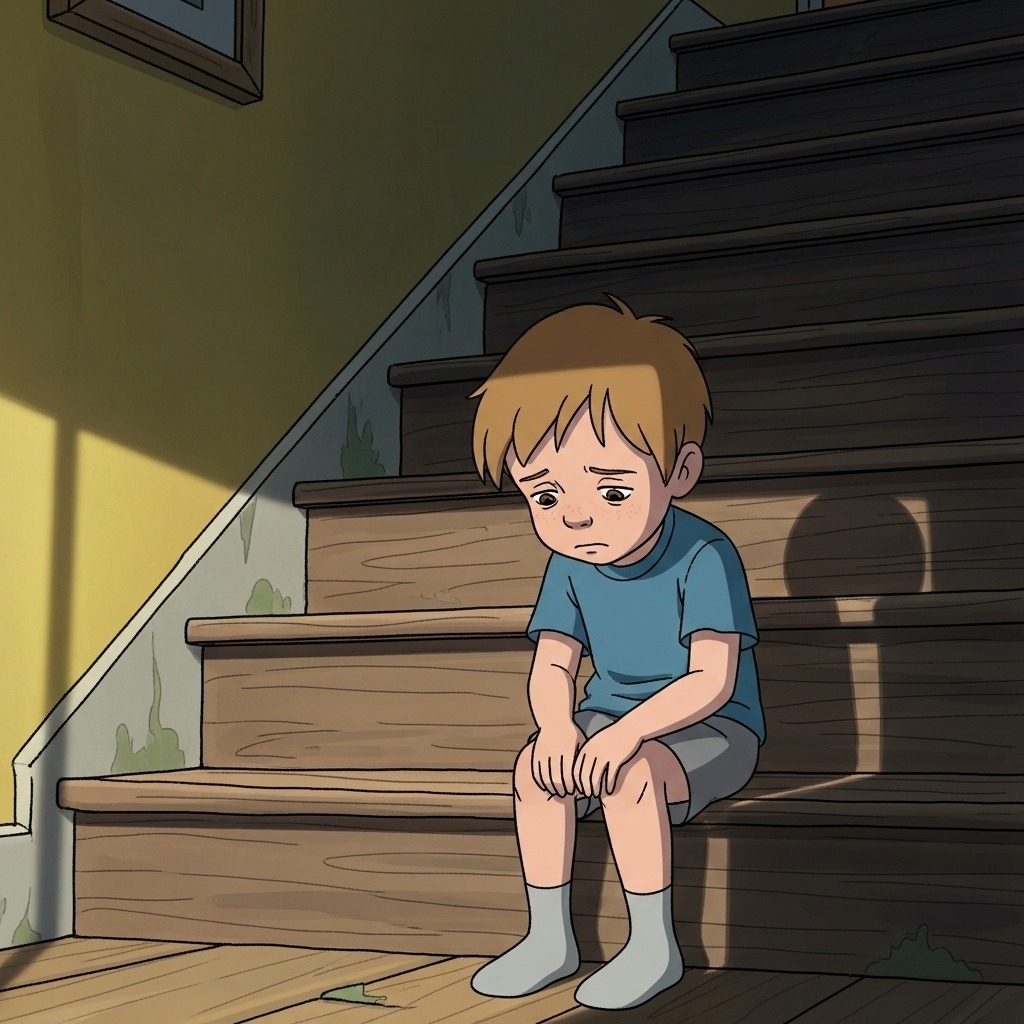
8. “If You Don’t Listen, You’ll Lose [Privilege]”
Constant threats create a fear-based relationship rather than a respect-based one. When kids comply only because they’re afraid of consequences, they’re not learning internal motivation or understanding why certain behaviors matter.
What to say instead: Use natural consequences and “when/then” language. “When you finish your homework, then you can have screen time.” This puts the power in their hands rather than positioning you as the punisher.
What to Say Instead: A Quick Reference
Here’s a cheat sheet for those moments when you need a better phrase fast:
|| Instead of This | Say This |
|—————-|———-|
| “Because I said so” | “Here’s why this rule exists…” |
| “Stop crying.” | “I see you’re upset. Tell me what’s wrong.” |
| “Why can’t you be like [sibling]?” | “I love how unique you are. Let’s work on this together.” |
| “You’re so lazy” | “I need you to complete this task now” |
| “I do everything for you!” | “I need more help. You’re responsible for…” |
| “Wait until your dad gets home” | “Here’s the consequence for your choice” |
| “You’re such a bad kid” | “That behavior isn’t acceptable, but you can do better” |
| “If you don’t listen, you’ll be sorry.” | “When you make good choices, good things happen.” |
Keeping this list handy — maybe on your phone or stuck to the fridge — can help in those heat-of-the-moment situations when your brain is scrambling for the right words.
When I’m looking for engaging ways to connect with my kids instead of defaulting to frustrated remarks, I love using board games for kids during those tricky after-school hours. It gives us something positive to do together, and I’ve noticed we have way fewer power struggles when we’re having fun first.
The Phrases I Wish I’d Never Said
Can I be really honest with you? I’ve said almost every phrase on this list at some point. Not proud of it, but it’s true.
With my first kid, I said “Because I said so” constantly. I compared my kids to each other. I told my son he was being “too sensitive” when he cried. I threatened consequences I didn’t follow through on them.
The worst one? I once told my daughter she was being selfish when she didn’t want to share her birthday toys with her brother on HER birthday. She was four. She wasn’t being selfish — she was being a normal four-year-old who wanted to enjoy her new presents for five minutes before her little brother grabbed them.
She looked at me with these huge, hurt eyes and said, “I’m selfish?” Like she was trying to understand what that meant and whether it was true about her.
My heart broke. I immediately backtracked, apologized, and explained that I was wrong. But I knew she’d already internalized that moment.
The good news is that we can repair these moments. We can apologize, explain better, and model that even adults make mistakes with our words.
If you’re working on creating a more connected, gentle approach with your kids while still maintaining boundaries, I’ve found these parenting books incredibly helpful for learning language and strategies that actually work without the guilt or shame.

How to Break the Cycle
If you grew up hearing these bad parenting quotes, breaking the cycle can feel really hard. These phrases are wired into our brains. When we’re stressed, we default to what we know — even if what we know isn’t helpful.
Here’s what’s helped me:
Recognize Your Triggers
What situations make you most likely to say something you’ll regret? For me, it’s the dinner-to-bedtime chaos. That 5-8 PM window when everyone is tired and hungry and I’m trying to do seventeen things at once.
Once I identified that, I started building in more structure during those hours. We have quieter activities right before dinner now. I prep as much as I can earlier in the day. I give myself permission to order pizza when I’m already at my limit.
Pause Before Speaking
This sounds simple, but it’s revolutionary. When you feel that frustration building, take a breath before you respond. Even a two-second pause can stop an automatic, harmful phrase from coming out.
Repair When You Mess Up
You will slip up. You’ll say something you regret. When that happens, apologize. Model accountability.
“I’m sorry I said you were being difficult earlier. That wasn’t fair. You were frustrated, and I should have helped you problem-solve instead of labeling you. Can we try again?”
This teaches your kids that mistakes happen and that we can always repair relationships.
Practice Self-Compassion
You’re not a bad parent for saying imperfect things sometimes. You’re a human parent raising human children. Give yourself grace while you’re working on improving.
For more structured approaches to breaking unhelpful parenting patterns, check out this guide on how to discipline without yelling — it was a game-changer for me.

When You Slip Up (Because You Will)
Let’s be real: you’re going to say the wrong thing sometimes. I still do, even with all my research and good intentions.
Last week, I told my son he was being “ridiculous” when he refused to wear jeans because “they feel weird.” (Turns out he was actually experiencing sensory issues, and I was being dismissive. Mom fail.)
But here’s the thing — one harmful phrase doesn’t undo all your good parenting. What matters is what you do after.
When you catch yourself saying something shame-inducing or dismissive:
- Pause and recognize what just happened
- Apologize sincerely: “I’m sorry I said that. It wasn’t kind.”
- Reframe: “What I meant to say was…”
- Reconnect: Hug, reassure, move forward together
Your kids don’t need perfect parents. They need parents who are trying, growing, and willing to admit when they’re wrong.
And honestly? Modeling apologies and accountability might be one of the most important things we can teach them.
I keep kids’ activity books and workbooks handy for those moments when we both need a reset. Sometimes after a rough interaction, sitting down together to do something calm and collaborative helps us reconnect without forcing a big conversation.
You’re Already Doing Better Than You Think
Here’s what I want you to know: The fact that you’re reading this article means you care deeply about how your words affect your kids. That awareness alone puts you miles ahead.
Most of our parents said these bad parenting quotes without a second thought. They didn’t question whether “Because I said so” was harmful. They didn’t worry about comparing us to our siblings. They just parented the way they’d been parented.
But you’re different. You’re thinking critically about your language. You’re willing to change patterns that don’t serve your family. You’re choosing to do better.
That doesn’t mean you’ll get it right every time. I sure don’t. But progress isn’t about perfection — it’s about awareness, intention, and showing up every day trying to be a little bit better than you were yesterday.
Your kids are lucky to have a parent who cares enough to examine these patterns and choose differently. Even on the days when you slip up and say something you regret, your overall pattern of respect, validation, and connection is what they’ll remember.
So give yourself some grace. Keep these better phrases in your back pocket. Apologize when you mess up. And remember that the best gift you can give your kids isn’t perfect parenting — it’s authentic, self-aware, always-trying-to-improve parenting.
You’ve got this.
Frequently Asked Questions
What if my parents used these bad parenting quotes on me?
First, know that it’s not your fault, and those harmful phrases don’t define you. Many of us are working to break generational cycles of language that hurt. Consider seeking support through therapy, parenting books focused on healing, or parenting communities where you can process your experiences. The fact that you recognize these patterns means you’re already choosing a different path for your own kids. Healing yourself while raising kids is hard work, but it’s incredibly important and worth it.
How do I stop myself from saying harmful things in the heat of the moment?
Prevention is your best tool. Identify your triggers — times of day, specific behaviors, or situations that make you most likely to snap. Then create strategies for those moments: take a breath, count to five, step away briefly if possible, or have a few go-to phrases written down that you can default to. It also helps to address your own stress through sleep, support, and self-care when possible. The calmer and more resourced you are overall, the easier it is to respond thoughtfully rather than reactively.
Is it too late to change if I’ve been using these phrases for years?
It’s never too late. Kids are remarkably resilient and forgiving. Start by having an honest conversation with your children (age-appropriate, of course). You might say something like, “I’ve realized I haven’t always talked to you in respectful ways, and I’m sorry. I’m working on doing better.” Then follow through with changed behavior. Your kids will notice the difference, and the relationship can absolutely heal and improve regardless of past patterns.
What’s the difference between firm parenting and harmful language?
Firm parenting maintains boundaries and authority while still respecting the child’s feelings and dignity. It sounds like: “I understand you’re upset, but hitting is not allowed. The consequence is [X].” Harmful language shames, dismisses, or attacks the child’s character: “You’re such a brat. You’re always violent.” Firm parenting teaches and guides; harmful language diminishes and shames. You can be absolutely firm and clear about rules and consequences without using language that damages self-esteem.
Should I apologize every time I say something wrong to my kids?
Yes — genuine apologies teach kids accountability, repair, and that relationships can heal after hurt. Keep it simple and sincere: “I’m sorry I said that. It wasn’t kind, and you didn’t deserve it.” You don’t need to over-apologize or turn it into a therapy session, but acknowledging when you’ve messed up shows your kids that everyone makes mistakes and that taking responsibility matters. It also models the behavior you want them to develop in their own relationships.