
Last week at the grocery store, my 4-year-old grabbed a candy bar off the shelf and looked at me expectantly. No “please,” no “may I,” just a demanding stare that made me want to sink into the floor. The elderly woman behind us raised her eyebrows, and I felt my cheeks burn. That’s when it hit me: my kid had somehow missed the memo on basic manners, and I realized I’d been so focused on keeping everyone alive and fed that I’d forgotten to actually teach her how to interact with the world politely.
Here’s what I’ve learned since that humbling grocery store moment: kids aren’t born knowing how to say please and thank you. These social skills have to be taught, practiced, and reinforced over and over again until they become second nature. And while it sometimes feels like you’re a broken record repeating “what do we say?” for the millionth time, teaching basic manners is one of the most valuable gifts we can give our children.
In this article, I’m sharing 15 essential manners every kid should know and practical, actually-doable ways to teach them so they stick—without turning into the nagging mom none of us wants to be.
Why Basic Manners Matter for Kids
Teaching basic manners isn’t just about raising a “well-behaved” child who doesn’t embarrass you at family gatherings. It’s about giving your child the social tools they need to build positive relationships, navigate different environments with confidence, and ultimately succeed in life.
Kids with good manners have an easier time making friends because other children and adults naturally gravitate toward polite, respectful kids. Teachers appreciate students who know how to wait their turn, say thank you, and speak respectfully. According to child development experts at the Centers for Disease Control and Prevention, manners teach children empathy, respect for others, and an awareness that their actions affect the people around them.
Think of manners as social glue that helps your child connect with others in meaningful ways. When your child knows how to greet adults confidently, apologize sincerely, and show gratitude, they’re building emotional intelligence that will serve them throughout their entire lives—not just in childhood, but in job interviews, romantic relationships, and every social situation they encounter.
When to Start Teaching Manners
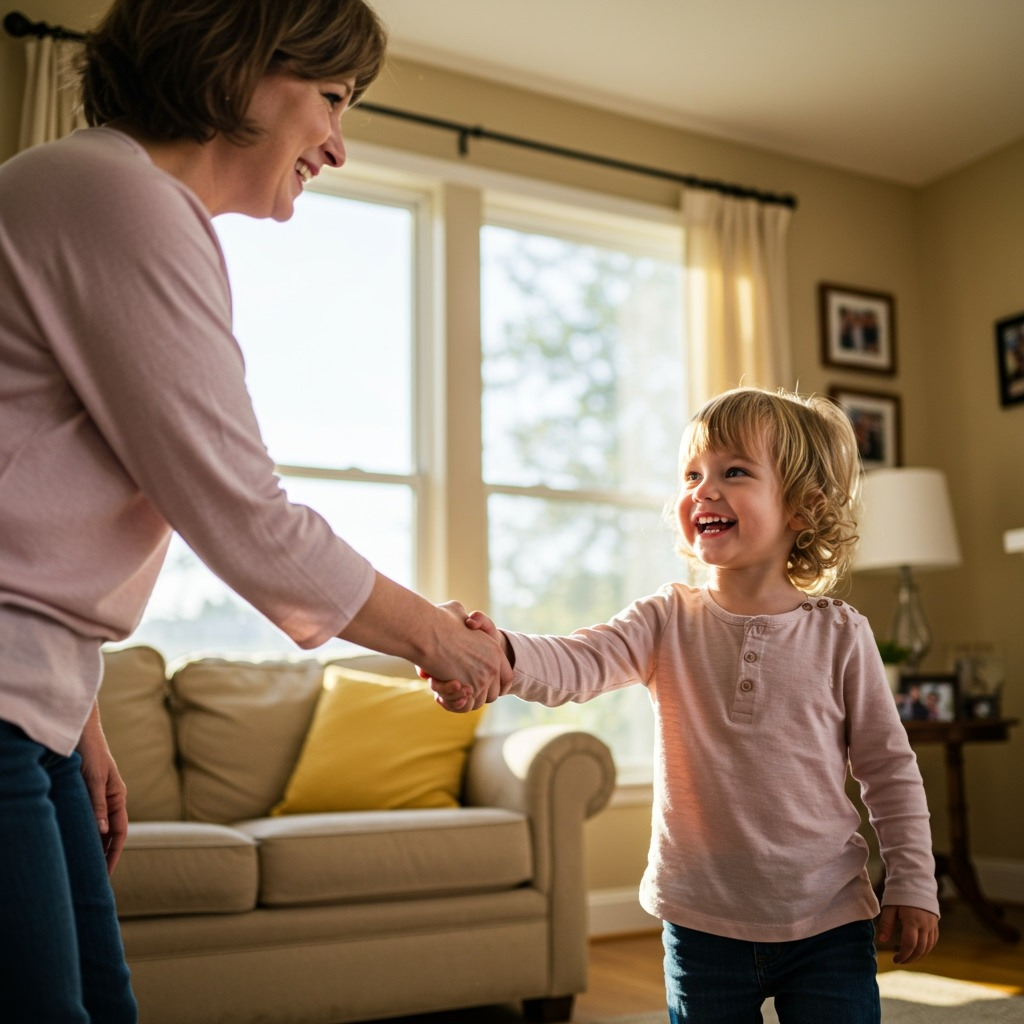
I used to think teaching manners was something you did when kids were old enough to “understand,” maybe around age 5 or 6. Turns out, I was waiting way too long.
Kids can start learning simple manners as early as 2 or 3 years old. At this age, they’re capable of understanding basic concepts like saying “please” when they want something or waving “bye-bye” when someone leaves. The key is keeping expectations age-appropriate and understanding that learning manners is a gradual process, not a one-time lesson.
Toddlers and preschoolers learn best through repetition and modeling, which means you’ll be demonstrating and gently reminding them about manners dozens of times before it clicks. That’s completely normal. Young children are still developing impulse control and social awareness, so expecting perfect manners from a 3-year-old is unrealistic—but starting the foundation early makes a huge difference as they grow.
By the time kids reach elementary school age, they should have most basic manners down and can start learning more nuanced social etiquette like making introductions, writing thank-you notes, and understanding context-appropriate behavior.
How to Teach Manners to Kids (The Right Way)
Before we dive into the specific manners your child should learn, let’s talk about how to actually teach them in a way that sticks without driving yourself crazy.
Lead by Example
This is hands-down the most important strategy. Kids are watching everything you do, and they’ll mimic your behavior far more than they’ll follow your instructions. If you want your child to say please and thank you, they need to hear you saying it consistently—to them, to your partner, to the barista at Starbucks, to everyone.
Model the manners you want to see. Say “excuse me” when you need to get past someone. Apologize when you make a mistake. Thank your kids when they help you. They’re absorbing it all, even when it doesn’t seem like they’re paying attention.
Start Small and Be Consistent
Trying to teach all 15 manners at once is overwhelming for everyone. Instead, pick 2-3 manners to focus on each month. Once those become habit, add a few more.
Consistency is crucial. If you only enforce manners when Grandma’s visiting or when you’re in public, kids won’t internalize them. Manners need to be part of everyday life at home, not just special-occasion behavior.
Use Positive Reinforcement
Instead of constantly correcting bad behavior, catch your child being polite and praise them specifically. “I noticed you said ‘excuse me’ before interrupting—that was so respectful!” is way more effective than “Stop interrupting!” for the hundredth time.
Positive reinforcement creates motivation to repeat good behavior. Some families use sticker charts or reward systems, while others simply rely on verbal praise and encouragement. Find what works for your child.
Make It Fun
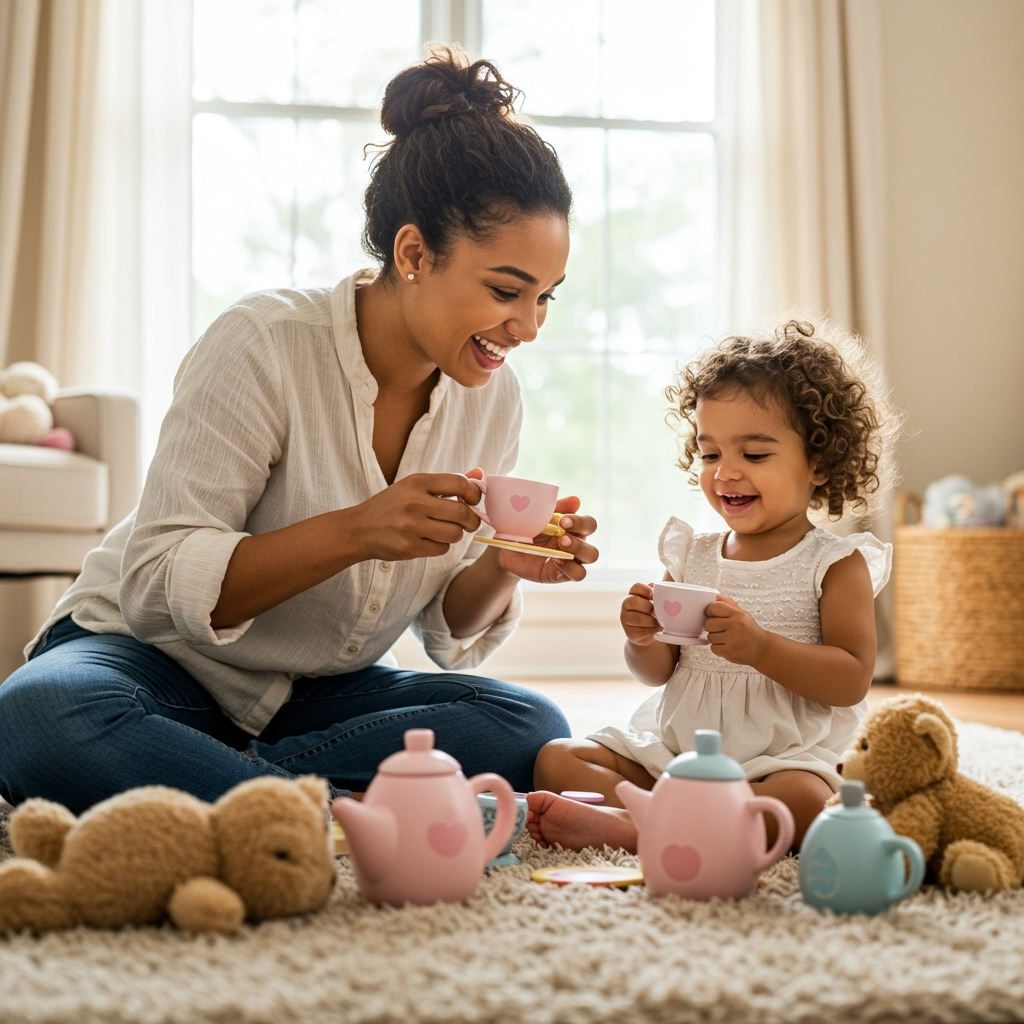
Learning manners doesn’t have to be boring. Role-play different scenarios with stuffed animals or action figures. Play “manners restaurant” where you take turns being the server and customer. Read books about manners together. The more playful and engaging you make it, the more your child will retain.
If you’re looking for more ways to keep kids engaged while teaching important life skills, check out these fun activities for kids that make learning feel like play.
15 Basic Manners Every Kid Should Know
1. Say “Please” and “Thank You”
This is the foundation of polite communication. “Please” shows respect when making a request, and “thank you” expresses gratitude when someone does something for you. Start teaching these words as early as possible, even before your child can clearly pronounce them.
Make it a rule in your house: no one gets what they want without saying please. It might feel tedious at first, but eventually it becomes automatic. And don’t forget to thank your kids too—they need to hear it modeled constantly.
2. Greet Others Respectfully
Teach your child to acknowledge people when they enter a room or when someone greets them. This could be saying “hi,” “good morning,” waving, or making eye contact and smiling. Many kids go through shy phases, which is normal, but gently encourage them to at least acknowledge others politely.
Confident greetings help kids build social connections and make positive first impressions. Practice at home by having your child greet family members when they come home from work or school.
3. Say “Excuse Me”
“Excuse me” is one of the most versatile manners phrases. Kids should use it when they need to interrupt, when they need to get past someone, when they burp or pass gas, or when they need attention and someone is busy.
This phrase teaches kids that other people’s time and space matter, and that there are polite ways to navigate social situations without being rude or demanding.
4. Apologize When Wrong
Teaching kids to say “I’m sorry” when they hurt someone, break something, or make a mistake is essential for developing empathy and taking responsibility for their actions. The apology should be sincere, not just mumbled to avoid consequences.
Help your child understand why they’re apologizing, not just force them to say the words. “You hurt your sister’s feelings when you took her toy. How do you think that made her feel?” builds emotional awareness alongside the apology.
5. Wait Your Turn
Whether it’s waiting in line, waiting to speak, or waiting for their turn in a game, learning patience is a crucial life skill. Kids who can wait their turn are better equipped to handle school, friendships, and group activities.
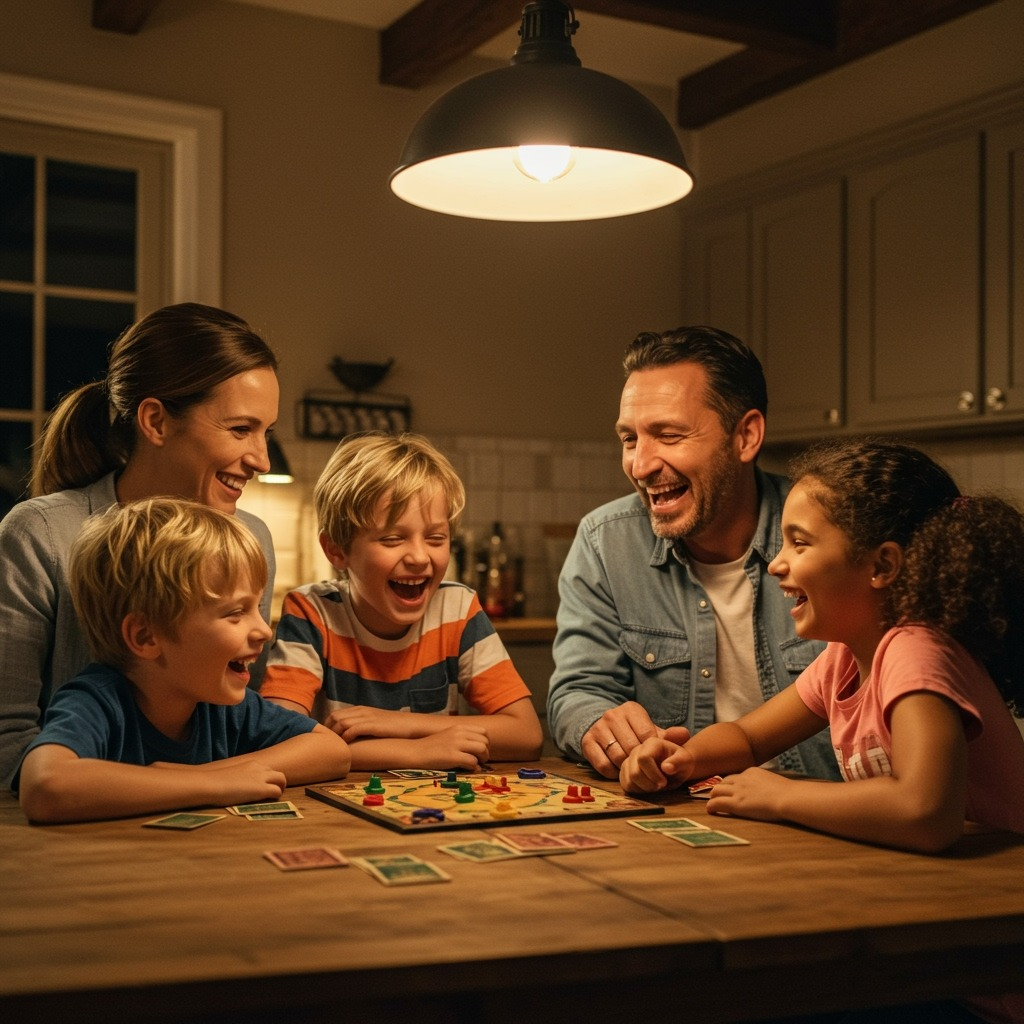
Practice this at home during family game nights or when multiple siblings want your attention at once. Acknowledge their patience: “Thank you for waiting while I helped your brother. Now I can give you my full attention.”
6. Don’t Interrupt
This one’s tough for kids because when they have something to say, they want to say it right now. Teach them to wait for a pause in conversation or to gently touch your arm and wait to be acknowledged.
For younger kids, you can teach them to place a hand on your arm and wait. For older kids, explain that interrupting shows disrespect for the person speaking and that their thought can wait 30 seconds.
7. Cover Your Mouth When Coughing or Sneezing
This manner is about hygiene and consideration for others. Teach kids to cough or sneeze into their elbow (not their hands, which they then touch everything with) and to say “excuse me” afterward.
According to the American Academy of Pediatrics, teaching proper cough and sneeze etiquette helps prevent the spread of illness and shows respect for others’ health. This one has become even more important, and most schools actively teach this, but reinforcement at home helps it become automatic.
8. Knock Before Entering
Respecting privacy and boundaries starts with the simple act of knocking before entering a closed door. This teaches kids that other people deserve privacy and personal space, including siblings and parents.
Make this a consistent rule in your home for everyone, including you. Model it by knocking on your child’s door too, showing that respect goes both ways.
9. Ask Permission
Before taking something that doesn’t belong to them, using someone else’s belongings, or doing something that might not be allowed, kids should ask permission first. This develops awareness of ownership and boundaries.
“May I have a cookie?” “Can I play with your toy?” “Is it okay if I go to my friend’s house?” These questions show respect for rules and other people’s property.
10. Share with Others
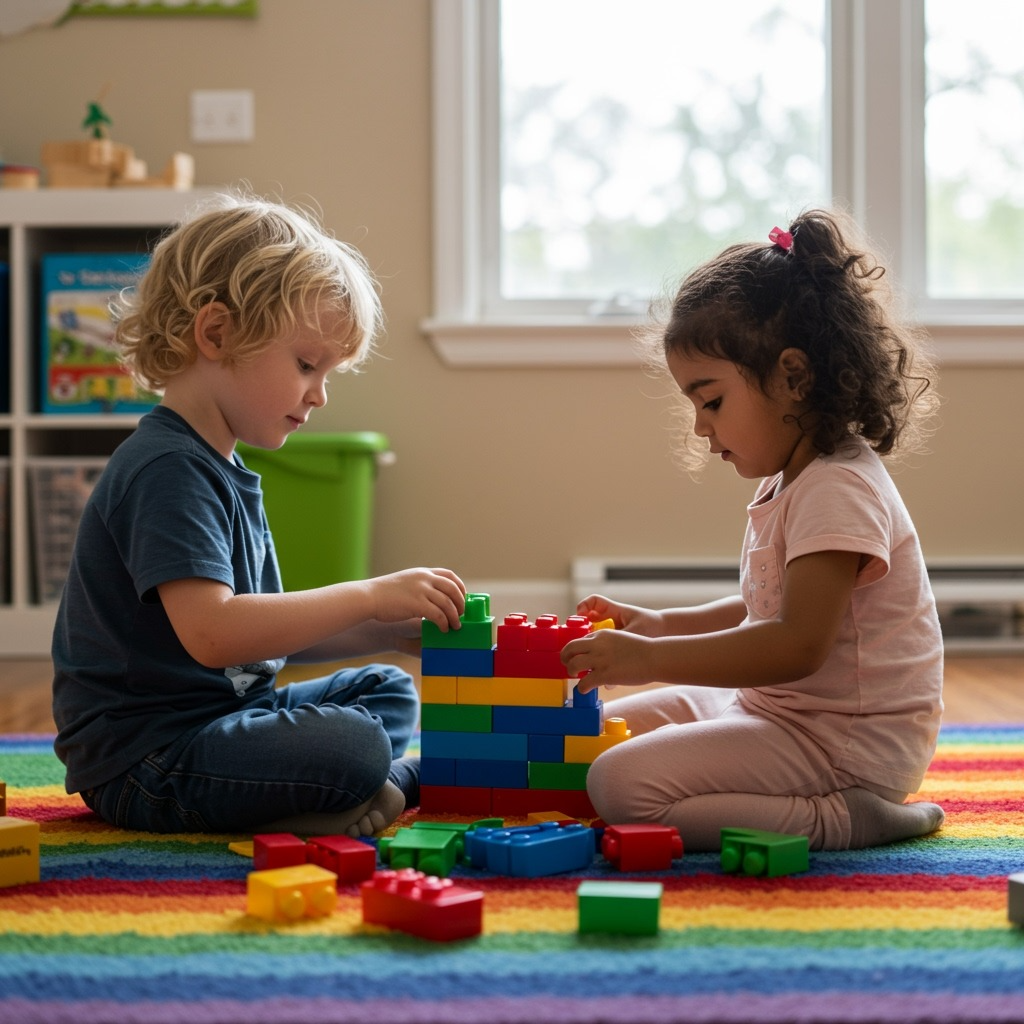
Sharing is one of the hardest manners for young kids to learn because they’re naturally focused on their own wants and needs. But learning to share toys, snacks, and attention teaches generosity and cooperation.
Don’t force sharing every single time, especially with special toys—kids deserve to have some things that are just theirs. But create opportunities for sharing and praise it when it happens naturally. For more on balanced parenting approaches, explore different parenting styles that work for various families.
11. Use Kind Words
Teach your child to speak kindly to others, avoid rude language, and use uplifting phrases. This includes saying “you’re welcome” when someone thanks them, giving compliments, and speaking gently even when frustrated.
When your child uses unkind words, address them immediately but calmly. “That was a hurtful thing to say. How could you say that differently in a kind way?”
12. Clean Up After Yourself
Teaching kids to clean up their messes—whether that’s toys, spilled juice, or craft supplies—builds responsibility and consideration for shared spaces. This manner translates directly into being a respectful roommate, student, and eventually adult.
Make cleanup part of the routine after every activity. “First, we clean up the blocks, then we can get out the puzzles,” teaches that cleaning up is just part of playing, not a punishment. For more ideas on establishing routines, check out these helpful house rules for kids.
13. Use Table Manners
Basic table manners include chewing with your mouth closed, not talking with food in your mouth, using utensils appropriately for their age, saying “please pass the…” instead of reaching across the table, and staying seated during meals.
Family mealtimes are perfect opportunities to practice these manners daily. Keep expectations age-appropriate—a 3-year-old won’t have perfect table manners, but they can learn the basics.
14. Respect Elders
Teach your child to show respect to adults and elderly people through polite language, listening when spoken to, offering to help, and following instructions from trusted adults like teachers and grandparents.
In many cultures, this includes using respectful titles like “Mr.,” “Mrs.,” or “Miss,” rather than first names. Decide what feels right for your family and teach it consistently.
15. Listen When Others Speak
Active listening is a manner that shows respect for the speaker. Teach your child to look at the person talking, not interrupt, and respond appropriately to show they’re paying attention.
This manner directly supports their success in school, where listening to teachers is essential. Practice at home by having real conversations where you model active listening too.
Common Mistakes Parents Make When Teaching Manners
I’ve made every single one of these mistakes, so don’t feel bad if you recognize yourself here.
Expecting Perfection Too Soon
Kids won’t master manners overnight. They’ll forget, they’ll test boundaries, they’ll regress when they’re tired or overwhelmed. This is all normal. Keep your expectations realistic for their developmental stage and celebrate progress, not perfection.
Being Inconsistent
If manners only matter when company’s over or when you’re in public, kids won’t internalize them as important. Manners need to be practiced consistently at home, with family, in everyday situations—not just saved for special occasions.
Scolding Instead of Teaching
When your child forgets their manners, resist the urge to scold harshly. Instead, gently prompt: “What do we say when we want something?” or “Let’s try that again with kind words.” Teaching moments work better than punishment.
Not Modeling the Behavior
This is the biggest mistake. If you’re yelling “Say thank you!” rudely, interrupting your partner, or failing to say please yourself, your child will copy what you do, not what you say. Make sure your own manners are consistent.
Fun Activities to Practice Good Manners
Learning manners doesn’t have to feel like a lecture. Here are some fun ways to practice:
Role-Playing Scenarios
Set up pretend situations where your child can practice manners. Play restaurant, doctor’s office, store, or visit a friend’s house. Take turns being different characters and demonstrate both polite and rude behavior so they can see the difference.
Manners Charades
Write different manners on slips of paper (saying please, waiting your turn, knocking before entering) and take turns acting them out for the family to guess. This makes learning active and fun.
Storybooks About Manners
There are tons of great children’s books that teach manners through engaging stories. Reading these together opens up conversations about why manners matter and how to use them.
Good Deed Journal
Have your child draw or write about one kind thing they did each day. This reinforces that manners and kindness go hand-in-hand and helps them reflect on their behavior.
Manners Bingo
Create a bingo card with different manners (said please, held the door for someone, shared a toy, said excuse me). When your child uses that manner, they get to mark it off. Five in a row earns a small reward or privilege. For more creative ideas, explore these summer activities for kids that naturally incorporate social skills.
When Manners Feel Especially Hard
Some developmental stages make teaching manners particularly challenging. Toddlers are naturally egocentric and impulsive. Preschoolers are testing boundaries. School-age kids might pick up rude behavior from peers.
During these tough phases, keep teaching consistently but adjust your expectations. A toddler having a meltdown isn’t capable of perfect manners in that moment, and that’s okay. Focus on teaching during calm moments and gently redirecting during difficult ones.
If your child has special needs, sensory issues, or developmental delays, work with their therapists or teachers to adapt manners instruction to their abilities. Some kids need more time, more practice, or different teaching methods, and that’s perfectly fine.
The goal isn’t to create a perfectly polite robot—it’s to give your child the social skills they need to navigate the world with kindness and respect. Some days will be better than others, and that’s just part of the journey.
Frequently Asked Questions
At what age should I start teaching my child basic manners?
You can start teaching simple manners like saying “please” and “thank you” as early as age 2 or 3. At this age, kids can understand basic concepts even if they can’t always execute them perfectly. Use lots of modeling, repetition, and gentle reminders. The key is keeping expectations age-appropriate and understanding that manners are learned gradually over time, not all at once.
What if my child refuses to use manners or says, “I don’t want to say please”?
This is a normal phase of testing boundaries. Stay calm and consistent. You might say, “In our family, we use polite words when we ask for things. When you’re ready to ask politely, I’ll be happy to help you.” Then wait. Don’t give in to demands without manners, or you’ll teach them that manners are optional. Eventually, they’ll realize that using manners gets them what they want faster.
How do I teach manners without nagging constantly?
Focus on modeling rather than correcting. When you consistently use manners yourself and praise your child when they remember, you’ll find yourself nagging less. Also, set up systems like gentle hand signals or code words that remind kids about manners without verbal nagging. For example, a subtle hand to your chest might remind them to say please without you having to say it out loud.
My child has good manners at home, but forgets them in public. Why?
This is incredibly common. Public settings are more stimulating and distracting, making it harder for kids to remember their manners. Keep practicing consistently at home, and gently remind them before you enter public spaces: “Remember, we use our indoor voices and polite words at the store.” With time and maturity, manners will generalize across settings.
Should I correct my child’s manners in front of other people?
Handle this with sensitivity. A gentle, quiet reminder is fine: “What do you say?” or “Let’s try that again.” But harsh corrections in front of others can embarrass your child and make them resistant to using manners. If a bigger conversation is needed, pull them aside privately or address it after you leave. The goal is teaching, not shaming.