
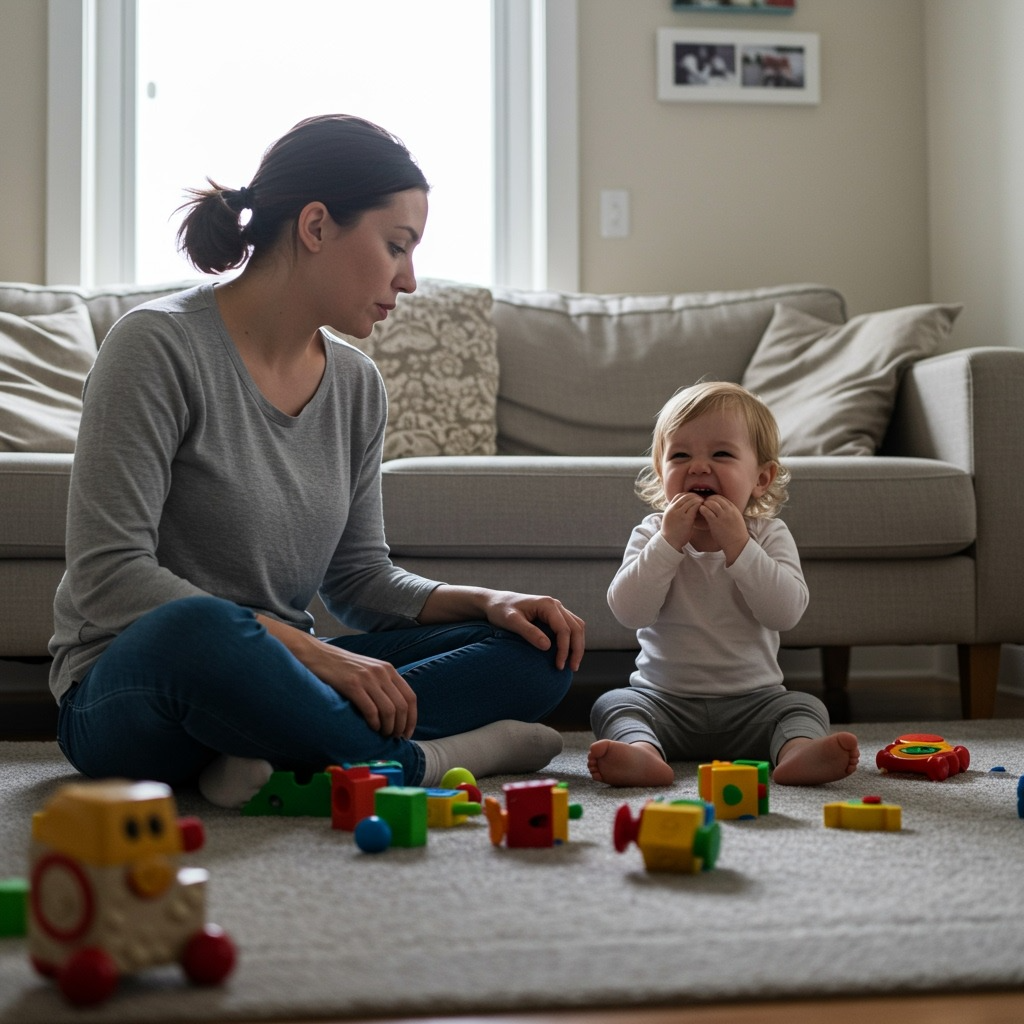
Three years ago, I was that mom crying in my car after another epic toddler meltdown in Target. My daughter had thrown herself on the floor because I wouldn’t buy the pink cereal, and I felt like every other parent was judging me while I tried to wrestle a screaming two-year-old into her car seat. The stares, the whispers, the overwhelming sense that I was failing at this whole parenting thing—it was all too much.
That night, scrolling through my phone in complete defeat, I stumbled across something called “Good Inside with Dr. Becky.” I thought, “What do I have to lose?” and hit play. Forty minutes later, I felt like someone finally understood what I was going through—and better yet, had actual solutions that didn’t involve bribery, threats, or hiding in the bathroom to cry.
That was my introduction to the world of parenting podcasts, and honestly, it changed everything about how I parent. Not in some magical overnight way, but in the deep, sustainable way that happens when you finally have tools that actually work with real kids in real situations. It reminded me of when I first discovered conversation starters for kids that helped us connect beyond the daily “how was school?” routine—sometimes the simplest tools make the biggest difference.
If you’re drowning in conflicting advice from well-meaning relatives, feeling like Instagram moms have it all figured out while you’re barely surviving, or wondering if you’re the only parent who’s ever googled “is it normal to want to run away from your own children,” the best parenting podcasts might just be the lifeline you need.

Why Parenting Podcasts Hit Different Than Everything Else
Here’s what I didn’t expect about parenting podcasts: they make you feel less alone in ways that mom groups, parenting books, and even therapy never could. When Dr. Becky talks about toddler tantrums being a sign of a strong-willed child developing normally, or when another parent shares their exact struggle with bedtime battles, you realize you’re not failing—you’re just parenting.
The best parenting podcasts work because they meet you exactly where you are. Whether you’re changing diapers at 3 AM, stuck in a carpool line, or hiding in your closet for five minutes of peace, these shows understand that parenting happens in real time with real constraints. You don’t need to carve out sacred study time or take notes—you just need to listen.
They also provide something books can’t: the immediate comfort of a human voice saying, “I’ve been there, and here’s what helped.” There’s something about hearing someone’s actual voice, with all its imperfections and genuine emotion, that makes advice feel achievable rather than overwhelming.
Plus, research from the American Academy of Pediatrics shows that parents who actively seek out evidence-based parenting resources report feeling more confident and less stressed in their parenting journey. The organization emphasizes that parental self-care and continued learning directly impact family well-being—so that time you spend listening to podcasts while folding laundry isn’t selfish, it’s strategic.
The Life-Changing Heavy Hitters That Every Mom Needs
1. Good Inside with Dr. Becky
Dr. Becky Kennedy is a clinical psychologist who talks to parents like she actually gets it. No condescending “just be patient” advice here—she gives you scripts for tough moments and explains why kids do what they do in ways that make perfect sense once you hear them.
What makes Dr. Becky a genius is her ability to reframe behavior. Instead of seeing your toddler’s meltdown as defiance, she helps you understand it as overwhelm. Instead of viewing your teenager’s attitude as disrespect, she explains how it’s actually normal brain development. This perspective shift alone has saved my sanity more times than I can count.
Perfect for: Moms who want science-backed advice that actually works in real life. Whether you’re dealing with toddler tantrums, sibling rivalry, or teenage attitude, Dr. Becky breaks down the psychology behind behavior and gives you tools that feel manageable.
Episodes that changed my game:
- “Why Your Child’s Meltdown Is Actually a Good Thing”
- “Setting Boundaries Without Breaking Connection”
- “The Real Reason Kids Don’t Listen”
- “How to Stop Yelling at Your Kids”
What I love most: Dr. Becky gives you actual words to say. Instead of vague advice like “be empathetic,” she’ll tell you exactly how to respond when your child is melting down: “I see you’re having a hard time. I’m here with you. You’re safe.”
2. Calm Parenting Podcast
Kirk Martin focuses on practical strategies for reducing stress and conflict at home. If you’re tired of feeling like you’re constantly in battle mode with your kids, this podcast will give you permission to step out of power struggles and into cooperation.
What I appreciate about Kirk is that he doesn’t sugarcoat how hard parenting can be. He acknowledges that some kids are more challenging than others, that some days feel impossible, and that traditional parenting advice often doesn’t work for strong-willed children. Then he gives you concrete alternatives.
Perfect for: Parents who feel like they’re constantly fighting with their kids and want to create a more peaceful household. Kirk’s approach helps you understand that you can be firm without being harsh, and that discipline doesn’t have to involve battles.
Why it works: Episodes are short (20-30 minutes), so you can listen during school pickup or while making dinner. Kirk shares real stories from his work with thousands of families, so his advice feels tested and practical rather than theoretical.
Key insights: Kirk teaches that most behavioral issues stem from kids feeling powerless or misunderstood. When you give children appropriate control and really listen to their underlying needs, conflict decreases dramatically.
3. The Mom Hour (Legacy Episodes)
Meagan Francis and Sarah Powers had eight kids between them and over 10 years of podcast episodes covering everything from kindergarten anxiety to high school drama. While the show ended in 2025, its archive contains over 800 episodes of pure gold.
What made The Mom Hour special was the conversation format. It felt like listening to two experienced friends chat over coffee about the real stuff of parenting—not the Instagram-perfect version, but the messy, complicated, beautiful reality.
Perfect for: Moms who want to feel like they’re chatting with experienced friends who won’t judge if your house is a mess or you served cereal for dinner again.
Why the archive is worth exploring: They covered every parenting phase with honesty and humor. Their episodes on topics like “When Your Child Doesn’t Fit the Mold” or “Navigating Friend Drama” offer perspectives you won’t find in parenting books.
Real talk: Even though new episodes aren’t being produced, the existing content remains incredibly relevant. Parenting challenges don’t really change—just the technology around them.
Podcasts for Specific Parenting Challenges and Life Stages
For Working Moms: Mom Enough
Dr. Marti Erickson and Dr. Erin Erickson, a mother-daughter duo who are both developmental psychologists, discuss the unique challenges of balancing career and family. They bring both personal experience and professional expertise to topics like mom guilt, career transitions, and maintaining your identity while raising children.
Why working moms love it: They address the real logistics of juggling work and motherhood without toxic “you can have it all” messaging. Instead, they focus on making conscious choices about where to invest their energy and how to manage the inevitable guilt that comes with those choices.
Standout topics: Managing work travel with young kids, dealing with daycare guilt, and maintaining career ambitions while being present for your family.
For New Moms: Dear Doula
Brandi Jordan brings warmth and expertise to topics like postpartum recovery, breastfeeding struggles, and those overwhelming early days when you’re not sure if you’re doing anything right.
What makes it special: Brandi speaks as a peer, not an expert, talking down to you. She covers everything from traveling with babies to maintaining your relationship with your partner after kids arrive, always with the understanding that new motherhood is both magical and incredibly challenging.
Perfect episodes for: Understanding why your baby won’t sleep, dealing with postpartum anxiety, and figuring out how to leave the house with an infant without forgetting half the things you need.
For Science-Minded Parents: PedsDocTalk
Dr. Mona Amin is a pediatrician and mom who explains the “why” behind child development. Ever wonder why your toddler loses it over the wrong colored cup? She breaks down the brain science in ways that don’t require a medical degree to understand.
What you’ll learn: The developmental reasons behind challenging behaviors, evidence-based approaches to sleep and feeding, and how to separate real concerns from normal variations in child development.
Perfect for: Parents who want to understand the research behind parenting recommendations and feel more confident in their decisions when faced with conflicting advice.
Just like finding house rules for kids that actually work requires understanding child development, these podcasts help you create strategies based on how kids’ brains actually function rather than how we wish they worked.
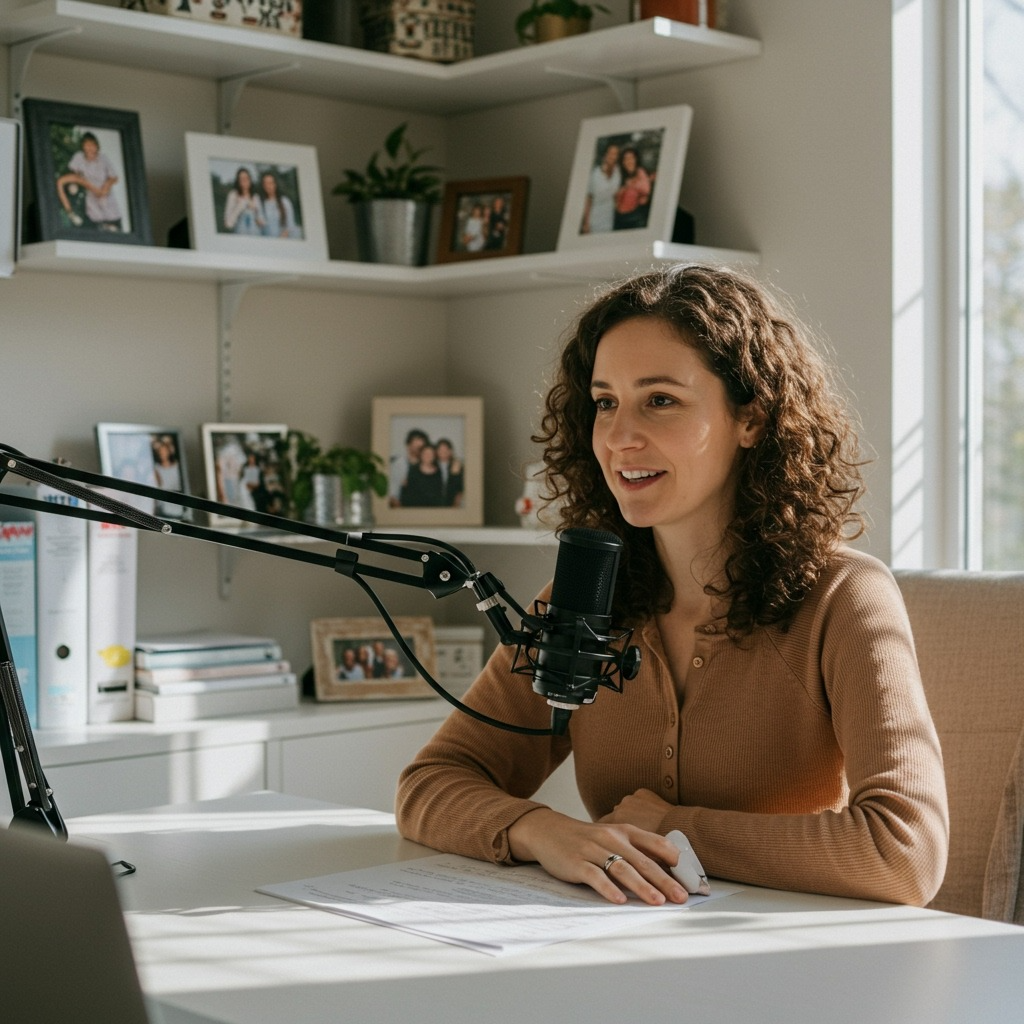
The Comedy Relief When You Need to Laugh Instead of Cry
Parenting Hell
UK comedians Rob Beckett and Josh Widdicombe share hilarious parenting fails with the kind of self-deprecating humor that makes you feel so much better about your own parenting moments. Yes, they’re dads, but their stories will have you crying laughing instead of just crying.
Why moms love it: They normalize the chaos and mistakes we all make. Hearing grown men admit they once tried to put a diaper on backwards, accidentally left their kid at preschool, or had a full conversation with their toddler about why the sky is blue, only to realize the child was asking about poop, makes you feel infinitely better about your own parenting blunders.
What you’ll get: Pure entertainment with the bonus of feeling less alone in the beautiful disaster that is raising small humans.
Parenting Beyond Discipline
This show focuses on understanding child behavior from a developmental perspective, offering alternatives to traditional punishment-based discipline approaches.
Why it’s valuable: The hosts help you understand that most “misbehavior” is actually children communicating unmet needs or struggling with developmental limitations. This perspective shift can completely change how you respond to challenging moments.
Perfect for: Parents who want to move away from timeout and consequence-based discipline toward more connection-focused approaches.
Finding Your Perfect Parenting Podcast Match
The best parenting podcasts are the ones that speak to where you are right now, not where you think you should be or where other parents seem to be. Here’s how to choose what’s right for your current season:
Consider Your Parenting Stage
New parent (0-12 months): Look for shows covering sleep, feeding, postpartum adjustment, and the identity shift that comes with becoming a parent. The fourth trimester is real, and you need voices that acknowledge how hard it is.
Toddler parent (1-3 years): Focus on behavior management, developmental understanding, and maintaining your sanity during what many experts call the most challenging parenting phase. You need strategies that work with developing brains, not against them.
School-age parent (4-12 years): Seek advice on homework battles, social issues, growing independence, and how to maintain connection as your child’s world expands beyond your family.
Teen parent (13+ years): Find hosts who remember what it’s like navigating adolescent challenges, technology issues, and the delicate balance between guidance and freedom.
Match Your Learning Style
Love research and data: Choose psychology-based shows like Good Inside, PedsDocTalk, or Raising Good Humans that ground advice in scientific understanding.
Want practical, immediately applicable tips: Go for experience-based podcasts like Calm Parenting or The Mom Hour that focus on what actually works in real families.
Need emotional support and validation: Try shows that focus on the mom experience and mental health aspects of parenting, acknowledging that taking care of yourself is part of taking care of your family.
Prefer short episodes: Stick to 20-30 minute formats that fit into busy schedules rather than hour-long deep dives that require dedicated listening time.
Think About Your Current Struggles
Having discipline issues? Try Calm Parenting or Parenting Beyond Discipline. Feeling isolated as a mom? Mom Enough or shows with active communities might be perfect. Dealing with specific challenges like ADHD, anxiety, or learning differences? Search for specialized shows that address your family’s unique needs.
How to Actually Use Parenting Podcasts Without Adding More Pressure
Here’s what I learned after three years of podcast listening: you don’t need to implement every single piece of advice, and you definitely don’t need to become a perfect parent overnight. The best parenting podcasts work when you approach them with realistic expectations and self-compassion.
Listen Without Judgment (Of Yourself)
Don’t beat yourself up if a strategy doesn’t work for your family. Every kid is different, every family dynamic is unique, and what works for podcast hosts might not work for you. Take what helps, adapt what seems promising, and leave the rest without guilt.
The goal isn’t to follow someone else’s parenting blueprint perfectly—it’s to gather tools and perspectives that support your family’s specific needs and values. Some episodes will resonate deeply, others won’t, and that’s completely normal.
Start Small and Build Slowly
Pick one tiny change from each episode rather than trying to overhaul your entire parenting approach. Maybe it’s taking three deep breaths before responding to defiance, trying a new bedtime routine tweak, or using a specific phrase when your child is upset.
Small changes compound over time and feel much more sustainable than dramatic shifts that often don’t stick. Remember, parenting is a long game, not a sprint.
Use Them as Emotional Support
Sometimes the biggest value isn’t the specific advice—it’s hearing another parent say, “This is hard, and you’re not alone.” That validation can be more powerful than any parenting technique, especially during difficult phases.
Research from the Mayo Clinic confirms that parental feelings of isolation and overwhelm negatively impact both parent and child well-being. Finding community and support, even through podcast listening, contributes to better family mental health overall.
Make Time for Yourself Without Guilt
Carving out podcast time isn’t selfish—it’s an investment in your family’s happiness. The Mayo Clinic emphasizes that parental self-care directly impacts family well-being, and taking time to learn and grow as a parent benefits everyone.
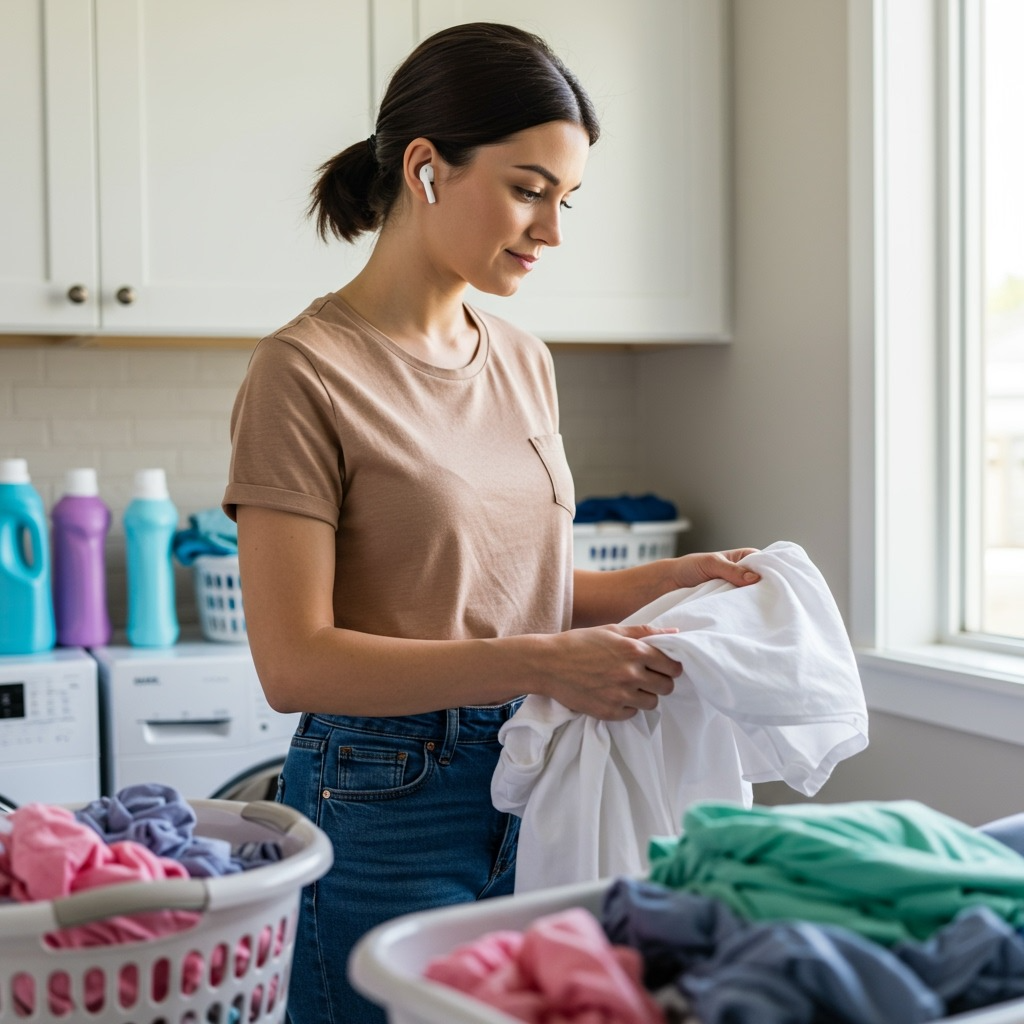
Whether that’s 20 minutes during school pickup, listening while exercising, or putting in earbuds while doing household tasks, find the rhythm that works for your life.
Beyond the Basics: Specialized Parenting Podcast Gems
For Adoptive and Foster Families: Adoption Now
This show addresses the unique challenges and joys of building families through adoption and foster care, covering everything from attachment theory to navigating open adoptions and helping children understand their stories.
Why it matters: Adoptive and foster families face specific situations that general parenting advice doesn’t always address. This specialized content provides community and practical guidance for complex family dynamics.
For Single Parents: Single Moms Talk
Real conversations about the unique challenges of solo parenting, from managing everything alone to dating as a single parent to helping children adjust to family changes.
The insight: Single parenting requires different strategies and support systems than partnered parenting. This show acknowledges those differences without judgment and offers practical solutions.
For Parents of Children with Special Needs: Different by Design
Addresses the unique joys and challenges of raising children with various special needs, from ADHD to autism to learning differences.
What you’ll find: Strategies for advocating for your child, managing stress, celebrating differences, and building support systems that work for your family’s specific needs.
For Multicultural and Immigrant Families: Parenting Across Cultures
Explores the unique challenges of raising children across cultures, maintaining heritage while adapting to new environments, and helping children navigate multiple cultural identities.
The perspective: Addresses challenges that mainstream parenting advice often doesn’t consider, providing culturally relevant strategies and community for families navigating multiple worlds.
These specialized shows prove that the best parenting podcasts aren’t one-size-fits-all—they meet families where they are with relevant, specific support that acknowledges the beautiful complexity of modern families.
The Mistake I Didn’t Realize I Was Making Until I Found These Podcasts
Before discovering parenting podcasts, I thought I had to figure everything out alone. I was drowning in conflicting advice from family, friends, pediatricians, and random internet articles, feeling like I should instinctively know how to handle every parenting challenge that came my way.
I was also falling into the comparison trap hard. Seeing other families at the playground or on social media made me feel like everyone else had received some parenting manual that I’d missed. Other kids seemed better behaved, other moms seemed more patient, other families seemed to have it all figured out.
These podcasts taught me that struggling doesn’t mean failing—it means you care enough to keep learning and growing. They showed me that other parents wrestle with the same questions, make the same mistakes, and feel the same doubts. More importantly, they gave me permission to be imperfect while still being a good mom.
The American Psychological Association research shows that parents who actively seek support and education report higher satisfaction in their parenting journey and stronger relationships with their children. Learning isn’t a sign of inadequacy—it’s a sign of strength and commitment to doing better.
What I Wish I Knew About Parenting Podcasts Sooner
Listen during mundane tasks: Dishes, folding laundry, commuting, exercising—these become opportunities for growth instead of just getting through your to-do list. I’ve learned more about child development while loading the dishwasher than I ever did in formal parenting classes.
Take notes on your phone: When you hear something helpful, jot it down immediately. Voice memos work great, too. You’ll forget those brilliant insights otherwise, especially during the sleep-deprived years.
Share episodes with your partner: Instead of trying to explain what you learned, just send them the episode link. It’s easier than summarizing, and they’ll get the full context and nuance that you might miss in retelling.
Don’t feel guilty about taking breaks: Sometimes you need lighter content, or you need a break from thinking about parenting altogether. It’s okay to skip the heavy developmental episodes and listen to something that just makes you laugh or feel connected to your interests beyond motherhood.
Join podcast communities: Many shows have Facebook groups, Instagram communities, or online forums where you can discuss episodes and get additional support. These communities often become valuable resources beyond the podcast content itself.
Revisit episodes: Your needs change as your children grow and develop. An episode that didn’t resonate when your child was two might be exactly what you need when they’re five or fifteen.
Looking for more ways to connect with your kids beyond what you’re learning in podcasts? Sometimes the strategies you hear about work best when combined with simple activities. Try keeping a collection of easy trivia questions for kids handy for those car rides when you want to practice the connection techniques podcast hosts are always talking about.
Try This One Strategy Before You Question Your Parenting Again
Next time you’re feeling overwhelmed, questioning your parenting choices, or wondering if you’re screwing up your kids, put in your earbuds and listen to just one episode of any podcast on this list. Don’t worry about finding the “perfect” show or the exact episode for your situation—just pick one and press play.
You might discover, like I did, that you’re not the only parent who’s ever hidden in the pantry to eat chocolate in peace, wondered if you’re failing your children, or felt like everyone else got a parenting manual that you somehow missed. Sometimes just hearing someone else say, “Parenting is hard, and you’re doing better than you think,” can completely shift your perspective and give you the energy to try again tomorrow.
The best parenting podcasts remind us that we don’t have to parent perfectly—we just have to parent thoughtfully and with love. And sometimes, that journey toward more thoughtful parenting starts with simply listening to someone who understands the beautiful, messy, overwhelming reality of raising humans in the modern world.
Whether you’re looking for practical tips, emotional support, validation for your struggles, or just someone who gets why you’re tired, there’s a parenting podcast out there for you. The key is finding the voices that speak to your heart and your current challenges, then giving yourself permission to learn and grow at your own pace.
Trust me—your future self will thank you for taking this small step toward becoming the parent you want to be, one episode at a time. And who knows? Maybe these conversations will inspire new family traditions, like sharing fun facts for kids at dinner or creating those special bonding moments that parenting experts are always talking about, but that feel so much more achievable when you hear real parents discuss what actually works in their homes.
FAQ Section
Q: How do I find time to listen to parenting podcasts as a busy mom?
A: Start with short episodes (15-20 minutes) during daily tasks like commuting, cooking, exercising, or folding laundry. You don’t need dedicated “podcast time”—just multitask during routine activities. Even 10 minutes while making school lunches can provide valuable insights. Many moms listen while doing household chores, during walks, or in the car before going into stores.
Q: Are parenting podcasts better than reading parenting books?
A: Podcasts offer the advantage of fitting into your actual life—you can listen while doing other things, which is crucial for busy parents. They also feel more conversational and less intimidating than books, and you get the benefit of hearing real emotion and nuance in the host’s voice. However, both have value, and many podcast hosts also write books that dive deeper into their methods. The best approach is to use both formats based on your current needs and available time.
Q: Should my partner and I listen to the same parenting podcasts?
A: It can be incredibly helpful to be on the same page, but don’t force it if your partner isn’t interested or prefers different learning styles. Share episodes that particularly resonated with you, and respect if your partner prefers different parenting voices or approaches. The key is having conversations about what you’re both learning and finding common ground in your parenting approach, regardless of the source.
Q: What if the advice in podcasts contradicts my pediatrician’s recommendations?
A: Always prioritize medical advice from your child’s healthcare provider, especially regarding health, safety, and developmental concerns. Podcasts are excellent for emotional support, general parenting strategies, and understanding child development, but your pediatrician knows your specific child and family situation. When in doubt, bring podcast insights to your pediatrician for discussion rather than implementing advice that conflicts with medical recommendations.
Q: How do I know if a parenting podcast is giving reliable advice?
A: Look for hosts with relevant credentials (psychology, pediatrics, child development, licensed counseling) and check if they cite research, reference other experts, or acknowledge the limitations of their advice. Be wary of anyone promising quick fixes or claiming their method works for all children. The best podcasts acknowledge that every child and family is different and encourage parents to adapt strategies to their unique situations. Also, trust your instincts—if advice feels wrong for your family, it probably is.