
I used to stress about breakfast every single morning. Standing in my kitchen at 6:30 AM, staring into the fridge while my kids whined about being hungry, I’d panic about what to make that was both nutritious and something they’d actually eat. Sound familiar?
After years of trial and error, way too many thrown-away meals, and countless Pinterest fails, I’ve figured out breakfast ideas for kids that actually work in real life. Not just the Instagram-perfect recipes that look amazing but take forever to make — I’m talking about real, practical breakfast ideas for kids that busy moms can pull off on hectic school mornings and lazy weekend afternoons alike.
Let me share the breakfast rotation that saved my sanity, kept my kids happy and fed, and maybe most importantly, restored some peace to our morning routine.
The Reality of Breakfast With Kids (Let’s Get Honest)
Here’s what no one tells you about feeding kids breakfast: they’ll obsess over something one day and completely refuse it the next. My daughter went through a six-month phase where she’d only eat pancakes shaped like hearts. My son decided eggs were “absolutely disgusting” for an entire season, then suddenly couldn’t get enough scrambled eggs with cheese.
The key isn’t finding one perfect breakfast solution that works forever — it’s building a rotation of reliable breakfast ideas for kids that you can adapt based on what’s in your fridge, how much time you have, and what mood your children happen to be in that particular morning.
Some mornings you’ll be a pancake-flipping superhero mom with fresh berries and homemade syrup. Other days, you’ll hand them a granola bar and string cheese while rushing out the door, and you’ll call it a complete win. Both approaches are totally fine, and honestly, both are necessary for surviving parenthood.
I’m here to help you with options for every kind of morning, every type of kid, and every level of energy you might have at dawn.

Quick Weekday Winners (5 Minutes or Less)
These are my absolute go-to breakfast ideas for kids when we’re rushing out the door and I need something fast but still reasonably nutritious. These recipes have literally saved my sanity on countless school mornings.
Make-Ahead Smoothie Packs
I prep these on Sunday nights and keep them in the freezer all week. I combine frozen fruit (usually berries, mango, or pineapple), a handful of spinach (trust me, they won’t taste it), Greek yogurt, and sometimes a scoop of oat flour in freezer bags. In the morning, I just dump the contents into the blender, add milk or juice, blend for thirty seconds, and pour into travel cups. My kids genuinely think they’re getting milkshakes for breakfast.
The secret is starting with sweet fruits that mask any “healthy” flavors. Frozen mango and pineapple are magic ingredients — they make everything taste tropical and hide vegetables completely.
Overnight Oats Jars
This became my weekend prep staple after I realized I could make five jars at once and be done with weekday breakfast planning. Mix rolled oats, milk (dairy or non-dairy), a tablespoon of maple syrup or honey, and any add-ins in mason jars before bed. In the morning, just add fresh fruit, nuts, or a dollop of nut butter.
The kids can even help customize their own jars the night before, which makes them more invested in actually eating breakfast. My daughter loves adding chocolate chips to hers, while my son prefers fresh berries and a drizzle of honey.
Frozen Waffle Upgrades
Yes, frozen waffles can absolutely be part of healthy breakfast ideas for kids! The trick is what you put on top. I buy whole-grain frozen waffles and transform them with:
- Natural peanut butter and sliced bananas
- Greek yogurt mixed with a little honey, topped with berries.
- Cream cheese with a sprinkle of cinnamon
- Sunflower seed butter with apple slices
- A smear of ricotta cheese with fresh fruit
These combinations add protein, healthy fats, and vitamins to what could otherwise be a pretty empty-calorie breakfast.
Make-Ahead Egg Muffin Cups
I make a dozen of these every Sunday and reheat them throughout the week. Beat eight to ten eggs with a splash of milk, pour the mixture into muffin tins, and add whatever your kids will actually eat — shredded cheese, diced ham, tiny broccoli pieces, bell pepper bits. Bake at 350°F for 15-20 minutes until the eggs are set.
These freeze beautifully and reheat in the microwave in about thirty seconds. Even my pickiest eater will eat them because they feel like “muffins” instead of “eggs.”
Weekend Project Breakfasts (When You Have More Time)
When you have more time and want to make breakfast feel special, these breakfast ideas for kids are perfect for slow Saturday mornings or Sunday brunch vibes.
Three-Ingredient Banana Pancakes
This became my signature weekend breakfast after I discovered how ridiculously simple it is. Mash one ripe banana until smooth, mix with two eggs and about a quarter cup of old-fashioned oats. Cook like regular pancakes on a greased pan over medium heat.
The beauty is that kids can help make these — they love mashing the banana and stirring the batter. Plus, you can customize each pancake. My kids love adding chocolate chips, blueberries, or even mini marshmallows to individual pancakes while they’re cooking.
DIY Breakfast Station
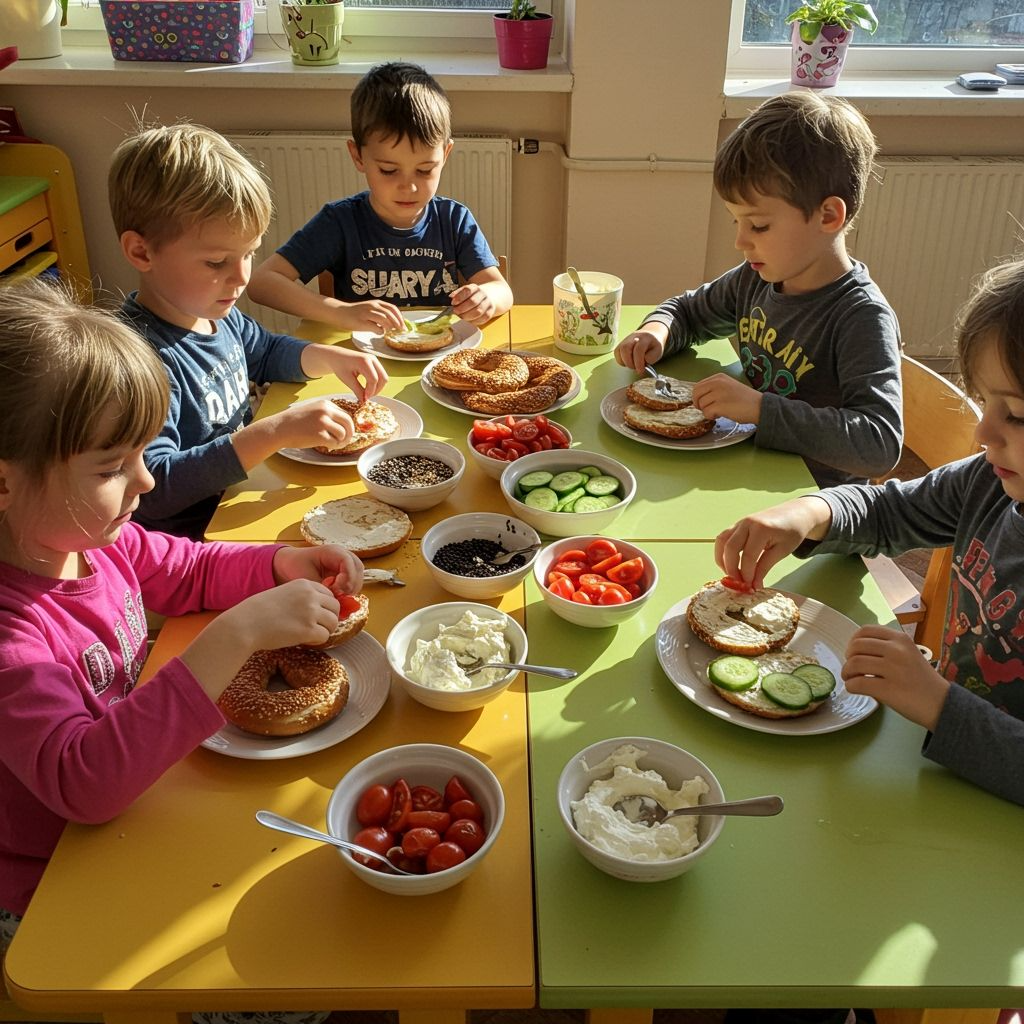
This is my secret weapon for weekend mornings when I want something that feels fancy but requires minimal actual cooking from me. I set out everything bagel or regular bagels, toasted), cream cheese, jam, sliced fruit, hard-boiled eggs, cheese slices, and whatever leftovers might work for breakfast.
Everyone builds their own breakfast, which means they’re more likely to eat what they’ve assembled themselves. It feels like a special breakfast buffet, but it’s actually less work than making pancakes from scratch.
Homemade Granola Parfait Bar
I make a big batch of granola on Sunday afternoons — it keeps for weeks and makes the whole house smell incredible. Then I set out Greek yogurt, the homemade granola, and whatever fresh or frozen fruit we have available. Kids layer everything in glasses or bowls.
The homemade granola is so much better than store-bought, and you can control exactly how much sugar goes in. Plus, making granola is actually really therapeutic — there’s something satisfying about stirring oats and nuts and watching them turn golden in the oven.
Sneaky Nutrition Wins (When They Don’t Even Know They’re Eating Healthy Food)
Sometimes, the most successful breakfast ideas for kids are the ones where they have no idea they’re eating something nutritious. I’m not above a little food stealth when it means my kids get vitamins and minerals.
Green Smoothies That Don’t Taste Green
The secret is starting with frozen mango and pineapple — these fruits completely mask any vegetable flavors. I add a big handful of fresh spinach, half a banana for creaminess, and coconut milk or regular milk. Sometimes I throw in a tablespoon of ground flaxseed for omega-3s.
The frozen tropical fruit makes it taste like a vacation smoothie. My kids have no idea they’re drinking spinach, and I feel like a stealth nutrition ninja.
Veggie-Packed Muffins
I make big batches of muffins with finely shredded zucchini, carrots, or even pureed sweet potato mixed into the batter. The vegetables add natural moisture and sweetness without changing the flavor much, especially when you’re working with chocolate chip or banana muffins.
I bake them in mini muffin tins so they’re perfectly portion-sized for little hands, and I freeze individual muffins so we can grab them for quick breakfasts throughout the month.
Chocolate Spinach Muffins
This sounds absolutely crazy, but it works like magic. I blend a cup of fresh spinach right into chocolate muffin batter, and nobody can tell. The chocolate completely overwhelms any spinach taste, but you’re still sneaking in a full serving of leafy greens.
When I’m making these veggie-packed breakfasts, I love sharing fun facts for kids about the ingredients to get them more interested in eating: “Did you know carrots can help you see better in the dark?” or “Spinach makes your muscles strong like Popeye!” It makes them feel like they’re eating superhero food.
Make-Ahead Magic (Your Future Self Will Thank You)
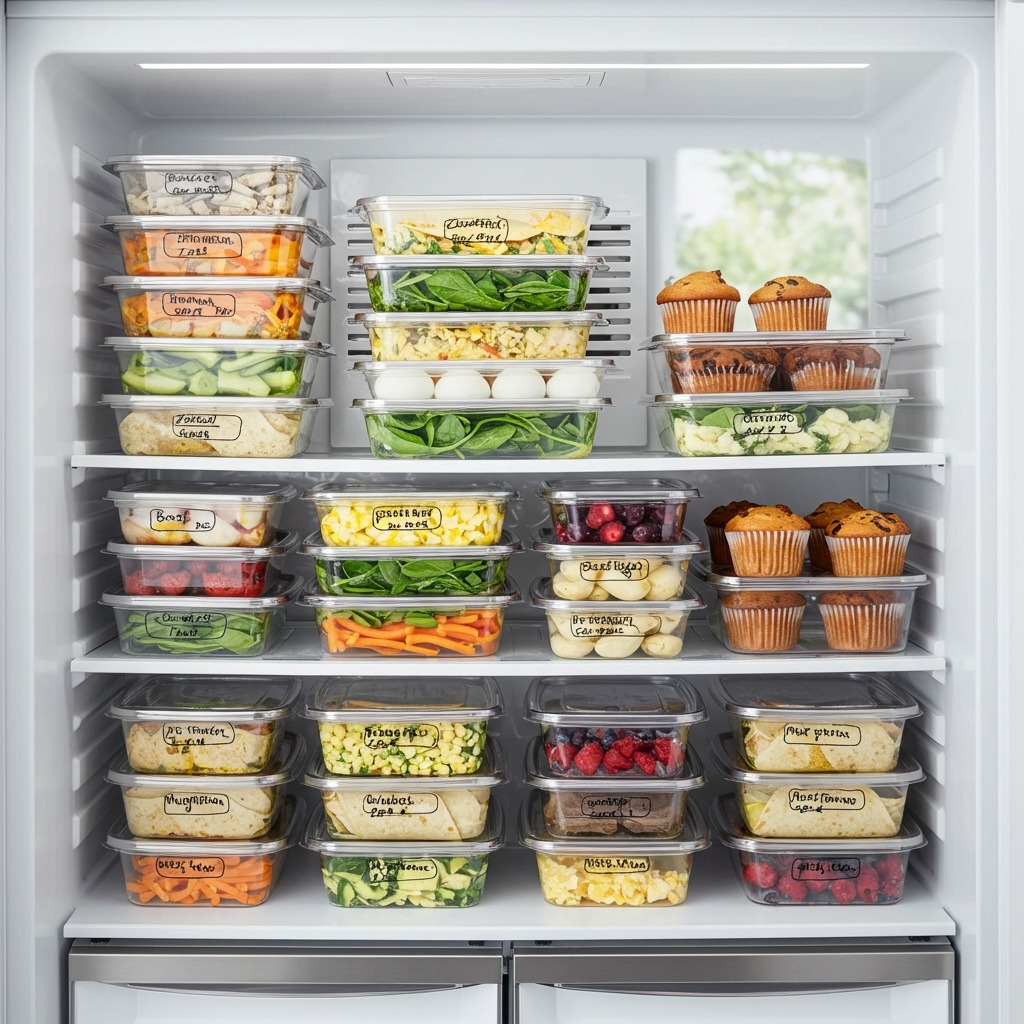
The real secret to successful weekday breakfasts is preparation. These make-ahead breakfast ideas for kids have saved me countless mornings and prevented so many meltdowns — both mine and my children’s.
Breakfast Cookies (That Are Actually Healthy)
These aren’t dessert cookies masquerading as breakfast — they’re made with rolled oats, mashed banana, natural peanut butter, a touch of honey, and whatever mix-ins your kids enjoy. I add mini chocolate chips to some and dried fruit to others.
Bake a batch on Sunday evening, and kids can grab one on their way out the door. They’re portable, filling, and contain actual nutrients instead of just sugar and refined flour.
Freezer Breakfast Burritos
I make a huge batch of these every few weeks. Scramble eggs with a little cheese and whatever vegetables your kids will tolerate (even just a tiny bit of bell pepper counts). Wrap portions in small flour tortillas and freeze them individually wrapped in aluminum foil.
In the morning, unwrap and microwave for 1-2 minutes for a hot, portable breakfast that beats any drive-through option. Kids can eat them in the car if necessary, and they feel like a special treat.
Baked Oatmeal Squares
Mix old-fashioned oats, milk, beaten eggs, a little maple syrup, vanilla, and fruit in a greased 9×13 baking dish. Bake at 350°F until the center is set, about 35-40 minutes. Let it cool completely, then cut into squares.
These keep in the refrigerator for a full week and reheat perfectly in the microwave. They’re like portable oatmeal that you can eat with your hands. I make different flavor combinations — apple cinnamon, berry, or even chocolate chip.
On busy mornings when we’re running late, having these ready-to-go options feels like having a breakfast fairy living in my kitchen. Sometimes I pack them to eat in the car and turn it into an adventure with road trip games for kids to make the whole experience more fun.
Dealing With Picky Eaters (The Struggle Is Real)
If you have a picky eater, you understand that the breakfast struggle is absolutely real and can set the tone for the entire day. Here are breakfast ideas for kids who seem to survive on air, stubbornness, and your worried energy.
The “Deconstructed” Approach
Instead of mixing everything together in ways that might overwhelm sensitive eaters, serve all the components separately on the same plate. Put scrambled eggs, shredded cheese, and small tortilla pieces on a plate instead of making a breakfast burrito. Offer berries, yogurt, and granola in separate small bowls instead of assembling a parfait.
Same nutrients, less overwhelming presentation. Kids feel more in control when they can choose how much of each component to eat and whether to combine them.
Familiar Flavors in New Forms
If your child loves pizza, try making “breakfast pizza” with a small tortilla or naan, scrambled eggs, cheese, and maybe some tiny pieces of turkey bacon. Love grilled cheese? Make a breakfast version with cheese and scrambled eggs between two pieces of buttered bread.
The key is starting with flavors and textures they already accept and slowly introducing new elements in familiar formats.
Involve Them in Preparation
Kids are significantly more likely to eat foods they help prepare. Let them crack eggs (yes, it’s messy, but it’s worth it), stir pancake batter, wash berries, or choose smoothie ingredients from pre-approved options.
Even something as simple as letting them arrange fruit on their own plate makes them feel involved and invested in the breakfast. When kids feel ownership over their food, they’re much more likely to actually eat it.
The “One Bite” Rule
In our house, everyone has to try one real bite of everything on their plate. Not a tiny nibble or a lick — a genuine bite that they actually chew and swallow. After that, if they truly don’t like it, they can choose from backup options.
You’d be amazed how often that required one bite turns into them finishing the entire portion. Sometimes kids just need permission to not like something before they can relax enough to discover they actually do like it.
Understanding Nutrition Guidelines for Different Ages
When planning breakfast ideas for kids, it’s helpful to understand how nutritional needs change as children grow. The Mayo Clinic’s comprehensive nutrition guidelines for kids explain that toddlers ages 2-4 need about 2-4 ounces of protein daily, while school-age children (5-8) need 3-5.5 ounces. These guidelines help me plan balanced breakfasts that actually meet their developing bodies’ needs.
What I love about breakfast is that it’s such an easy meal to pack with nutrition. Eggs provide high-quality protein that helps with muscle development, while whole grains give them sustained energy for learning and playing. Fresh fruit adds essential vitamins, and dairy products contribute calcium for growing bones.
I try to include at least three food groups in every breakfast when possible. Sometimes that means scrambled eggs (protein) with whole grain toast (grains) and sliced strawberries (fruit). Other days it might be oatmeal (grains) made with milk (dairy) and topped with nuts (protein) and berries (fruit).
Quick Fixes for Common Morning Problems
“We’re Out of Milk!”
Keep shelf-stable milk boxes in your pantry as emergency backup. You can also use water for oatmeal and compensate by adding extra fruit for flavor and nutrition. Canned coconut milk works beautifully in smoothies and actually makes them taste more tropical and special.
“This Breakfast is Boring!”
Sometimes the solution is purely about presentation. Use cookie cutters to make toast shapes, serve smoothies in special cups or with colorful straws, make “ants on a log” with celery sticks, peanut butter, and raisins arranged in a line.
Change the location — eat breakfast on a picnic blanket in the living room or set up a “restaurant” where you take their orders and bring their food on a special plate.
“I Don’t Have Time to Cook Anything!”
This is exactly what your freezer stash is for! But when even that’s empty, don’t panic or feel guilty. Whole-grain toast with natural peanut butter and sliced banana is a perfectly balanced breakfast. So is Greek yogurt with some granola stirred in.
The goal is progress, not perfection. Some breakfast is always better than no breakfast, and simple can be completely sufficient.
Building Food Confidence and Positive Associations
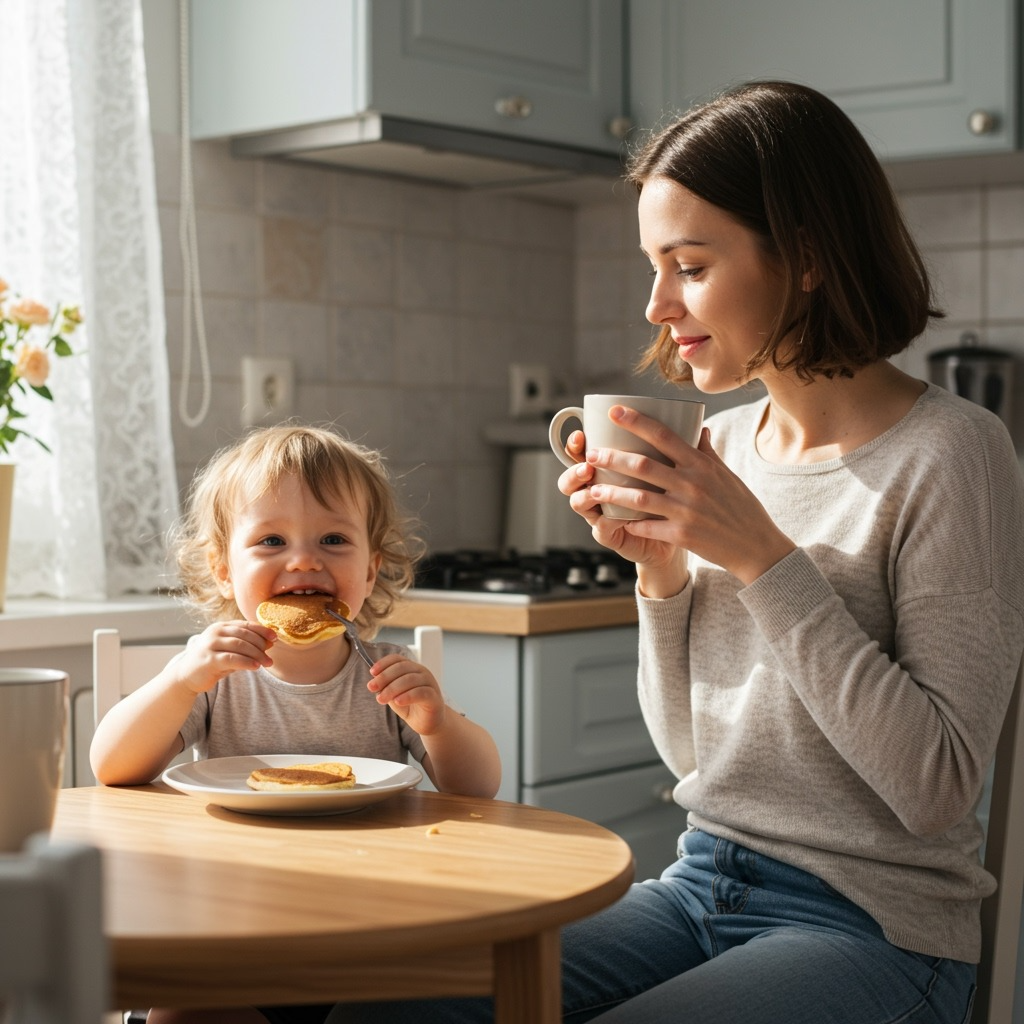
One of the most important things I’ve learned is that breakfast sets the tone for your child’s entire relationship with food that day. When kids start the morning feeling successful and confident about eating, they’re more adventurous and less anxious about meals later.
I keep a running mental list of each kid’s current favorite foods and try to incorporate at least one familiar element into every breakfast. If my daughter is obsessed with strawberries this week, strawberries go in the oatmeal, on the pancakes, in the smoothie, and alongside the eggs. Meeting them where they are removes so much unnecessary mealtime stress.
I also discovered that using conversation starters for kids during breakfast transforms the meal from just fueling their bodies to connecting as a family. Questions like “What’s the best part about strawberries?” or “If you could invent a new breakfast food, what would it be?” turn breakfast into relationship-building time.
These little conversations also distract from any food anxiety and make the whole experience more positive and relaxed.
Special Diet Breakfast Solutions
Gluten-Free Options That Don’t Feel Limited
- Brown rice cakes topped with sunflower seed butter and banana slices
- Quinoa porridge cooked with milk and topped with fresh fruit and cinnamon.
- Gluten-free oat pancakes (just make sure the oats are certified gluten-free)
- Smoothie bowls topped with gluten-free granola and fresh berries
- Eggs prepared any way with naturally gluten-free sides like fruit and yogurt.
Dairy-Free Solutions That Still Taste Good
- Oatmeal made with coconut milk, oat milk, or almond milk
- Smoothies using coconut yogurt or silken tofu for creaminess
- Avocado toast with everything bagel seasoning and a drizzle of olive oil
- Dairy-free muffins made with applesauce and non-dairy milk alternatives
- Chia seed pudding that tastes remarkably similar to tapioca pudding
Egg-Free Alternatives That Are Still Protein-Rich
- Chia seed pudding made the night before (combine chia seeds, milk, and sweetener)
- Chickpea flour pancakes with sautéed vegetables mixed in
- Steel-cut oatmeal with nut butter stirred in for protein.
- Smoothie bowls made with protein powder or Greek yogurt (if dairy is okay)
- Peanut butter toast with banana and hemp hearts sprinkled on top
The most important thing with special diets is focusing on abundance rather than restriction. Get excited about all the creative alternatives and new foods you get to explore together. When kids help research and prepare these specialized options, they feel more in control and positive about their dietary needs.
The Science Behind Why Breakfast Matters
Research shows that kids who eat regular breakfasts perform better academically, have improved concentration, and maintain healthier weights throughout childhood. Healthline’s evidence-based guide to healthy breakfast ideas for kids explains how the combination of protein, complex carbohydrates, and vitamins from fruits and vegetables provides sustained energy that helps children focus better in school.
What really convinced me to prioritize breakfast was learning that children who skip this meal are more likely to feel tired, irritable, and have difficulty concentrating by mid-morning. Their blood sugar drops, making it harder for their developing brains to function at full capacity.
That doesn’t mean breakfast has to be complicated or time-consuming. Even something as simple as whole-grain cereal with milk and sliced banana provides protein, fiber, calcium, and natural sugars that fuel both body and brain for the morning ahead.
When Breakfast Goes Completely Wrong (And That’s Okay)
Let me be completely honest: some mornings, despite your very best efforts and intentions, breakfast is an absolute disaster. The pancakes burn while you’re helping someone find their backpack. Nobody likes what you made, and there’s a complete meltdown about the “wrong” cup. Someone spills juice all over their clean clothes, and suddenly, you’re all running late.
It happens to literally every parent, and it doesn’t mean you’re doing anything wrong.
Keep a stash of emergency backup options in your pantry: individual applesauce cups, granola bars, bananas, string cheese, crackers, and juice boxes. Sometimes breakfast legitimately happens in the car while you’re driving to school, and that’s just life with children.
The goal isn’t to be the perfect Pinterest breakfast mom — it’s to feed your kids something reasonably nutritious most of the time while maintaining your sanity and family harmony. Some days, you nail it with homemade muffins and fresh fruit arranged beautifully. Other days, breakfast is a Pop-Tart and a banana, and everyone is just grateful that everyone got fed something.
Remember that any breakfast is better than no breakfast, and you’re doing better than you think you are.
Creating Traditions and Making Memories
Some of my favorite family memories have happened around our breakfast table. Weekend pancake mornings where we let the kids flip their own (with supervision and lots of laughter about misshapen results). Sunday morning granola-making sessions where everyone gets to add their own special ingredients.
I started taking photos of our “breakfast evolution” — pictures of my kids at different ages enjoying different breakfast foods. It’s become a sweet way to document how they’ve grown and how their tastes have changed and developed.
We also have “breakfast for dinner” nights when everyone is tired and we just want something comforting and familiar. There’s something magical about serving pancakes at 6 PM — it feels like breaking rules in the best possible way.
Consider starting your own breakfast traditions. Maybe Saturday mornings are for trying a new recipe together. Maybe everyone gets to choose the family breakfast menu one day per week. Maybe you have special plates that only come out for weekend breakfasts.
These small traditions create positive associations with food and family time that your kids will carry with them for their entire lives.
Building Long-Term Healthy Eating Habits
The breakfast ideas for kids that work best in my house are the ones that feel sustainable long-term. I’ve learned not to put pressure on myself to make every breakfast Instagram-worthy or nutritionally perfect. Instead, I focus on variety, balance, and creating positive experiences around food.
Some weeks, we’re in a smoothie phase. Other weeks, everyone wants scrambled eggs. Sometimes we go through a cereal-and-fruit phase, and that’s perfectly fine too. The key is offering different options regularly so kids develop a broad palate and positive associations with many different foods.
I also try to involve my kids in breakfast decision-making when possible. They help plan the weekly breakfast menu, assist with grocery shopping for breakfast ingredients, and participate in preparation when time allows. This involvement helps them feel ownership over their food choices and builds confidence around cooking and nutrition.
Most importantly, I model the behavior I want to see. When I eat a variety of foods enthusiastically, try new things without complaint, and approach mealtime with a positive attitude, my kids naturally follow suit. Sometimes that means eating the burnt pancakes with a smile or trying the new smoothie combination even when I’m not sure about it.
The goal isn’t perfection — it’s progress, variety, and creating a foundation of healthy habits that will serve them well throughout their lives.
Smart Shopping Strategies for Better Breakfasts
Having the right ingredients on hand makes creating healthy breakfast ideas for kids so much easier. I’ve learned to shop strategically for breakfast success.
Pantry Staples That Never Let You Down
- Old-fashioned oats for overnight oats and baked oatmeal
- Natural nut butters for protein and healthy fats
- Whole-grain bread and English muffins for quick toasts
- Eggs (they keep for weeks and are endlessly versatile)
- Frozen fruit for smoothies that never goes bad
- Maple syrup or honey for natural sweetening
- Vanilla extract to make everything taste special
Smart Freezer Investments
- Whole-grain waffles and pancakes for emergency breakfasts
- Frozen berries that cost less than fresh but pack the same nutrition
- Homemade muffins and breakfast cookies you’ve batch-made
- Individual smoothie packs ready to blend
- Breakfast burritos wrapped and labeled.
Fresh Ingredients That Make Everything Better
- Bananas (kids love them and they’re perfect for quick energy)
- Greek yogurt for protein and probiotics
- Whatever seasonal fruit is on sale
- Spinach for sneaking into smoothies
- Cheese for adding protein to anything
When I shop with this list in mind, I can always pull together a decent breakfast even when I haven’t planned ahead. It takes the stress out of those moments when you open the fridge and panic about what to feed everyone.
FAQ Section
Q: What if my child refuses to eat breakfast entirely?
Try serving smaller portions to make it less overwhelming, offering choices between two acceptable options, or letting them help prepare the meal. Some kids need more time to wake up before they’re ready to eat, so consider packing a breakfast to-go if your mornings are consistently rushed.
Q: Are frozen waffles and cereals really that bad for kids?
Not at all! Look for whole grain options with less added sugar, and you can always boost the nutrition by adding fresh fruit, nuts, or serving with milk. Convenience foods can absolutely be part of a balanced diet when you choose wisely and add nutritious toppings.
Q: How do I get my kids to eat more protein at breakfast?
Try Greek yogurt instead of regular yogurt, add nut butter to toast or blend it into smoothies, include eggs in muffins or scrambles, or make smoothies with protein powder. Even cheese on toast adds valuable protein to start the day.
Q: What’s the best breakfast approach for very picky eaters?
Start with foods they already accept and gradually introduce new elements. If they love bread, experiment with different healthy toppings. If they like fruit, try adding it to familiar foods. Keep offering variety without pressure, and remember that it can take multiple exposures before kids try new foods.
Q: How much time should breakfast realistically take on school mornings?
Aim for 10-15 minutes of actual eating time for school-age kids. Prep whatever you can the night before to make mornings smoother and less stressful. Weekend breakfasts can be longer and more elaborate if you enjoy the cooking process.