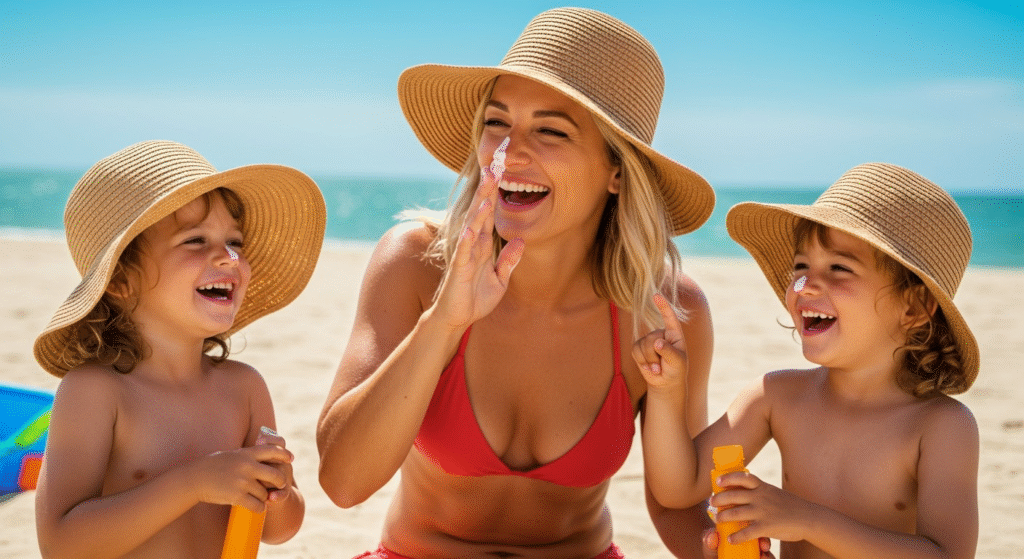
There’s a reason so many of us find ourselves reaching for the bottle of kids’ sunscreen before a family day in the sun. Between the cute packaging and promises of gentle protection, it looks like a safe bet—especially if you have sensitive skin or want to keep things simple for the whole household. But is kids’ sunscreen really enough for adult skin? And could it actually work better than classic grown-up formulas?
Let’s dive in, debunk the myths, and uncover smart ways to use kids’ sunscreen for every age, skin type, and scenario. By the end, you’ll know exactly what ingredients to look for, when “baby” products are the best choice (hello, pregnancy and sensitive skin), and how to protect everyone from harmful rays—while keeping your routine easy, budget-friendly, and worry-free.
Why Is Kids’ Sunscreen Gentler? Understanding the Ingredients
If you flip over the back of most kids’ sunscreen bottles, you’ll see active ingredients like zinc oxide or titanium dioxide. These are mineral (sometimes called “physical”) blockers. Instead of soaking into skin or working via a chemical reaction, they sit on top—literally forming a shield that reflects and scatters UVA and UVB rays.
Kids’ sunscreens are typically:
- Free from harsh chemical filters (like oxybenzone and avobenzone), which can trigger reactions in adults with sensitive skin
- Fragrance-free and hypoallergenic, cutting down on additives that might cause rashes, stinging, or breakouts
- Tested for use on delicate skin, so they avoid known irritants altogether.
Adults can benefit from all these properties, too—especially if there’s a history of eczema, allergies, or easily upset skin in your family. Mineral-based kids’ sunscreens provide immediate, broad-spectrum protection (no long waiting for it “to work”), making them a practical, low-fuss pick for the whole family.

How Does Adult Sunscreen Differ? (And When Does It Make Sense?)
Most adult sunscreen formulas mix in chemical filters—like avobenzone, oxybenzone, octocrylene, or octinoxate. These absorb UV rays, convert them to heat, and release them from the skin. Some perks: chemical formulas feel lighter and invisible when rubbed in, and are designed to wear well under makeup or as part of a multi-step skincare routine.
But here’s the catch:
- Chemical sunscreen needs to be absorbed before it works—wait 15–20 minutes before exposure.
- Some chemical filters may cause sensitivity, especially in delicate areas or if you have skin conditions.
- There are environmental questions surrounding certain chemical ingredients (like oxybenzone, which damages coral reefs).
This doesn’t mean chemical sunscreens are unsafe—they’re actually tested, regulated, and effective for most people. However, those with extra-sensitive skin (or those wanting to minimize chemical exposures during pregnancy or for young kids) may lean toward mineral kids’ formulas.
The Surprising Truth: Kids’ Sunscreen Works for Grown-Ups—Here’s Why
Kids’ sunscreen is not just “watered down.” In fact, in the U.S. and other countries, all sunscreens (regardless of age marketed) must meet the same broad-spectrum UVA/UVB and SPF standards for sun safety. This means a kid’s SPF 50 provides the exact same level of sunburn protection as an adult’s SPF 50.
Why use a kids’ formula as an adult?
- Skin Sensitivity: If you’ve ever broken out in a rash or felt a burning sensation from a “grown-up” sunscreen, switching to a mineral kids’ lotion can prevent flare-ups and discomfort.
- Post-Procedure Skincare: After microdermabrasion, chemical peels, or even acne treatments, skin is more vulnerable. Dermatologists often recommend mineral, kid-safe products for these healing times.
- Pregnancy & Breastfeeding: Minimizing chemical exposures is wise—switching to a kids’ mineral option reassures expectant parents.
- Outdoor Family Days: Forget hauling separate bottles for every age group. Slather everyone with the same SPF 30 or 50 mineral sunscreen for zero stress.
If you’re raising littles, check out our favorite beach activities for kids for safe fun in the sun—just remember to reapply sunscreen often!

The Pros and Cons: Mineral vs. Chemical (A Real Mom’s Comparison Table)
| Mineral (Kids/Physical) Sunscreen | Chemical (Adult/Traditional) Sunscreen | |
| Protection style | Reflects/blocks the sun’s rays | Absorbs/neutralizes the sun’s rays |
| Key actives | Zinc oxide, titanium dioxide | Avobenzone, oxybenzone, octisalate, etc. |
| Feeling on the skin | Thicker sometimes leaves a white cast | Lightweight, clear, blends easily |
| When it works | Immediately upon application | Needs 15–20 min pre-UV exposure |
| For sensitive skin? | Usually great—gentle, fewer irritants | Can cause stinging/reactions for some |
| Pregnancy-safe? | Yes—mineral formulas preferred | Some chemicals are not recommended |
| Best for… | Babies, children, pregnant & sensitive skin, post-procedure | Adults, makeup wearers, water sports |
Which should you choose? Whichever you (and your family) are most likely to apply properly and often, because the best sunscreen is the one you’ll actually use!
Want even more gentle wellness routines? Discover positive, practical ideas in our soft parenting guide for modern families.
Common Myths About Kids and Adult Sunscreen, Busted
Myth 1: Kids’ sunscreen doesn’t work for adult skin.
Absolutely untrue. As long as the SPF rating is high enough and you apply a visible layer (and reapply!), the sun protection is the same.
Myth 2: Kids’ sunscreen is weaker or less water-resistant.
Nope. Many kids’ formulas—especially sprays and sticks—are water-resistant for 40–80 minutes, just like adult sport versions. Always check the label.
Myth 3: Only kids need mineral sunscreen.
Actually, mineral sunscreens are often the top recommendation for adults with sensitive, acne-prone, or allergy-prone skin—and for anyone seeking a physical barrier without harsh chemicals.
Myth 4: Chemical sunscreens are unsafe.
Chemical sunscreens are safe for most adults and are subject to strict safety standards. That said, people with certain allergies or during pregnancy often seek mineral alternatives for peace of mind.
When Should Adults Use Kids Sunscreen?
- Sensitive, Allergy-Prone, or Eczema-Prone Skin: Mineral kids’ sunscreens are designed to minimize reactions.
- Pregnancy/Breastfeeding: Avoid questionable chemical exposures—mineral kids’ products are reliably safe.
- After Peels, Lasers, or Skin Treatments: Delicate post-procedure skin benefits from the gentle protection of a mineral formula.
- Post-Shave or Facial Irritation: Ever get sunburn on a freshly shaved face or legs? Mineral formulas don’t sting.
- For the Face or Children’s Hands/Neck: These thinner, more exposed areas often need milder protection.
Plus, if you just love a simple, one-size-fits-all bottle for the whole family, kids’ sunscreen offers a stress-free solution—and less clutter in your pool bag!

How to Apply Sunscreen Like a Dermatologist—At Any Age
Protection isn’t just about the product, but about how you use it:
- Generously apply 15 minutes before going outside. For lotion, cover all exposed skin (a shot-glass amount is the classic guideline for one full body application on adults).
- Don’t miss easy-to-forget spots: Ears, tops of feet, backs of hands, and hair part.
- Reapply every two hours, or after swimming or excessive sweating.
- Check the label: “Broad spectrum” means it protects against both UVA (aging) and UVB (burning) rays.
- Pair with other defenses: Hats, sunglasses, UPF clothing, and shade are your best friends.
- Layer over your other skincare, before makeup, if you use adult formulas, but kids’ sunscreen blends just fine with daily basics too.
Find yourself spending long beach days or river walks with the family? Want more safety hacks? Check out these must-know beach activities for kids that keep everyone busy while you stay sun safe.
Kids Sunscreen for Adults: Real Life Scenarios
Let’s make it real. Here are times you’ll be especially glad to have a bottle of children’s sunscreen nearby—at any age:
1. Outdoor Workouts
Sweating in the sun calls for waterproof, non-irritating protection. Mineral kids’ sticks resist sweat and don’t sting eyes.
2. Sensitive Skin Days
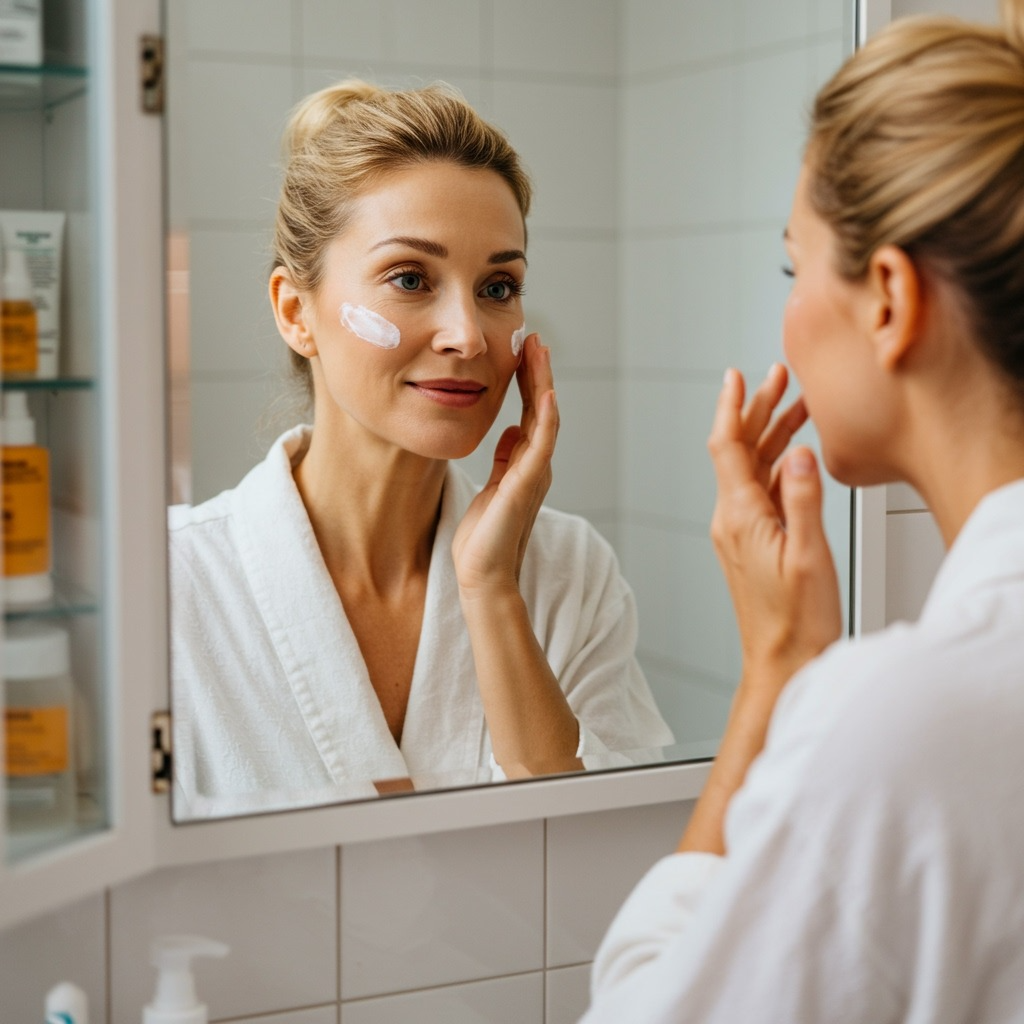
Rethink your adult SPF if you’re breaking out, your skin feels burnt from retinoids, or patchy redness flares up. Kids’ sunscreen provides a reset button—less is more, fewer ingredients mean less irritation.
3. Family Vacations
Hauling multiple bottles gets old. A family-size mineral lotion keeps things simple; everyone stays sun safe, and it’s easy to spot your kid in a crowd by telling them, “Go ask for the white stuff on your nose!”
4. Pregnancy and Beyond
When reading labels feels overwhelming in pregnancy, gravitate toward kids’ or baby SPF. For extra peace of mind, always check the ingredient list and avoid oxybenzone and retinyl palmitate.
5. After Spas or Facial Treatments
If you’ve had a professional peel, laser, or microneedling, aesthetic experts consistently recommend baby sunscreen for post-procedure healing.
Need even more self-care tips for every stage of raising kids? Explore our resource on finding the best age to have kids.
Sunscreen Shopping Guide: What to Look For (And What to Avoid)
- Look for:
- “Broad-spectrum” and SPF 30+ (for full UV coverage)
- Only zinc oxide or titanium dioxide is listed as an active (for mineral options)
- No added fragrance or “hypoallergenic” labeling for the most sensitive skin
- “Broad-spectrum” and SPF 30+ (for full UV coverage)
- Avoid:
- Sprays if kids will inhale the mist (safer for bodies, not faces)
- Annoying white cast? Test travel sizes until you find one that blends into your skin tone. Newer mineral formulas rub in clearly with a bit of massaging.
- Sprays if kids will inhale the mist (safer for bodies, not faces)
Love summer adventures? Pair your protection with these fun activities for kids for a roundup of safe, creative ideas outdoors.
Answering the Big Questions (FAQ)
Is kids’ sunscreen really strong enough for adults?
Yes! As long as you follow the SPF and reapplication guidelines, it’s entirely sufficient—even for long afternoons outside.
Do kids’ sunscreens last as long as adult versions?
Both are regulated to 40–80 minutes of water resistance. Remember, style matters less than application habits and regular touch-ups.
Will kids’ sunscreen clog pores or trigger acne?
Some thicker mineral creams might feel heavy, but most new versions are non-comedogenic. Try tinted or fluid mineral options for breakout-prone skin.
Can grown-ups wear kids’ sunscreen daily?
Absolutely. In fact, many dermatologists and aestheticians do just that—especially if their skin is extra sensitive.
Is it safe for teens and tweens?
Yes—kids’ sunscreen is a fantastic choice for tweens just starting their own routines, and easier to ensure they’re using a safe, gentle product.
Final Thoughts (For Moms Who Want Simple, Smart Protection)
Life with kids is busy, messy, and full of surprises—your sun care shouldn’t be! If you’d rather not play chemist, or you love the idea of everyone sharing one bottle, kids’ mineral sunscreen is your new best friend. It’s safe, gentle, and designed for the most sensitive skin in the family—but strong enough for every adult. Just remember: the best sunscreen is the one you’ll actually put on, often and generously.
Give yourself peace of mind so you can focus on sandcastles, outdoor games, and family adventures—not sunburns or skin irritation. For more family-friendly routines and positive ideas, don’t miss our guides on soft parenting and fun activities for kids, and make every sunny day a safe and happy one.