
Last December, I decided we were going to make homemade Christmas candy together as a family. I envisioned my kids and me laughing while dipping strawberries in chocolate, creating memories that would last forever. What actually happened? My 5-year-old ate all the chocolate before we even started, my 8-year-old made “abstract art” with sprinkles everywhere, and I spent three hours cleaning sticky candy residue off every surface.
But here’s the thing—my kids talked about that day for weeks. Not because the candy looked perfect, but because we did something together, laughed at the mess, and ended up with treats we made ourselves.
That experience taught me that the best Christmas candy recipes to make with kids aren’t the ones that require special equipment or hours of precise work. They’re the ones that are messy, forgiving, and fun enough to outweigh the inevitable cleanup. They’re the recipes where if something goes slightly wrong, nobody notices because homemade charm is actually part of the appeal.
After three years of making Christmas candy with my kids (and learning what works and what doesn’t), I’ve narrowed down the recipes that are actually doable with little hands helping. Some are no-bake wonders that come together in minutes. Others involve melting chocolate, which kids find absolutely magical. And a few are even a little educational.
Why Making Christmas Candy With Kids Is Worth the Mess
Before I had kids, I thought homemade Christmas candy was this fancy thing that required skills I didn’t have. Now I realize it’s actually one of the easiest ways to create traditions and teach kids valuable skills at the same time.
When you make candy with kids, you’re doing way more than just creating treats. You’re teaching them how to follow directions, how to measure ingredients, how to handle disappointment when something doesn’t turn out perfectly, and how to feel proud of something they created with their own hands.
There’s also something magical about homemade gifts. A box of homemade fudge your 7-year-old made feels infinitely more special to a neighbor or teacher than anything store-bought, even if it’s slightly lopsided or unevenly decorated. Kids feel like they’ve accomplished something real when they give away something they made.
Plus, making candy together removes the pressure of holiday perfection. Sure, your bark might have bubbles in it. Your fudge might be slightly grainy. But it tastes delicious, and it came from your kitchen and your family’s hands. That’s the whole point. It’s also a wonderful way to spend quality time together doing something that aligns with positive parenting moments that actually create lasting memories.

The Easiest No-Bake Christmas Candies for Young Kids
If you’re looking for Christmas candy recipes that require absolutely no oven skills and minimal cooking, these are your winners. These are the ones where even my 4-year-old can help meaningfully.
White Chocolate Bark With Everything
This is genuinely the easiest candy you can make. Melt white chocolate chips in the microwave (30 seconds at a time, stirring between rounds), spread it on parchment paper, add whatever toppings you want—crushed candy canes, sprinkles, chopped pretzels, dried cranberries, nuts—let it set in the fridge for 30 minutes, and you’re done. Kids can do almost every step except the melting.
The beauty of white chocolate bark is that there’s literally no way to mess it up. Uneven toppings? That’s rustic charm. Too many sprinkles? More festive. Slight color variations? Homemade character.
Chocolate Covered Anything
This is my secret weapon for keeping kids engaged with minimal actual skill required. Melt chocolate chips in the microwave, let kids pick what gets dipped (strawberries, pretzels, marshmallows, cookies), dip it in chocolate, roll it in toppings, and place it on parchment paper to set.
The reason this works so well is that kids feel like they’re doing real candy-making, but it’s literally impossible to fail. Even if the chocolate pools funny or the topping doesn’t stick perfectly, it still looks intentional and charming.
Puppy Chow (Muddy Buddies)
This isn’t technically candy, but it’s sweet enough to count, and it’s perhaps the most hands-on recipe for kids to help with. Toss Chex cereal with melted chocolate and peanut butter, then dust with powdered sugar. Kids get to shake and mix everything in a big bag. It’s messy, but the mess is actually part of the fun.
The reason I love this for candy-making day is that it comes together in literally 15 minutes, and kids can help with almost every step. There’s no precision required. It either turns out delicious or it’s still delicious but just slightly different.
Fudge Recipes That Look Fancy But Are Actually Simple
If you want to make something that looks more impressive, fudge is your answer. It seems intimidating, but it’s actually very forgiving.
Five-Ingredient Microwave Fudge
This is the fudge that converted me from thinking homemade candy was too hard. You melt chocolate chips and sweetened condensed milk together, stir in mini marshmallows and peanuts (or whatever mix-ins you want), press it into a pan, refrigerate for an hour, and cut it into squares.
The texture is creamy, the flavor is rich, and most importantly, there’s minimal room for error. If your proportions are slightly off, it still tastes good. Older kids can handle most of the steps, and even little kids can help stir and press the mixture into the pan.
The beauty of this fudge is that it’s extremely customizable. Use different chocolate chips, change the mix-ins, and add different toppings. Each batch feels new and exciting. Resources like Allrecipes have dozens of variations that can inspire different flavor combinations.
Peppermint Fudge Swirl
Make the basic fudge recipe above, but before pressing it into the pan, melt white chocolate separately and swirl it through the chocolate fudge. It looks impressive but requires no special skills. Just drop spoonfuls of white chocolate into the chocolate fudge and swirl it with a knife. The organic swirls look deliberately artsy rather than messy.
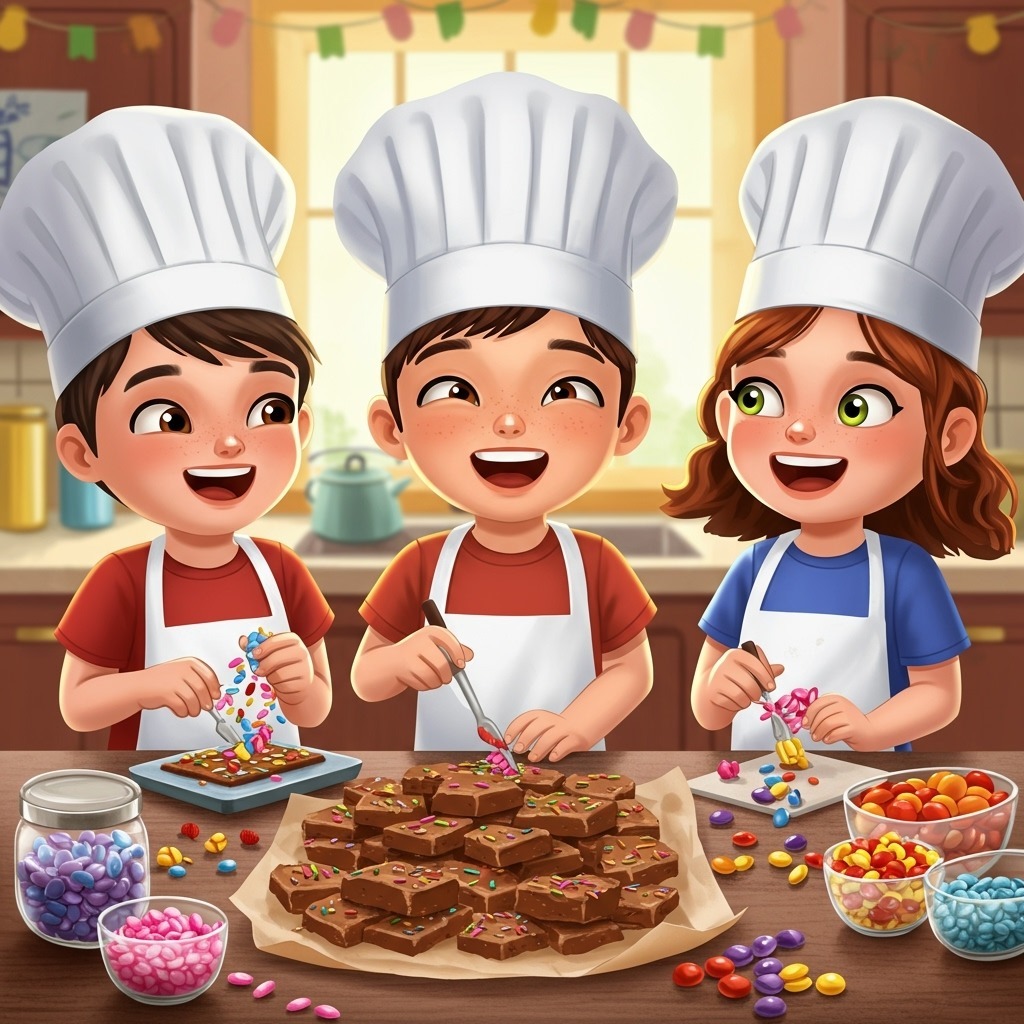
No-Bake Classics That Every Family Should Try
Some candy-making traditions exist for a reason. These are the ones that’ve been made for decades and still work beautifully with kids.
White Chocolate Peppermint Bark
Layer white chocolate on top of dark chocolate, sprinkle with crushed candy canes before it hardens, then break into shards. Kids love the crushing-the-candy-canes part, so let them get aggressive with a ziplock bag and a wooden spoon. It’s therapeutic, and they’re actually helping with the recipe.
This candy looks so elegant when it’s done—like something from a fancy candy shop. But making it requires no special skill or equipment. Just chocolate, peppermint candy, and parchment paper.
Chocolate Peanut Butter Bites
Mix peanut butter and powdered sugar into a dough, roll into balls, freeze them, then dip them in melted chocolate. Kids can help roll the dough (great for fine motor skills), and older kids can help dip in chocolate under supervision.
What makes this special is that every bite is creamy and satisfying. It feels like you made something restaurant-worthy, but it’s genuinely simple. According to Taste of Home, this recipe shows up on most holiday candy lists for good reason.
Saltine Cracker Toffee Bark
Line a baking sheet with saltine crackers, cook brown sugar and butter until bubbly, pour over the crackers, bake for 8 minutes, sprinkle with chocolate chips, let them melt, then spread evenly. This one requires a bit more cooking supervision, but older kids (8+) can watch and learn the process. When it sets and you break it apart, everyone is amazed that something so fancy came from saltines.
Candy That Teaches Science Too
If you want to combine candy-making with a little education, these recipes are perfect.
Homemade Rock Candy
This is the ultimate kid-friendly candy because it combines making something delicious with a genuine science experiment. Kids dissolve sugar in water, create supersaturated solutions, grow crystals on sticks over a week, and end up with beautiful, sparkling candy they can actually eat.
The magic of rock candy is that kids are genuinely invested in watching it grow day by day. They’ll check on it constantly, discussing the crystals and the colors. And after a week, they get to eat something they literally watched grow.
Recipes That Work Best for Older Kids (Ages 8+)
If you have kids old enough to handle a bit more complexity, these recipes offer more challenge and feel more accomplished when they’re done.
Homemade Truffles
Melt chocolate, mix with heavy cream and butter, roll into balls, chill, then coat in melted chocolate and toppings. There’s more technical skill involved, but it’s completely doable for kids 8 and up. They get to experience dipping, coating, and creating something that looks genuinely professional.
Truffles also feel special because they’re something you’d normally buy at a fancy candy shop. When kids realize they made them, they feel incredibly proud.
Chocolate Covered Pretzel Rods
Dip pretzel rods in melted chocolate, roll in toppings (sprinkles, chopped nuts, crushed candy canes), and let them set on parchment paper. This works especially well for kids who like the texture contrast of crunchy pretzels and smooth chocolate.
What I love about this recipe is that it feels restaurant-quality but requires zero special skills. Just chocolate and pretzels, and whatever toppings you have on hand.
Tips for Making Candy With Kids Without Losing Your Mind
After several years of doing this, I’ve learned a few things that make the whole experience infinitely easier and actually enjoyable.
First, prep your workspace before you start. Line counters with parchment paper, set out all ingredients and utensils in advance, and have wet washcloths ready for sticky hands. This removes friction during the process and lets you focus on the actual candy-making rather than constantly looking for supplies.
Second, assign each kid a specific job so everyone feels important and nobody is fighting over who gets to do the fun part. One kid melts chocolate (under supervision), one creates toppings, and one arranges finished candies on the tray. Rotation through the stations, if they want to try different tasks.
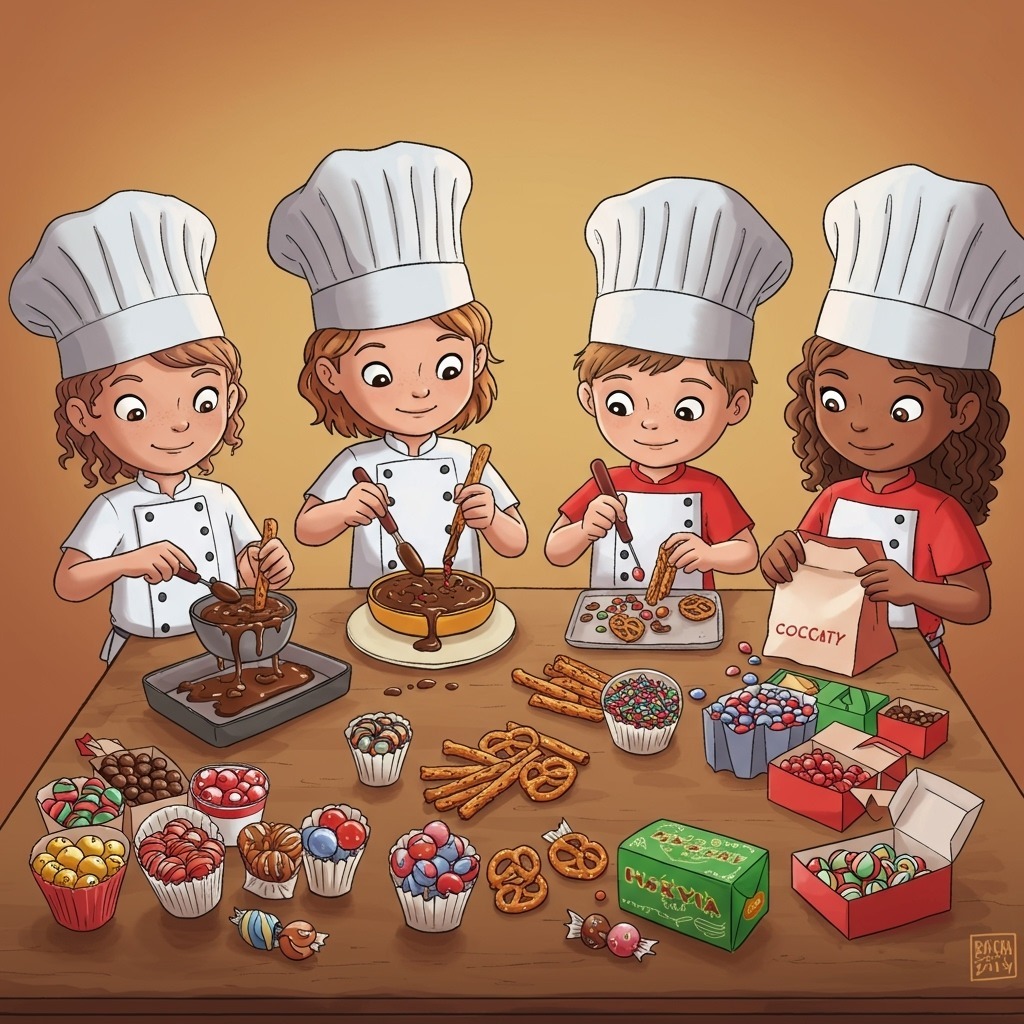
Third, embrace imperfection from the start. Your bark won’t be perfectly smooth. Your fudge won’t be perfectly even. Your sprinkles won’t be perfectly distributed. And that’s exactly why it’s charming. Remind kids that homemade candies are supposed to look a little rustic.
Fourth, actually use the candies they make. Give them away as gifts to neighbors, teachers, or family members. Send them to school. Eat them yourselves. Don’t make candy and then toss it or let it sit. The payoff for kids is seeing people enjoy something they created.
Fifth, don’t make it a production. Pick one or two candy recipes maximum per candy-making session. When I first started doing this, I tried to make five different types of candy in one afternoon, and everyone was exhausted and frustrated. Now we do two at most; we actually enjoy the process, and kids actually want to do it again next year.
Gifts Made From Homemade Candy
The best part about making Christmas candy with kids is that you have ready-made gifts for neighbors, teachers, coaches, and family members. A simple box or tin filled with homemade fudge or bark feels infinitely more special than anything store-bought, and kids love being part of the gifting process.
Layer your homemade candies in a pretty box, add a simple card that your kids decorated, and you have a gift that feels thoughtful and homemade. Teachers especially love this. They get something that tastes amazing and was made by tiny hands, which automatically makes it their favorite gift of the holiday season.
This also teaches kids about generosity and giving in a way that feels natural and connected to their own effort. They made something, and they’re giving it away. That’s a powerful lesson wrapped up in something delicious.
Storing and Gifting Your Homemade Candy
Different candies have different storage needs, but most homemade holiday candy lasts at least 1-2 weeks if stored properly.
Keep fudge and truffles in an airtight container in the fridge. Keep bark and hard candies in an airtight container at room temperature. Keep rock candy uncovered at room temperature. Most candies can be made a week or two before Christmas, so you don’t have to do all your candy-making at once.
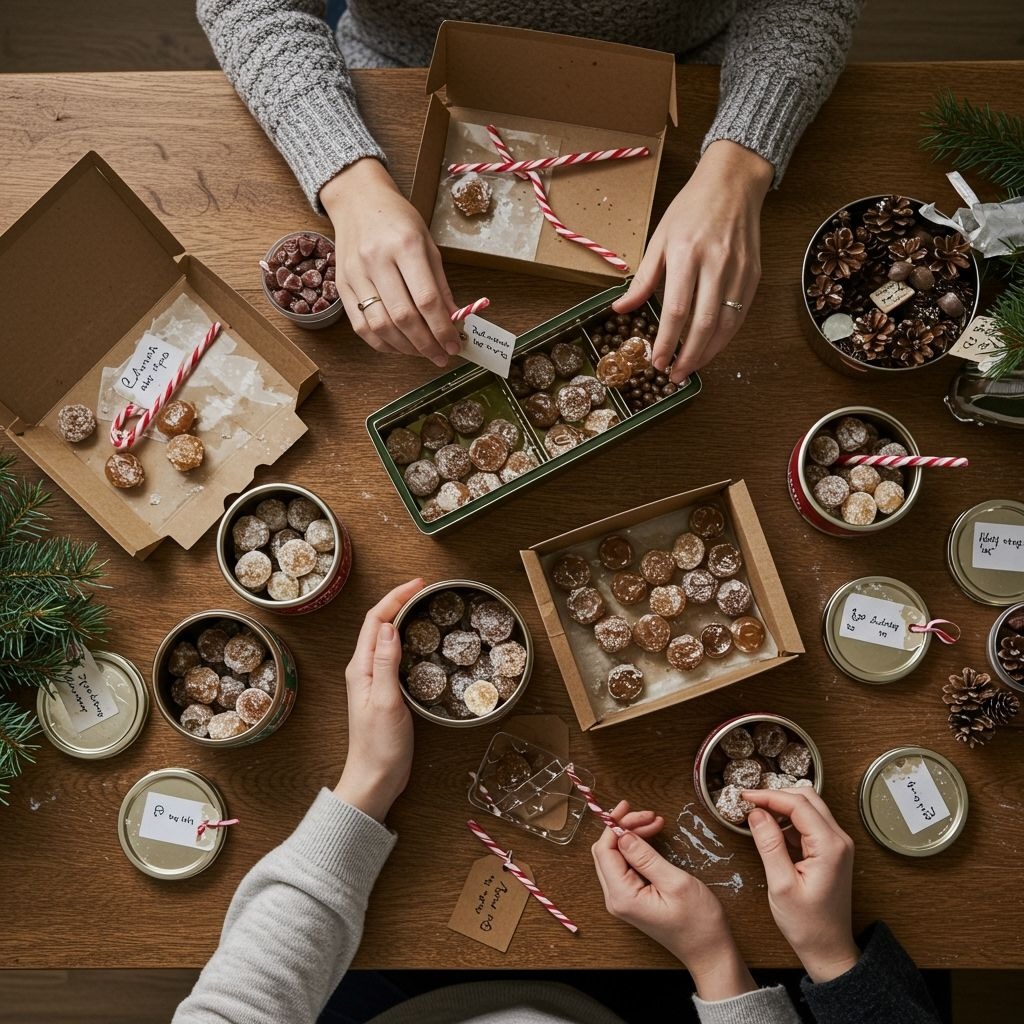
For gifting, pretty small boxes or tins work beautifully. You can find them at craft stores or order them online. Layer the candy with parchment paper between layers. Add a ribbon or festive sticker. Nobody needs to know you made it in 20 minutes with kids covered in chocolate.
Troubleshooting Common Candy-Making Problems
Sometimes things go wrong, and it’s helpful to know what to expect and how to fix it.
If your chocolate seizes (gets grainy and thick), add a tiny bit of coconut oil or shortening and stir. If your fudge doesn’t set, it might need to be in the fridge longer, or your proportions might have been off. If your bark has bubbles, embrace it—it’s artisanal. If your rock candy doesn’t crystallize, the room was too warm or the pan got jostled. Try again next time.
The point is that candy-making with kids shouldn’t feel like high-stakes perfection. Most mistakes are actually fixable, and the things that can’t be fixed still taste delicious. Approach it with a sense of humor and adventure rather than precision.
Age-Appropriate Candy Recipes
Not all recipes work for all ages, so here’s a quick guide to what actually works at each stage.
For toddlers (ages 2-4), stick with minimal participation. They can watch, help sprinkle toppings, or mix things already in a bowl. They probably can’t hold complex instructions or remember multiple steps, so keep their involvement simple and supervised.
For early elementary (ages 5-7), they can help melt chocolate (under close supervision), roll dough into balls, dip things in coatings, add sprinkles, and arrange finished candies. They might need reminders about steps, but they can follow basic instructions.
For older kids (ages 8+), they can handle multi-step recipes, work more independently, and even supervise younger siblings. They can temper chocolate more carefully, measure ingredients more accurately, and execute more complex processes like making rock candy or truffles. Understanding what kids learn at different stages helps set realistic expectations for their participation level.
Making It a Family Tradition
The best part about making Christmas candy with kids is that it becomes something they look forward to every single year. My kids now start asking in October when we’re going to make candy. It’s become as much a part of our December as decorating the tree.
To make it stick, do it around the same time every year. Make it special—play Christmas music, let them wear an apron, and use fancy boxes for packaging. Take photos of the process. Read about candy-making together and let kids pick which recipes to try.
Most importantly, focus on the experience, not the outcome. The memory they’ll carry isn’t that your fudge was perfectly smooth or your bark was beautifully smooth. The memory is of working together, laughing at the mess, surprising neighbors with homemade gifts, and feeling proud of something you created together. That’s what turns candy-making into a genuine family tradition.
Frequently Asked Questions
What is the easiest Christmas candy to make with kids?
White chocolate bark is the easiest Christmas candy to make with kids. Melt white chocolate chips, spread on parchment paper, add any toppings you want (sprinkles, candy canes, nuts, dried fruit), refrigerate for 30 minutes, and break into pieces. There’s no precision required, kids can help with almost every step, and it’s impossible to fail. It’s done in under an hour.
What candy can a 4-year-old help make?
A 4-year-old can help with no-bake candies that don’t require cooking skills. They can add toppings to bark or sprinkles to fudge, roll dough into balls (with help), stir ingredients together, and arrange finished candies on a tray. Keep their role simple—one or two specific tasks rather than multiple complex steps.
How do you store homemade Christmas candy?
Store fudge, truffles, and filled chocolates in an airtight container in the refrigerator for up to 2 weeks. Keep bark and hard candies in an airtight container at room temperature for up to 2 weeks. Keep rock candy uncovered at room temperature. Most homemade candy can be made 1-2 weeks in advance of giving as gifts.
Can you freeze homemade Christmas candy?
Yes, most homemade Christmas candy can be frozen. Fudge and truffles freeze especially well for up to 3 months in an airtight container. Bark can be frozen for up to 1 month. Thaw at room temperature before opening to prevent condensation. Rock candy should not be frozen, as it will melt. Always label with the date and contents.
What’s the best way to gift homemade candy to teachers or neighbors?
Package homemade candy in a small decorative box, tin, or festive bag. Layer candies with parchment paper between layers to keep them from sticking together. Add a homemade label or tag with the type of candy and the date made. Include a note that it’s homemade, especially if there are allergen concerns. Teachers and neighbors genuinely appreciate homemade gifts more than store-bought items.
Why is my homemade fudge grainy instead of creamy?
Grainy fudge usually means the chocolate and condensed milk mixture crystallized while cooling, often from temperature changes or stirring too much. To fix it, melt the fudge again with a teaspoon of coconut oil or shortening and stir minimally. For future batches, let the mixture cool to room temperature before stirring and avoid temperature shocks.
Can you make candy with kids who have nut allergies?
Absolutely. Skip recipes that call for nuts and modify toppings to be nut-free. Most candies don’t require nuts at all—use seeds, sprinkles, dried fruit, or other toppings instead. When gifting candy to people with allergies, always clearly label ingredients used so recipients know what’s safe to eat.
What’s the difference between homemade candy and store-bought candy?
Homemade candy typically contains fewer ingredients and no preservatives compared to store-bought candy, which often contains emulsifiers, stabilizers, and artificial ingredients. Homemade candy usually needs to be consumed within 1-2 weeks, while store-bought candy lasts much longer. Homemade candy also tastes fresher and more authentic, and carries the special value of being made by hand.