
“Mommy, why do we put a tree inside the house at Christmas?”
My four-year-old asked me this while we were hauling our artificial tree up from the basement last December. I opened my mouth to answer and realized… I had no idea. I’d been celebrating Christmas my entire life and couldn’t explain one of the most basic traditions to my own child.
That moment sent me down a rabbit hole of Christmas facts I’d never known. Turns out, Christmas is full of fascinating history, surprising origins, and wild traditions from around the world that even adults don’t know about. My kids were absolutely mind-blown when I started sharing these facts during our holiday prep.
Christmas facts for kids aren’t just random trivia. They’re conversation starters that make the holiday more meaningful, help kids understand why we do what we do, and turn decorating time into unexpected learning moments. Plus, kids love being the ones who know cool facts that even grown-ups don’t know.
Why Teaching Christmas Facts Actually Matters
Before I started sharing Christmas facts with my kids, the holiday felt like a blur of commercials and Santa lists. Don’t get me wrong — the magic was there — but I wanted them to understand the deeper meaning and history behind our traditions.
When kids learn the “why” behind Christmas customs, something shifts. My daughter started asking thoughtful questions about giving and gratitude instead of just rattling off her wish list. My son became fascinated with how children celebrate Christmas in different countries. These conversations wouldn’t have happened without learning some basic Christmas facts first.
The educational benefits surprised me, too. Learning Christmas facts naturally incorporates geography (where is Bethlehem?), history (who was Saint Nicholas?), science (how do evergreen trees survive winter?), and cultural studies. It’s sneaky learning disguised as holiday fun.
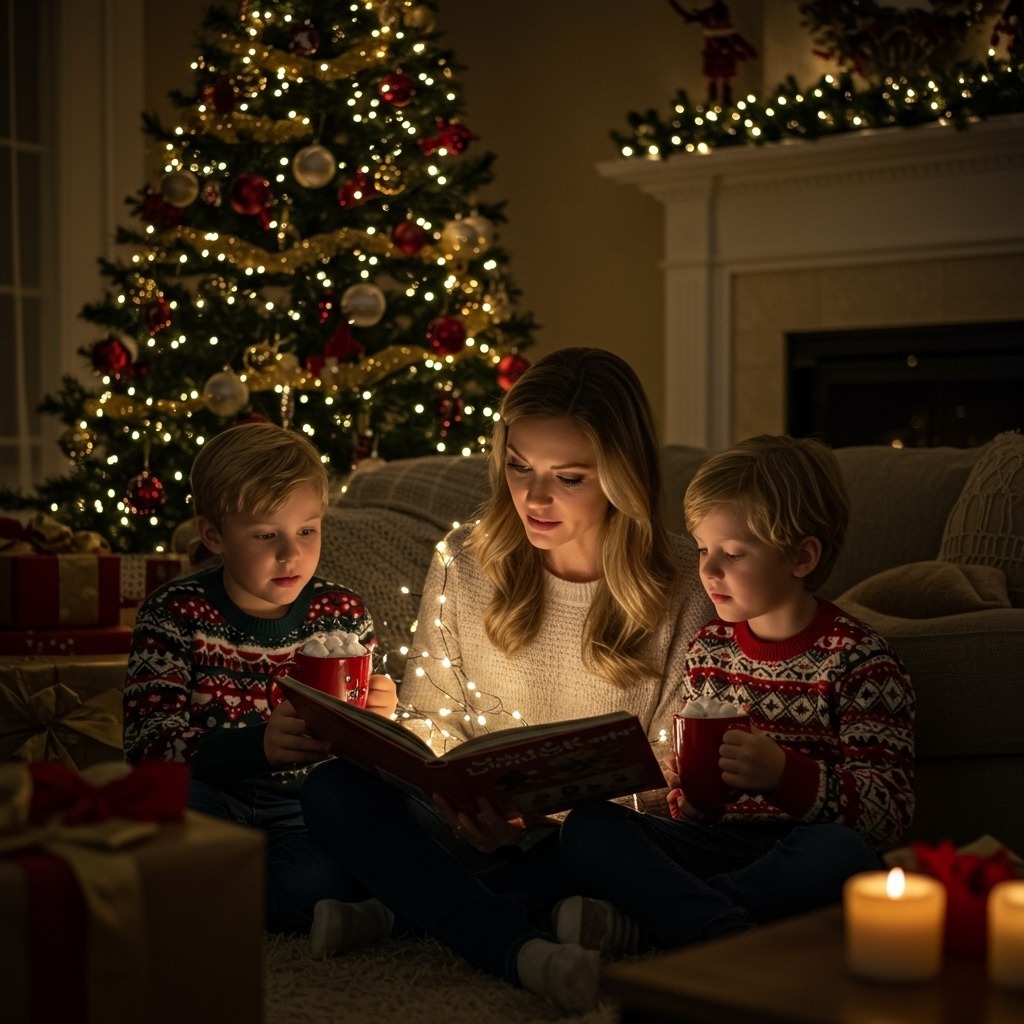
Mind-Blowing Christmas Facts About Santa Claus
Santa facts always get the biggest reactions from kids. These surprised even me when I first learned them.
Santa didn’t always wear red. For many years, he actually wore green, purple, or even blue! He started appearing in red after Coca-Cola decided he should match their company colors in their advertisements. My kids thought this was absolutely wild — imagining a purple Santa delivering presents.
Santa receives more than 8 million letters every single year from children all around the world. That’s a lot of mail! Some countries even have special postal codes for Santa. In Canada, you can write to Santa using the postal code H0H 0H0.
The name “Santa Claus” comes from the Dutch word “Sinterklaas,” which means Saint Nicholas. Saint Nicholas was a real person — a Christian bishop who lived in the 4th century and was known for being kind and generous to children. He later became the patron saint of children.
Santa’s sleigh would need to travel at lightning speed to visit all the children in one night. Experts calculate he’d need to visit about 390,000 homes per minute on Christmas Eve! That’s faster than you can blink. Of course, Christmas magic probably helps with that.
Here’s the wildest fact: Male reindeer lose their antlers in winter, while female reindeer keep theirs. That means Santa’s reindeer — including Rudolph — are probably all girls! My son’s jaw literally dropped when I told him this one.
These Santa facts spark so much curiosity. My kids started asking about time zones, how reindeer fly, and whether magic is real. Those are exactly the kinds of wonder-filled conversations I want to have during the holidays. For deeper insights into Christmas history and traditions worldwide, National Geographic Kids offers engaging content that kids genuinely find interesting.
Fascinating Christmas Tree Facts
Christmas trees are such a central part of the holiday, but most of us don’t know their fascinating history.
The first artificial Christmas tree was made in Germany out of goose feathers dyed green! Can you imagine plucking geese to make a Christmas tree? My daughter thought this was hilarious and slightly gross. It’s certainly different from our pre-lit tree from Target.
The tallest Christmas tree ever recorded was 221 feet tall — taller than the Statue of Liberty! It was displayed in a shopping mall in Seattle, Washington, in 1950. Imagine trying to put the star on top of that tree. You’d need a helicopter!
Before electric lights were invented, people decorated Christmas trees with fruit, popcorn, and even candles. Real lit candles on a dry tree. The fire hazard alone makes me grateful for modern LED lights. Popcorn strings are still fun to make, though — we tried it last year and my kids loved it.
Every single U.S. state grows Christmas trees. Even Hawaii and Florida! That’s over 350 million Christmas trees currently growing on farms across America. Next time you pick out a tree, you’re supporting local farmers.
The Christmas tree tradition combines two German customs — the “paradise tree” used on Adam and Eve’s feast day (December 24) and the wooden “Christmas pyramid” decorated with evergreens, candles, and a star. Britain’s Queen Victoria and Prince Albert helped make Christmas trees popular throughout England and eventually the world.
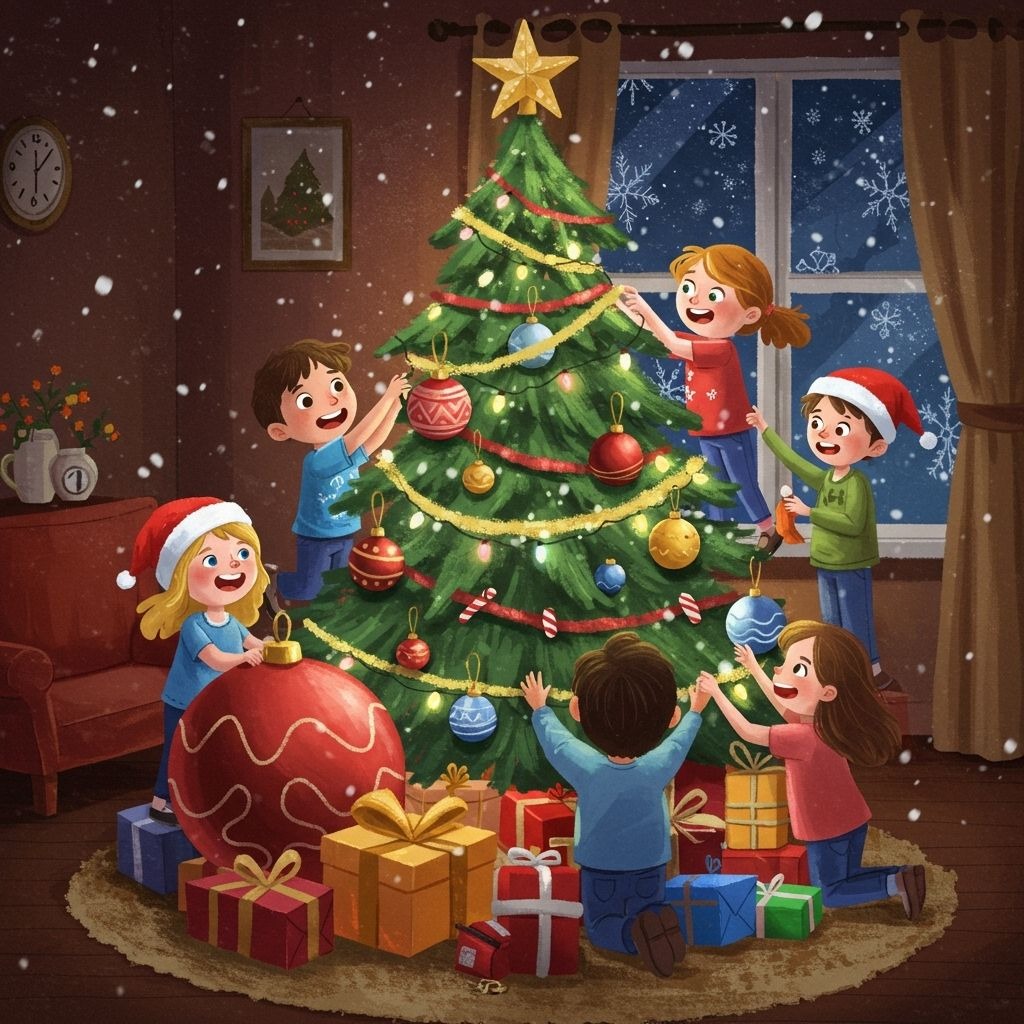
Learning these facts made decorating our tree so much more interesting this year. Instead of just hanging ornaments, we talked about the history behind what we were doing. For more ways to make traditions meaningful, check out how to be a good mother and build connections through everyday moments.
Christmas Music Facts That Will Surprise You
Christmas music is everywhere during the holidays, but these facts about our favorite songs are genuinely surprising.
“Jingle Bells” wasn’t originally a Christmas song at all! It was written in 1857 by James Lord Pierpont for Thanksgiving in the USA and was originally titled “One Horse Open Sleigh.” Over time, it somehow became one of the most popular Christmas songs ever. My kids couldn’t believe their favorite Christmas song was actually about Thanksgiving.
The song “Silent Night” was composed on Christmas Eve in 1818 when the church organ broke down. The priest needed music for the Christmas service that night, so he quickly wrote lyrics and had his friend compose a melody that could be played on guitar instead. Talk about last-minute creativity!
“Rudolph the Red-Nosed Reindeer” was created as a marketing gimmick by the Montgomery Ward department store in 1939. The store wanted a Christmas story to give away to customers, and Rudolph was born. The song came out later in 1949 and became a massive hit.
Caroling used to mean something different. In medieval times, caroling referred to circle dances performed to music, not specifically Christmas songs sung door-to-door. The tradition of singing Christmas songs to neighbors developed later and became popular in Victorian England.
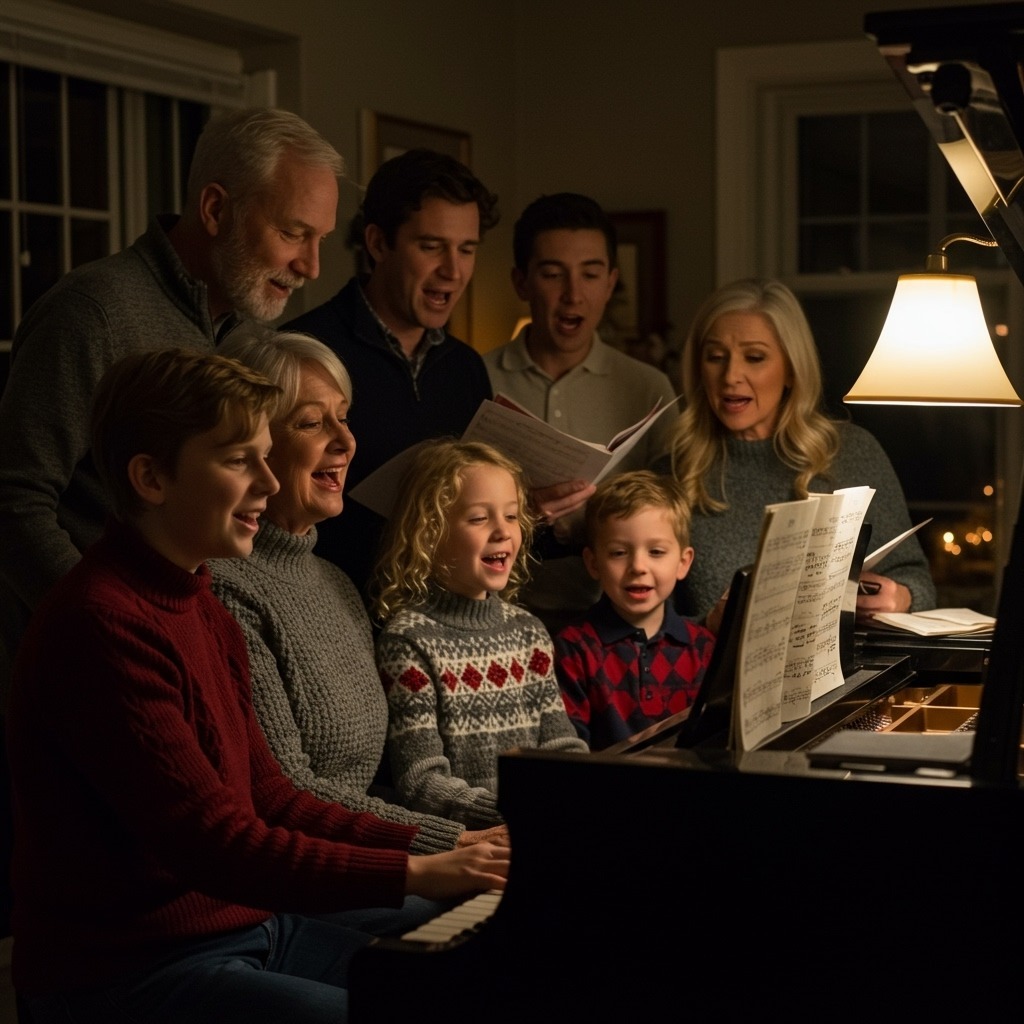
These music facts make listening to Christmas radio so much more interesting. Now, when “Jingle Bells” comes on, my kids yell “That’s the Thanksgiving song!” and giggle. It’s become a fun inside joke in our family.
Strange Christmas Traditions From Around the World
This is where Christmas facts get really fun. Kids are fascinated by how differently people celebrate across the globe.
In Italy, a kind witch called La Befana flies around on a broomstick delivering toys to children on Epiphany Eve (January 5th). According to legend, she was too busy cleaning to join the Wise Men visiting baby Jesus, and she’s been searching for him ever since, leaving gifts for children along the way.
In Iceland, children leave shoes under the window for 13 mischievous trolls called the Yule Lads. If a child has been good, they’ll find sweets in their shoe. If they’ve been bad, the Yule Lads leave them a rotten potato! My kids thought this was both hilarious and slightly terrifying.
In Ukraine, people decorate their Christmas trees with spider webs. There’s a legend about a poor family whose tree was decorated by spiders overnight, and the webs turned to silver and gold in the morning. Ukrainians see spiders and webs as symbols of good luck at Christmas.
In Norway, people hide all their brooms on Christmas Eve. Why? Old folklore says that witches and evil spirits come out on Christmas Eve looking for brooms to ride. So families hide them to keep the spirits away. Imagine explaining that tradition to your kids!
In Japan, eating KFC on Christmas has become a huge tradition. Millions of people order Kentucky Fried Chicken for their Christmas dinner, thanks to a wildly successful marketing campaign in the 1970s. You have to order weeks in advance!
Christmas was once banned in England! In 1644, Oliver Cromwell and Parliament made Christmas celebrations illegal because they felt the religious meaning had been forgotten and festivities were too wild. People still celebrated in secret until the ban was lifted almost 20 years later.
These global traditions opened up amazing conversations with my kids about cultural differences and respecting how other people celebrate. We started looking at maps to find these countries and imagining what Christmas would be like there. For more ideas on broadening your child’s perspective, explore these conversation starters for kids that encourage curiosity about the world.
The Real History Behind Christmas
Beyond the fun facts, understanding the actual history of Christmas helps kids grasp why we celebrate.
Christmas celebrates the birth of Jesus Christ, who Christians believe was the son of God. The holiday takes place on December 25th for most Christians, though no one actually knows Jesus’ exact birthdate. The Roman Catholic Church chose December 25th to mark this important celebration.
Not all Christians celebrate Christmas on the same day. In countries with large populations of Orthodox Christians, like Russia, Ukraine, and Romania, Christmas Day falls on January 7th. This is because they follow a different calendar.
Christians believe Jesus was born in a stable in Bethlehem, a town in an area of the Middle East now called the West Bank. Mary and Joseph couldn’t find room at the inn, so Jesus was born in a stable and placed in a manger (an animal feeding trough). This is why nativity scenes show baby Jesus surrounded by animals.
Alabama was the first U.S. state to recognize Christmas as an official holiday in 1836. Oklahoma was the last state to do so in 1907. President Ulysses S. Grant declared Christmas a federal holiday in 1870, making it official across the entire country.
The tradition of giving gifts comes from the story of the Wise Men (also called the Magi or Three Kings) who brought gifts of gold, frankincense, and myrrh to baby Jesus. The practice of exchanging presents developed from this biblical account and Saint Nicholas’s reputation for generosity.
Teaching these historical facts doesn’t have to be heavy or religious if that’s not your family’s tradition. Even in secular households, kids benefit from understanding the cultural and historical significance of holidays they celebrate. Britannica Kids offers age-appropriate explanations of Christmas history that help children understand the holiday’s origins.
Fun Christmas Food Facts
Food is a huge part of Christmas, and these facts made mealtime conversations way more interesting.
Eggnog has been around since the 13th century! Monks enjoyed this festive drink in medieval times. The name possibly comes from “noggin,” a small wooden cup used to serve alcohol. My kids were shocked that something so old is still popular today.
Candy canes were invented to keep children quiet in church. According to legend, a choirmaster in Germany gave children white sugar sticks bent like shepherds’ crooks to keep them occupied during long Christmas services. The red stripes and peppermint flavor came later.
The tradition of leaving cookies for Santa started during the Great Depression. Parents wanted to teach children to show gratitude and share what little they had, even during tough times. This small act of generosity became a beloved tradition that continues today.
Gingerbread houses were inspired by the fairy tale Hansel and Gretel. After the Brothers Grimm published their story about a house made of bread and candy, German bakers started creating edible gingerbread houses. The tradition spread across Europe and eventually to America.
In England, they hide a coin in the Christmas pudding. Whoever finds the coin in their slice is said to have good luck for the coming year. Of course, modern safety concerns mean many families use a wrapped coin or skip this tradition altogether!
Fruitcake has been a Christmas tradition for centuries because it can be made in advance and actually gets better with age. Victorian England popularized fancy fruitcakes as Christmas gifts. Love it or hate it, fruitcake isn’t going anywhere!
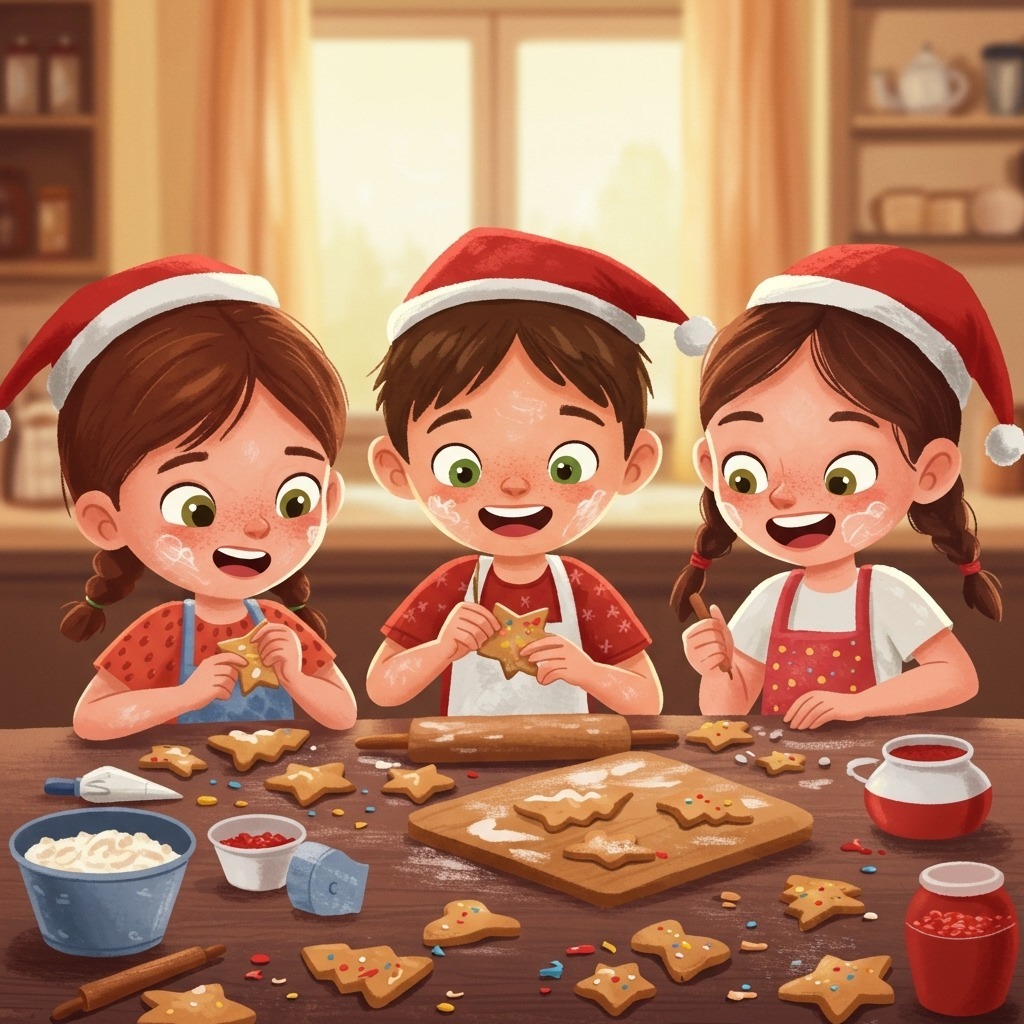
These food facts made baking Christmas cookies way more fun. Instead of just following recipes, we talked about history and traditions. If you’re looking for baking activities to try with kids, check out these easy cookie recipes for kids that are perfect for little helpers.
Christmas Facts About Decorations and Lights
Decorations transform our homes during Christmas, and their history is more interesting than you’d think.
Thomas Edison and his friend Edward Johnson invented Christmas lights. Before electric lights, people decorated trees with real candles, which was incredibly dangerous. Edison’s invention of the light bulb made safe Christmas tree lights possible. The first electrically lit Christmas tree appeared in 1882.
Tinsel used to be made of real silver! German craftsmen created thin strips of real silver to drape on Christmas trees. During World War II, silver was rationed, so manufacturers switched to aluminum and later plastic. Original silver tinsel is now a collector’s item.
The first Christmas card was sent in 1843 in England. Sir Henry Cole designed it to save time instead of writing individual letters to everyone. It featured a festive family scene and the message “A Merry Christmas and a Happy New Year to You.” Today, billions of Christmas cards are sent worldwide each year.
Poinsettias became associated with Christmas thanks to Joel Poinsett, the first U.S. ambassador to Mexico, who introduced the plant to America in the 1820s. The plant’s red and green colors perfectly matched Christmas, and it became a holiday symbol. In Mexico, poinsettias are called “Flores de Noche Buena” (Flowers of the Holy Night).
The tradition of hanging stockings comes from Saint Nicholas. Legend says he dropped gold coins down a chimney, and they landed in stockings hung by the fireplace to dry. From then on, children hung stockings hoping Saint Nicholas would fill them with gifts.
The mistletoe tradition comes from ancient times. Druids believed mistletoe had magical healing powers, and kissing under it brought good luck. The tradition evolved into the romantic custom we know today. Just be careful — mistletoe berries are actually poisonous!
Learning about decorations made our house feel like a museum of history. Every ornament and light string suddenly had a story behind it.
Teaching Christmas Facts the Fun Way
Simply rattling off facts can bore kids quickly. I learned to make fact-sharing interactive and engaging.
Turn decorating into a learning game. As we hang each ornament, we share one Christmas fact. By the time the tree is done, we’ve learned dozens of new things without it feeling like a lesson.
Create a Christmas fact advent calendar. Instead of (or in addition to) chocolate, put a printed fact behind each door. Kids love the daily surprise of learning something new.
Watch educational Christmas videos together. Documentary-style content made for children makes learning visual and entertaining. My kids retain facts so much better when they see images and animations alongside the information.
Read Christmas books from around the world. Stories about how different cultures celebrate naturally teach facts while entertaining. Our library has an amazing international Christmas book section.
Let kids become the teachers. When my son learned a cool fact, I’d encourage him to teach it to Grandma at our next visit. Kids retain information much better when they’re preparing to teach others.
Connect facts to your own traditions. Don’t just say “tinsel used to be silver.” Say, “Look at our tinsel! Did you know it used to be made of real silver?” Connecting facts to what kids can see and touch makes them stick.
Make fact-finding a treasure hunt. Hide cards with Christmas facts around the house and let kids search for them. The movement and discovery make learning exciting.
The goal isn’t to overwhelm kids with information. It’s to sprinkle interesting facts throughout the season, making Christmas richer and more meaningful. Understanding gratitude and giving during the holidays helps build character. Scholastic Parents offers wonderful insights on teaching children appreciation during the holiday season through combined learning and fun.
For more creative ways to engage kids during the holidays, visit these activities to do with kids that blend fun and learning.
FAQ: Christmas Facts for Kids
What are some simple Christmas facts for young children?
Simple Christmas facts for young kids include: Christmas celebrates Jesus’ birthday on December 25th, Santa Claus is based on Saint Nicholas, who was known for giving gifts, reindeer pull Santa’s sleigh across the sky, Christmas trees are decorated with lights and ornaments, and families give presents to show love. Keep facts short and connect them to things children can see and experience, like decorations in their own home.
Why is Christmas celebrated on December 25th?
Christmas is celebrated on December 25th because the Roman Catholic Church chose this date to mark Jesus Christ’s birth, though historians don’t know his actual birthdate. Some scholars believe the date was chosen to coincide with winter solstice celebrations that already existed. Orthodox Christians in some countries celebrate Christmas on January 7th because they follow a different calendar. The exact date is less important than celebrating the meaning of the holiday.
Is Santa Claus a real person?
Santa Claus is based on a real historical figure named Saint Nicholas, who was a Christian bishop living in the 4th century in what is now Turkey. He was famous for his generosity and kindness to children. Over centuries, stories about Saint Nicholas evolved into the modern Santa Claus character we know today. While the magical Santa who delivers presents worldwide in one night is a beloved story, the spirit of generosity he represents is very real.
What do kids in other countries get instead of presents from Santa?
Different countries have unique gift-bringers. In Italy, La Befana (a kind witch) brings gifts. In parts of Germany, the Christkind (Christ Child) delivers presents. In Iceland, the 13 Yule Lads leave small gifts or rotten potatoes. In Russia, Ded Moroz (Grandfather Frost) and his granddaughter Snegurochka bring gifts on New Year’s Eve. In Spain, the Three Wise Men bring presents on January 6th. These diverse traditions reflect different cultures and histories.
Why do we put up Christmas trees?
The Christmas tree tradition started in Germany and combines two customs: the “paradise tree” used on Adam and Eve’s feast day and the “Christmas pyramid” decorated with evergreens and candles. Evergreen trees symbolize eternal life because they stay green year-round. Queen Victoria and Prince Albert helped popularize Christmas trees in England during the 1800s, and the tradition spread worldwide. Today, Christmas trees represent the joy and warmth of the holiday season.
What was the first Christmas gift ever given?
According to the Christian tradition, the first Christmas gifts were brought by the Wise Men (Magi) to baby Jesus. They brought gold (representing kingship), frankincense (representing divinity), and myrrh (representing sacrifice). These gifts from the biblical story inspired the tradition of gift-giving at Christmas. Over time, the practice evolved to include exchanging gifts among family and friends as a way to show love and celebrate together.
How many Christmas cards are sent each year?
Billions of Christmas cards are sent worldwide each year! In the United States alone, approximately 1.5 billion Christmas cards are mailed annually. The tradition started in England in 1843 when Sir Henry Cole sent the first printed Christmas card. Today, people send both physical cards and digital e-cards to stay connected with loved ones during the holiday season. Sending Christmas cards remains a popular way to share warm wishes and maintain relationships.
Make Christmas More Meaningful This Year
The look on my daughter’s face when she learned Santa’s reindeer are probably female made every minute of research worth it. That moment of genuine surprise and wonder is what the holidays are all about.
Christmas facts for kids transform the season from just waiting for presents to actually understanding and appreciating the rich history behind everything we do. The questions, conversations, and “wow” moments that come from learning together create deeper family connections than any expensive gift ever could.
You don’t need to become a Christmas historian overnight. Start with a few facts that genuinely interest you, and share them naturally as opportunities arise. Maybe mention the tinsel fact while decorating, or the “Jingle Bells” fact when it comes on the radio. Small moments of learning add up to a richer, more meaningful holiday experience.
This Christmas, when your child inevitably asks why we do something, you’ll have fascinating answers ready. And trust me, being the parent who knows the cool facts feels pretty magical too.