
Last December, I sat on my couch surrounded by family members staring at their phones while a Christmas movie played in the background; nobody was watching. My mom was scrolling social media, my husband was checking work emails, and the kids kept asking, “When’s dinner?” The tree sparkled in the corner, completely ignored.
I felt like I was failing at the one thing that supposedly mattered most during the holidays—actually being together.
That’s when it hit me: I’d been so focused on making Christmas look perfect (the decorations, the gifts, the cookies) that I’d completely missed what the season was actually supposed to be about. Connection. Real, messy, unplugged connection with the people I love most.
So I did something radical. I put my phone away. I turned off the TV. And I asked everyone to do the same for just two hours. Then I brought out activities that required actual participation and presence. We decorated ornaments. We played games. We sat around drinking hot cocoa and telling stories.
It was the most memorable Christmas we’d had in years. And you know what? It cost almost nothing. It didn’t require perfect execution or elaborate planning. It just required showing up.
Now I’m sharing every Christmas family time idea that has genuinely brought us closer together—the ones that don’t feel forced, that don’t require tons of prep, and that create the kind of memories that actually stick around.
Why Family Time Matters More Than Perfect Celebrations
Here’s something nobody tells you about the holidays: your kids won’t remember the perfectly decorated house. They’ll remember the moments when you were actually present with them.
I used to think that if I just worked hard enough—if I made everything homemade, if I had the perfect decorations, if I stayed on top of every detail—my family would have a magical Christmas. Instead, I was stressed, exhausted, and too busy executing my vision to actually enjoy the people I was doing it all for.
The shift happened when I realized that Christmas family time ideas don’t have to be Instagram-worthy. They just have to create space for connection. Because that’s what your kids will carry into adulthood—not the memory of perfectly frosted cookies, but the memory of making them with you, the flour on your faces, the laughter, the feeling of being together.
Unplugged Activities That Actually Work
The hardest part about Christmas family time is competing with phones, tablets, and screens. Here’s what I’ve learned: you have to give kids something SO engaging that they forget their devices exist.
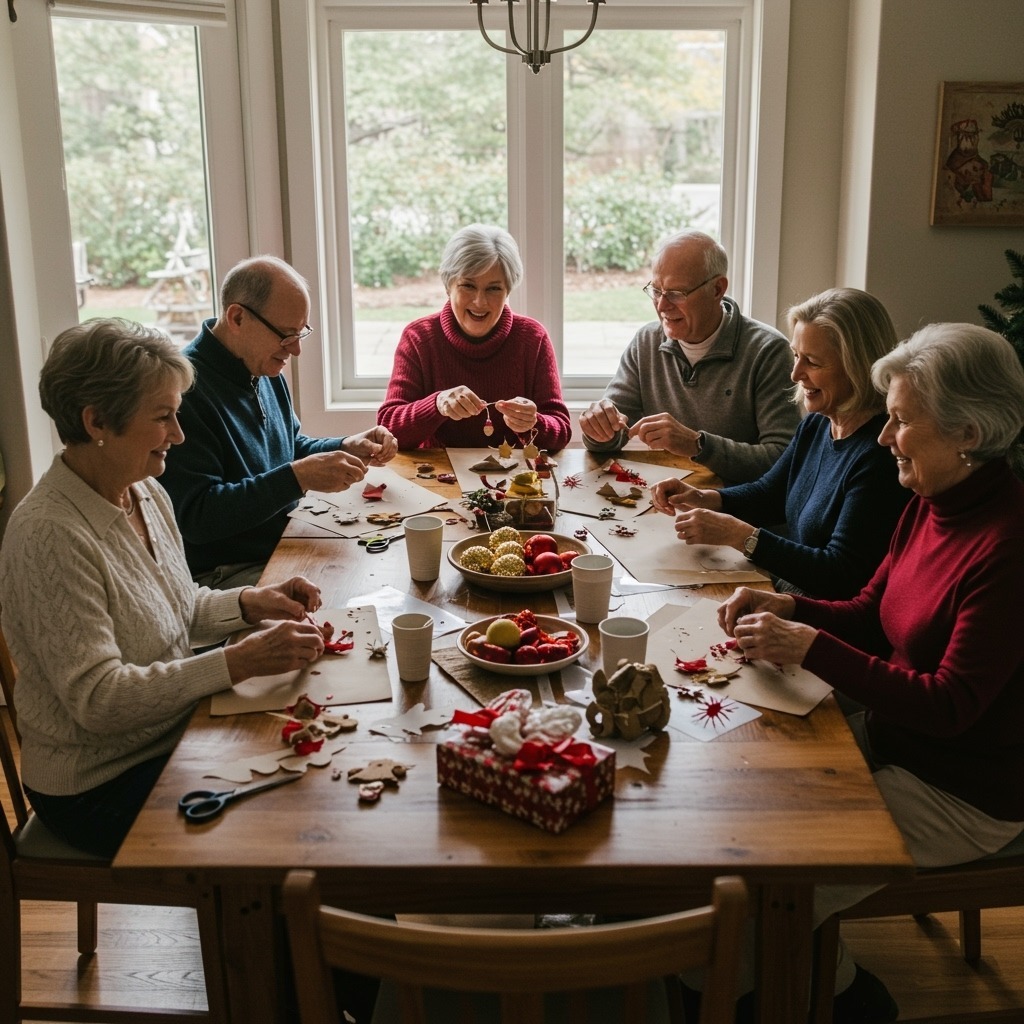
Ornament Making Station is my go-to activity because it requires hands and creativity, but no complicated rules. Set up a table with clear plastic ornaments, paint markers, glitter glue, stickers, ribbons, and small decorations. Each family member creates their own ornament. No two will look the same, and that’s the point. My kids literally fight over who gets to hang whose ornament on the tree. This activity has become a tradition we all look forward to.
Cookie Decorating Marathon is another winner. Buy pre-made sugar cookies (yes, store-bought is totally acceptable) and set out bowls of frosting, sprinkles, candies, and edible glitter. Everyone gets a plate of cookies and goes wild. The beauty of this activity? There’s no “right way” to do it. A five-year-old’s cookie is just as valid as a forty-year-old’s. I’ve noticed this is when the best conversations happen—when people aren’t trying to succeed at something, they relax and actually talk.
The Holiday Movie Tournament is perfect for families that need some movement mixed in. Instead of just watching movies passively, create a bracket with your favorite Christmas films. Vote as a family on which movie wins in each round. The overall winner gets to be picked for next year’s marathon. Shutterfly’s guide to holiday entertainment has wonderful ideas for making movie nights feel special and intentional, turning a typical evening into an event your family actually looks forward to.
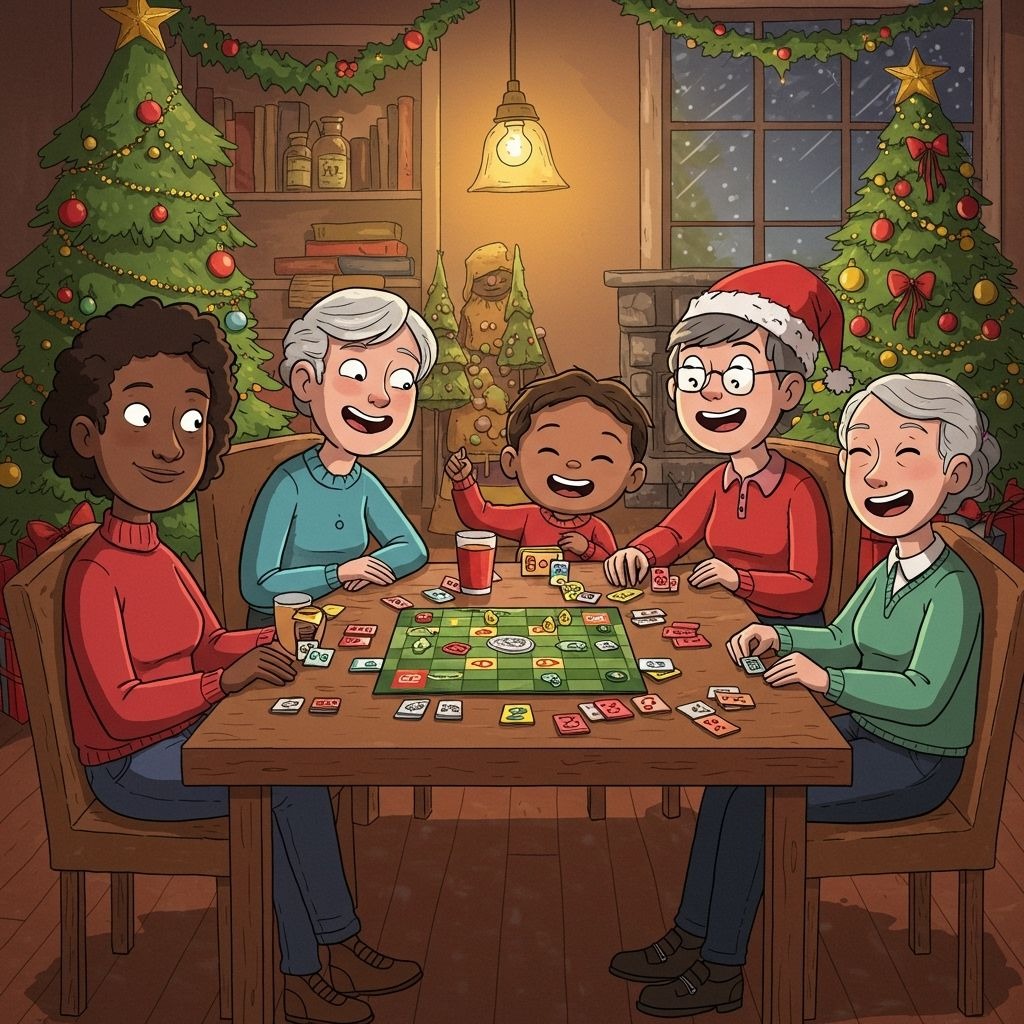
Board Game Night with Prizes gets everyone competitive in a fun way. Break out the classics (Monopoly, Scrabble, and Uno) and add a holiday twist with small prizes for winners. Even if your family isn’t naturally competitive, having something to “win” creates energy and engagement. We’ve had more conversations happen during game night than at any other time. Good Housekeeping’s Christmas games collection has so many fun twists you can add to classic games.
Kitchen Takeover Day is where you let the kids completely run the kitchen while you assist. They pick the recipes, they do the measuring (with your safety supervision), and they mix and create. Yes, it’s messier. Yes, it takes longer. But the sense of accomplishment and ownership is huge. Check out our collection of easy recipes for kids for age-appropriate options that they can mostly handle themselves.

Traditions That Create Belonging
The most powerful Christmas family time ideas aren’t activities—they’re traditions. Traditions are the things that say, “This is who we are as a family.”
The Hot Cocoa Bar has become our most anticipated yearly ritual. On a specific Saturday in December, we set up a table with hot cocoa, milk, marshmallows (regular and mini), whipped cream, candy canes, cinnamon, caramel, chocolate chips, peppermint bark crumbles, and sprinkles. Everyone makes their own custom drink. We sit around with our creations, and there’s something about that cozy moment that just works. Betty Crocker has fantastic hot cocoa bar setup ideas that inspire how we deck ours out each year.
The Gratitude Circle happens on Christmas Eve. We sit in a circle and each person shares three things they’re grateful for from the past year. It sounds simple, but it’s become the most meaningful part of our Christmas. I’ve watched my kids get more thoughtful about what gratitude actually means. My oldest once said she was grateful for “the time Mom sat with me when I was sad,” which was worth more to me than any perfect Christmas morning could ever be.
Letter to Santa isn’t just for little kids in our family. We all write letters to “our Santa” (which is really each other), sharing hopes and dreams for the coming year. We seal them and open them together on New Year’s Day. The conversations that come from reading these letters—the dreams kids have, the worries parents carry—that’s family connection.
Ornament Opening Night is when we open one special ornament on each of the twelve days before Christmas. We decorate the tree slowly instead of all at once, and each evening we have hot cocoa and talk about what that ornament means, who it’s from, and what memory it holds. It transforms tree decorating from a one-night task into two weeks of intentional time together. The Pioneer Woman’s collection of festive season ideas has incredible ways for making your home feel festive throughout the entire season, not just on Christmas Day.
Screen-Free Moments That Matter
I used to think I had to ban screens entirely for family time to work. What I’ve learned is that it’s not about the total elimination—it’s about intentional breaks.
The Phone-Free Dinner is sacred in our house one night per week. All phones go in a basket in another room. No screens at the table. The first time we did this, the kids actually resisted. Now they ask for it. The conversations that happen without the distraction of notifications are genuinely different. Everyone’s more present, more vulnerable, more themselves.
The Unplugged Game Hour happens after dinner once a week. We play card games, board games, or just sit and talk. The key is that nobody can excuse themselves to “just check something real quick.” The psychology of this small boundary is powerful—when you know you can’t escape, you actually engage more deeply.
Story Swap Night is pure magic. We sit around and each person tells a story—funny memories from the past year, embarrassing moments, accomplishments we’re proud of. My kids love hearing stories about when I was their age. These stories become part of family lore, part of our collective identity.
Outdoor Christmas Family Time Ideas
Not all meaningful family time needs to happen inside around a table.
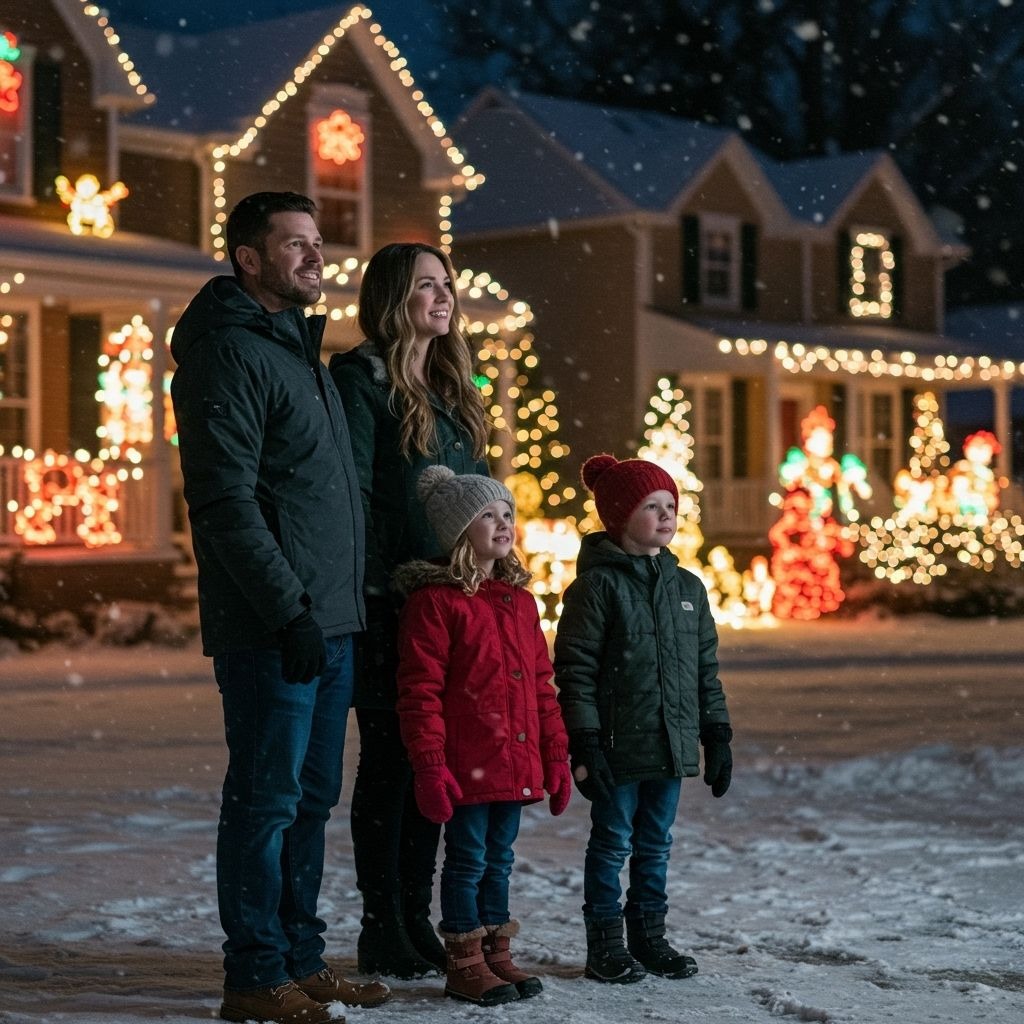
The Christmas Light Driving Tour is something we do every single year. We load up in the car, bring hot cocoa and blankets, and just drive around looking at holiday lights. It sounds simple, but there’s something about that cozy car, the twinkling lights, and just being together that creates a particular kind of magic. Tony Robbins’ insights on family holiday activities explore how simple family moments like these create the strongest emotional bonds and lasting memories that truly matter.
Winter Nature Walk gets everyone outside and moving. We bundle up and explore our neighborhood or a local park. We look for winter birds, talk about how plants prepare for winter, and just enjoy being in nature together. If you want more outdoor adventure ideas throughout the year, our guide on nature scavenger hunts for kids has tons of inspiration.
Christmas Caroling as a family is something we started a few years ago. We don’t have amazing voices, but we go to neighbors’ houses, sing a few Christmas songs, and leave homemade treats. The looks on people’s faces, the kindness we receive, the way our kids feel like they’re making a difference—that’s what Christmas is supposed to feel like.
Outdoor Decorating Together might sound like a chore, but when you make it intentional, it becomes quality time. Everyone picks where certain lights go, everyone helps string things up, and everyone contributes to making your home look festive. My kids take so much pride in “their” decorations.
Giving Back as a Family
Some of the most meaningful Christmas family time happens when you focus outward instead of inward.
The Cookie Drive to the Fire Station is something we do every year. We bake (or buy) cookies and deliver them to our local fire station with thank-you cards the kids make. The firefighters always make such a big deal about it, and my kids feel like they’ve genuinely made someone’s day better. It’s taught them that Christmas is about more than receiving.
Toy Drive Collection involves setting aside toys and books our kids have outgrown, wrapping them together, and delivering them to a local organization. The kids choose what to donate, wrap it themselves, and feel the impact of their generosity.
Caroling for a Cause is when you combine Christmas caroling with collecting donations for a local food bank or homeless shelter. Sing a few songs, then ask if people would like to contribute to the cause. Kids learn that joy and generosity go hand in hand.
Handmade Gift Exchange where everyone makes something for each family member instead of buying gifts. My kids have made coupons for “breakfast in bed,” “movie night of your choice,” “hug coupons,” and artwork. These homemade gifts are infinitely more meaningful than store-bought toys. Teaching your kids about how to be a good mother during these giving-back moments shows them generosity and thoughtfulness in action.
Creating Rituals Around Food
Food is one of the most powerful ways to create family connection during Christmas.
The Recipe Baking Calendar is where, each week leading up to Christmas, you pick a new recipe to make together. Week one is one type of cookie, week two is another, etc. By Christmas Eve, you have hundreds of homemade treats. The kids look forward to “their” baking week all year long.
The Breakfast Tradition might be special pancakes shaped like snowflakes, French toast cut into stars, or a particular breakfast casserole that only appears at Christmas. The consistency of this ritual is part of what makes it meaningful.
The Slow Dinner is where you plan ONE meal to take hours. Set the table beautifully, use the good dishes, include appetizers, multiple courses, maybe even dessert. Eat slowly, talk a lot, take your time. It’s the opposite of rushed weeknight meals, and everyone feels the difference. Today Show’s article on unique Christmas traditions highlights how these slower, intentional family meals create the strongest and most lasting memories year after year.
Managing Expectations for Different Ages
Toddlers (2-4): Keep it SHORT—90 minutes max. Focus on sensory activities and simple games. Have a separate play area for non-party activities. Expect parents to stay. Keep food simple and allergy-friendly. Plan for meltdowns and have a quiet space available.
Elementary (5-9): Two hours is perfect. Mix active games with crafts. Kids this age love structure and rules. Competition is fine, but keep it friendly. They can handle slightly more complex foods and activities. Teaching kids at this age about basic manners for kids before family gatherings helps everything run more smoothly.
Tweens (10-12): Let them have more independence. They’ll appreciate less “baby” games and more sophisticated activities. Music matters more to this age. They might want to help plan. Consider letting them do their own thing more, rather than constant organized activities.
Teens (13+): Be honest about why you want this time together. Don’t force activities or make them feel obligated. Instead, invite them and give them a genuine outlet. “I’d really like to do this together, and I get it if you don’t want to. But I hope you will.” Surprise yourself—sometimes they’ll say yes just because you asked honestly.
Technology as a Tool, Not a Distraction
I’m not suggesting you throw your phones away forever. But during family time, be intentional about technology use.
The Family Photo Tradition, where you use your phone to capture moments during activities. Then print one photo and frame it or add it to an album. Years later, you’ll flip through and remember those moments in detail.
The Playlist Project, where your family creates a Christmas playlist together. Everyone gets to pick songs. You listen to it during family time activities. My kids fought me on including the Wiggles’ “Christmas” song, but now it makes everyone laugh, and that’s the point.
The Family Video Messages where each person records a short video sharing what they’re grateful for, what they hope for the new year, or just a funny moment. You watch them together, and the kids absolutely lose their minds seeing themselves on the big screen.
Making It Work in Real Life
The honest truth: some Christmas family time ideas will work for your family, and some won’t. Some years you’ll nail it, and some years you’ll be grateful if everyone just shows up and nobody cries.
I’ve had Christmas Days where my grand plans for an eight-hour activity marathon fell apart by 10 a.m. I’ve had relatives show up stressed and grumpy. I’ve had kids melt down over silly things. You know what? It was still meaningful. Because we were together trying, and that’s what matters.
The magic isn’t in the perfection. It’s in the presence. It’s in showing up for your family and saying, through your actions, “you matter to me more than my phone, my to-do list, or making everything Instagram-perfect.”
That’s the real gift of Christmas.
Frequently Asked Questions
How do I get my family interested in family time during Christmas when they’d rather be on their phones?
Start by being transparent about why it matters to you. Don’t frame it as “we’re taking phones away.” Instead, say something like “I miss being together like this. Would you help me make this happen?” Give people a choice—let them pick the activity or decide when the technology break happens. Make the activity engaging enough that phones become less appealing. Usually, once people get into something, they naturally disengage from screens. If someone really doesn’t want to participate, don’t force them. Invite them genuinely and accept their decision—but do it consistently, and many will eventually join in.
What if my family is spread out and we can’t be together in person for Christmas?
Virtual family time is absolutely valid. Schedule a video call where everyone does an activity “together”—everyone decorates cookies at their own house, everyone plays an online game together, and everyone watches the same movie at the same time on a video call. You could also mail care packages with matching craft supplies so families can do the same activity in different locations. Video calls where people are genuinely present (not multitasking) can create a real connection.
How do I create meaningful family time when I have kids of very different ages?
Choose activities that work across ages. Games usually work because everyone plays by the same rules. Cookie decorating works because there’s no “right way.” Movie nights with a discussion afterward work. Avoid activities that require everyone to be at the same skill level. And honestly, some activities can have an adult working with the younger kids while older kids do a more complex version. The point is being together, not everyone doing the exact same thing.
What if someone in my family doesn’t enjoy the holidays or gets depressed during Christmas?
Honor that without forcing participation. Someone’s mood doesn’t have to dictate everyone else’s ability to celebrate. At the same time, check in on them—sometimes family time when someone is struggling is actually more healing than being alone. Offer genuine choice: “I’d love to have you join us, but I also get it if you need space. What would feel good to you?” Sometimes it’s just asking someone if they need anything, which can be more valuable than any activity.
How do I balance new Christmas traditions with old family traditions?
You don’t have to choose. Do both. Do the traditions that feel meaningful and skip the ones that have become obligatory. It’s okay to retire traditions that no longer serve your family and create new ones that feel authentic to who you are now. Ask your family what traditions they actually look forward to—you might be surprised what matters to them.