
“Mama, can we make cookies?” These five words instantly transported me back to my childhood, standing on a chair next to my grandmother, flour dusting everything within a three-foot radius. Fast-forward to today, and I’m the one wiping sticky fingerprints off the counter while my 5-year-old proudly shows off the “perfect” cookies that look more like abstract art than circles.
If you’re looking for easy cookie recipes for kids, you’ve found your new best friend. After years of baking with my two little ones (and learning from plenty of kitchen disasters), I’ve discovered which recipes actually work for small hands and short attention spans. These aren’t just any cookies—they’re the ones that create lasting memories without sending you into a stress-induced baking meltdown.
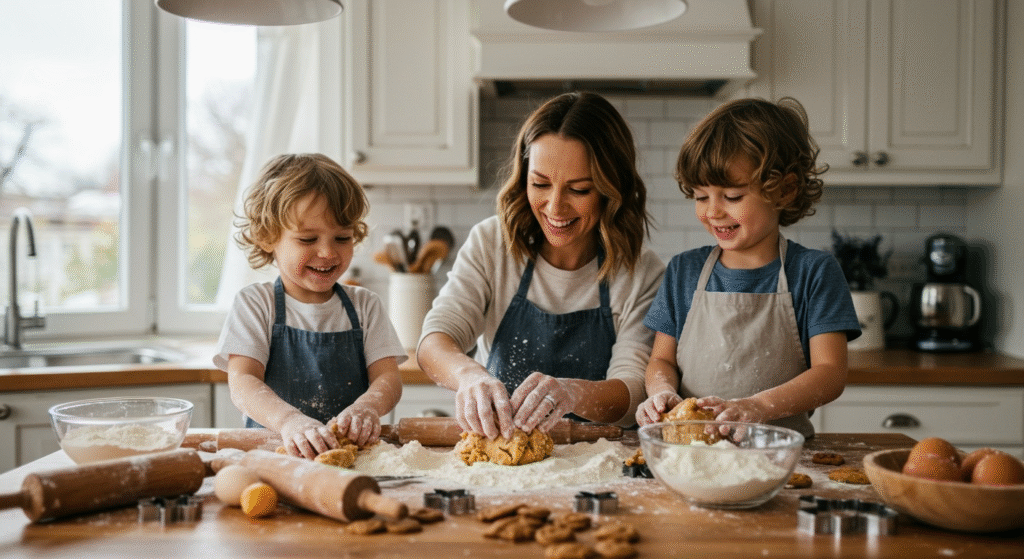
Why Baking Easy Cookie Recipes for Kids Matters More Than Perfect Results
Before we dive into the recipes, let me share something that took me way too long to learn: the cookies don’t have to be perfect. In fact, the wonky, lopsided ones often taste the best because they’re made with pure joy and zero pressure.
Baking easy cookie recipes for kids isn’t just about the end result. It’s about:
- Building confidence: Every successful batch boosts their belief in their abilities
- Teaching life skills: Measuring, following directions, and patience all sneak in naturally
- Creating traditions: These kitchen moments become the stories they’ll tell their own kids someday.
- Developing fine motor skills: All that stirring, rolling, and decorating strengthens little hands
- Learning math concepts: Counting, fractions, and time management happen organically
- Fostering creativity: Cookie decorating becomes an edible art project
- Building family bonds: Working together toward a delicious goal brings everyone closer.
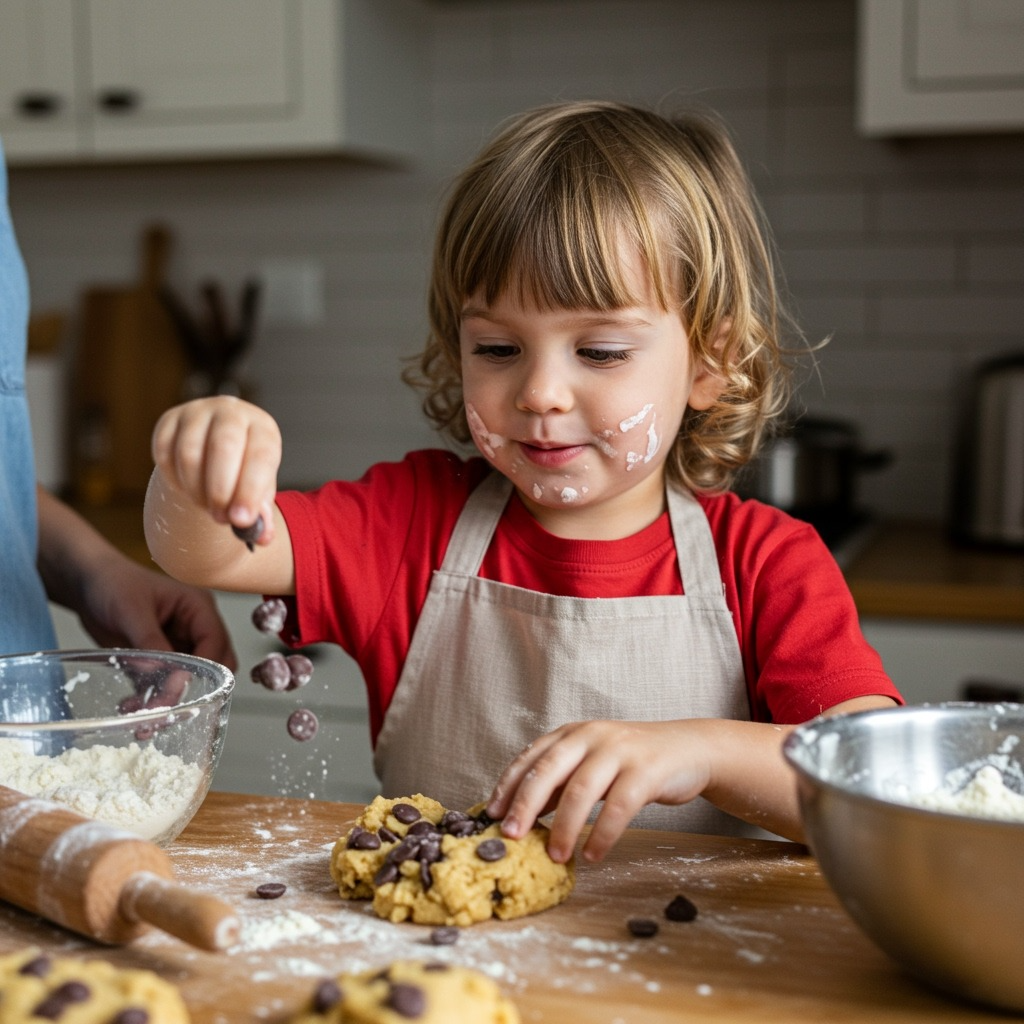
The Mayo Clinic notes that cooking with children can significantly boost their confidence and willingness to try new foods, making it a win-win activity for the whole family. But beyond the developmental benefits, there’s something magical about the concentration on a child’s face as they carefully drop chocolate chips into dough, or the pride that radiates when they present their homemade treats to family members.
I’ve learned that the messier the process, the more engaged my kids become. That flour handprint on the cabinet? It’s staying there as long as possible. Those uneven cookie shapes? They’re masterpieces in my children’s eyes, and honestly, they should be in mine too.
My Top 5 Rules for Successful Cookie Baking with Kids
Rule #1: Prep Everything First (The Game-Changer)
This was a game-changer in our kitchen. Before my kids even know we’re baking, I measure out ingredients, get tools ready, and clear counter space. Trust me, trying to find the vanilla extract while your 3-year-old is “helping” with the flour is a recipe for chaos.
I set out everything we’ll need in order of use, creating a little assembly line. This not only keeps things organized but also builds anticipation. My kids love seeing all the ingredients laid out—it’s like Christmas morning for tiny bakers.
Rule #2: Bigger Is Always Better
Use bowls that seem too large, measuring cups with handles that won’t break, and baking sheets with plenty of space. Kids tend to be enthusiastic mixers, and contained chaos is still chaos—but manageable chaos.
I learned this the hard way when my daughter enthusiastically stirred cookie dough right out of a too-small bowl and onto the floor. Now we use mixing bowls that could practically serve soup for six people.
Rule #3: Focus on Fun Tasks
Let kids handle the satisfying parts: adding chocolate chips, rolling dough balls, or decorating finished cookies. Save the precise measurements for yourself, at least until they’re older.
The key is finding tasks that feel important to them but don’t require precision. Dumping pre-measured chocolate chips? Perfect. Measuring vanilla to the exact quarter teaspoon? That’s still my job.
Rule #4: Embrace the Learning Moments
Every spilled ingredient becomes a lesson in problem-solving. Every too-salty cookie becomes a discussion about measurements. Every burnt batch becomes a lesson about timers and patience.
Rule #5: Celebrate Every Success
Whether the cookies are perfectly round or look like they were shaped by tiny earthquakes, celebrate the effort. I’ve learned to focus on phrases like “You worked so hard on these!” rather than just “These look great!”
The Ultimate Easy Cookie Recipes for Kids Collection
1. No-Fail Chocolate Chip Cookies
This is our go-to recipe because it’s nearly impossible to mess up, and the results taste like childhood dreams. I’ve tested this recipe with multiple families, and it works every single time.
What makes it kid-friendly:
- Only 6 ingredients (easy to remember!)
- No chilling required (instant gratification!)
- Forgive if measurements aren’t exact.
- 10-minute bake time (perfect for impatient little ones)
- Dough tastes amazing (let’s be real—they’re going to sneak some)
Ingredients:
- 1 cup butter, softened
- ¾ cup brown sugar
- 1 egg
- ½ teaspoon vanilla extract
- 1¼ cups self-rising flour
- ½ cup chocolate chips (or more—who’s counting?)
Kid-Friendly Instructions:
- The Dump and Mix Phase: Let your child measure and dump the butter and brown sugar into a big bowl. This is where I let them really go to town with the mixing. It’s impossible to overmix at this stage, so let them get their energy out.
- The Crack Challenge: Crack the egg together. Pro tip: if the shell gets in, use a bigger piece of shell to fish it out—this amazes kids every time and turns accidents into magic tricks.
- The Smell Test: Add vanilla and let them smell it first. Kids love understanding what makes food taste good, and vanilla is one of those incredible scents that gets everyone excited about baking.
- The Slow Pour: Add flour gradually while they help mix. This is where I teach patience—dump it all at once and you’ll have a flour cloud that’ll make your kitchen look like a snow globe.
- The Best Part: Dump in those chocolate chips! I always buy extra because half will disappear during this step, and honestly, that’s perfectly fine.
- The Art Project: Drop spoonfuls onto baking sheets. Irregular shapes are not just okay—they’re encouraged. Each cookie becomes a unique masterpiece.
- The Waiting Game: Bake for 10-12 minutes until edges are golden. This is where we practice patience and talk about how ovens work.
Pro tip: Make this a sensory experience. Let kids feel the difference between the butter-sugar mixture before and after mixing. Cold butter? Impossible to mix. Room temperature? Magic happens.
2. 5-Minute No-Bake Peanut Butter Cookies
When we want cookies NOW and the oven feels like too much work, this is our solution. These easy cookie recipes for kids require zero baking skills and deliver maximum satisfaction.
Perfect for:
- Hot summer days when you don’t want to heat up the kitchen
- When you need a quick activity during a playdate
- Teaching patience (they have to sit before eating!)
- Kids with short attention spans
- Rainy day activities that don’t require a big cleanup
Ingredients:
- ½ cup peanut butter (natural or regular, both work)
- ⅓ cup honey
- 2 cups quick oats
- ¼ cup chocolate chips (optional but recommended)
- Pinch of salt
Super Simple Steps:
- The Mix Master Phase: Mix peanut butter and honey in a large bowl. This is surprisingly good arm exercise for kids, and they love how the mixture changes texture.
- The Pour and Stir: Let kids pour in the oats and mix. Warning: this gets thick quickly, so smaller kids might need help, but they love feeling like they’re making “real” cookies.
- The Chocolate Addition: Add chocolate chips if using. I’ve never met a kid who didn’t want to add chocolate chips.
- The Shaping Fun: Roll into balls or drop spoonfuls onto wax paper. Kids love the hands-on nature of rolling balls, and perfectionist parents can relax—rustic is the goal here.
- The Hardest Part: Refrigerate for 15 minutes until firm. This waiting period is great for cleanup and building anticipation.
Safety note: Always check for peanut allergies if making these for others. You can substitute with almond butter, sunflower seed butter, or even cookie butter for different flavors.
3. Banana Oat Cookies (Only 2 Ingredients!)
These might be the easiest cookies on the planet, and they’re naturally sweet thanks to ripe bananas. Perfect for toddlers and health-conscious parents alike.
What kids love:
- Mashing bananas (great for frustration release!)
- Only two main ingredients to remember
- They can do almost everything themselves.
- No sugar guilt for parents
- Using up those brown bananas on the counter
According to the American Academy of Pediatrics, involving children in food preparation helps them develop healthy eating habits and reduces pickiness around new foods—making these simple banana cookies a perfect gateway to more adventurous eating.
Ingredients:
- 2 very ripe bananas (the browner, the better)
- 1 cup rolled oats
- Optional add-ins: cinnamon, vanilla, mini chocolate chips, chopped dates, shredded coconut
Toddler-Friendly Method:
- The Smash Session: Mash bananas in a bowl and let kids go absolutely wild with this step. I give them a fork and let them work out any toddler frustrations on those bananas.
- The Mixing Magic: Stir in oats until combined. Kids love how the mixture transforms from mushy banana to something that looks like real cookie dough.
- The Patience Lesson: Let the mixture sit for 5 minutes so oats can absorb banana moisture. This is a great time to talk about how ingredients work together.
- The Drop and Flatten: Drop onto a baking sheet and flatten slightly with the back of a spoon or their clean hands.
- The Oven Timer: Bake at 350°F for 12-15 minutes until edges are slightly golden.
These connect beautifully with lunch ideas for kids because they’re healthy enough to pack in lunchboxes! I often make a double batch—half for immediate enjoyment and half for the week’s snacks.
4. Roll-and-Go Sugar Cookies
Traditional sugar cookies can be fussy, but this version eliminates the chilling and rolling that often frustrate young bakers.
Kid-Friendly Features:
- No rolling pin needed (one less thing to wash!)
- Dough balls instead of cut-out shapes
- Decorating happens after baking.
- Mistakes look intentional and rustic.
- Perfect canvas for creativity
Ingredients:
- 1 cup butter, softened
- ½ cup granulated sugar
- ½ cup powdered sugar
- 1 egg
- 1 teaspoon vanilla
- 2¼ cups flour
- ½ teaspoon baking soda
- ¼ teaspoon salt
Easy Steps:
- The Creaming Stage: Mix butter and both sugars until fluffy. This takes about 3-4 minutes and gives kids a real workout.
- The Wet Ingredients: Add egg and vanilla. Kids love cracking eggs, and the vanilla adds that bakery smell that gets everyone excited.
- The Gradual Addition: Slowly mix in flour, baking soda, and salt. I teach kids to add flour in three additions to prevent the flour explosion.
- The Rolling Fun: Roll into 1-inch balls. This is where kids really shine—they love the repetitive nature of rolling balls.
- The Fork Pattern: Place on a baking sheet and flatten with a fork in a crisscross pattern. Kids think this is incredibly sophisticated.
- The Baking Wait: Bake 8-10 minutes until edges are lightly golden. We use this time to plan our decorating strategy.
- The Best Part: Cool completely before decorating.
Decorating Ideas:
- Simple powdered sugar glaze (powdered sugar + milk + food coloring)
- Sprinkles pressed into warm cookies.
- Melted chocolate drizzle
- Fun snacks for kids, styled with colorful icing and creative toppings

5. Healthy Oatmeal Chocolate Chip Cookies
These satisfy the sweet tooth while sneaking in some nutrition—a win for everyone involved. I developed this recipe after my pediatrician mentioned that traditional cookies could be part of a balanced diet if we made some healthier swaps.
Hidden Health Benefits:
- Oats provide fiber and sustained energy
- Less sugar than traditional recipes
- Can be made gluten-free with certified GF oats
- Applesauce replaces some of the butter, reducing overall fat.
- Whole wheat flour adds nutrients and fiber.
Ingredients:
- 1 cup old-fashioned oats
- ¾ cup whole wheat flour
- ½ teaspoon baking soda
- ¼ teaspoon salt
- ½ teaspoon cinnamon
- ⅓ cup coconut oil, melted
- ¼ cup unsweetened applesauce
- ½ cup brown sugar
- 1 egg
- 1 teaspoon vanilla
- ½ cup mini chocolate chips
Method:
- The Dry Team: Mix oats, flour, baking soda, salt, and cinnamon in a large bowl. Kids love being in charge of the “dry team.”
- The Wet Team: Whisk coconut oil, applesauce, brown sugar, egg, and vanilla in a separate bowl. This is where kids learn about emulsification—how wet ingredients come together.
- The Great Combination: Combine wet and dry ingredients until just mixed. Overmixing makes tough cookies, so this is a great lesson in “enough.”
- The Chocolate Addition: Fold in chocolate chips. Kids always want to add more—and honestly, I usually let them.
- The Drop and Space: Drop onto baking sheets with plenty of space between cookies.
- The Perfect Timing: Bake at 350°F for 10-12 minutes until edges are set but centers still look slightly soft.
No-Bake Cookie Recipes That Kids Can Make Independently
Classic No-Bake Chocolate Oatmeal Cookies
These are perfect for older kids (8+) who want to feel completely independent in the kitchen. There’s something incredibly empowering about making cookies without needing the oven.
Safety Note: This recipe involves boiling sugar, so adult supervision is required for the stovetop portion, but kids can handle everything else.
Ingredients:
- 2 cups sugar
- ½ cup butter
- ½ cup milk
- ¼ cup cocoa powder
- 3 cups quick oats
- ½ cup peanut butter
- 1 teaspoon vanilla
Steps:
- Adult Job: Combine sugar, butter, milk, and cocoa in a saucepan and bring to a rolling boil for 60 seconds.
- Kid Job: Remove from heat and stir in peanut butter and vanilla until smooth.
- Kid Job: Add oats and mix well until every oat is coated.
- Kid Job: Drop spoonfuls onto wax paper and let cool for 30 minutes.
Energy Bite “Cookies”
These aren’t technically cookies, but kids think they are, and they’re packed with nutrition! Plus, no cooking is required at all.
Ingredients:
- 1 cup rolled oats
- ½ cup peanut butter
- ⅓ cup honey
- ⅓ cup mini chocolate chips
- ⅓ cup ground flaxseed (optional but adds omega-3s)
- 1 teaspoon vanilla
Method:
- Mix everything in a bowl
- Refrigerate for 30 minutes.
- Roll into balls
- Store in refrigerator
These keep for up to a week and are perfect for fun snacks for kids or school lunches.
Making Cookie Baking Educational and Fun
Math Skills in Action
Cookie baking is essentially edible math, and kids don’t even realize they’re learning:
- Counting: Chocolate chips, spoonfuls of dough, minutes on timer, cookies per batch
- Fractions: Half cups, quarter teaspoons, doubling recipes, sharing cookies equally
- Shapes: Discussing circles, comparing cookie sizes, and geometry in cookie cutters
- Time: Understanding “5 more minutes” in concrete terms, sequencing events
- Measurement: Understanding volume, weight, and the difference between liquid and dry measurements
Science Experiments in the Kitchen
Every cookie batch is a mini science lab:
- Chemical changes: Watching dough transform in the oven, discussing how heat changes ingredients
- Temperature: Understanding hot, warm, and cool, learning about thermometers
- Cause and effect: Too much flour makes cookies tough, too little makes them spread
- States of matter: Solid butter becomes liquid when heated, then solidifies again when cooled
- Emulsification: How wet ingredients combine to create smooth mixtures
Reading and Following Directions
Start simple and gradually introduce more complex recipes as kids develop skills. Easy trivia questions for kids can include fun facts about cookie ingredients and baking science!
Troubleshooting Common Cookie Disasters (And Why They’re Actually Perfect)
“My Cookies Spread Too Much!”
What probably happened: Butter was too warm, the dough wasn’t chilled, or the oven temperature was too low.
Kid-friendly fix: “Look, we made cookie pancakes! They’ll taste just as good, and now we have bigger cookies to share!”
Next time: Chill the dough for 15 minutes before baking, and make sure the butter is just soft, not melted.
“They’re Too Hard/Too Soft”
Too hard: Probably overbaked slightly or contained too much flour.
Too soft: May need a few more minutes in the oven, or weren’t completely cooled.
Reality check: Kids rarely care about texture as much as adults do. Hard cookies are perfect for dunking in milk!
“They Don’t Look Like the Picture”
Truth bomb: The wonky ones often taste better because they’re made with love, not perfection.
Teaching moment: “Every baker’s cookies look different, and that makes them special! Professional bakers practice for years to make cookies look the same.”
“I Forgot to Add Something”
The solution: Most forgotten ingredients can be mixed into the dough even after other ingredients are added. Forgot vanilla? Mix it in. Forgot chocolate chips? Fold them in gently.
The lesson: Mistakes happen to everyone, even professional bakers, and most can be fixed.
Cookie Decorating Ideas That Won’t Drive You Crazy
Simple Glaze Options
- Basic glaze: Powdered sugar + milk + food coloring (start with 2 cups of powdered sugar to 3 tablespoons milk)
- Chocolate glaze: Melted chocolate chips (microwave in 30-second intervals, stirring between)
- Store-bought shortcut: Canned frosting in squeeze bottles (no judgment here!)
Easy decoration Supplies
- Colorful sprinkles (buy in bulk—it’s more economical)
- Mini chocolate chips
- Crushed cereal (like colorful O’s)
- Shredded coconut
- Mini marshmallows
- Crushed cookies (Oreos, graham crackers)
- Dried fruit pieces
Make-Ahead Decorating Stations
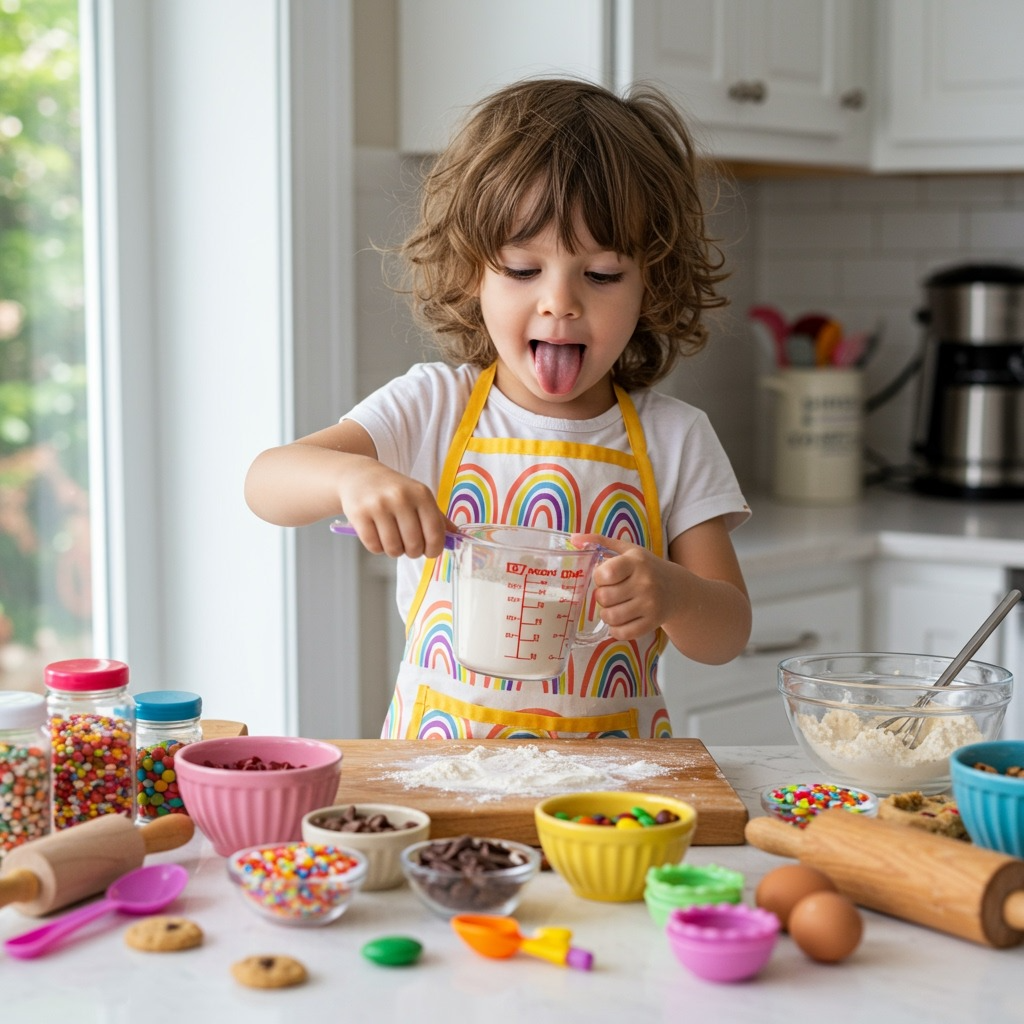
Set up small bowls with different toppings and let kids create their masterpieces. According to child development experts, this type of creative activity supports both fine motor skills and artistic expression while building decision-making abilities.
I like to use muffin tins as organizers—each cup holds a different topping, and cleanup is easier.
Storage and Gift-Giving Ideas
Proper Storage
- Room temperature: Airtight containers for up to 1 week (soft cookies stay soft, crispy cookies stay crispy)
- Freezer: Wrapped individual cookies last up to 3 months.
- Cookie dough: Most doughs can be frozen for up to 3 months (roll into balls first, freeze on trays, then store in bags)
Turning Cookies into Gifts
- Decorate lunch bags or small boxes with kids’ artwork.
- Include the recipe card for recipients—they’ll appreciate being able to recreate the magic.
- Conversation starters for kids can include questions about favorite cookies or baking memories.
- Make it a tradition for holidays, teacher appreciation, or neighbor gifts.
- Create “cookie of the month” gifts for grandparents.
Building Confidence Through Baking Success
Age-Appropriate Expectations
- Ages 2-4: Focus on sensory experiences and simple tasks like stirring, adding ingredients, and “testing” the final product
- Ages 5-7: Can follow simple recipes with guidance, understand sequencing, and take pride in measuring
- Ages 8+: Ready for more independence, can handle most tasks with supervision, can modify recipes creatively
Celebrating the Process
- Take photos of the messy, imperfect moments—these become treasured memories.
- Let kids name their cookie creations (“Sarah’s Chocolate Chip Surprises”)
- Create a “cookie journal” of successful batches with photos and notes.
- Display their decorated cookies proudly before eating them.
- Share their creations with neighbors, teachers, or family members.
When Things Don’t Go as Planned
- Model problem-solving: “What should we try differently next time?”
- Focus on effort over outcome: “You worked so hard on measuring those ingredients!”
- Make it a learning experience: “Even professional bakers have bad days—that’s how they learn!”
- Keep the mood light: “Well, now we know what happens when we forget the flour!”
The key is remembering that these easy cookie recipes for kids are about so much more than the final product. They’re about building confidence, creating memories, and establishing traditions that will last a lifetime.

Advanced Tips for Cookie Baking Success
Creating a Kid-Friendly Baking Station
- Lower storage: Keep kid-safe tools in easily accessible drawers
- Step stool: Invest in a sturdy, non-slip one that doesn’t wobble
- Aprons: Protect clothes and make kids feel professional
- Timer: Let them be in charge of watching the time—it builds responsibility
- Clean-up supplies: Child-sized brooms and dustpans make cleanup less overwhelming
Building Independence Gradually
- Level 1: Kids are your enthusiastic assistants
- Level 2: They lead while you supervise and guide
- Level 3: They handle age-appropriate recipes with minimal help
- Level 4: Independent baking with safety check-ins
Always prioritize safety over independence—hot ovens and sharp utensils require adult oversight regardless of age.
Making It a Learning Experience
Connect baking to other subjects they’re learning about. If they’re studying fractions in school, baking becomes a delicious math lesson. If they’re learning about different cultures, explore cookie traditions from around the world. Studying chemistry? Talk about how ingredients interact!
Seasonal Cookie Ideas to Keep Things Fresh
Spring Cookies
- Lemon cookies with yellow sprinkles
- Sugar cookies shaped like flowers (if you have cookie cutters)
- Fresh berry additions to basic recipes
- Pastel-colored decorating themes
Summer Cookies
- No-bake varieties to avoid heating up the kitchen.
- Ice cream sandwich cookies (make cookies, add ice cream between two)
- Tropical flavors like coconut and pineapple
- Outdoor decorating sessions on picnic tables
Fall Cookies
- Pumpkin spice versions of favorite recipes
- Apple oat cookies with cinnamon
- Warm spice combinations (cinnamon, nutmeg, allspice)
- Orange and brown decorating themes
Winter Cookies
- Hot chocolate cookies with mini marshmallows
- Gingerbread variations (easier than you think!)
- Peppermint-flavored treats
- Holiday decorating with red and green themes
Creating Cookie Traditions That Last
Weekly Cookie Dates
Choose one day a week for cookie baking. It doesn’t have to be elaborate—even slice-and-bake cookies count when you’re decorating them together.
Holiday Cookie Exchanges
Start a tradition with neighbors or friends where kids make different cookies and swap them. It exposes children to new flavors and builds community connections.
Cookie Care Packages
Make extra cookies to send to grandparents, college students, or military family members. Kids love being part of spreading joy to others.
Recipe Collection Building
Start a family cookbook with kids’ favorite recipes, including photos of them making the cookies and notes about what they learned or loved about each recipe.
The Sweet Science Behind Baking Success
Understanding why these recipes work helps kids become better bakers. When they know that room temperature butter mixes easier than cold butter, or that too much flour makes cookies tough, they start making better decisions in the kitchen.
We often talk about how baking is like conducting a science experiment every time. The chemical reactions that happen when cookies bake—proteins coagulating, sugars caramelizing, and leavening agents creating bubbles—are fascinating even to young minds.
According to research from Harvard’s School of Public Health, children who participate in cooking activities develop better relationships with food and are more likely to make healthier choices throughout their lives. These early positive experiences in the kitchen create lasting associations between food preparation and family bonding.
Beyond the Kitchen: Life Skills Through Baking
These easy cookie recipes for kids teach so much more than cooking:
- Planning and organization: Gathering ingredients and tools before starting
- Following directions: Reading recipes and executing steps in order
- Time management: Understanding how long each step takes
- Problem-solving: Figuring out what to do when things don’t go as planned
- Patience: Waiting for cookies to bake and cool
- Sharing and generosity: Making treats to give to others
- Confidence: Successfully completing a project from start to finish
These skills transfer to schoolwork, relationships, and eventually their adult lives. Every cookie batch is an investment in their future success.
These easy cookie recipes for kids have transformed our kitchen from a place of stress into a space of creativity and connection. Every flour-dusted counter and slightly lopsided cookie represents a moment of pure joy and learning.
Remember, the goal isn’t perfection—it’s creating positive associations with cooking, building confidence, and making memories that will last long after the last crumb is eaten. So grab those aprons, embrace the mess, and start creating your own sweet traditions, one batch at a time.
The most important ingredient in any cookie recipe isn’t listed on the ingredients list: it’s the love, patience, and joy you bring to the process. When your children are adults, they won’t remember whether the cookies were perfectly round or if the kitchen stayed spotless. They’ll remember the laughter, the learning, and the love that went into every delicious bite.
Frequently Asked Questions
Q: What’s the best age to start baking cookies with kids?
A: You can start as early as 18 months with very simple tasks like adding pre-measured ingredients to bowls or stirring with help. By age 3-4, most children can help with measuring, mixing, and dropping dough onto sheets. The key is matching tasks to their developmental abilities and attention span, not their chronological age.
Q: How can I make cookie baking less messy?
A: Use larger bowls than you think you need, lay out towels or newspapers on the floor around the workspace, pre-measure ingredients when possible, and embrace the mess as part of the learning experience. Having a dedicated “baking apron” for each child helps contain some of the chaos, and involving them in cleanup teaches responsibility.
Q: Are no-bake cookies safe for young children to make?
A: Many no-bake cookie recipes are perfect for kids since they eliminate oven safety concerns and hot surfaces. However, some recipes require boiling sugar mixtures, which should be handled by adults. Stick to simple mix-and-chill versions for younger children, and always supervise any stovetop activities.
Q: What should I do if my child loses interest halfway through baking?
A: This is completely normal, especially for younger children! Have backup activities ready, like letting them play with play-dough while you finish, or save the decorating for when they’re more engaged. Remember that attention spans are short, and forcing participation can create negative associations with cooking.
Q: How do I handle food allergies when baking with kids?
A: Always check with other parents before sharing cookies made with common allergens like nuts, eggs, or dairy. Many recipes can be adapted with substitutions—use sunflower seed butter instead of peanut butter, flax eggs or applesauce instead of regular eggs, or dairy-free alternatives when needed. Keep a list of safe substitutions handy for playdates and school events.