
It was 2:47 PM on a rainy Tuesday when my six-year-old looked at me with those big, desperate eyes and said, “Mom, I’m bored.” For the third time that hour. I’d already exhausted my usual go-to suggestions, and honestly? I was running on fumes myself. That’s when I realized I needed more than just a couple of activity ideas—I needed an actual arsenal of fun activities for kids that I could pull from whenever that dreaded “B-word” made an appearance in our house.
Here’s what I’ve learned after years of trial and error (and yes, plenty of glitter explosions): having a solid list of fun activities for kids saves your sanity and creates those magical childhood memories your little ones will treasure forever. Whether you’re dealing with toddler energy, preschool curiosity, or elementary-aged boredom, this guide has you covered with activities that actually keep kids engaged—not just for five minutes, but for real chunks of time.
Indoor Fun Activities That Save Rainy Days
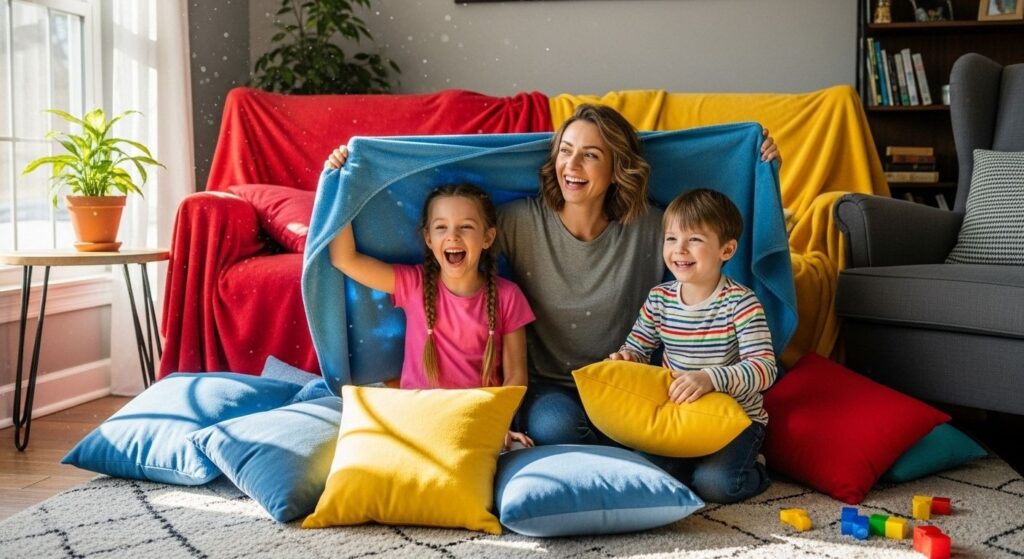
Let me tell you about the day I discovered the magic of blanket forts. My kids were bouncing off the walls during a week of rain, and I was one “Mom, watch this!” away from losing it. That’s when I threw every blanket, pillow, and couch cushion into the living room and said, “Build me something amazing.” Two hours later, they were still creating their masterpiece.
Build an Epic Blanket Fort
There’s something about creating a secret space that sparks pure joy in kids. Grab your sheets, blankets, pillows, and some chairs or couch cushions. Let your kids take the lead on design—they can make a reading nook, a stuffed animal hideout, or a pretend camping site. Once the fort is complete, it becomes the perfect cozy spot for reading or quiet activities.
DIY Puppet Show Theater
Old socks plus googly eyes equals an afternoon of entertainment. Help your kids create puppet characters using markers, yarn, and buttons, then let them put on a show for the family. You can even make a simple cardboard box theater for added effect. This activity is gold for developing storytelling skills and creativity.
Kitchen Science Experiments
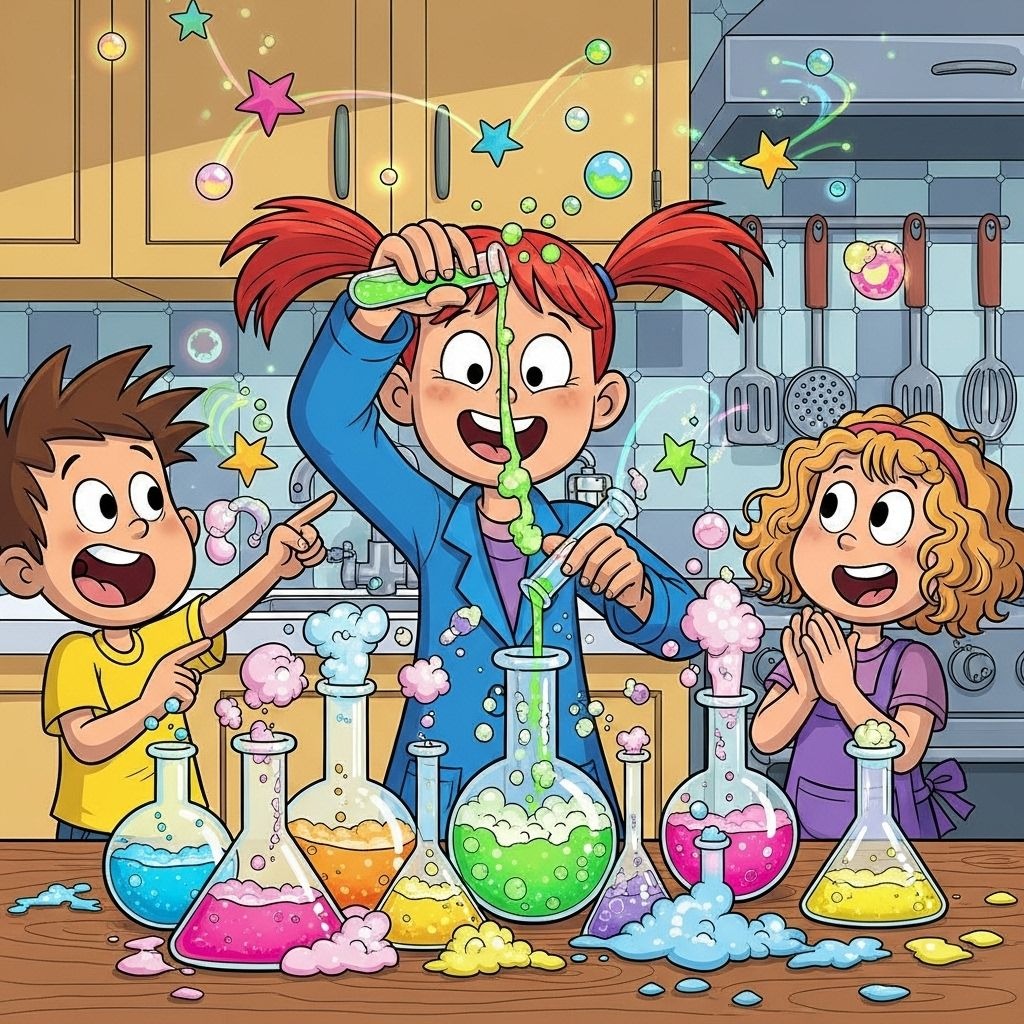
Remember the classic baking soda volcano? It still works like a charm. Mix five tablespoons of vinegar with baking soda and watch your kids’ faces light up. You can also try making homemade slime (yes, it’s messy, but it’s worth it), creating bubble foam, or experimenting with food coloring and milk. These activities teach basic science concepts while keeping kids engaged for ages.
Indoor Scavenger Hunt
This one is my secret weapon when I need 30 minutes of peace. Create a list of items for your kids to find around the house—something red, something soft, something that starts with the letter “B.” For younger kids, use pictures instead of words. You can make this more challenging for older kids by adding riddles or clues. If you love this idea, check out our scavenger hunt for kids outside guide for even more inspiration.
Arts and Crafts Station
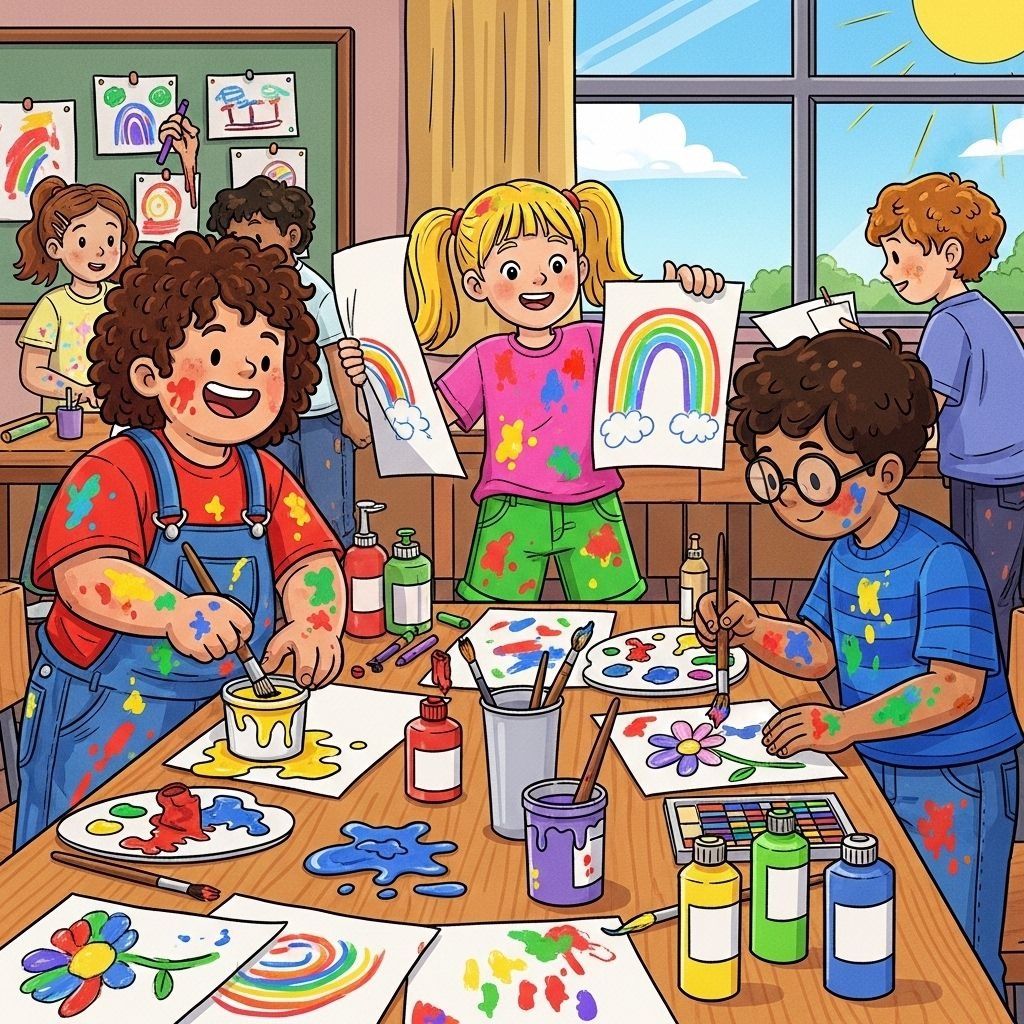
Set up a dedicated crafting area with markers, crayons, colored paper, scissors, glue, and pipe cleaners. Rotate materials weekly to keep things fresh. Some days it’s coloring books, other days it’s creating cardboard box creations or painting rocks. Having a well-stocked craft supply station means your kids can dive into creative projects whenever inspiration strikes.
Board Games and Puzzles
Don’t underestimate the power of classic board games. In our house, we rotate between different games throughout the week—from simple matching games for the younger kids to more strategic options for the older ones. Board games teach turn-taking, strategic thinking, and sometimes a little healthy competition. Puzzles work the same magic—they keep kids focused while developing problem-solving skills.
Baking and Cooking Together
There’s something about mixing ingredients that makes kids feel like little scientists. Start simple with cookies or muffins. Let them measure, pour, and mix (prepare flour everywhere). Not only does this teach basic math skills, but you’ll also end up with a sweet treat everyone can enjoy. For more kid-friendly recipes, explore our easy recipes for kids collection.
Dance Party Time
When energy levels are critical and you need a quick reset, blast some music and have a dance party. We do freeze dance, silly dance competitions, and sometimes just wild, uncoordinated jumping around the living room. It burns energy, lifts moods, and honestly? It’s pretty fun for us adults, too.
Outdoor Adventures That Tire Them Out (In the Best Way)
The first time I set up a backyard obstacle course, I thought my kids would humor me for maybe ten minutes. Two hours later, they were still racing through it, timing themselves, and making it more challenging. That’s when I realized outdoor activities are the ultimate energy burner and boredom buster.
Nature Walks and Hikes
Bring a magnifying glass, and suddenly a simple walk becomes an adventure. Kids can examine leaves, watch bugs, spot different birds, and collect interesting rocks or sticks. We started nature journaling during our walks—just a simple notebook where kids draw what they see or press leaves between pages.
Backyard Obstacle Course
Use items you already have: cones to weave through, a rope to balance on, hula hoops to jump through, and cushions to leap over. Time each run and watch your kids try to beat their personal records. You can also add challenges like walking backward, hopping on one foot, or carrying a ball.
Water Balloon Fight
On hot summer days, nothing beats a water balloon fight. Fill up dozens of balloons (or better yet, get your kids to help with this prep work), divide into teams, and let the chaos begin. Check out our complete summer activities for kids guide for more ways to beat the heat.
Sidewalk Chalk Art
Turn your driveway into an art gallery with simple sidewalk chalk. Kids can draw pictures, create hopscotch games, trace their shadows, or make alphabet letters. You can even make your own sidewalk chalk together first for double the fun.
Bug Hunting Adventures
Give your kids a magnifying glass and a container with holes, then let them explore. They’ll discover ants, beetles, worms, and all sorts of fascinating creatures. Just establish the catch-and-release rule from the start. This simple activity teaches respect for nature and feeds natural curiosity.
Gardening Projects
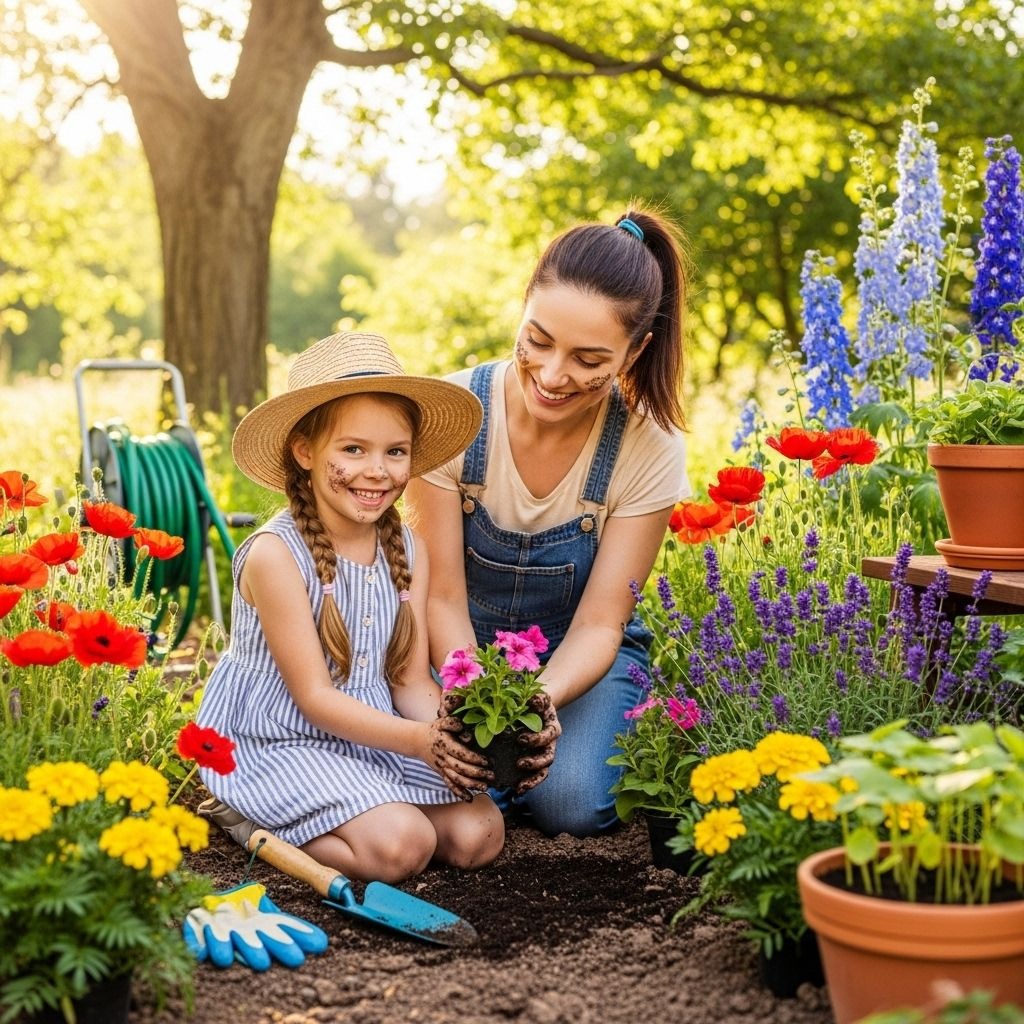
Even if you don’t have a green thumb, planting something together is magical. Start with easy herbs like basil or mint, or plant sunflower seeds and watch them grow over weeks. Kids learn responsibility by watering their plants daily, and there’s something special about eating vegetables they helped grow.
Bike Rides and Scooter Races
Set up a safe riding area and let kids race, create courses, or simply explore the neighborhood. This builds confidence, burns energy, and gives you all some fresh air. Make it extra fun by setting up checkpoints or creating obstacle courses to ride through.
Picnics in the Park
Pack simple snacks, grab a blanket, and head to your local park. Bring along a frisbee, ball, or simple outdoor game for added entertainment. Sometimes the simplest outings create the best memories. We keep our snacks organized in leak-proof containers, which makes packing up super quick and prevents messes in the car.
Creative Activities That Unleash Imagination
I’ll never forget the day my daughter spent three hours creating a comic book about our family dog’s “secret superhero life.” That’s when I realized creative activities aren’t just about keeping kids busy—they’re about giving them space to express themselves and build confidence in their ideas.
DIY Sidewalk Chalk Making
Sure, you can buy chalk, but making it adds a whole new layer of fun. Mix plaster of Paris with water and tempera paint, pour into molds (toilet paper tubes work great), and let dry overnight. Kids love choosing their colors and shapes.
Rock Painting
Collect smooth rocks during nature walks, then paint them with designs, animals, or positive messages. Some families are even joining the “kindness rocks” movement—painting rocks with uplifting words and hiding them around the community for others to find.
Paper Airplane Contests
Fold different airplane designs, then have competitions for distance, accuracy, and tricks. This activity teaches basic engineering principles and creates plenty of laughter when planes crash into walls or do unexpected loop-de-loops.
Origami Projects
Start with simple designs like paper boats or fortune tellers, then work up to more complex creations. Origami teaches patience, following instructions, and spatial reasoning. Plus, kids feel incredibly proud when they master a new fold. There are tons of free origami tutorials online that walk you through each step.
Face Painting
Grab some washable face paints and let kids transform into animals, superheroes, or whatever their imagination dreams up. Take turns being the artist and the canvas. This activity is perfect for rainy days or birthday parties.
Shadow Puppets
Wait until evening, grab a flashlight, and create a shadow puppet theater on the wall. Kids can tell stories, make animal shapes with their hands, or use cut-out puppets on sticks. This old-school activity still captivates modern kids.
Comic Book Creation
Give kids blank paper and markers, then let them create their own comic strips or books. They can illustrate stories about themselves, their pets, made-up characters, or superheroes. My kids go through phases where they create entire series with recurring characters and storylines.
Active Play That Burns Energy
Look, I’m just going to say it: sometimes you need activities that physically exhaust your kids. Not in a mean way, but in a “please, please sleep well tonight” way. These active play ideas are my sanity savers on high-energy days.
Hula Hoop Challenges
Time: how long each person can keep the hoop going. Create tricks like hooping while walking or spinning the hoop around your arm. It’s harder than it looks and provides serious entertainment.
Jump Rope Games
Teach your kids the jump rope rhymes you learned as a kid. Start with basic jumping, then try crisscross, double dutch, or how many jumps in a row. This builds coordination and cardiovascular fitness.
Hide and Seek Variations
The classic game still works, but mix it up with sardines (reverse hide and seek, where everyone hides with the first person found) or flashlight tag in the evening. These games work for a huge age range and never get old.
Pillow Fights
Set clear safety rules (no hitting faces or too hard), then let them battle it out. This releases energy and tension while providing genuine laughter for everyone involved.
Animal Races
Race across the yard or room, moving like different animals—hop like a frog, crawl like a bear, waddle like a penguin, slither like a snake. This silly activity builds gross motor skills while being completely ridiculous.
Relay Races
Set up team relay races with different challenges at each station. Walk with a book balanced on your head, hop on one foot, crab walk, or carry a balloon without using your hands. We use a simple bean bag toss game as one of our relay stations, and the kids love competing for accuracy.
Learning Activities Disguised as Fun
Here’s my parenting secret: the best learning happens when kids don’t even realize they’re learning. These activities sneak in educational benefits while kids think they’re just playing.
Alphabet Hopscotch
Draw hopscotch squares but write letters instead of numbers. Call out words and have kids hop to each letter in sequence. This reinforces letter recognition and spelling while burning energy.
Math Dice Games
Roll two dice and practice addition, subtraction, or multiplication depending on your child’s level. Make it a race or competition for extra engagement. Simple dice games can teach more than flashcards ever could.
Science Experiments at Home
From making volcanoes to growing crystals to exploring density with oil and water, kitchen science teaches real concepts through hands-on experience. According to the American Academy of Pediatrics, hands-on learning activities support healthy cognitive development and help children develop critical thinking skills.
Story Creation Games
Start a story with one sentence, then each person adds to it. This builds language skills, creativity, and listening abilities. You can also try this with drawing—each person adds to a collaborative picture.
Nature Journaling
During outdoor time, have kids sketch what they see and write observations. This develops observation skills, writing practice, and appreciation for nature. Keep it low-pressure and fun—there’s no wrong way to nature journal.
Quick 5-Minute Activities for Desperate Moments
We’ve all been there—dinner needs five more minutes, you’re on an important call, or you just need them occupied right now. These quick activities are lifesavers.
Simon Says: Classic, effective, requires zero setup.
Freeze Dance: Play music, dance wildly, freeze when the music stops.
I Spy: Works anywhere, anytime, costs nothing.
Quick Drawing Challenges: “Draw a cat in 60 seconds, go!”
Counting Games: Count stairs, toys, books, ceiling tiles.
Would You Rather: Ask silly questions to spark conversation. Check our Would You Rather questions for kids for tons of ideas.
Age-Specific Activity Tips
Not every activity works for every age, and that’s okay. Here’s what I’ve learned works best for different developmental stages.
Toddlers (2-4 years)
Keep it simple and sensory-focused. Toddlers love water play, playdough, building blocks, simple sorting games, and anything they can stack and knock down. Attention spans are short, so have multiple quick activities ready.
Preschoolers (4-6 years)
This age thrives on imaginative play and creativity. They love dress-up, pretend play, simple crafts, outdoor exploration, and building projects. They can follow instructions better, so more structured activities work well. When we do craft projects with this age group, having organized supplies makes everything smoother—we keep everything sorted in a jumbo crafts supply organizer so the kids can independently grab what they need.
Elementary Age (6-10 years)
These kids are ready for more complex projects and competitions. They enjoy board games, sports, detailed craft projects, reading challenges, science experiments, and activities with friends. This is when games like Monopoly Junior become huge hits because they can understand strategy while still keeping it fun.
Tweens (10-13 years)
Tweens want more independence and sophisticated activities. They enjoy cooking projects, advanced crafts, sports competitions, music and art, and activities that let them express their developing identity. Give them choices and let them lead. We keep age-appropriate activity books and creative workbooks on hand for when they want something more challenging—these activity books have been lifesavers during long car rides and quiet afternoons.
Making Activities Work for Your Family
Here’s the truth nobody tells you: not every activity will be a hit, and that’s completely normal. Some days my kids are obsessed with crafts, other days they want nothing but outdoor time. The key is having enough variety in your fun activities for kids arsenal that you can adapt to their moods, energy levels, and interests.
I keep a running list on my phone of activities that have worked well, along with ones we want to try. When “I’m bored” inevitably strikes, I can quickly pull up ideas instead of scrambling to invent something on the spot.
Remember, the goal isn’t to entertain your kids every second of every day. Boredom is actually valuable—it pushes kids to use their imagination and problem-solving skills. But having a solid collection of fun activities for kids makes those moments when you need engagement much easier to navigate.
Whether you’re tackling a rainy weekend, a summer break, or just a random Tuesday afternoon, these activities will help you create those special moments of childhood joy. The blanket forts might come down, the sidewalk chalk will wash away, and the craft supplies will definitely create a mess—but the memories and the laughter? Those stick around forever.
Frequently Asked Questions
Q: What are some fun activities for kids that don’t require special supplies?
A: Some of the best fun activities for kids require nothing but imagination! Try hide and seek, storytelling circles, shadow puppets with a flashlight, building forts from couch cushions, nature walks, or classic games like Simon Says and I Spy. These activities cost nothing but provide hours of entertainment and help develop creativity and problem-solving skills.
Q: How can I keep kids entertained indoors on rainy days?
A: Rainy days are perfect for indoor scavenger hunts, blanket fort building, baking together, arts and crafts, board games, DIY puppet shows, and kitchen science experiments. Setting up different activity stations around your home lets kids rotate between quiet activities like coloring and more active ones like dance parties. The key is having variety to match their changing energy levels throughout the day.
Q: What outdoor activities help kids burn energy?
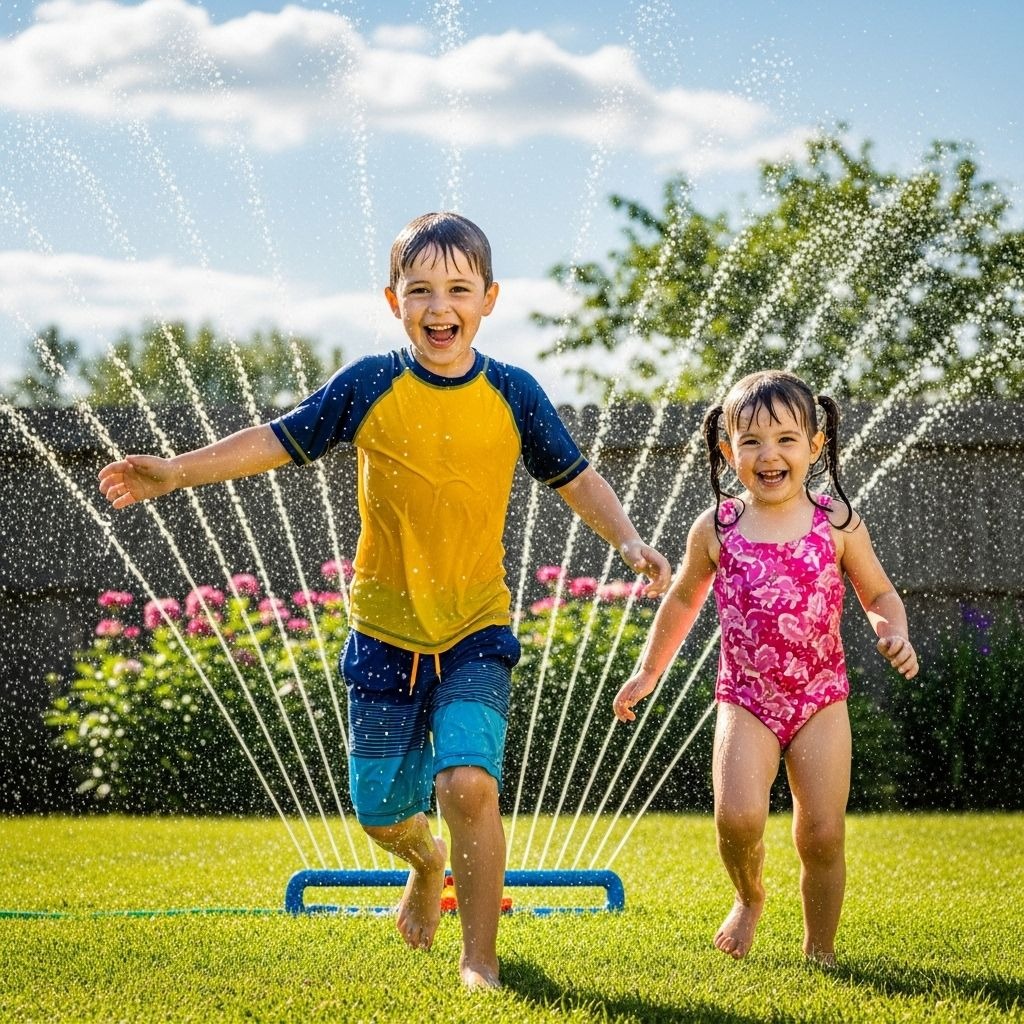
A: High-energy outdoor activities include backyard obstacle courses, water balloon fights, bike riding, scooter races, jump rope games, relay races, and sports like soccer or basketball. Creating challenges like “how many times can you hop on one foot” or timed races adds excitement. Even simple activities like running through sprinklers or playing tag effectively tire kids out while building physical fitness.
Q: How do I choose age-appropriate fun activities for my kids?
A: Match activities to your child’s developmental stage and attention span. Toddlers need simple, sensory activities with short timeframes, while elementary-aged kids can handle more complex projects and longer attention spans. Watch what naturally captures your child’s interest—if they love movement, focus on active play; if they’re artistic, emphasize creative projects. Don’t be afraid to adapt activities to fit your child’s unique personality and interests.
Q: Can screen-free activities really keep kids engaged for long periods?
A: Absolutely! In fact, many parents find that once kids get started with hands-on activities, they stay engaged much longer than with screens. The trick is offering open-ended activities that let kids’ imaginations take over—like building forts, creating art, playing pretend, or exploring outdoors. These activities also provide better developmental benefits than passive screen time, including improved creativity, problem-solving, and social skills.