
I used to think I was the only mom who’d stare out the window on a beautiful day and have absolutely zero ideas for getting my kids outside. You know that feeling, right? The weather’s perfect, the kids are bouncing off the walls inside, but somehow my brain just… blanks.
It wasn’t until my second baby that I realized I’d been making this way harder than it needed to be. I was always trying to plan these elaborate Pinterest-perfect outdoor adventures when really, my kids just wanted to dig in the dirt and chase bubbles.
According to the National Forest Foundation, the key to successful outdoor time with kids is simply making it easy for yourself and setting realistic expectations. Now I keep a mental list of go-to activities that actually keep my kids engaged for more than five minutes (because let’s be honest, attention spans are short these days). These aren’t complicated crafts or activities that require a trip to Target first – they’re simple, effective ways to get kids outside using stuff you probably already have.

Why I Finally Got Serious About Outdoor Time
After spending way too many afternoons mediating sibling fights inside, I started noticing something. On days when we managed to get outside – even for just 30 minutes – everything felt different. The kids were calmer, slept better, and complained less about being bored.
The research backs this up, too. Kids who play outdoors regularly develop better motor skills, have less stress, and even show improved focus. But honestly, I didn’t need studies to tell me that – I could see it happening in my own living room.
The trick isn’t finding the perfect activity. It’s having enough simple ideas ready so you can quickly say “yes” when the moment feels right.
Water Play Adventures (Perfect for Hot Days)
Bubble Magic Everywhere
There’s something almost magical about bubbles that never gets old. I keep bubble solution mixed up in mason jars so we’re always ready. My kids love trying to blow the biggest bubble or seeing who can pop the most. Sometimes I’ll add food coloring to make rainbow bubbles, but honestly, regular bubbles work just fine.
Pro tip: Save old bubble wands or make your own with pipe cleaners. Different shapes make different bubble sizes, and figuring that out keeps my kids busy for way longer than I expected.
Water Balloon Games (Beyond Just Throwing)
Water balloons aren’t just for throwing at each other (though that’s fun too). We play water balloon hot potato, use them for target practice against trees, or play catch to see how far apart we can get before one breaks.
I learned the hard way to buy biodegradable balloons after finding colorful balloon pieces all over our yard weeks later. The cleanup is so much easier, and I don’t feel guilty about the environmental impact.
Simple Sprinkler Fun
You don’t need a fancy sprinkler system. An old plastic bottle with holes poked in it works perfectly. My kids love running through the spray, and I love that I can easily move it around the yard to water different areas.
Nature Discovery Activities
Scavenger Hunt Magic
This is probably the activity I use most often because it requires zero prep. I just call out things for the kids to find: “Find something red, something smooth, something that makes noise when you shake it.”
The key is keeping it open-ended. Instead of looking for a specific leaf, we look for “something that fell from a tree.” It makes the hunt more about exploration and less about finding the exact right thing.
Bug Hunting Adventures
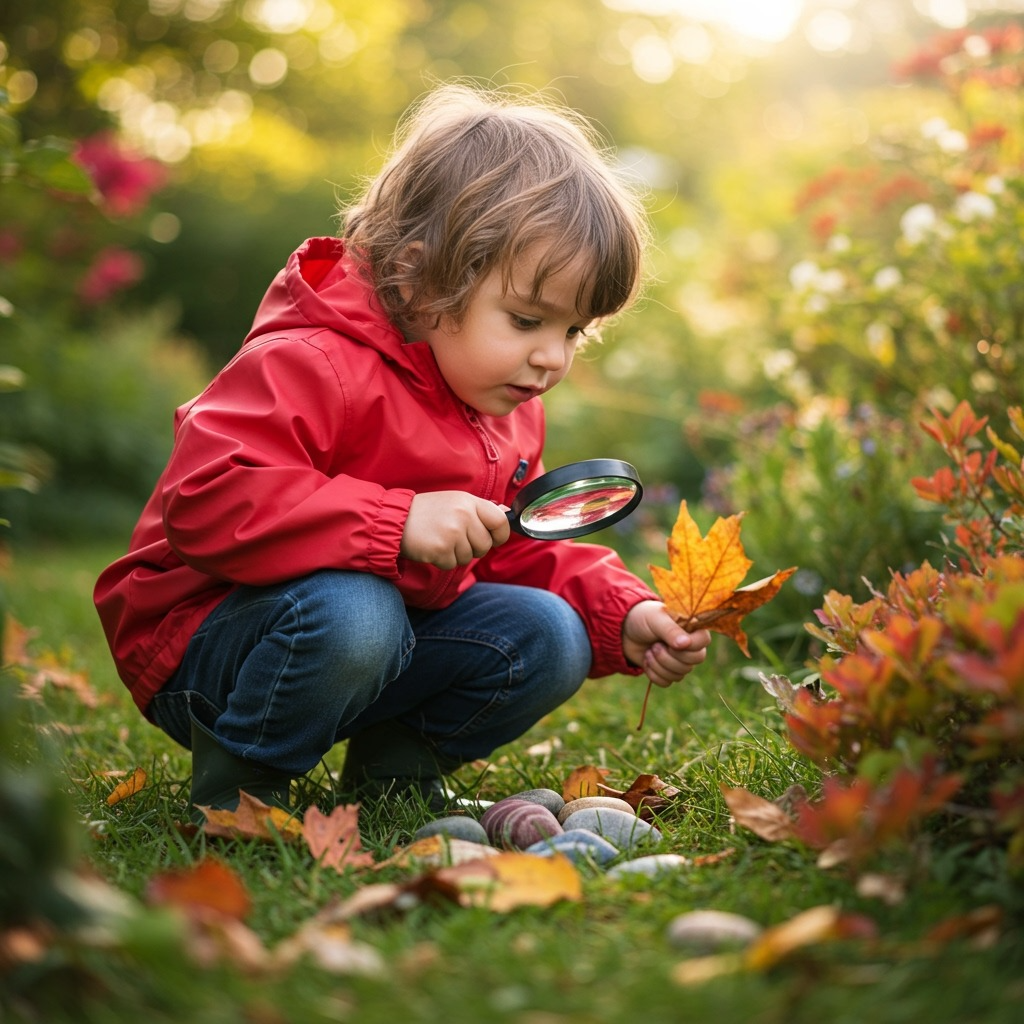
All you need is a magnifying glass (or even just a clear jar) and curious kids. We look under rocks, in flower beds, and around tree bases. My kids have found everything from pill bugs to colorful beetles.
I used to worry about them touching bugs, but our pediatrician told me it’s actually good for building their immune systems. Just basic handwashing afterward, and we’re good to go.
Rock and Leaf Collections
Starting a rock collection sounds fancy, but it’s literally just finding cool rocks. We keep ours in a big bowl on the porch, and the kids love adding to it. Sometimes we paint them, sometimes we just admire the different colors and textures.
Same thing with leaves. We collect interesting shapes and then trace them with crayons on paper. It’s like a nature rubbing that shows all the detailed patterns.
Active Play That Actually Tires Them Out
Obstacle Courses Made Easy
I used to think obstacle courses needed special equipment, but kids are way more creative than I gave them credit for. We use pillows to jump over, hula hoops to crawl through, and ropes to balance on.
The best part? My kids love setting up the course as much as running through it. Half the fun is in the planning and problem-solving of how to make it challenging but doable.
Classic Games That Never Get Old
Tag, hide and seek, red light green light – these games work because they’re simple and kids can play them over and over with slight variations. I love that they don’t require any equipment and can work with just one kid or a whole group.
Sometimes we do animal movements instead of regular running. Hopping like bunnies, crawling like crabs, or waddling like ducks adds a silly element that makes everyone laugh.
Ball Games for Any Skill Level
You don’t need to teach complex sports. Just kicking a soccer ball around, playing catch, or seeing who can bounce a basketball the most times works perfectly. The goal isn’t competition – it’s movement and fun.
Creative Outdoor Projects
Sidewalk Chalk Art
This is probably the most versatile outdoor activity ever. We draw hopscotch courts, create roads for toy cars, make obstacle courses to follow, or just let creativity run wild.
On really hot days, I’ll spray the chalk drawings with the hose to make them disappear, and the kids think it’s magic. Then they start over with a clean slate.
Mud Kitchen Adventures
I was hesitant about mud kitchens at first (hello, laundry), but they’ve become one of our most-used outdoor setups. Just some old pots, wooden spoons, and access to dirt and water.
The kids make “soup,” “cakes,” and all sorts of concoctions. It keeps them busy for hours, and the cleanup is just hosing everything off. Worth the initial mess, I promise.
Fort Building Freedom
Forts can be as simple as a sheet draped over two chairs or as elaborate as a construction project with branches and rope. The key is letting kids take the lead on the design.
I provide the materials – old sheets, clothespins, some lightweight rope – and they figure out the engineering. It’s amazing what they come up with when you step back and let them problem-solve.
Educational Fun (Learning Disguised as Play)
Bird Watching for Beginners
You don’t need expensive binoculars or field guides to start bird watching. We just sit quietly and notice what birds visit our yard. My kids love trying to identify them later using library books or simple apps.
The patience required for bird watching has been surprisingly good for my kids. It’s like meditation practice disguised as play.
Garden Helpers
Kids love helping with garden tasks, even if their “help” sometimes slows things down. They can water plants, pull weeds (with supervision), and harvest vegetables.
Starting with easy plants like sunflowers or cherry tomatoes gives them something to watch grow and eventually eat. The pride on their faces when they eat a tomato they helped grow is priceless.
Weather Watching
We keep a simple weather journal where the kids draw pictures of the sky and note if it’s hot, cold, windy, or calm. It’s helped them become more aware of their environment and gives us something to talk about.
For educational outdoor activities that combine learning with play, Tinkergarten offers excellent resources for purposeful outdoor play that develops key skills while kids have fun. For even more weather fun, check out these fun facts for kids that include fascinating information about weather patterns and natural phenomena.
Quick Activities for When You’re Short on Time
Shadow Play
On sunny days, we trace each other’s shadows with chalk or play shadow tag. The kids love watching how their shadows change throughout the day.
Nature Art Gallery
Arranging leaves, flowers, and rocks into patterns or pictures on the ground creates temporary art that changes with the seasons. No supplies needed except what nature provides.
Simple Science Outdoors
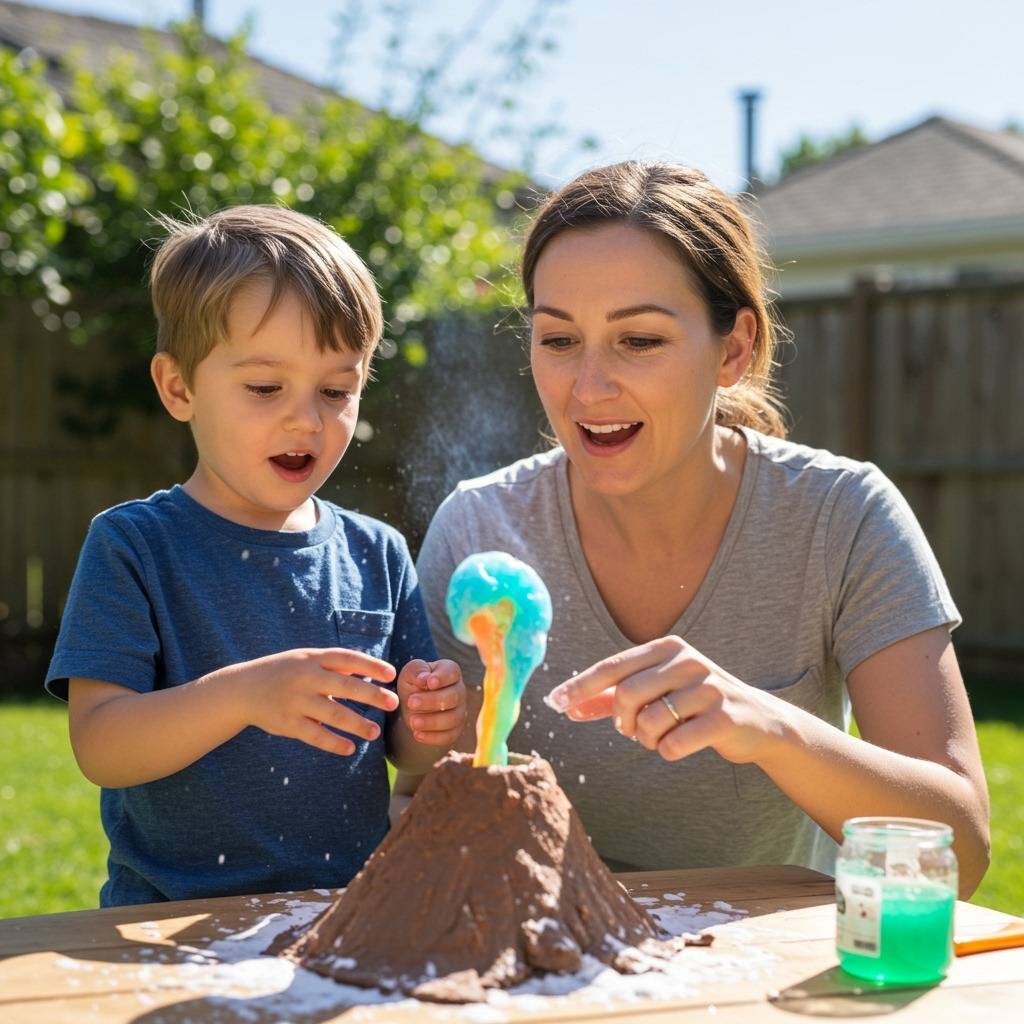
Dropping Mentos into soda bottles, making volcanoes with baking soda and vinegar, or just mixing different liquids in containers count as outdoor science. The mess stays outside, and the excitement stays high.
Keep kids engaged with these easy trivia questions for kids during outdoor downtime, or teach them tongue twisters for kids while you’re walking around the neighborhood.
Seasonal Adaptations
Spring Adventures
Spring is perfect for planting seeds, hunting for the first flowers, and watching trees get their leaves back. We love making fairy houses with new twigs and early flowers.
Summer Specialties
Hot weather calls for water activities and early morning or evening outdoor time. We do a lot of sprinkler play and evening nature walks when it’s cooler.
Fall Fun
Leaf collecting becomes much more exciting when there are beautiful colors everywhere. We also love making leaf piles (the classic jump-in kind) and looking for acorns.
Winter Possibilities
Even in cold weather, has outdoor opportunities. Building snow sculptures, looking for animal tracks in snow, or just bundling up for a quick winter walk can be refreshing.
What I’ve Learned About Outdoor Time
The biggest shift for me was realizing that outdoor activities don’t have to be Pinterest-worthy to be successful. My kids are just as happy digging in dirt as they would be with an elaborate craft project.
The key is having enough simple ideas ready that you can say yes quickly when the moment feels right. Some days, we’re outside for hours building elaborate fort systems. Other days, it’s just 15 minutes of bubble chasing before dinner.
Both count. Both matter. Both make the day a little bit better.
As parents, we’re constantly thinking about how to support our children’s development. These outdoor activities naturally encourage the independence and problem-solving skills that house rules for kids help establish indoors.
And honestly? Some of my favorite parenting moments have happened during these simple outdoor adventures. There’s something about being outside together that makes conversations flow more easily and creates memories that stick.
Research from the 1000 Hours Outside movement shows that extended outdoor play time – even just 4 hours at a stretch – can dramatically improve children’s behavior, reduce sibling rivalry, and cut down on boredom complaints. The key is simply making outdoor time a regular, expected part of your family routine.
FAQ
What outdoor activities can kids do alone in the backyard?
Kids can safely dig for worms, collect leaves and rocks, draw with chalk, play with bubbles, or read books outside. Always ensure appropriate supervision based on your child’s age and your yard setup.
How long should kids play outside each day?
Most experts recommend at least 60 minutes of physical activity daily, and outdoor play is a great way to achieve this. Even 20-30 minutes outside can make a big difference in mood and behavior.
What outdoor activities work for different age groups?
Simple activities like bubbles and sandbox play work for toddlers, while older kids enjoy scavenger hunts, obstacle courses, and building projects. Most activities can be adapted by making them simpler or more complex.
How do I get my screen-obsessed kid interested in outdoor play?
Start small with activities that feel like games rather than exercise. Let them bring a favorite toy outside, or try activities that involve collecting or discovering things. Sometimes, just moving indoor activities outside is enough to spark interest.
What outdoor activities work in small spaces like apartments?
Balcony container gardening, sidewalk chalk art, bubble play, and simple water games work well in smaller outdoor spaces. Even going for walks around the neighborhood counts as outdoor time.