
I’ll never forget the first time I let my then-4-year-old “help” me bake cookies. Flour covered the counters, the floor, and somehow even the ceiling. Eggshells made it into the batter. I spent more time cleaning than I did actually baking, and I swore I’d never do it again. But here’s the thing—my daughter talked about those cookies for weeks. She told everyone who would listen about “her” cookies. And when I really thought about it, that chaotic afternoon became one of my favorite memories.
Now, with three kids and hundreds of kitchen sessions under my belt, I’ve figured out which fun recipes for kids actually work—the ones that keep them engaged without requiring a hazmat suit for cleanup. Whether you’re looking for no-bake options for your toddler or real cooking projects for your tween, these are the recipes that have become staples in our home.
Why Cooking with Kids Is Actually Worth the Mess
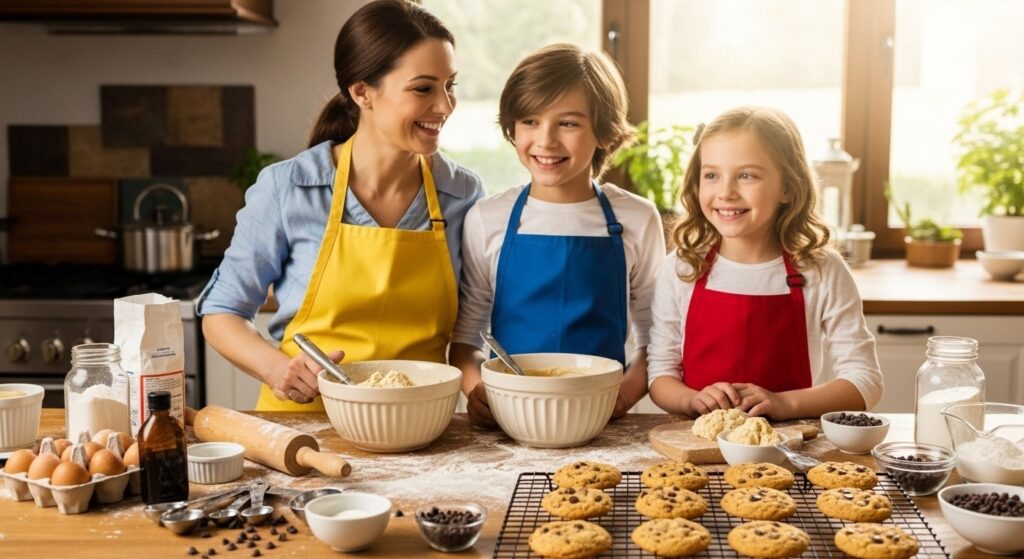
Let me be honest—cooking with kids is messy. There will be spills, there will be complaints, and you will find ingredients in places you didn’t think possible. But after doing this for years, I can tell you the benefits are real.
My kids have learned to follow directions, practice math skills (hello, fractions!), and build confidence in ways I never expected. Plus, they’re way more likely to try new foods when they’ve helped make them. The best parenting books all emphasize hands-on learning, and the kitchen is honestly the perfect classroom.
Here’s what I wish someone had told me before I started: use bigger bowls than you think you need, embrace the mess, and give yourself twice as much time as the recipe says. Those three things changed everything for me.
No-Bake Fun Recipes for Kids (Start Here!)
If you’re new to cooking with kids, start with no-bake recipes. Trust me on this one. These recipes minimize the risk and maximize the fun.
Fruit and Yogurt Popsicles
This is hands-down the easiest recipe to start with. Let your kids pick their favorite fruits, layer them in popsicle molds with yogurt, and freeze. My kids love feeling like they’re making “dessert” when it’s actually pretty healthy. You just need yogurt, fresh or frozen fruit, a touch of honey or maple syrup, and popsicle molds.
Cookies and Cream Puppy Chow
Made with Chex cereal, crushed Oreos, chocolate, and powdered sugar, this no-bake treat takes about 15 minutes and involves zero oven time. Kids love shaking everything together in a big bag. It’s become our go-to for summer activities for kids when it’s too hot to turn on the oven.
Energy Balls
I started making these when my middle child began asking for snacks every 20 minutes. Mix oats, peanut butter, honey, and chocolate chips, then roll into balls. They can customize them with coconut flakes, chia seeds, or whatever add-ins they want. Pro tip: keep a batch of these in reusable snack containers for kids so they can grab them throughout the week.
Rainbow Fruit Kabobs
Give your kids wooden skewers (or plastic ones for younger children) and let them create rainbow patterns with strawberries, oranges, pineapple, kiwi, blueberries, and grapes. It’s basically edible art. This is one of those recipes that works great for playdates or as part of your beach activities for kids’ packed lunch.
Easy Baking Recipes That Build Confidence
Once you’re comfortable with no-bake recipes, it’s time to level up to actual baking. These recipes are forgiving enough that small mistakes won’t ruin them.
Mini Muffins (Any Flavor)
Muffins are my number one recommendation for kids learning to bake. They’re quick, individually portioned, and you can customize them endlessly. Start with a basic recipe and let your kids choose the mix-ins—blueberries, chocolate chips, or mashed banana. The beauty of muffins is that even if they’re a little lumpy or overmixed, they still taste great.
I let my kids use a kids’ baking set, which includes child-safe measuring cups and mixing tools that make them feel like real chefs. It’s worth the investment if your kids are serious about baking.
Funfetti Birthday Cake Pancakes
These pancakes are packed with rainbow sprinkles and topped with vanilla icing. Yes, they’re basically dessert for breakfast, but they make weekends feel special. Kids love watching the sprinkles appear as the pancakes cook, and the whole process takes about 40 minutes. According to the American Academy of Pediatrics, involving kids in meal preparation can improve their relationship with food, even when those meals include sprinkles.
Homemade Cheese Crackers
I was shocked at how simple these are to make. You need butter, shredded cheddar cheese, flour, and salt. Kids can help measure, mix, roll out the dough, and use cookie cutters to make shapes. The whole process takes about 90 minutes, but most of that is baking time. They taste infinitely better than store-bought, and you can pack them in a kids’ leak-proof lunch box for school snacks.
Soft Pretzel Bites
This recipe requires yeast, but don’t let that scare you. The rise time is only 10 minutes, and kids absolutely love shaping the dough. My son calls this his “favorite recipe ever” because he gets to roll the dough into snakes before cutting them into bites. They’re done in about an hour and taste exactly like the pretzels from the mall.
Savory Fun Recipes Kids Can Actually Make
Not everything has to be sweet. These savory recipes have become dinner staples in our house.
Personal Pizza Bar
Set up a pizza-making station with store-bought dough (or make your own if you’re feeling ambitious), tomato sauce, shredded mozzarella, and various toppings. Let each kid create their own personal pizza. This has saved me on countless nights when everyone wants something different. If you’re feeling extra creative, try making easy recipes for kids like homemade pizza dough together.
Rainbow Fried Rice
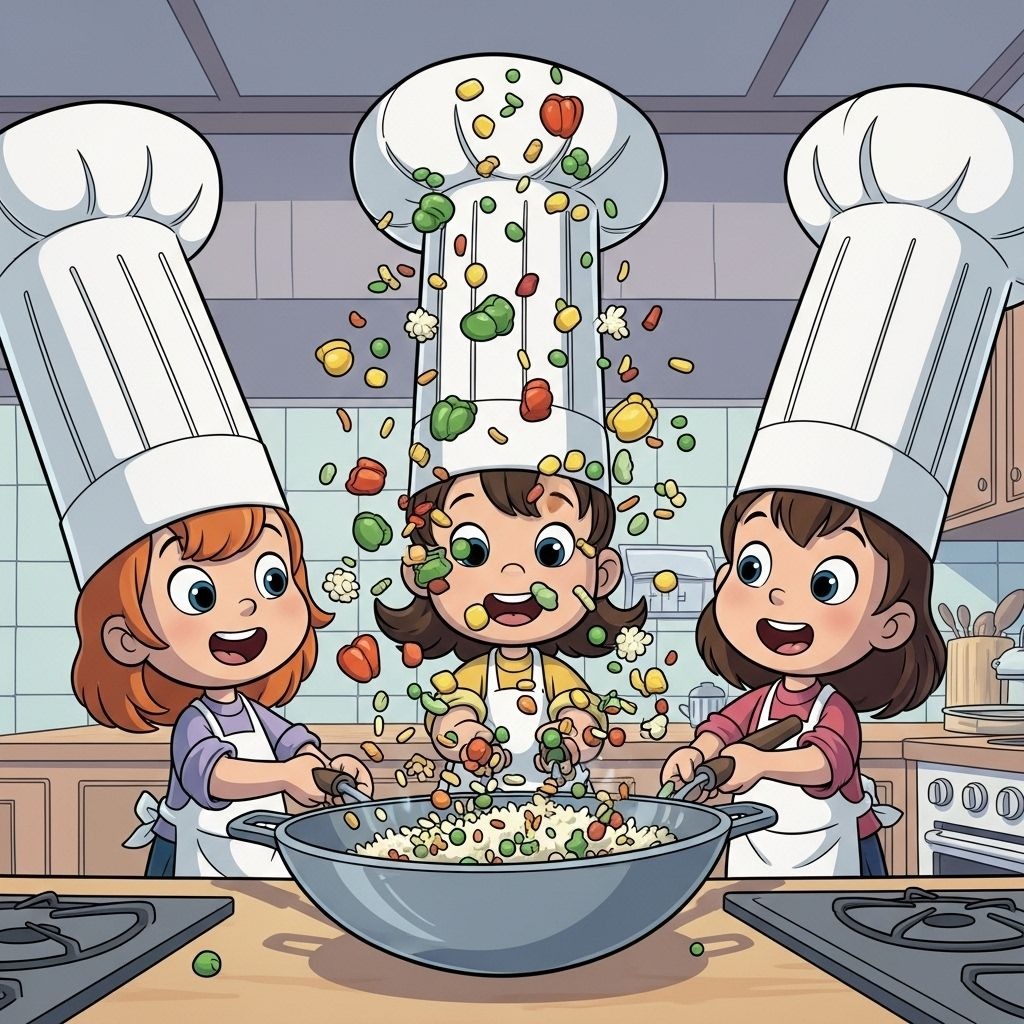
This recipe sneaks in so many vegetables that I feel like a parenting genius every time we make it. Use leftover rice, scrambled eggs, frozen peas, diced carrots, corn, and whatever protein you have on hand. Kids love the colorful result and feel proud when they’ve “made dinner.”
Cheesy Black Bean Quesadillas
These take about 15 minutes and require minimal supervision once your kids know what they’re doing. Place a tortilla in a pan, sprinkle with cheese and black beans, fold in half, and cook until golden. My kids have been making these since they were about 8 years old. It’s one of those recipes that makes them feel independent and capable.
Mini Ham and Cheese Pockets
Using store-bought pizza dough or crescent roll dough, kids can fill, fold, and seal these little pockets. They’re perfect for using up leftover ham, and you can freeze them for quick lunches later. Pack them in stainless steel snack containers for kids to keep them fresh.
Creative Recipes That Feel Like Play
These are the recipes that make kids forget they’re actually learning. They’re so fun that it doesn’t even feel like cooking.
Dirt Pudding Cups
Layer chocolate pudding (homemade or boxed), crushed Oreos, and gummy worms in clear cups. This has become our go-to birthday party recipe because kids think it’s hilarious. It takes about 5 hours total, but most of that is refrigeration time. The actual hands-on work is maybe 20 minutes.
Apple “Doughnuts”
Slice apples into rings, remove the core to make a doughnut shape, then let kids decorate with nut butter, granola, chocolate chips, coconut flakes, and sprinkles. These require zero cooking and feel like a craft project. I love these for after-school snacks, especially when paired with fun facts of the day for kids to keep their minds engaged.
Spaghetti Nests
Cook spaghetti, drain it, and let kids twirl portions with a fork to create “nests.” Place them on a baking sheet, top with marinara sauce and mozzarella, then bake until the cheese melts. It’s the same ingredients as regular spaghetti, but way more exciting.
Decorated Cookie Pizza
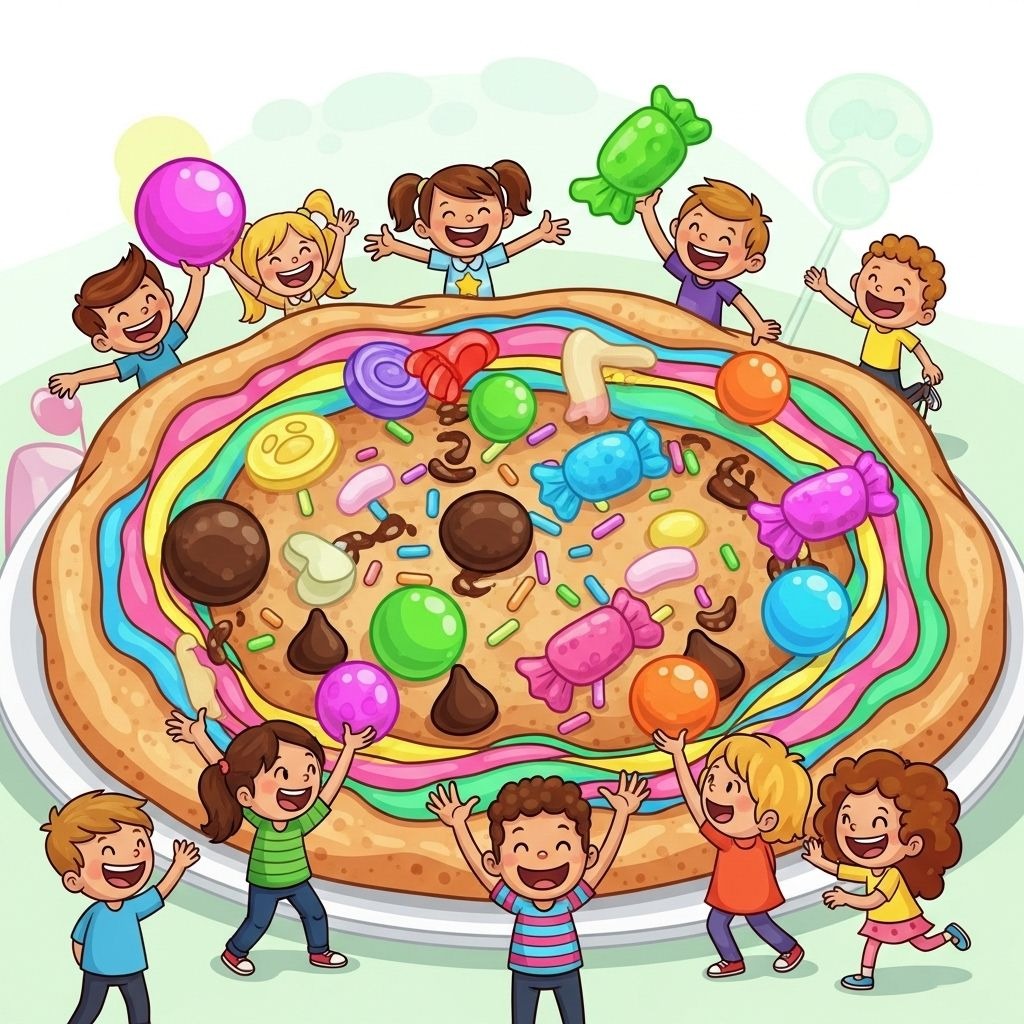
Instead of rolling individual cookies, press cookie dough into a pizza pan, bake it, and let kids decorate it with frosting, sprinkles, M&Ms, and candy. There’s no dough chilling required, and it’s done in about an hour. This has become our tradition for celebrating small wins—good report cards, soccer goals, or just making it through a tough week.
Age-Appropriate Recipe Guide
Not all recipes work for all ages, and that’s okay. Here’s what I’ve learned about what kids can realistically handle at different stages.
Ages 2-5: What They Can Actually Do
At this age, focus on simple tasks like stirring, pouring pre-measured ingredients, and pressing cookie cutters. They can also wash vegetables, tear lettuce, and arrange fruit. My favorite recipes for this age group are no-bake energy balls, fruit kabobs, and anything involving sprinkles. Keep expectations low and supervision high.
Some of my favorite tools for this age include a kids’ activity book about cooking to get them excited before you even start.
Ages 6-9: Building Independence
This is when things get really fun. Kids this age can measure ingredients with supervision, crack eggs (expect some shells), use a hand mixer, and follow simple recipes with guidance. They can make quesadillas, pancakes, muffins, and simple stir-fries. I started letting my daughter use the stove at age 8, but I stayed right next to her the whole time.
This is also a great age to start teaching knife skills with a child-safe knife and soft foods like bananas or cooked potatoes. According to Kids Health, age-appropriate kitchen tasks help children develop fine motor skills and independence.
Ages 10+: Real Cooking Skills
Tweens and teens can follow most recipes independently, use the stove and oven with supervision, and handle basic knife work. They can make scrambled eggs, pasta dishes, basic baked goods, and simple dinners. My 11-year-old makes dinner for the family once a week now, and while it’s not always perfect, I’m so proud of his growing skills.
Recipes like homemade pizza dough, soft pretzels, banana bread, and stir-fries are perfect for this age. If you have older kids who are really into cooking, consider getting them a proper kids’ baking and cooking set with real tools.
My Best Tips After 100+ Kitchen Sessions
I’ve learned so much through trial and error. Here’s what actually works.
Use Bigger Bowls Than You Think You Need
This single tip has saved me from countless messes. When kids are stirring or pouring, ingredients will fly everywhere unless there’s plenty of room. I bought a set of giant mixing bowls, and they’ve been worth every penny.
Pre-Measure When Needed
If I’m cooking with more than one kid, I pre-measure ingredients into small bowls. This prevents fights over who gets to measure what and keeps things moving. If I’m just working with one child and we have time, I let them help measure for the learning experience.
Embrace the Educational Moments
Cooking naturally involves math (measuring, fractions, doubling recipes), science (what happens when you mix ingredients), and reading (following recipes). I try to point these things out without being too teacher-y about it. Sometimes I’ll ask questions like “we need 2 cups of flour and 1 cup of oats—how many cups total?”
Have a Cleanup Plan
I learned this the hard way. Before we start, I lay out dish towels, have a trash bowl ready for scraps, and designate a “dirty dishes” spot. I also make the cleanup part of the activity—kids who cook also clean. According to strategies in positive discipline techniques for toddlers, involving kids in the full process builds responsibility.
Make It Fun with Pretend Play
For younger kids, I pretend we’re on a cooking show or running a bakery. I’ll give them chef names and announce what “Chef Sophie” is doing. This simple trick keeps them engaged way longer than just following a recipe.
Don’t Stress About Perfection
The cookies might be lopsided, the pancakes might be burned on one side, and the pizza toppings might slide off. It doesn’t matter. The point is the time spent together and the skills they’re building. Some of our “failed” recipes have become the funniest memories.
Frequently Asked Questions
At what age should kids start cooking?
Kids can start helping in the kitchen as young as 2 years old with very simple tasks like stirring or arranging fruit. At ages 2-3, they can wash vegetables, tear lettuce, and pour pre-measured ingredients. By ages 4-5, they can use cookie cutters, stir batters, and help assemble simple recipes. The key is matching tasks to their developmental level and providing close supervision.
What are the easiest recipes for kids to make alone?
No-bake recipes like energy balls, fruit kabobs, and puppy chow are perfect for kids to make with minimal supervision. For older kids (ages 10+), quesadillas, scrambled eggs, and simple pasta dishes are great options once they’ve mastered basic stove safety. Always assess your individual child’s skills and maturity level before allowing independent cooking.
How do I keep kids interested while cooking?
Make it playful by pretending you’re on a cooking show, let them make choices about ingredients or decorations, and choose recipes with colorful or fun results. Kids also stay more engaged when they can eat what they make, so avoid recipes with long wait times. Having the right tools, like a kids’ craft supplies set for decorating, can also keep the creative energy high.
Are there mess-free recipes for kids?
While truly mess-free cooking is impossible, no-bake recipes tend to be much cleaner than baking. Fruit kabobs, yogurt parfaits, and assembled snacks like ants on a log create minimal mess. Using larger bowls and having cleanup supplies ready also helps contain the chaos.
What kitchen tools are safe for young children?
Child-safe tools include plastic or wooden mixing spoons, silicone spatulas, plastic measuring cups, cookie cutters, and child-safe knives for ages 5+. For younger kids, tools with easy-grip handles work best. A dedicated kids’ baking set with appropriately sized tools can make cooking safer and more enjoyable. Always supervise when children use any kitchen tools, even child-safe ones.
Here’s what I want you to remember: you don’t need to be a perfect parent or a gourmet chef to make cooking with your kids special. Start with one simple recipe this week. Maybe it’s those fruit popsicles or the cheese quesadillas. The recipe doesn’t matter as much as the time you spend together.
I promise that years from now, your kids won’t remember whether the cookies were perfectly round. They’ll remember that you let them crack the eggs, even though some shell got in. They’ll remember laughing when the flour went everywhere. And they’ll remember feeling proud when they made something all by themselves.
Those messy afternoons in the kitchen become the memories that stick. So grab those bigger bowls, pick a fun recipe for kids, and create something delicious together. The mess is temporary, but the memories last forever.