
If you’re like most moms, there have been days when you swore you’d never raise your voice—right until your toddler dumped maple syrup on the dog or your tween rolled their eyes for the fifth time before breakfast. Yelling seems like the only way to break through the chaos, but every time, it leaves everyone cranky and guilt-ridden. Years ago, I thought volume was the only tool in my discipline toolbox. Today, I know real discipline starts with connection, boundaries, and emotional coaching—not volume.
No parent is perfect, and no routine works all the time. But with practical strategies, connection-first discipline, and a few mindset shifts, yelling can become something you use less and less—with more respect, peace, and even laughter taking its place. This guide is packed with expert-backed techniques, actionable routines, gentle scripts, and empathy for your hardest moments.
Why Yelling Fails—And Connection Wins
Yelling does get instant attention—but for all the wrong reasons. When you yell, your child’s brain goes into “fight or flight.” Instead of absorbing your message or changing behavior, they shut down, get defensive, or escalate the drama. Over time, yelling erodes trust between parent and child, modeling the very behavior most parents want to avoid.
Here’s what I’ve learned after years of trial and error: real discipline isn’t punishment—it’s teaching. It’s guidance, boundaries, empathy, and consistent structure. Kids thrive with clear expectations and emotional safety. When you trade yelling for calm connection, you build emotional skills that stick for life.
The shift from reactive parenting to responsive parenting takes time. It requires us to rethink what discipline actually means. Instead of “making kids behave,” we’re helping them develop self-regulation, empathy, and problem-solving skills. This isn’t about being permissive—it’s about being intentional.
If you want more background on the science of gentle discipline, explore soft parenting—it’s not permissive, but it puts connection before control. Understanding different approaches through a parenting styles chart can also help clarify where you want to be as a parent.
First Steps: Self-Regulation for Parents
The fastest way to avoid yelling is to catch yourself before you lose control. This is hard, and sometimes you’ll mess up. Perfection isn’t the goal—awareness is. I’ve found that my ability to stay calm directly influences my children’s ability to regulate their emotions. If I’m dysregulated, they will be too.
The Power Pause and Breath
Before you respond to a child’s misbehavior, pause for 10 seconds—even step into another room if needed. Take three slow breaths, count to 10, or splash water on your face. Name what you’re doing out loud: “I need a moment to calm my feelings, then I’ll talk.”
These micro-pauses model emotional regulation and show your kids that big feelings aren’t emergencies. They’re signals that need attention, not immediate reaction. What I’ve noticed is that when I pause, my kids often start to calm down on their own—they’re watching me for cues about how serious the situation really is.

Narrate Your Calm Process
Kids learn most from what you do, not what you say. When you catch yourself feeling angry, narrate the emotion with a calm tone. “Wow, my body feels mad right now. I’m going to take a breath so I can help.” This gives kids permission to slow down and try their strategy themselves.
Think about it: we’re essentially teaching emotional literacy in real time. Instead of hiding our feelings or exploding with them, we’re showing our children that emotions are information, not threats. According to the American Psychological Association, children who see parents model healthy emotional regulation develop better coping skills themselves.
Creating Connection: Discipline That Works
Get Down on Their Level
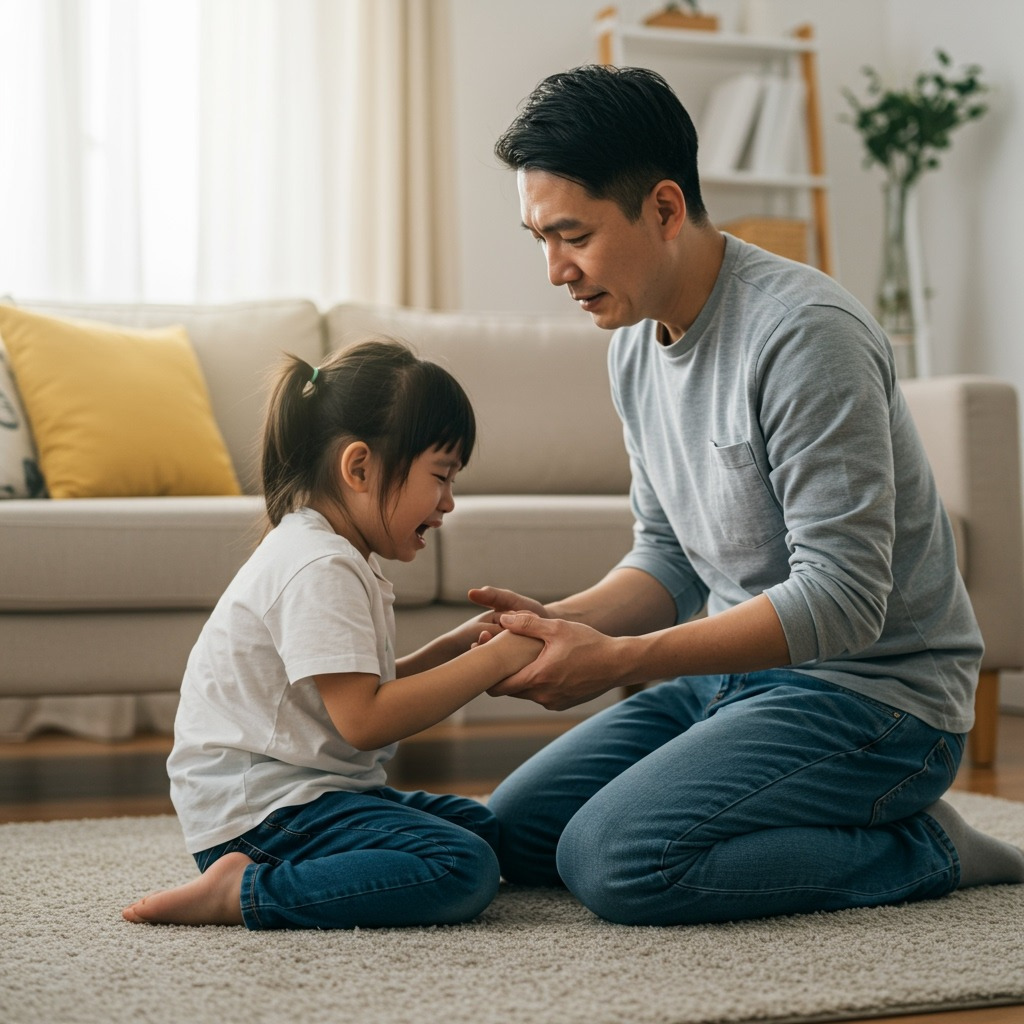
Physically come down to your child’s eye level during difficult moments. Use gentle touch and warm eye contact. Lower your volume, soften your facial expressions, and say, “I see you’re upset. Tell me what’s going on.”
Kids are less defensive when you’re close, calm, and present—not looming overhead. There’s something powerful about meeting a child where they are, both physically and emotionally. It transforms the dynamic from “authority figure versus small person” to “we’re in this together.”
For early child development insights, see when do kids start talking? To understand what’s developmentally appropriate at different ages.
Validate Feelings, Then Name Behavior
Every single action—even “misbehavior”—is driven by a need, feeling, or missed skill. Before correcting, name their feeling calmly and non-judgmentally. “You’re disappointed we can’t go outside. That’s understandable.” Then calmly set the limit: “It’s okay to be disappointed. It’s not okay to yell at me. Want to draw a picture about how you feel?”
Kids learn: all feelings are welcome, but not all actions are okay.
This distinction has been transformative in my home. My daughter used to think being told “no” meant I didn’t care about her feelings. Now she understands that I can honor her disappointment while still holding a boundary. That emotional validation creates space for compliance instead of power struggles.
Boundaries with Kindness: Alternatives to Yelling
State Limits Firmly, Not Harshly
Discipline means having—and enforcing—boundaries. Calmly use clear, non-threatening language:
- “We speak kindly in this house. If you yell, we’ll pause our conversation until you can use a calm voice.”
- “If blocks stay scattered, they’ll be put away for tomorrow.”
Avoid threats, shaming, or ambiguous language. When you use logical consequences (“If you don’t pick up, the toys are put away”), misbehavior is linked to real choices—not random punishment. This teaches cause and effect in a way that yelling simply can’t.
For gentle structure, see tips from the house rules for kids.
Build Routines and Predictable Environments
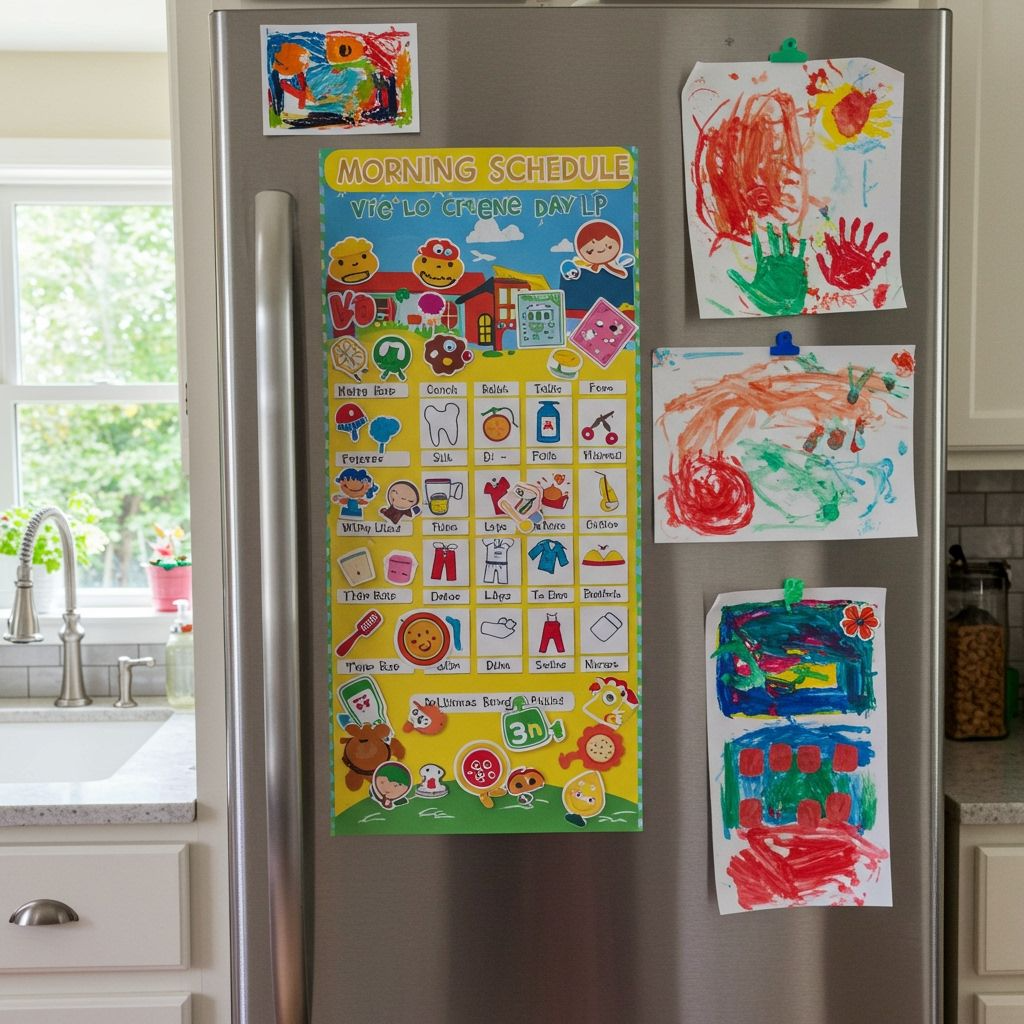
Kids are less likely to melt down when they know what’s coming next. Build consistent routines for meals, bedtime, and transitions. Use visual schedules, timers, and calendar charts. Predictability is calming—it lets kids prepare and reduces surprise-based tantrums.
I’ve learned that so much of what looks like defiance is actually overwhelm. When kids know the routine, they feel in control. When everything feels chaotic and unpredictable, behavior deteriorates fast.
Need inspiration for meaningful routines? Check out fun activities for kids that double as learning and regulation practice.
Daily Habits That Replace Yelling
Connect Before Correcting
Spend five undistracted minutes daily with your child on play, reading, or listening. Kids are less likely to seek negative attention when they feel emotionally connected. Frequent small deposits of attention pay huge dividends during discipline moments.
Think of this as filling your child’s emotional tank. When it’s full, they can handle corrections, transitions, and disappointments much better. When it’s empty, everything becomes a battle.
Use Playful Redirection
Not every misbehavior needs a serious talk. Sometimes, play works wonders:
- Turn a “brush-your-teeth” battle into a silly race.
- Use would you rather questions for kids to diffuse tension and get kids thinking.
- Try “shoe dance,” “get dressed limbo,” or silly hand signals for common chores.
Humor disarms power struggles. When I make getting ready for school into a game, my son complies willingly—because it doesn’t feel like compliance. It feels like fun.
Repetition Without the Nagging
Calmly repeat instructions without changing your tone: “Shoes on, please.” Use gestures, signals, or gentle touch. If a child ignores you, offer choices: “Put shoes on now, or I’ll help you in two minutes. Which feels better?”
The key here is staying emotionally neutral. The moment frustration creeps into your voice, kids pick up on it, and the dynamic shifts. But when you can repeat calmly, like a broken record, kids eventually comply because there’s no drama to resist.
Natural Consequences: Let Life Do the Teaching
When possible, let real-world outcomes take the place of punishment. If a child leaves their lunch at home, let them be hungry for a bit (and offer a snack when appropriate later). If homework is left undone, let them experience teacher feedback. These moments are memorable and growth-promoting.
Avoid rescuing too quickly. It’s tempting to fix everything for our kids—but safe, natural consequences teach self-responsibility and show how actions affect outcomes. This is one of the hardest parts of parenting: watching our kids experience discomfort that we could prevent. But it’s also one of the most important.
The goal isn’t to punish—it’s to let reality be the teacher. Reality is consistent, logical, and non-emotional. It’s the perfect instructor.

Affirming the Good: Praise Over Critique
Positive attention for good choices creates motivation to repeat those behaviors. Use specific praise:
- “You waited patiently for your turn; that showed kindness.”
- “Thanks for cleaning up without being reminded.”
Praise in public. Correct privately. Whisper a correction, or have a quiet talk apart from others. Private correction keeps dignity intact and models respect.
I’ve noticed that when I catch my kids doing something right and name it specifically, they light up. They want to repeat that behavior because it felt good to be seen and appreciated. For double reinforcement, combine praise with fun moments like math jokes for kids during positive routines.
Scripted Phrases That Actually Work
Having go-to phrases helps when you’re too stressed to think creatively. Keep these in your back pocket:
- “I see you’re mad. It’s okay to feel mad, but it’s not okay to hit. Let’s stomp our feet together instead.”
- “You want more screen time, but our rule is homework first. Let’s set a timer and work together.”
- “Right now, you’re not ready to tidy up. Should I set a two-minute timer, or would you like my help to start?”
- “You seem frustrated by your brother. Do you need a break, or should we solve it with a game?”
- “When we use quiet voices, I can listen and help. Want to try again?”
These scripts work because they validate feelings, state boundaries, and offer solutions—all without blame or shame.
Adapting for Sibling Fights, Public Meltdowns, and Teens
Sibling Rivalry
Stay calm. Acknowledge each child’s perspective. Avoid blame (“You always do this!”) and instead say, “Sounds like you both want the same toy. What’s a fair way to take turns?” Encourage solutions and independence.
Sibling conflict is actually a gift—it’s where kids learn negotiation, empathy, and conflict resolution. When we swoop in and solve everything, we rob them of that learning opportunity. For more, explore fun trivia questions for kids to spark teamwork and laughter.
Public Tantrums
Ignore onlookers. Kneel beside your child, speak quietly, and acknowledge the feeling. “You’re really tired. Let’s step outside together.” Avoid lectures—focus on safety and calm, then address the issue at home.
The hardest part of public meltdowns is managing your own embarrassment. But here’s the truth: strangers’ opinions don’t matter. Your child’s emotional safety does.
Teen Drama
Respect independence, validate big feelings, and set boundaries. “I hear you’re frustrated about curfew. Let’s talk about what feels fair—and what’s safe.” Avoid power struggles and seek compromise where possible.
Teens need autonomy and respect. The more you can involve them in rule-making, the more they’ll comply. Authoritarian approaches backfire spectacularly with teenagers—connection and negotiation work far better.
Solutions for Big Feelings and Neurodivergent Kids
Children with anxiety, ADHD, or sensory struggles need customized approaches:
- Use simple, concrete language.
- Give clear choices and preview transitions well ahead of time.
- Use movement breaks, fidgets, or sensory tools when emotion runs high.
- Affirm effort over outcome: “Trying again is brave!” and “I’m proud you kept trying, even when it was tough.”
These kids aren’t trying to be difficult—they’re having difficulty. That mindset shift changes everything. When we approach their behavior as communication rather than defiance, discipline becomes support instead of punishment.
Need more strategies? Find actionable methods in activities for kids and the best parenting books.
FAQs: Discipline Without Yelling
Is it possible to discipline without yelling—even with defiant kids?
Yes! The process is longer and some days are truly hard, but connection, consistency, and natural consequences work for all kids. If you slip, apologize and try again. What looks like defiance is often unmet needs, developmental limits, or a cry for connection.
Does gentle discipline mean letting kids “get away” with bad behavior?
Not at all. Gentle discipline enforces boundaries firmly and consistently—but without shame, fear, or threats. Kids learn best from connection, not punishment. Gentle doesn’t mean permissive.
What if I yell sometimes, even though I try not to?
Welcome to real life. Pause, apologize, and repair. “I’m sorry I yelled. Next time, I’ll try using my calm voice.” This model’s growth and humility for your child. Repair is more important than perfection.
How do I get my partner or extended family on board?
Share articles or books, start small together (“when/then” phrases, silent corrections), and invite them to notice the change—less drama, more cooperation. Sometimes just seeing new habits in action is all it takes.
What can I do besides yelling when I’m overwhelmed?
Step away if you can, use physical movement (walk, shake out your hands), call or text a friend, or splash water on your face. Prioritize safety and calm over immediate correction.
Making Discipline Work for Your Family (Long-Term Routines)
Connection Rituals
Start every morning and close every day with hugs, silly games, or “special minute” time. Connected kids are less likely to misbehave just to get your attention. This is preventive discipline—it stops problems before they start.
Family Meetings
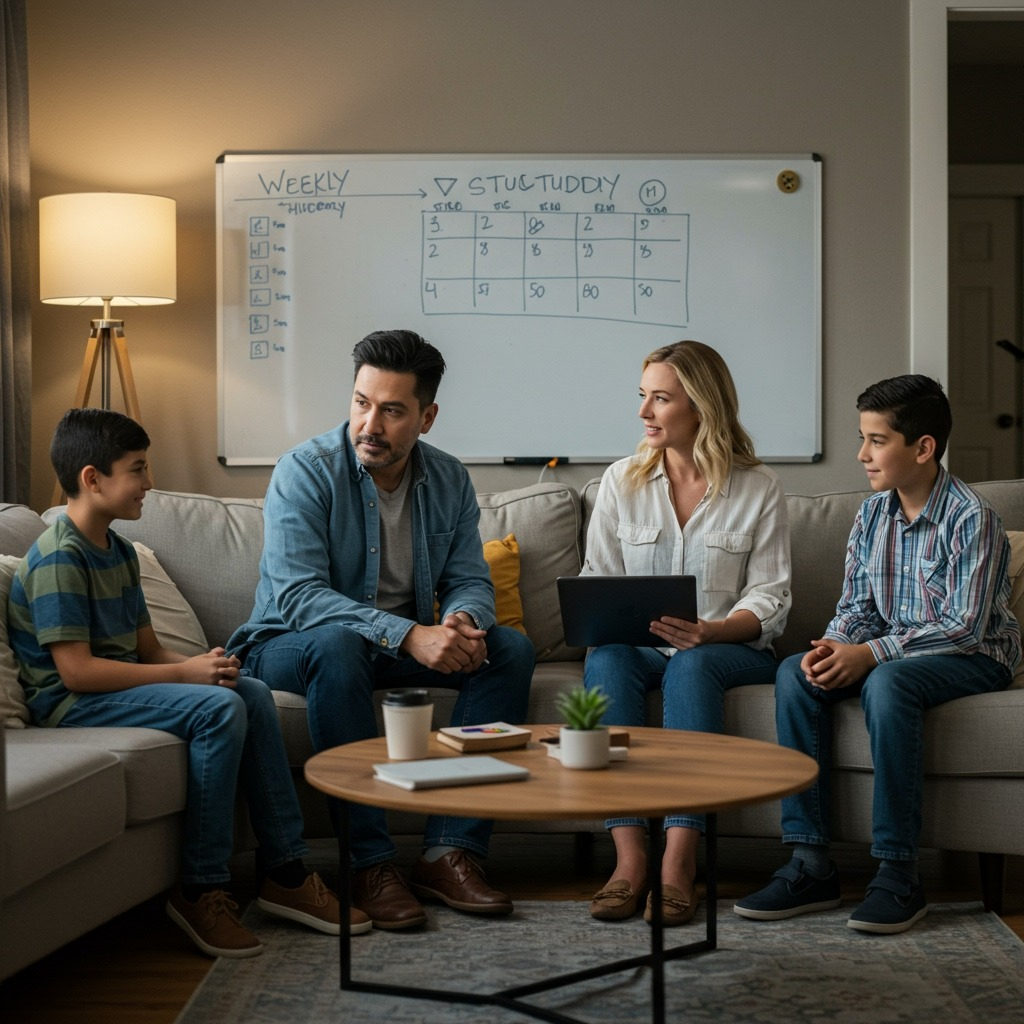
Once a week, host a “family council.” Review rules, set new routines, let kids lead discussions, and brainstorm solutions together. This makes rules feel collaborative—not imposed. Kids are far more likely to follow rules they helped create.
Visual Schedules and Positive Reminders
Post routines (like getting ready for school or bed) on the refrigerator or bedroom door. Use pictures for younger kids. Make “kind words” and “gentle hands” reminders visible.
For ideas on establishing these structures, check out the house rules for kids and parenting styles chart.
Closing Encouragement: Progress Over Perfection
Yelling is a habit many parents (including me!) have learned and can unlearn—with patience, connection, and a willingness to repair when we slip. Every time you pause, model a new skill, or choose a gentler approach, you’re giving your kids an incredible gift: self-regulation, resilience, and respect.
If discipline in your home has been a struggle, start small. Replace one yelling moment each day with a power pause. Try one new routine this week. Use one new phrase. Progress over perfection—every step counts.
Remember: the goal isn’t to raise obedient children. It’s to raise emotionally intelligent, resilient, kind humans who can regulate themselves, solve problems, and treat others with respect. That work starts with how we treat them—even in their worst moments.
To fill your toolkit for tough days (and fun days), explore activities for kids, fun trivia questions for kids, and gentle routines in the best parenting books. You’re in good company, and every calm moment is building the family culture you want.