
Preparing your kids for the world isn’t about shielding them from life’s bumps and challenges—it’s about giving them the skills, confidence, and kindness to handle whatever comes their way. If you ever catch yourself worrying about your child’s future, this all-in, practical guide is designed to help raise capable, resilient, genuinely good humans for today’s world.
The Journey Begins: Start with Emotional Resilience
Big feelings show up everywhere—in classrooms, at sleepovers, even at the breakfast table. Preparing kids emotionally is at the heart of preparing them for the world.
- Teach Emotional Vocabulary: Help your kids name their feelings. “Are you frustrated? Excited? Nervous?” When kids can name what they feel, they manage it better.
- Show, Don’t Just Tell: Let your child see you managing stress—taking deep breaths, pausing mid-sentence, or asking for a hug when needed. Kids learn emotional coping by watching adults in everyday moments.
- Make Room for All the Feelings: Don’t rush sad, scared, or angry feelings away. Sit with them. Say, “It’s okay to feel upset. Let’s figure it out together.”
- Problem-Solving Together: Instead of only comforting, ask, “What do you think would help?” or “Should we come up with a plan for next time?”
- Model Growth through Mistakes: If you snap or lose your cool, admit it and talk about what you’ll do differently next time. Kids learn the power of apologies and trying again.
Want even more gentle strategies? See practical ideas in soft parenting.

Foster Real Independence and Lasting Responsibility
True independence doesn’t start when they leave for college—it’s built little by little from toddlerhood.
- Start Small, Grow Big: Let your toddler pick out their clothes (even if colors clash). Let older kids help pack school lunches, plan a simple dinner, or water plants.
- Let Them Solve Real Problems: If your child forgets their water bottle or library book, let them experience the consequences safely. This helps build accountability and problem-solving skills that last.
- Chores Are More Than Work: They’re an opportunity for pride and contribution. Assign jobs that matter—setting the table, folding towels, feeding the family pet—and rotate jobs to teach flexibility.
- Empower Decision-Making: Give choices as much as possible. “Do you want the blue cup or the green?” As they grow, give bigger choices—like helping choose a family activity or what to cook for dinner.
- Celebrate Their Efforts: Cheer on the responsibility, not just the result: “I love how you remembered your backpack this morning!” rather than just “Good job getting an A.”

Practice Social Skills Every Single Day
If there’s one thing kids can’t get through life without, it’s people skills.
- Model and Practice Basics: Early on, show what “please,” “thank you,” “excuse me,” and making eye contact look like. Practice at the dinner table and during outings.
- Handle Conflict Like a Coach: When siblings or friends argue, don’t always jump in to fix. Guide them: “What can you say if you’re upset with your friend?” Help them try phrases like, “I feel…” and listen for solutions.
- Encourage Teamwork: Games that involve taking turns, board games, or even group chores can make cooperation fun. If you need ideas, try these fun activities for kids.
- Celebrate Kindness: Catch kids being thoughtful: “I noticed you shared your snack with your friend!” Praise specific actions so kindness becomes a habit.
- Teach Empathy through Stories: Read together or watch movies and talk about how characters might feel—“Why do you think she was sad? What could help?”
If social struggles show up early (like shyness or difficulty sharing), parents can support without pushing—stay patient and revisit skills regularly. See milestones in when kids start preschool for age-appropriate expectations.
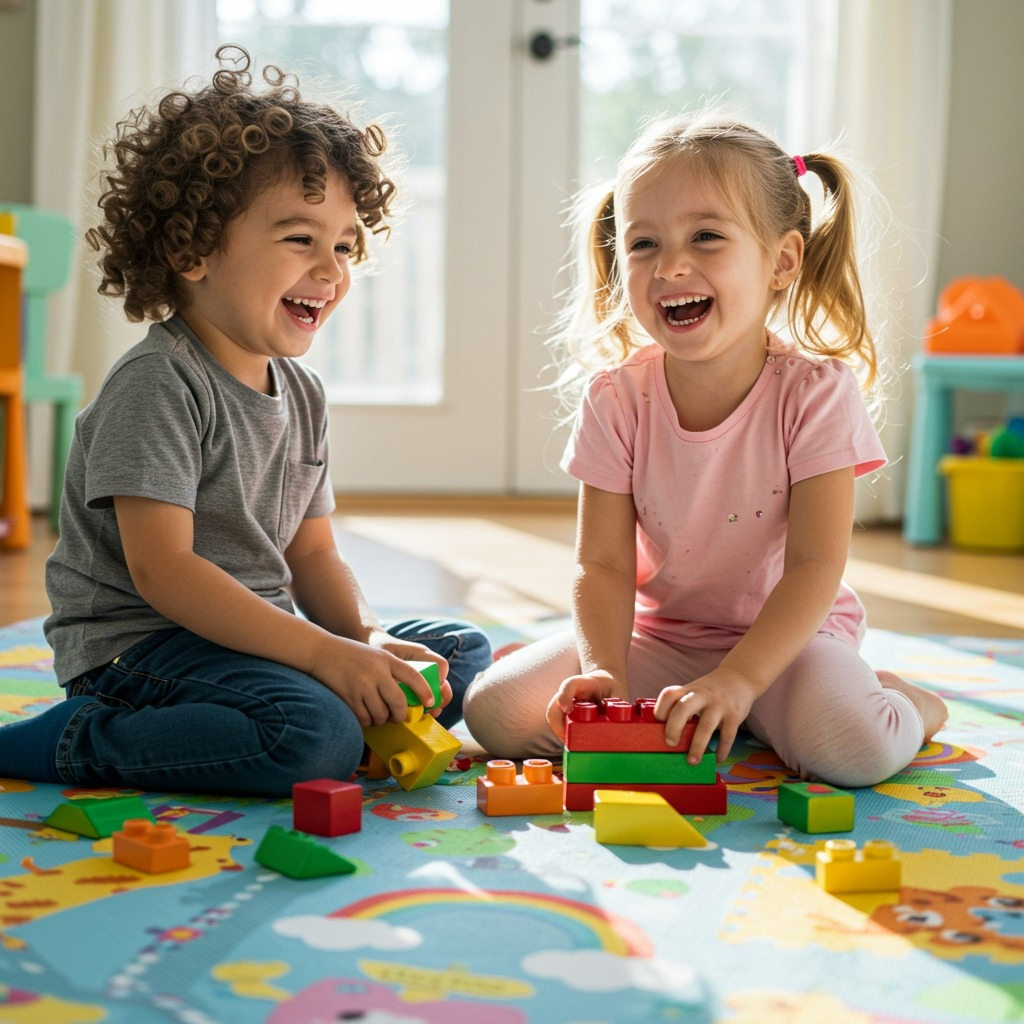
Encourage Curiosity and Critical Thinking
Kids who know it’s okay to ask “why?” and “how?” are better prepared to solve problems and think for themselves.
- Make Curiosity a Habit: When your child asks a question, don’t just answer—explore together. “I’m not sure, let’s look it up!”
- Invite Observation: Turn walks or car rides into mini science adventures. Ask questions like, “Why do you think the leaves are changing?” or “How many colors can you spot?”
- Dinner Table Learning: Use fun facts of the day for kids to turn dinner into a conversation starter.
- Play Problem-Solving Games: Puzzles, building blocks, scavenger hunts, and even riddles give great practice. For more, check out easy trivia questions for kids.
- Encourage Reflection: Ask, “What did you learn from this mistake?” or “What would you try differently next time?”

Model Respect, Kindness, and Empathy—Out Loud
Kids absorb how you treat them and others. Real-life, everyday moments matter.
- Model Inclusion: Include your child in greetings, thank-yous, and community acts of service—like donating toys or volunteering.
- Talk About Differences Openly: Discuss race, abilities, cultures, genders, and family types with honesty, empathy, and curiosity. Use books or shows as springboards for these conversations.
- Name Acts of Kindness: Point out kindness in the world and encourage your child to spread it—helping a neighbor, comforting a sibling, or welcoming a new classmate.
- Teach Apologies and Forgiveness: Show them that saying “I’m sorry” is powerful—and so is forgiving. Emphasize repairing relationships as normal and healthy.
Looking to deepen your own parenting skills? Check out the best parenting books.
Teach and Reinforce Healthy Boundaries
Strong boundaries give kids safety and confidence as they step into the world.
- Practice Saying No: Encourage your child to say “no” in a firm, polite way when something feels wrong. Respect their boundaries, too—for hugs, tickling, roughhousing, and privacy.
- Talk About Safety Early: Teach the basics of personal safety, online safety, and what to do if they feel uncomfortable. Reinforce the difference between secrets and surprises, and the rule that safe grownups never ask kids to keep secrets about touching or bodies.
- Role-Play Scenarios: Practicing what to say or do if someone tries to pressure them helps build real confidence.
- Respect Others’ Boundaries: Teach kids to notice and back off when someone says stop or seems uncomfortable.
- Use Conversation Starters: Keep boundary chats light with would you rather questions for kids.
Make “Adulting” a Family Project
Real-world skills start at home—hands-on and little by little.
- Get Involved in Everyday Routines: Have your child help with laundry, dishes, making lists, cooking, and basic cleaning. Show how things work instead of just doing them for your child every time.
- Introduce Money-Awareness: Use allowance, shopping trips, or saving for special toys to talk about earning, saving, giving, and spending. Show how to compare prices and look for deals.
- Plan and Navigate Together: If you travel or take public transport, let your child help with routes, tickets, and schedules. Practice reading signs and asking questions of shopkeepers or staff.
- Problem-Solve Life Hiccups: What do you do if you lose something? If plans change? Walk through solutions together.
- Brainstorm Family Rules: Set and review family rules and consequences together so kids see how guidelines are made and why.
Try house rules for kids as a jumping-off point to drafting your own.
Encourage a Growth Mindset for Lifelong Learning
Kids who know effort matters more than instant success bounce back from setbacks, try harder, and dream bigger.
- Praise Effort, Not Just Results: Swap “You’re so smart” for “I’m proud of how much time you spent on that project.”
- Embrace Failure as Normal: Share stories about your own mistakes and what you learned. Let kids know everyone stumbles—what counts is trying again.
- Encourage Trying New Things: Celebrate courage, whether it’s trying a new food, raising a hand in class, or speaking up for a friend.
- Normalize Needing Help: Teach that everyone—even parents—needs help sometimes. This builds teamwork and resilience.
- Joke and Play: Make learning light with math jokes for kids and playful trivia.
Keep the Emotional Connection Strong—No Matter What
Attachment is the quiet anchor that gives kids confidence to explore and return for comfort.
- One-on-One Time: Protect special time—even just ten minutes a day—to check in without distractions. Let your child pick the activity.
- Listen First, Solve Second: Sometimes your child doesn’t need advice—just a listening ear and acceptance of their feelings.
- Be Consistent in Hard Times: When kids are at their lowest—tantrums, middle school drama—stay steady and loving. That’s when they need you most.
For more on balancing boundaries and connection, review the parenting styles chart.
Prepare for the Digital & Social Age
Today’s world is fast-paced and digital. Kids need skills for both online and offline success.
- Teach Digital Citizenship: Talk openly about screen time, online kindness, privacy, and the dangers of oversharing. Model healthy limits and talk through family digital rules.
- Prioritize Face-to-Face Skills: Plan for in-person play, family meals, and screen-free outings to build real-world social strength.
- Practice Responsibility Online: Start with family-shared devices and gradually teach independent, responsible internet use.
- Discuss Media Messages: Watch, read, or listen together and discuss what’s real, what’s advertising, and how to spot trustworthy information.
Need more? Take a look at what age kids can sit in the front seat to learn about stages of independence and responsibility by age.

Community, Culture, and Contribution
Giving back and connecting with the community teaches that the world is bigger than ourselves.
- Volunteer Together: Kids love sorting food, drawing cards for the elderly, or picking up litter. It shows them that anyone can make a difference.
- Celebrate Your Family’s Culture: Share your own traditions, foods, and stories. Invite your child to ask questions about others’ cultures, too.
- Talk about Big Topics: Broach challenging subjects—fairness, inequality, world events—at a level your child understands. Listen, ask questions, and help your child express their own values.
Frequently Asked Questions
At what age should I start preparing my child for the world?
You start preparing your child the moment you respond to their needs and model healthy behavior, whether that’s comforting a baby or teaching a teen to manage their budget. Preparation is ongoing and evolves with your child’s growing independence.
What if my child is really shy or struggles with confidence?
Shy or anxious kids can still thrive with gentle encouragement. Build up new experiences slowly, role-play situations, and praise small steps. Avoid forcing interactions and never shame your child for “not being outgoing.”
How do I talk to my child about tough topics?
Honesty, simplicity, and warmth are key. Use age-appropriate words and answer only what they ask. Books, shows, and real-life scenarios are helpful conversation starters. Keep the door open for questions—even hours or days later.
What if my child messes up badly?
Mistakes are learning opportunities. Focus first on safety, then help your child own what happened, repair where possible, and brainstorm how to handle things differently in the future. Avoid shame—lead with empathy and guidance.
Are there resources to guide parenting choices by age or need?
Absolutely! CDC’s Positive Parenting Tips breaks down advice by stage. Explore the best parenting books or check the parenting styles chart to see which philosophies suit your family.
Raising kids for the real world is not about perfection. It’s about thousands of little moments: telling jokes over breakfast, tackling chores together, apologizing after a rough day, and believing your kid is capable—because they see you believe it, every single day. That’s the most important preparation for any future they choose.