
Let’s be honest: parenting a toddler is a wild ride of giggles, big emotions, sudden meltdowns, and endless “NOOOOOO!”s. Some days, I wonder if I’m raising a future philosopher, boundary-testing daredevil, or professional negotiator—all before breakfast. But here’s what years of parenting (and pediatric research) have taught me: positive discipline isn’t about stopping bad behaviors with punishment. It’s about teaching, guiding, and connecting in ways that actually work—even for spirited toddlers.
This guide is for moms in the real world, inspired by evidence-based strategies, relatable stories, daily routines, and the messiness of actual family life. Grab your coffee, take a breath, and let’s dive in.
Why Positive Discipline Matters (Especially with Toddlers)
Toddlers aren’t “bad”; they’re growing brains learning how to handle big feelings, test boundaries, and explore their world. Positive discipline gives them skills they need for life—empathy, self-regulation, problem-solving—while preserving your patience and strengthening your bond.
Instead of focusing on punishment, positive discipline is all about teaching. It creates a warm, loving base, helps kids learn what to do, and sets clear expectations, all while making families feel safer and more connected.
10 Positive Discipline Techniques for Toddlers
1. Set Clear, Consistent Boundaries
Imagine running a race with no finish line or rules. It’s confusing and impossible! Toddlers crave structure; it helps them feel safe and know what’s expected. Use simple, direct rules: “Toys stay on the floor. We use gentle hands. We walk inside.” Repeat often, and be loving but firm—consistency is everything.
Consistency helps toddlers learn “what happens next.” Try creating a daily schedule with predictable mealtimes, naps, and play. To keep routines fun, check out fun activities for kids for inspiration.
2. Offer Choices to Empower
Toddlers are in the phase where autonomy means everything—the power of “Do it myself!” Instead of fighting every request, offer safe, reasonable choices. “Do you want apple slices or a banana? Blue shirt or frog shirt?” Giving choices lets kids feel their voice matters, reducing power battles while boosting self-confidence.
In our house, I even offer choices for transitions: “Pick two toys to bring upstairs,” or “Which book before bed?” For ways to turn choices into learning, try math jokes for kids and spark a giggle.
3. Use Redirection
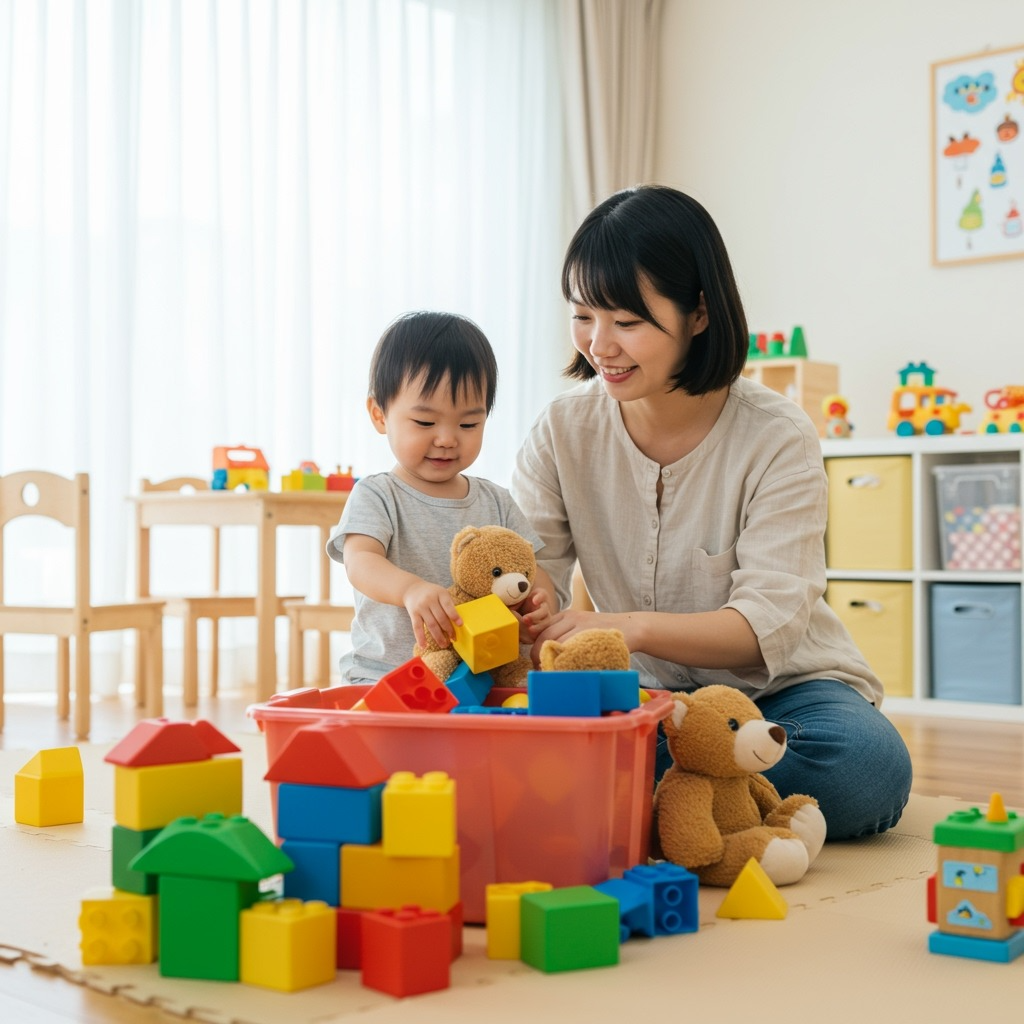
When your toddler’s stuck on an activity you must discourage, don’t just say “No!”—redirect with empathy and creativity. If your child is throwing blocks, you could say, “Blocks are for building! Let’s roll this ball instead.” If crayons go on the wall, “Crayons are for paper. Let’s make a picture for Grandma!” Toddlers respond best when you replace forbidden fun with a positive alternative.
You can even narrate transitions playfully: “We’re all done painting. What should we do now—wash hands with bubbles, or find the dinosaur puzzle?”
4. Validate Big Feelings
Toddlers don’t act out because they want to upset you. It’s usually overwhelm, exhaustion, hunger, or frustration that they can’t express. Slow down, get on their level, look them in the eyes, and name their feelings: “You’re sad because you wanted more crackers. That’s really hard.”
Validation doesn’t mean giving in; it means letting your child know you hear them. This recognition is incredibly soothing and actually shortens meltdowns.
5. Keep Instructions Simple and Positive
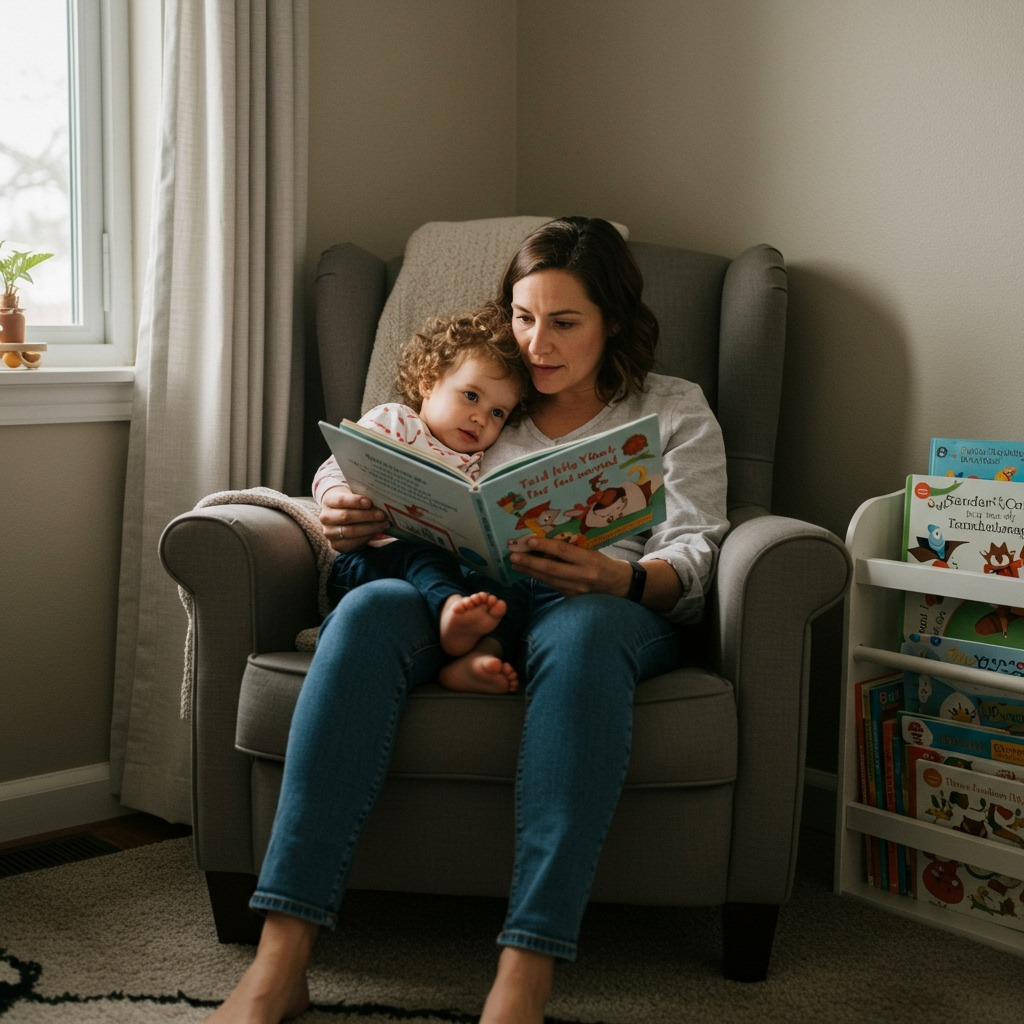
Toddlers tune out lectures after the first five seconds. Short, clear commands win every time: “Please walk,” instead of “Don’t run!” “Use gentle hands,” instead of “Stop hitting!” Tell them what you want them to do, not just what you want them to stop.
I’ve learned to keep instructions to one or two quick sentences, and sometimes, hand motions help too.
6. Use Natural and Logical Consequences
Let real life teach whenever it’s safe. If a toy is thrown, it goes on the shelf for a while. Food thrown on the floor isn’t replaced. Wet socks are the result of refusing boots. Gentle conversations afterwards teach cause and effect: “You chose to throw your bunny, so bunny takes a break.”
Logical consequences are more effective than punishments—they connect actions to outcomes without shame. When toddlers experience result-based discipline, they start making better choices themselves.
For more routines to simplify transitions and minimize scenes, check out beach activities for kids.
7. Model Calm and Respect
Your actions matter more than your words. Toddlers watch how you handle anger and frustration—your calm becomes their template. If you snap, model the repair: “I was really frustrated and used a loud voice. I’m sorry. I’ll try to stay calm next time.”
This isn’t weakness—it’s the “do-over” that teaches self-control and conflict resolution. Talk through your feelings when needed, and show respect, even when setting boundaries.
8. Praise Good Behavior (Specifically!)
Catch your child in the act of doing right, and praise specifically: “I saw you share your blocks—that was really kind!” “You picked up your shoes without asking. Great job!” Specific praise motivates toddlers to repeat those actions, while vague “good job” doesn’t reinforce what you want.
We keep a “kindness jar” in our house—every time someone is helpful or uses gentle hands, we add a pom-pom. When it’s full, we celebrate with a special family activity.
9. Practice Time-Ins Instead of Time-Outs
Traditional time-outs isolate; time-ins reconnect. When your child is overwhelmed, scoop them to your lap or a quiet corner. Sit together, breathe, and let feelings settle. When ready, talk through what happened and brainstorm solutions together.
Time-ins build emotional regulation, teaching kids that big feelings aren’t bad—they just need support. For ways to encourage teamwork and sharing, try toddler board games—they’re excellent for practicing turn-taking and patience.
10. Keep Daily Routines Predictable
Toddlers thrive on routine. When they know what’s coming next, anxiety and meltdowns drop. Create rituals for transitions—songs before bedtime, special snacks after preschool, stories after tantrums.
On high-energy days, vary activities with “quiet time” options: puzzles, playdough, or even fun facts of the day for kids. Predictability isn’t boring—it’s calming.
Real-Life Story: When Nothing Worked (And What Finally Did)
There was the playground showdown. My daughter, red-faced and wailing, refused to leave as twenty parents looked on. I wanted the ground to swallow me. Instead, I knelt down, hugged her gently, and simply said, “Leaving is hard. You love playing.” After a few minutes, the storm passed. The next time, I made sure to give her a heads-up five minutes before leaving, then let her pick the silly walk home. Over time, transitions became smoother. My biggest lesson: connection comes first, logic second.
Positive Discipline in Action: Sample Toddler Routine
Morning:
- Let your child pick their shirt from two options.
- Narrate the schedule: “First breakfast, then dress, then play.”
Snack Time:
- Praise gentle hands during sharing or cleanup.
- Redirect if they throw food: “Food stays on the plate. Want to help clean up together?”
Outings:
- Use a five-minute warning before transitions.
- Offer a transitional object for comfort—a favorite toy or snack for the stroller.
End of Day:
- Reflect on small wins: “You did a great job asking for help with words!”
For more ways to make daily routines engaging, visit what kids learn in kindergarten.
Building a Discipline Toolkit: Tips for Everyday Tricky Moments
- When you’re frustrated, walk away for 30 seconds if you need a reset.
- Narrate transitions: “After snack, we’ll wash our hands and go outside.”
- Use playful humor—silly songs or dances break the tension and encourage cooperation.
- Remember: every skill (sharing, waiting, gentle hands) takes hundreds of reminders to stick.
- Adapt expectations to your child’s age and personality.
- Celebrate progress, not perfection!
For deeper support on ages and developmental milestones, check out When Do Kids Start Talking and related resources.
FAQ: Positive Discipline for Toddlers
How do I handle toddler tantrums in public?
Stay calm, move to a safe spot if possible, and validate their feelings: “It’s tough to stop playing! Let’s take some breaths together.” Hold firm boundaries with kindness—public meltdowns are normal; you are never alone.
What if my toddler never listens?
Use direct, simple commands at eye level. Repeat patiently. Toddlers need lots of practice—expect to restate rules often, then praise small steps.
Should I use time-outs?
Time-outs rarely lead to learning in this age group. Try “time-ins” instead—stay close, help them calm down, then reteach the desired behavior.
What about aggressive behaviors like hitting or biting?
Act quickly: “I can’t let you hit. It’s okay to be mad. Show me your stompy feet or squeeze a pillow.” Offer alternatives and discuss emotions once calm.
How do I set limits without always saying “no”?
Tell them what they CAN do: “Balls are for rolling, not throwing inside. Want to roll them with me?” Reserve “no” for safety issues and redirect to positive alternatives.
For expert-backed advice, supportive reads, and an ever-growing parent toolkit, visit best parenting books or see what gentle discipline can look like with soft parenting.
When Positive Discipline Gets Hard (And What Moms Need to Hear)
It’s totally normal to feel overwhelmed, lose patience, or worry you’re not doing enough. Guess what? If you’re reading this, you care—and that’s already a win. On the rough days, lean on your support system, give yourself permission to take breaks, and focus on small wins.
Try these resets:
- Step outside for fresh air and a mental break—even two minutes can help.
- Call a friend, text your mom community, or read our favorite parenting quotes for instant perspective.
- Remember, behavior changes take time. Progress counts more than perfection.
The Heart of Positive Discipline
Positive discipline isn’t about perfect children or perfect parents. It’s about guiding, teaching, and connecting—day after messy, joy-filled, imperfect day. These techniques give toddlers the boundaries, emotional security, and problem-solving skills they need as they grow.
Sometimes you’ll nail it. Sometimes you’ll hide in the bathroom and text your best friend—is this normal?! The answer is yes. Every family is unique, but the tools and routines above can help you build a home full of respect, laughter, and growth.
If you ever need fresh strategies, check out fun activities for kids or our top parenting books. You’ve got this—and you’re never, ever alone.