
You want the honest truth? Most days, even with my decade-plus as a researcher and parent writer, I’m a mess of Post-it lists, snack bribes, and frantic “where are your SHOES?!” moments. The one thing that keeps my family life humming (even with chaos at the edges) is following the 20 Principles of Positive Parenting. I didn’t get them right the first time. Or even the tenth. But these little principles? They changed everything.
The Mistake I Didn’t Realize I Was Making Until My Second Baby
Looking back, I see how hard I was on myself with my first child. Every meltdown felt like my fault—even though my expectations were sky-high and my tools, honestly, were outdated. It wasn’t until baby #2 that I learned: positive parenting isn’t perfect parenting. It’s meeting your child with compassion, structure, and real, messy grace. And that makes all the difference.
I used to think being a good mom meant never losing my cool, always having the right answer, and maintaining picture-perfect routines. Spoiler alert: that’s impossible. What I’ve learned through research, experience, and plenty of trial and error is that positive parenting is about showing up authentically, modeling the behaviors we want to see, and being willing to repair when we mess up. Because we will mess up. And that’s okay.

Here Are the 20 Principles of Positive Parenting Every Mom Should Know
1. Regulate Your Own Emotions
Your calm helps them calm down—even in a tantrum tornado. When you can breathe through your own frustration, your child learns that big feelings don’t have to lead to big reactions. This is probably the hardest principle on the list, but also the most important. I keep sticky notes around my house that say “Pause before you respond” as little reminders.
2. Lead With Compassion
Mistakes are learning moments, for both you and your child. When your toddler spills milk for the third time today, compassion means saying, “Oops, accidents happen. Let’s clean it up together,” instead of sighing in exasperation. It’s about understanding that kids are still learning basic life skills.
3. Show Respect—Always
Speak and listen to your child the way you want to be treated. This doesn’t mean letting them run the show, but it does mean considering their feelings, asking for their input, and treating them as valuable members of the family. Would you bark orders at your best friend? Probably not. Your kids deserve that same courtesy.
4. Clear Communication
Use direct, simple language—explain, don’t just bark orders. Instead of “Stop being so loud!” try “Indoor voices, please. We use quiet voices inside so everyone can hear each other.” See the difference? One teaches, the other just demands.
5. Active Listening
Get down at their level, make eye contact, and repeat back for understanding. When your child says they’re scared of the dark, active listening sounds like: “I hear you saying you’re scared when the lights go off. That must feel really uncomfortable. Let’s talk about what might help.”
6. Offer Choices
Let them pick between two shirts or snacks. Power struggles drop—confidence rises! This gives kids a sense of control and autonomy while you still maintain the boundaries. “Do you want to wear the blue shirt or the red one?” instead of “Put this on now!”
7. Monitor the Misbehavior
Ask “what’s behind this?” instead of just “why are you acting out?” Often, tantrums and misbehavior are communication. Maybe your child is hungry, tired, overstimulated, or feeling disconnected. When we get curious instead of angry, we solve the real problem.
8. Set Loving Boundaries
Gentle but firm rules make kids feel safe and cared for. Boundaries aren’t mean—they’re necessary. “I can see you want to keep playing, and it’s bedtime. We’ll read two stories, then lights out,” gives structure while acknowledging feelings.
9. Model What Matters
Curious, kind, persistent? Your kid copies what you do, not just what you say. If you want respectful kids, be respectful. Want them to handle frustration well? Show them how you handle yours. This is one of those principles that sounds simple but requires constant self-awareness.
10. Compassionate Discipline
Focus on teaching, not punishing—use natural consequences where you can. If your child refuses to wear a coat, let them feel chilly for a minute (in safe situations), then offer the coat again. The experience teaches better than a lecture ever could.
11. Encourage Problem-Solving
“How can we fix this together?” works better than “Just stop.” When siblings fight over a toy, instead of taking it away, ask: “What’s a solution that works for both of you?” You’d be surprised how creative kids can be when given the chance.
12. Celebrate Effort, Not Perfection
High-fives for trying, not just winning, build lifelong grit. “I saw you keep trying even when that puzzle was hard” teaches more than “You’re so smart!” Praising effort over outcomes builds a growth mindset.
13. Consistent Routines
Predictable mornings, meals, and bedtimes make life smoother for everyone. Kids thrive on knowing what comes next. It reduces anxiety and power struggles because they’re not constantly wondering what’s happening or negotiating every transition.
14. Quality Time Every Day
A silly dance or puzzle counts more than expensive outings. Connection doesn’t require elaborate plans. Five minutes of focused, phone-free time can fill your child’s emotional tank more than an entire day at the amusement park where you’re distracted.
15. Teach and Model Apologies
Saying “I’m sorry” is strength, not weakness—own your mistakes. “I shouldn’t have yelled at you earlier. I was frustrated, but that wasn’t okay. I’m sorry” teaches accountability and repair. It shows kids that making mistakes doesn’t make you bad—it’s what you do afterward that counts.
16. Support Their Uniqueness
Cheer for your child’s weirdness and delights. Don’t compare siblings. Maybe your child is obsessed with rocks or wants to wear the same princess dress every single day. Celebrate what makes them special instead of trying to fit them into a mold.
17. Nurture Emotional Intelligence
“Name it to tame it”—help kids label and understand feelings. “You seem frustrated because your tower keeps falling down,” gives language to emotions. Over time, kids learn to identify and manage their own feelings instead of being overwhelmed by them.
18. Empower With Choices
Age-appropriate independence leads to confident grown-ups. Let preschoolers pick their snack. Let elementary kids pack their own lunch. Let teens make decisions about their schedule (within reason). Each small choice builds confidence and competence.
19. Ask for Help
Parenting’s not meant to be solo. Call on friends, family, or a pro when you need it. There’s no badge of honor for doing it all alone. Community matters. Support matters. Sometimes, just venting to another mom who gets it can make all the difference.
20. Practice Self-Care
You can’t pour from an empty cup. Model rest, nourishment, and asking for breaks. When kids see you prioritizing your own well-being—taking a walk, reading a book, saying “Mom needs five minutes”—they learn that self-care isn’t selfish. It’s necessary.
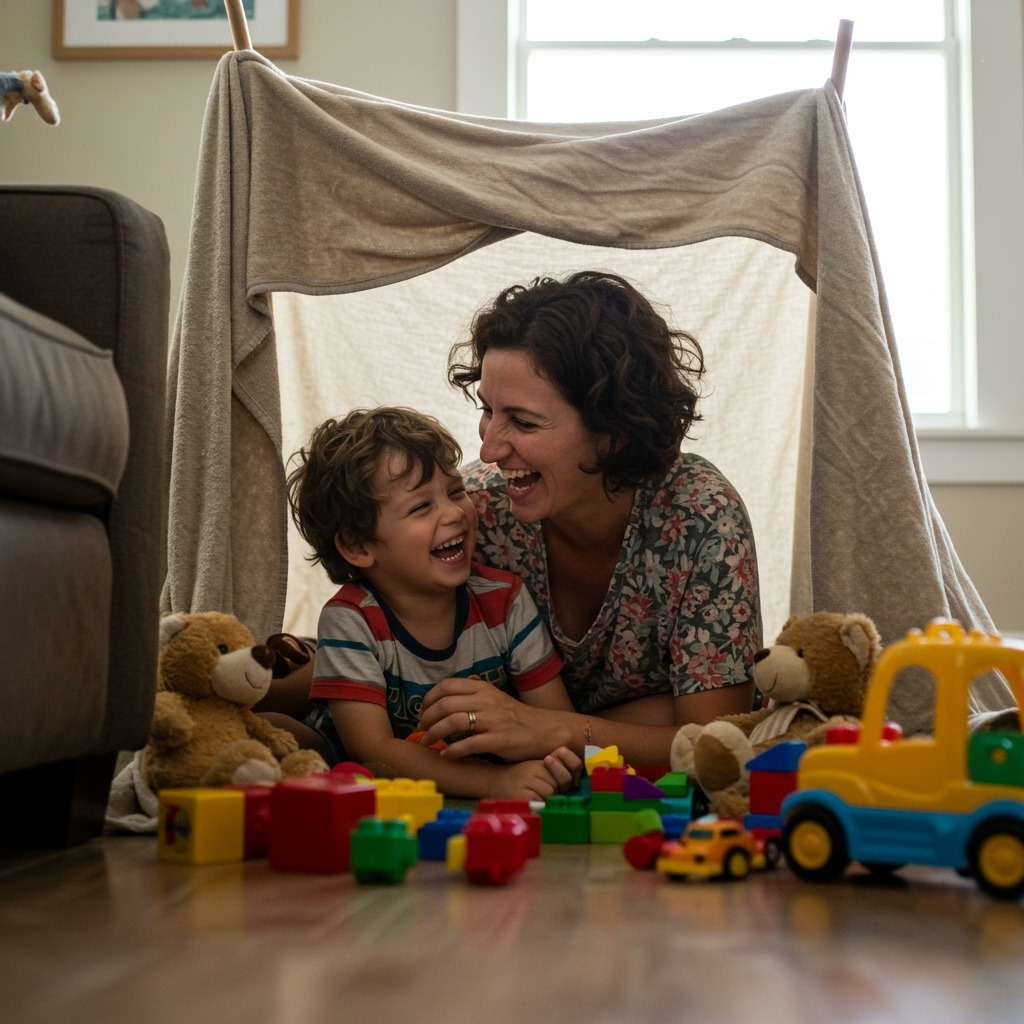
What I Wish I Knew About Positive Parenting Sooner
If I could go back, I’d tell new-mom-me: You won’t always get it right. There are days you’ll yell, cry, and want to lock yourself in the bathroom. But these 20 Principles of Positive Parenting aren’t a scorecard. They’re a guide for when things go sideways. And yes, the connection and calm they bring are so worth it.
I wish I’d known that positive parenting doesn’t mean permissive parenting. There’s a huge difference between being kind and being a pushover. You can be warm AND have boundaries. You can be understanding AND enforce consequences. If you’re comparing different approaches, check out the differences between authoritative vs authoritarian parenting to see where positive parenting fits in.
I also wish I’d known how much my own childhood would come up. Sometimes our instinct is to parent the way we were parented—even if that’s not what we want. Breaking those patterns takes awareness and intention. It’s okay to get help from a therapist or parenting coach if you’re struggling with this.
Daily Positive Parenting Routines That Work (Even on Exhausting Days)
Here’s where the rubber meets the road. Principles are great, but how do you actually use them when your toddler is melting down in Target and you just need to get dinner on the table?
Morning Anchors
- A silly song before breakfast: We sing about what we’re eating (“Waffles, waffles, crispy and brown!”). It’s goofy, but it shifts the mood instantly.
- Picking clothes together: Even if it’s a neon tutu with striped tights. Choose your battles, friends.
- “What’s your happy for today?” check-in: Everyone shares one thing they’re looking forward to. It sets a positive tone for the whole day.
After School Reset
- Ten minutes with no screens: Just coloring, talking, or a quick walk to decompress. This transition time is crucial. Kids are often overstimulated after school and need time to regulate before homework or activities.
- Snack time connection: Sit with them while they eat. Ask about their day, but don’t interrogate. Sometimes the best conversations happen when you’re not forcing them.
Bedtime Rituals
- A favorite story: The same book every night for three months? Sure! Predictability is comforting.
- Gentle back rubs: Physical touch releases oxytocin, the bonding hormone.
- “What are you proud of?” reflections: Helps kids end the day on a positive note, focusing on their accomplishments rather than their mistakes.
Need a fun break from routines? Check out some creative beach activities for kids or read a few math jokes for kids with your little one for an instant mood boost. Laughter really is powerful medicine for family stress.

Real-Life Hacks for Rough Parenting Days
Let’s be honest—some days are just hard. Here are the tricks that have saved my sanity more times than I can count:
- Stick simple reminders (“Smile & Breathe!”) in surprise spots: On the coffee maker, the car dashboard, the bathroom mirror. Little nudges help reset your mindset.
- Use soft parenting mantras like “Let’s solve it together.”: This phrase has become my go-to when I don’t know what else to say. It buys me time to think and makes my kids feel like we’re a team.
- Build a reward jar for kind words, not just chores: Every time someone in the family says something kind, they add a pom-pom to the jar. When it’s full, we do something special together.
- Keep a family gratitude list—tiny wins matter! We keep a running list on the fridge. “Sophia shared her toy!” “Mom didn’t yell when I spilled!” Celebrating small moments builds momentum.
- And, don’t be shy about silly voices or impromptu dance parties after dinner: Sometimes you just need to shake off the serious and be ridiculous together.
Sometimes just changing the scenery helps. Planning ahead? Check out our list of summer activities for kids that naturally encourage connection and positive behavior. Fresh air and new experiences can reset everyone’s mood.
Another hack: the “do-over.” When things go south, say “Let’s try that again.” Give your child (or yourself!) a chance to practice the behavior you want to see. “Okay, that was rough. Let’s take a breath and try asking nicely this time.” No shame, just practice.
When to Ask for Help and Why You’re Still a Good Mom
Real talk: We all hit walls. If it feels overwhelming, reaching out is a strength, not a failure. Whether it’s the CDC’s Positive Parenting Tips, resources from Mayo Clinic’s Parenting Guidance, a local parent group, or just texting “SOS!” to your bestie—ask for help before the burnout hits. No one can do the 20 Principles of Positive Parenting alone, and you shouldn’t have to.
Signs you might need extra support:
- You’re feeling constantly overwhelmed or hopeless
- You’re yelling more than connecting.
- Your child’s behavior is escalating despite your best efforts.
- You’re having trouble bonding with your child.
- Your own childhood trauma is being triggered.
- You just feel stuck and don’t know what else to try.
All of these are normal, and all of them deserve support. Looking for more support? Our roundup of the best parenting books can provide deeper insights and real-world strategies. Sometimes reading about other parents’ experiences helps us feel less alone.
If you’re noticing developmental concerns—like your child isn’t hitting typical milestones—don’t hesitate to talk to your pediatrician. Resources like when do kids start talking and when do kids start walking can give you a baseline, but trust your gut. Early intervention makes a huge difference.
How Positive Parenting Changes Across Ages and Stages
One thing I’ve learned? Positive parenting looks different at every age. The principles stay the same, but the application changes.
With Babies and Toddlers
Focus on attachment, routine, and meeting needs quickly. Responding to cries builds trust, not spoiling. Toddler tantrums aren’t manipulation—they’re communication from a brain that can’t regulate emotions yet. Your job is to stay calm and be the anchor.
With Preschoolers
This is when boundaries and choices really come into play. Preschoolers are testing limits constantly—not to be difficult, but to understand the world. “If I do this, what happens?” Clear, consistent consequences (natural when possible) teach cause and effect. If you’re wondering when kids start preschool, we’ve got guidance on that, too.
With School-Age Kids
Now you’re building on the foundation. Problem-solving skills, emotional vocabulary, and independence become central. This is also when peer relationships start mattering more, so conversations about friendship, kindness, and standing up for others become important. Looking for ways to connect? Check out what kids like to do for age-appropriate activity ideas.
With Tweens and Teens
The principles don’t change, but the relationship shifts. Now you’re more consultant than manager. Listening becomes even more critical. Boundaries still matter (actually, they matter more), but so does respecting their growing autonomy. Keep the connection strong through quality time—even if that’s just sitting together while they’re on their phone.
Product Picks: Little Luxuries and Life Savers
I’m only sharing what actually worked in my house. Some of these are affiliate links, which means I might earn a small commission if you purchase through them—but I promise I only recommend things we’ve actually used and loved.
- Visual timers: These are game-changers for transitions. Kids can see time passing, which makes “five more minutes” actually mean something. We use ours for screen time, getting ready in the morning, and transition warnings.
- Weighted stuffies: For bedtime, calm and emotional regulation. My daughter sleeps with hers every single night. The deep pressure is naturally calming.
- Reusable sticker charts: For tracking routines without the waste. We’ve used these for everything from potty training to establishing bedtime routines.
- Calm-down bottles: Filled with glitter and water. Shake it up when emotions are big, then watch the glitter settle as everyone calms down. It’s a visual, tangible way to teach emotional regulation.
- Board games for toddlers: Yes, they exist! Check out our guide to toddler board games for age-appropriate options that teach turn-taking, following rules, and handling disappointment.
- Kids’ water bottles: Sounds boring, but a special water bottle encourages hydration, which solves more behavior problems than you’d think. Thirsty kids are grumpy kids!
- Books on emotions: We keep a basket of picture books about feelings. Reading them regularly gives kids vocabulary for their experiences.
Positive Parenting Myths to Ignore
Let’s bust some myths, shall we?
Myth: Positive parenting means never saying no.
Truth: You’ll say no plenty. You’ll just say it respectfully and explain why.
Myth: Kids raised with positive parenting are spoiled.
Truth: Boundaries are central to positive parenting. These kids understand limits—they just weren’t shamed or hit to learn them. There’s a huge difference between permissive parenting (few boundaries) and positive parenting (clear, respectful boundaries).
Myth: It takes too much time.
Truth: Yelling, punishing, and dealing with ongoing behavior problems takes way more time and energy. Prevention through connection is actually more efficient.
Myth: This is “new age” parenting.
Truth: Treating people with respect is ancient wisdom. The research just confirms what many cultures have always known.
FAQ: Mom-to-Mom Honest Answers
How can I start with the Principles of Positive Parenting today?
Pick ONE principle, like giving choices. Try “Do you want an apple or a banana?” at snack. Small shifts make a big difference. Don’t try to overhaul everything at once. Choose one principle to focus on for a week, then add another.
What if my partner or family doesn’t get on board?
Model the positive approach, but share your favorite articles (like those from CDC or Mayo Clinic). Over time, results speak louder than debates. When they see tantrums decrease and cooperation increase, they’ll be more interested. Understanding your own parenting style first can help you communicate your approach more clearly.
Can I use these principles with tweens or teens?
Absolutely. Warmth, respect, and listening matter at every stage (though you may need to tweak your routines). The principles of positive parenting adapt beautifully as kids grow, especially when you started building that foundation early. Teenagers especially need respect and autonomy.
Does positive parenting mean no discipline?
Not at all! It’s about teaching, not punishing. Use logical consequences and talk about feelings, not just rules. Positive parenting is the opposite of permissive parenting—it’s warm but still has clear boundaries. Discipline means to teach, not to punish.
What if I keep messing up or lose my cool?
Welcome to the club. Apologize, forgive yourself, and know tomorrow’s another chance. Read our collection of supportive parenting quotes for encouragement on the hardest days. Progress, not perfection, is the goal. Your willingness to repair matters more than never making mistakes.
How long before I see results?
Some things improve immediately (like connection time reducing defiance). Others take weeks or months (like teaching emotional regulation). Stick with it. The investment pays off exponentially over time.
What’s the hardest part of positive parenting?
Honestly? Regulating your own emotions when your child is pushing every button. It requires constant self-awareness and intentionality. That’s why self-care (#20 on our list) isn’t optional—it’s essential.
This journey through the Principles of Positive Parenting isn’t about being perfect. It’s about being intentional. It’s about choosing connection over control, teaching over punishing, and relationship over rules. Some days you’ll nail it. Other days, you’ll feel like you failed spectacularly. But every moment is a chance to start fresh.
Your kids don’t need a perfect parent. They need a present one—someone who shows up, tries their best, apologizes when they mess up, and keeps going. That’s exactly what positive parenting is all about.