

Last Tuesday, I asked my 8-year-old how school was. “Fine,” she said. What did you do today? “Stuff.” Did anything interesting happen? “Nope.” Then five minutes later, she launched into a 20-minute monologue about the exact strategy her friend used to beat the final boss in some video game I’ve never heard of, complete with sound effects and dramatic reenactments.
It hit me: she can talk. She just wasn’t interested in my boring questions.
That’s when I started researching the right questions to ask kids—the ones that actually spark conversations instead of getting one-word answers. The questions that make them light up and share what’s really going on in their heads. And honestly? Learning how to ask better questions changed everything about how I connect with my kids.
Why “How Was School?” Never Works
I used to think my kids just weren’t talkative. Turns out, I was asking the wrong questions.
According to Pamela Li, founder of Parenting for Brain, most kids can recall every detail of their day—they just struggle with broad, vague questions. When you ask “How was school?” or “What did you learn today?”, it’s too big. Their brains don’t know where to start, so they default to “I don’t know” or “Fine.”
The secret is getting specific first, then zooming out once they’re already talking. Instead of “How was your day?”, try “Did anyone get in trouble today?” or “What was for lunch?” These concrete questions give kids an entry point. Once they answer, you can follow up with broader questions that keep the conversation going.
This works because kids aren’t trying to be difficult—they’re just overwhelmed by open-ended questions when they’re tired or distracted. Research from the University of Michigan shows that specific, detail-oriented questions help children organize their thoughts and feel more confident sharing.
I started testing this theory, and the difference was immediate. My “fine” answers turned into actual stories. My kids started volunteering information without me even asking. And dinner table conversations became something I actually looked forward to instead of another failed attempt at connection.
Everyday Questions That Open Kids Up
These are the questions I ask most often because they work for any day, any mood, and any age. I rotate through them depending on what feels right in the moment.
After School Questions
What was the best thing that happened today? This one is gold. It automatically gets kids thinking positively instead of dwelling on complaints or saying “nothing happened.”
Did anyone get in trouble today? Kids love a bit of gossip, and this question always gets them talking. Even if the answer is no, it leads to conversations about classroom rules, teacher reactions, or funny situations.
What was the hardest thing you had to do today? This opens the door to talk about struggles without making it feel like you’re interrogating them about problems. My kids will share challenges this way that they’d never mention otherwise.
What was the funniest thing that happened? Laughter is a universal connector. When kids recount funny moments, they relive the joy, and you get a window into their social world.
What are you most grateful for today? This teaches gratitude while also revealing what matters most to them right now. The answers surprise me every time—sometimes it’s a compliment from a teacher, sometimes it’s extra recess, sometimes it’s the fact that I packed their favorite snack.
Anytime Conversation Starters
If you could have any superpower, what would it be? This is my go-to in the car or while waiting for appointments. The answers reveal so much about what kids wish they could do or control in their lives.
What would you do if you made the rules at home? Be prepared for some hilarious (and occasionally concerning) answers. My son once said he’d make dessert a required meal. My daughter said she’d ban homework but make everyone play board games together every night.
What’s something you’re really good at? This builds confidence and lets kids brag a little in a safe space. Sometimes they’ll mention academic things, other times it’s “I’m really good at making my brother laugh” or “I can do a really good dolphin impression.”
For more creative ways to connect with your kids throughout the day, try pairing these questions with conversation starters for kids that work for various settings and moods.
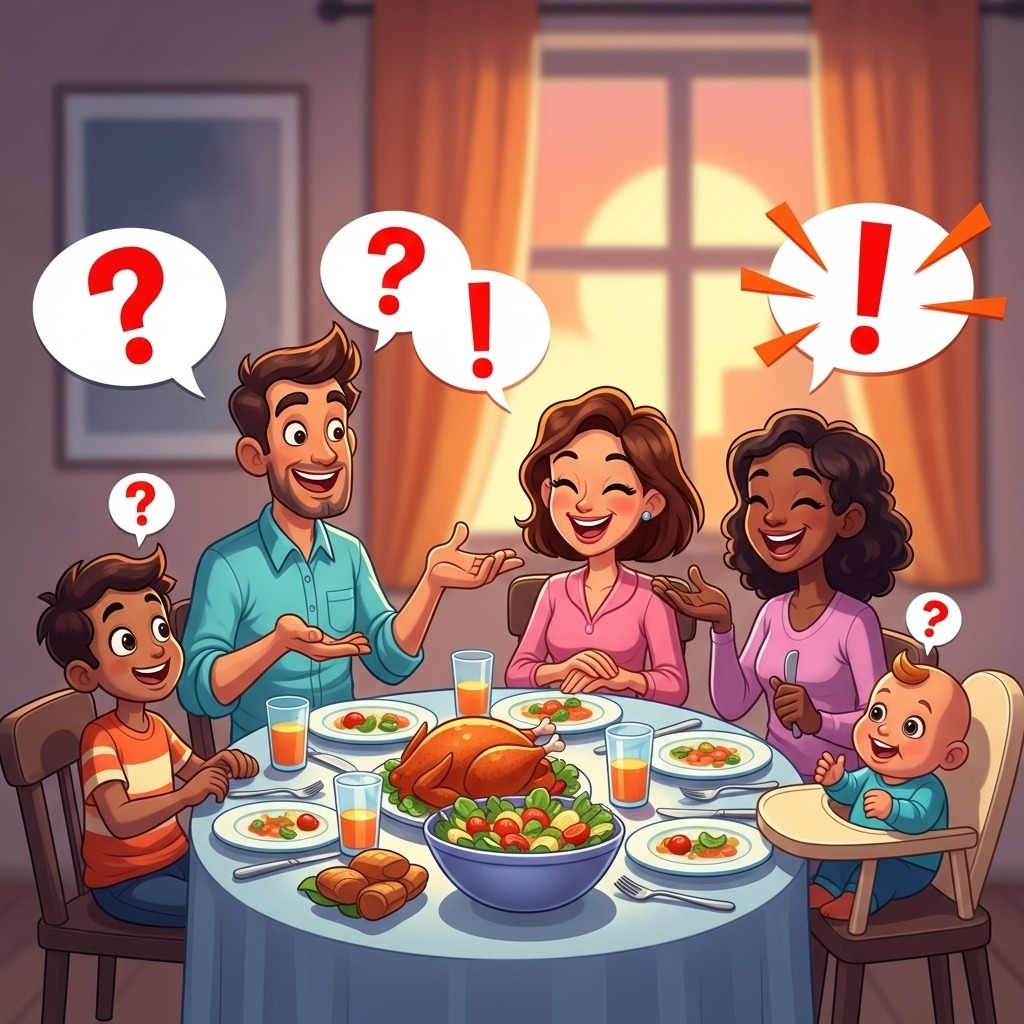
Questions About Favorites (With a Twist)
Kids love talking about their favorites, but the standard “what’s your favorite color?” gets old fast. These questions add a creative spin that makes the answers more interesting.
Favorites That Spark Stories
What’s your favorite book and why? The “why” part is key. It’s not just a title—it’s a conversation about characters they relate to, plots that excite them, or writing styles they love.
If you could only eat three foods for the rest of your life, what would they be? This leads to hilarious debates about whether a specific food counts (Is pizza one food? What if you make different kinds?) and reveals their actual preferences versus what they think they should say.
What’s your favorite memory? Not “what’s a good memory”—what’s THE favorite. Kids will surprise you. Sometimes it’s a big vacation, sometimes it’s a random Tuesday when you played cards together for an hour.
What’s your favorite thing about each person in our family? This is perfect for building family bonds and making everyone feel appreciated. Fair warning: the answers can be brutally honest (“My favorite thing about big brother is when he’s at a friend’s house”).
If you could only watch one movie for a year, which one? My kids turn this into a full debate, weighing rewatchability against initial enjoyment. It also shows you what content really resonates with them.
When my kids are in the mood for something more structured than conversation, these board games for kids naturally lead to the kind of casual chat where the best stories come out.
Deep Questions for Older Kids
Once kids hit about 8 or 9, they’re ready for more thoughtful questions that go beyond surface-level topics. These questions help me understand who they’re becoming.
Understanding Their Inner World
What’s one thing that makes you unique? This is beautiful and heartbreaking all at once. Some kids answer confidently. Others really struggle to identify what makes them special, which tells you where they need more affirmation.
What qualities do you look for in a friend? Their answer reveals their values. My daughter said, “someone who doesn’t make fun of people,” which led to a great conversation about empathy and standing up for others.
Who is someone you look up to and why? The answers aren’t always who you’d expect. Sometimes it’s a celebrity, sometimes it’s a teacher, sometimes it’s an older sibling’s friend.
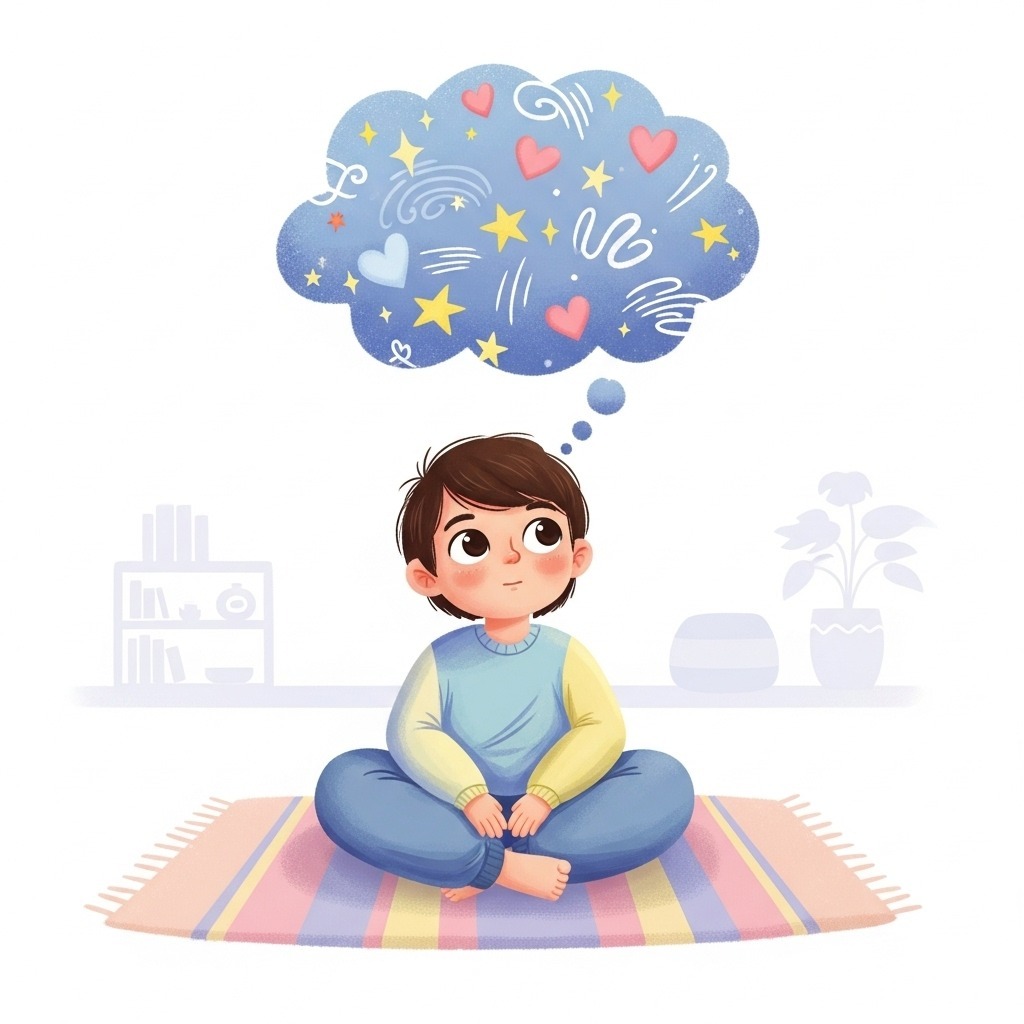
What do you like to daydream about? Kids’ daydreams are fascinating. They dream about being YouTubers, inventing things, having certain pets, living in different places, or sometimes just about what they’ll have for their next birthday party.
What worries you most? This one requires trust and timing. Don’t ask it when you’re rushing somewhere or distracted. But when the moment is right, kids will share fears you didn’t know they carried.
Questions About Growth
What’s one thing you wish you were better at? This shows their self-awareness and where they want to improve. Follow up by asking if they want help working on it or if they just wanted to share.
When was the last time you had to do something really hard? How did you do it? This reinforces resilience by having them reflect on past successes. They often forget how capable they are until you ask them to remember.
What makes you feel confident? The answers vary wildly. For some kids, it’s mastering a skill, for others, it’s wearing a certain outfit or being around specific people.
If you’re looking to build deeper emotional connections, our guide on questions to ask your child before it’s too late covers more profound topics that help you truly know your child.
Silly Questions That Get Everyone Laughing
Sometimes you don’t need deep conversations—you just need to break the ice or lighten the mood. These questions never fail to get my kids giggling.
Pure Silliness
What’s the weirdest noise you can make? Be prepared for a full concert of bizarre sounds. My kids turn this into a competition.
If you could have any animal’s ability, what would you choose? This always leads to ridiculous scenarios. My son wants octopus arms so he can play video games while eating snacks and doing homework simultaneously.
If you woke up with eight arms like an octopus, what would you do? The practicality discussions this generates are hilarious. Would you need eight shirts? Could you hug eight people at once?
What do you think goldfish think about all day? My 6-year-old has theories. Many theories. About goldfish consciousness.
What’s the wackiest thing you could put on pizza that you’d actually eat? We’ve heard suggestions ranging from gummy bears to mac and cheese to pickles. Some were worse than others.
Funny “Would You Rather” Questions
Would you rather have spaghetti for hair or marshmallows for fingers? These questions lead to deep philosophical debates about the pros and cons of each option.
Would you rather always talk in rhymes or only be able to whisper? My kids immediately started demonstrating both, and we spent 20 minutes only rhyming. It was exhausting and delightful.
Would you rather ride a horse or a unicorn? Trick question—everyone picks unicorn, but then you get to ask follow-up questions about what color it would be, what you’d name it, and where you’d keep it.
On long car rides, we combine these silly questions with road trip games for kids to keep everyone entertained and engaged.

Imagination Questions for Creative Kids
These questions let kids build entire worlds in their minds. They’re perfect for quieter moments when you’re doing something together—cooking, driving, or just hanging out.
What If Scenarios
If you had a time machine, where would you go? My kids’ answers range from “I’d meet the first dinosaur” to “I’d go to my birthday party again” to “I’d visit when you were a kid to see if you were as annoying as me.”
If you could invent anything in the world, what would you create? This reveals what frustrates them or what they wish existed. My daughter wants to invent a machine that does your homework by reading your mind. Points for creativity.
If you won a million dollars, what would you buy? The first answers are usually toys or video games, but if you keep asking “what else?”, kids start revealing deeper wishes—houses for homeless people, gifts for family members, college savings.
If you were president, what laws would you make? Children have strong opinions about bedtime laws, vegetable laws, and homework laws. Very strong opinions.
If you could live in any book or movie world, which one? This shows you what kind of adventures appeal to them and what characters they identify with.
Building Imaginary Worlds
If you could design your dream house, what would it be like? My kids have described everything from treehouses to underground bunkers to houses made entirely of trampolines.
If aliens landed in our backyard, what would you say to them? The answers are always entertaining and sometimes oddly specific. My son has a prepared speech. He’s been ready for this moment his whole life, apparently.
If you could talk to animals, what would you ask them? This leads to debates about which animals would give the best answers and whether bugs count as animals.
For kids who love creative activities, these kids’ craft supplies pair perfectly with imagination questions—they can draw or build what they’re envisioning as they describe it.
Questions About Family and Belonging
These questions help kids understand their place in your family story and build stronger connections with relatives.
Family History Questions
Where did your parents grow up? My kids love hearing about my childhood, especially the parts that sound weird to them (like not having smartphones or only having a few TV channels).
What’s your favorite family tradition? Sometimes their answer surprises you. The thing you think is special might not register, while something small you barely noticed has become deeply meaningful to them.
Who in the family do you look most like? Who do you act like? This helps kids see themselves as part of a larger story and understand family traits and patterns.
What’s one thing that makes our family special? The answers are always touching. Sometimes it’s silly (“we all love pizza”), sometimes profound (“we always help each other”).
If you could create a new family tradition, what would it be? Take them seriously when they answer this. My daughter suggested monthly game nights, and we’ve been doing them for two years now.
Understanding Relationships
Who knows you the best? This reveals who kids feel most connected to and most understood by. It’s not always parents, and that’s okay.
What qualities do you look for in a friend? This doubles as a check on their values and social development.
How did you meet your best friend? Kids love retelling origin stories of important relationships.
These kinds of activities to do with kids help create the shared experiences that make these family questions more meaningful.
Questions About the Future
Kids love imagining their future selves, and these questions help them think about who they want to become.
Dreams and Goals
What do you want to be when you grow up? This classic question changes every few months for younger kids, but watching the evolution is fascinating.
Where do you want to live when you’re older? Kids’ answers range from practical (“close to you”) to wildly aspirational (“in a castle in Scotland”).
What’s something you’re looking forward to? This could be next week, next month, or next year. It helps them stay excited about what’s coming.
What goals do you have for this year? Help them dream, but also help them break big goals into manageable steps.
What do you think you’ll be doing in 10 years? For a 9-year-old, imagining themselves at 19 is wild. They come up with detailed scenarios of college life, jobs, or adventures.
Bigger Picture Thinking
What do you think will be most different about living in the future? My kids think there will be flying cars, robot teachers, and houses on other planets. They might be right.
How do you think your generation will change the world? Kids have optimistic, idealistic answers that honestly make me hopeful.
What’s one thing you’d change about the world? This reveals their values and what issues they’re already aware of and care about.
Sometimes the best way to support these big dreams is to give them the tools for learning and growing. These kids’ activity books & workbooks help develop skills while keeping the fun factor high.
The Questions I Avoid (And Why)
Not every question is a good question, even if it seems innocent. Here’s what I’ve learned to skip:
“Why did you do that?” when they’ve made a mistake. It puts kids on the defensive. Instead, try “What happened?” or “What were you thinking about when you made that choice?”
“Did you have fun?” Right after an activity. They might not have processed it yet. Give them time, then ask specific questions about different parts of the experience.
“How was your day?” is the very first thing when they get home or in the car. Give them 15 minutes of silence or casual chat first. They need decompression time.
Anything that starts with “why” when they’re upset. “Why are you crying?” “Why are you so angry?” These questions feel accusatory when emotions are high. Wait until they’re calm, then explore feelings together.
Questions with obvious “right” answers. “You had a good time today, right?” “You like your teacher, don’t you?” These shut down honest sharing because kids know what answer you want.
Tips for Better Conversations With Kids
Having the right questions is only half the battle. Here’s what makes those questions actually work:
Timing matters more than you think. Don’t try to have deep conversations when kids are hungry, tired, or in the middle of something. I get the best responses during car rides, while cooking together, or right before bedtime.
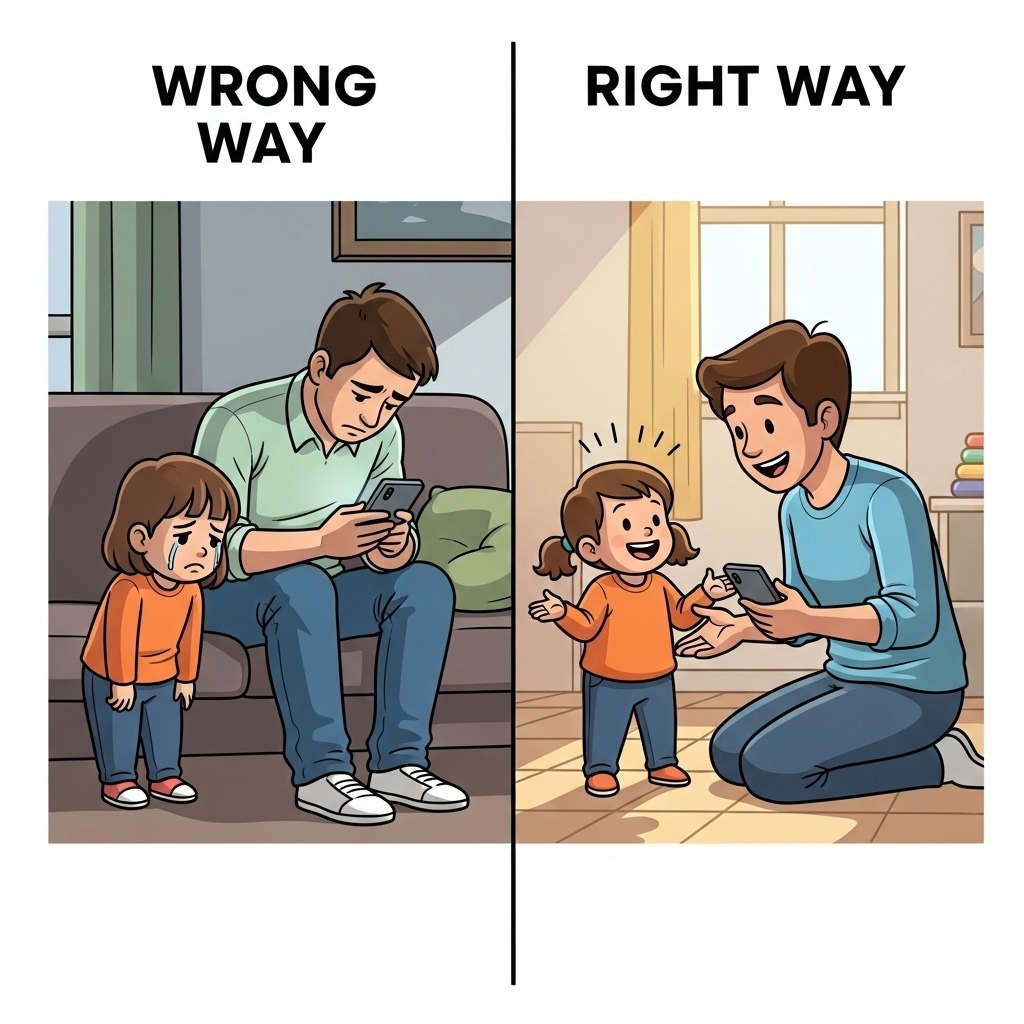
Put your phone down. Kids can tell when you’re half-listening. Full attention creates trust and shows you actually care about their answers.
Share your own answers too. Make it a conversation, not an interrogation. When I answer the same questions I ask them, my kids learn more about me and feel like we’re on equal footing.
Don’t force it. Some days, kids don’t want to talk, and that’s okay. Respect their quiet time, and they’ll be more likely to open up when they’re ready.
Follow their interests. If they start talking about something you didn’t ask about, go with it. The goal is connection, not checking questions off a list.
Let silences happen. When you ask a good question, give them time to think. Fight the urge to fill the silence or rephrase the question. Kids need processing time.
If you’re still working on general parenting communication skills, resources like these parenting books can provide frameworks for building stronger parent-child relationships.
Questions by Age Group
Not every question works for every age. Here’s how I adapt based on where my kids are developmentally.
For Little Kids (Ages 3-6)
Keep it concrete and visual. “What’s your favorite animal?” “What color shirt are you wearing?” “What did you eat for a snack?”
Use their language. If they call it “munching time” instead of lunch, use their words.
Go with silly. Little kids love absurd questions. “If your teddy bear could talk, what would it say?” “What would you do if you could fly?”
Keep questions short. Long, complicated questions lose them. One concept at a time.
For Elementary Kids (Ages 7-10)
Mix concrete and abstract. They can handle “What was lunch?” and “What makes you a good friend?”
Ask about peers. Social dynamics become huge at this age. “Who did you play with at recess?” “What made you laugh today?”
Let them be experts. Ask questions about things they know more about than you do—their favorite games, books, or shows.
Validate feelings. “What was the hardest part of your day?” acknowledges that not everything is easy.
For Tweens and Teens (Ages 11+)
Respect their independence. Frame questions as curiosity, not surveillance. “I’m curious what you think about…” not “I need to know why you…”
Ask for opinions. “What do you think about…” makes them feel valued.
Be ready for real answers. They might share things that worry you. Stay calm and keep listening.
Use hypotheticals. “What would you do if…” lets them think through situations without pressure.
Making It a Routine
The real magic happens when asking questions becomes a regular part of your day, not a special occasion thing. Here’s how I’ve built it into our routine:
Dinner table questions. We go around and everyone answers a question. Sometimes it’s deep (“What are you grateful for?”), sometimes silly (“Would you rather fight one horse-sized duck or 100 duck-sized horses?”).
Bedtime check-ins. The lights are off, defenses are down, and kids share things in the dark they wouldn’t say in daylight.
Car ride conversations. Captive audience, nowhere to escape. Use it wisely.
Weekend reflection. Sunday evening, we talk about the highlights of the weekend and what we’re looking forward to in the week ahead.
Question jar. We keep a jar of questions written on slips of paper. When conversation lulls at dinner, someone picks one. Kids can add their own questions, too.
The consistency matters more than perfection. Some nights, my kids are chatty. Other nights, I get one-word answers despite my best efforts. That’s normal. The point is that they know I’m always interested in their answers.
FAQ: Questions to Ask Kids
What are good questions to ask kids after school?
Instead of “How was your day?”, try specific questions like “What was for lunch today?”, “Did anyone get in trouble?”, “What made you laugh?”, or “What was the hardest thing you did?”. These concrete questions give kids an entry point for sharing details about their day without feeling overwhelmed by a vague, broad question.
How do I get my child to open up and talk to me?
Start with specific, low-pressure questions about topics they care about. Put away your phone and give them your full attention. Share your own answers to the same questions. Most importantly, respect when they don’t want to talk—pushing too hard can make them close off more. Create regular low-key opportunities for conversation, like car rides or cooking together.
What questions help kids develop emotional intelligence?
Try questions like “What made you feel proud today?”, “When did you feel frustrated and how did you handle it?”, “What’s something kind you did for someone?”, or “What would you do if a friend was feeling sad?”. These questions help children identify emotions, understand how their actions affect others, and develop empathy.
What are fun questions to ask kids to make them laugh?
Silly questions work great: “What’s the weirdest noise you can make?”, “If you could have any animal ability, what would you choose?”, “What do you think goldfish think about all day?”, or “Would you rather have spaghetti hair or marshmallow fingers?”. The more absurd, the better—kids love ridiculous scenarios that let their imaginations run wild.
How often should I ask my kids meaningful questions?
Make it a natural part of daily life rather than scheduling formal conversation time. Even one or two thoughtful questions a day make a difference. Quality matters more than quantity—one genuine conversation where you both fully engage beats twenty forced questions where neither of you is really present.
The right questions have completely changed how I connect with my kids. Instead of pulling teeth to get three words about their day, I now know about their friendships, their struggles, their dreams, and their ridiculous theories about what giraffes should sound like.
These aren’t just questions—they’re bridges. Every time you ask something that makes your child light up and share what’s really going on in their world, you’re building trust and showing them that what they think and feel actually matters to you.
Start small. Pick three or four questions from this list that feel natural to you. Try them this week. Pay attention to which ones make your kids lean in and which ones get eye rolls. Adjust accordingly.
The beautiful thing about asking good questions is that it’s never too late to start. Whether your kids are three or thirteen, there’s always something new to discover about who they are and who they’re becoming. You just have to ask.