
Last Tuesday night, I walked past my eleven-year-old’s bedroom and heard her laughing on FaceTime with friends. I stood there for a second, realizing I had no idea what she was laughing about, who her favorite friend was this week, or what was actually happening in her world. When did she stop telling me everything? When did I stop asking?
That moment hit me like a ton of bricks. She’s growing up, and I’m missing it because I’m too busy asking, “Did you do your homework?” and “What do you want for dinner?” The truth is, childhood doesn’t last forever, and neither does that window when our kids actually want to talk to us. So I made a promise to myself: I’d start asking the questions that actually matter before it was too late.
Why These Questions Matter More Than You Think
Here’s something I didn’t realize until recently: the questions we ask our children shape not just our relationship with them, but how they see themselves. When we only ask about grades and chores, we’re telling them that’s all we care about. But when we ask about their dreams, fears, and feelings, we’re showing them their inner world matters to us.
Child development experts explain that meaningful conversations help kids develop emotional intelligence and critical thinking skills. More importantly, these conversations create a safe space where children feel truly seen and heard. And in a world where kids are bombarded with messages from social media, peers, and pop culture, being truly seen by their parents might be the most important thing we can give them.
I wish I’d started this earlier. With my oldest now in middle school, I’m seeing how quickly things change. But it’s not too late for any of us to start asking better questions. Here are the 15 questions that have completely transformed my relationship with my kids.
What Do You Think About Most?
This question opened up a whole world I didn’t know existed. My nine-year-old told me he thinks about whether dogs dream. My daughter admitted she thinks about whether her friends really like her or just pretend to. These aren’t things that come up during “How was school?” conversations.
When we ask what occupies their mental space, we get insight into their worries, curiosities, and obsessions. Sometimes it’s lighthearted, sometimes it’s heavy, but it’s always revealing. Don’t rush to fix or judge—just listen. Their thoughts are a window into who they’re becoming.
What Makes You Feel Most Loved?
This one changed everything for me. I assumed my kids felt loved when I made their favorite meals or bought them things they wanted. Turns out, my son feels most loved when I sit and watch him build Lego sets without checking my phone. My daughter feels loved when I remember small details she’s mentioned in passing.
Everyone receives love differently, and kids are no exception. Understanding their love language helps us show up for them in ways that actually land. For more insights on connecting with your kids through gentle parenting approaches that build strong bonds, there are so many techniques that can strengthen your relationship without losing authority.
What Do You Worry About the Most?
Kids carry more worries than we realize. My daughter was anxious about a friendship that I didn’t even know was struggling. My son was worried about whether he’d make the soccer team next year—something that seemed far off to me but was consuming him daily.
Creating space for kids to voice their worries without immediately problem-solving is crucial. Sometimes they just need to get it out. Sometimes they need reassurance. Sometimes they need help making a plan. But first, they need to know their worries are valid and we’re there to help carry them.

Who Do You Look Up To?
My kids’ answers surprised me. Sure, they mentioned a few athletes and YouTubers, but they also mentioned their aunt, a teacher, and in one very sweet moment, each other. Understanding who your child admires reveals what qualities they value and aspire to develop.
This question also opens the door to conversations about why they look up to certain people. What is it about that person that inspires them? It’s a chance to reinforce positive values and gently question some influences that might concern you—without being preachy about it.
What Are You Afraid Of?
This goes deeper than “the dark” or “spiders.” I’m talking about the real fears—failure, rejection, not being good enough, disappointing us. When my daughter finally admitted she was afraid of letting me down, I realized how much pressure she’d been putting on herself to be perfect.
Addressing these fears head-on, acknowledging them, and showing your child that you love them through their mistakes can be incredibly healing. Research from the American Academy of Pediatrics on emotional development emphasizes that children who feel safe expressing fears develop better emotional resilience and coping strategies.
How Do You Feel About School Right Now?
Not just “Do you like school?” but how do they feel about it? Are they excited, bored, stressed, or overwhelmed? My son loves his science class but dreads recess because he doesn’t always know who to play with. I never would have known that from asking generic questions.
Understanding their school experience—academically, socially, emotionally—helps us support them better. Maybe they need help with organization. Maybe they need strategies for dealing with a difficult classmate. Maybe they just need us to know that school isn’t all sunshine and rainbows right now.
If You Could Have One Superpower, What Would It Be and Why?
This playful question actually reveals a lot. Kids who choose invisibility might be feeling overlooked or want to escape attention. Kids who choose super strength might feel powerless in some areas of life. Kids who choose flying might crave freedom and adventure.
The “why” behind their answer is where the magic happens. It’s a less intimidating way to talk about deeper desires and struggles. Plus, it’s fun! Sometimes we need to remember that engaging activities that bring joy and light-hearted conversations are just as important as heavy ones.

What Do You Wish We Did More of as a Family?
My kids’ answers were surprisingly simple. More game nights. More time at the park. More cooking together. More of me putting my phone away. That last one stung, but it was a wake-up call I needed.
Family time is precious, and our kids have opinions about how we spend it. Asking this question shows we value their input and want to create memories they’ll cherish. It also reveals what they consider quality time, which might be different from what we think.
What’s Something You’ve Always Wanted to Learn?
My daughter wants to learn guitar. My son wants to learn how to code video games. These aren’t things that came up naturally in our daily conversations, but asking this question opened doors to new shared experiences.
Supporting your child’s curiosity shows them that learning isn’t just about school subjects—it’s about exploring the world and becoming who they want to be. Learning something together strengthens your bond while both of you grow, according to research on childhood development from the Mayo Clinic.
How Do You Handle It When Something Goes Wrong?
This question helps you understand your child’s coping mechanisms. Do they shut down? Lash out? Ask for help? Try to fix it themselves? Understanding their natural response to adversity helps you support them better and teach them healthier strategies if needed.
My son tends to bottle things up, which means I need to check in more intentionally. My daughter over-analyzes everything, so she needs help breaking problems down into manageable pieces. There’s no one-size-fits-all approach to resilience.
What’s Your Favorite Memory of Us Together?
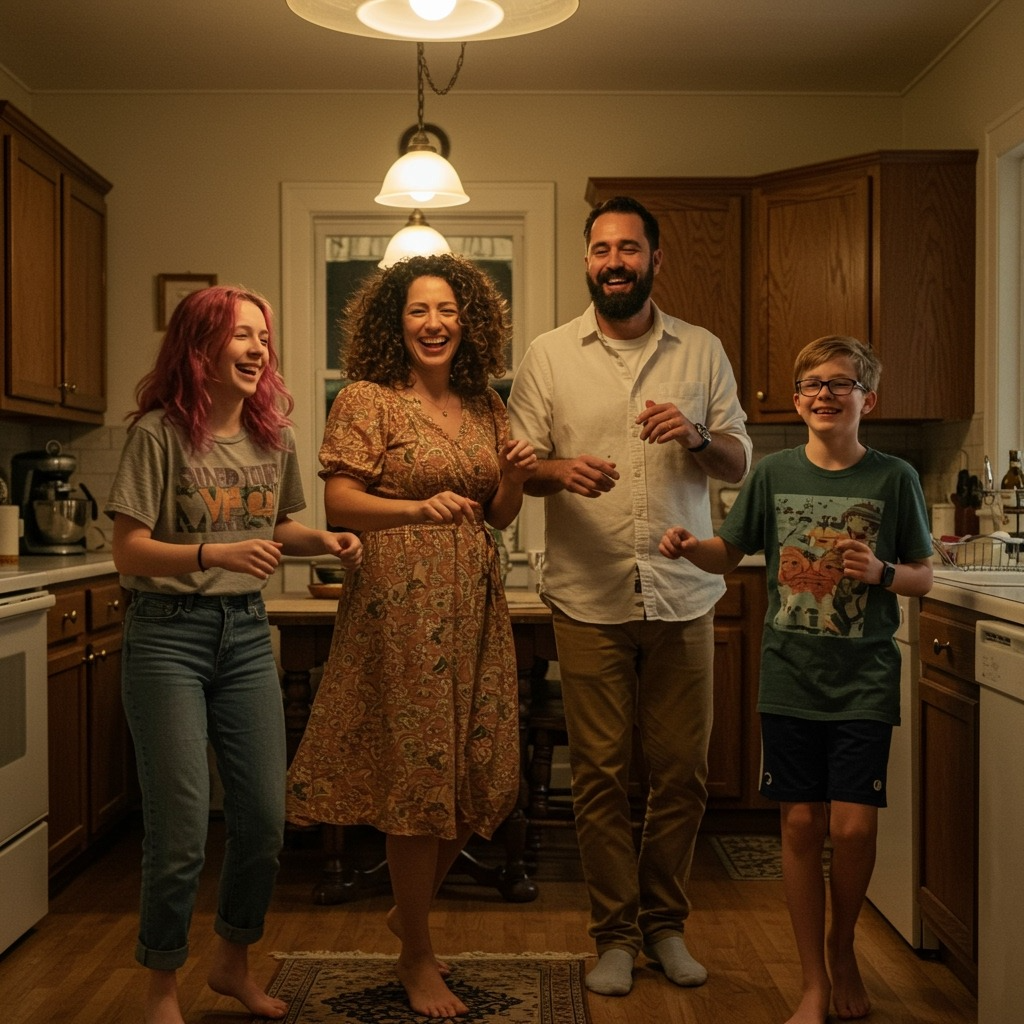
Asking this made me realize that the memories my kids treasure most aren’t the expensive vacations or big gifts. My son’s favorite memory is when we got caught in a rainstorm at the park and just played in it instead of running to the car. My daughter’s is a random Tuesday when we made pancakes for dinner and had a dance party in the kitchen.
These reminders keep us focused on what actually matters. The everyday moments of joy, silliness, and connection are what stick. That’s where real family bonding happens—not in the grand gestures but in showing up with presence and playfulness.
How Can I Be a Better Parent to You?
This is the bravest question you can ask, and it requires thick skin. My kids have told me I’m “too stressed all the time,” that I “always say ‘in a minute’ but then forget,” and that I “interrupt them when they’re talking.” Ouch. But also… they’re not wrong.
Asking this question models humility and shows our kids that we’re all growing and learning. It also gives them agency in our relationship. Experts emphasize that children who feel heard and respected in family dynamics develop stronger self-advocacy skills that serve them throughout life.
What Do You Love About Our Family?
After all these deeper questions, this one lets us focus on gratitude and what’s working well. My kids love our movie nights, our inside jokes, and the fact that we’re “weird but in a good way.” These affirmations remind everyone what makes your family special and unique.
Focusing on strengths rather than just problems creates a more positive family culture. It also helps kids develop an attitude of gratitude, which research shows is linked to greater happiness and resilience throughout life.
What Do You Dream About Doing When You’re Older?
Not just “What do you want to be?” but what do they dream about doing? My daughter dreams of traveling to Japan. My son dreams of inventing something that helps people. These aspirations reveal their values and give us opportunities to encourage and support their goals.
Dreams change, and that’s okay. The point isn’t to hold them to these dreams but to show interest in their evolving sense of self and possibility. Who knows? Maybe understanding developmental milestones, like when children typically learn to read, can help you better support their journey toward these dreams.
Is There Anything You Wish I Knew About You?
This open-ended question might be the most important one. It gives kids complete freedom to share whatever is on their hearts. Sometimes they’ll say something profound. Sometimes they’ll tell you about a new interest you didn’t know about. Sometimes they’ll say “not really,” and that’s okay too.
The act of asking shows them you’re interested, available, and ready to listen. It creates a habit of openness that can carry through the harder teenage years when communication often becomes more challenging.
When and How to Ask These Questions
Don’t sit your kid down at the kitchen table with a list and interrogate them. That’s weird, and they’ll shut down. Instead, weave these questions naturally into your daily life. Car rides are perfect for this. So are bedtimes, walks, and mealtimes.
Ask one question at a time. Give them space to think. Don’t judge their answers or immediately jump to advice mode. Sometimes just listening is enough. Make it conversational, not clinical. Share your own answers too—it models vulnerability and openness.
I keep a running list of questions on my phone and pull one out when the moment feels right. Sometimes we’re in the middle of fun road trip games, and I’ll just slip one in naturally. Other times, it’s just the two of us folding laundry together, and I’ll ask what they’re thinking about.
What I Learned From Their Answers
These conversations have completely changed how I parent. I understand my kids better. I see them as full human beings with complex inner lives, not just little people who need to be managed and directed. I’ve learned that they’re funnier, wiser, and more thoughtful than I gave them credit for.
I’ve also learned how little time we actually have. My eleven-year-old will be in high school in a few years. My nine-year-old will be in middle school. The window for these easy, open conversations is smaller than I want to admit. So I’m asking the questions now, while they still want to answer them.
Most importantly, I’ve learned that being a good parent isn’t about having all the answers—it’s about asking the right questions and truly listening to the responses. It’s about creating a relationship where your kids feel safe enough to be honest, seen enough to be vulnerable, and loved enough to be themselves.
Frequently Asked Questions
What if my child doesn’t want to answer these questions?
Don’t force it. Some kids need time to warm up to deeper conversations. Start with lighter questions and build trust. Model vulnerability by sharing your own answers first. And respect their boundaries—not every moment needs to be a deep heart-to-heart.
How often should I ask these questions?
There’s no magic formula, but aim for meaningful conversations at least a few times a week. The goal isn’t to check boxes but to create an ongoing dialogue where deeper questions feel natural, not forced.
What if their answers worry me?
Listen without overreacting. Thank them for being honest. If you’re genuinely concerned about their mental health or safety, seek professional guidance from a pediatrician or child therapist. But remember, most worries and fears are developmentally normal.
My teenager rolls their eyes at these questions. What should I do?
Teenagers are tough! Try asking questions while doing an activity together (shooting hoops, driving, cooking) rather than face-to-face. Keep questions shorter and more casual. And don’t take the eye rolls personally—they’re still listening, even if they act like they’re not.
Can I ask these questions to toddlers and preschoolers?
Absolutely! Adapt the language to their level. Instead of “What do you think about most?” try “What makes you happy today?” Younger kids benefit from these conversations too, and starting early builds a foundation for open communication as they grow.