
Three months ago, I was making lunch for my kids every single day, and I was exhausted. Between packing school lunches, making after-school snacks, and prepping dinner, I felt like I lived in the kitchen. Then one Saturday, my 8-year-old asked if she could make her own quesadilla, and something clicked. Why wasn’t I teaching my kids to feed themselves?
That first attempt was messy—cheese everywhere, the stove left on, and a small argument about who got to flip the quesadilla. But you know what? She was so proud of that slightly burnt, cheese-oozing creation. And I had 20 minutes to sit down with my coffee while it was still hot.
Now, my kids make their own breakfasts on weekends and handle their own lunches at least twice a week. Teaching them recipes for kids to make wasn’t just about giving them life skills—it was about giving all of us a little more breathing room.
Why I Started Letting My Kids Cook
I’ll be honest: I didn’t start this as some intentional parenting strategy. I was just tired. But the more my kids cooked, the more I realized how much they were gaining from it.
They’re learning real-life skills they’ll need when they leave home someday. My oldest is 11, and he can now make a complete meal from start to finish. According to researchers at the University of Nebraska-Lincoln, kids who learn to cook are more likely to make healthier food choices as adults and feel more confident in their abilities overall.
The confidence boost is real. There’s something about creating food with your own hands that makes kids feel capable and grown-up. My 6-year-old now introduces herself to relatives by saying, “I can make my own breakfast,” like it’s her greatest accomplishment. And honestly? It kind of is.
And yes, it gives me a break. On days when I’m juggling work deadlines, laundry, and trying to remember if anyone has clean socks for tomorrow, having my kids handle their own lunch is a game-changer. I’m not waiting on them hand and foot, and they’re not interrupting me every five minutes asking for snacks.
No-Cook Recipes for Kids
These are the perfect starting point, especially for younger kids or those just getting comfortable in the kitchen. No heat means fewer safety concerns and more independence right from the start.
Peanut Butter & Jelly Variations
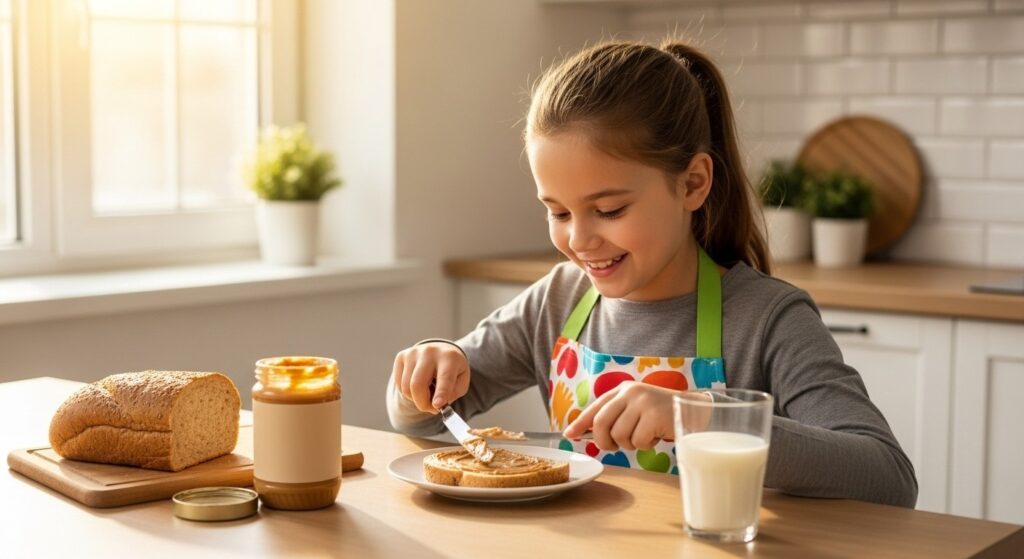
Yes, PB&J is obvious, but hear me out. Instead of just making the same sandwich, teach your kids to get creative. Roll it up in a tortilla, cut it into shapes with cookie cutters, or make it as an open-faced “pizza” on an English muffin. Add banana slices, honey drizzle, or granola for crunch.
My kids went through a phase where they’d compete to see who could make the most creative PB&J. Some were questionable (looking at you, PB&J with pickles), but they were making their own food without my help.
Build-Your-Own Smoothie Bowls
Set out a smoothie base (frozen fruit, yogurt, and milk or juice work great), and let kids blend it themselves. Then create a topping station with granola, fresh berries, coconut flakes, chocolate chips, and chia seeds.
This works especially well for breakfast ideas for kids because it feels like a treat but packs in nutrition. My kids will eat so many more fruits this way than if I just handed them an apple.
If you want to make smoothie prep even easier, these reusable snack containers are perfect for portioning out toppings ahead of time.
Snack Plates
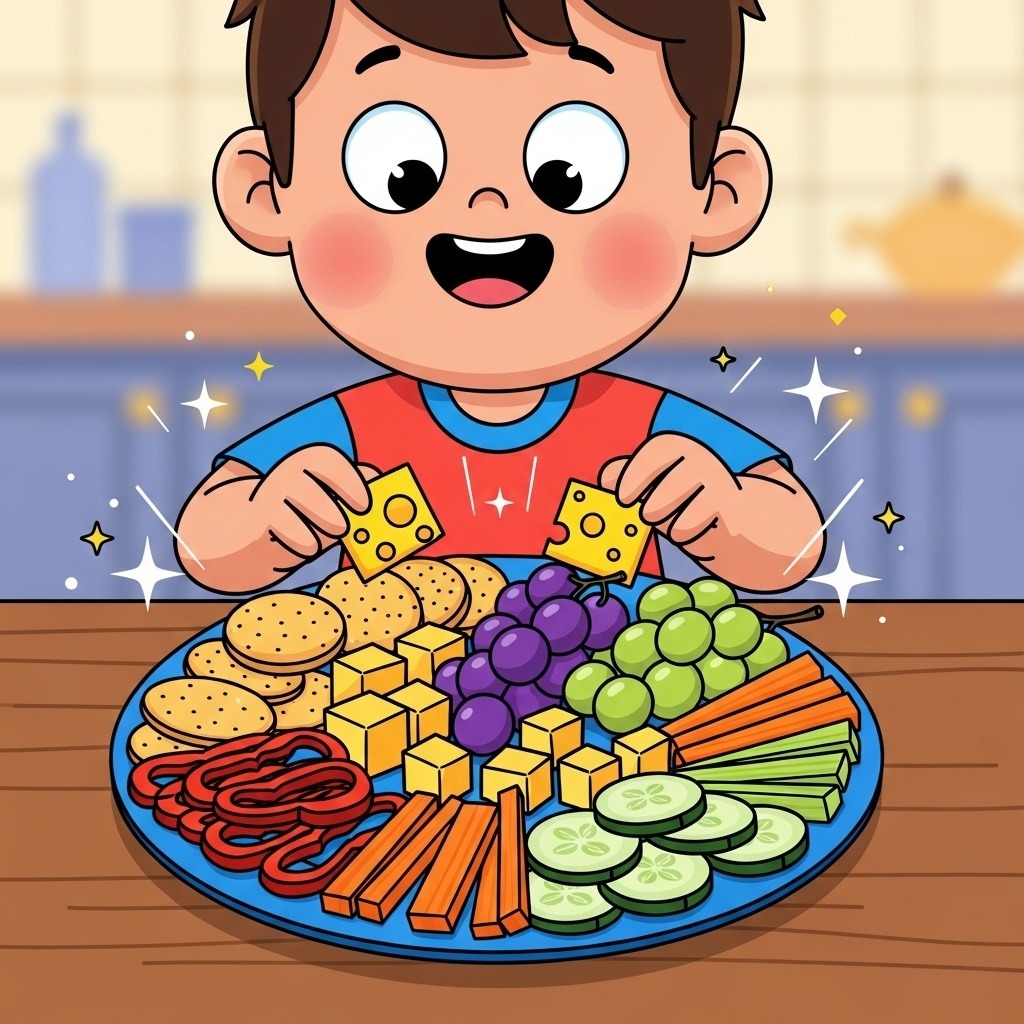
Give your kids a plate and let them raid the fridge for their personal snack board. Crackers, cheese cubes, deli meat, grapes, baby carrots, hummus—whatever you have on hand. They arrange it however they want.
This is my go-to for “I don’t feel like cooking” days. The kids think they’re making something fancy, and I’m not doing anything except supervising the fridge raid.
Tuna or Chicken Salad
If you have older kids (8+), they can mix canned tuna or rotisserie chicken with mayo, a squeeze of lemon, salt, pepper, and maybe some diced celery or grapes. Serve it on crackers, bread, or lettuce wraps.
My 10-year-old loves this because it feels like “real cooking” even though there’s no heat involved. Plus, it’s actually filling enough to count as lunch.
Fruit Parfaits
Layer yogurt, granola, and fresh or frozen berries in a cup or bowl. Kids can customize their layers, and it looks impressive even though it takes about two minutes to make.
Pro tip: let them use clear cups so they can see the layers. For some reason, this makes it taste better to kids.
Easy Microwave Recipes
Once your kids are comfortable with no-cook options, the microwave is the next step. It’s safer than the stove or oven but still feels like “real cooking.”
Mug Scrambled Eggs
Crack two eggs into a microwave-safe mug, add a splash of milk, whisk with a fork, and microwave for 60-90 seconds, stirring halfway through. Add cheese, salt, and pepper.
This was the first hot breakfast my kids learned to make, and they still choose it regularly. Pair it with toast (they can use the toaster) for a complete meal.
Microwave Quesadillas
Place a tortilla on a microwave-safe plate, add shredded cheese on half, fold it over, and microwave for 30-45 seconds until the cheese melts. Cut into triangles.
This is faster than the stovetop version and eliminates the “I forgot the stove was on” panic. My 7-year-old has made hundreds of these at this point.
Personal Nachos
Put tortilla chips on a microwave-safe plate, top with shredded cheese, and microwave for 30-45 seconds. After it comes out, kids can add toppings like salsa, sour cream, beans, or guacamole.
Fair warning: this can get messy, but it’s one of the most-requested recipes for kids to make in our house.
Mug Mac and Cheese
Combine 1/3 cup macaroni and 1/2 cup water in a large mug. Microwave for 3-4 minutes until pasta is cooked. Stir in a tablespoon of butter and 1/4 cup shredded cheese.
This is convenience food at its finest. Not as good as stovetop mac and cheese, but way easier for kids to manage independently.
Simple Stovetop Recipes
Stovetop cooking requires more supervision, especially for younger kids, but it’s an important skill. Start with these easy recipes and establish clear safety rules first.
Scrambled Eggs and Toast
Crack eggs into a bowl, whisk them, melt butter in a pan over medium-low heat, pour in the eggs, and gently stir until cooked. Make toast while the eggs cook.
This is a foundational recipe that teaches heat control, timing, and coordination. My kids started making this around age 8 with me standing nearby.
Grilled Cheese Variations
Butter two slices of bread, place cheese between them, and cook in a pan over medium heat until golden on both sides. Once they master the basic version, let them experiment with add-ins like ham, turkey, tomato, or bacon.
I can’t tell you how many grilled cheese sandwiches my kids have made. It’s probably in the hundreds at this point.
Basic Quesadillas (Stovetop Version)
Place a tortilla in a heated pan, add cheese and any other fillings on one half, fold it over, and cook until golden on both sides. This teaches flipping skills without too much risk.
The stovetop version gets crispier than the microwave version, which my kids prefer now that they’re comfortable with the stove.
Simple Pasta Dishes
Boil water, add pasta, cook according to package directions, drain, and toss with butter and garlic powder or marinara sauce. This teaches measurement, timing, and the basics of boiling.
Once kids master plain pasta, they can start adding cooked chicken, vegetables, or creating their own sauce combinations. For more ideas, check out our easy recipes for kids collection.
Pancakes
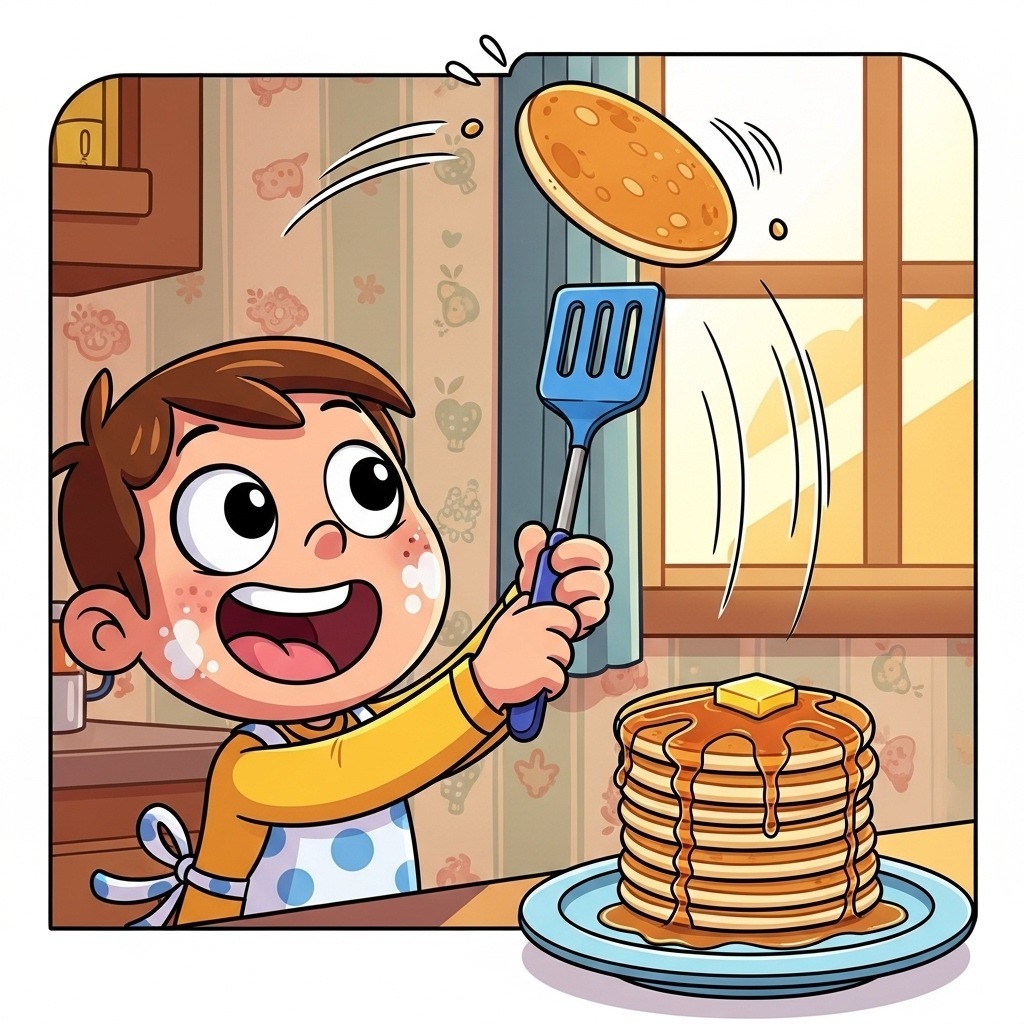
Mix pancake batter (box mix is totally fine), heat a griddle or pan, pour circles of batter, flip when bubbles form, and cook until golden. Serve with butter and syrup.
Pancakes are a weekend favorite in our house, and my kids take turns making them. There’s something special about Saturday morning pancakes that you made yourself. If you want a completely from-scratch option, try our easy pancake recipe for kids.
Easy Oven Recipes
Oven recipes require the most supervision, but they also produce some of the most impressive results. These are great for kids 9 and up who’ve mastered stovetop basics.
Personal Pizzas
Use English muffins, bagels, or pita bread as the base. Spread marinara sauce, add mozzarella cheese and toppings, and bake at 400°F for 8-10 minutes until the cheese melts.
Let kids create their own flavor combinations. My daughter makes a “breakfast pizza” with scrambled eggs and bacon. My son prefers pepperoni and black olives.
Sheet Pan Nachos
Spread tortilla chips on a baking sheet, top with shredded cheese, and bake at 350°F for 5-7 minutes until cheese melts. Add toppings after baking.
This is perfect for when multiple kids want to make their own versions. Everyone gets a section of the baking sheet for their creation.
English Muffin Pizzas
Similar to personal pizzas but specifically using English muffins. These are smaller and cook faster, which means less waiting and less chance of burning.
We keep English muffins, pizza sauce, and shredded mozzarella on hand at all times because this is such a frequently requested meal.
Baked Potatoes
Wash potatoes, poke holes with a fork, rub with oil and salt, and bake at 400°F for 45-60 minutes (depending on size) until tender. Kids can then load them with butter, cheese, sour cream, bacon bits, or chili.
This teaches patience and timing. My kids will prep their potatoes, put them in the oven, set a timer, and go play until they’re done.
Simple Cookies
Use refrigerated cookie dough or a simple from-scratch recipe. Roll into balls, place on a baking sheet, and bake according to directions. The smell of fresh cookies is unbeatable.
For kids who want to try baking from scratch, our easy cookie recipes for kids break down the steps in a really approachable way.
If you want to take baking to the next level, these kids’ baking & cooking sets come with kid-sized tools and make the whole process more accessible.
Instant Pot Recipes Kids Can Make
If you have an Instant Pot, it’s a game-changer for kids’ cooking. The enclosed cooking environment is safer than a stovetop, and many recipes are nearly foolproof.
Box Mac and Cheese
Add macaroni, water, and a pinch of salt to the Instant Pot. Cook on high pressure for 4 minutes, quick release, stir in butter and cheese packet.
Even my youngest can do this with minimal help. It’s become our “I don’t want to cook” emergency meal.
Instant Pot Ramen
Instead of the microwave packet version, kids can make homemade ramen in the Instant Pot with noodles, broth, and whatever add-ins you have (boiled eggs, vegetables, cooked chicken).
This feels more grown-up than the 99-cent packages, and the Instant Pot makes it just as easy.
Butter Pasta
Pasta, water, butter, garlic powder, and Parmesan cheese. Cook on high pressure for half the package time, quick release, stir in butter and seasonings.
My 11-year-old makes this for lunch at least once a week. It’s simple, filling, and he can do the entire thing independently.
Instant Pot Baked Potatoes
Add a cup of water and the trivet to the pot, place washed and pricked potatoes on the trivet, and cook on high pressure for 15-20 minutes. Quick release.
These come out perfectly tender every time, and kids can have them ready much faster than oven-baked versions.
Recipes by Age Group
Not every kid is ready for the same recipes at the same time, but here’s a general guide based on what’s worked in our house and what child development experts recommend.
Ages 4-6: Building Foundations
At this age, kids can help with stirring, pouring pre-measured ingredients, pressing buttons on the microwave, and assembling simple foods. They need constant supervision but can handle:
- Spreading peanut butter
- Assembling snack plates
- Pouring cereal and milk
- Making smoothies (with help)
- Microwaving simple items (with help)
The goal here isn’t independence yet—it’s building confidence and teaching basic kitchen awareness.
Ages 7-10: Growing Independence
This age can read basic recipes, measure ingredients, use the microwave independently, and start learning stovetop basics with supervision. Good recipes include:
- All no-cook options
- Microwave meals
- Simple stovetop items like eggs and grilled cheese
- Assembling and baking personal pizzas
- Following simple recipes with minimal help
My kids in this age range can make their own breakfast and lunch on weekends with me in the next room, available if needed.
Ages 11+: Real Cooking Skills
Older kids can handle more complex recipes, multiple steps, stovetop cooking with less supervision, and basic oven use. They can:
- Follow most recipes independently
- Cook full meals for the family.
- Experiment with variations and flavors
- Use kitchen appliances safely.
- Plan their own meals and check for ingredients.
My 11-year-old recently made dinner for the whole family—pasta with chicken and vegetables—and it was actually really good.
For more ideas on age-appropriate activities, you might enjoy our guide on activities to do with kids, which includes cooking alongside other skill-building options.

The Kitchen Rules I Wish I’d Set From Day One
It took a few disasters before I realized I needed clear, non-negotiable kitchen rules. Here’s what we established:
Safety Basics:
- Always ask before using the stove or oven
- Pot handles turn inward, never hanging over the edge.
- Use oven mitts, not dish towels.
- Never leave the kitchen while something is cooking.
- Know where the fire extinguisher is
Clean-As-You-Go Expectations:
- Put ingredients away after using them
- Wipe up spills immediately.
- Load your dishes into the dishwasher.
- The kitchen should look the same (or better) when you’re done.
This was the hardest one to enforce, but it’s made the biggest difference. I’m not cleaning up disaster zones anymore.
When to Ask for Help:
- If you’re not sure if something is cooked enough
- If you need to drain boiling water
- If something starts smoking or doesn’t look right
- If you’re using a knife for the first time
I’d rather answer 20 questions than deal with an injury or a ruined meal.
How I Stay Nearby Without Hovering:
- I’m usually in the living room or at the kitchen table, visible and available
- Younger kids cook when I’m not on work calls or deeply focused on something else.
- I check in at transition points (when they’re about to drain pasta, flip something, etc.)
- I offer help, but let them ask for it.
Finding this balance took time. I wanted to give them independence without being negligent about safety.
Tips for Success
Here’s what I’ve learned from months of kids cooking in my kitchen:
Keep ingredients simple and accessible. I created a “kids cooking shelf” in our pantry with everything they need for their go-to recipes. Pre-shredded cheese, box pasta, canned tuna, bread, and tortillas are always in stock.
Don’t stress their choices. Some days, my kids eat mac and cheese with a side of Goldfish crackers. That’s fine. They’re learning independence, and nutrition can happen at other meals.
Limit the options. Too many choices lead to decision paralysis. I give my kids a menu of 10-12 recipes they’re comfortable making, and they pick from that list.
Make it consistent. We do “cook your own lunch” every Saturday and Sunday. The routine makes it feel normal, not like a special event I have to psych myself up for.
Let them make mistakes. My kids have burned toast, oversalted eggs, and made some truly questionable flavor combinations. That’s how they learn. As long as it’s safe, I try not to intervene.
If you’re looking for more ways to help kids develop independence and confidence, these kids’ activity books & workbooks complement cooking skills beautifully by teaching problem-solving and following directions.

FAQ: Recipes for Kids to Make
At what age can kids start cooking?
Kids can start helping in the kitchen as young as 2-3 years old with very simple tasks like stirring or pouring measured ingredients. By ages 4-6, they can assemble no-cook items with supervision. Ages 7-10 can handle microwave cooking and basic stovetop recipes with nearby supervision, and kids 11+ can usually cook most recipes independently with check-ins at key moments.
What are the easiest recipes for kids to make alone?
The easiest recipes for kids to make independently are no-cook options like peanut butter and jelly sandwiches, snack plates with crackers and cheese, fruit parfaits, smoothies, and tuna or chicken salad. These require no heat and minimal knife skills, making them perfect for building confidence before moving to cooked recipes.
How do I teach my child to cook safely?
Start with no-cook recipes to build confidence, then progress to microwave, stovetop, and oven cooking gradually. Establish clear safety rules about pot handles, oven mitts, never leaving cooking food unattended, and when to ask for help. Stay nearby but not hovering, and practice each new skill multiple times before expecting independence. Make safety conversations ongoing, not one-time lectures.
What kitchen supplies do kids need to cook?
Kids benefit from having their own kid-sized tools when possible, but adult tools work fine too. Essential items include measuring cups and spoons, mixing bowls, a cutting board, a small sharp knife (with supervision), spatulas, mixing spoons, oven mitts, a whisk, and microwave-safe dishes. Keep ingredients at their level so they can access what they need without climbing.
How can I encourage my picky eater to cook?
Kids are more willing to try foods they’ve helped prepare. Start with recipes that include at least one food they already like, then gradually introduce new ingredients. Let them customize recipes—if they won’t eat regular quesadillas, let them make “dessert quesadillas” with peanut butter and banana. The goal is building confidence and kitchen skills, not forcing vegetables into every meal.
Teaching my kids recipes they can make themselves wasn’t just about the food—it was about giving them confidence, independence, and practical skills they’ll use for life. Sure, my kitchen gets messier now, and yes, we’ve had some failed experiments along the way. But watching my 8-year-old successfully flip a pancake or my 11-year-old cook dinner for the family? Those moments make the extra cleanup completely worth it.
Start small. Pick one recipe from this list that matches your child’s age and comfort level. Make it together a few times, then step back and let them try it with you nearby. You might be surprised how quickly they go from “Can you make me lunch?” to “I’ve got this.”
And on those days when you’re completely overwhelmed and just need 20 minutes to yourself? Send your kids to the kitchen with this list. You’ve got this, and more importantly, they’ve got this too.