
I’ll never forget the morning my three-year-old looked at her scrambled eggs, pushed the plate away, and said, “I’m not hungry.” This was the third day in a row. I was exhausted, frustrated, and honestly worried she wasn’t getting enough nutrition. That’s when I discovered the magic of smoothies—and I’m not talking about those chalky, green drinks that taste like lawn clippings. I’m talking about creamy, sweet, kid-approved smoothie recipes that my picky eaters actually ask for by name.
Here’s what changed everything: I learned how to hide vegetables in fruit-forward smoothies without lying to my kids about what’s inside. Now, smoothies are our secret weapon for busy mornings, after-school snacks, and even those days when dinner becomes a battlefield. If you’ve got a picky eater or you’re just trying to sneak more nutrients into your child’s diet, these 12 tested smoothie recipes will save your sanity.
Why Smoothies Saved Our Morning Routine
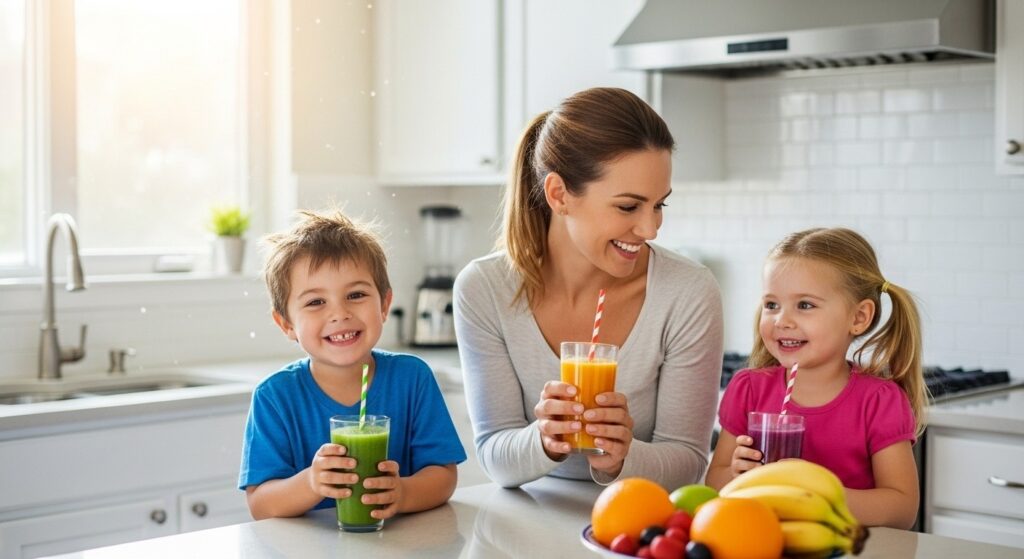
Before I figured out smoothies, mornings in our house were chaos. My kids would refuse breakfast, I’d stress about sending them to school hungry, and we’d all end up cranky by mid-morning. Smoothies changed that completely because they solve three major problems at once.
First, smoothies let you hide vegetables without the dinner-table drama. My boys wouldn’t touch spinach with a ten-foot pole, but they’ll happily drink a “Hulk Smoothie” that’s packed with it. Second, smoothies provide balanced nutrition in under five minutes—I can get protein, healthy fats, and fruits or veggies into one cup. Third, they’re portable, which means my kids can sip while getting dressed or during the car ride to school.
The best part? Smoothies are actually more filling than juice because they keep all the fiber from the fruits and vegetables. That means my kids stay satisfied longer, and I’m not dealing with the “I’m hungry again” complaints thirty minutes later.
The Formula That Makes Every Smoothie Work
After making probably a hundred different smoothies, I figured out a simple formula that works every single time. You need four components: a base liquid, frozen fruit, a protein source, and a healthy fat. This combination creates the creamy texture kids love while packing in nutrition.
For the base liquid, I usually use regular milk, but almond milk, oat milk, or even coconut milk works great too. The frozen fruit is non-negotiable—fresh fruit makes smoothies watery and thin, which kids hate. Bananas are my go-to because they add natural sweetness and that thick, milkshake-like texture. For protein, I rotate between Greek yogurt, plain yogurt, cottage cheese, or a scoop of vanilla protein powder. And for healthy fats, nut butter is my favorite because it makes smoothies extra creamy and keeps kids full longer.
Here’s my secret for green smoothies specifically: always blend the greens with the liquid first before adding everything else. This prevents those little spinach chunks that make kids suspicious. And if you’re worried about your smoothie tasting too “healthy,” add a tablespoon of honey or a couple of pitted dates for natural sweetness.
12 Smoothie Recipes for Kids That Actually Get Finished
1. Simple Strawberry Banana Smoothie
This is the gateway smoothie that converts picky eaters. It’s familiar, naturally sweet, and the pretty pink color makes kids excited to try it. I make this one at least twice a week because it’s foolproof.
Ingredients:
- 1 cup frozen strawberries
- 1 frozen banana (broken into chunks)
- ½ cup plain yogurt
- ½ cup milk
- 1 teaspoon honey (optional)
Why it works: Strawberries are naturally sweet, and pairing them with a banana creates a creamy, dessert-like texture without any added sugar. The yogurt adds probiotics for gut health and plenty of calcium for growing bones.
2. Chocolate Peanut Butter Banana Smoothie
This one tastes like a Reese’s cup but with actual nutrition. My kids call it their “dessert smoothie,” and I don’t correct them because they’re drinking protein, potassium, and healthy fats.
Ingredients:
- 2 frozen bananas (broken into chunks)
- 2 tablespoons peanut butter (or any nut butter)
- 1 cup milk
- 2 tablespoons cocoa powder
- ½ cup frozen cauliflower rice (yes, really!)
Why it works: The cocoa powder provides antioxidants while masking the taste of hidden cauliflower. The peanut butter makes it incredibly filling, perfect for active kids. If your child has nut allergies, try sunflower seed butter instead.
If you’re looking for more ways to keep your kids engaged in the kitchen, check out these easy recipes for kids that promote hands-on learning.
3. Orange Creamsicle Smoothie
This smoothie tastes exactly like those orange popsicles from the ice cream truck, except it’s loaded with vitamin C and protein. It’s been a game-changer on hot summer days.
Ingredients:
- 1 cup frozen pineapple chunks
- 1 peeled orange (segmented)
- ½ cup milk
- ½ cup vanilla yogurt
- ½ teaspoon vanilla extract
Why it works: The combination of citrus and creamy vanilla is irresistible to kids. It’s naturally sweet enough that you don’t need added sugar, and the bright orange color is Instagram-worthy.
4. Tropical Green Power Smoothie
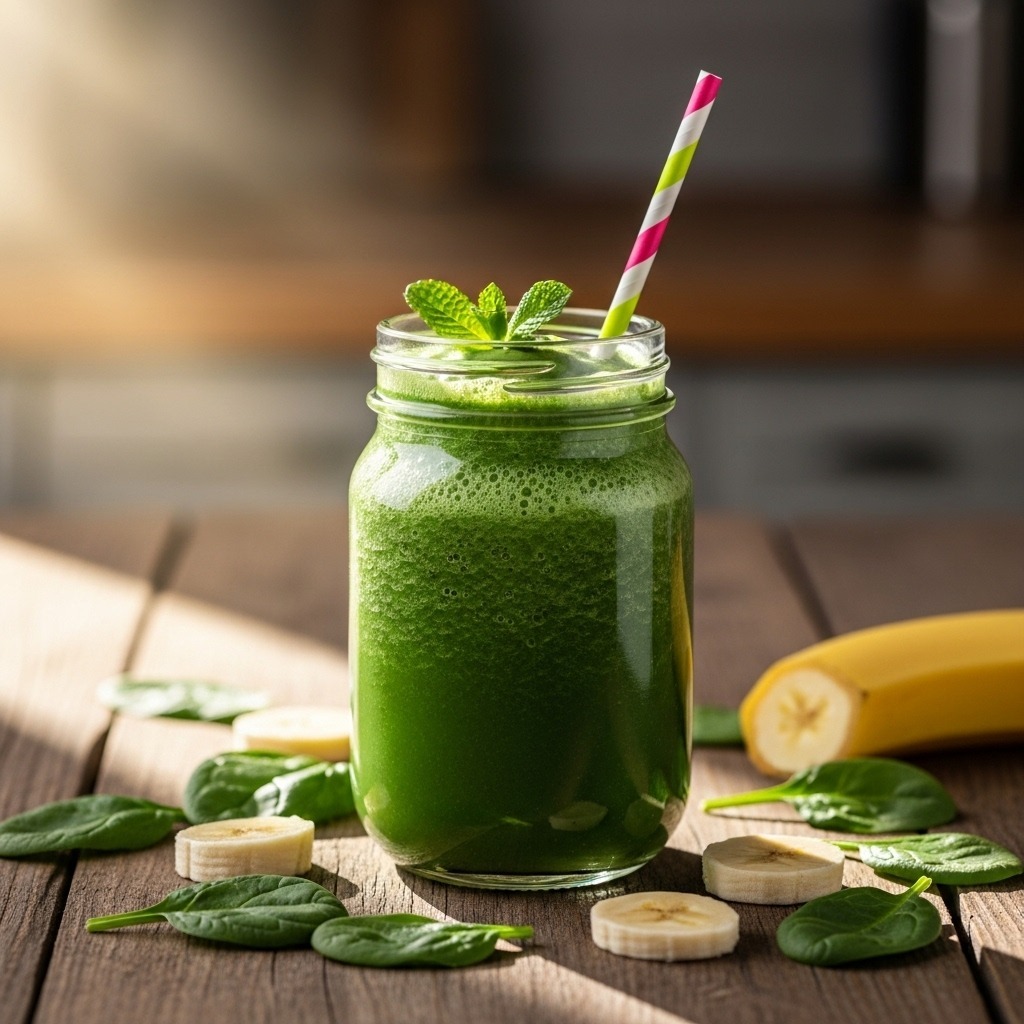
This is my go-to “sneaky veggie” smoothie. The tropical fruits completely mask the taste of spinach, and the gorgeous green color actually excites my kids because we tell them it’s a “superhero smoothie.”
Ingredients:
- 1 cup frozen mango chunks
- 1 cup frozen pineapple chunks
- 1 frozen banana
- 1 cup fresh spinach (packed)
- ¾ cup coconut milk or regular milk
- ½ cup orange juice
Why it works: Mango and pineapple are so sweet and flavorful that they completely hide the spinach. You’re sneaking in iron, vitamin C, and fiber without any complaints. The key is blending the spinach with the liquid first to ensure it’s completely smooth.
5. Hulk Avocado Smoothie
I started calling this the “Hulk Smoothie,” and suddenly my boys wanted to drink it to “get strong.” The avocado creates the creamiest texture and provides healthy fats for brain development.
Ingredients:
- 1 ripe avocado
- 2 cups frozen banana chunks
- ½ to 1 cup frozen spinach
- 2 cups milk
- 1 tablespoon honey (optional)
Why it works: Avocado is virtually tasteless in smoothies but makes them incredibly thick and velvety. The healthy fats keep kids satisfied for hours, making this perfect for busy mornings before school.
6. Triple Berry Blast Smoothie
This antioxidant-packed smoothie uses whatever berries I have on hand—fresh or frozen works great. The deep purple color makes kids feel like they’re drinking something special.
Ingredients:
- 1 cup mixed frozen berries (blueberries, raspberries, blackberries)
- 1 frozen banana
- ½ cup plain yogurt
- ½ cup milk
- 1 tablespoon honey
Why it works: Berries are loaded with vitamin C, antioxidants, and fiber. The banana balances out any tartness from the berries, making it perfectly sweet. This is also budget-friendly because frozen mixed berries are usually cheaper than buying them separately.
7. Blueberry Pie Smoothie
This smoothie tastes like dessert, but it’s packed with protein and nutrients. I sometimes top it with a little whipped cream, and my kids think they’re getting away with something.
Ingredients:
- 1½ cups frozen blueberries
- 1 frozen banana
- ½ cup vanilla yogurt
- ½ cup milk
- 1 tablespoon almond butter
- ¼ teaspoon cinnamon
- 1 tablespoon ground flaxseed
Why it works: The cinnamon gives it that “pie” flavor while the flaxseed adds omega-3 fatty acids. Blueberries are a superfood packed with antioxidants, and kids love the fun blue-purple color.
For more fun, nutrition-packed ideas your kids will enjoy, try these fun snacks for kids that are both delicious and wholesome.
8. Watermelon Strawberry Slush
This one is perfect for hot summer days or after beach activities for kids. It’s incredibly hydrating and light, almost like a healthy slushie.
Ingredients:
- 2 cups frozen watermelon chunks
- 1 cup frozen strawberries
- ¾ cup water or coconut water
- Juice of ½ lime
- Fresh mint leaves (optional)
Why it works: Watermelon is 92% water, making this smoothie super refreshing and hydrating. It’s naturally sweet, and the consistency is more slushy than creamy, which some kids prefer. The lime adds a tiny tang that brightens all the flavors.
9. Pineapple Coconut Dream Smoothie
This tropical smoothie transports us to vacation mode every time. It’s like a kid-friendly piña colada that’s loaded with vitamin C and healthy fats from coconut.
Ingredients:
- 1½ cups frozen pineapple chunks
- 1 frozen banana
- 1 cup coconut milk
- 2 tablespoons shredded coconut
- Splash of orange juice
Why it works: Pineapple is naturally sweet and contains bromelain, which aids digestion. The coconut milk provides healthy fats that support brain development. If your kids don’t like coconut chunks, just skip the shredded coconut and stick with coconut milk.
According to the American Academy of Pediatrics, incorporating a variety of colorful fruits and vegetables into children’s diets supports healthy growth and immune function.
10. Mango Sunshine Smoothie
This bright orange smoothie is like drinking liquid sunshine. My kids request it specifically during winter when we’re all craving something cheerful.
Ingredients:
- 1 cup frozen mango chunks
- 1 frozen banana
- ¾ cup orange juice
- ½ cup vanilla yogurt
- ¼ cup shredded carrots (trust me on this!)
Why it works: Mango is incredibly sweet and creamy when blended, and it completely hides the carrots. You’re sneaking in vitamin A for eye health while kids think they’re just drinking a tropical treat. The orange juice provides an extra vitamin C boost.
11. Pumpkin Spice Smoothie
This fall-inspired smoothie tastes like pumpkin pie in a glass. I make it year-round because my kids love the warm spices, and it’s genuinely filling enough to count as breakfast.
Ingredients:
- 1 cup pumpkin puree (canned works great)
- 1½ cups frozen banana chunks
- 1½ cups milk
- ½ cup plain yogurt
- 2 tablespoons almond butter or peanut butter
- 1 teaspoon vanilla extract
- 1 teaspoon cinnamon
- ¼ teaspoon nutmeg
- ⅛ teaspoon ginger
Why it works: Pumpkin is loaded with fiber and vitamin A, plus it creates an incredibly creamy texture. The warm spices make it taste like dessert, while the nut butter and yogurt provide plenty of protein. This one keeps my kids full all morning.
12. Carrot Cake Smoothie
This smoothie is my secret weapon for vegetable-refusing kids. It genuinely tastes like carrot cake but it’s packed with vegetables, nuts, and wholesome ingredients.
Ingredients:
- ½ cup shredded carrots
- 1 frozen banana
- ½ cup plain yogurt
- ½ cup milk
- 2 tablespoons chopped walnuts
- 1 tablespoon ground flaxseed
- 1 teaspoon vanilla extract
- 1 teaspoon cinnamon
- ¼ teaspoon nutmeg
- 1 tablespoon honey
Why it works: The banana and spices create that classic carrot cake flavor while the carrots add fiber and beta-carotene. Walnuts provide omega-3 fatty acids for brain health. The key is being transparent with your kids about the carrots—when they taste how good it is, they’ll trust you next time.
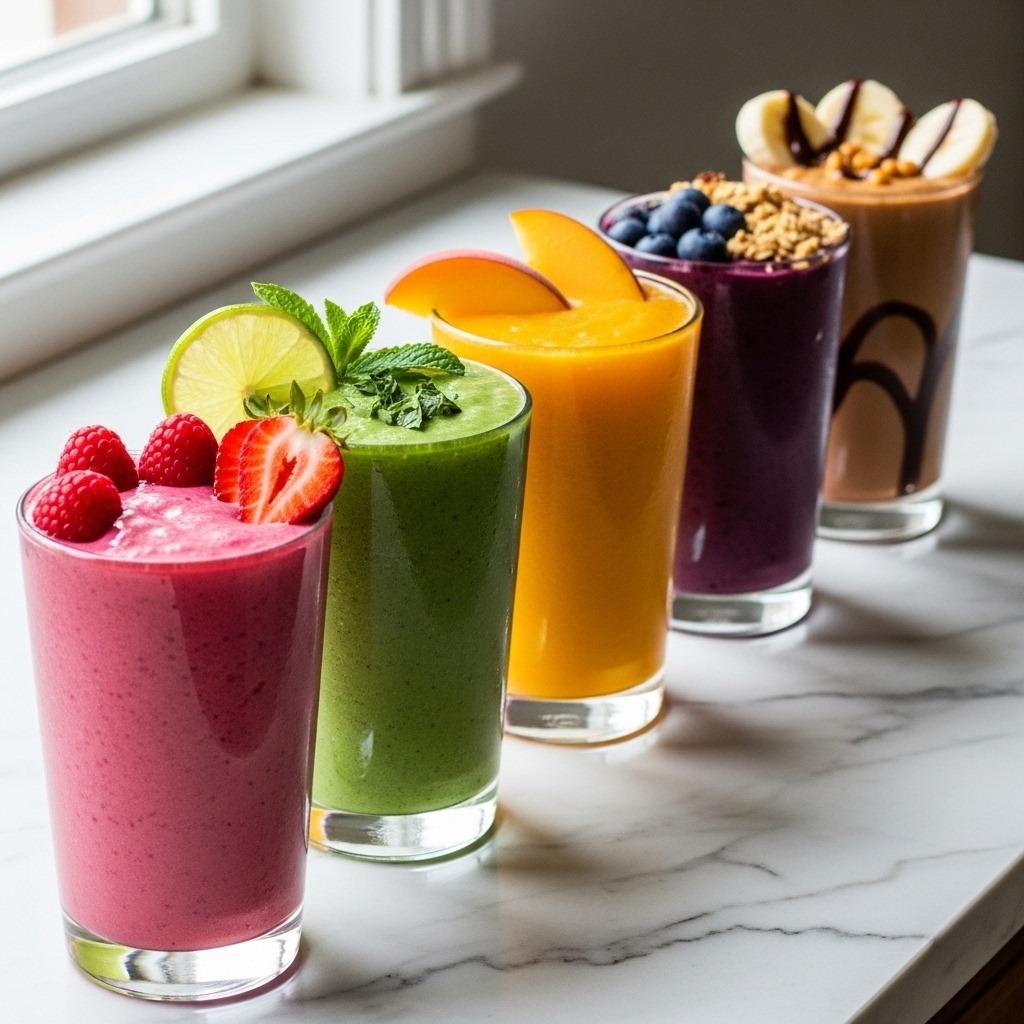
Mistakes I Made So You Don’t Have To
When I first started making smoothies, I messed up constantly. I’d add too much liquid and end up with something watery that my kids refused to drink. Or I’d forget to include a fat source, and they’d be hungry again thirty minutes later. Here’s what I learned the hard way.
Using too much liquid: Start with less liquid than you think you need. You can always add more if it’s too thick, but you can’t take it out once it’s in. Thick, creamy smoothies are way more appealing to kids than thin, watery ones.
Forgetting the fat source: Healthy fats from nut butter, avocado, or coconut milk make smoothies more satisfying and help kids absorb fat-soluble vitamins. Don’t skip this step.
Not involving kids in the process: The biggest game-changer was letting my kids help choose ingredients and press the blender button. When they’re involved, they’re way more likely to actually drink what we make. Last Christmas, I grabbed them a simple baking set with kid-safe measuring cups and spoons, and now they love being my “sous chefs” every morning.
How to Get Picky Eaters to Try New Smoothies
I’ve learned that presentation and naming matter just as much as taste when it comes to picky eaters. Here are my tested strategies that actually work.
Fun naming strategy: Never call it a “spinach smoothie”—call it a “Superhero Smoothie” or “Hulk Juice.” My kids will drink anything if it has a cool name. We’ve also had success with “Princess Pink Smoothie” and “Dragon Fire Smoothie.”
Smoothie bowl hack: If your kids won’t drink smoothies, make them thicker and serve them in a bowl with toppings they can arrange themselves. Let them add granola, fresh berries, shredded coconut, or chocolate chips on top. We keep small portioned containers in the fridge with pre-measured toppings so they can grab and go on busy school mornings.
The topping trick: Sometimes just adding a dollop of whipped cream or a sprinkle of cinnamon makes kids feel like they’re getting a special treat. It’s a tiny addition that makes a huge difference in their enthusiasm.
Consistency is key: Don’t give up if your child rejects a smoothie the first time. Research shows kids often need 10-15 exposures to a new food before they’ll accept it. Keep offering without pressure.
Making Smoothies Part of Your Daily Routine
After two years of daily smoothie-making, I’ve figured out exactly what makes this sustainable. A decent blender is essential—you don’t need the most expensive model, but investing in one that pulverizes everything completely smooth makes a huge difference. Cheaper blenders leave chunks of spinach or ice that make kids suspicious.
For freezer staples, I always keep frozen bananas (I buy them when they’re super ripe and freeze them in chunks), frozen mixed berries, frozen mango, frozen pineapple, and frozen spinach. I also keep a bag of frozen cauliflower rice specifically for smoothies—it’s tasteless but adds fiber and nutrients.
In the pantry, I stock natural peanut butter, almond butter, cocoa powder, vanilla extract, cinnamon, ground flaxseed, and honey. In the fridge, I rotate between regular milk, almond milk, plain yogurt, and Greek yogurt.
On particularly hectic mornings, I’ll grab our insulated lunch containers to pack smoothies for the car ride to school. They keep everything cold and prevent spills in the backseat, which has been a total lifesaver.
My kids sometimes get restless during breakfast, so I started keeping a few quiet activity books at the table. They sip their smoothies while working on mazes or coloring, which keeps everyone calm before the school rush.
Making smoothies has legitimately changed how our mornings go. My kids are getting vegetables they’d never eat otherwise, I’m not stressing about breakfast refusal, and everyone leaves the house happier. If you’ve been struggling with picky eaters or chaotic mornings, these smoothie recipes might just be the solution you’ve been looking for.
Frequently Asked Questions
Can I make smoothies ahead of time and freeze them?
Yes! You can freeze smoothies in mason jars or freezer-safe containers for up to 3 months. Just leave about an inch of space at the top because liquids expand when frozen. Thaw them in the fridge overnight or blend frozen smoothie cubes with a little extra milk for a quick breakfast. Some moms also freeze smoothies in popsicle molds for a healthy treat.
Are smoothies healthy for kids, or are they just sugar bombs?
Smoothies can absolutely be healthy if you follow the formula: base liquid + frozen fruit + protein + healthy fat. This combination provides balanced nutrition with natural sugars from fruit, not added sugars. The fiber from whole fruits and vegetables slows sugar absorption, preventing blood sugar spikes. Just avoid adding juice, flavored yogurt with added sugar, or sweetened protein powders.
How do I get my child to drink green smoothies?
The key is making the flavor sweet and fruity while keeping the color fun. Start with tropical fruits like mango, pineapple, or banana, which mask the taste of greens completely. Blend the spinach with liquid first to avoid chunks. Give it a fun name like “Hulk Smoothie” or “Superhero Juice” so kids are excited about the green color instead of suspicious. Never lie about what’s in it—kids lose trust if they find out you tricked them.
What’s the best way to hide vegetables in smoothies?
Spinach, frozen cauliflower rice, shredded carrots, and avocado are the easiest vegetables to hide because they don’t have strong flavors. Spinach hides best in tropical or berry smoothies. Cauliflower rice is completely tasteless in chocolate or peanut butter smoothies. Carrots work well in orange-colored smoothies with mango or pineapple. Always blend leafy greens with the liquid first for the smoothest texture.
How much smoothie should I give my child?
For toddlers and young children, start with 4-6 ounces (about ½ cup to ¾ cup). For older kids, 8-12 ounces (1 to 1½ cups) is appropriate. Smoothies should complement meals rather than replace them entirely, especially if they contain a lot of fruit. Dental experts recommend serving smoothies with meals rather than alone to protect tooth enamel from natural fruit acids.