
It was Day 3 of summer vacation when my 7-year-old looked at me with those big, expectant eyes and said, “So what are we doing today?” I panicked. We had 10 weeks of summer stretching ahead of us, my Pinterest board was full of elaborate craft projects I’d never actually attempt, and my bank account was already crying from summer camp deposits.
That’s when I realized something important: summer fun for kids doesn’t have to mean expensive day trips, elaborate themed activities, or becoming a full-time cruise director. The best summer memories I have from childhood? Playing in the sprinkler. Building forts. Catching fireflies. Simple stuff that costs basically nothing.
So I made a list of actually doable summer activities—things that didn’t require a Pinterest PhD or a small fortune. And you know what? My kids had their best summer yet. No elaborate planning, no stress, just good old-fashioned fun.
Why Summer Fun Doesn’t Have to Be Complicated
Here’s something nobody tells you when you become a parent: kids don’t actually want the Pinterest-perfect summer. They just want to play, explore, and spend time with you (even if they’re currently driving you up the wall).
I spent my first summer as a mom trying to do themed craft days and elaborate outings. My daughter was 3, and you know what she remembers from that summer? The afternoon we made mud pies in the backyard. Not the expensive children’s museum trip or the carefully curated sensory bins I stayed up late making.
Kids are wired for simple pleasures. A cardboard box becomes a spaceship. A pile of rocks turns into a construction site. The garden hose transforms into a water park. The American Academy of Pediatrics actually recommends unstructured play for child development—it builds creativity, problem-solving skills, and resilience in ways that organized activities can’t quite replicate.
So if you’re feeling overwhelmed by the pressure to make this “the best summer ever,” take a breath. The bar is way lower than you think.
Outdoor Summer Fun for Kids
Let’s start with the obvious: summer is made for being outside. Here are the outdoor activities that have been lifesavers in our house.
Water-Based Activities
Nothing says summer like water activities. And I’m not talking about expensive water park tickets (though those are fun too). I’m talking about the simple stuff that keeps kids cool and entertained for hours.
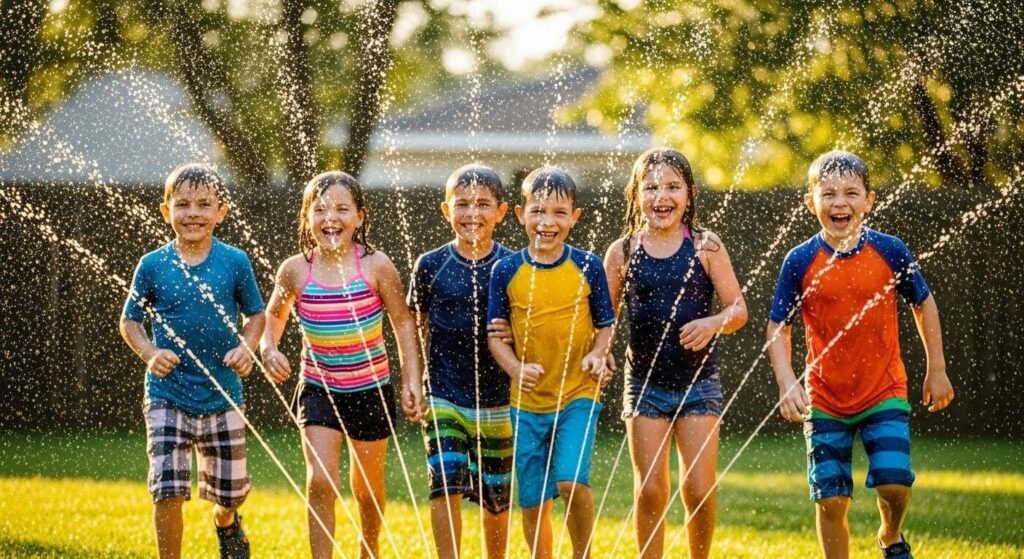
Backyard sprinkler time is still undefeated as the cheapest, easiest way to beat the heat. We just hook up the sprinkler, turn on the water, and let the kids go wild. Add some water balloons for extra excitement, and you’ve got yourself a party.
DIY slip and slide using a tarp and some dish soap (just a tiny bit) creates hours of entertainment. Lay it on a slight hill if you have one, spray it down with the hose, and watch your kids lose their minds with joy. Pro tip: adults sliding down it becomes the highlight of the day—trust me on this.
Water balloon games go beyond just throwing them at each other. We’ve done water balloon toss (seeing how far apart you can get before it breaks), water balloon piñatas (hang them from a tree branch), and even water balloon freeze tag. For easy outdoor games that keep kids moving, these kids’ water toys include everything from water blasters to splash pads.
Car wash day turns a chore into an activity. Give kids sponges, buckets of soapy water, and let them “wash” the car, their bikes, outdoor toys, whatever. They’ll get soaked, you’ll get a semi-clean car, and everyone wins.
Backyard Adventures
You don’t need a huge yard to create adventure—you just need a little imagination.
Backyard camping is our summer tradition. We set up our tent, bring out sleeping bags, make s’mores over our little fire pit (or the grill if we’re being lazy), and tell stories by flashlight. My kids think it’s the coolest thing ever, and I get to sleep in my actual bed after they fall asleep and we move them inside (nobody needs to know that part).
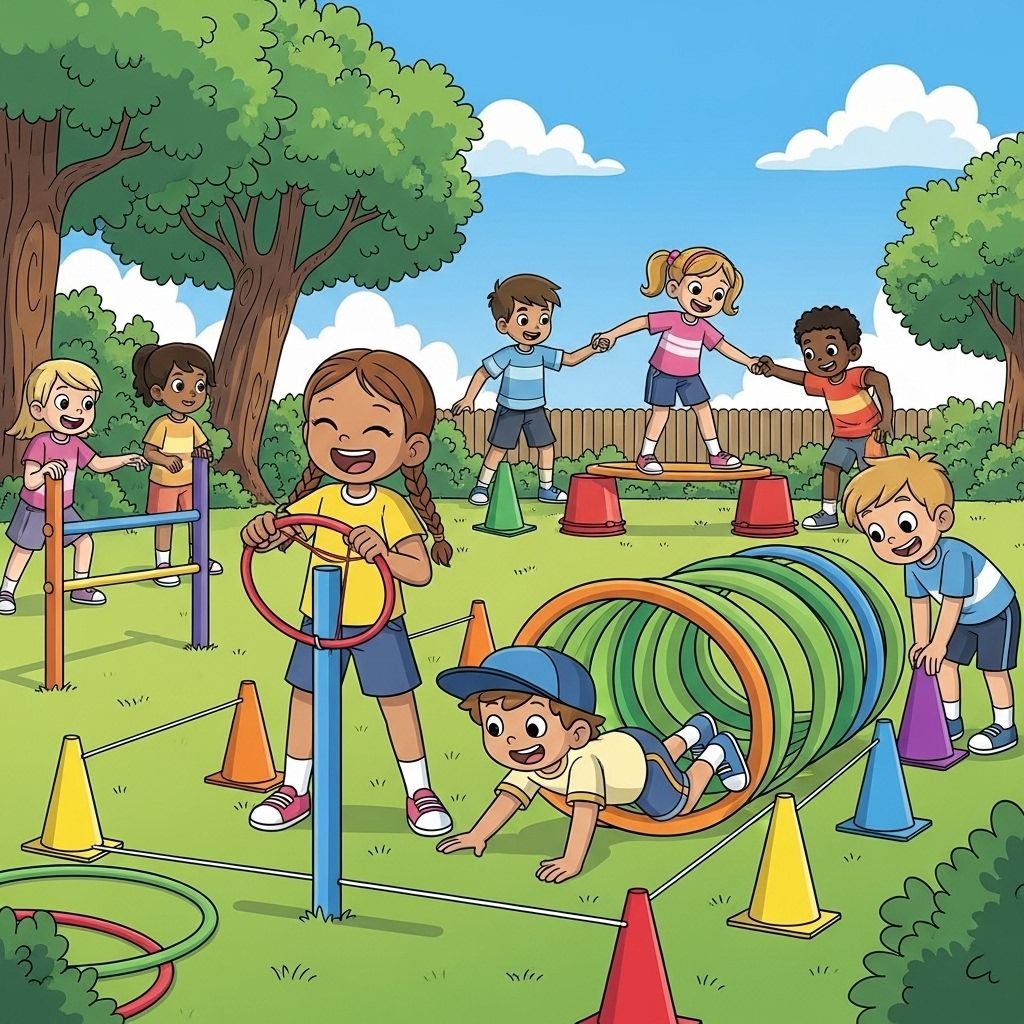
Obstacle courses using whatever you have lying around—hula hoops to jump through, cones to weave around, jump rope for limbo, pool noodles for hurdles. Time each other and try to beat your own records. This one burns so much energy that bedtime actually happens at bedtime.
Nature scavenger hunts are basically free entertainment. Make a list of things to find (something red, something smooth, something that makes noise, a leaf bigger than your hand, etc.) and send kids exploring. We keep a “nature collection box” where they store their treasures. For more outdoor exploration ideas, check out our guide to scavenger hunts for kids outside.
A fairy garden in a corner of the yard or in a large pot gives kids a summer-long project. They collect small rocks, sticks, moss, and other nature items to build tiny houses and gardens for imaginary fairies. It’s like playing dollhouse, but outside and with natural materials.
Nature Exploration
Some of the best summer fun happens when kids are just… exploring. No structure, no rules, just discovery.
Bug hunting with magnifying glasses and containers (with air holes!) turns your yard into a science lab. We identify what we find using a simple bug book from the library, then let everything go before bedtime. My son can now identify more insects than I ever knew existed.
Bird watching with a cheap pair of binoculars and a bird identification chart teaches patience and observation. We keep a tally of what we see, and the kids get genuinely excited when they spot something new.
Rock painting combines art with nature. Kids collect interesting rocks, paint them with acrylic paints or markers, and either keep them, hide them around the neighborhood for others to find (the “kindness rocks” trend), or give them as gifts. It’s creative, it’s outside, and it keeps them busy for a solid hour.
Nature journaling gives kids a place to draw or write about what they observe. It doesn’t have to be fancy—a cheap notebook and some colored pencils work perfectly. Some days they draw bugs, other days they tape in interesting leaves, and sometimes they just write about how hot it is. It all counts.
Sports and Active Play
Summer is perfect for getting kids moving in ways that don’t feel like exercise (even though it totally is).
Backyard soccer or kickball needs nothing more than a ball and some imagination for goals. We use shoes, sticks, whatever works. The rules are loose, the competition is fierce, and everyone sleeps well that night. For kids who really get into it, these kids’ soccer goals for the backyard are affordable and actually hold up.
Bike rides around the neighborhood or on local trails are our evening routine. We pack water, sometimes a snack, and just ride. The kids burn energy, I get a little exercise, and we all get out of the house.
Sidewalk chalk games go way beyond just drawing. We do hopscotch, create giant mazes, draw obstacle courses, make “lava” that you have to jump over, or create huge collaborative murals.
Classic outdoor games like freeze tag, capture the flag, kickball, and red light green light never go out of style. Get a few neighborhood kids together, teach them some old-school games, and let them go. For more structured outdoor fun, our list of outdoor games for kids includes games for all ages.
Indoor Summer Fun When It’s Too Hot
Let’s be real: some summer days are just too hot for outdoor play. Or it’s raining. Or you need a break from sunscreen application. Here’s how we handle indoor summer fun.
Creative Crafts and Art
A DIY art station in a corner of the kitchen or dining room gives kids a place to create whenever inspiration strikes. Stock it with construction paper, markers, crayons, tape, glue sticks, and scissors. Keep it simple and accessible. Having a well-stocked kids’ craft supplies kit makes setting this up so much easier.
Cardboard city building using boxes from Amazon deliveries (let’s be honest, we all have them) turns recycling into architecture. Kids design buildings, cut out windows and doors, decorate with markers, and create entire neighborhoods.
Paper plate crafts are ridiculously versatile. We’ve made masks, sun catchers, fans, animals, clocks—Pinterest has a million ideas if you need inspiration, but kids are usually happy just decorating them however they want.
Painting projects don’t have to be complicated. We do watercolors, finger painting (still fun even at age 8), rock painting, painting on cardboard, and painting old jars or boxes to reuse as storage. Set up outside if the mess makes you nervous.
Comic strip creation by folding paper into panels and drawing characters appeals to kids who like storytelling. They can make up their own superheroes, draw family adventures, or create silly stories about pets.
Fort Building and Imaginative Play
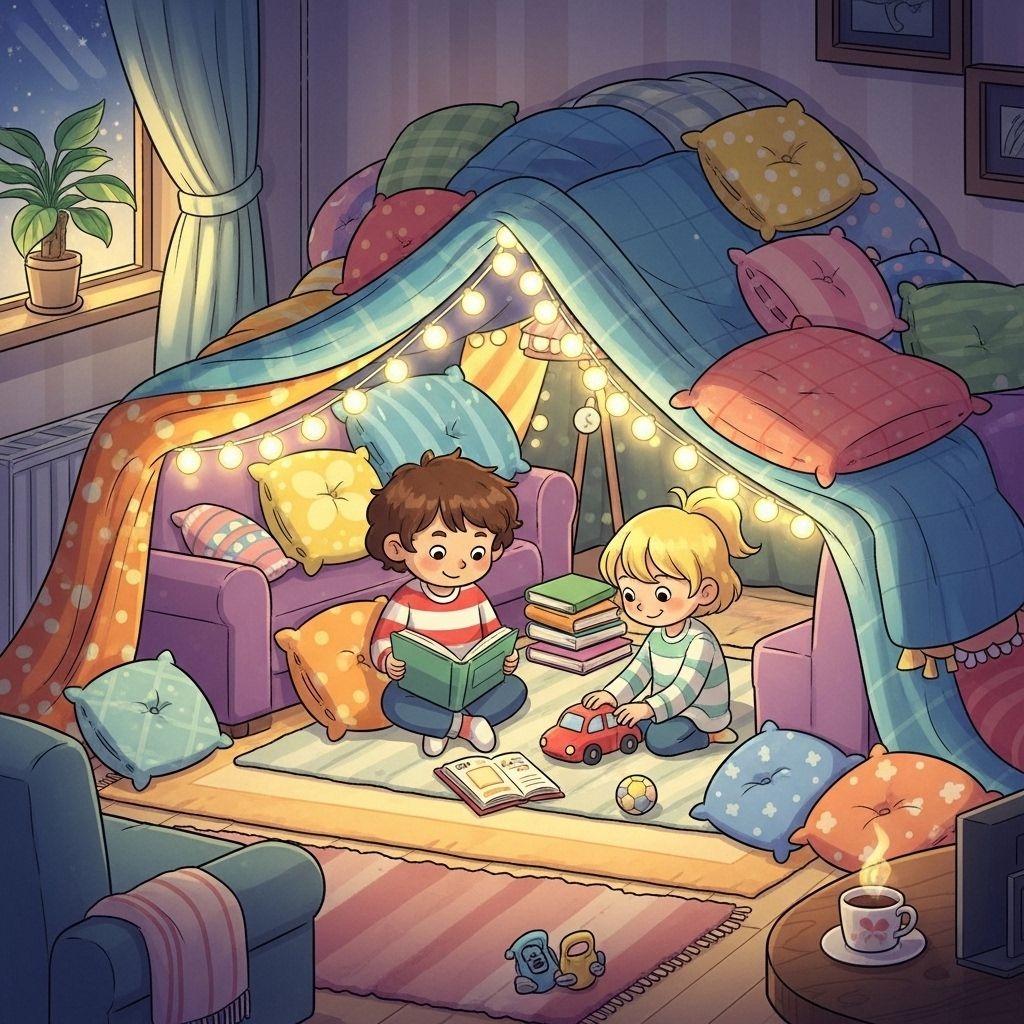
Blanket forts using couch cushions, blankets, and clothespins create instant hideaways. Once built, forts become reading nooks, secret spy headquarters, or just a place to hang out that feels special.
Cardboard box forts are more permanent (sort of) and give kids a project that lasts multiple days. They can paint them, add windows, and create furniture inside with more cardboard. We once had a refrigerator box fort that lasted all summer.
Dress-up and theatre with costumes from the closet, thrift store finds, or just normal clothes worn weird ways, leads to elaborate performances. Kids write plays, perform for family members, and create entire storylines.
Indoor picnics make lunch exciting. Spread a blanket on the living room floor, pack lunch in a basket, and eat indoors but pretend you’re at the park. Bonus: no bugs.
Rainy Day Activities
Board game marathons pull out all the games and dedicate a rainy afternoon to playing them. We do tournaments with brackets and everything. Having a variety of board games for kids means there’s always something age-appropriate to play.
Baking projects that kids can help with make rainy days delicious. Simple recipes like cookies, muffins, or no-bake treats work best. The kitchen gets messy, but you end up with snacks, so it’s worth it.
Movie marathon with fort viewing combines two activities. Build the fort, make popcorn, queue up a series of movies, and hunker down for a cozy day inside.
Indoor treasure hunts using written clues or picture clues (for non-readers) send kids searching through the house for hidden “treasure”—usually a small toy or snack.
Screen-Free Entertainment
Look, I’m not anti-screen. But sometimes it’s nice to have alternatives when you want to limit device time.
Audiobooks and podcasts for kids provide entertainment without screens. We listen while doing puzzles, coloring, or just lying around on hot afternoons.
Building challenges with LEGO, blocks, or magnetic tiles. Set challenges like “build the tallest tower,” or “create a zoo,” or just let them freestyle.
Science experiments using household items make learning feel like play. Baking soda volcanoes, making slime, creating “lava lamps” with oil and food coloring, growing crystals—YouTube has tutorials for everything.
Puzzle time with age-appropriate puzzles gives kids a quiet activity that still engages their brains. We do puzzles on a folding table so we can leave them out and work on them over several days.
Free or Low-Cost Summer Activities
The best summer fun for kids doesn’t have to cost anything. Here are our favorite free or nearly-free activities.
Public library programs during summer often include reading challenges, storytimes, craft activities, and special events. Ours does a weekly movie screening, puppet shows, and visits from animals or magicians—all free.
Splash pads and public pools in parks provide free or low-cost water fun. Pack snacks and sunscreen, and you’ve got a whole afternoon of entertainment.
Free outdoor movies happen in many communities during the summer. Bring blankets and lawn chairs, pack snacks or buy from vendors, and enjoy a movie under the stars.
Park hopping means visiting a different playground each week. It keeps things fresh, and kids love exploring new play equipment.
Community events like farmers’ markets, free concerts, festivals, and parades happen all summer. Check your local community calendar for what’s happening.
Nature centers and hiking trails are almost always free and provide hours of exploration. Bring water and snacks, wear good shoes, and let kids explore at their own pace.
Beach days, if you’re near a coast, or lake days if you’re inland, are classic summer activities that cost nothing but gas and parking. Pack a cooler, bring beach toys, and spend the day in the water. For more ideas on keeping kids entertained at the beach, our guide to beach activities for kids has tons of inspiration.
Summer Fun by Age Group
Not all activities work for all ages. Here’s how I tailor summer fun based on my kids’ ages.
Toddlers and Preschoolers (Ages 2-5)
Little ones need simple activities with lots of sensory input and not too many rules.
Water table play with cups, funnels, and toy boats keeps toddlers busy for surprisingly long stretches. Add food coloring for extra excitement.
Bubble play with various bubble wands and homemade bubble solution (dish soap + water + a little glycerin) is endlessly entertaining. Chasing and popping bubbles work those gross motor skills.
Sandbox play with trucks, shovels, and molds lets toddlers dig, pour, build, and destroy to their hearts’ content.
Simple nature walks where you move at toddler pace (very slow) and stop to examine every rock, stick, and bug you find build observation skills.
Sidewalk chalk for coloring, making shapes, drawing family portraits, or just scribbling brings joy without much instruction needed.
Elementary Age (Ages 6-11)
School-age kids can handle more complex activities, follow multi-step instructions, and enjoy working toward goals.
Lemonade stands teach entrepreneurship, money management, and customer service while being fun. Help them make a sign, mix up lemonade, and set up shop.
Bike riding adventures, exploring the neighborhood, or local trails give them independence (within boundaries you set) and exercise.
Sports skills practice, like learning to dribble a soccer ball, shooting baskets, or practicing baseball swings, helps them improve at activities they enjoy.
Craft projects with more complexity, like friendship bracelets, painted rocks, or building models, challenge their skills.
Reading challenges from the library with prizes for books completed motivates reluctant readers.
Tweens and Teens (Ages 12+)
Older kids need activities that don’t feel babyish and give them some independence.
Cooking projects where they make actual meals (with supervision as needed) teach life skills and often become their new responsibility.
Photography challenges using a phone or camera get them outside with a purpose.
Volunteering at animal shelters, food banks, or community organizations teaches empathy and looks good on future college applications.
Part-time jobs like babysitting, lawn mowing, or dog walking give them spending money and responsibility.
Friend hangouts that you facilitate (providing transportation, snacks, space) keep them connected socially.
Creating a Summer Fun Bucket List
Here’s my strategy for planning summer without over-planning: we make a bucket list together as a family.
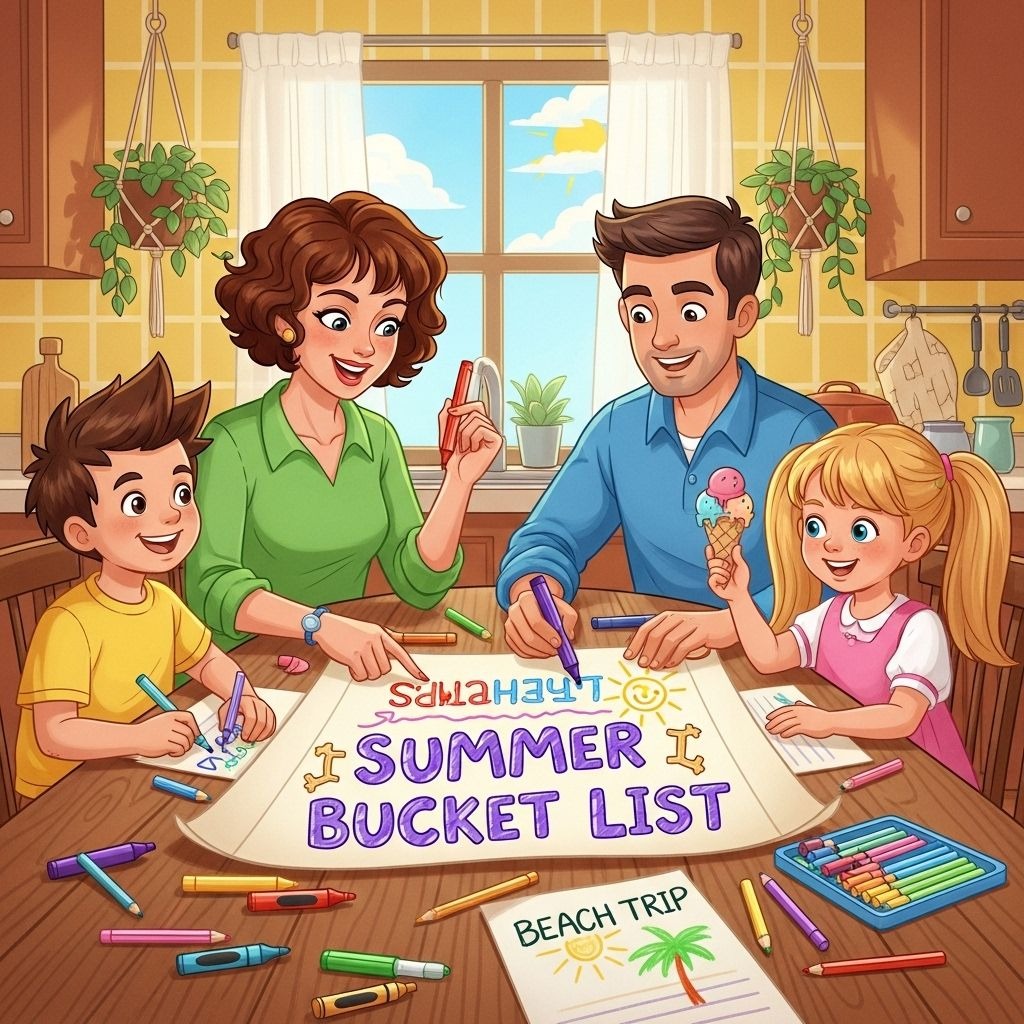
Sit down in late May or early June with paper and markers. Everyone contributes ideas—no judgment, no “that’s too expensive” or “that’s silly.” Just brainstorm everything you might want to do over the summer.
Our list always includes a mix:
- Free activities (visit every park in town)
- Low-cost activities (movie theater trip)
- Special splurges (amusement park day)
- Simple daily fun (make popsicles)
- Ambitious projects (build a treehouse)
We don’t try to do everything on the list. It’s more like a menu of options for when someone says, “I’m bored.” I can point to the list and say, “Pick something.”
Some items get done multiple times (water balloon fights happened at least weekly). Some never happen at all (we never did build that treehouse). And that’s okay. The point is having ideas ready to go without needing to Pinterest-panic every time you need an activity.
For more ideas to add to your bucket list, check out our comprehensive guide to summer activities for kids with even more inspiration.
The Summer Survival Kit
I keep a bin in the garage with summer essentials so we’re always ready for spontaneous fun:
- Sidewalk chalk
- Bubbles and bubble solution
- Water balloons
- Sunscreen (lots of sunscreen)
- Bug spray
- Beach towels
- Sand toys (buckets, shovels, molds)
- Sports balls (soccer, basketball, football)
- Jump ropes
- Hula hoops
- Outdoor games like Frisbee
- Cheap water guns
- Craft supplies (for indoor backup)
Having everything in one place means less “we can’t do that because we don’t have [item]” and more just doing stuff. The bean bag toss game for kids outdoor activities lives in this bin too—it’s perfect for backyard parties or family game time.
When Summer Gets Too Long
Around mid-July, I’ll be honest—summer starts to feel long. Everyone’s a little bored with the usual activities, the kids are fighting more, and I’m fantasizing about school starting again.
That’s when we shake things up:
Themed weeks like space week (rocket crafts, star gazing, space movies), ocean week (beach trip, ocean documentaries, fish crafts), or sports week (trying a different sport each day).
Switch up the routine by having breakfast for dinner, eating lunch outside, or doing normal activities at different times.
New locations for familiar activities—we do our usual bike ride but in a new neighborhood, or visit a park in the next town over.
Invite friends because other kids always make activities more exciting. Even boring stuff becomes fun with a friend involved.
Give yourself a break and let kids have completely unstructured time. Boredom is actually good for them—it forces creativity and self-entertainment skills.
FAQ
How do I keep kids entertained all summer without spending a fortune?
Focus on free or low-cost activities like park visits, backyard play, library programs, and nature exploration. Community resources like splash pads, public pools, and free outdoor movies provide entertainment without breaking the bank. DIY activities using items you already have (cardboard boxes, household craft supplies, water hose) cost almost nothing but provide hours of fun.
What are the best outdoor summer activities for kids?
Water-based activities like sprinklers, water balloons, and DIY slip and slides are always hits. Backyard camping, obstacle courses, nature scavenger hunts, and bike riding provide active outdoor fun. Simple activities like sidewalk chalk, bubble play, and classic games like tag or kickball never go out of style and require minimal equipment.
How can I reduce screen time during summer break?
Create a summer bin with always-available activities like craft supplies, outdoor toys, and sports equipment. Establish screen-free times during the day (like mornings or after dinner). Offer engaging alternatives like audiobooks, building challenges, or outdoor exploration. Most importantly, be present and occasionally participate—kids are more likely to put down devices when you’re actively engaged with them.
What indoor activities work for hot summer days?
Fort building, arts and crafts, baking projects, board games, and imaginative play keep kids busy indoors. Set up activity stations they can access independently—an art corner, a building zone with LEGO or blocks, or a reading nook. Science experiments, treasure hunts, and indoor picnics make staying inside feel special rather than like punishment.
How do I create a summer routine without being too structured?
Make a flexible bucket list of activities you’d like to try over the summer. Establish some basic rhythms (like reading time before bed or weekly library visits) but leave lots of unscheduled time for spontaneous play. Involve kids in planning by letting them choose activities from your bucket list or suggest their own ideas. Balance structured outings or activities with plenty of free play time.
You know what I learned after several summers of trying to make magic happen every single day? The best summer fun for kids is usually the simplest stuff.
My kids don’t remember the expensive water park trip as well as they remember the afternoon we turned the backyard into a “car wash” and they hosed down everything we own. They don’t talk about the elaborate craft projects I planned, but they still laugh about the blanket fort that stayed up for three weeks because we were all too lazy to take it down.
Summer doesn’t have to be perfect or Pinterest-worthy. It just has to include time to play, explore, and be bored enough that they figure out how to entertain themselves. Add in some water play, plenty of popsicles, and the occasional adventure, and you’ve got yourself a summer they’ll actually remember.
The mess will be cleaned up. The grass will grow back where the slip and slide killed it. The living room will eventually stop being a fort. And when school starts again, you’ll have made it through another summer—tired, a little sunburned, and ready for a routine, but also kind of sad that it’s over.
That’s how you know you did it right.