
My daughter stood in front of the mirror last week, sighed dramatically, and said, “I’m not good at anything.”
She’s seven.
My heart sank. Where was this coming from? She’s smart, creative, funny, and kind. But somewhere along the way, she’d started doubting herself. And I realized: I needed to actively teach her how to believe in herself before those negative thoughts became her default setting.
Teaching a child good self-esteem isn’t about participation trophies or fake praise. It’s about giving them the tools to handle failure, recognize their strengths, and know their worth even when things get hard. According to the Child Mind Institute, kids who develop healthy self-esteem are more resilient, willing to try new things, and better equipped to handle life’s challenges.
So I went deep into the research, talked to other moms, and tested strategies with my own kids. These 10 ways to teach a child good self-esteem have genuinely changed how my daughter sees herself—and how I show up as her mom.
Why Self-Esteem Matters More Than You Think
Here’s what I didn’t understand until recently: self-esteem affects everything. Kids with healthy self-esteem try new things because they’re not paralyzed by fear of failure. They bounce back from disappointments faster. They make friends more easily because they’re comfortable being themselves.
Kids with low self-esteem? They avoid challenges, give up quickly, and have a harder time standing up for themselves. They focus on what they can’t do instead of celebrating what they can. And the stakes get higher as they grow—self-esteem in childhood directly impacts confidence in adulthood.
But here’s the good news: self-esteem is something you can actively build. It’s not fixed. With the right approach, you can help your child develop a strong, healthy sense of self-worth that will carry them through life’s ups and downs.
If you’re working on building confidence in other areas, too, check out these positive affirmations for kids that really work.
1. Model Confidence (Even When You’re Faking It)
This one hit me hard. My kids watch everything I do. When I complain about my appearance, criticize my cooking, or say “I’m terrible at this,” they’re learning that self-criticism is normal.
Now, I’m not suggesting you pretend to be perfect. But I’ve started narrating my thought process when I tackle something new: “I’ve never tried this recipe before, but I read the instructions carefully and I’m going to give it my best shot. If it doesn’t work out, we’ll order pizza!”
The shift is subtle but powerful. I acknowledge nervousness but focus on preparation and optimism. My kids see me try, sometimes fail, and keep going anyway. That’s real confidence—not the absence of fear, but moving forward despite it.
2. Let Them Fail (Without Swooping In)
This is the hardest thing on this list, hands down. Every parenting instinct tells me to protect my kids from disappointment. But here’s what I learned: when I rescue them from every failure, I’m accidentally teaching them that they can’t handle failure.
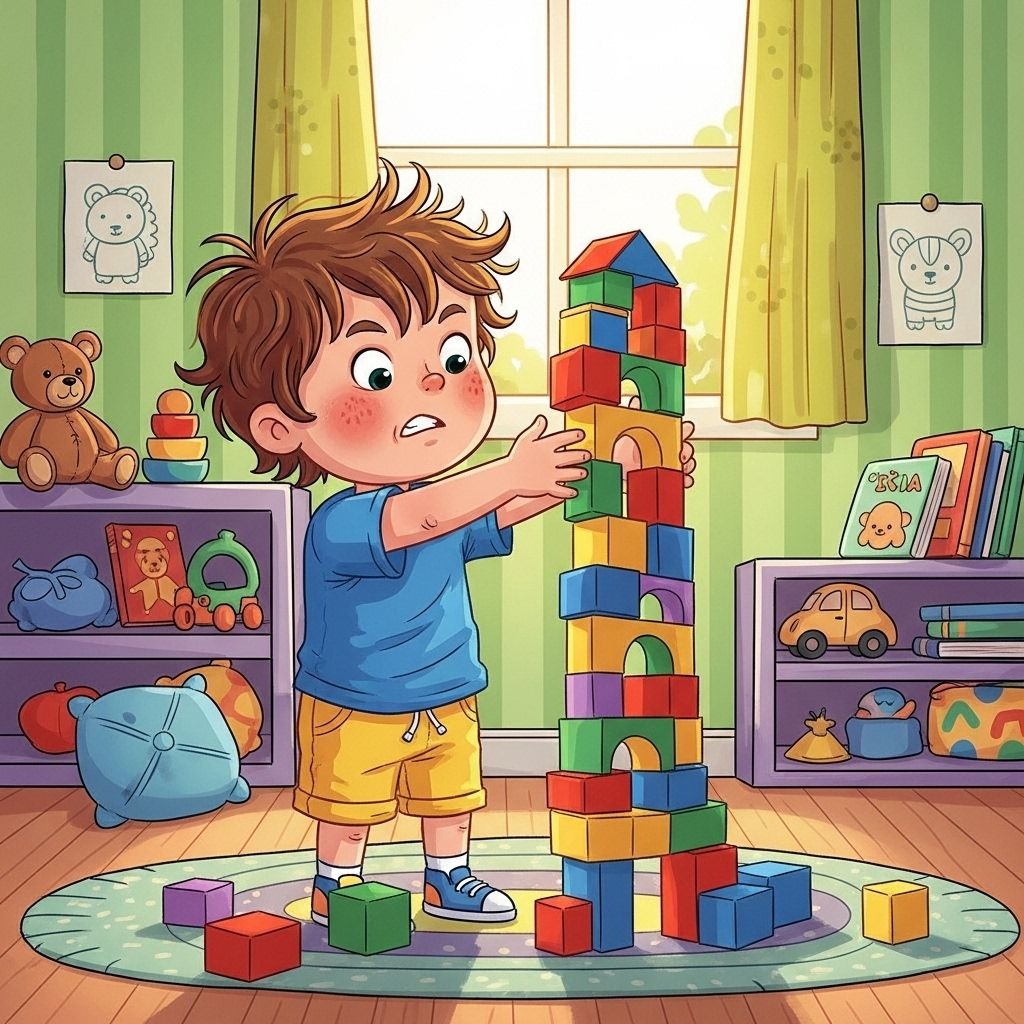
Last month, my son worked really hard on a Lego creation. Right before he finished, it collapsed. I bit my tongue instead of immediately offering to help rebuild it. He was frustrated, sure. But after a few minutes, he picked up the pieces and started over. And when he finally finished? The pride on his face was worth all the restraint it took not to jump in.
Trial and error is how kids learn. Falling short teaches them that failure isn’t fatal—it’s just information. Kids who are allowed to fail develop resilience, which is the foundation of healthy self-esteem.
3. Praise the Effort, Not Just the Result
I used to say things like “You’re so smart!” or “You’re a natural at this!” thinking I was boosting my kids’ confidence. Turns out, I was doing the opposite.
When you praise innate qualities, kids become afraid to try things they might not be naturally good at. They worry that if they struggle, it means they’re not smart anymore. But when you praise effort, progress, and perseverance, kids learn that hard work matters more than talent.
Now I say things like:
- “You worked really hard on that project.”
- “I noticed you kept trying even when it got difficult.”
- “You’re getting better at piano because you’ve been practicing every day.”
This kind of specific praise tells kids that their effort is what matters. It encourages them to keep working toward goals instead of giving up when things get hard. The research backs this up—kids who are praised for effort develop what psychologists call a “growth mindset,” which is directly linked to higher self-esteem.
4. Help Them Master Real Skills
Confidence comes from competence. When kids can actually do things, they feel capable and proud.
Start with age-appropriate tasks:
- Toddlers: Putting toys away, helping set the table, getting dressed with minimal help
- Preschoolers: Making their bed (doesn’t have to be perfect), pouring their own cereal, zipping their coat
- Elementary age: Packing their lunch, making simple snacks, doing laundry, walking the dog
These Kids Activity Books & Workbooks are also fantastic for building skills at their own pace—my daughter loves the sense of accomplishment she gets from completing a page.
The key is to teach first, then step back and let them do it themselves. Yes, it takes longer. Yes, it’s messier. But the pride they feel when they master something new is worth it.
5. Turn Negative Self-Talk Around
My daughter has a habit of saying “I can’t” before she even tries. So we created a house rule: every “I can’t” gets reframed as “I can’t yet” or “This is hard, but I’m learning.”
Positive self-talk isn’t about pretending everything is easy. It’s about teaching kids to be their own cheerleader instead of their own critic. Here’s how we practice:
When my kid says, “I’m bad at math.”
We reframe it to: “Math is challenging for me right now, but I’m getting better with practice.”
When my kid says, “I’m not as good as [friend’s name].”
We reframe it to: “Everyone has different strengths. I’m good at [their strength], and I’m working on getting better at this.”
For extra support, try using affirmations for kids—we have a set of cards we read together every morning, and they’ve genuinely helped shift my daughter’s internal dialogue.
6. Give Them Real Responsibilities
Want to know a secret? Kids feel valued when they’re needed. Chores aren’t just about keeping the house clean—they’re about showing kids that they’re a contributing member of the family.
My kids have daily jobs:
- Feeding the dog
- Setting the table
- Putting away groceries
- Taking out recycling
- Folding their own laundry
Do they complain sometimes? Absolutely. But I’ve noticed they also stand a little taller when they complete their tasks. They’re learning that they’re capable and that their contributions matter.
The American Academy of Pediatrics confirms that kids who have regular responsibilities at home develop stronger self-esteem and a better sense of accountability. Start small and build from there.
7. Focus on Their Strengths
It’s easy to focus on what kids struggle with—the bad grades, the messy room, the forgotten homework. But when we spend all our energy on weaknesses, kids start to believe they’re not good at anything.
I made a conscious decision to flip this. Now, I pay attention to what my kids naturally enjoy and excel at:
- My daughter loves art. We set up a dedicated art corner with supplies, and I display her work around the house.
- My son is great with his hands. We signed him up for a woodworking class, and now he’s building things constantly.
Supporting their interests isn’t about creating prodigies. It’s about giving them areas where they feel competent and confident. Those positive feelings spill over into other parts of their lives.
Need ideas for supporting their interests? These Kids Craft Supplies have been a game-changer for us—affordable, high-quality materials that let kids explore without me worrying about the cost.
8. Create a Nightly “Good Things” Ritual
This simple practice has been one of the most powerful changes in our house. Every night at bedtime, each person shares three good things that happened that day.
At first, my kids struggled to come up with things. But after a few weeks, they started noticing positive moments throughout the day because they knew they’d share them at night. It’s rewiring their brains to focus on what went well instead of what went wrong.
Some nights the “good things” are big: “I got an A on my spelling test!” Other nights they’re small: “I found a cool rock at recess.” It doesn’t matter—what matters is the practice of recognizing the good.
Research shows that gratitude practices like this one increase optimism and self-esteem in children. It’s also a beautiful way to connect as a family before bed.

9. Choose Friends Wisely
Friendships have a huge impact on self-esteem. My son had a friend last year who constantly put him down—”you’re not fast enough,” “you’re not good at soccer,” “that’s a dumb idea.” Within weeks, my son started repeating those phrases about himself.
We had a tough conversation about what real friendship looks like. Real friends:
- Build you up instead of tearing you down
- Celebrate your successes instead of competing.
- Accept you for who you are
- Make you feel good about yourself.
It’s not about controlling who your kids spend time with, but teaching them to recognize which relationships are healthy. We role-play situations and talk about how different types of friends make them feel.
According to KidsHealth, kids who have supportive friendships have higher self-esteem and better social skills. Help your child be a good friend and choose good friends.
For more ways to build social confidence, these tips on how to make your kids mentally strong have been incredibly helpful.
10. Show Unconditional Love
This is the foundation everything else builds on. Your kids need to know—deep in their bones—that your love isn’t conditional on their performance.
I tell my kids “I love you” multiple times a day. But I also make sure to say it in moments when they’re not being perfect:
- After a tantrum: “I didn’t like that behavior, but I still love you.”
- After a bad grade: “That test didn’t go how you wanted, but you’re still amazing.”
- After a mistake: “Everyone messes up. I love you no matter what.”
I also hug and kiss them daily, leave notes in their lunchboxes, and have special one-on-one time with each kid where they get my full attention.
Kids whose parents show unconditional love develop what psychologists call “secure attachment.” These kids have higher self-esteem because they know their worth isn’t tied to achievement—they’re valuable simply because they exist.

What to Avoid (Mistakes I Made)
Before I knew better, I made some classic mistakes:
Put-downs disguised as jokes: “What, did you get dressed in the dark?” or “Wow, that’s an interesting hairdo.” I thought I was being funny. My kids thought I was criticizing them.
Focusing only on achievements: I praised good grades and sports wins, but forgot to praise kindness, effort, and growth. My kids started thinking their value was tied to performance.
Being overly critical: I corrected every mistake immediately instead of letting them learn through experience. This taught them to fear failure instead of seeing it as part of learning.
If you’ve made these mistakes too (most of us have), don’t beat yourself up. The beautiful thing about kids is they’re resilient. You can change course starting today.
For more guidance on supportive parenting, I highly recommend these Parenting Books—they’ve completely shifted how I approach tough parenting moments.
The Real Impact of Building Self-Esteem
A few weeks after I started implementing these strategies, my daughter came home from school beaming. She’d volunteered to read aloud in class—something she used to refuse because she was afraid of making mistakes.
“I messed up two words,” she told me proudly, “but I kept going!”
That’s the difference healthy self-esteem makes. She’s not suddenly perfect or mistake-free. But she’s brave enough to try, resilient enough to handle setbacks, and confident enough to believe in herself.
Teaching a child good self-esteem is one of the greatest gifts you can give them. It shapes how they see themselves, how they treat others, and how they move through the world. Start with one or two of these strategies today, and watch your child’s confidence grow.
FAQ: Teaching Kids Self-Esteem
Q: At what age should I start building my child’s self-esteem?
Start from infancy. Self-esteem begins developing when babies receive positive attention, loving care, and feel safe and accepted. As they grow into toddlers, celebrate their accomplishments (first steps, using a cup) and continue showing pride in their efforts. Every developmental stage is an opportunity to build confidence. It’s never too early—or too late—to focus on healthy self-esteem.
Q: How do I praise my child without creating an entitled attitude?
The key is praising effort and process rather than innate qualities or results. Instead of “You’re so smart,” say “You worked really hard on that.” Instead of “You’re the best,” say “You kept trying even when it was difficult.” This teaches kids that their actions matter more than their natural abilities, which encourages a growth mindset and prevents entitlement. Praise specific behaviors you want to see more of.
Q: What if my child already has low self-esteem? Can I fix it?
Absolutely. Self-esteem is not fixed—it can be rebuilt at any age. Start by identifying specific situations where they feel insecure and work on those areas. Use the strategies in this article consistently: praise effort, provide opportunities for success, avoid criticism, focus on strengths, and show unconditional love daily. Be patient—rebuilding confidence takes time, but with consistent positive messages and experiences, you’ll see improvement. Consider professional support if low self-esteem persists or affects daily functioning.
Q: How much should I protect my child from failure vs. letting them struggle?
This is about finding balance. Let them struggle with age-appropriate challenges where failure is not dangerous—homework, sports, social situations, household tasks. Step in when safety is at risk or when they’ve truly exhausted their resources and need guidance. The goal is to be a coach, not a rescuer. Ask “What have you tried?” and “What do you think you should do next?” before jumping in with solutions. Kids learn resilience from overcoming obstacles themselves.
Q: My child compares themselves to siblings or friends constantly. How do I handle this?
Comparison is natural, but it can damage self-esteem. Acknowledge their feelings: “I hear that you wish you could run as fast as your brother.” Then redirect: “Everyone has different strengths. You’re amazing at drawing, and you’re getting faster every time you practice.” Help them understand that people develop different skills at different rates. Create opportunities for them to shine in their own areas of interest. Focus on personal growth (“You’re faster than you were last month!”) rather than comparisons to others. For more social-emotional support, explore these social skills that kids need.
You’re doing an amazing job. Building your child’s self-esteem isn’t about being a perfect parent—it’s about showing up, trying your best, and letting your kids know they’re loved no matter what. Pin this for later, and share it with a mom friend who needs the reminder that she’s raising confident, capable kids.