
Last year, I watched my sister-in-law’s perfectly planned Thanksgiving dissolve into chaos when her three kids and my two started fighting over the one pack of crayons she’d set out at the kids’ table. By the time the turkey was carved, someone was crying, someone had marker all over their dress, and the rest of us adults were taking turns doing damage control instead of actually enjoying our meal. That’s when I realized: the kids’ table needs more than just an afterthought.
This year, I went all-in on planning Thanksgiving kids’ table activities that would actually keep them busy, happy, and—here’s the dream—seated for more than seven minutes. What I discovered changed everything about how our family celebrates Thanksgiving, and I’m sharing every single trick that worked (plus the ones that totally flopped) so you can have the peaceful, joyful holiday you deserve.
Why the Kids’ Table Needs More Than Just Crayons
Here’s what I didn’t understand before I had kids: children don’t naturally sit still for two-hour meals. Shocking, I know. But what really surprised me was learning that the right activities don’t just keep kids busy—they actually make them feel special and included in the celebration.
The biggest mistake I see moms make (and yes, I made it too) is treating the kids’ table like an afterthought. We spend weeks planning the adult menu, the tablescape, the wine pairings, and then we grab some paper plates and crayons from the junk drawer five minutes before everyone arrives. But here’s the thing: when kids feel like their table matters too, they act differently. They’re calmer, more engaged, and way less likely to interrupt dinner every three seconds, asking when dessert is coming.
I learned this the hard way during my second Thanksgiving as a mom. My daughter was four, and she kept wandering over to the adult table because—in her words—”the grown-up table looks more fun.” That hit me hard, and it completely changed how I approach the kids’ table now.
Setting Up Your Thanksgiving Kids’ Table for Success
Before we dive into specific activities, let’s talk about the setup that makes everything else possible. This is the foundation that took me from constantly refereeing fights to actually sitting down with my own plate of food.
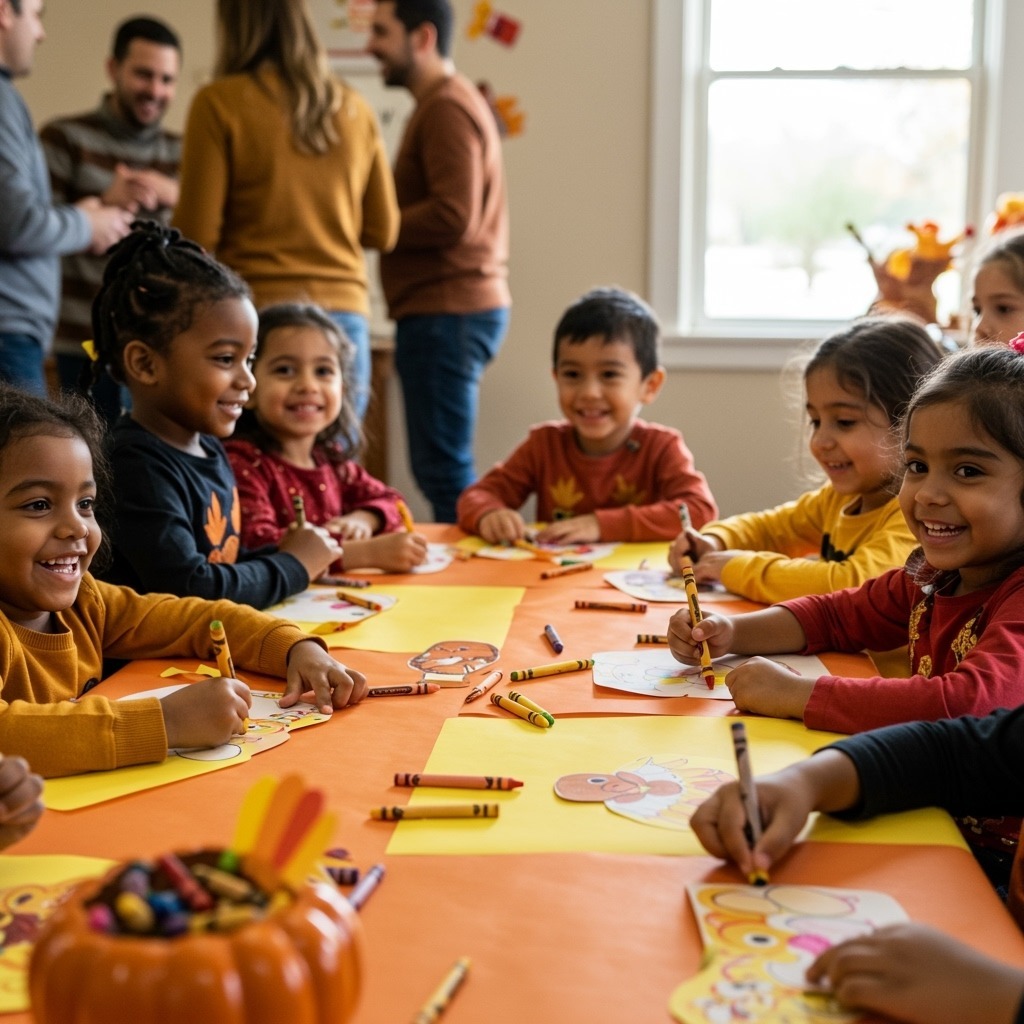
First, ditch the regular tablecloth and cover your kids’ table with butcher paper or kraft paper from end to end. This simple switch does three things: it gives kids permission to draw directly on the table, it protects your furniture, and cleanup is literally just rolling up the paper and tossing it. I buy a huge roll from Amazon for about $15, and it lasts me through multiple holidays.
For your centerpiece, skip the fancy arrangement that’ll get knocked over in the first five minutes. Instead, create an activity station in the center of the table using mason jars, small baskets, or even empty cans covered in decorative paper. Fill these with crayons, markers, small toys, game pieces, or craft supplies that kids can easily grab throughout the meal. I love using ceramic bowls or fruit baskets because they’re sturdy enough that little hands won’t tip them over.
The other game-changer? Having separate supply stations for different age groups, if you’re hosting kids with a wide age range. My family has kids from age 3 to 13, so I learned to set up one end of the table with toddler-friendly activities (chunky crayons, stickers, simple puzzles) and the other end with more challenging options for the older kids. This simple adjustment stopped so many arguments I can’t even tell you.
15 Thanksgiving Kids’ Table Activities That Keep Them Happy
Okay, let’s get to the good stuff—the actual activities that worked in my real-life kitchen with real-life kids who have zero chill. I’m breaking these down by age because what captivates a three-year-old will bore a ten-year-old to tears, and vice versa.
For Toddlers & Preschoolers (Ages 2-5)
1. Turkey Coloring Placemats
This is hands-down the easiest win for little ones. Print out turkey-themed coloring sheets on 11×17 paper (or regular size if that’s what you have) and use them as placemats. The kids can color while waiting for food, during the meal, and after—it’s basically three activities in one. I found free printables online that have a cute turkey in the center with “T-H-A-N-K-F-U-L” letters around the border, and my kids loved choosing different colors for each letter.
2. Thankful Leaf Tree Craft
Set up a small branch arrangement in a pumpkin or vase as your centerpiece. Cut out leaf shapes from colored cardstock (reds, oranges, yellows, golds) and have kids write or draw what they’re thankful for, then clip or tie the leaves onto the branches. Even my two-year-old could scribble on a leaf with help, and watching the tree fill up throughout dinner was actually really sweet. This activity naturally incorporates conversation starters for kids into your Thanksgiving celebration.
3. Pumpkin Napkin Folding
Little kids love helping with grown-up tasks. Show them how to fold orange napkins into pumpkin shapes (there are tons of simple tutorials on Food Network that make this super easy), and let them place one at each seat. It takes about 30 seconds to learn, keeps them busy for 15 minutes, and makes them feel like they contributed to the table setup.
For Elementary Kids (Ages 6-10)
4. Thanksgiving Bingo with Prizes
Make or print Thanksgiving-themed bingo cards with images like turkey, pumpkin pie, cranberry sauce, and football. Have an adult or older kid call out the items during or after dinner. The key to success here is having small prizes ready—I use mini candy bars, temporary tattoos, or little toys from the dollar store. Without prizes, bingo loses its magic fast, trust me.
5. Left-Center-Right Dice Game
This is the game that saved last year’s Thanksgiving for us. It’s stupid simple to learn, takes about 5 minutes per round, and kids from age 6 to 60 will actually play it. You need three dice (marked with L, C, R, and dots), small tokens (I used candy corn), and at least 3 players. Each player starts with three tokens, rolls the dice, and passes tokens left, right, or to the center based on what they roll. The last person with tokens wins. The genius part is that even kids who run out of tokens stay in the game because other players might pass tokens back to them.
6. Tree Slab Tic-Tac-Toe
If you can get your hands on a wood slab (Michael’s and Hobby Lobby always have them), this becomes a reusable game for years. Create a tic-tac-toe grid using leather strips or just draw it with a marker. Use natural items like acorns and pinecones as game pieces. It sits in the middle of the table, and kids can play round after round without needing adult supervision.
7. Gratitude Jar Activity
Give each kid a few small pieces of paper and have them write things they’re grateful for throughout the meal. They fold them up and drop them in a decorated mason jar. At dessert time (or the next day), someone reads them aloud. I was shocked by how much my kids got into this—we ended up with 47 gratitude notes, and reading them became our new favorite part of Thanksgiving. Research from Pathways.org shows that gratitude practices like this can significantly boost children’s emotional well-being and help them develop stronger social connections.
8. Turkey Craft Station
Set up a designated craft corner with supplies to make turkey crafts using paper plates, construction paper, googly eyes, and feathers. Kids can work on these while waiting for dinner or after they finish eating. The key is having all supplies pre-cut and organized in small containers so they can work independently. These turkey crafts can teach kids about planning and creativity, similar to the skills developed through activities to do with kids.
For Tweens & Teens (Ages 11+)
9. Conversation Starter Cards
Older kids actually enjoy meaningful conversation if given the right prompts. Print or write conversation starters on small cards and place them face down in the center of the table. Questions like “What’s your favorite Thanksgiving memory?” or “If you could invite any person in history to Thanksgiving dinner, who would it be?” work great. This also works beautifully at the adult table, by the way.
10. Would You Rather: Thanksgiving Edition
Create Thanksgiving-themed “Would You Rather” questions. Would you rather eat only turkey for a week or never eat turkey again? Would you rather cook Thanksgiving dinner or clean up after? My nieces and nephews got so competitive with this game, and the debates were actually hilarious to overhear. Experts at Parents.com note that question-based games like this help older children develop critical thinking and decision-making skills while keeping them engaged during family gatherings.
11. Family Trivia Game
Make a trivia game with questions about your family’s Thanksgiving history, random Thanksgiving facts, and inside family jokes. “What year did Grandma accidentally make two turkeys?” “How many Thanksgivings have we celebrated at this house?” Older kids love showing off what they know, and it creates really sweet moments.
12. Photo Booth with Props
Set up a simple backdrop area (even just a blank wall works) with Thanksgiving-themed props—turkey hats, pilgrim accessories, silly signs. Let the older kids be in charge of taking photos throughout the day. This gives them a job, keeps them engaged, and you end up with tons of great family photos.
Active Games When They Need to Move
Let’s be real: no amount of table activities will keep kids seated for hours. You need backup plans for when they get wiggly, and having these ready saves your sanity.
13. Apple Bobbing
Fill a large bucket or basin with water and floating apples. Set it up outside if the weather permits, or in the kitchen with towels everywhere if you’re brave. Kids love this classic game, and it burns energy fast. Just have them do it before dinner, not in their fancy outfits—learned that one the hard way.
14. Butternut Squash Bowling
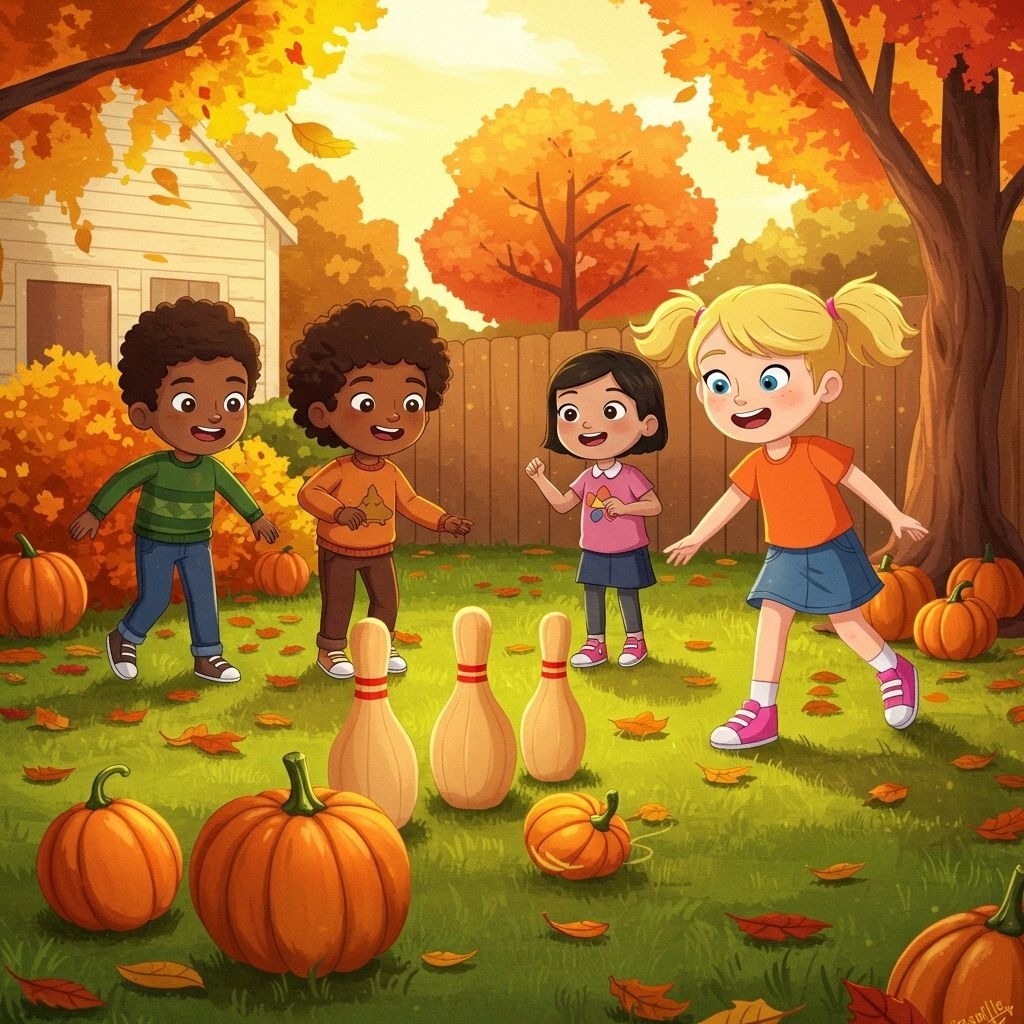
Set up butternut squash like bowling pins in your driveway or yard. Use a small pumpkin as the bowling ball. You can number the squash for scoring or just see who knocks down the most. This game kept my kids and their cousins entertained for almost an hour last year while the adults finished cooking.
15. Turkey Scavenger Hunt
Hide small turkey toys, pictures, or turkey-themed items around your house or yard. Give kids a list of items to find, or make it simpler for little ones by just having them collect as many turkeys as they can. The winner gets first pick of pie flavor, which made this game very serious business at our house. If your kids enjoy this type of activity, they might also love a nature scavenger hunt for kids during other times of the year.
The One Activity That Saves Dinner Every Single Year
If you only have time to plan one activity, make it a simple dice or card game that multiple kids can play together with minimal supervision. Here’s why this works so well: games with clear rules reduce arguments, games with winners keep kids motivated, and games that include everyone (even when they “lose”) prevent tears.
My go-to is a modified version of Left-Center-Right using candy or small prizes as tokens. Here’s exactly how to set it up:
Materials you need: Three regular dice, a black Sharpie, candy corn or chocolate coins (three per player), small prize for the winner.
Setup time: 10 minutes to mark the dice the night before.
How to prep the dice: On each die, mark three sides with L, C, and R. Leave the other three sides as dots. That’s it.
How to play: Each player starts with three pieces of candy in front of them. Going clockwise, players roll all three dice. For each L rolled, pass one candy to the player on your left. For each R rolled, pass one candy to the right. For each C rolled, put one candy in the center pot. Dots mean you keep your candy. The last player with any candy wins the center pot plus a special prize.
The brilliant part of this game is that kids who lose all their candy stay in the game because other players might pass candy back to them. I’ve seen kids go from zero candy to winning the whole pot in two turns. It teaches patience, reduces the sting of “losing,” and keeps everyone engaged until the very end.
We play this game at least three times during Thanksgiving now—once before dinner, once while waiting for dessert, and once after if the kids are still wired. Total game time is about 5-10 minutes per round, so it’s perfect for short attention spans.
Common Mistakes I Made (So You Don’t Have To)
Mistake #1: Planning Too Many Complex Activities
My first year going all-out on the kids’ table, I planned seven different crafts that each required multiple steps and adult help. It was exhausting, and half the activities never even got used. Now I know: three simple activities that kids can do independently are worth more than ten complicated crafts that need constant supervision.
Mistake #2: Not Having Age-Appropriate Options
I tried to make all the kids do the same activities, which meant my toddler was frustrated with things too hard, and my ten-year-old was bored with things too babyish. Now I always have at least two difficulty levels available, and I let kids choose what appeals to them. This also relates to understanding child development, much like knowing when kids start talking helps parents set appropriate expectations.
Mistake #3: Forgetting Cleanup Supplies
Art activities are great until someone spills red paint on your cream carpet. Now I keep baby wipes, paper towels, and a small trash bag right at the kids’ table. This tiny change saved me from at least four potential disasters last year.
Mistake #4: Not Testing Activities Beforehand
I once printed a “Thanksgiving maze” that turned out to be impossibly difficult, and it just frustrated the kids. Now I test any printables or games with my own kids a week before Thanksgiving. If they lose interest in 30 seconds, it doesn’t make the cut.
Quick Prep Tips the Night Before
The secret to actually pulling off a great kids’ table isn’t doing everything the day of—it’s preparing smart the night before.
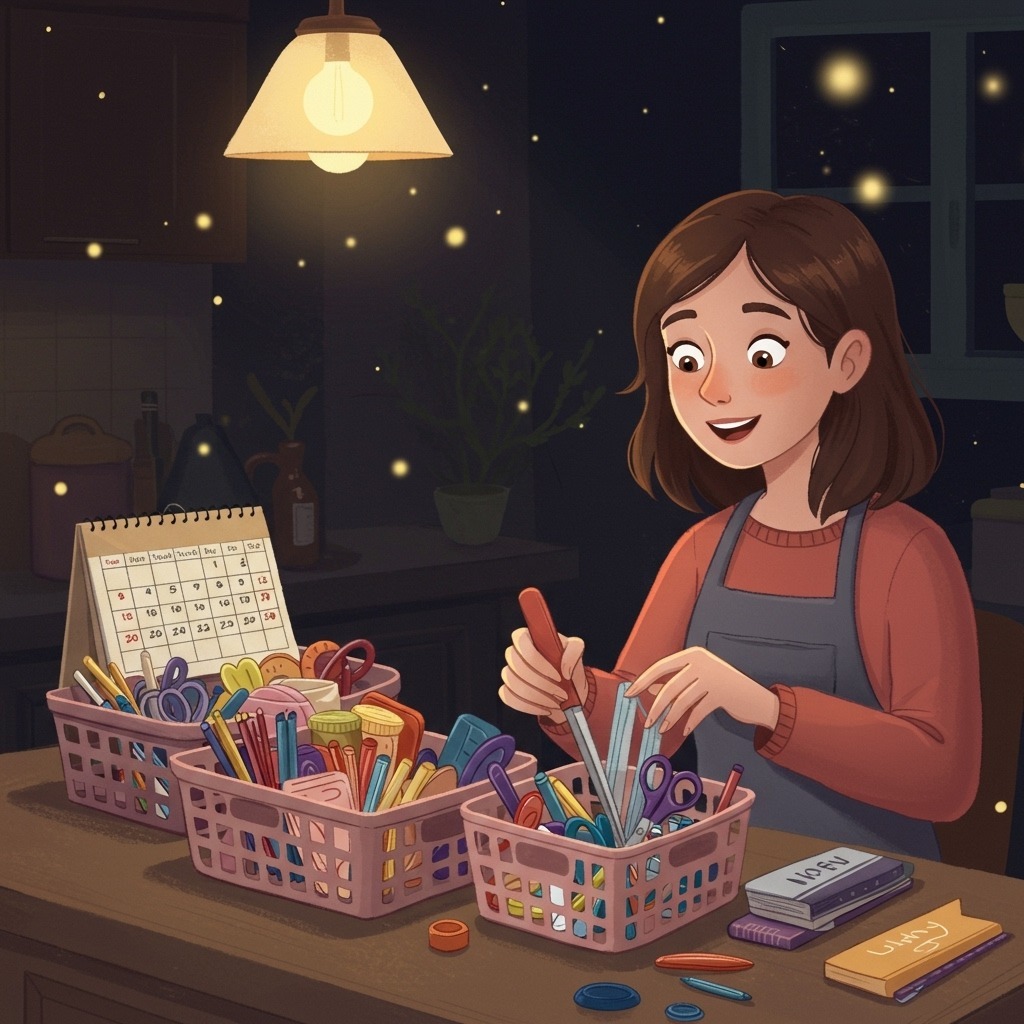
Download and print everything: I print all coloring sheets, game boards, and placemats the night before and store them flat in a large folder. This also includes any free printables you’ve found online—don’t wait until Thanksgiving morning when your printer inevitably runs out of ink.
Organize supplies in containers: I use small baskets or even plastic shoe boxes to separate supplies by activity. One basket for crayons and markers, one for dice games, one for craft materials. This makes setup take literally five minutes instead of a frantic 30. Many party planning experts at Good Housekeeping recommend this “zone” approach for any successful children’s gathering.
Prep your centerpiece: Build your gratitude tree, arrange your activity station, or set up whatever centerpiece you’re using the night before. Cover it loosely with a towel and just plop it on the table Thanksgiving morning.
Make a supply checklist: Write down everything you need for each activity and check it the night before. There’s nothing worse than starting a game and realizing you forgot the dice or ran out of paper.
15-minute setup strategy: On Thanksgiving morning, give yourself just 15 minutes to set up the kids’ table. Lay down butcher paper, place the centerpiece, set out supply baskets, and put one activity at each seat. Done. If it’s not done in 15 minutes, it’s too complicated.
Making It Work for Your Family
Here’s what I’ve learned after years of trial and error: the perfect kids’ table for your Thanksgiving depends entirely on your family. If you’re hosting two quiet kids who love to color, you don’t need 15 activities—a few good printables and some crayons might be plenty. If you’re hosting eight high-energy boys like my sister does, you need active games and outdoor options, or you’re in trouble.
Start small in your first year. Pick three activities from this list that seem like the best fit for your kids’ ages and interests. Try them out, see what works, and build from there. I promise you don’t need to do everything on this list to have a successful kids’ table.
The other thing that matters more than fancy activities? Your attitude about the kids’ table. When I stopped viewing it as “just the kids’ area” and started treating it as an important part of our celebration, the kids responded differently. They felt valued, included, and genuinely excited about their special table.
And honestly? Some years, the kids’ table is chaotic, no matter what you do, and that’s okay, too. The goal isn’t perfection—it’s creating a few moments of joy and maybe, just maybe, buying yourself enough time to eat warm food for once. Much like learning how to be a good mother, creating a successful kids’ table is about being prepared while staying flexible.
The beauty of Thanksgiving is that it’s about togetherness, gratitude, and making memories—even if those memories include spilled juice and marker on the walls. When we focus on creating an environment where kids feel included and engaged rather than just managed, we’re teaching them what the holiday is really about. And that matters way more than a Pinterest-perfect tablescape.
Frequently Asked Questions
What are the best Thanksgiving activities for a kids’ table?
The best activities are age-appropriate, require minimal adult supervision, and can be done in short bursts between eating. Coloring placemats works great for younger kids, while simple dice games like Left-Center-Right are perfect for elementary-aged children. Gratitude activities, like a thankful tree, help kids of all ages engage with the meaning of Thanksgiving. The key is having 3-5 options available so kids can choose what interests them most.
How do you keep kids entertained at Thanksgiving dinner?
Keep kids entertained by covering the table with butcher paper they can draw on, providing organized activity stations with games and crafts, and having both seated and active game options ready. Plan for activities that take 5-15 minutes each rather than one long activity, since kids’ attention spans are short. Having small prizes for games and making kids feel their table is special (not just an afterthought) makes a huge difference in their behavior.
What should I put at a Thanksgiving kids’ table?
At a minimum, put butcher paper as a tablecloth, crayons or markers, simple games like tic-tac-toe or dice games, and a centerpiece that doubles as an activity station. Add age-appropriate options like coloring placemats for toddlers, bingo cards for elementary kids, or conversation starter cards for tweens. Don’t forget practical items like baby wipes for cleanup and a small trash bag. Organize everything in baskets or containers that kids can easily access themselves.
How do you make a kids Thanksgiving table special?
Make the kids’ table special by giving it the same attention you give the adult table—choose a cohesive theme or color scheme, create an attractive centerpiece, and use real plates instead of plain paper ones if possible. Let kids help with setup by folding napkins or arranging supplies, which makes them feel invested. Most importantly, talk about the kids’ table positively—frame it as a privilege and special spot, not as being sent away from the adults.
What are easy Thanksgiving games for different age groups?
For toddlers and preschoolers (ages 2-5), stick with coloring activities, simple puzzles, and leaf crafts. Elementary kids (ages 6-10) love bingo, dice games like Left-Center-Right, tic-tac-toe, and gratitude jar activities. Tweens and teens (ages 11+) enjoy conversation starter cards, family trivia, Would You Rather games, and taking photos. For mixed-age groups, active outdoor games like butternut squash bowling or turkey scavenger hunts work well since everyone can participate at their own level.
How far in advance should I prepare kids’ table activities?
Start planning about two weeks before Thanksgiving. Download and print any materials one week ahead to test them with your kids. The night before Thanksgiving, organize all supplies into labeled baskets or containers, prep your centerpiece, and create your activity checklist. On Thanksgiving morning, give yourself just 15 minutes to set everything up. This preparation timeline prevents last-minute stress and ensures you have backup options if something doesn’t work as planned.
What’s the best way to handle cleanup after kids’ table activities?
Keep cleanup simple by placing baby wipes, paper towels, and a small trash bag directly at the kids’ table before activities begin. Use butcher paper as your tablecloth so you can simply roll it up with all the mess inside when dinner is over. Store markers and crayons in containers with lids for quick cleanup. Assign one older child to be the “cleanup helper” and give them a small reward—this makes cleanup feel like a special job rather than a chore.