
Let’s be honest: “What age is toddler?” sounds simple—until you’re deep in the snack-strewn trenches, second-guessing everything from cups to nap schedules. I used to think, “Great, my baby’s one—hello, toddlerhood!” Then the Google rabbit hole happened, with every site calling something slightly different “toddler.” If you’re feeling confused, you are absolutely not alone.

Whether you’re celebrating your baby’s first birthday, chasing an almost-three-year-old who seems way too clever for diapers, or googling when “preschooler” starts, let’s clear up what the experts (and real-life moms like us) actually mean by “toddler.”
Toddlerhood Unmasked: Ages, Stages, and Drastic Growth
Most pediatricians, the American Academy of Pediatrics, and major parenting sites agree: toddlerhood officially starts at age 1 (yep, the chaotic cake-smash birthday!) and rolls on until around your child’s third birthday. After that? You’re looking at a preschooler.
Why one to three? Development—and not just height or tippy-toe skills. At this wild stage, your little one goes from wobbly first steps to sprinting into tantrums, from “mama” and “dada” to full-on sentences fueled by spaghetti and big feelings.
- Toddler = 1 to 3 Years Old
- No “official” medical cutoff for every child—it’s based on both age and development.
- Some kids may not “toddle” (walk!) right on the first birthday, and that’s totally normal.
Am I Still in the Toddler Zone…Or Is My Child Now a Preschooler?
Let’s talk gray areas. The third birthday can feel like a graduation, but not every kiddo wakes up on the big day magically more “mature.” The transition into “preschooler” is a blend of personality, skills, and sometimes…Mom’s gut feeling.
Some resources (and a lot of childcare centers) use a cutoff at 2.5 or 3 years. By then, your little rebel is probably climbing everything, using the word “actually” more than you’d like, and maybe showing readiness for preschool routines. But if your three-year-old still feels very “toddlerish,” trust your instincts—it totally counts.
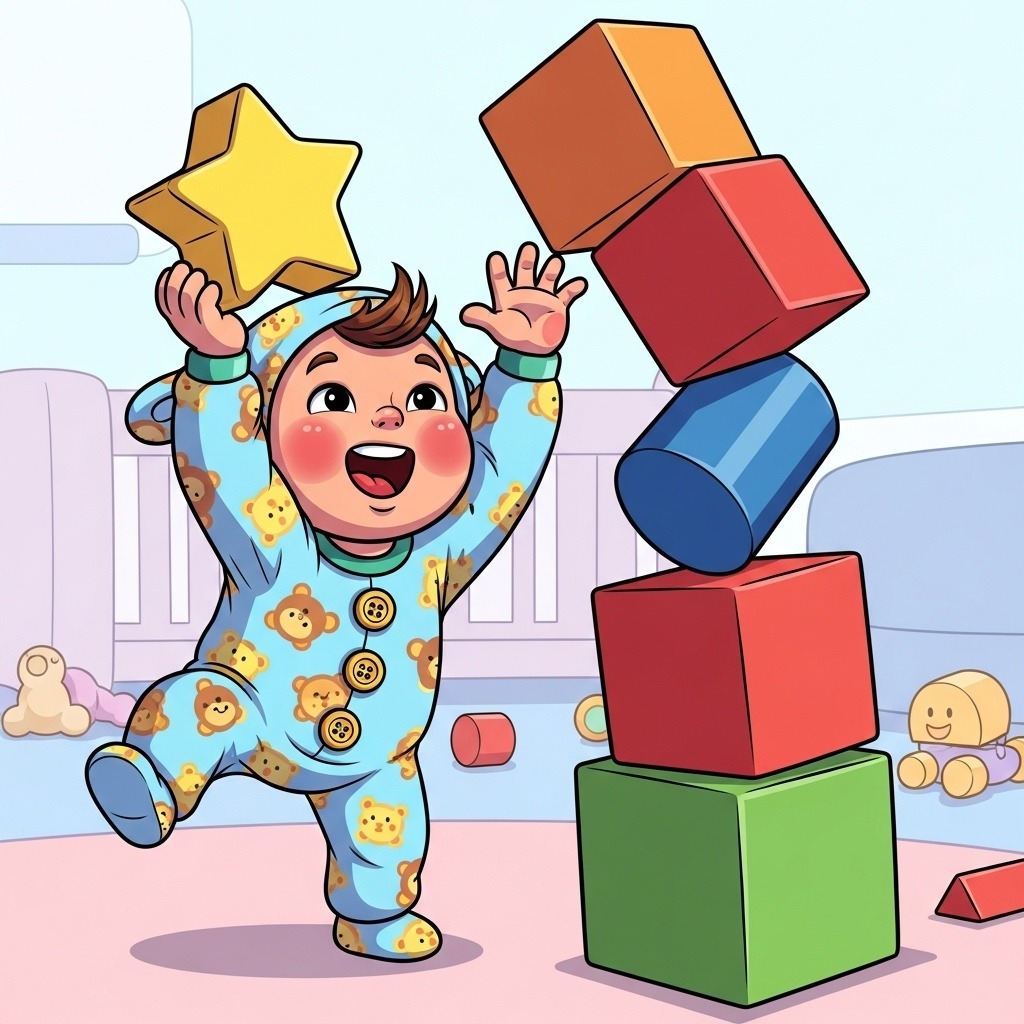
The Milestones That Matter: What Toddlers Can (and Can’t) Do
If your child is between 1 and 3 and:
- Walking or learning to walk
- Saying single words, then short sentences
- Exploring with boundless curiosity (even about toilet paper in the toilet)
- Throwing epic tantrums that make you question your peaceful parenting plans
- Practicing independence: “Me do it!” is their favorite phrase.
…you’re in the gloriously exhausting world of toddlerhood.
But here’s what matters most: milestones, not mad rushes. Every child hits them at their own pace—and your neighbor’s early-talky or late-walker won’t be ahead (or “behind”) long-term. The American Academy of Pediatrics has helpful milestone tracking resources that look for key skills by 18 months and 3 years, but mid-range is totally normal!
6 Life Skills Your Toddler is Secretly Practicing Every Day
You might notice:
- Emotional Swings: They go from giggling to sobbing over the wrong cup in 5 seconds.
- Social Adventuring: Playdates move from “parallel play” to real “let’s pretend!” games
- Language Explosion: New words every week—some adorable, others mortifying in public.
- Fine Motor Mischief: Stacking blocks, coloring (and drawing on the wall), feeding pets
- Problem Solving: Figuring out how doors work (and locks, oops)
- Body Bravery: Learning to climb, jump, tumble, and, yes, test boundaries at the playground

Ready for a win? Try age-appropriate Kids Activity Books & Workbooks that let your toddler scribble, sticker, and learn as they build skills the fun way.
What I Wish I Knew by the Second Kid (And What I’d Do Differently)
With my first, I obsessed over charts and compared every “milestone.” By my second, I realized: toddlerhood isn’t a race. It’s a wild dance—some kids talk before they walk, some skip naps for months, and some come out running. If I could go back, I’d stress less and play more.
- Less panic about “late” walkers (doctor says it’s normal up to 18 months)
- More messy art (a must: Kids Craft Supplies)
- Embracing the chaos—and yes, using screen time on some days for sanity
If you haven’t checked out our post on the best age to have kids, it’s got reassurance for every stage.
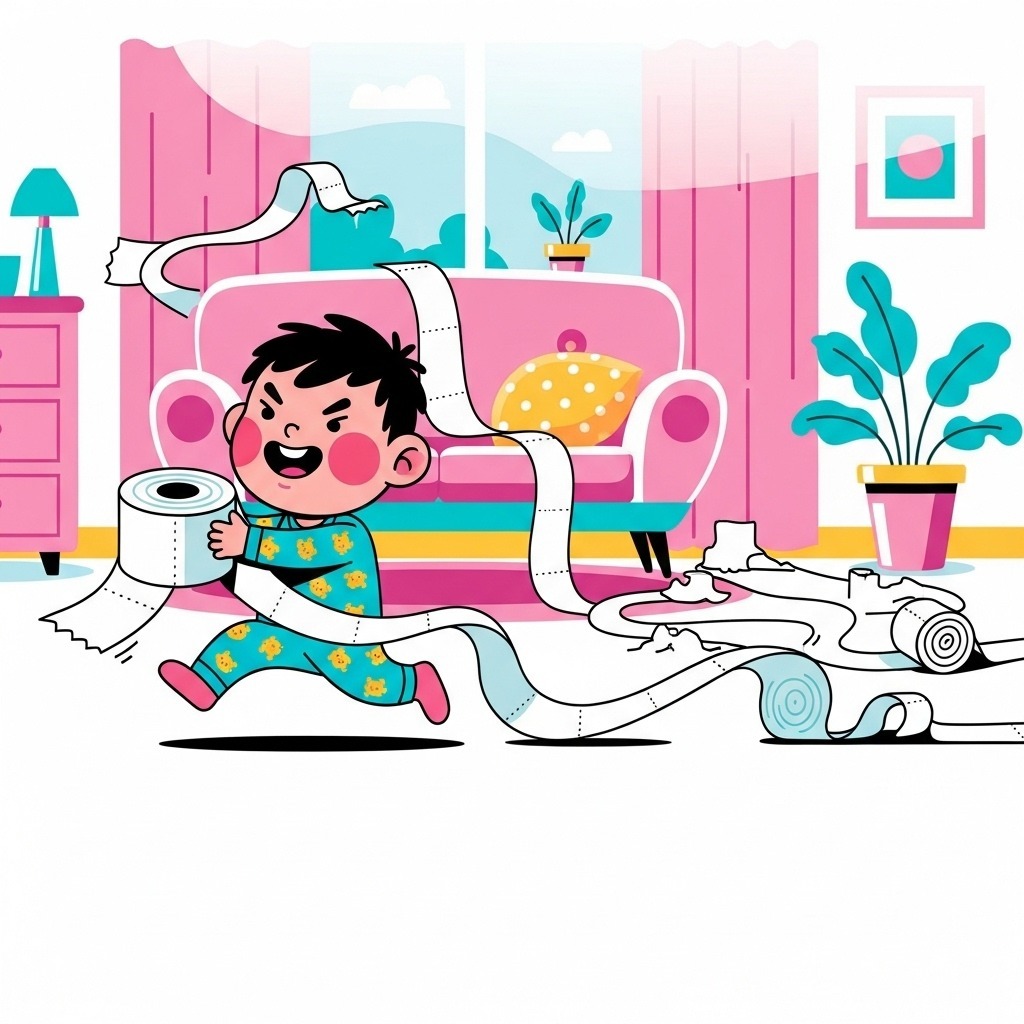
Try This Before You Flip: Sanity-Saving Tricks for Toddler Parents
Truth: Sometimes you’ll lose your patience. Toddler tantrums are real—and I promise even the most positive, soft-spoken mom has had a “no, don’t climb that!” yell slip out. Here are tricks that saved my sanity:
- Snack packs within reach (try Reusable Snack Containers for Kids)
- One special activity: a Board Game for Kids or a Bean Bag Toss Game for backyard wiggles
- 5-minute giggle breaks (check out our math jokes for kids for instant giggles)
- Dance it out (yes, both of you—Alexa, play that song again)
Don’t forget to check out our roundup of summer activities for kids—you’ll find ideas to burn energy and buy you a precious coffee break.

Where the Toddler Years Lead: Preschool, Playdates, and Big-Kid Firsts
Just when you get the toddler routine down, the next chapter sneaks up: preschool, playdates, and “big kid” firsts. Most preschools start at 3 or 4, but readiness differs by child—look for a willingness to play, listen, and (sometimes) share.
You’ll blink and that highchair will turn into a booster seat, the babble into full sentences, the stuffed-animal tea parties into backyard adventures (may I suggest Kids Soccer Goals for Backyard?).
If you’re prepping for bigger milestones, see our post on when kids start preschool.

FAQ: Real Answers for Real Moms Searching ‘What Age is Toddler?’
1. Is a 1-year-old considered a toddler?
Yes! Pediatricians and child experts agree that toddlerhood begins at 1 year old, typically when those first wobbly steps begin.
2. How long does the toddler stage last?
Most sources define it as ages 1–3, though milestones matter more than birthdays. At 3, many kids shift into the preschool stage.
3. What’s the difference between a toddler and a preschooler?
Toddlers focus on walking, talking, potty training, and independence; preschoolers (age 3–5) develop social/emotional skills, longer attention spans, and larger vocabularies.
4. My child is almost 3 but acts “younger”—still a toddler?
Absolutely! Every child is unique. If they’re hitting most 2-year-old milestones, you’re still firmly in toddler territory.
5. What if my child walks or talks “late”—should I worry?
If your toddler isn’t walking by 18 months or using a handful of words by age 2, check in with your pediatrician just to be safe. Most late bloomers catch up quickly.