
My sister called me in a panic at 35 weeks pregnant. “The baby’s coming early,” she said through tears. “We haven’t even had the shower yet. I don’t have anything.”
She’d scheduled her baby shower for 37 weeks—just two weeks away—thinking she’d have plenty of time. Her water broke that night. Her daughter arrived healthy and perfect, but those first weeks home were stressful in ways they didn’t need to be. No crib. No car seat. Scrambling to buy essentials while recovering from delivery.
I learned from her mistake. When I got pregnant, figuring out when to have a baby shower became priority number one. Not the theme, not the guest list—the timing. Because here’s what nobody tells you: when you have your baby shower can make or break those final weeks of pregnancy and your first days home with baby.
After planning my own shower, hosting three for friends, and talking to dozens of moms, I’ve learned there’s actually a science to baby shower timing. And getting it right? It’s one of the best decisions you’ll make during pregnancy.

Why Timing Your Baby Shower Actually Matters
I used to think any time during pregnancy was fine for a shower. Turns out, timing affects way more than I realized.
You need time to organize everything. After my shower, it took me nearly three weeks to wash all the clothes, assemble the crib, organize the nursery, and return duplicates. If the baby had come a week after my shower, I would’ve been in full-blown panic mode.
Your energy level changes drastically. At 28 weeks, I felt great—excited, energetic, happy to socialize. By 36 weeks? I couldn’t stand for more than 20 minutes without my back screaming. I was exhausted, swollen, and honestly just wanted to be left alone. The thought of hosting a party sounded like torture.
Guests need time to plan. My aunt lives across the country. She needed at least a month’s notice to book flights. My best friend needed to arrange childcare. Timing the shower with enough advance notice meant the people who mattered most could actually be there.
According to Pampers, the most common timing for baby showers is around 4-6 weeks before the due date. But here’s the thing: “common” doesn’t always mean “right for you.” Let me break down the real options so you can make the best choice for your situation.
If you’re still figuring out other pregnancy timing questions, you might also want to check out insights about the best age to have kids based on your life stage.
The Sweet Spot: 28-32 Weeks (The Goldilocks Zone)
Most moms I know (myself included) landed their shower somewhere between 28 and 32 weeks. There’s a reason this timeframe is so popular—it’s not too early, not too late, but just right.
Your bump is Instagram-worthy. By this point, you’re definitely showing. The photos from my shower at 30 weeks are some of my favorites from my entire pregnancy. I looked pregnant and glowing, not just bloated and tired like I did later.
You still have energy. The second-trimester energy boost often extends into the early third trimester. I could stand, mingle, play games, and genuinely enjoy my shower. Compare that to my friend who had hers at 37 weeks—she spent half the party sitting down because her feet were too swollen to stand.
Baby essentials arrive in time. Gifts started arriving the week after my shower. I had a full month before my due date to organize everything, set up the nursery, and make sure we had the absolute essentials ready. That breathing room was priceless.
Early arrival won’t ruin everything. About 10% of babies arrive before 37 weeks. If you have your shower at 30 weeks and the baby comes at 36 weeks, you’re still covered. Schedule it at 36 weeks, and the baby comes at 36 weeks? Chaos.
My shower was at exactly 30 weeks, and it was perfect. I felt great, looked great, and had plenty of time afterward to prepare. If you’re a first-time mom with a straightforward pregnancy, I’d aim for this window every single time.

Earlier Shower (24-27 Weeks): When It Makes Sense
Some situations call for an earlier baby shower, and that’s completely okay. My cousin had hers at 25 weeks, and it was the right call for her circumstances.
Out-of-town family needs extra planning time. If most of your guests are traveling from different states or countries, earlier timing gives them flexibility. My cousin’s family is spread across three time zones—scheduling at 25 weeks meant everyone could coordinate travel without the pressure of the baby arriving early.
High-risk pregnancies or multiples. Doctors ordered my coworker to bed rest at 28 weeks. She’s so glad her friends threw her shower at 24 weeks—she never would’ve been able to attend otherwise. Twin and triplet moms often deliver early, so earlier showers are almost always recommended.
Military families or relocations. If you’re moving or someone important is deploying, you work around those timelines, not traditional baby shower windows. One of my friends had her shower at 22 weeks because her husband was deploying at 24 weeks, and she wanted him there.
You want to enjoy it stress-free. Honestly? If you’re the type who worries constantly, having your shower earlier might give you peace of mind. You’ll have everything ready with months to spare.
The main downside of going early is that you might not look as pregnant in photos, and you’ll have a long wait before the baby arrives. But if any of these situations apply to you, earlier is definitely smarter.
Later Shower (33-36 Weeks): The Risks
I’m just going to be honest here: I don’t recommend scheduling your shower this late unless you have a really specific reason.
Baby could arrive any day. The closer you get to your due date, the more likely the baby is to surprise you. And while most first babies arrive late, you can’t count on that. My sister learned this the hard way.
You might be too uncomfortable. Every pregnancy is different, but by 34+ weeks, most moms are dealing with swollen feet, back pain, frequent bathroom trips, and pure exhaustion. The idea of standing for hours at a party might sound miserable.
Less time to prepare. Let’s say your shower is at 35 weeks and you go into labor at 38 weeks. That’s three weeks to receive all your gifts, wash clothes, assemble furniture, and organize your nursery. That’s tight, especially if you’re still working.
That said, some moms do have valid reasons for late showers. If you’re having a second or third baby and already have most of the gear, a later “sprinkle” celebration might make sense. Or if someone in your family has a major conflict earlier in your pregnancy, you might choose to wait.
Just know the risks going in. Have a backup plan. Make sure you have at least the absolute essentials (car seat, bassinet, diapers, clothes) purchased before your shower, just in case.
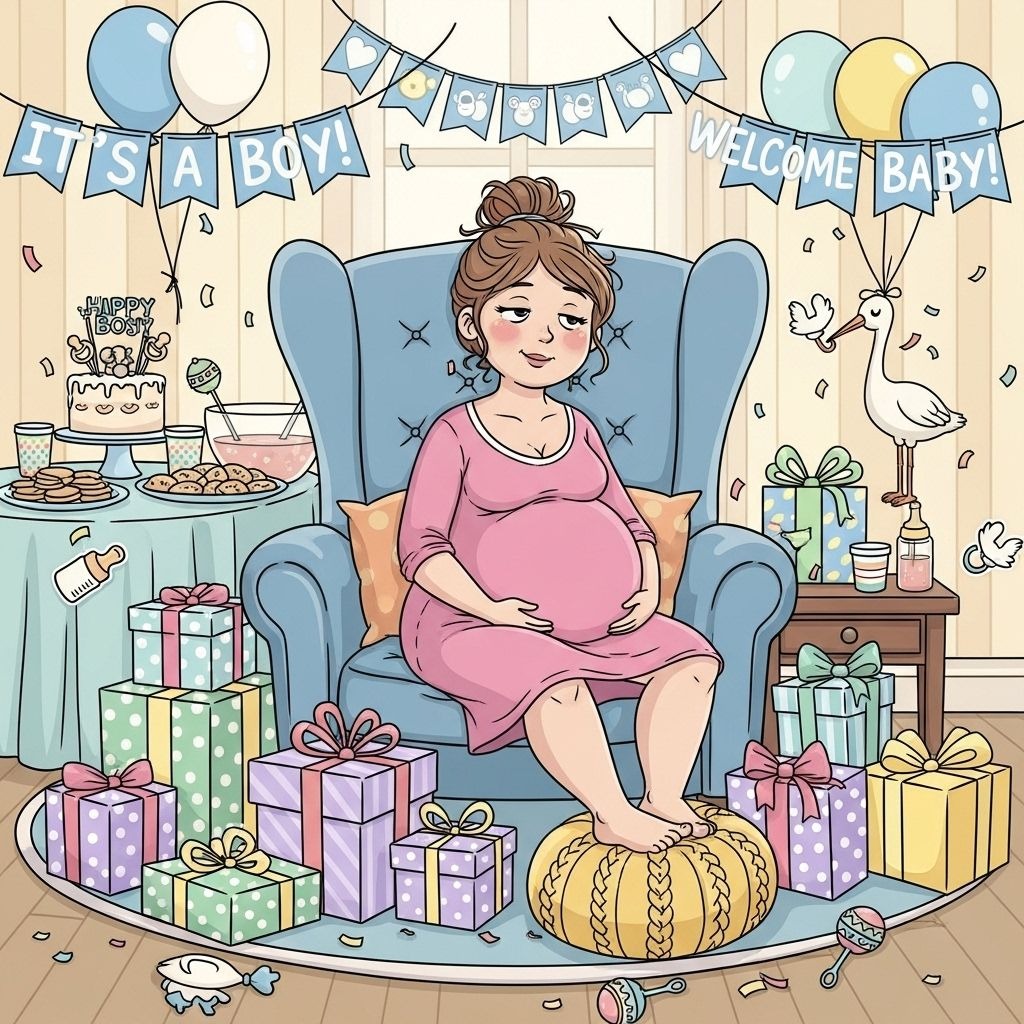
First Baby vs. Second Baby Timing Differences
The timing rules change a bit when you’re not a first-time mom.
For my first baby, I followed traditional timing—30 weeks, big party, full registry. It was perfect. For my second baby? We had a small “sprinkle” at 32 weeks, just close friends, and it was more low-key. Different vibe, different needs.
First baby showers are usually bigger and earlier. You need everything, so scheduling around 28-30 weeks gives you time to get all those essentials organized. It’s a bigger production, more guests, larger registry.
Second baby showers (sprinkles) can be later. Since you already have the crib, stroller, and most gear, a second baby shower is typically smaller—just celebrating the new baby with close friends. These can happen a bit later (32-34 weeks) because you’re not starting from zero.
Consider your older kids’ schedules. If you have a toddler, you’re working around nap times, preschool schedules, and their general tolerance for disruption. My friend scheduled her second baby shower during her toddler’s naptime so he wouldn’t melt down. Smart move.
Some families even include older siblings in the shower activities—unwrapping gifts, greeting guests—which helps them feel involved and excited about the new baby. These board games for kids can be great entertainment to keep older siblings busy during the party while you open gifts.
Post-Birth “Sip and See” Alternative
Here’s a trend that’s been gaining popularity: skip the traditional baby shower entirely and do a “meet the baby” party after birth.
My neighbor did this, and honestly, it was genius for her situation. She’s not superstitious, but she felt weird getting a bunch of baby stuff before the baby arrived. Instead, she waited until her daughter was about 3 weeks old, then invited everyone over for a casual afternoon gathering.
Advantages of post-birth celebrations:
- No stress about the baby arriving early and missing your own shower
- Guests get to actually meet the baby (so much more fun!)
- You know exactly what you need vs. what you already received from family.
- No pressure to be “camera-ready” at 35 weeks pregnant
The downsides:
- You’ll need to buy or borrow essentials before the baby arrives
- New mom exhaustion is real—hosting with a newborn is hard.
- Some cultures consider it bad luck to celebrate before the baby arrives safely.
This option isn’t for everyone, but it’s worth considering, especially if you’re having a second baby or if most of your friends already have kids and understand newborn chaos.
Other Timing Considerations You Might Not Think About
Beyond the week number, there are other factors that affected when I scheduled my shower:
Season and weather: I was due in December, so scheduling my shower in late October meant comfortable temperatures and no worry about winter storms preventing travel. If you’re due in summer, consider an earlier spring shower when it’s not blazing hot.
Holiday weekends: Memorial Day weekend seemed perfect for my shower since out-of-town family would already be traveling. But Labor Day weekend? Everyone had beach plans. Pick your holiday weekends wisely.
Major family events: My cousin’s wedding was 6 weeks before my due date. We scheduled my shower two weeks earlier so the family wouldn’t have to travel twice in a month.
Work schedule: If you’re planning to work until your due date, scheduling your shower on a weekend when you’re already taking time off makes logistics easier. And honestly? You don’t want to rush back to work on Monday after hosting a party on Sunday.
Your partner’s availability: Some dads want to be there, others prefer the traditional women-only gathering. If your partner wants to attend, make sure the date works for them too.
When to Send Invitations
Even with perfect shower timing, you need to get invitations out at the right time, too.
The magic number is 4-6 weeks before your shower. This gives guests enough time to:
- Save the date
- Shop for gifts from your registry
- Make travel arrangements if needed.
- Arrange childcare
- RSVP so you have an accurate headcount
I sent my invitations exactly 5 weeks before my shower, and the RSVPs came in at a perfect pace—not so late that I was stressing, not so early that people forgot about it.
For a more organized baby celebration, consider keeping track of milestones with developmental milestone books that you can start using right from birth to document your journey.
Time of Day Matters Too
Don’t forget: when you schedule your shower during the day matters almost as much as what week of pregnancy you’re in.
Weekend afternoons are the winner. The most popular time slot is Saturday or Sunday between 11 am and 4 pm. This works because:
- People can sleep in
- You avoid mealtime obligations (though snacks and cake are standard)
- It doesn’t interfere with dinner plans.
- Afternoon light is perfect for photos.
My shower was from 1-4 pm on a Sunday, and it was ideal. People trickled in around 1, we played games, opened gifts, had cake, and everyone was out by 4:30. Perfect length—not too short, not exhaustingly long.
Brunch showers work too. If you want a morning vibe, 10 am-1 pm works well. Think mimosas (virgin for you!), quiche, pastries, and coffee. Just know some people are not morning people and might struggle with a 10 am start.
Avoid evenings when you’re pregnant. By evening, you’re tired. Your feet are swollen. You just want to be in pajamas. Trust me—late afternoon is as late as you want to go.
What Happened With My Baby Shower
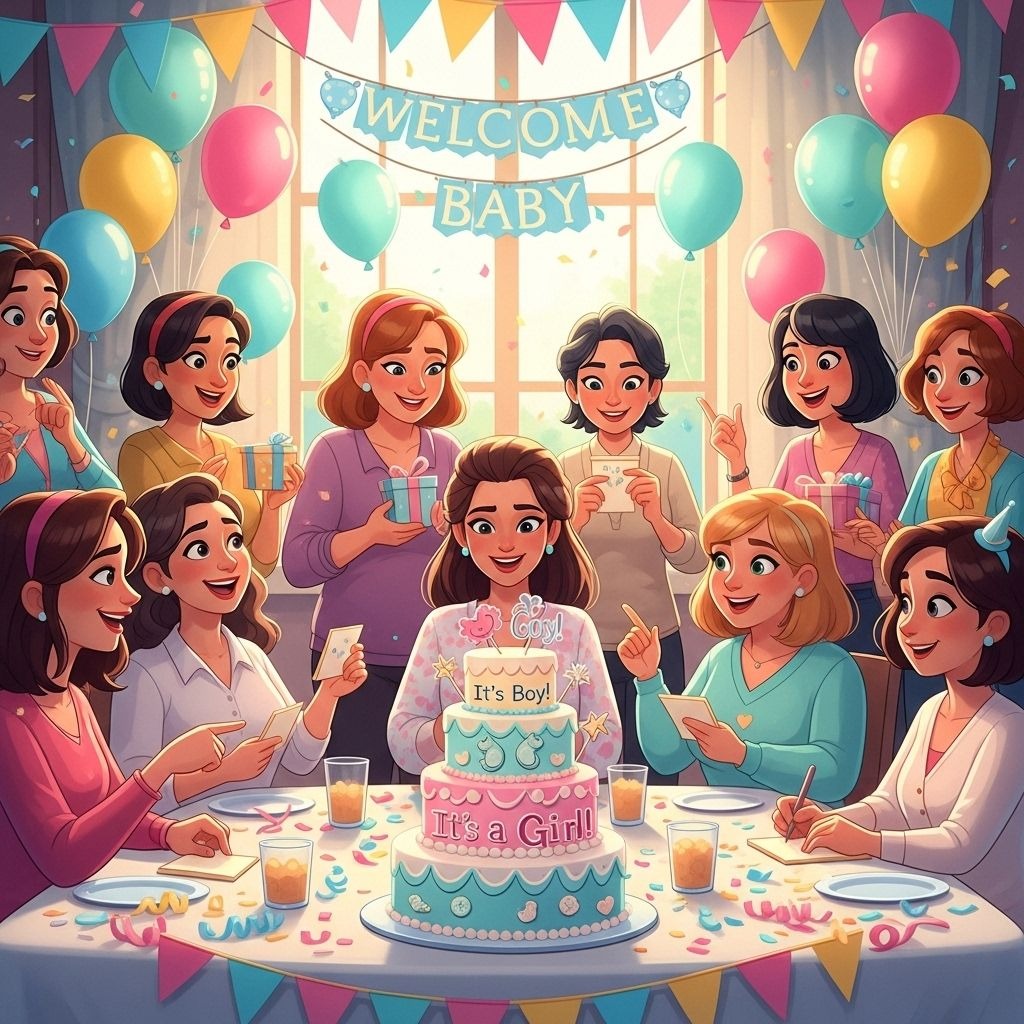
I scheduled mine for 30 weeks on a Saturday afternoon in October. It was 60 degrees and sunny, we had it in my mom’s backyard, and about 30 of my favorite people showed up.
I felt amazing that day. My energy was good, I loved my outfit, and I could fully enjoy every moment without worrying about going into labor or being too uncomfortable to stand.
The gifts started arriving within a week. I spent the next three weeks washing baby clothes (seriously, why does it take so long?), building furniture, and organizing. By 34 weeks, the nursery was completely done. By 36 weeks, our hospital bags were packed and we were just waiting.
My daughter arrived right on her due date at 40 weeks. Those 10 weeks between the shower and her arrival? Zero stress. Everything was ready. I could just enjoy the final weeks of pregnancy, spend time with my husband, and mentally prepare for motherhood.
That’s the gift good timing gives you: peace of mind.
Whether you’re planning your first shower or your fourth, the timing you choose sets the tone for your final weeks of pregnancy. Choose wisely, consider your unique circumstances, and don’t be afraid to go against tradition if something else makes more sense for you.
For more parenting wisdom and tips on raising little ones, check out these parenting books that helped me navigate everything from pregnancy to the toddler years.
FAQ: When to Have a Baby Shower
Q: What week is best for a baby shower?
The ideal timing for most baby showers is between 28 and 32 weeks of pregnancy. This “sweet spot” gives you a visible baby bump for photos, enough energy to enjoy the celebration, and plenty of time afterward to organize gifts and prepare your nursery before baby arrives. If you’re expecting multiples or have a high-risk pregnancy, consider scheduling earlier (24-27 weeks). For straightforward pregnancies with flexible guests, 30 weeks is the perfect target.
Q: Is 35 weeks too late for a baby shower?
While it’s not impossible to have a shower at 35 weeks, it’s cutting it close. About 10% of babies arrive before 37 weeks, and even if your baby comes at 40 weeks, that only gives you 5 weeks to receive gifts, organize everything, and prepare your home. You’ll also likely be more uncomfortable and tired at this stage. If 35 weeks is your only option, make sure you have essential items (car seat, bassinet, diapers, basic clothes) already purchased as backup.
Q: Can you have a baby shower after the baby is born?
Absolutely! Post-birth celebrations called “Sip and See” parties or “Meet the Baby” gatherings are becoming increasingly popular. These typically happen 2-4 weeks after birth and allow guests to actually meet the new baby. The advantage is no stress about early delivery, and guests get to see the baby, but the downside is you’ll need to purchase essentials before birth and host while managing newborn exhaustion. This option works especially well for second or third babies.
Q: How early is too early for a baby shower?
Most experts recommend waiting until at least 20 weeks (after the anatomy scan) when you’ve passed major pregnancy milestones. However, 24-27 weeks is generally the earliest recommended timeframe for traditional showers unless special circumstances require it. Earlier than 24 weeks, and your bump might not be very visible yet, plus it’s a long wait until the baby arrives. The exception is if you have military deployment, relocation, or high-risk pregnancy factors that necessitate earlier timing.
Q: Should I have my baby shower on a Saturday or Sunday?
Both work great—it really depends on your guests’ typical schedules. Saturday is often preferred because it doesn’t conflict with Sunday family traditions or religious services, and people don’t have the “Sunday scaries” about work the next day. However, Sunday can work well too, especially for brunch-style showers. The most important thing is choosing the afternoon timing (11 am-4 pm window) when people are most available. Poll your must-have guests to see which day works better for the majority. For inspiration on keeping little guests entertained, these kids’ craft supplies can be lifesavers if you have children attending your shower.
Planning your baby shower is one of the most exciting parts of pregnancy. Get the timing right, and you’ll create beautiful memories while setting yourself up for a stress-free final trimester. Your future self—sleep-deprived with a newborn in your arms—will thank you for thinking ahead.
Pin this for later and share with any mama-to-be in your life who’s trying to figure out shower timing! We’re all in this together.