
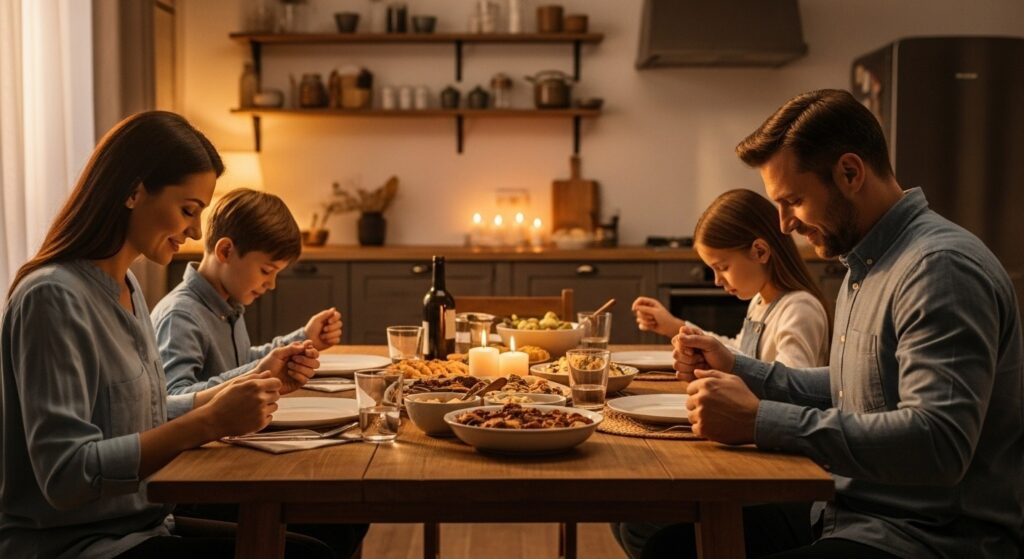
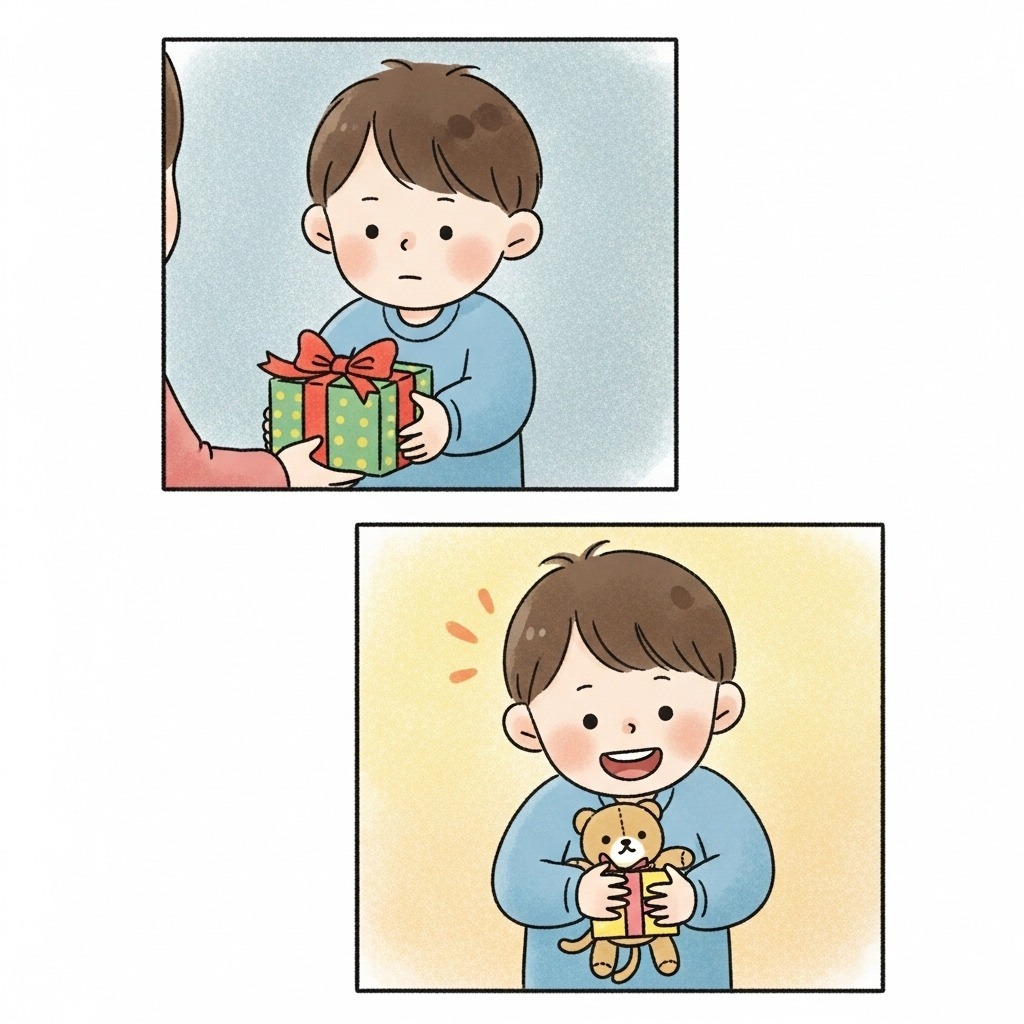
Last Thanksgiving, my 6-year-old opened a gift from his grandmother—a toy he’d been begging for all month. You know what he said? “Is this all I’m getting?”
I wanted to crawl under the table. My mother-in-law’s face fell. And I realized in that mortifying moment that I’d been so focused on making sure my kids said “thank you” that I’d completely missed teaching them what gratitude actually means.
That day changed everything about how I approach raising grateful kids. Because forcing your kids to say the words doesn’t create genuine appreciation. These tips for raising grateful kids aren’t about scripting polite responses—they’re about building a mindset that will serve them for life.
Why Gratitude Matters More Than Good Manners
Before we talk about the how, let’s talk about the why. Gratitude isn’t just about being polite or not embarrassing you in front of Grandma.
Research shows that grateful kids are happier, more resilient, and better at handling stress. They have stronger friendships, do better in school, and even sleep better at night.
My kids didn’t magically become grateful overnight. But once I shifted from demanding they say “thank you” to actually teaching them to notice good things in their lives, everything changed. They complain less. They appreciate more. And yes, they’re genuinely thankful when someone gives them something—not because I’m standing behind them mouthing the words.
The best part? Grateful kids become grateful adults. They’re better friends, partners, and parents. The work you put in now pays off for decades.
The One Thing I Wish I’d Known Sooner
Here’s what nobody tells you: you can’t force gratitude. You can force the words “thank you,” but that’s not the same thing.
I spent years reminding my kids to say thanks, correcting them when they forgot, and getting frustrated when it felt performative. Then I learned that kids don’t learn gratitude from being told to be grateful. They learn it from experiencing it, noticing it, and seeing it modeled by the adults around them.
So I stopped focusing on the words and started focusing on the feeling. And that’s when things actually shifted.

Model Gratitude (Not Just the Words)
Your kids are watching everything you do. Everything. Which means the single most powerful thing you can do is let them see you being genuinely grateful.
Not just saying “thank you” to the cashier (though that matters too). I’m talking about expressing real appreciation out loud, where your kids can hear it.
I started narrating my gratitude. “I’m so grateful the sun is out today—it makes me feel happy.” “I really appreciate that Dad made dinner tonight so I could relax.” “I’m thankful we have this cozy house to keep us warm.”
It felt weird at first, like I was talking to myself. But my kids started listening. And then copying.
My 8-year-old now regularly says things like “I’m grateful you let me have a friend over” or “I appreciate that you took me to the library.” Not because I’m standing there prompting him, but because he’s heard me express appreciation for ordinary moments hundreds of times.
Here’s what actually works:
Thank your kids specifically. Not just “good job” or generic praise. “Thank you for clearing your plate without being asked—that was really helpful.” “I appreciate how you were patient while I finished my phone call.”
Express gratitude to your partner, parents, and friends. Let your kids overhear you thanking people. Write thank-you notes where they can see you doing it. Show them what adult gratitude looks like.
Talk about what you’re grateful for during transitions. In the car, at bedtime, during dinner. Make it part of your normal conversation, not a forced activity.
For families wanting to dive deeper into intentional parenting practices, these parenting books offer research-backed strategies for raising emotionally healthy kids who naturally develop qualities like gratitude and empathy.
Create Daily Gratitude Rituals
Rituals work because they make gratitude automatic. You’re not trying to remember to teach appreciation—it’s just built into your day.
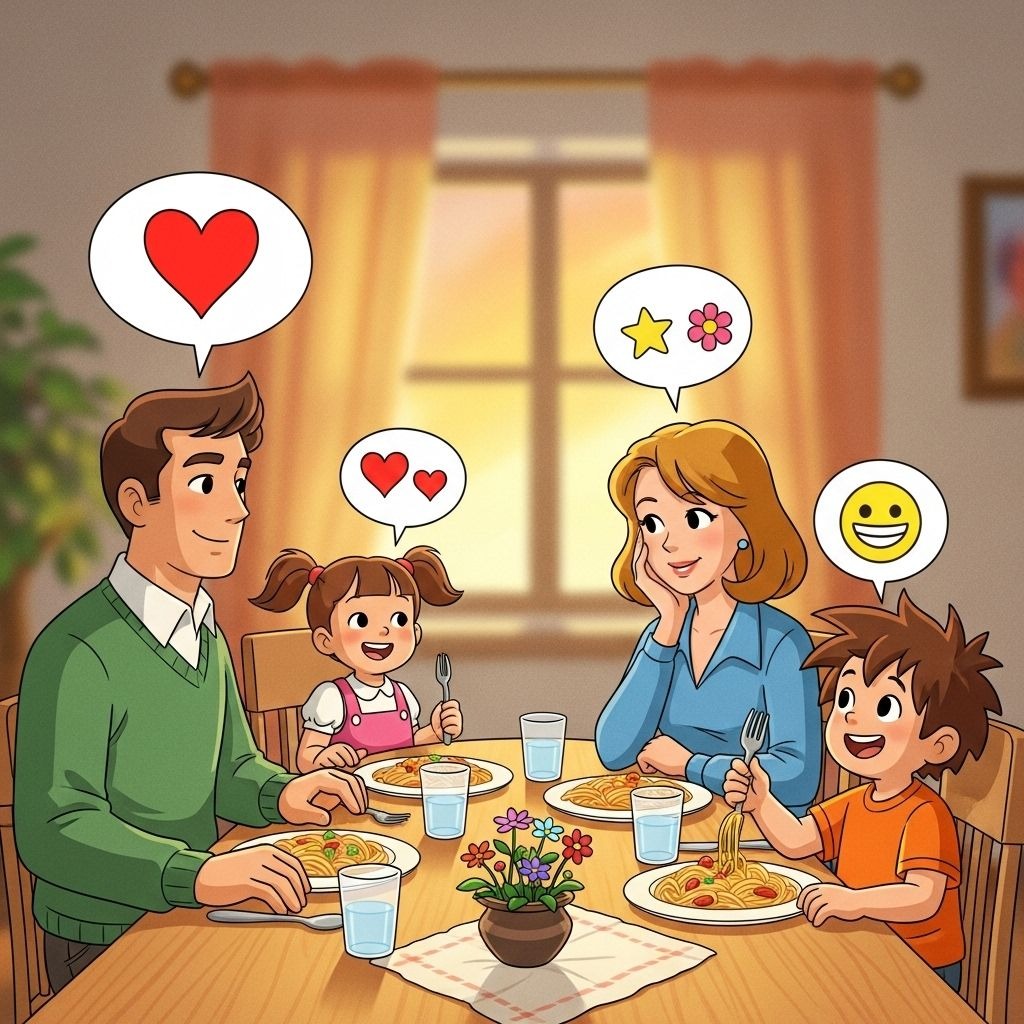
We started with dinner table gratitude when my kids were 4 and 6. Everyone shares one good thing from their day before we eat. That’s it. No pressure, no rules about what counts.
Sometimes my kids say silly things like “I’m grateful for chicken nuggets.” That’s fine. Sometimes they go deep and talk about a friend who helped them or a teacher who was kind. Both count.
What I’ve noticed after two years of this practice: they’ve gotten better at noticing the good stuff. They used to struggle to think of anything. Now they often have multiple things ready to share before we even sit down.
Other gratitude rituals that work:
Bedtime thankfuls. Each kid names one thing they’re grateful for before lights out. It ends the day on a positive note and helps them fall asleep thinking about good things instead of worries.
Gratitude jar. Keep a jar and slips of paper accessible. Anyone can write something they’re grateful for and add it to the jar anytime. On New Year’s Eve or birthdays, dump it out and read them all together.
Thank you notes after gifts or kindness. For younger kids who can’t write yet, let them draw pictures. For older kids, make it a non-negotiable: you don’t use the gift until you’ve thanked the giver.
Weekly service. Pick one small act of service as a family each week—bake cookies for a neighbor, donate toys, help an elderly relative. Serving others naturally cultivates appreciation for what you have.
The key is consistency. Pick one ritual and stick with it for at least a month before adding another. Gratitude is a practice, not a one-time lesson.
Help Them Notice What They Have
Kids naturally focus on what they don’t have. It’s developmentally normal for a 5-year-old to see another kid’s toy and want it, or to complain they don’t have as many video games as their friend.
Instead of getting frustrated with this or lecturing about “kids who have less,” I’ve found it more effective to gently redirect their attention to what they do have.
When my son complains he’s the only kid without the newest gaming system, I don’t lecture. I say: “Yeah, that would be fun to have. What games do you love playing on the system you have now?”
Acknowledging their want while redirecting to their reality doesn’t dismiss their feelings. It just shifts the focus from scarcity to abundance.
Practical ways to help kids notice what they have:
Go on gratitude walks. Walk around your neighborhood and point out things to be grateful for—trees, friendly neighbors, a park to play in, birds singing. Make it a game.
Teach the difference between needs and wants. When my kids say they “need” something, we talk about what actual needs are (food, shelter, love, safety) versus wants (the latest trendy toy). This isn’t about making them feel bad—it’s about understanding the difference.
Compare less, appreciate more. Try to avoid saying, “You should be grateful—some kids don’t have toys at all.” Guilt doesn’t create genuine gratitude. Instead, focus on appreciation for what they specifically have without comparing to less fortunate kids.
Let them earn some things. When kids work for something—saving allowance, doing extra chores, waiting patiently—they appreciate it more than when it’s just handed to them. This is especially relevant when they’re begging for expensive toys or games.
For kids who love hands-on learning, these kids’ activity books & workbooks teach gratitude and emotional awareness through age-appropriate activities that make abstract concepts concrete and fun.
Teach Real “Thank You” (Not Just the Words)
There’s a huge difference between a mumbled, forced “thank you” and genuine appreciation. One is empty manners. The other is true gratitude.
I used to think that if I could just get my kids to say the words consistently, mission accomplished. But I was creating little robots who said “thank you” without meaning it or even thinking about it.
Now I teach them to notice and name what they’re thanking someone for. The formula is simple: Thank you for [specific thing] because [how it helped or made you feel].
“Thank you for the LEGOs, Grandma. I love building spaceships, and these pieces are perfect for that.”
“Thanks for driving me to soccer practice, Dad. I would have been late without you.”
“Thank you for helping me with my math homework. I was really confused, and now I get it.”
This takes more time than just reminding them to say “thank you.” But it’s worth it. They’re learning to notice kindness, name it specifically, and express genuine appreciation.
For older kids, written thank-you notes are non-negotiable in our house. No, they don’t want to do it. Yes, I make them anyway. Because the practice of sitting down and thinking about why a gift or gesture matters builds the gratitude muscle.
Give Them Opportunities to Give
Nothing teaches gratitude faster than serving others. When kids see people who have less, or get to be the helpers themselves, they naturally become more appreciative.
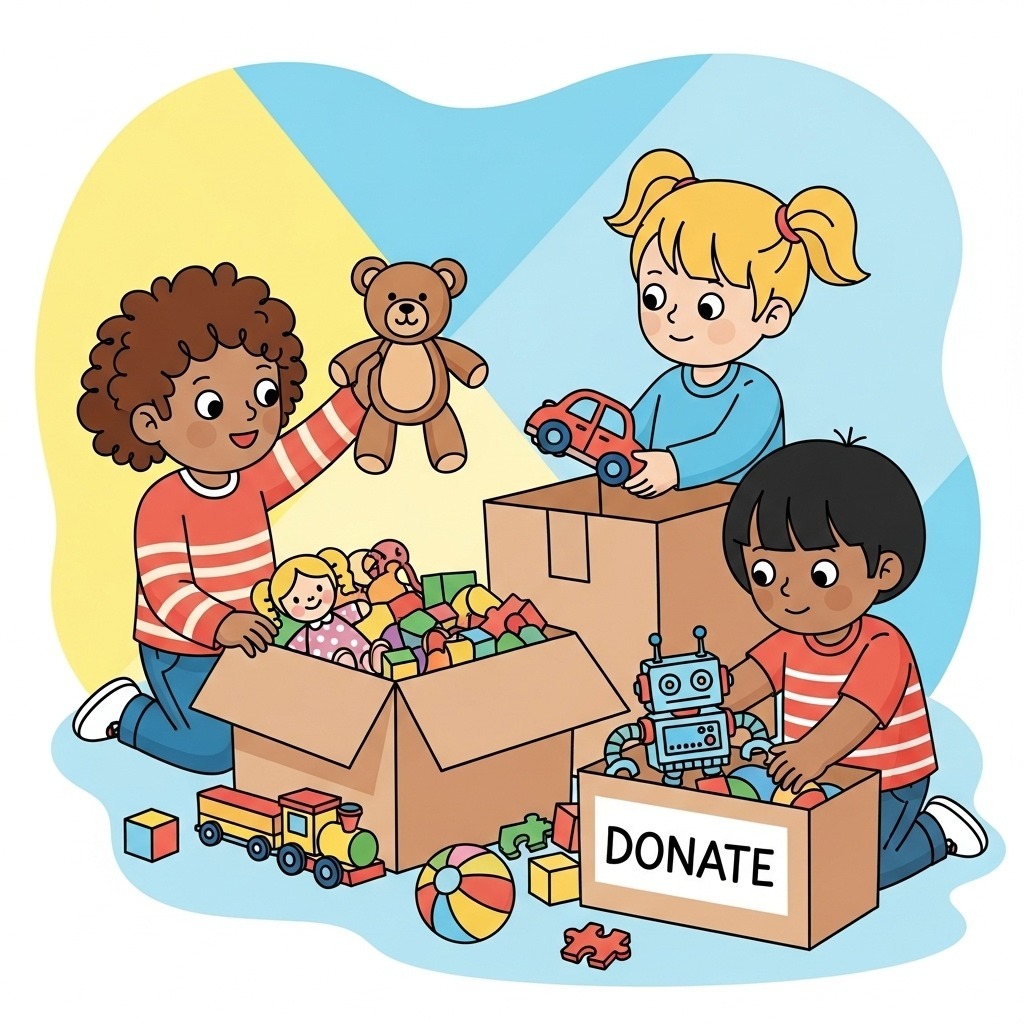
We started this when my kids were little. Before holidays or birthdays, we go through their toys and choose items in good condition to donate. At first, they resisted. Now they actually get excited about it.
Ways to build service into family life:
Involve them in charitable giving. Let kids help pick out food at the grocery store to donate to a food pantry. Have them choose toys or books to give to a shelter or organization that helps kids.
Do family volunteer work. Depending on kids’ ages: serve meals at a shelter, participate in park cleanups, visit nursing homes, help a neighbor with yard work, make cards for hospital patients.
Let them give to friends and family, too. Encourage kids to make handmade gifts, share their belongings, help younger siblings, or offer to do kind things for people they love. Generosity breeds gratitude.
Choose charitable birthday parties. Some families ask for donations to a charity instead of gifts, or ask guests to bring items to donate. This isn’t right for every kid, but for some, it’s meaningful.
I’ve found that my kids are way less entitled and way more grateful during seasons when we’re actively helping others. There’s something about being the giver that makes you more appreciative of what you receive.
For more ideas on building empathy and connection through meaningful experiences, our guide on activities to do with kids includes service projects and kindness-focused activities that naturally cultivate gratitude.
Handle Entitlement Before It Becomes a Problem
Let’s be honest: most of us have spoiled our kids at least a little bit. Birthday parties with too many gifts. Grandparents who can’t say no. The impulse to buy them every toy they ask for.
I get it. I’ve done it. And then I’ve watched my kids rip through gifts without even looking at them, already asking what else they’re getting.
Entitlement isn’t about kids being bad. It’s about them not understanding the value of things because they get them too easily.
Here’s what’s worked in our house to combat this:
Limit gifts during holidays. We do the “something you want, something you need, something to wear, something to read” formula. Fewer, more meaningful gifts that actually get used and appreciated.
Don’t rescue them from every disappointment. If they spend their allowance on junk and can’t afford the thing they really wanted, let them feel that regret. It teaches decision-making and appreciation.
Delay gratification. When my kids want something, I often say, “Let’s add it to your wish list” instead of “Yes” or “No.” Sometimes they forget about it. Sometimes they save for it. Either way, they learn to wait.
Make them work for extras. Screen time, special outings, and non-essential purchases—these aren’t automatic. They’re earned through cooperation, helpfulness, or saving their own money.
The goal isn’t to deprive your kids. It’s to help them value what they have by not drowning them in too much stuff.
When gift-giving occasions do roll around, these board games for kids create shared family experiences and memories that last way longer than material items, and they naturally teach patience, turn-taking, and appreciation for time spent together.
Talk About Feelings and Perspective
Young kids genuinely don’t understand that other people have feelings, needs, and experiences different from their own. This developmental stage is why your 4-year-old can’t comprehend why you’re tired or why Grandma’s feelings were hurt.
But you can speed up their development of empathy and perspective-taking, which are closely linked to gratitude.
I talk a lot about feelings in our house. Not in a therapy session way, just in normal conversation.
“Look at Dad’s face—he looks really happy that we made him breakfast. How do you think that made him feel?”
“Your teacher spent her own time making those valentines for every student. How do you think she felt when you thanked her?”
“Remember when you worked really hard on that drawing and your friend said it was amazing? That’s how other people feel when you notice their efforts too.”
This kind of talk helps kids connect actions to feelings, which is the foundation of genuine gratitude. When they can imagine how their grandparent feels when they send a thank-you note, or how the cafeteria worker feels when they say thanks, gratitude becomes about connection, not just manners.
For more ways to build emotional intelligence and understanding, check out positive affirmations for kids, which include practices for developing self-awareness and empathy alongside gratitude.
Acknowledge Their Feelings Too
Here’s something I’ve learned: you can’t shame kids into gratitude. And when we say things like “You should be grateful!” or “Do you know how lucky you are?” we’re actually making it worse.
Kids are allowed to be disappointed, even when they’re privileged. A 7-year-old who gets the wrong color bike for their birthday is allowed to feel disappointed, even though, objectively, they’re lucky to get a bike at all.
When we dismiss their feelings with “You should just be grateful,” we’re teaching them that their emotions are wrong. And kids who feel their emotions are invalid often shut down or rebel, not become more grateful.
Instead, I acknowledge the feeling first, then gently redirect.
“I can see you’re disappointed this isn’t the exact toy you wanted. It’s okay to feel that way. And also, Grandma spent time picking this out because she loves you. Can you thank her for thinking of you?”
“You’re sad your friend has a bigger playroom. That makes sense. What’s something you love about our house?”
Validation followed by redirection works way better than dismissing their feelings or lecturing about gratitude.
Let Natural Consequences Teach the Lesson
Sometimes the best teacher is experience. When my kids don’t take care of their belongings, I don’t lecture about how lucky they are to have toys. I let the toy break or get lost.
Natural consequences are powerful:
They didn’t write thank-you notes? They don’t get to use the gift until the note is written. No nagging, just a calm boundary.
They left expensive shoes outside, and they got ruined? They wear the old, uncomfortable pair until they can budget for new ones.
They complained about the dinner you worked hard to make? They can make their own dinner tomorrow (within reason, depending on age).
I’m not talking about being punitive. I’m talking about letting reality teach the lesson instead of you always being the bad guy.
When my son left his favorite toy outside and it got ruined in the rain, he was devastated. I empathized with his sadness but didn’t replace it. That taught him to value and care for his belongings way better than any lecture ever did.
For a deeper understanding of this parenting approach, our article on how to discipline without yelling explores teaching through natural consequences and other calm discipline strategies.
Make It Age-Appropriate
What gratitude looks like changes as kids grow. Here’s what to expect and how to teach it at different ages:
Toddlers and Preschoolers (Ages 2-5)
At this age, they’re learning to say “thank you” as a social norm, but they don’t yet understand the deeper meaning. That’s okay. Start with:
- Teaching the words “please” and “thank you” and gently prompting when they forget
- Modeling gratitude constantly so they hear it in action
- Reading books about thankfulness and kindness
- Starting very simple bedtime or mealtime gratitude practices
Early Elementary (Ages 5-8)
Kids this age can start to understand that other people have feelings and that gratitude makes people feel good. Focus on:
- Explaining why we thank people (because they did something kind, because it makes them feel appreciated)
- Having them make or write simple thank-you notes
- Pointing out when people do kind things for them
- Involving them in age-appropriate service (sorting donations, making cards)
Older Elementary (Ages 8-12)
These kids can grasp more abstract concepts and develop deeper empathy. Work on:
- Discussing the difference between needs and wants
- Involving them in more meaningful service opportunities
- Having deeper conversations about privilege and perspective
- Encouraging them to notice and express gratitude independently
Teens
Teenagers can be grateful even when they seem perpetually annoyed by you. Continue:
- Modeling gratitude even when they roll their eyes
- Asking them to participate in family gratitude practices (even if reluctantly)
- Giving them opportunities to serve others
- Respecting their growing independence while holding boundaries around respect and appreciation
The key at every age: meet them where they are developmentally, not where you wish they were.
What Not to Do (I’ve Done All of These)
Let me save you some time and frustration by sharing the approaches that absolutely did not work in our house:
Lecturing after they’re ungrateful. The time to teach gratitude is not in the moment when your kid just acted like a brat in front of your mother-in-law. Address it later, calmly.
Comparing them to less fortunate kids. “Kids in other countries don’t have toys at all!” doesn’t create gratitude. It creates guilt and defensiveness.
Forcing elaborate gratitude performances. Making them write novel-length thank-you notes or give prepared speeches makes gratitude feel like a punishment, not a gift.
Expecting perfection. They’re kids. They will forget to say thank you sometimes. They will complain about gifts. They will be disappointed. That’s normal.
Using “ungrateful” as an insult. Calling your child ungrateful doesn’t motivate them to be more grateful. It just makes them feel bad about themselves.
Only focusing on material gratitude. If the only time you talk about thankfulness is when they receive gifts, they’ll associate gratitude only with stuff.
Gratitude is taught through hundreds of small moments, not through one big conversation or consequence. Be patient with them and yourself.
When to Worry (And When Not To)
Most kids go through phases of seeming entitled or ungrateful. It’s developmentally normal. But here’s when it might be worth addressing more intentionally:
Worry if: Your child never expresses appreciation for anything, consistently demeans others’ efforts, shows no empathy when people are hurt, or has no concept of how their actions affect others.
Don’t worry if: They sometimes forget to say thank you, occasionally complain about gifts, go through phases of wanting everything they see, or struggle with gratitude during stressful times (moving, new sibling, school transitions).
Most gratitude issues are solved with consistent, patient teaching over time. If you’re genuinely concerned about a lack of empathy or persistent entitlement despite your efforts, talking to your pediatrician or a child therapist can help.
The Long Game
I started these tips for raising grateful kids when my oldest was 6 and my youngest was 4. They’re now 11 and 9, and I can see the difference.
They don’t just say “thank you” because I’m standing there. They notice when people do kind things. They express genuine appreciation. They still complain sometimes and want things they don’t have—they’re kids. But the baseline has shifted from entitled to appreciative.
The truth is, teaching gratitude is a long game. You won’t see dramatic results tomorrow or even next month. But if you consistently model it, create rituals around it, and gently redirect when they forget, it sinks in.
Your kids will become adults who notice the good in their lives instead of fixating on what’s missing. They’ll be the people who thank the barista, appreciate their friends, and feel genuinely blessed by what they have. They’ll have better mental health, stronger relationships, and more contentment.
And that’s worth way more than perfectly executed thank-you notes.
FAQ: Tips for Raising Grateful Kids
How do I teach my child to be grateful when they’re constantly exposed to kids who have more?
Start by acknowledging that comparison is natural and even adults struggle with it. Instead of denying reality (“You have enough!”), validate their feelings and redirect to appreciation. Try: “I know it seems like everyone else has more stuff. Let’s talk about the things you love that you already have.” Focus on experiences over possessions—trips to the park, game nights, special time together. These create happiness and gratitude that material things can’t match.
At what age should kids start writing thank-you notes?
Kids can start “writing” thank-you notes as young as 3-4 by drawing pictures with your help, adding a message. By age 6-7, most kids can write simple notes with prompts like “Dear ___, Thank you for the ___. I will use it to ___. Love, ___.” The key is making it age-appropriate and consistent, not perfect. Even a scribbled picture counts if it’s done with intention.
My child only seems grateful when they get what they want. Is this normal?
Completely normal, especially in younger kids. True gratitude develops gradually. Keep modeling appreciation for non-material things (“I’m grateful for this sunny day”), create regular gratitude practices that aren’t tied to gifts (dinner table shares), and gently redirect their focus to what they have rather than what they’re getting. It’s a developmental process that takes years, not weeks.
How do I handle relatives who spoil my kids and undermine my efforts to teach gratitude?
Have a direct conversation with the relatives when kids aren’t around. Explain that you’re trying to raise grateful kids, and too many gifts make it harder. Suggest alternatives: fewer but more meaningful gifts, contributions to a college fund, experiences over things, or donations to charity in the child’s name. If they won’t cooperate, you can still control what happens in your home—donate excess gifts, require thank-you notes, and continue your own gratitude practices.
Can you force kids to be grateful, or does it have to come naturally?
You can’t force genuine gratitude, but you can create conditions where it develops naturally. Forced “thank yous” teach manners, which is fine, but real gratitude comes from noticing kindness, understanding perspective, and experiencing the positive feelings that come from appreciation. Model it, practice it through rituals, and let them experience natural consequences when they’re not careful with belongings. Over time, with consistency, it becomes more natural.
Teaching gratitude isn’t about creating perfectly polite children who never complain or want things. It’s about raising humans who can notice goodness, appreciate kindness, and find joy in what they have instead of constantly focusing on what’s missing.
Some days you’ll nail it. Some days, your kid will act like an entitled brat despite all your efforts. That’s parenthood. Keep showing up, keep modeling gratitude, keep creating those little moments of appreciation in your daily routines.
The investment you’re making now—in all those dinner table shares and bedtime thankfuls and prompted thank-you notes—will pay off in ways you can’t even imagine yet. You’re not just teaching manners. You’re shaping how your child sees the world.
And a child who grows up noticing good things? That’s one of the greatest gifts you can give them.