
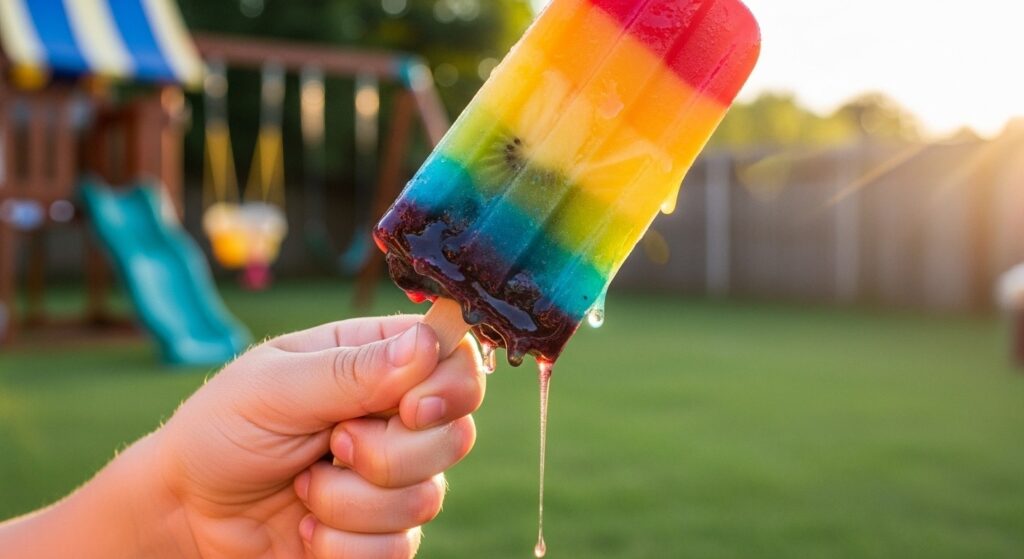
Two summers ago, my kids discovered the ice cream truck.
Every afternoon at 3:15, like clockwork, they’d hear the music three streets away and sprint to the window like tiny, sugar-obsessed meerkats. If I said yes, there went $12 on neon-blue popsicles that stained their tongues for three days. If I said no, there were tears.
So I did what any tired, budget-conscious mom would do: I learned how to make popsicle recipes for kids that were stupid-easy, mostly healthy, and fun enough that they actually forgot about the ice cream truck some days.
If you’re ready for less food dye and fewer driveway negotiations, this is for you.
What I Wish I Knew About Popsicles Sooner
Before I started making popsicles at home, I had a few assumptions:
- They’d be a ton of work.
- I’d need special ingredients.
- My kids would refuse anything that wasn’t neon and store-bought.
I was wrong on all three.
Most good popsicle recipes for kids use:
- Fruit (fresh or frozen)
- Yogurt, milk, or coconut water
- A tiny bit of honey or maple syrup (if needed)
That’s it.
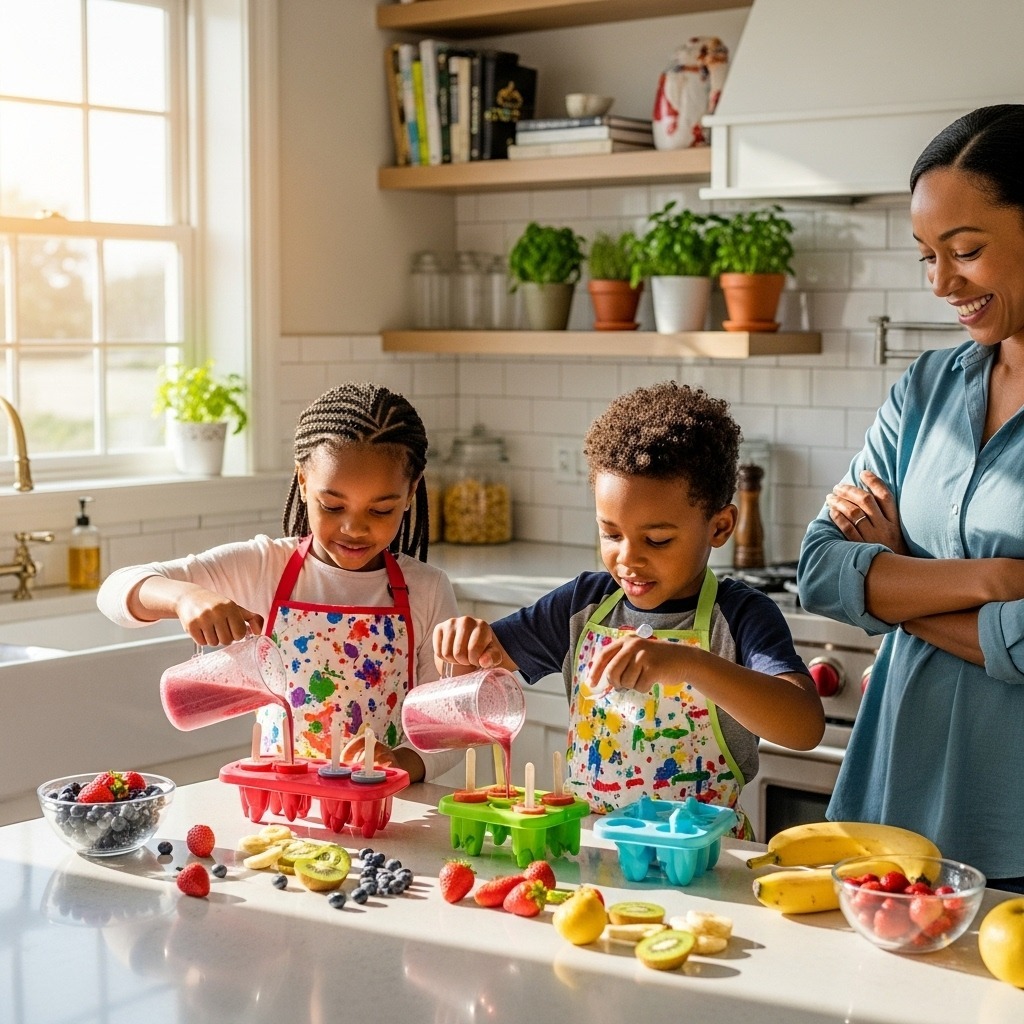
The best part? Popsicles are the easiest “cooking” project to hand off to kids. They can:
- Dump ingredients into a blender
- Help taste and “approve” the flavor.
- Pour into molds (or at least try)
- Check the freezer 47 times while they’re setting.
This is also the perfect way to get kids interested in helping in the kitchen. If you love “real” cooking too, pair this with your kids’ baking and cooking sets so they feel like official little chefs.
The Basic Formula for Popsicle Recipes for Kids
Once you understand the base formula, you can create a hundred versions without ever looking at a recipe again.
Think of it like this:
- 2–3 cups fruit (berries, mango, watermelon, peaches, banana, etc.)
- ½–1 cup liquid (yogurt, milk, coconut water, juice)
- 1–3 tablespoons honey or maple syrup (optional, to taste)
- Optional add-ins (chia seeds, spinach, cocoa powder, vanilla)
Blend. Taste. Adjust. Pour. Freeze.
That’s it.
If you want them extra creamy, use Greek yogurt or coconut milk. If you want them extra refreshing, use watermelon or coconut water. If you want them snack-worthy, sneak in a little protein or healthy fat.
I’ll walk you through some of my kids’ favorite combos, plus exactly where I’d sprinkle in your affiliate and internal links so they feel natural and helpful.
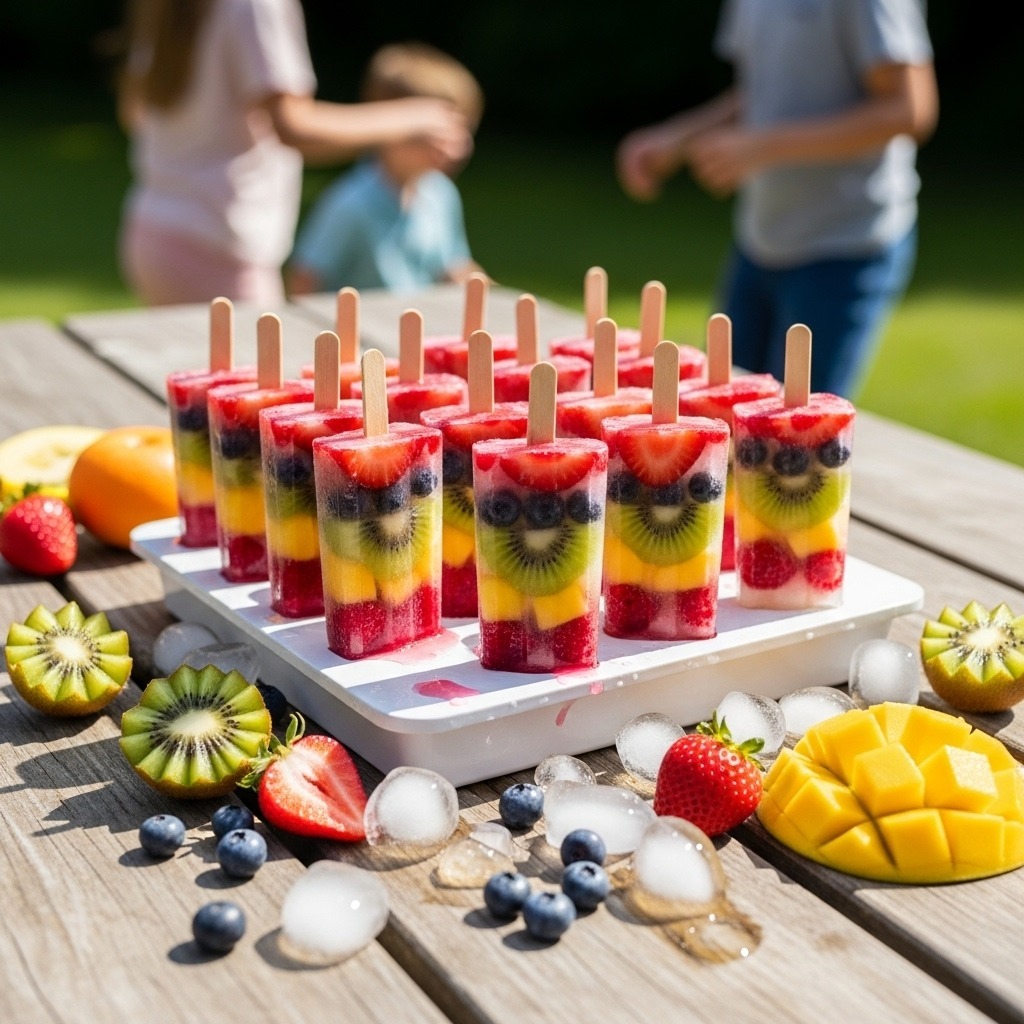
Recipe 1: Rainbow Fruit & Coconut Water Pops
These are the popsicles that finally made my kids forget about the blue rocket pops from the truck.
You’ll need:
- Any mix of colorful fruit: strawberries, blueberries, kiwi, mango, pineapple, raspberries
- Coconut water or watered-down apple juice
How to make:
- Let your kids layer chopped fruit into popsicle molds.
- Pour coconut water over the fruit to fill.
- Add sticks and freeze 4–6 hours.
These are perfect on brutally hot days, especially if your kids are out with kids’ water toys or running around with a toss and catch ball game in the backyard.
They’re:
- Hydrating
- Naturally sweet
- Gorgeous for Pinterest photos
If you’re planning a summer pool day or family backyard Olympics, pair these with ideas from your fun outdoor activities for kids post so readers can click straight into more “keep-them-busy” content.
Recipe 2: Strawberry Yogurt Breakfast Pops
These popsicle recipes for kids pull double duty as breakfast on those “we’re already late” mornings.
You’ll need:
- 2 cups strawberries (fresh or thawed frozen)
- 1 ripe banana
- 1½ cups Greek yogurt (vanilla or plain)
- 1–2 tablespoons honey or maple syrup
- Splash of milk if needed to blend
How to make:
- Blend everything until smooth.
- Taste and adjust the sweetness.
- Pour into molds and freeze.
Why I love them:
- Protein + fruit = closer to “actual breakfast” than a lot of kid cereals.
- Great for teething toddlers or hot summer mornings.
- Easy to batch-make on Sundays for the whole week.
These pair beautifully with your existing breakfast ideas for kids content, and you can recommend kids leak-proof lunch boxes for moms who want to pack a still-frozen pop in a cold lunch.
Affiliate link placement that feels natural:
- Right after talking about batching for the week, you can suggest using reusable snack containers for kids to freeze mini pops or store chopped fruit ready for blending.
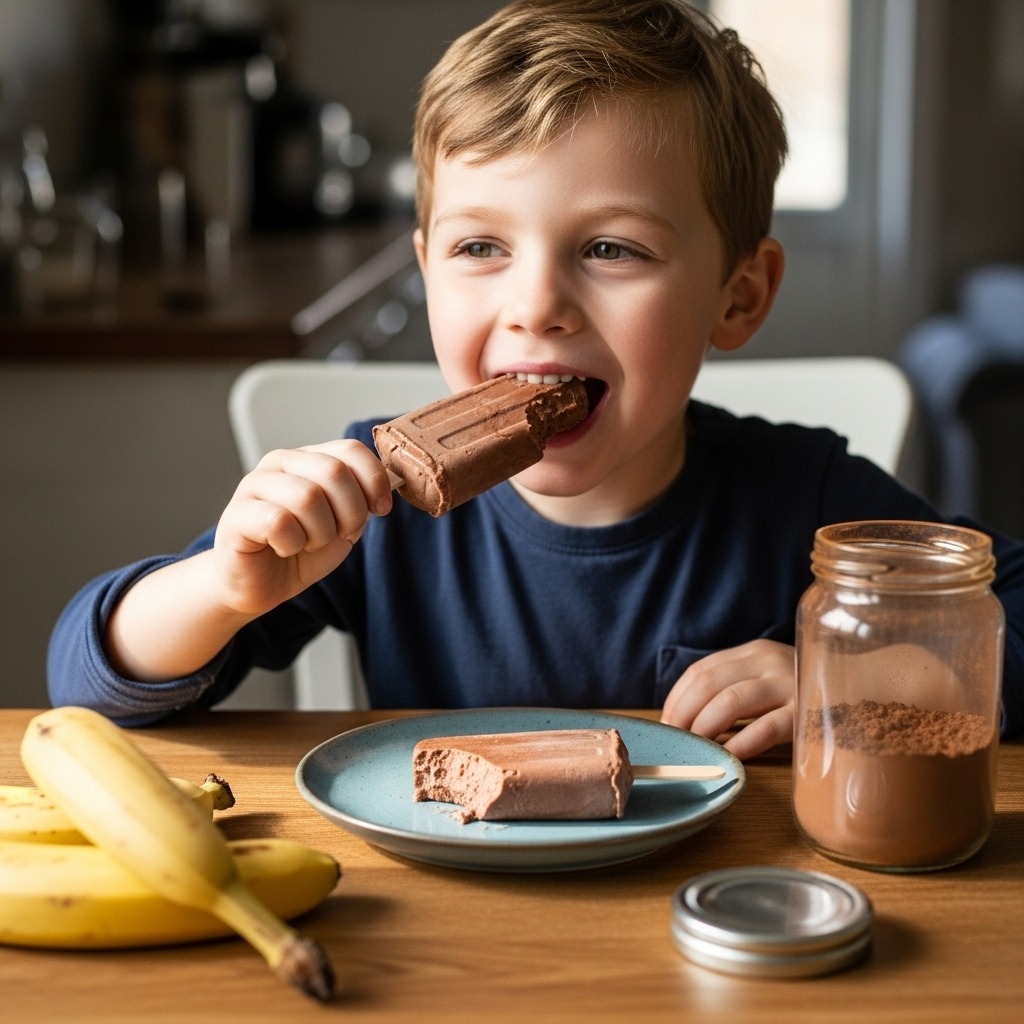
Recipe 3: Chocolate Banana Fudgsicle Pops
These are the “I want dessert” answers that don’t leave them bouncing off the walls.
You’ll need:
- 3 very ripe bananas
- ½ cup milk (dairy or non-dairy)
- ¼ cup cocoa powder
- 2–3 tablespoons peanut butter (or any nut/seed butter)
- 1–2 tablespoons honey or maple syrup (if bananas aren’t sweet enough)
- Splash of vanilla (optional)
How to make:
- Blend all ingredients until thick and creamy.
- Taste and adjust the sweetness/cocoa.
- Pour into molds and freeze fully.
They come out like a fudgsicle meets a smoothie. My kids have genuinely said, “These taste like ice cream,” which is a huge win when you know what’s actually in them.
You can:
- Serve them as an afternoon snack instead of cookies.
- Pull them out during movie night in place of store-bought treats.
- Use them as a “yes” when you really want to say no to yet another sweet request.
This is a good place to lightly mention healthy recipes for kids so readers can click through for more low-sugar swaps.
Recipe 4: Hidden Veggie Watermelon-Mango Pops
These are for the moms who secretly want to smug-text their best friend, “My kid just ate spinach and had no idea.”
You’ll need:
- 3 cups watermelon chunks
- 1 cup mango (fresh or frozen)
- A small handful of baby spinach
- 1–2 tablespoons lime juice
- Honey or maple syrup only if needed
How to make:
- Blend watermelon and mango until smooth.
- Toss in a handful of spinach and lime juice; blend again.
- Taste. If still sweet and bright, skip the extra sweetener.
- Pour into molds and freeze.
The spinach disappears in both color and flavor thanks to the watermelon and mango, but you still get that iron and vitamin boost.
Tip: Let kids help load the blender. They feel proud of “making” their own pops, which weirdly makes them way more likely to eat them—even if they watched you toss spinach in.
This is also a sneaky gateway to more adventurous recipes later, like your kids’ smoothie recipe.
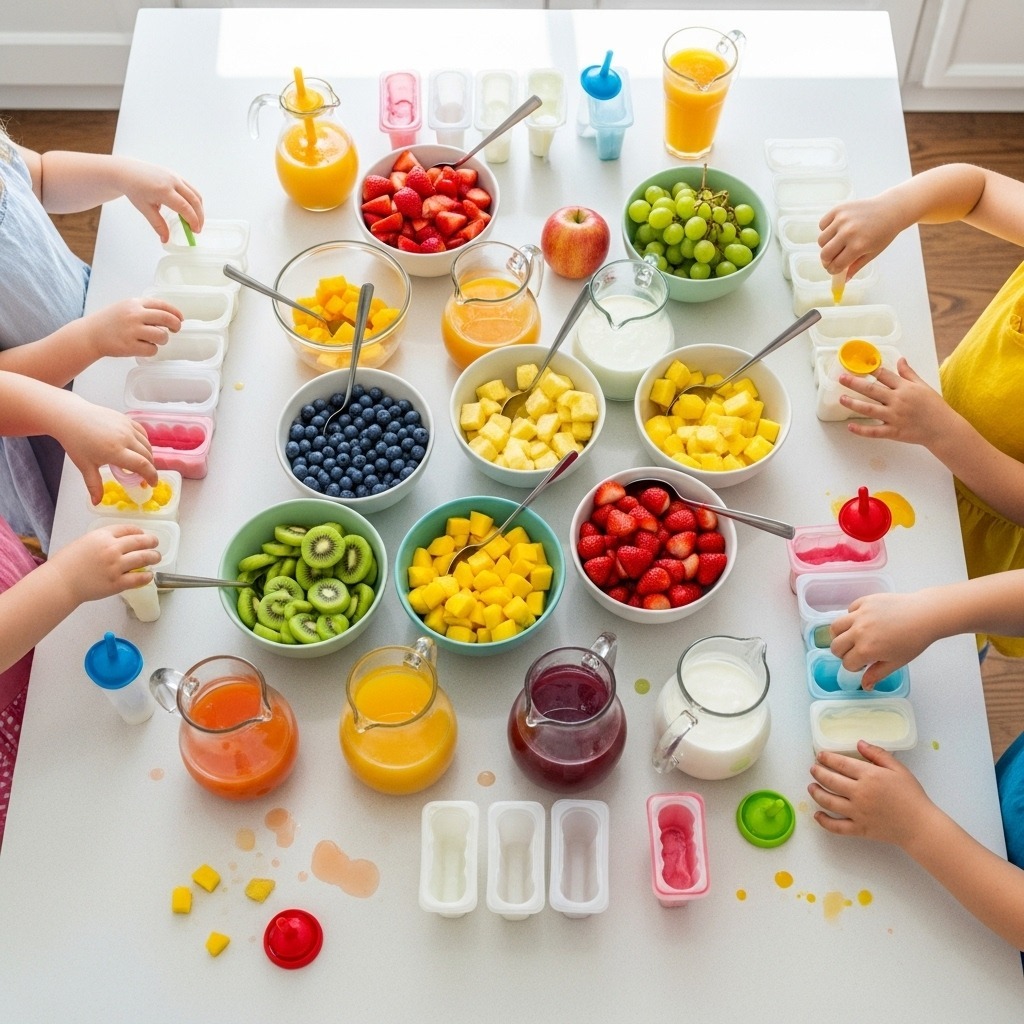
Recipe 5: DIY Popsicle Bar (For Playdates and Parties)
If you only try one thing from this post, make it this.
Instead of stressing over fancy party desserts, set up a DIY popsicle bar:
- Bowls of chopped fruit (berries, kiwi, mango, peaches)
- Pitcher of yogurt base (yogurt + milk + a little honey)
- Pitcher of juice or coconut water
- Popsicle molds and a tray
Let kids:
- Add their fruit to molds
- Pick yogurt or juice as their “base”
- Help pour (with you steadying the pitcher)
Pop everything into the freezer, then distract them with bean bag toss games or kids’ soccer goals for the backyard while the pops freeze.
If you’re writing a summer-themed cluster, this is the perfect post to internally link to:
- Summer activities for kids
- beach activities for kids
- easy lemonade recipe for kids as a fun drink to serve with popsicles on hot days
Keeping Popsicle Time Actually Manageable (Not a Sticky Nightmare)
If you’ve ever handed a three-year-old a popsicle in the house, you already know: sugar + melting ice + carpets = chaos.
Here’s what’s saved my sanity:
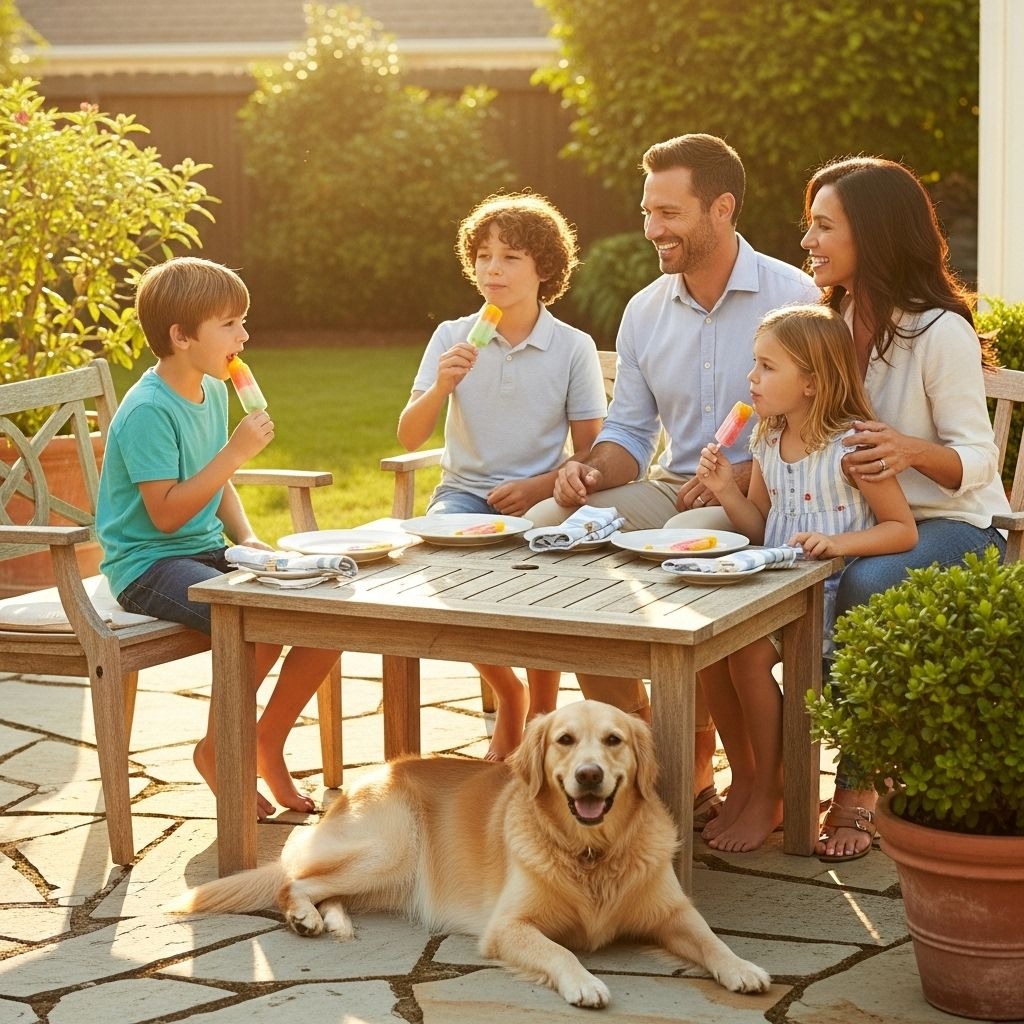
- “Popsicles are outdoor snacks” rule
In our house, you eat pops outside or at the table with a plate or bowl underneath. - Smaller molds for toddlers
Tiny hands do better with mini molds. Less melting, less mess, and they still feel like they got a full treat. - Batch once, enjoy all week.
I usually double a recipe, so we only do the full “blend and pour” dance once a week. Molds plus a backup stash in reusable containers keep us covered for surprise playdates. - Give kids a “popsicle job”
Younger kids can be “fruit pickers” or “stick pushers,” and older kids can measure and pour. They’re much more invested when they help. - Use popsicles as built-in transitions.
I’ll sometimes say, “Popsicles after 20 more minutes of fun activities for kids.” It gives them something to look forward to and helps move them from chaos to calm.
FAQ: Popsicle Recipes for Kids
1. Are homemade popsicles actually healthier than store-bought?
Most of the time, yes. When you make popsicle recipes for kids at home, you control the ingredients. You can skip artificial colors, high-fructose corn syrup, and mystery “flavors,” and focus on fruit, yogurt, and small amounts of natural sweeteners. If you’re using mostly whole fruit and protein-rich bases like Greek yogurt, they’re closer to a snack or mini-meal than candy.
2. How long do homemade popsicles last in the freezer?
Most popsicles keep well for about 2–3 weeks in an airtight container or covered mold before they start to develop a bit of freezer burn or lose flavor. They’re technically safe longer, but the best quality is in that window. If your kids are anything like mine, they rarely last that long anyway.
3. What if my kid doesn’t like “bits” in their popsicles?
Blend the mixture super smooth and strain it through a fine mesh sieve if you need to. Skip big chunks of fruit and seeds, and stick to recipes like the chocolate banana fudgsicles or strawberry yogurt pops, which freeze with a creamy texture. You can also start with half-smooth, half-chunky, and see what they tolerate.
4. Can I make popsicles without a blender?
Yes. For softer fruits like berries, mango, and banana, you can mash them thoroughly with a fork or potato masher, then whisk in yogurt or juice. It won’t be quite as smooth, but it still works. If you plan to make popsicles often, a basic blender is a worthy upgrade—especially if your kids are also fans of smoothies or your kids’ smoothie recipe.
5. What molds work best for kids?
Look for:
- Smaller size (especially for toddlers)
- Easy-release silicone or flexible plastic
- A drip guard or built-in tray, if possible
If you don’t have molds, you can use small paper cups and wooden sticks. Pour, partially freeze for 45–60 minutes, then add sticks so they stand upright before fully freezing.
If you try any of these popsicle recipes for kids, tag them mentally as your “I said yes without sugar regret” treats. And if you end up with a new family favorite, consider scribbling it onto a card and tucking it in with your kids’ activity books & workbooks so the kids can “read” and make it themselves next time.