
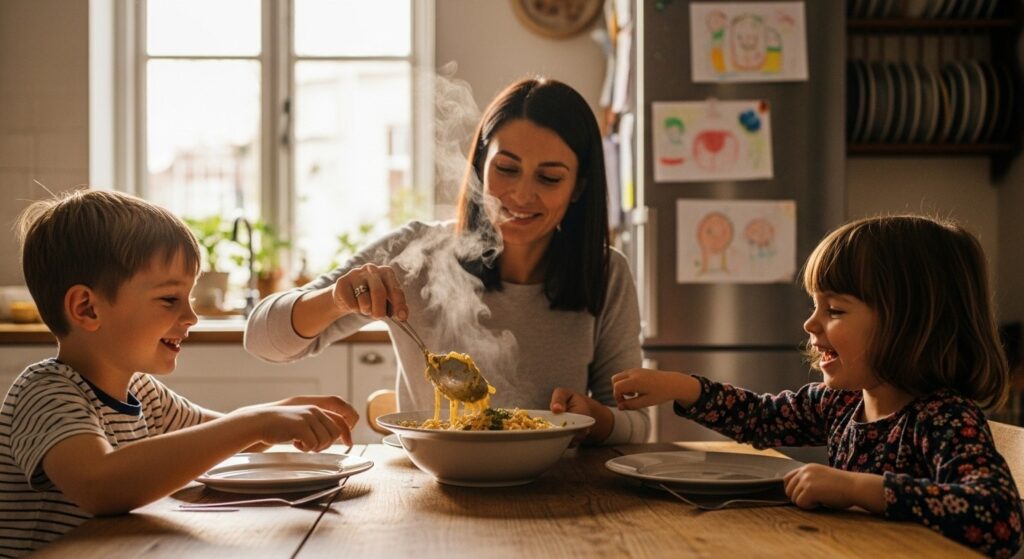
Three nights in a row, my kids refused dinner. Three different meals, three rounds of “I don’t like this,” and three evenings where I ended up making separate peanut butter sandwiches just so they’d eat something before bed.
I was exhausted, frustrated, and completely out of ideas. How hard could it be to find easy dinner recipes for kids that they’d actually eat without a fight?
That’s when I stopped trying to be a gourmet chef and started paying attention to what actually worked. Turns out, kids don’t want fancy. They want familiar, simple, and maybe a little fun. And honestly? So do I at 6 PM on a Wednesday when everyone’s cranky and I still have bedtime routines ahead of me.
These recipes saved my sanity. They’re not Instagram-worthy masterpieces. They’re real dinners that real kids actually eat—and that take 30 minutes or less to make.
Why “Easy” Matters More Than Perfect
Let me be clear about something: I used to feel guilty about easy dinners. Like I was somehow failing my kids if I wasn’t cooking elaborate meals from scratch every night.
Then I realized something. A relaxed mom serving simple food beats a stressed-out mom serving gourmet meals every single time. Kids pick up on our stress. When dinner becomes a battle—for them and for us—nobody wins.
What matters most at mealtime isn’t what you’re serving. It’s that you’re eating together, without pressure or stress. Kids who eat family meals—even simple ones—have better nutrition, do better in school, and have stronger family bonds.
So these easy dinner recipes for kids aren’t about cutting corners. They’re about creating space for connection instead of spending all your energy on cooking and cleanup.
Plus, when dinner is easy, you’re way more likely to actually make it instead of ordering takeout for the fourth time this week. Not that there’s anything wrong with takeout. But my budget and my kids’ vegetable intake both appreciate home-cooked meals more often than not.
My Go-To Easy Dinner Formulas
Before I share specific recipes, let me share the formulas I use when I’m completely out of ideas. These aren’t recipes as much as frameworks you can adapt based on what you have.
The Sheet Pan Formula: Protein + Vegetable + Starch + Seasoning = Dinner. Throw it all in a pan, roast at 425°F for 20-25 minutes. Done.
The One-Pot Pasta Formula: Cook pasta in broth instead of water, add protein and veggies in the last few minutes, and stir in cheese. One pot, minimal cleanup, maximum kid approval.
The Breakfast for Dinner Formula: Scrambled eggs, pancakes, or French toast with fruit and maybe some bacon. Takes 15 minutes, and kids think it’s special.
The Build-Your-Own Formula: Tacos, pizza, pasta bowls—set out ingredients and let kids assemble. They eat better when they have control.
The Dipper Formula: Kids will eat almost anything if they can dip it. Chicken nuggets, veggie sticks, bread—pair with ranch, ketchup, hummus, whatever works.
These formulas have saved me countless times when I’m staring into the fridge with zero motivation and three hungry kids asking what’s for dinner.
Super Simple Dinners Kids Actually Eat
These are the meals I make most often because they work. Kids eat them. They’re fast. And I don’t want to scream by the time they’re done.
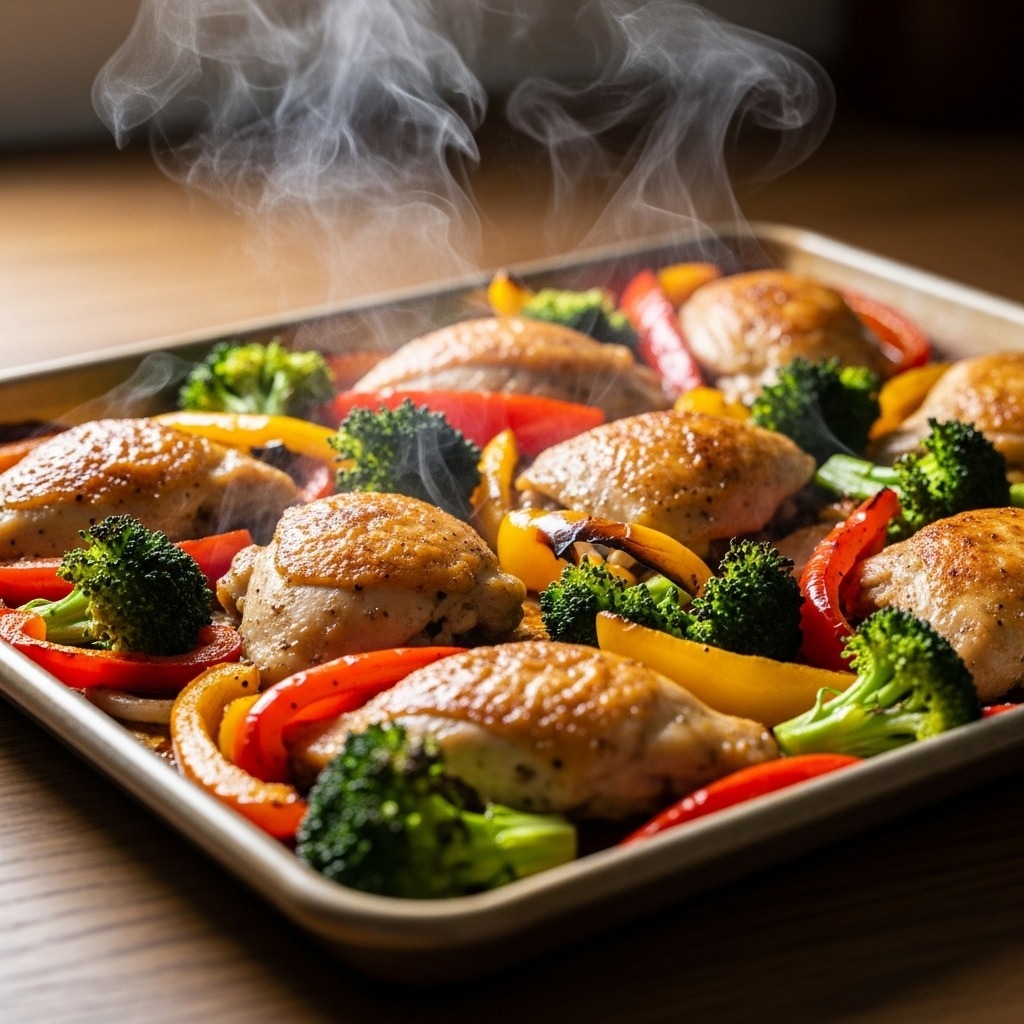
Sheet Pan Chicken and Veggies
Cut chicken thighs into chunks. Chop whatever vegetables you have—broccoli, sweet potatoes, bell peppers, zucchini. Toss everything with olive oil, salt, pepper, and garlic powder. Spread on a sheet pan. Roast at 425°F for 20-25 minutes.
My kids will actually eat the vegetables when they’re roasted and slightly crispy. Serve with rice if you want to stretch it further.
One-Pot Cheesy Pasta
Boil pasta in chicken broth (instead of water—this is the secret). When it’s almost done, add frozen peas and cut-up rotisserie chicken. Stir in shredded cheddar cheese until melted. Season with salt and pepper.
This takes maybe 15 minutes total and uses one pot. The cheese makes everything kid-approved.
Breakfast Tacos
Scramble eggs with a little cheese. Warm tortillas. Let kids build their own tacos with the eggs, maybe some beans, cheese, and salsa if they’ll eat it.
My kids love breakfast for dinner. It feels special even though it’s so easy it barely counts as cooking.
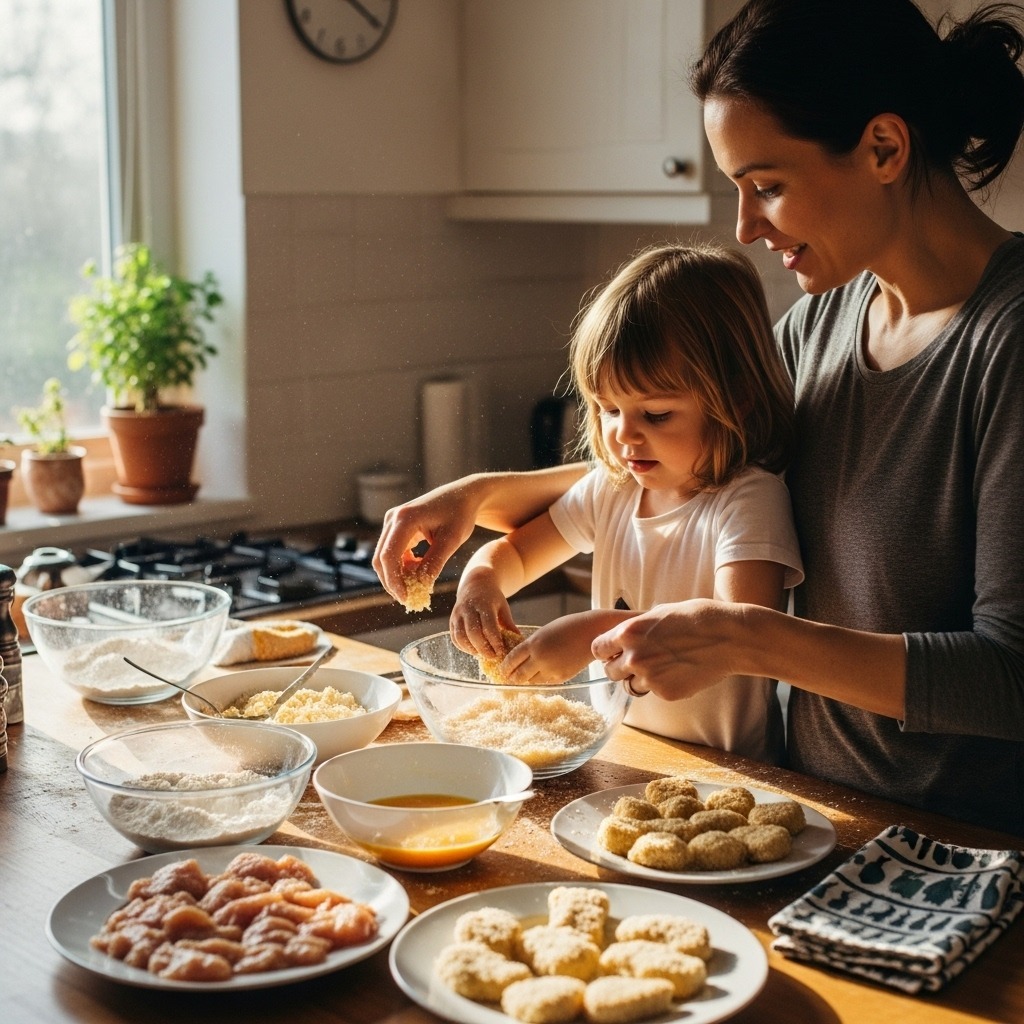
Homemade Chicken Nuggets
Cut chicken breast into nugget-sized pieces. Set up three bowls: flour in one, beaten egg in another, breadcrumbs mixed with parmesan in the third. Dip chicken in flour, then egg, then breadcrumbs. Bake at 400°F for 15-20 minutes, flipping once.
Yes, frozen nuggets are easier. But these taste way better, and if you want to get kids excited about cooking, this recipe is simple enough for them to help with. We use these kids’ baking & cooking sets when my kids help prep dinner—it makes them feel more invested in actually eating what we made.
Quick Quesadillas
Spread refried beans on a tortilla, sprinkle cheese, and fold in half. Cook in a pan until crispy and the cheese is melted. Cut into triangles. Serve with sour cream for dipping.
This takes 5 minutes. Sometimes that’s all you have in you, and that’s okay.
Simple Spaghetti and Meatballs
Buy good frozen meatballs (or make a batch when you have time and freeze them). Heat meatballs in jar sauce while pasta cooks. Combine. Done.
I add a handful of spinach to the sauce in the last minute. It wilts down, and my kids don’t even notice.
For more meal ideas that kids will actually eat, check out our guide on lunch ideas for kids, which includes portable and home meal options.
Hidden Veggie Hacks That Actually Work
I’m not above sneaking vegetables into my kids’ food. Judge me if you want, but my pediatrician says they’re getting good nutrition, so I call it a win.
Add pureed cauliflower to mac and cheese. Steam the cauliflower until soft, blend it smooth, and stir it into the cheese sauce. It makes it creamier and adds nutrition without changing the taste.
Mix finely chopped spinach into meatballs or burgers. They won’t notice it, especially if you’re using ground beef or turkey that’s already brown.
Blend vegetables into pasta sauce. Carrots, zucchini, bell peppers—steam them, blend them, add to tomato sauce. It makes the sauce sweeter and thicker.
Use sweet potato or butternut squash as a mac and cheese sauce. Roast it, blend it with a little milk and cheese. It’s orange like mac and cheese, but way more nutritious.
Add vegetables to smoothies. Okay, this is technically breakfast or snack, but my kids will drink a smoothie with spinach or kale if it also has banana, mango, and a little honey. Check out our kids’ smoothie recipe for more ideas.
These tricks don’t replace serving visible vegetables (because kids do need to learn to eat them), but they help me stress less about whether they’re getting enough nutrients.
Make-Ahead Dinners for Busy Nights
Some nights, you know in advance that dinner is going to be chaotic. Practice nights, work meetings, whatever. These make-ahead options have saved me so many times.
Slow Cooker Pulled Chicken
Put chicken breasts in the slow cooker with salsa or BBQ sauce. Cook on low for 6-8 hours. Shred with forks. Serve on buns, over rice, in tacos, whatever.
I make this every other week and use it for multiple meals. The kids never complain.
Freezer Burritos
Make a big batch of burritos with beans, rice, cheese, and whatever protein you want. Wrap individually in foil and freeze. Microwave for 2-3 minutes when you need them.
These are lifesavers for nights when everyone needs to eat at different times.
Prep-Ahead Pasta Bake
Assemble a pasta bake (cooked pasta, sauce, cheese, maybe some vegetables or meat), but don’t bake it. Cover and refrigerate. When you need it, bake at 375°F for 30 minutes.
My kids love pasta bake, and having it ready to just pop in the oven makes those crazy evenings so much easier.
For families who want to batch cook together, these reusable snack containers are perfect for portioning out ingredients or storing prepped components in the fridge.
The “Build Your Own” Dinners Kids Love
Giving kids control over their food dramatically increases the chances they’ll eat it. These build-your-own meals work like magic in our house.
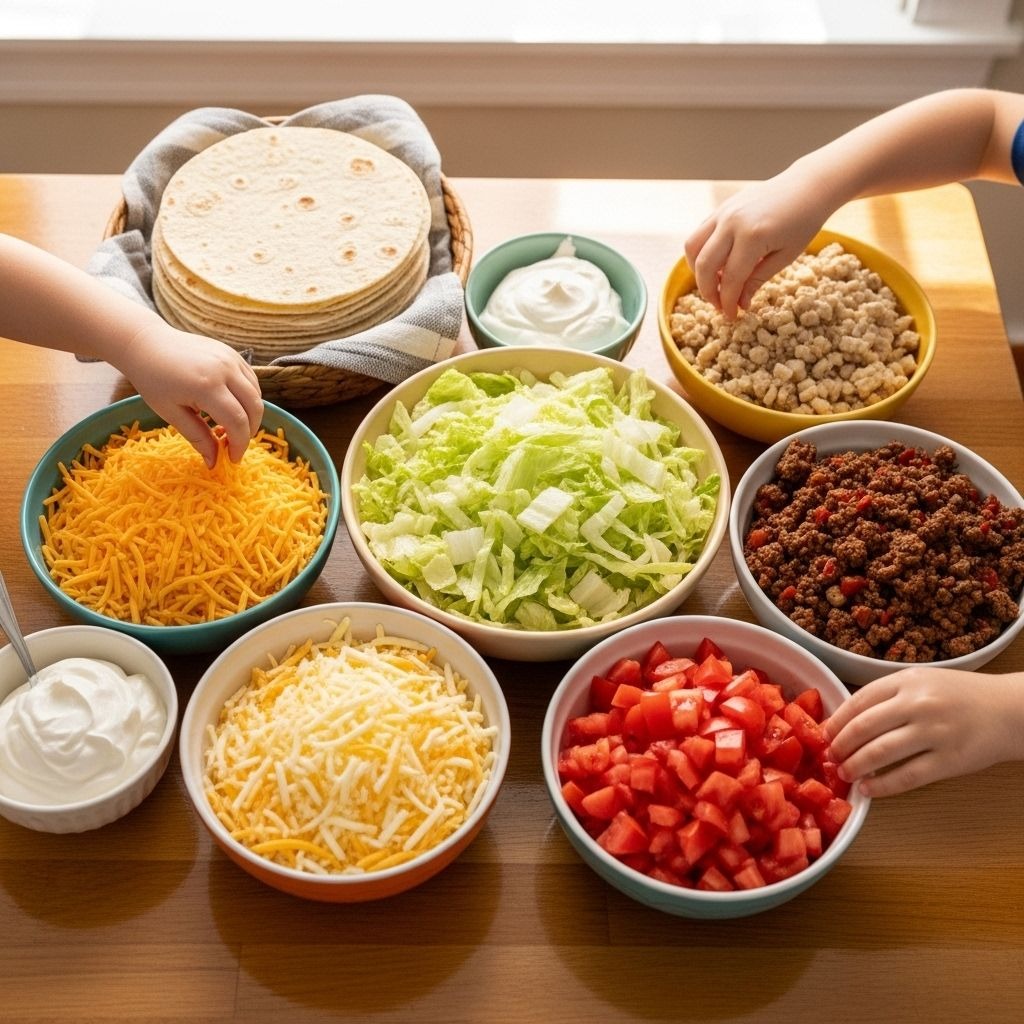
Taco Bar
Set out: tortillas, seasoned ground beef or shredded chicken, cheese, lettuce, tomatoes, sour cream, salsa, beans.
Let each kid make their own tacos. My pickiest eater will only put meat and cheese in his. My other kid loads hers up with everything. Both are eating dinner without complaining.
Pizza Night
Use store-bought dough or naan bread. Give each kid their own small pizza to top. Provide sauce, cheese, and a variety of toppings.
They get so excited about making their own pizza that they actually eat it. Even if all they put on it is cheese.
Pasta Bowl Bar
Cook pasta. Set out different sauces (marinara, alfredo, butter, and parmesan), proteins (meatballs, grilled chicken, sausage), and mix-ins (peas, broccoli, mushrooms).
Everyone builds their own pasta bowl with exactly what they want.
Breakfast for Dinner Bar
Make pancakes or waffles, scrambled eggs, and bacon. Set out toppings like berries, whipped cream, syrup, and cheese for eggs.
Kids love the novelty of breakfast for dinner, and you can make it as simple or elaborate as you have energy for.
The key with all of these is presenting options without pressure. If they only choose cheese and bread, that’s fine. They’ll expand their palates eventually, and meantime, they’re eating.
For keeping dinner fun and low-pressure, sometimes we do dinner followed by a quick board game for kids while we’re still at the table—it makes the whole meal feel less stressful and more like quality time.
When Kids Say “I Don’t Like This”
This happens. A lot. Here’s what’s worked for me:
Don’t make a separate meal. I’ll add a simple side they do like (bread, fruit, plain pasta), but I don’t become a short-order cook.
Use the “one bite rule.” They have to try one bite of everything. They don’t have to finish it or even like it, but they have to try it.
Don’t fight about it. If they truly won’t eat, I wrap it up and offer it again if they’re hungry later. No snacks until they’ve at least tried dinner.
Involve them in cooking. Kids are way more likely to eat food they helped prepare. Even simple tasks like stirring or sprinkling cheese help.
Serve new foods alongside familiar favorites. Don’t make an entire meal of new things. Pair one new food with two or three they already like.
Be patient. Kids need to see new foods 10-15 times before they’ll try them, and more times than that before they like them. Keep serving it without pressure.
The goal isn’t to win every dinner battle. It’s to gradually expand what they’re willing to eat while keeping mealtimes relatively peaceful.
For more on navigating picky eating without losing your mind, our article on healthy recipes for kids includes strategies for introducing new foods alongside favorites.
Quick Sides to Round Out Dinner
Sometimes the main dish is simple but needs something else to make it feel complete. These sides take barely any effort:
Frozen vegetables. Steam in the microwave for 3-4 minutes. Add butter and salt. People act like fresh vegetables are always better, but frozen vegetables are nutritious, cheap, and require zero prep.
Rice or quinoa. Use a rice cooker or an Instant Pot. Press a button and walk away. It cooks itself while you make everything else.
Bagged salad. Buy the pre-washed, pre-cut kind. Add dressing. Put it on the table. Some kids will eat it, some won’t, but you offered vegetables.
Applesauce or sliced fruit. Not every side has to be a vegetable. Fruit counts too.
Bread or rolls. Warm store-bought rolls in the oven for a few minutes. Kids love bread, and it makes dinner feel more complete.
Yogurt. My kids will eat plain yogurt with a little honey as a side dish. It adds protein, and they think it’s special.
The point of sides isn’t to make dinner more complicated. It’s to have one or two simple additions that round out the meal nutritionally and make it feel like an actual dinner instead of just one thing on a plate.
My Weekly Dinner Rotation
Want to know what I actually make every week? Here’s my current rotation:
Monday: Sheet pan chicken and vegetables with rice
Tuesday: Tacos (ground beef or shredded chicken) with all the fixings
Wednesday: One-pot pasta with whatever protein and vegetables I have
Thursday: Breakfast for dinner (scrambled eggs, pancakes, or French toast with fruit)
Friday: Homemade pizza (store-bought dough, kids add their own toppings)
Saturday: Slow cooker meal I started in the morning (pulled pork, chicken, or chili)
Sunday: Leftovers or something new if I’m feeling ambitious
This rotation isn’t set in stone. Sometimes I swap things around based on what’s on sale, what we have in the fridge, or how much energy I have. But having a general plan means I’m not staring into the fridge at 5:30 PM with no idea what to make.
Planning also makes grocery shopping way easier. I know what I need for the week, I buy it once, and I’m done.
What About Nutrition?
I’m not a nutritionist, but I do try to hit a few basic targets:
Protein at every meal. Chicken, beef, eggs, beans, cheese—some kind of protein keeps kids full longer and helps them grow.
At least one fruit or vegetable. Even if it’s just applesauce or frozen peas, I try to include produce.
Whole grains, when possible. Whole wheat pasta, brown rice, and whole grain bread. But I don’t stress if we use regular pasta or white rice sometimes.
Limit processed foods. I’m not perfect about this, and we definitely eat chicken nuggets and mac and cheese. But I try to make more meals from actual ingredients than from boxes.
Calcium daily. Milk, cheese, yogurt—kids need calcium for growing bones.
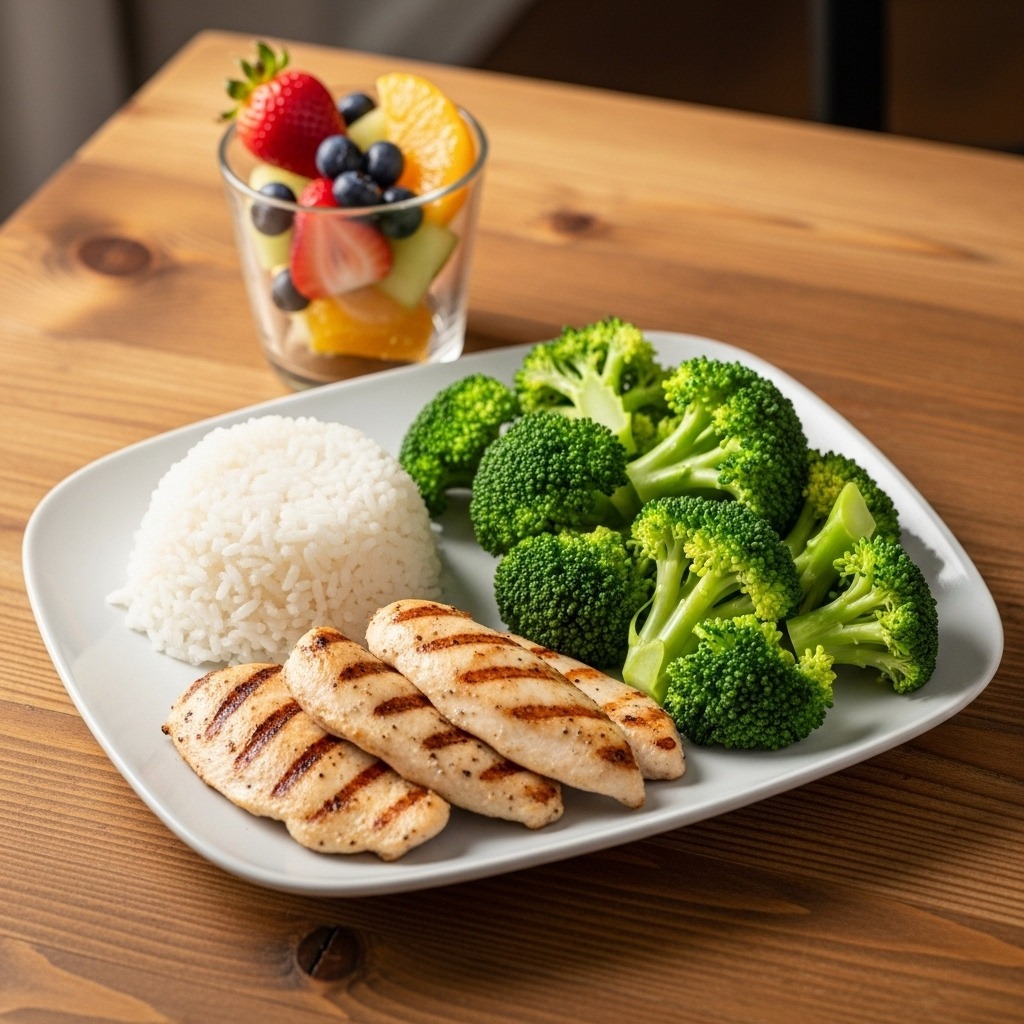
A balanced meal for kids should be about half fruits and vegetables, a quarter protein, and a quarter grains, with dairy on the side. Do I achieve this perfectly every meal? Absolutely not. But over the course of a day or a week, we generally hit these targets.
And you know what? That’s good enough. Kids who are offered a variety of foods, without pressure to eat specific things, generally eat what they need over time.
Tips for Less Stressful Dinners
Beyond the actual recipes, here’s what’s made dinner easier in our house:
Meal plan once a week. Spend 15 minutes on Sunday planning the week’s dinners. It saves so much mental energy during the week.
Keep a running grocery list. When you run out of something, add it to the list immediately. I use a magnetic notepad on the fridge.
Prep what you can ahead. Chop vegetables, cook rice, brown meat—anything you can do during naptime or on the weekend makes weeknight cooking faster.
Let kids help. Even little kids can stir, sprinkle cheese, and tear lettuce for salad. It keeps them occupied and makes them more invested in eating.
Set the table together. Make it a routine. Kids put out plates and cups while you’re finishing cooking. It helps them transition to dinner mode.
Have realistic expectations. Some nights, dinner is beautiful and everyone eats happily. Other nights, someone cries and someone spills, and you question all your life choices. Both are normal.
Keep backup options. I always have eggs, frozen vegetables, pasta, and sauce on hand. If my planned dinner fails, I can throw together something quick.
The goal is progress, not perfection. If you’re making dinner at home more often than you used to, that’s a win.
Common Dinner Problems (And Solutions)
Problem: Kids say they’re hungry 20 minutes before dinner.
Solution: Give them raw vegetables (carrots, cucumbers, bell peppers) to munch on while you cook. It holds them over and counts as vegetables.
Problem: You don’t know what to make.
Solution: Keep a list of 10-15 meals your kids will eat. When you’re stuck, pick from the list instead of trying to be creative.
Problem: Kids take forever to eat.
Solution: Set a gentle time limit (30 minutes) and let them know when time is almost up. Don’t let dinner drag on for an hour.
Problem: Someone always complains.
Solution: Have a “no thank you” rule instead of “yuck” or “I hate this.” They can politely decline but can’t be rude about food.
Problem: Cleanup takes forever.
Solution: Use one-pan or one-pot meals when possible. Paper plates on really rough days. Get kids to help clear the table.
Problem: You’re too tired to cook.
Solution: This is what frozen pizza, cereal for dinner, or breakfast foods are for. Some nights, survival is the goal.
Every family has dinner struggles. The key is finding what works for you and not comparing yourself to Instagram moms who apparently have unlimited time and energy.
FAQ: Easy Dinner Recipes for Kids
What’s the easiest dinner to make for kids?
The absolute easiest dinner is breakfast for dinner—scrambled eggs, toast, and fruit takes about 10 minutes total. Quesadillas are another super-simple option that takes 5 minutes. For something more dinner-like, one-pot pasta, where you cook pasta in broth and add cheese, frozen vegetables, and rotisserie chicken, is fast and requires minimal cleanup.
How can I make dinner less stressful with picky eaters?
Serve at least one food you know they’ll eat alongside new or less-favorite foods. Use the “one bite rule,” where they have to try everything but don’t have to finish it. Let them help cook when possible—kids eat better when they’ve participated. And most importantly, don’t make multiple separate meals or fight about food. Offer dinner, set a reasonable time limit, and let them decide how much to eat.
What are healthy but easy dinners for kids?
Sheet pan meals with protein and roasted vegetables are nutritious and simple. One-pot pasta with added vegetables and lean protein works well. Tacos or burrito bowls with beans, lean meat, and toppings let kids customize. Slow cooker meals with chicken or lean beef plus vegetables require minimal active cooking time. The key is including protein, produce, and whole grains in simple combinations.
How do I meal plan for kids’ dinners?
Start with 7-10 dinners your family already eats regularly. Assign one to each night of the week, rotating through your favorites. Include variety (pasta one night, Mexican another, breakfast for dinner, etc.) to prevent boredom. Make a grocery list based on your plan and shop once. Keep it simple—you’re not planning gourmet meals, just deciding in advance what you’ll make so you’re not stressed every evening.
What should I always have on hand for quick kid dinners?
Keep these staples: pasta and jarred sauce, eggs, cheese, frozen vegetables, canned beans, rotisserie chicken (or frozen chicken), tortillas, bread, rice, and basic seasonings. With these items, you can make pasta with sauce, quesadillas, fried rice, breakfast for dinner, or simple chicken and rice without needing to run to the store. These ingredients cover most quick dinner emergencies.
These easy dinner recipes for kids have transformed our evenings from stressful battles into mostly peaceful family time. Not every night is perfect. Sometimes the kids still complain. Sometimes I still want to cry into my wine glass after bedtime.
But most nights? Dinner is okay. Good, even. And that’s all we’re really going for.
The meals don’t have to be elaborate or Instagram-worthy. They just have to work for your family. Start with a few recipes from this list, see what your kids eat, and build from there.
You’ve got this. And on the nights you don’t feel like you’ve got this, remember that cereal for dinner has never actually harmed anyone. Sometimes, good enough is perfect.