
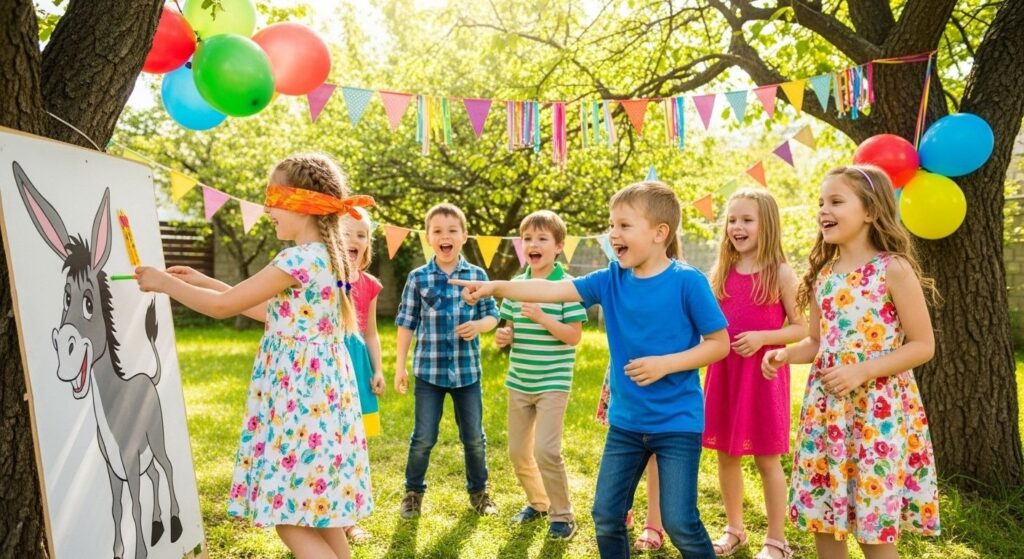
Throwing a kids’ party always sounds fun in theory—until you see the glazed-over looks of boredom fifteen minutes in, or worse, complete chaos breaking out because nobody knows what to do next.
I learned this the hard way at my daughter’s fifth birthday party. I’d spent weeks planning the perfect theme, ordering custom decorations, and baking cupcakes from scratch. But I forgot the most important part: the actual entertainment. Twenty kids showed up, tore through cake in ten minutes, and then stood around looking at me like “Now what?”
Panic mode activated.
That’s when I started frantically Googling party games for kids on my phone while hiding in the kitchen. After that disaster (and several successful parties since), I’ve learned that the right games can make or break a kids’ party. The secret? Simple, engaging, and inclusive activities that actually keep everyone smiling and moving without requiring a Pinterest-perfect setup.
If you’re planning a party or just looking for ways to turn everyday playdates into mini celebrations, these game ideas have you covered. Plus, they work indoors or outdoors and require minimal materials—because who has time for complicated setups?
Why The Right Party Games Actually Matter
You might think kids will just naturally entertain themselves, but here’s the truth: without structure, parties quickly dissolve into chaos, or cliques form in corners.
The right party games for kids can:
- Break the ice and get shy kids talking and participating
- Burn off extra energy to calm things down before cake time.
- Teach teamwork and problem-solving without feeling like school.
- Create actual memories that kids talk about for weeks.
- Keep everyone included, regardless of athletic ability or personality type.
According to child development experts, structured play helps children develop social skills, learn to follow rules, and practice good sportsmanship in low-stakes environments. Plus, it gives you a breather from constantly monitoring twenty sugar-fueled kids.
I always keep a stash of reliable supplies like bean bag toss games and board games for kids, rotating through our party closet. Having these ready to go makes setup and cleanup infinitely easier, and you can use them over and over for different occasions.
The Top 12 Party Games for Kids That Actually Keep Them Engaged
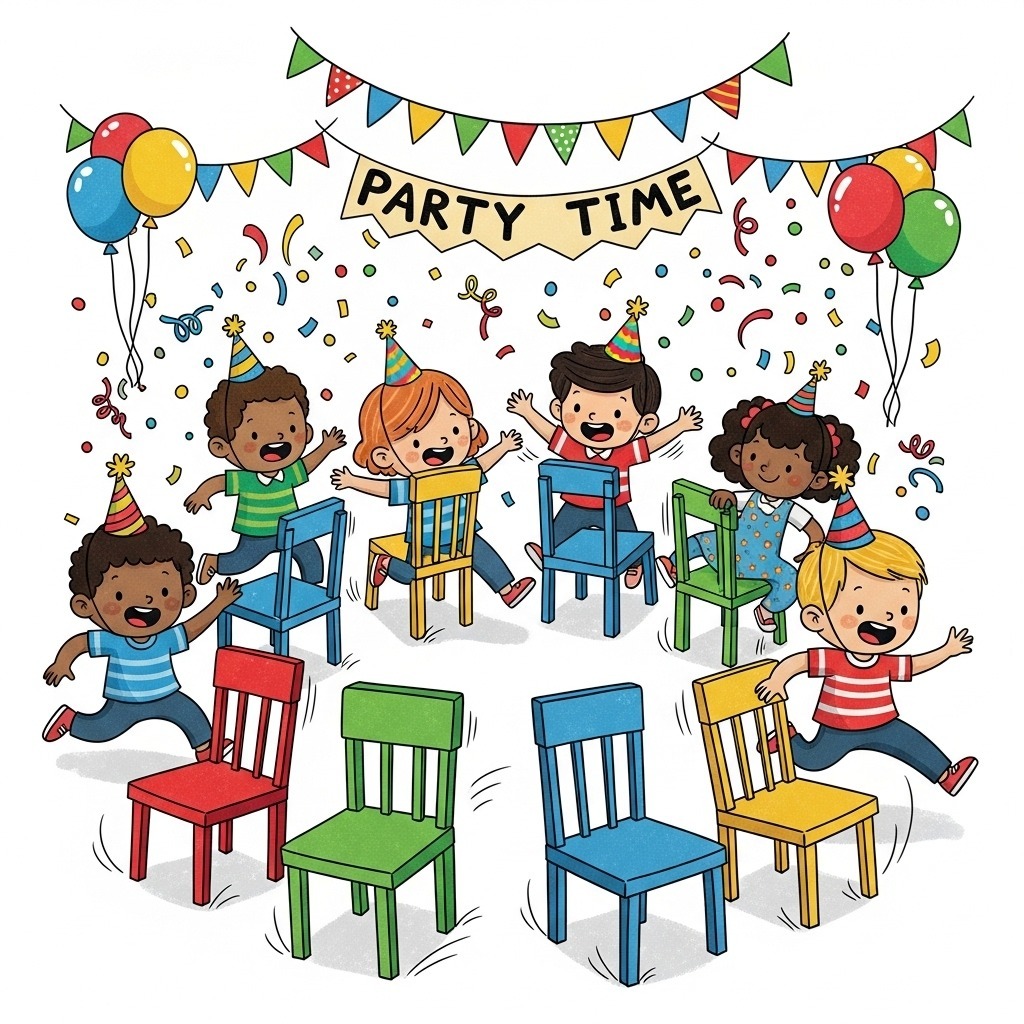
1. Musical Chairs with a Creative Twist
The classic never gets old, but adding variations keeps it fresh. Set up chairs in a circle—one fewer than the number of kids—play music, and when it stops, everyone scrambles for a seat.
My favorite twist: Instead of eliminating players, change the rules each round. “Only sit if you’re wearing blue,” “Only sit if you’ve had pizza this week,” or “Find a chair and make the silliest face.” This keeps everyone playing longer and reduces tears from early elimination.
Why it works: Quick rounds, easy rules, and constant movement make this perfect for mixed age groups.
What you need: Chairs, a music player, and optional colored markers or cushions.
2. Balloon Pop Relay Race
Divide kids into teams. Each player must pop a balloon (by sitting on it, stepping on it, or squeezing it between hands) before tagging the next teammate.
The popping sounds get everyone laughing hysterically. For indoor parties or noise-sensitive situations, swap balloons with bean bags that kids must transfer using only their knees or elbows.
Pro tip: Have extra balloons pre-inflated because they go fast!
What you need: Balloons (tons of them), cones or markers, a timer.
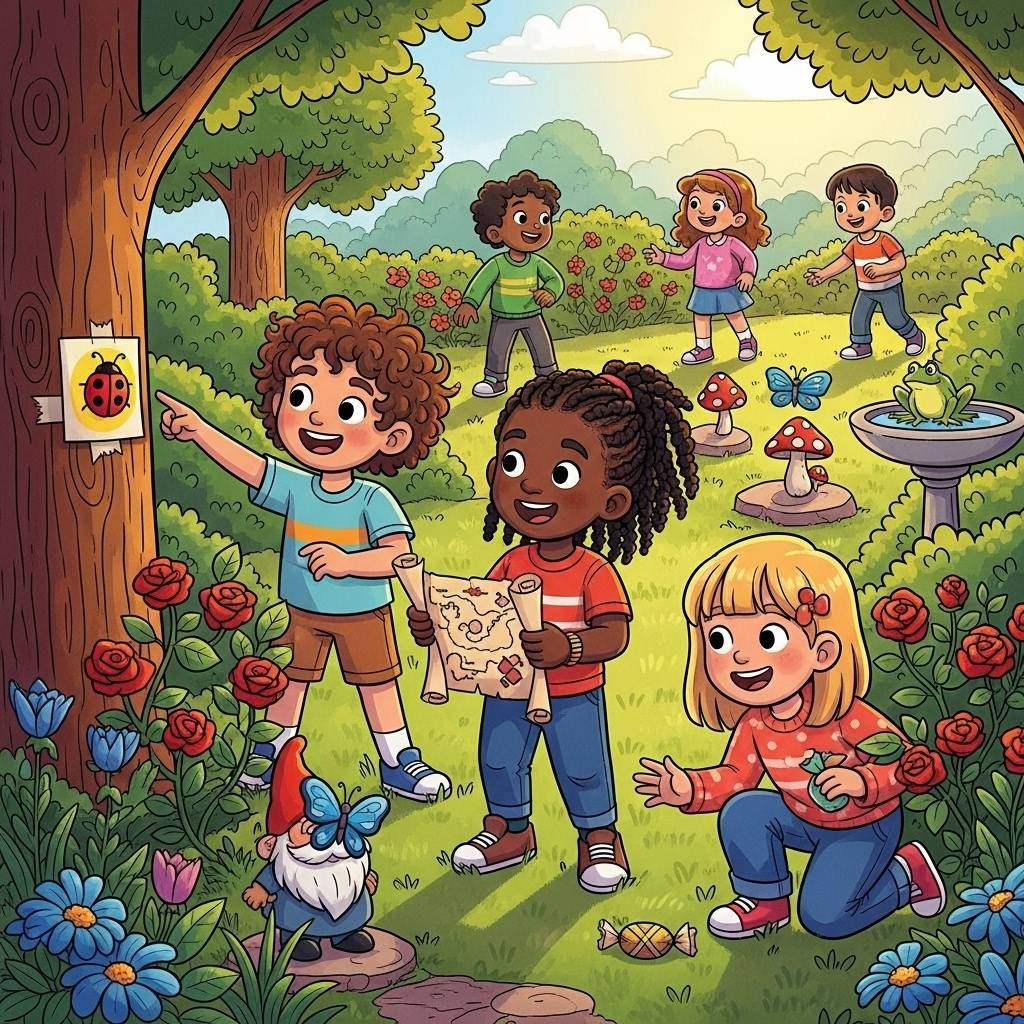
3. Treasure Hunt Adventure
This is my go-to for keeping kids busy for 20-30 minutes straight. Hide small toys, treats, or trinkets around your space with clues leading from one location to the next.
For younger kids (3-6): Use picture clues showing the location (drawing of the couch, the mailbox, under a specific chair).
For older kids (7+): Write riddles or create an actual treasure map with an X marking the spot.
Storage hack: Use small containers like reusable snack containers for kids to hide prizes discreetly. They’re waterproof for outdoor hunts and stackable for storage.
What you need: Small prizes, clue cards, containers, and creativity.
4. Freeze Dance Party
Pump energetic music through your speakers and let kids dance however they want. When the music stops, everyone must freeze exactly where they are—no moving allowed!
Variations to try:
- Freeze in specific poses (“freeze like a superhero” or “freeze like you’re sleeping”)
- Freeze dance with partners, where they must stay connected.
- Add glow sticks for an indoor dance party vibe.
This game is perfect for burning off energy before transitioning to quieter activities like cake or opening presents. It’s also great for all ages—even toddlers love it.
What you need: Music player, open space.
5. Pass the Parcel with Fun Challenges
Wrap a prize in multiple layers of wrapping paper or newspaper. Kids sit in a circle passing it around while music plays.
When the music stops, whoever holds the parcel unwraps ONE layer and completes a challenge written inside (sing a song, tell a joke, do five jumping jacks, name three animals).
Why this rocks: Everyone gets a turn to unwrap and do something silly, keeping all kids engaged rather than waiting for their chance.
What you need: Small prize, wrapping paper, challenge cards.
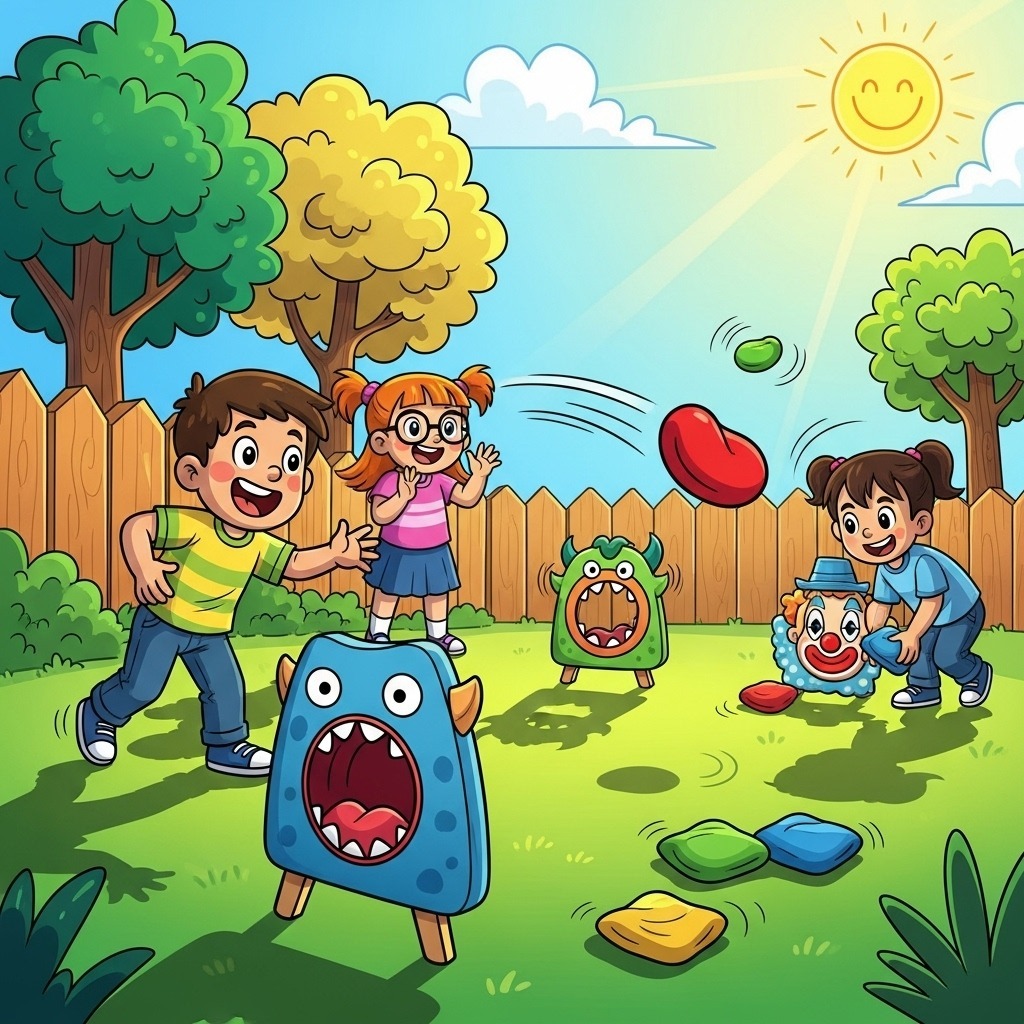
6. Bean Bag Toss Competition
Set up buckets, boxes, or targets at varying distances. Kids take turns tossing bean bags, earning points based on which target they hit.
You can DIY this with household items or grab a ready-made set like bean bag toss games for kids, outdoor activities that fold up for easy storage.
Make it themed: For a superhero party, targets could be “villains to defeat.” For a princess party, they’re “magic jewels to collect.”
What you need: Bean bags, buckets or targets, scoreboard (optional).
7. Simon Says with a Twist
Everyone knows Simon Says, but here’s how to make it party-worthy: Speed it up, make commands silly (“Simon says do a chicken dance”), and rotate who gets to be Simon.
Advanced version: “Opposite Simon,” where you do the opposite of what Simon says.
What you need: Nothing but your voice and imagination.
8. Obstacle Course Challenge
Use household items to create a mini obstacle course: crawl under tables, hop through hula hoops, balance on a line of tape, weave through cones.
Time each kid and let them race against their own best time or compete in teams. This is especially perfect if you’re also planning other fun outdoor activities for kids beyond just the party.
What you need: Cones, tape, hula hoops, chairs, and creativity.
9. Hot Potato
Kids sit in a circle passing an object (ball, stuffed animal, actual potato) around while music plays. When music stops, whoever holds the potato is out—or has to do a silly challenge to stay in.
What you need: One object to pass, music.
10. Duck, Duck, Goose
A classic circle game where one child walks around tapping heads, saying “duck, duck, duck” until they say “goose!” The goose chases them around the circle, trying to tag them before they reach the empty spot.
What you need: Just kids and space.
11. Limbo Contest
Hold a stick, rope, or pool noodle horizontally while kids take turns leaning backward to pass under without touching it or falling. Lower it after each round.
Make it musical: Play island music for a tropical theme or silly songs for laughs.
What you need: Limbo stick or rope, music.
12. Balloon Volleyball
String a “net” across your space (yarn works). Kids bat a balloon back and forth, trying to keep it airborne.
It’s gentle enough for indoors and hilarious because balloons move unpredictably.
What you need: Balloons, string, open space.
How to Actually Pull Off a Stress-Free Kid’s Party
Here’s what I’ve learned after throwing way too many parties:
Keep games short: 10-15 minutes per activity is the sweet spot. Kids’ attention spans are limited, and rotating through games keeps energy high.
Have backup activities: Kids might hate your first game idea. Have 2-3 alternatives ready. I keep kids’ craft supplies on hand for impromptu coloring stations when I need to slow things down.
Prep simple prizes: You don’t need expensive rewards. Stickers, small candies, or homemade certificates work beautifully to motivate participation.
Mix active and quiet: Alternate high-energy games with calmer activities to prevent meltdowns. After balloon volleyball, maybe do a quieter craft or snack break.
Adapt for all abilities: Not every kid loves competition or has the same physical abilities. Offer roles like scorekeeper, cheerleader, or assistant to keep everyone included.
Get parents involved: Other adults are usually happy to help manage games, especially if it means their kids stay entertained. Assign someone to be the music controller or judge.
Age-Specific Tips for Party Games
Ages 3-5: Keep rules extremely simple. Games like freeze dance, duck, duck, goose, and simple relay races work best. Avoid elimination entirely—nobody wants toddler tears.
Ages 6-8: Can handle slightly more complex rules and love competition. Treasure hunts, obstacle courses, and team relay races are perfect. They also love games, from outdoor games for kids.
Ages 9-12: Want more challenge and strategy. Add time trials, team competitions, and games requiring problem-solving. They appreciate winning actual prizes, too.
What to Do When Games Aren’t Working
Sometimes, despite your best planning, a game just flops. Here’s my emergency toolkit:
- Free play with structure: Set up stations (coloring table, building blocks, dress-up corner) and let kids rotate
- Snack break: Never underestimate the power of food to reset energy
- Story time or show: Pull up a short kid-friendly video or read a group story
- Early cake time: When all else fails, bring out dessert
Remember, the goal isn’t perfection—it’s keeping kids reasonably happy and parents stress-free. Some of my best party memories come from games that went completely sideways but ended up hilarious.
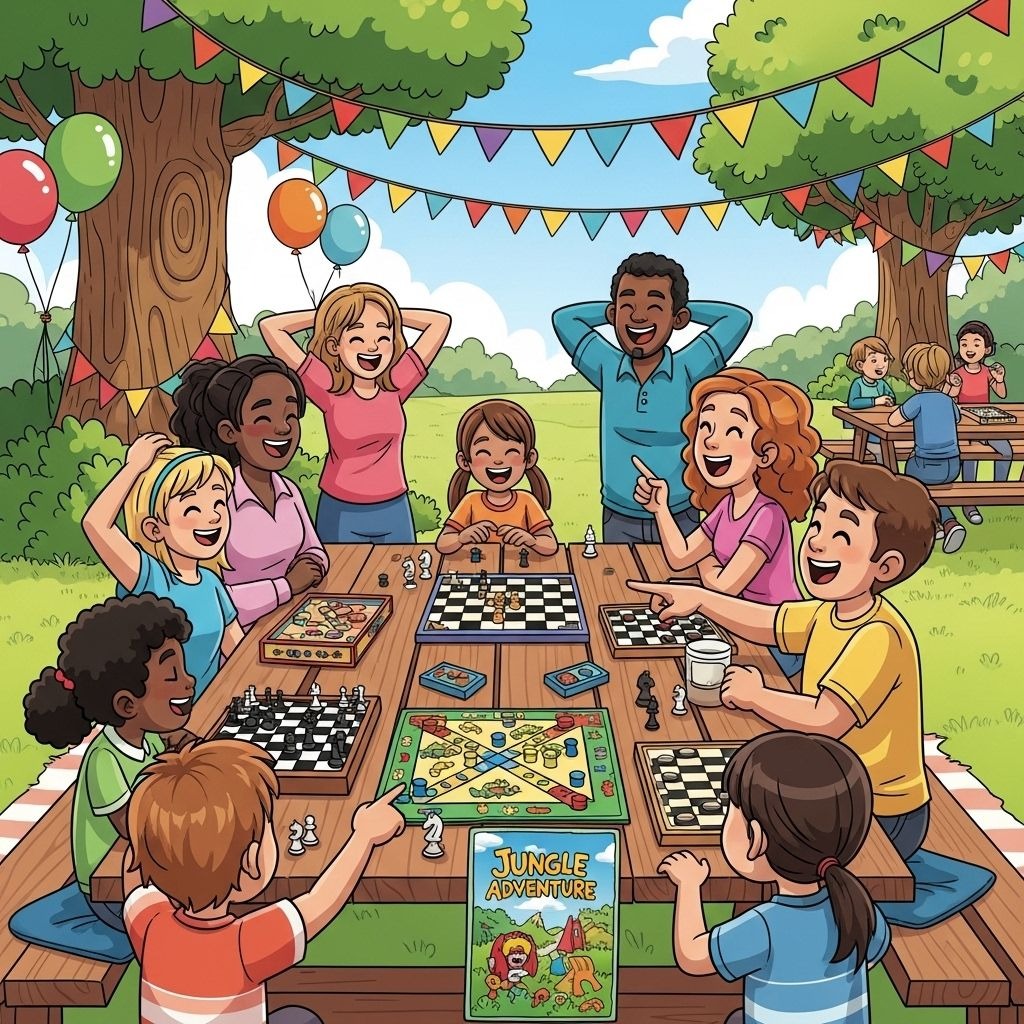
And don’t forget to pair your party games with other engaging options like board games for kids for wind-down time or post-party entertainment that extends the fun without requiring your constant supervision.
FAQ: Party Games for Kids
1. What are the best party games for kids of different ages?
Games like freeze dance, treasure hunt, and bean bag toss adapt beautifully across ages. For toddlers (2-4), keep rules incredibly simple with no elimination. For elementary kids (5-8), add light competition and teams. For tweens (9-12), increase complexity with time challenges, strategy elements, and more sophisticated treasure hunt clues. The key is watching your specific group and adjusting difficulty as needed.
2. How do I keep shy or introverted kids engaged during party games?
Offer non-spotlight roles like scorekeeper, clue-holder, or music controller. Avoid elimination games that put kids on the spot. Pair shy children with a buddy or sibling. Games like treasure hunts, where everyone participates simultaneously, work better than taking turns in front of everyone. Never force participation—some kids just need to observe first.
3. What inexpensive materials do I need for DIY party games?
You can run amazing parties with: balloons (buy in bulk), bean bags (make them from socks and rice), string or yarn, tape, markers, printer paper for clue cards, household items as obstacles, and music from your phone. Most supplies come from dollar stores or things you already own. Having kids’ craft supplies stocked means you’re always ready.
4. Can party games actually be educational?
Absolutely! Treasure hunts build reading and problem-solving skills. Simon Says develops listening and following instructions. Team relay races teach cooperation and communication. Bean bag toss improves hand-eye coordination and math (keeping score). Freeze dance builds impulse control. Kids learn best through play, so party games are actually sneaky skill-building opportunities.
5. How long should party games last at a kids’ party?
Plan for 10-15 minutes per game to maintain attention. Have 4-6 games ready for a 2-hour party, knowing you might not use them all. Build in breaks for snacks, cake, and free play. The younger the kids, the shorter each activity should be. Always end a game while kids still want more rather than dragging it out until they’re bored.
The truth about successful kids’ parties? It’s not about perfection or Pinterest-worthy setups. It’s about having a plan, staying flexible, and keeping kids moving and engaged. These party games for kids have saved me countless times and turned potentially chaotic gatherings into actual fun memories.
Stock up on versatile supplies like bean bag toss games, keep backup activities ready, and remember that kids are remarkably forgiving of imperfection as long as they’re having fun.
Next time you’re throwing a party, bookmark this list, pick 4-5 games that fit your space and theme, and breathe. You’ve got this.