

Somewhere around second grade, my daughter started coming home from school with a new superpower: one-word answers. “How was your day?” “Fine.” “What did you do?” “Nothing.” And just like that, the floodgates of childhood stories started to close a little more each day.
I realized if I wanted to stay truly connected—not just informed but involved—I had to change my approach. That’s when I started using intentional, open-ended questions. When I swapped out “How was school?” with “What made you laugh today?”, suddenly she couldn’t help but share all the details. The best part? The conversations changed our relationship—and the daily drop-off and pick-up became moments I genuinely look forward to.
If you want to hear more than “good” or “okay” from your kids, these questions to ask your kids regularly will help you reconnect and get real answers (even from your most tight-lipped child).
Why Questions Matter (More Than You Think)
Kids want to be heard—really heard—even if they don’t always know how to start. When we ask the right questions, we’re not just fishing for information. We’re building emotional safety, showing interest in their world, and opening tiny windows into what’s really going on (sometimes when they need us most).
Asking creative, regular questions quickly becomes part of your daily routine. You’ll show your child you value not just their achievements, but their thoughts, worries, and dreams—setting the stage for real communication through every age and stage.
For extra ways to sprinkle in fun, check out these fun facts of the day for kids and try making them a nightly dinner ritual.
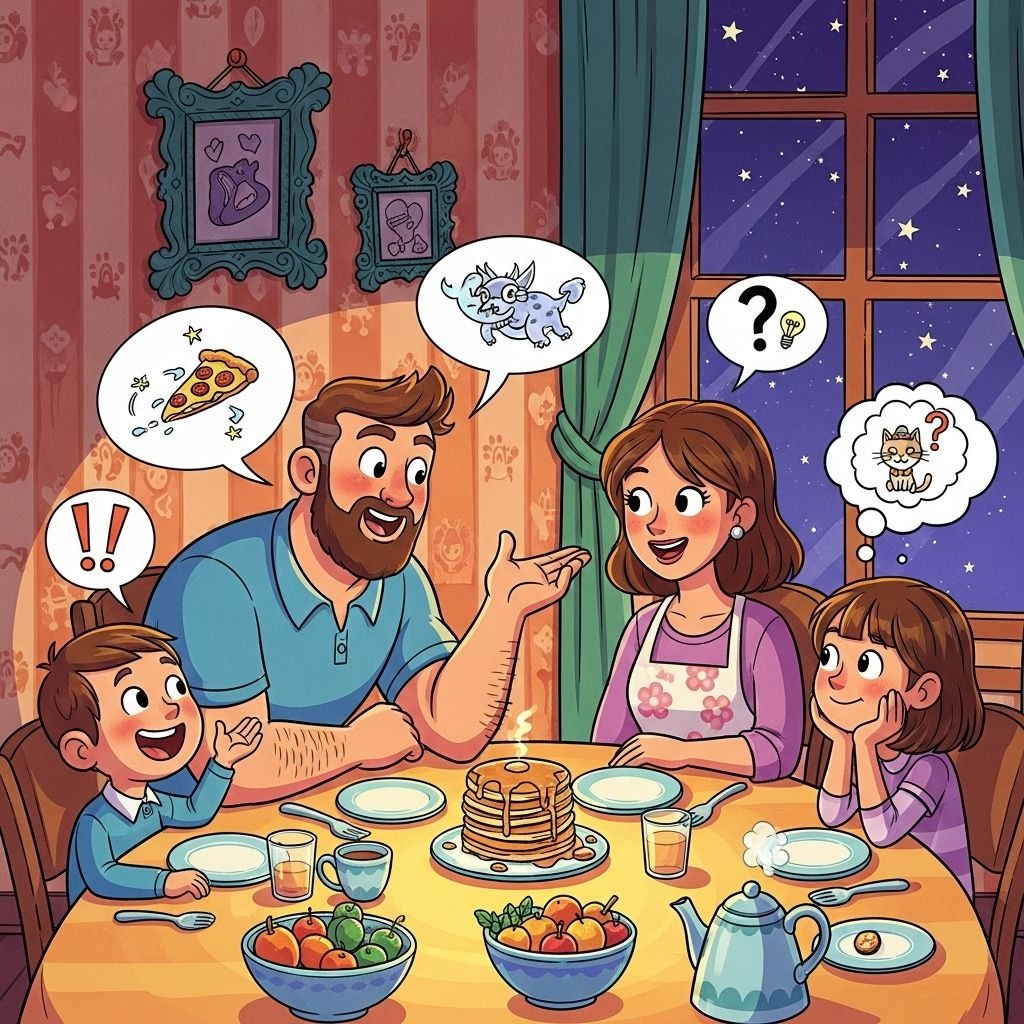
How to Make the Most of These Questions
- Choose the right moment: Car rides, bedtime, or walks can work better than right after school.
- Switch up your tone: Sometimes silly and light, sometimes calm and caring.
- Listen fully—not just to the answers, but the feelings behind them.
- Let silence work its magic: Wait longer than you think—sometimes they need time to think or decide it’s safe to share.
For kids who need a little extra nudge to talk, these kids’ activity books & workbooks double as conversation starters and help open doors to topics they’re interested in.
25 Questions to Ask Your Kid Regularly (And Why They Work)
Get Beyond “Fine”: Relationship-Building Questions
- What made you laugh today?
- Who did you sit with at lunch—and what did you talk about?
- What was something hard that you did anyway?
- If you could relive one moment from today, which would you pick?
- What’s one kind thing someone did for you, or you did for someone else?
- When did you feel most proud of yourself?
- Was there a time you felt confused or unsure about something?
- What’s your favorite part about being you today?
- What do you wish grown-ups understood better about school (or being a kid)?
- What’s something you wish we could do together soon?
Grow Those Social-Emotional Muscles:
- Did you help solve a problem for anyone? Did someone help you?
- How did you make someone smile today?
- Did you ever feel left out? What could help next time?
- Who do you think has a really hard job in your school/classroom?
- If someone were sad or lonely, what would you do to help?
Encourage Play and Self-Discovery:
- If you could be any animal today, which would you be—and why?
- What’s one thing you’d love to invent?
- If your favorite toy could talk, what would it say about your day?
- Would you rather fly or be invisible for a day? What would you do first?
- What’s the silliest thing that happened this week?
Sprinkle in Some Family Fun:
- Who’s someone you’d like to have a playdate with?
- What’s your favorite way for us to spend time together?
- What new family tradition would you invent?
- If you could plan a perfect family weekend, what would you do?
- What should we cook together next time (bonus: here’s a kids’ baking & cooking set that makes this extra fun!)?
Want even more ways to get the giggles going? These math jokes for kids are tried-and-true for breaking after-school tension.

How to Keep the Conversation Going (Even When Kids Don’t Talk)
It’s totally normal for kids to shrug or give short answers sometimes, especially during transitions or tough days. The secret? Don’t give up. Play with your approach, share your own answers, and show curiosity—not pressure.
- Share your answer first: “The silliest thing that happened to ME today was…”
- Let them pass: If they don’t want to talk, no big deal. Try again later or another day.
- Use props: Let them draw an answer, write it, or play a quick “show me” game with their favorite toys or a family board game.
Remember: The real win is when the questions become a habit. That’s when, out of the blue, your child shares something important—sometimes when you least expect it.
If you’re working on softening sibling rivalry, these board games for kids double as opportunities for teamwork AND conversation.
Age-By-Age: Adjusting Your Approach
Toddlers & Preschoolers
Go simple and visual: “Show me with your hands—how big was your smile today?” or “Which friend did you play with—can you point to them in this picture?”
Early Elementary
Invite feelings: “What was your happiest moment today? Saddest?” Use creative “would you rather” questions or let them finish your sentence game—for the win!
Tweens/Preteens
Respect their privacy and let them share on their schedule. Use “low-pressure” moments, like when you’re driving or walking the dog, to chat about bigger feelings or even pop culture topics.
Looking for more everyday activities to break the ice? Here are some things for kids to do as a family that spark natural conversation.
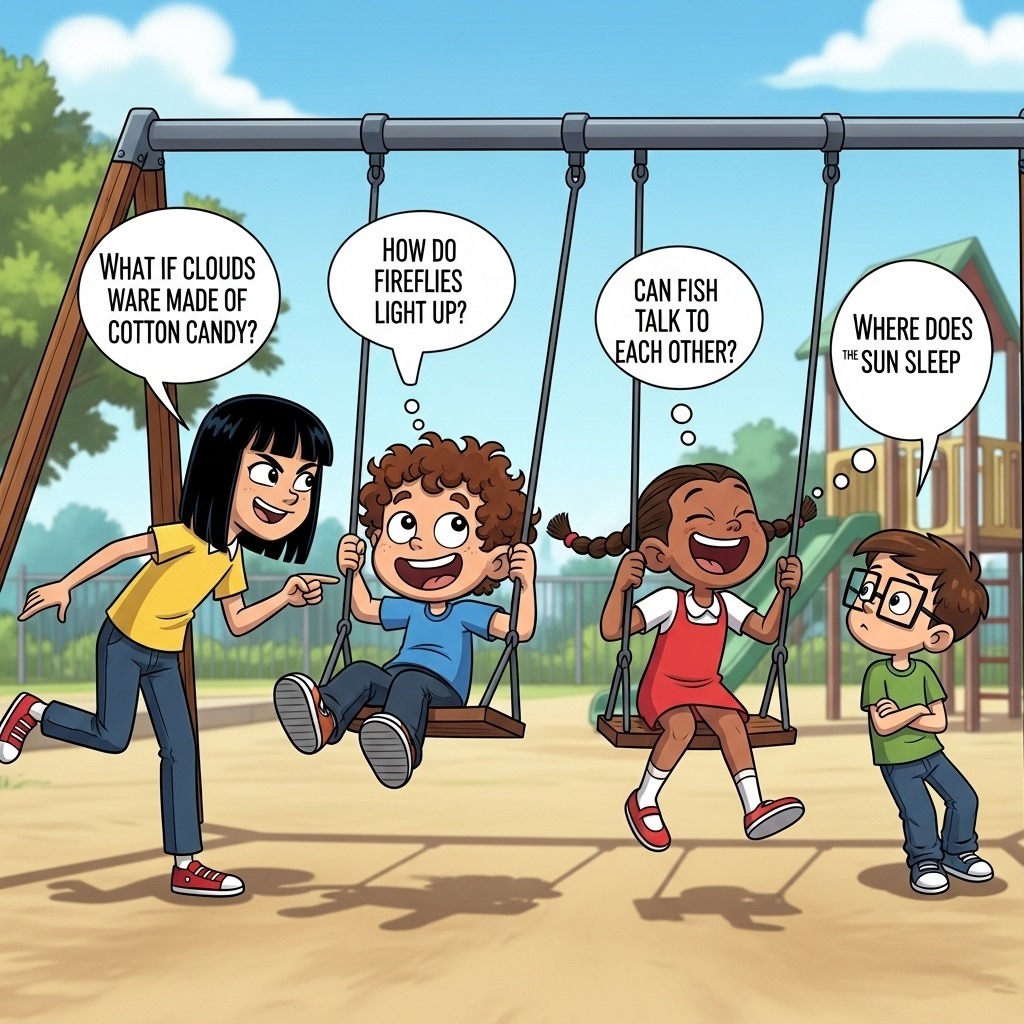
Real-Life Tips: What I Wish I Knew Sooner
- Don’t expect every question to lead to a deep heart-to-heart.
- Make it a game: Pull a question card at dinner, bedtime, or on the way home.
- Let your child choose which one to answer.
- Celebrate even the silly answers—those often lead to the biggest laughs and real stories.
- If you hit resistance, just try again later—no shame, no pressure.

FAQ
How often should I ask my child these questions?
Aim for a couple of times a day—after school, during dinner, or before bed. The routine is more important than the number.
What if my kid just shrugs and doesn’t answer?
Stay curious and keep trying. Try rephrasing, share your own answer, or ask during a less pressured moment.
Can I use these questions with siblings or groups?
Yes! They’re perfect for family time, road trips, sleepovers, or even as journaling prompts and lunchbox notes.
How can I get my partner or babysitter involved in this routine?
Print or write a few favorite questions and post them on the fridge or next to the dinner table. Encourage everyone to take turns.
What if I ask something and my child shares a worry or tough topic?
Listen without judgment, thank them for sharing, and let them know you’re there for anything—even the hard stuff.
Meaningful conversations don’t come from luck—they come from small, intentional choices each day. Make questions to ask your kid regularly part of your family’s life, and watch your connection flourish (even on those “fine” days).