

Last year, I found myself grappling with the same discipline battles over and over with my daughter—morning tantrums over socks, bedtime negotiations that could rival Congress, and “no!” as her favorite word. After months of Googling “discipline strategies for strong-willed children” at 10 PM and feeling like a total failure, something finally clicked.
My goal changed from “control her” to truly “understand her.” That’s when everything started to shift.
If you have a strong-willed child, you know the drilled-in advice (“be consistent,” “don’t negotiate!”) often falls flat. Harder still? The guilt of losing your cool or feeling trapped in an endless battle of wills. Deep breath—you’re not alone. Here’s how to actually create more peace, connection, and respect at home.
Understanding Strong-Willed Kids
Let’s get clear: strong-willed is not a flaw. Your child’s stubborn streak is really a deep desire for autonomy and mastery—a sign of future leadership, not “badness.” Strong-willed kids feel big, think independently, question authority, and hate feeling powerless.
Unfortunately, traditional discipline methods—punishments, threats, and yelling—often backfire with these kiddos. These strategies trigger a fight response (hello, screaming match) or a shutdown (cue the meltdown), making everyone feel worse. What they actually need is a structure that doesn’t break their spirit.
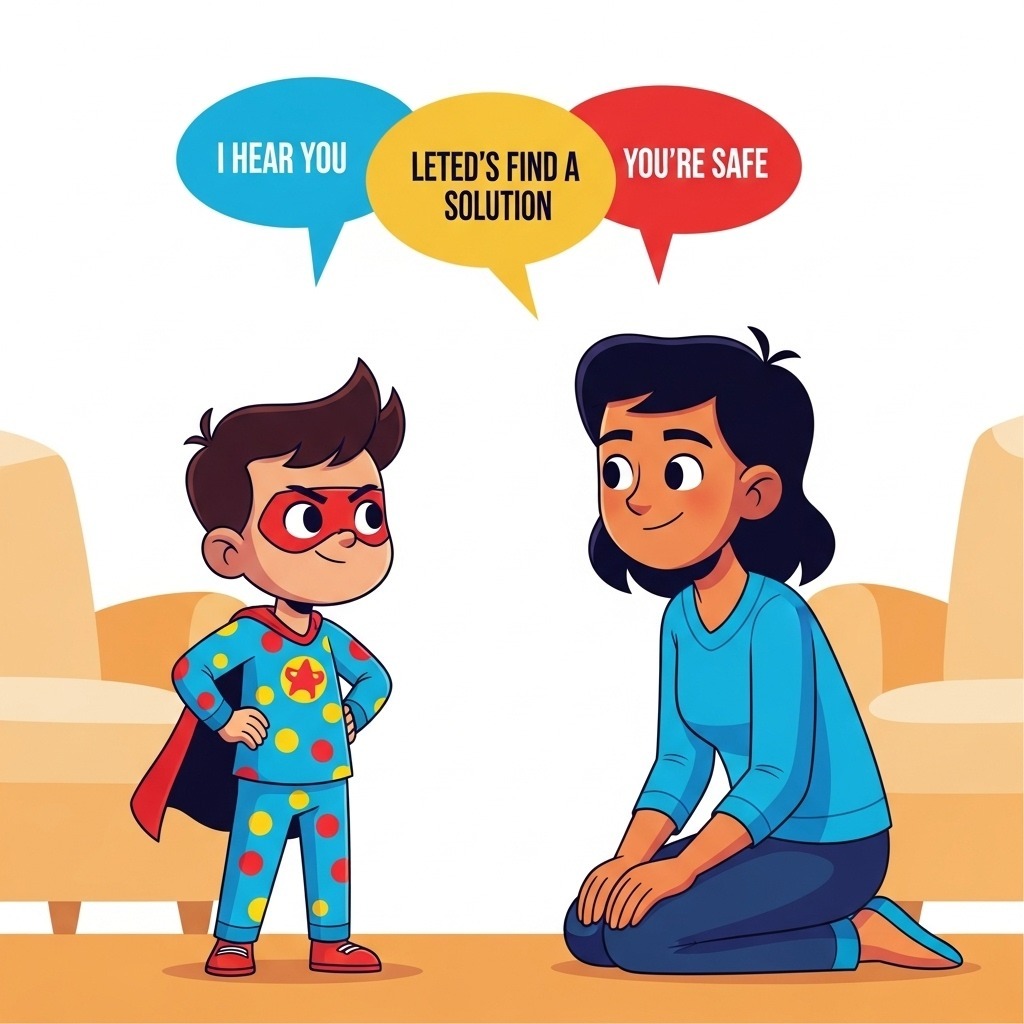
The Discipline Mistakes I Didn’t Realize I Was Making
If you feel like your house is a battleground, you’re not doing it “wrong.” Most modern parents slip into these pitfalls:
- Focusing on winning (“Because I said so!”) instead of connecting.
- Getting caught in endless negotiations—then blowing up after being ignored 50 times.
- Being inconsistent—some days strict, some days caving in.
- Yelling out of frustration (guilty!)—which can create fear, not respect.
Big lesson? When discipline becomes about power, nobody wins.
Proven Discipline Strategies for Strong-Willed Children
These are the tools that changed everything in my house—and in hundreds of homes I’ve coached:
1. Calm, Predictable Responses
Never punish in anger. Count to 10. Take a “mommy timeout.” Wait until you feel calm enough to address the problem without shaming or threatening.
2. Set Firm, Consistent Boundaries
Strong-willed kids need walls, not wobbly fences. Make rules clear, simple, and followed through—every single time. Instead of “because I said so,” try connecting the boundary to a value (“We speak kindly because family is about respect”).
3. Offer Structured Choices
Give safe, parent-led options: “Do you want to brush your teeth before pajamas or after?” “Would you like carrots or peas for a snack?” Choices let them flex their independence with safety rails. This works wonders at transitions, mealtimes, and even when setting consequences.
4. Use “When–Then” Routines
Establish routines that connect expectations to fun activities. (“When your homework is finished, then we’ll play the board game.” “When shoes are on, then we can pick the music for the drive.”) No nagging, no bribes—just natural order that brings control and calm.
5. Natural Consequences Over Punishments
Let the world do the teaching, not just your discipline. “When you throw your snack, there’s no more snack.” “If you don’t put your shoes by the door, you’ll have cold feet at the park.” This builds logical thinking and responsibility.
6. Positive Reinforcement
Catch them being good. Fill a jar with marbles for acts of cooperation or kindness—celebrate a full jar, not just to “reward” but to help them see progress. Use specific praise: “I noticed how hard you tried to listen. That took effort.”
If you’re looking for gentle, effective discipline principles, these soft parenting tips align beautifully with encouraging positive behavior—without power struggles.
7. Involve Kids in Solutions
Turn “What’s wrong with you?” into “What could help you remember your backpack?” Let them create a bedtime chart or help solve common family snags. The more invested they are, the less conflict you’ll face.
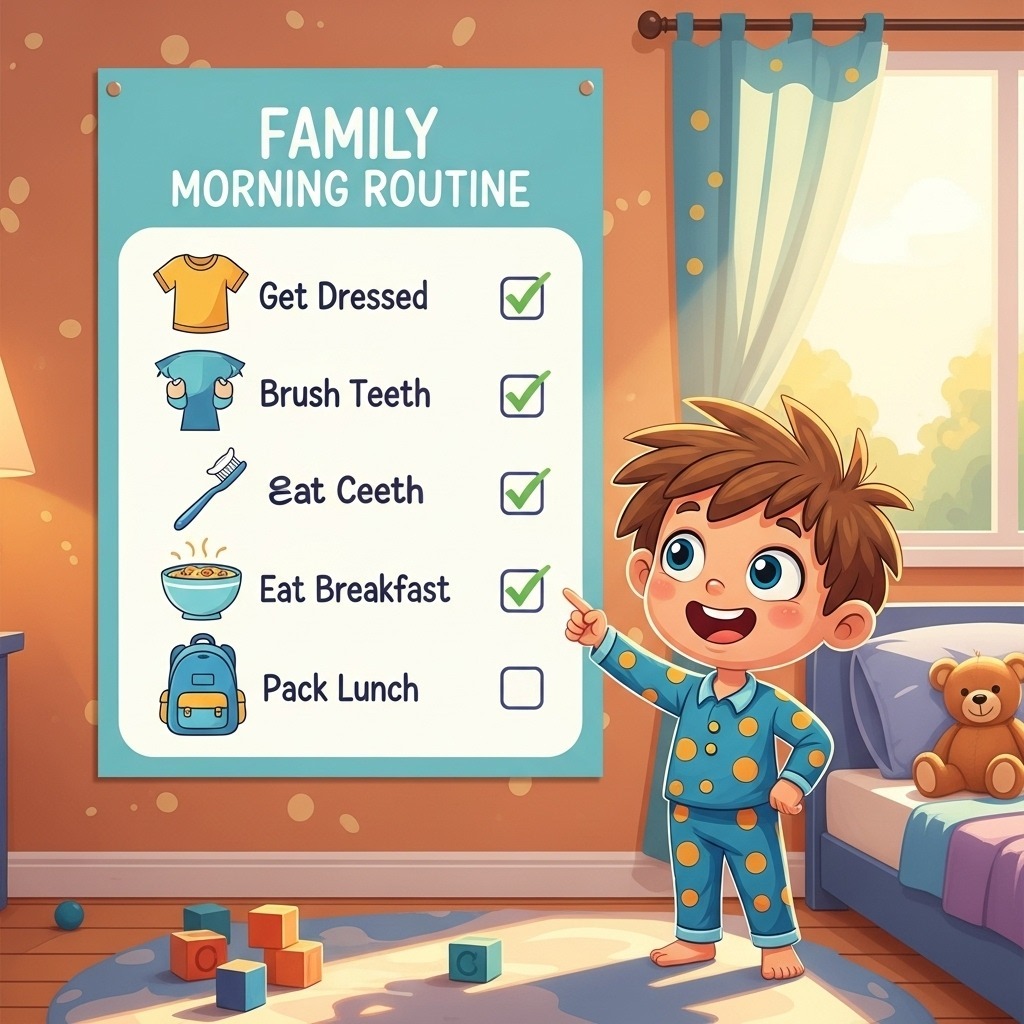
8. Use Routines and Visual Cues
Checklists, simple charts, or “when–then” posters remove nagging and help children trust the process (not just your voice). Visuals work especially well for preschoolers and early-grade kids.
9. Listen—Really Listen
Sometimes, your strong-willed child just wants to be heard. Kneel down, reflect back: “You really don’t like it when the game ends. That’s frustrating.” Empathy calms big feelings and de-escalates fights, allowing problem-solving to happen afterward.
How to Avoid Power Struggles Before They Start
- Choose battles: Not everything requires intervention.
- Take “no” as information: Sometimes it’s “I have my own idea,” not “I want a fight.”
- Use humor: Dance, race, or sing through annoying transitions.
- Let go of small things: Socks don’t match? That’s okay—let them win the harmless arguments.

Real-Life Discipline Routines from My Home
Morning Meltdowns:
Visual chart + “when–then” magic: “When you’re dressed, then pancakes.” We built the routine together and used marbles for “getting ready without saving drama for the car ride.”
Bedtime Battles:
Choices: “Story before or after brushing teeth?” Charts for routine, timer for lights out. On rough nights, we connected: “You don’t have to sleep, but your body needs to rest. Want to snuggle, or listen to quiet music?”
Homework Struggles:
No more nagging. Choices: “Want to do homework at the kitchen table or on the floor?”
“When–then”: “When homework is done, you can choose a game.”
Natural consequence: “If you don’t finish now, it’ll be waiting before screen time tomorrow.”
For more daily ideas, see these fun activities for kids—a little creative connection goes a long way.
When to Seek Extra Support
If strong-willed behavior is leading to dangerous situations (physical aggression, overwhelming distress, or persistent issues at school/home), don’t wait—reach out to a pediatrician, counselor, or behavior specialist. Sometimes it takes a village; you’re not failing, you’re advocating.
Collaboration with teachers and babysitters can relieve the home pressure. Share strategies, ask for communication, and keep everyone on the same calm, consistent plan.
Products and Routines That Helped Us
- Visual checklists and “when–then” routine charts (DIY or printable)
- Marble jars for positive reinforcement
- Best parenting resources (like these parenting books for practical tips)
- Kids’ activity books & workbooks for focus during transitions
- Reward and responsibility activities, like a magnetic dart board and board games for kids, to build patience and teamwork
- Calming art and creative kits: kids craft supplies

Need even more proven tips? The best parenting books for strong-willed kids have deep dives into emotional strategies that work.
FAQ: Discipline Strategies for Strong-Willed Children
How do I stop yelling at my strong-willed child?
Plan calm-down strategies for yourself: walk away, count to 20, or turn on music before engaging. Use scripts like “I’m not ready to talk when I’m angry. We’ll try again in a few minutes.” Consistent, calm discipline reduces your triggers over time.
What consequence works best for strong-willed kids?
Natural consequences (loss of privilege, cleaning up, waiting for fun after work is done) are more effective than punishments. When you connect the result to their choice (“When you’re done cleaning up, then we’ll do art”), kids feel more in control and less resistant.
Does positive discipline mean no consequences?
No—it means consequences are logical, fair, and focused on teaching, not punishing. Positive discipline uses connection, boundaries, and respect so kids learn accountability without fear or shame.
How do I handle public meltdowns with a strong-willed child?
Stay calm, get on their level, and say, “This is hard, and I’m here to help.” Remove your child if needed. Don’t feel pressured by onlookers—focus on connection during tough moments, then solve the problem when your child is regulated.
When should I see a professional for discipline issues?
If your child’s strong will turns into aggression, self-harm, or disrupts daily family or school life for weeks, reach out to your pediatrician or a child therapist. Early help builds stronger coping skills and strengthens family bonds.
Remember
Your child’s strong will is a superpower in the making—it just needs the right balance of boundaries, empathy, and (lots of) patience. With these discipline strategies for strong-willed children, you’ll both discover just how connected, creative, and resilient you can be—together.