
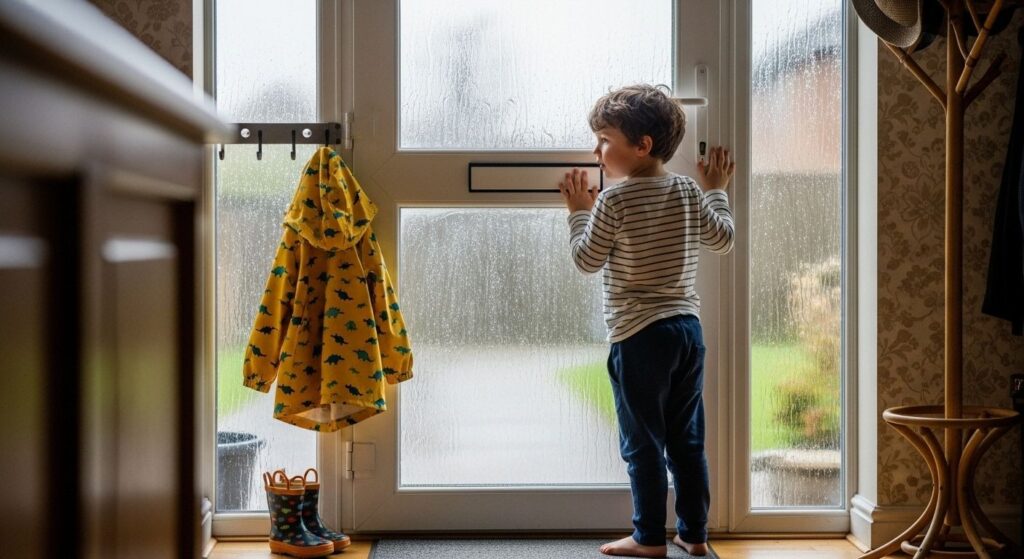
Last week, my 7-year-old insisted she didn’t need a jacket. It was 45 degrees outside, windy, and I could see goosebumps already forming on her arms. Every parenting instinct in me wanted to force that jacket on her, lecture her about making good choices, or threaten consequences if she didn’t listen.
Instead, I took a deep breath and said, “Okay, but I’m bringing it with me just in case.” We walked to the car. Within two minutes, she asked for the jacket. No lecture needed. No power struggle. Just a simple, natural consequence that taught her more than my words ever could.
That moment changed how I approach discipline. Understanding natural consequences parenting examples has made me a calmer, more effective parent—and it’s helped my kids actually learn from their choices instead of just resenting mine.
What Are Natural Consequences?
Natural consequences are the automatic results of a child’s choices that happen without any parent intervention. They’re what would occur naturally if you simply stayed out of the way.
When your child refuses breakfast and feels hungry an hour later—that’s a natural consequence. When they leave their favorite toy outside and it gets rained on—natural consequence. When they stay up too late and feel exhausted the next day, you guessed it, natural consequence.
The beauty of natural consequences is that they do the teaching for you. You don’t have to be the bad guy. Reality becomes the teacher, and you get to be the supportive guide helping your child process what happened.
This approach aligns beautifully with positive discipline techniques for toddlers and older kids alike, focusing on teaching rather than punishing.
Why Natural Consequences Work Better Than Punishment
I used to think consequences and punishment were the same thing. They’re not.
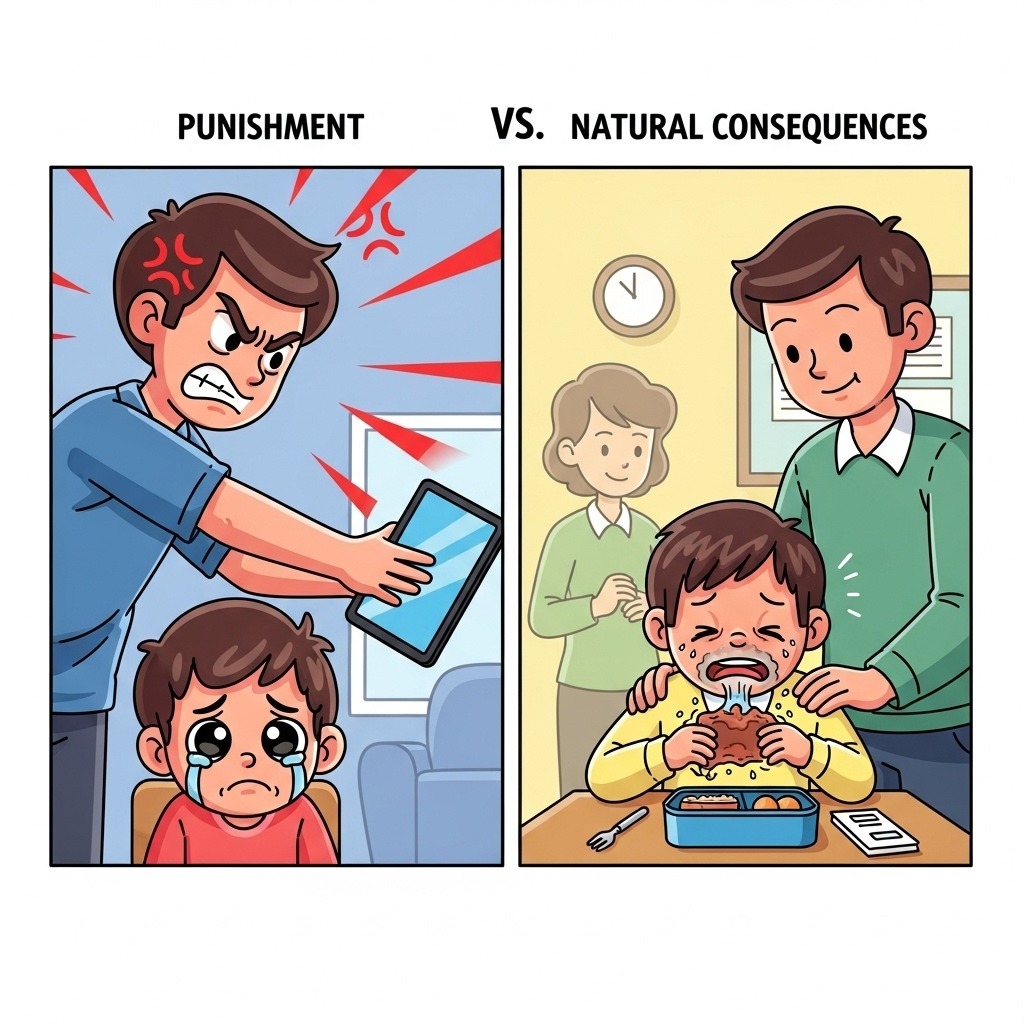
Punishment is something you impose on a child to make them suffer for bad behavior. Taking away screen time because they talked back. No dessert because they didn’t finish their homework. These arbitrary consequences feel unfair to kids because the punishment doesn’t logically connect to the behavior.
Natural consequences, on the other hand, have a clear cause-and-effect relationship. The consequence is directly related to the choice. Kids can see the connection, which makes the lesson stick.
Children are far more receptive to natural consequences than to arbitrary punishments, especially as they get older. When consequences make sense, kids are more likely to change their behavior. When consequences feel random or mean-spirited, kids just get resentful and stop listening altogether.
The other major benefit? Natural consequences preserve your relationship with your child. You’re not the enemy enforcing random rules. You’re the ally helping them navigate the world and learn from real experiences.
Natural Consequences Parenting Examples at Home
These are the everyday situations where natural consequences work beautifully. I’ve organized them by category because that’s how they showed up in my own parenting.
Morning Routine Natural Consequences
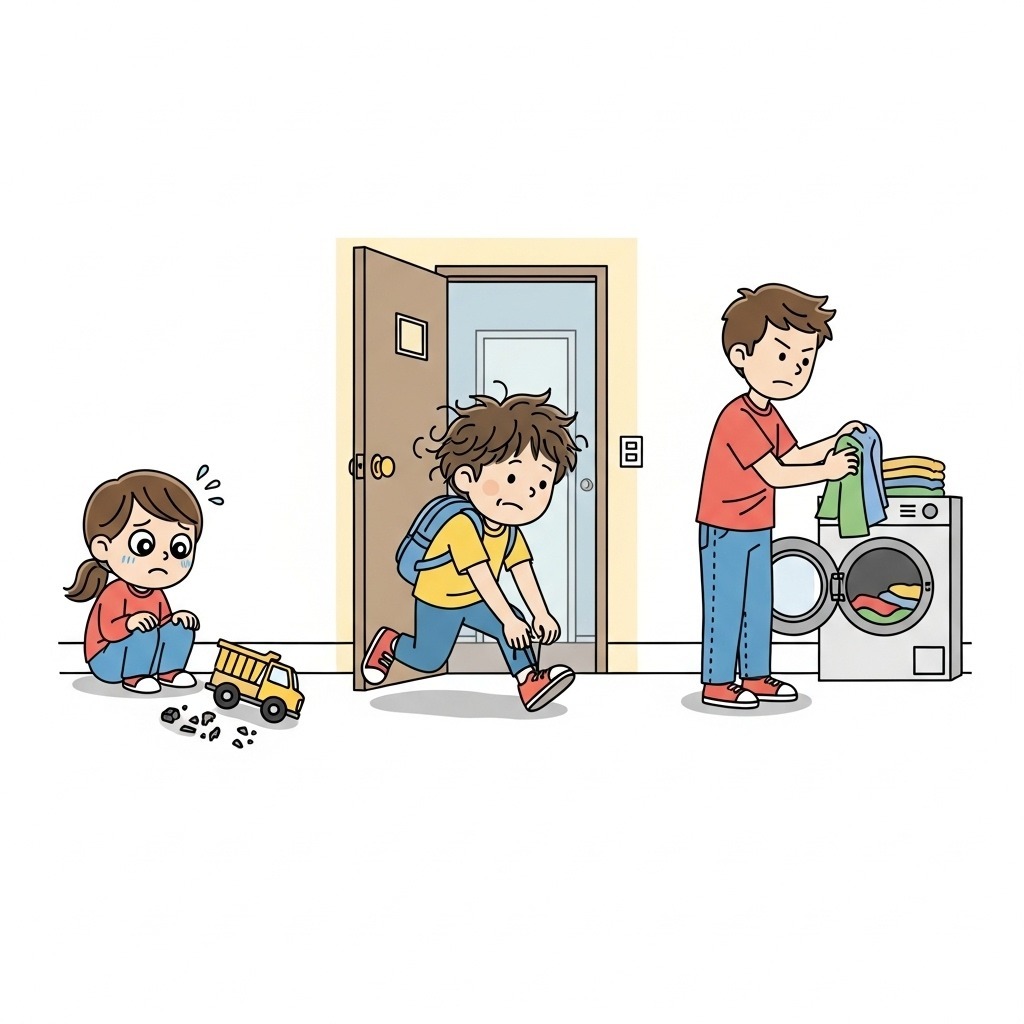
If your child refuses to get ready on time, they might miss out on something they wanted to do. My daughter used to dawdle every single morning, making us late constantly. I nagged, threatened, and even started waking her up earlier. Nothing worked until I stopped managing her time.
Now I give her one reminder about when we’re leaving. If she’s not ready, we leave anyway—sometimes with shoes in hand, sometimes with uncombed hair. She’s been late to a playdate pickup once and had to wait alone for five minutes. She’s never dawdled that severely again.
If your child doesn’t eat breakfast, they’ll feel hungry before lunch. I stopped fighting about breakfast. If they choose not to eat, I pack a small snack for later, but I don’t bring a full meal to school. Natural hunger is a powerful teacher.
If your child can’t find their shoes because they didn’t put them away, they waste time searching and might be late. This one drives me crazy, but I’ve learned to let them experience the frustration instead of always fixing it for them.
Toy and Belongings Natural Consequences
If your child doesn’t put their toys away, they might get stepped on, broken, or lost. My son left his favorite action figure on the floor one too many times. The dog found it. The dog won. He was heartbroken, and I empathized with his sadness without saying “I told you so.” He’s way more careful with toys he cares about now.
If your child doesn’t put their favorite shirt in the hamper, it won’t get washed. This one has taught my kids laundry responsibility faster than any chore chart ever did.
If your child throws all the sand out of their sandbox, they won’t have sand to play with anymore. Obvious? Yes. Effective? Also yes.
For kids who need help organizing their belongings, these reusable snack containers have been lifesavers in our house for keeping small toys and art supplies organized—making it easier for kids to put things away in the first place.
Homework and School Natural Consequences
If your child forgets their homework at home, they might not receive credit for the assignment. This is the hardest one for me. Every instinct says to bring it to school. But I’ve learned that one zero on an assignment teaches them more than me rescuing them every time.
If your child doesn’t study for a test, they might not do as well. Let them experience the disappointment and then help them problem-solve how to prepare differently next time.
If your child packs a lunch they don’t like, they’ll be hungry at school. I used to control everything about school lunch. Now my 9-year-old packs his own (with parameters), and he’s learned quickly what actually satisfies him.
Social Consequences
If your child is unkind to a friend, that friend may not want to play with them. This is incredibly painful to watch, but it’s also one of the most important lessons. I can’t force other kids to be friends with mine, and honestly, experiencing social consequences teaches empathy faster than any lecture about being nice.
If your child lies to a friend, the friend may not trust them in the future. Trust takes time to rebuild, and kids need to learn that through experience.
If your child doesn’t share, other kids might not want to share with them. Reciprocity is a powerful concept that kids learn best through experience.
Weather and Clothing: Natural Consequences
If your child refuses to wear a coat, they’ll feel cold. This is the classic example. Bring the coat with you, but let them experience being chilly for a few minutes. They’ll ask for it.
If your child won’t wear rain boots, their feet will get wet and uncomfortable. My kids learned this one fast. Wet socks are miserable.
If your child insists on wearing shorts in 40-degree weather, they’ll be cold. As long as it’s not dangerous, let them learn.
For families working on building independence, these kids’ activity books & workbooks complement natural consequences beautifully by teaching problem-solving and decision-making skills.
When Natural Consequences Don’t Work (And What to Do Instead)
Here’s the thing: natural consequences aren’t appropriate for every situation. Safety always comes first.
Never use natural consequences when:
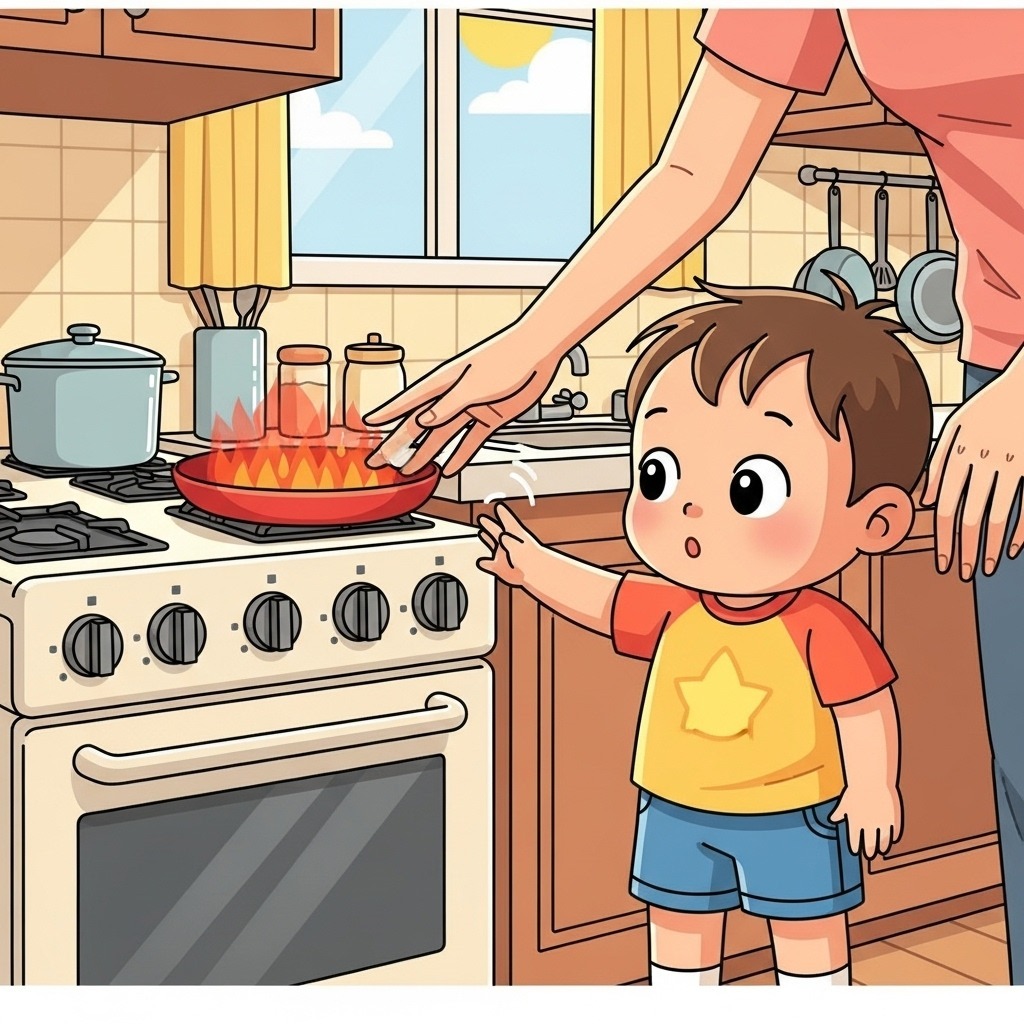
- The outcome could cause serious injury (crossing the street without looking, touching a hot stove, running near a pool)
- The consequence could harm someone else.
- The natural outcome would take too long to occur.
- The consequence is too severe for the lesson.
In these situations, you need to use logical consequences instead or simply set a firm boundary.
Logical consequences are parent-imposed but still related to the behavior. For example:
- If your child colors on the wall, they lose access to crayons until they can follow the rules
- If your child rides their bike in the street after being told not to, they lose bike privileges for the day.
- If your child hits their sibling, they need time apart to calm down.
The key difference is that you’re implementing the consequence, but it still logically connects to the behavior. It’s not arbitrary like “You hit your brother, so no TV tonight.”
For more guidance on setting appropriate boundaries while staying emotionally supportive, check out our article on how to set boundaries for kids.
How to Actually Use Natural Consequences (Without Feeling Like a Jerk)
The hardest part of natural consequences isn’t understanding them—it’s having the restraint to step back and let them happen. Here’s how I make it work:
Give a Calm Heads-Up
Before the natural consequence occurs, give one calm, judgment-free warning. “It’s cold outside. I’m bringing your jacket just in case you change your mind.” This isn’t nagging or lecturing. It’s information.
Let It Happen
This is where it gets hard. Your child forgot their water bottle and is complaining they’re thirsty. Every fiber of your being wants to go buy them one. Don’t. Let them experience thirst until you get home. They’ll remember their water bottle tomorrow.
Show Empathy, Not “I Told You So”
When the consequence hits, your child might be upset, angry, or disappointed. This is not the time for “Well, I told you this would happen.” Instead, try:
- “I know you’re cold. That’s really uncomfortable. Do you want the jacket now?”
- “You seem upset that your toy broke. That must be really frustrating.”
- “You’re hungry now, and lunch isn’t for another hour. That’s a hard feeling.”
Empathy is what makes natural consequences a teaching tool instead of a punishment. You’re on their side, helping them process the experience.
Help Them Problem-Solve for Next Time
After the emotion has passed, have a calm conversation. “What do you think you’ll do differently next time?” Let them come up with the solution. Kids are way more likely to follow through on plans they create themselves.
Don’t Rescue Them
This is my ongoing struggle. My job is not to save my kids from every uncomfortable feeling. My job is to prepare them for life, and life has uncomfortable consequences. The coat thing? The forgotten homework? The broken toy? These are all low-stakes ways for kids to learn that their choices matter.
If you’re working on staying calm through these moments, these parenting books have been incredibly helpful for me in learning to regulate my own emotions when I watch my kids struggle.
Natural Consequences by Age
The effectiveness of natural consequences depends heavily on your child’s developmental stage.
Toddlers (Ages 1-3)
Natural consequences don’t work well for toddlers. They don’t yet have the cognitive ability to connect cause and effect reliably. For this age, clear boundaries and redirection work better.
That said, very simple natural consequences can start to be introduced:
- If they throw food, mealtime ends
- If they throw a toy, the toy gets put away.
- If they dump out all their blocks, there are more to clean up.
Keep expectations very simple and provide immediate responses.
Preschoolers (Ages 3-5)
This age starts to understand consequences better, but they still need a lot of support. Natural consequences work best when:
- The consequence happens quickly (they can’t wait hours to connect the dots)
- You help them verbally process what happened.
- The consequence isn’t too severe.
Examples that work well:
- Forgetting a coat and feeling cold
- Not eating a snack and feeling hungry.
- Knocking over a block tower that they built
School-Age Kids (Ages 6-10)
This is the golden age for natural consequences. Kids this age can understand cause and effect, remember experiences, and adjust their behavior accordingly.
They can handle delayed consequences like:
- Forgetting homework and getting a zero
- Not practicing an instrument and struggling with lessons.
- Spending all their allowance and having no money for something they want later.
Tweens and Teens (Ages 11+)
Natural consequences become even more powerful with older kids. They’re developing independence and need to practice decision-making with real stakes.
Appropriate natural consequences:
- Oversleeping and being late
- Not managing their time and feeling rushed or missing deadlines.
- Not doing laundry and having no clean clothes.
- Social consequences from their choices
The key with older kids is resisting the urge to lecture. They know what went wrong. They just need your support as they figure out how to do better.
Common Mistakes Parents Make With Natural Consequences
I’ve made all of these mistakes. Multiple times. Here’s what to avoid:
Turning Natural Consequences Into Punishments
“Well, since you didn’t wear your jacket like I told you, now you’ll just have to be cold!” That’s not a natural consequence anymore. That’s you being mean.
The natural consequence is the cold feeling itself. Your job is to empathize, not to rub it in.
Using “Natural Consequences” That Aren’t Natural
Taking away screen time because your child didn’t clean their room is not a natural consequence. That’s an arbitrary punishment with a fancy name.
Natural consequences are what would happen without your intervention. Logical consequences are what you impose that directly relate to the behavior. Know the difference.
Rescuing Them from Every Uncomfortable Feeling
If you always bring the forgotten jacket, pack the forgotten lunch, and rescue every uncomfortable situation, your child never learns to be responsible. Some discomfort is necessary for growth.
Not Following Through
If you say you’re leaving at 8:00, whether they’re ready or not, then you need to leave at 8:00. If you threaten consequences but don’t follow through, kids learn your words don’t mean anything.
Using Consequences for Developmentally Inappropriate Behaviors
A two-year-old isn’t going to learn responsibility from natural consequences. A teenager isn’t going to learn empathy from a time-out. Match your approach to your child’s age and development.
For more balanced approaches to discipline that work across ages, our guide on how to discipline without yelling offers practical strategies that complement natural consequences.
What to Say When Natural Consequences Happen
The words you use matter almost as much as letting the consequence happen. Here’s what I’ve learned to say:
When they want you to rescue them:
“I understand you forgot your lunch and you’re hungry. That’s really uncomfortable. What do you think you could do differently tomorrow to remember it?”
When they’re upset about the consequence:
“I can see you’re really frustrated that your toy broke. That’s so disappointing. It’s hard when things we love get broken.”
When they blame you:
“You’re angry at me for not bringing your jacket. I get that. And your body is telling you it’s cold. Do you want to put it on now?”
When they’re learning from it:
“I noticed you put your shoes away today without me reminding you. I bet it felt good to find them easily this morning.”
What NOT to say:
- “I told you so”
- “Well, maybe you’ll listen next time.”
- “This is your own fault.”
- “You should have known better.”
- “See what happens when you don’t listen to me?”
These phrases shut down learning and make consequences feel like punishment instead of natural outcomes.
Making Natural Consequences a Parenting Tool
Natural consequences aren’t about being a lazy parent or refusing to help your kids. They’re about strategic stepping back so your kids can learn resilience, responsibility, and problem-solving.
In our house, natural consequences have:
- Reduced daily power struggles by at least 75%
- Helped my kids take ownership of their choices
- Made me a calmer, less reactive parent
- Given my kids’ confidence in their ability to handle challenges
- Improved our relationship because I’m not constantly nagging
It’s not perfect. Some days, I still want to rescue them from every uncomfortable feeling. Some days, they’re mad at me for “not caring” when really I care enough to let them learn.
But watching my kids grow into responsible, thoughtful people who learn from their experiences? That’s worth the discomfort of stepping back.
Start small. Pick one area where you’re going to let natural consequences happen—maybe the jacket thing, or forgotten homework, or staying up too late. See how it goes. Adjust based on your child’s response.
When you pair natural consequences with activities that build independence, like these board games for kids, you’re giving your children the tools they need to become capable, confident adults who can handle whatever life throws at them.
FAQ: Natural Consequences Parenting Examples
What is the difference between natural and logical consequences?
Natural consequences happen automatically without parent intervention—like feeling cold when you don’t wear a jacket or feeling hungry when you skip breakfast. Logical consequences are imposed by parents but still relate directly to the behavior, like losing bike privileges when you ride in the street, or losing access to crayons when you color on walls. Natural consequences happen on their own; logical consequences require parental enforcement.
When should you NOT use natural consequences?
Never use natural consequences when the outcome could cause serious injury or harm to someone else. Don’t allow a child to learn about traffic by running into the street, or learn about fire by touching a hot stove. Also, avoid natural consequences when the outcome is too severe for the lesson (like letting a child fail an entire grade) or when it would take too long to occur (like not brushing teeth and getting cavities years later). Safety always trumps natural consequences.
How do you use natural consequences without feeling mean?
The key is empathy without rescue. Give a calm heads-up about what might happen, then let the consequence unfold while offering emotional support. When your child is cold without a jacket, acknowledge their discomfort (“I know that’s really uncomfortable”) without saying “I told you so.” Your job is to be on their team as they process the experience, not to punish them. Remember, you didn’t create the consequence—reality did. You’re just allowing it to happen.
At what age can children learn from natural consequences?
Natural consequences work best with school-age children (6+) who can understand cause and effect and remember experiences. Toddlers (1-3) don’t have the cognitive development to reliably connect actions and outcomes, so natural consequences aren’t very effective at this age. Preschoolers (3-5) can start to understand simple, immediate, natural consequences with support. Tweens and teens benefit most from natural consequences as they develop independence and practice decision-making.
How do natural consequences teach responsibility better than punishment?
Natural consequences teach responsibility because the lesson comes from reality, not from parental anger or arbitrary rules. When kids experience the direct result of their choices, they understand cause and effect in a way that sticks. Punishments often create resentment and focus children’s attention on the unfairness of the punishment rather than on changing the behavior. Natural consequences keep the parent-child relationship intact while letting reality be the teacher, making kids more likely to genuinely change their behavior.
Natural consequences changed my parenting for the better, but they’re not magic. They require patience, consistency, and the willingness to watch your kids be uncomfortable sometimes. They work best when combined with empathy, problem-solving conversations, and age-appropriate expectations.
The goal isn’t to punish your kids or let them fail. The goal is to give them real-world experience with low-stakes consequences while you’re still there to support them. Because the lessons they learn now—about responsibility, cause-and-effect, and dealing with uncomfortable feelings—are the ones that will serve them for life.
Start with one small situation this week. Let the natural consequence happen. Offer empathy instead of lectures. See what your child learns. And remember: your job isn’t to prevent every mistake. Your job is to be there when they happen, helping your child grow from the experience into the capable, resilient person you know they can become.