
I’ll never forget the first time my daughter responded to her name. She was six months old, playing with her favourite rattle on the living room floor. I said “Emma!” from across the room, and she whipped her head around so fast I thought she’d hurt her neck. Her face lit up with the biggest grin, like she was thinking, “Hey! That’s ME!”
I cried happy tears. It sounds dramatic, but that moment felt huge. My baby knew who she was. She understood that she was a separate little person with her own identity. And she knew I was talking specifically to her.
But here’s what I didn’t realise with my first baby: I’d actually been missing the signs for weeks. She’d been recognising her name for a while, but I didn’t know what to look for. By my second and third kids, I knew exactly what to watch for, and it made those early months so much richer.
So, when do babies recognize their name? Most babies start showing signs between 4 and 9 months, with consistent recognition happening around 7 to 9 months. But there’s so much more to this milestone than just a number, and understanding what’s happening in your baby’s developing brain makes it even more amazing.
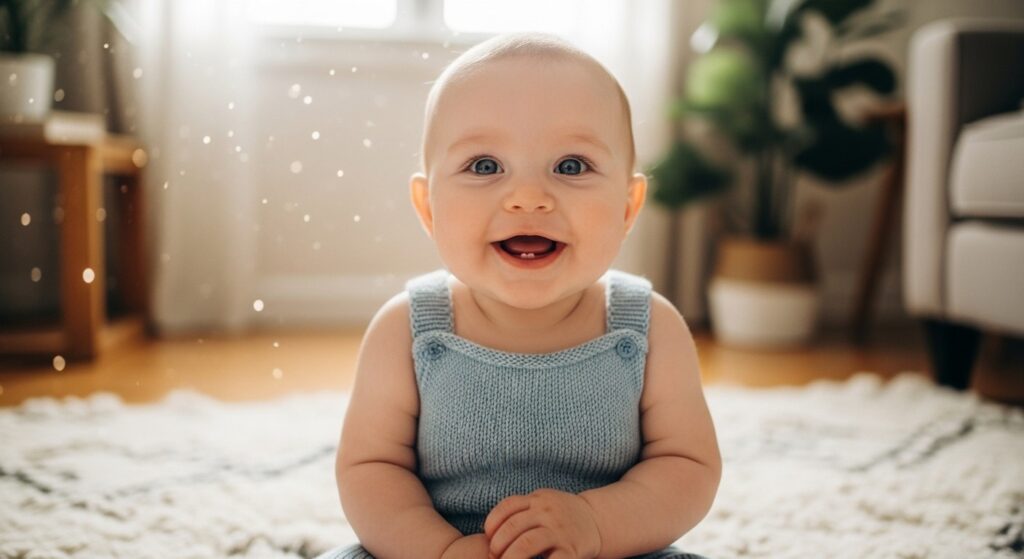
Why Name Recognition Is Such a Big Deal
Name recognition isn’t just cute—it’s actually a major cognitive and social milestone that signals several developmental leaps happening all at once.
First, it shows your baby understands that words have meaning. Up until this point, your baby has been absorbing language like a sponge, but name recognition proves they’re starting to connect specific sounds to specific meanings.
Second, it demonstrates emerging self-awareness. Your baby is beginning to understand they’re a separate person, distinct from you and everyone else around them. That’s profound when you think about it.
Third, it shows their social development is on track. Responding to their name means they recognize they’re being addressed, which is a foundational communication skill.
These early language milestones are strong predictors of future communication development, so noticing and celebrating them matters more than you might think.
The Timeline: When Do Babies Recognize Their Name?
Here’s the typical developmental timeline, though remember every baby develops at their own pace.
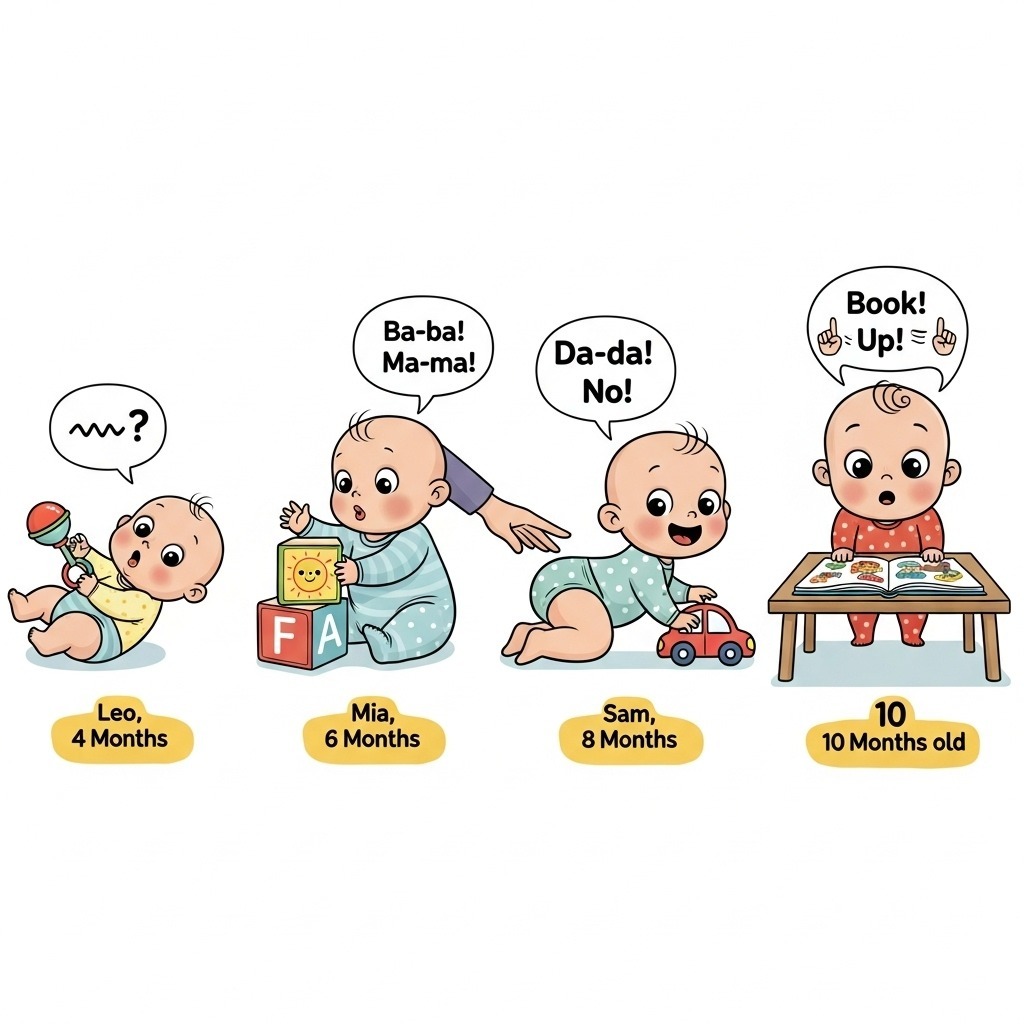
4 to 6 months: Some early bloomers start showing the first glimmers of recognition. You might notice your baby briefly glancing your way when you say their name, though it’s not consistent yet. They’re still figuring out the connection.
6 to 7 months: Many babies hit a sweet spot here where they’re actively learning to connect their name with themselves. You’ll see more consistent head-turning and maybe a smile when they hear it.
7 to 9 months: This is when most babies reliably and consistently recognize their name. When you call them, they’ll turn toward you, make eye contact, and show clear signs they know you’re talking to them specifically.
9 to 12 months: By now, your baby should consistently respond to their name with acknowledgement. If they’re not responding by 12 months, it’s worth mentioning to your paediatrician, though there could be many benign reasons.
My middle child was on the earlier end—she responded consistently by 5 months. My youngest took until almost 8 months, and he was perfectly fine. The range is wide, and that’s completely normal.
Signs Your Baby recognizes Their Name (Including the Subtle Ones)
With my first baby, I was waiting for some huge, obvious reaction. I didn’t realize the subtle signs counted too. Here’s what to look for:
Turning their head toward you: This is the most common and obvious sign. When you say your baby’s name, they turn to look at you, even if they’re in the middle of playing with something else.
Making eye contact: Your baby locks eyes with you when they hear their name. That direct gaze shows they’re engaged and know you’re addressing them.
Smiling or getting excited: Many babies light up when they hear their name. My daughter would kick her legs and squeal with delight, like hearing her name was the best news ever.
Pausing their activity: Even if your baby doesn’t turn around right away, you might notice them freeze or pause what they’re doing for a split second. That pause shows they’re processing.
Babbling or vocalizing in response: As babies get a bit older (closer to 8-9 months), they might babble back at you when you call their name, like they’re trying to answer.
The key is consistency. One response could be coincidence. If your baby reacts to their name 3 out of 5 times, that’s real recognition developing.
How to Help Your Baby Learn Their Name (What Actually Worked for Me)
Babies learn their names through repetition and context. Here are the strategies that made the biggest difference with my three kids:
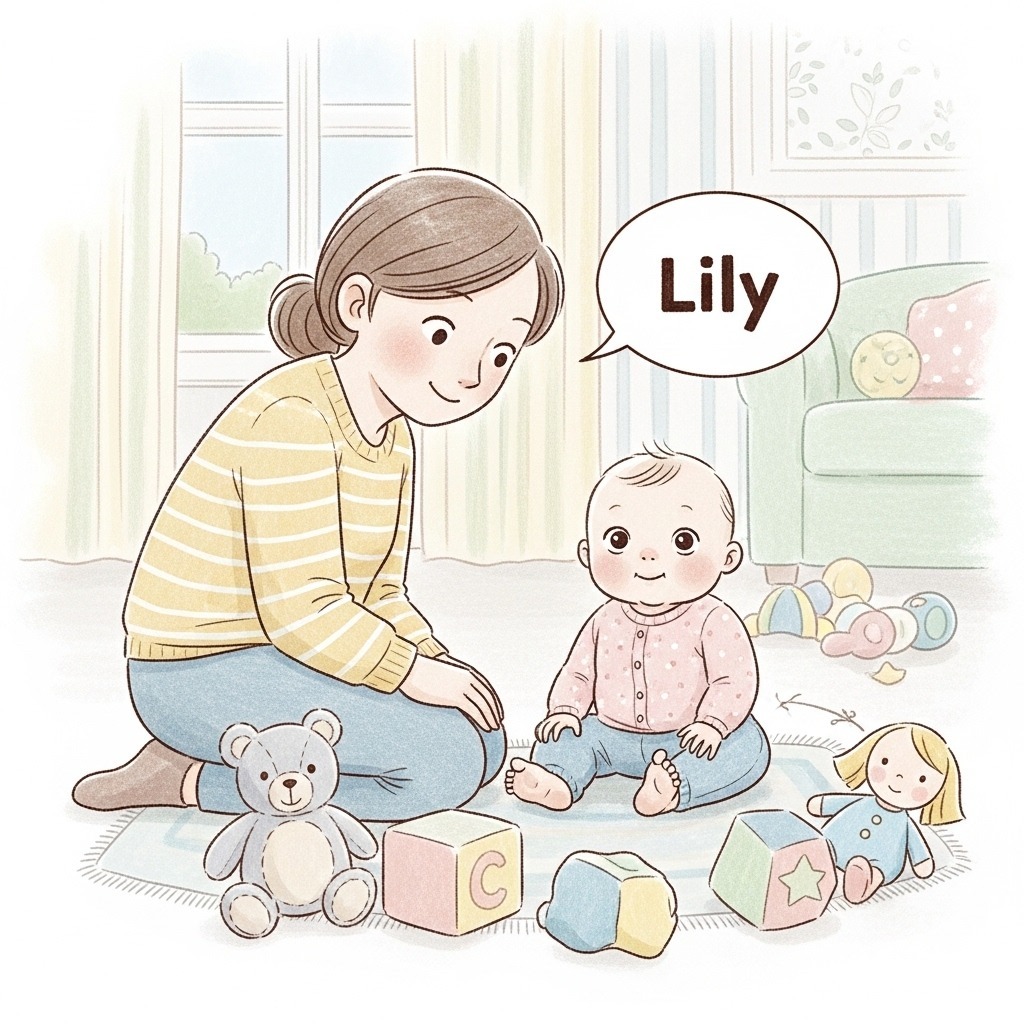
Use their name constantly. I used my babies’ names way more than I realized. “Good morning, Emma!” “Are you hungry, Emma?” “Let’s change your diaper, Emma.” The more they hear it, the faster they connect it to themselves.
Say their name to get attention. Instead of just making sounds or gestures, use their name specifically when you want them to look at you. “Emma, look!” “Emma, where’s Mommy?”
Combine their name with familiar routines. “Emma’s bathtime!” “Time for Emma to eat!” Pairing their name with enjoyable, predictable activities helps them understand it refers to them.
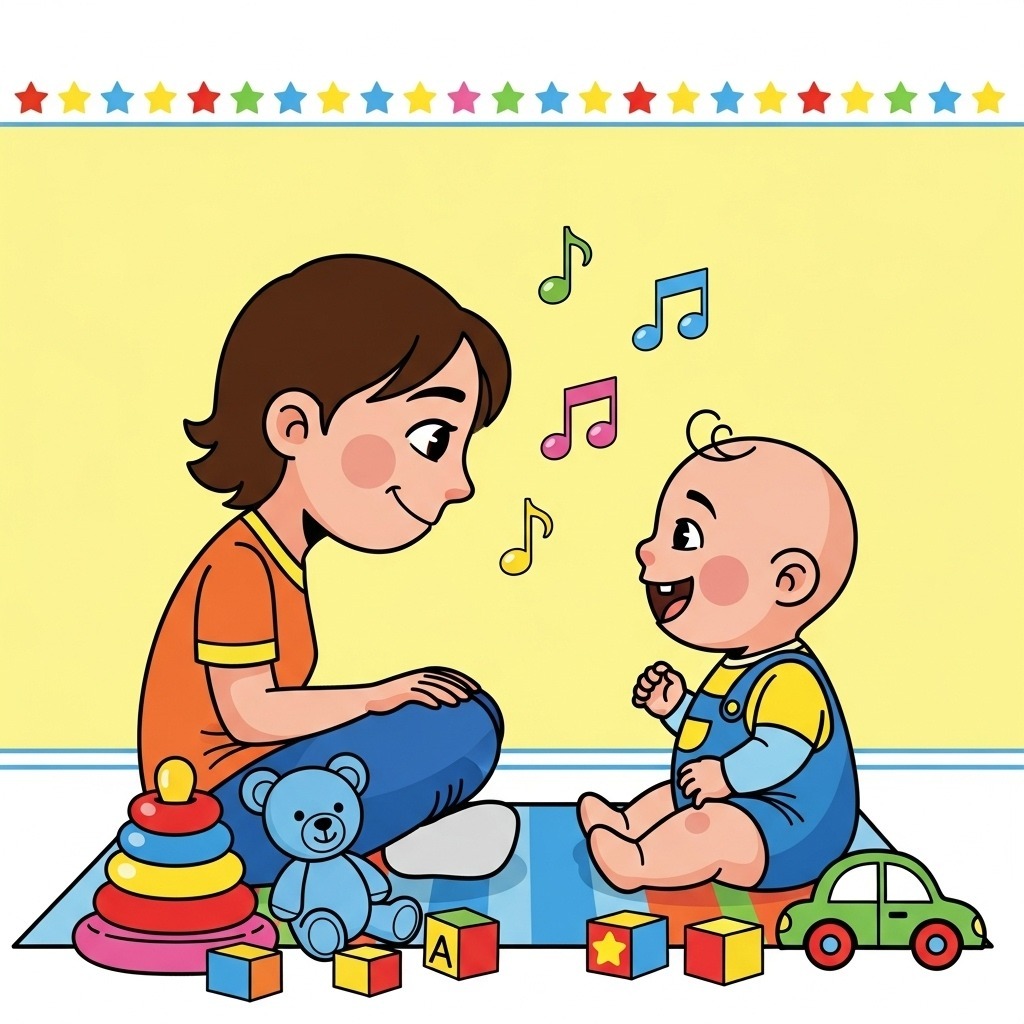
Sing songs with their name. I’d sing “Emma’s gonna have a bath” to the tune of whatever popped into my head. Making it musical made it memorable.
Make it fun and rewarding. When your baby responds to their name, make a big deal about it. Smile, clap, get excited. Positive reinforcement works wonders.
One thing I wish I’d known earlier: using nicknames is totally fine, but stick with one or two primary ones so you’re not confusing your baby with too many different sounds all meaning the same thing.
For more ways to support your baby’s development during these early months, I found these developmental milestone books incredibly helpful for understanding what to expect and when.
When Babies Say Their Name (A Different Milestone Entirely)
Here’s something that confused me with my first baby: recognizing their name and saying their name are completely different milestones on totally different timelines.
While babies recognize their names between 4-9 months, most won’t attempt to say their own name until somewhere between 18 and 24 months. That’s a huge gap!
This makes sense when you think about it. Understanding language (receptive language) develops way before producing language (expressive language). Your baby knows what you’re saying long before they can say anything back.
Some toddlers take a stab at their name around 18 months, but it might sound nothing like the actual name. My son “Max” called himself “Mah” until he was almost two.
Most children can clearly say their first name by age 3, and say their full name on request somewhere between 2.5 and 3 years old.
Pro tip: if your child has a long or complicated name (I’m looking at you, Penelope and Christopher), consider using a shorter nickname in these early years. It’s way easier for little mouths to say “Penny” or “Chris” than the full version.
What If Your Baby Isn’t Responding to Their Name?
First, take a breath. Not responding to their name by 6 or 7 months doesn’t automatically mean something’s wrong.
Consider these factors:
Age matters. If your baby is 5 months old and not responding yet, that’s completely normal. If they’re 11-12 months and never respond, that’s worth discussing with your pediatrician.
Consistency is key. Your baby should respond most of the time, not just occasionally. If they respond to their name twice a week, they might just be coincidentally looking your direction.
Check hearing. If your baby isn’t responding to their name AND isn’t responding to other sounds (loud noises, music, voices), a hearing check is a good idea.
Look at overall development. Is your baby hitting other milestones? Making eye contact? Smiling socially? Babbling? If everything else looks good and just the name recognition is delayed, it’s probably fine.
Consider the environment. Some babies are so focused on what they’re doing that they genuinely don’t hear you. Try calling their name when they’re not deeply engaged in an activity.
When to call your pediatrician:
- Your baby doesn’t respond to their name by 12 months
- Your baby doesn’t respond to sounds in general by 6-9 months
- Your baby stops responding to their name after previously responding (regression)
- You have any concerns about hearing or development
Trust your gut. If something feels off, it’s always okay to ask your doctor. That’s what they’re there for.
For more guidance on understanding your baby’s developmental timeline, these resources on when kids start talking provide helpful context about language milestones.
The Mistake I Made with My First Baby
With my first daughter, I spent so much time worrying about whether she was hitting milestones “on time” that I forgot to actually enjoy watching them unfold.
I was so focused on the calendar—checking off boxes, comparing her to other babies, googling every little delay—that I missed the magic of those in-between moments.
With my second and third babies, I relaxed. I noticed when they started responding to their names, celebrated it, and moved on. I didn’t stress about the exact date or wonder if they were “advanced” or “behind.”
That shift made parenting so much more enjoyable. Milestones matter, yes. They’re helpful guideposts. But they’re not rigid deadlines, and they’re certainly not measures of your baby’s worth or your success as a parent.
Your baby will recognize their name when they’re ready. And when they do, it will be beautiful, whether it happens at 5 months or 9 months.
Activities to Encourage Name Recognition
Want to actively support this milestone? Here are simple activities you can weave into your daily routine:
Peek-a-boo with names. Instead of just “Peek-a-boo!” say “Peek-a-boo, Emma!” Use their name as part of the game.
Mirror play. Stand in front of a mirror with your baby and point, saying “That’s Emma! There’s Emma!” Babies love mirrors, and this reinforces the name-to-self connection.
Photo book. Make a simple photo book with pictures of your baby and family members, labeling each one. “This is Emma. This is Mama. This is Daddy.” Reading it together is fantastic for language development.
Name games during routines. During diaper changes, point to their belly: “This is Emma’s belly!” Point to their toes: “These are Emma’s toes!” It’s silly but effective.
Interactive books. Reading together is one of the best things you can do for language development. I love keeping a few kids activity books & workbooks on hand that we can explore together during quiet time.
The key with all these activities is making them playful, not pressured. The moment it feels like a test or a lesson, babies check out. Keep it light and fun.
The Connection Between Name Recognition and Other Milestones
Name recognition doesn’t happen in isolation—it’s connected to a web of other developments happening simultaneously.
Around the same time babies start recognizing their names, they’re also:
- Improving their ability to localize sound (turn toward where sounds come from)
- Developing object permanence (understanding things exist even when out of sight)
- Expanding their babbling repertoire
- Strengthening their ability to intentionally communicate
- Building stronger attachments to primary caregivers
It’s all interconnected. The same brain development that allows your baby to recognize their name also supports these other crucial skills.
This is why pediatricians look at the whole picture of development, not just isolated milestones. If name recognition is slightly delayed but everything else is progressing well, there’s usually nothing to worry about.
For more insight into understanding your baby’s whole developmental journey, exploring developmental milestone books can give you a helpful framework without the anxiety.
Why Some Babies Take Longer (And That’s Okay)
Every baby develops at their own pace, and there are so many reasons why some take longer to respond to their names:
Hearing issues. Even mild ear infections or fluid can temporarily affect how well babies hear, which delays name recognition.
Temperament. Some babies are naturally more focused and tune out distractions (including you calling their name) when they’re engaged with something.
Multiple languages. Babies growing up in bilingual or multilingual homes might take slightly longer as they’re processing multiple language systems.
Nicknames and variations. If everyone calls your baby something different (Emma, Emmy, Em, Sweet Pea), it takes longer for them to recognize that these all refer to them.
Birth order. Second and third babies sometimes develop language skills differently because the environment is noisier and they’re not the sole focus of adult attention.
My third baby was the slowest to respond to his name, and I’m convinced it’s because his older siblings were always making noise and talking over me. He had to work harder to pick out his own name from all the chaos.
None of these reasons mean there’s a problem. They’re just variations in normal development.
Making the Most of This Milestone
When your baby first responds to their name, capture it somehow—a video, a journal entry, a note in your baby book. These early communication moments go by so fast, and you’ll treasure having them recorded.
More importantly, lean into the connection it creates. Use your baby’s name not just functionally but affectionately. Make it warm and loving. Your baby’s name should feel like a hug every time they hear it.
Some of my favorite memories from the baby years are simply saying my kids’ names and watching their faces light up. It’s such pure joy—they’re not old enough to be embarrassed or self-conscious. They just hear their name and feel loved and seen.
That’s what this milestone is really about: connection. Your baby is learning they’re an individual person, and that person is cherished and important enough to have their own special name.
For creative ways to engage with your baby during these early months, I’ve found these activities to do with kids adaptable even for infants with simple modifications.
Frequently Asked Questions
What’s the earliest age a baby can recognize their name?
Some babies start showing signs of name recognition as early as 4 months, though this is less common. Most babies begin recognizing their name between 5-7 months, with consistent recognition by 7-9 months. Every baby develops at their own pace, so earlier or later can both be completely normal as long as other developmental milestones are progressing appropriately.
How can I tell if my baby really recognizes their name or is just responding to my voice?
Look for specific, consistent responses when you say their name versus other words. Try this test: from across the room when your baby isn’t looking at you, say their name clearly. Do they turn toward you? Then try saying another word with similar intonation and syllable pattern. If they consistently respond more to their actual name than to random words, that’s true recognition. Also watch for signs like smiling, pausing their activity, or making eye contact specifically when they hear their name.
Should I be worried if my 10-month-old doesn’t respond to their name?
Not necessarily, but it’s worth discussing with your pediatrician. While most babies consistently respond to their name by 9-12 months, some take a bit longer. Consider whether your baby responds to other sounds, makes eye contact, and is hitting other developmental milestones. If there are multiple concerns or if your baby seems unresponsive to sounds in general, a hearing test and developmental evaluation would be appropriate next steps.
Can using too many nicknames confuse my baby?
It can potentially delay name recognition if every person uses a completely different name or nickname. Babies learn through repetition and consistency, so if Mom calls the baby “Emma,” Dad calls her “Sweet Pea,” and grandparents call her “Emmy Lou,” it takes longer to make the connection. It’s fine to use one or two consistent nicknames alongside the main name, but try to keep the variations limited in the early months while your baby is learning.
Is there a difference in name recognition for babies learning multiple languages?
Bilingual and multilingual babies might respond to their names slightly later than monolingual babies, but this is usually a very small difference and nothing to worry about. These babies are doing the impressive work of learning multiple language systems simultaneously. They’ll typically recognize their name in both languages, though they might respond more quickly to the language they hear most frequently. This temporary delay doesn’t affect long-term language development, and bilingual babies ultimately have cognitive advantages.
When did your baby first respond to their name? I’d love to hear your stories in the comments! What signs did you notice? Did anything surprise you? Let’s celebrate these sweet milestones together.