
I’ll never forget the first time my daughter stumped me with a riddle at breakfast. She was six and barely finished her Cheerios before grinning, “What has hands but can’t clap?” I thought I had all the parenting answers, but that morning she outwitted me, and we both burst out laughing.
That little moment taught me something big: riddle time isn’t just about being clever. It’s about bonding, building confidence, and sparking curiosity in ways that screens never could. Whether it’s in the car, around the dinner table, or while waiting at the doctor’s office, sharing easy riddles for kids has become our go-to to brighten up any day.
Below, you’ll find kid-tested, smile-approved riddles, plus creative ways I’ve used them to turn meltdowns into giggles, sneak learning into family routines, and bond over a good head-scratcher. Ready to fill your home with laughter and “aha!” moments? Let’s make riddle magic happen.

Why Riddles Are Secret Learning Ninjas
There’s a reason teachers tuck riddles into their lessons—riddles work wonders for the brain at any age.
- They help kids with listening, memory, and focus (try getting your child to sit still for anything else!).
- They teach problem-solving in a fun, friendly setting and encourage flexible thinking.
- Solving (or stumping you with) a riddle gives kids a real confidence boost.
The best part? They create positive screen-free moments you’ll both remember. Sometimes we write a new riddle each morning on our kitchen whiteboard, which sparks conversations and a ton of sibling teamwork.
If you love weaving learning into fun, check out these kids’ activity books & workbooks for even more brain-boosting activities.
The Mistake I Didn’t Realize I Was Making with Riddle Time
When I first started sharing riddles with my kids, I made one giant mistake: I picked riddles that were too hard.
Cue the blank stares, frustrated sighs, and “Can we just play Minecraft?” Every easy riddle for kids on this list is:
- Simple enough that kids under 10 will enjoy them.
- Short and sweet (no “Harry Potter logic” required!).
- Designed for genuine smiles, not eye rolls.
My rule? Start with the easiest riddles first. If your child solves it in two seconds, celebrate together and then level up. If they have to think it through, let them enjoy the challenge—and never rush the answer.
The Best Easy Riddles for Kids
These are my forever favorites for kids ages 5–10. (Older siblings, beware—they’ll try and outsmart you!):
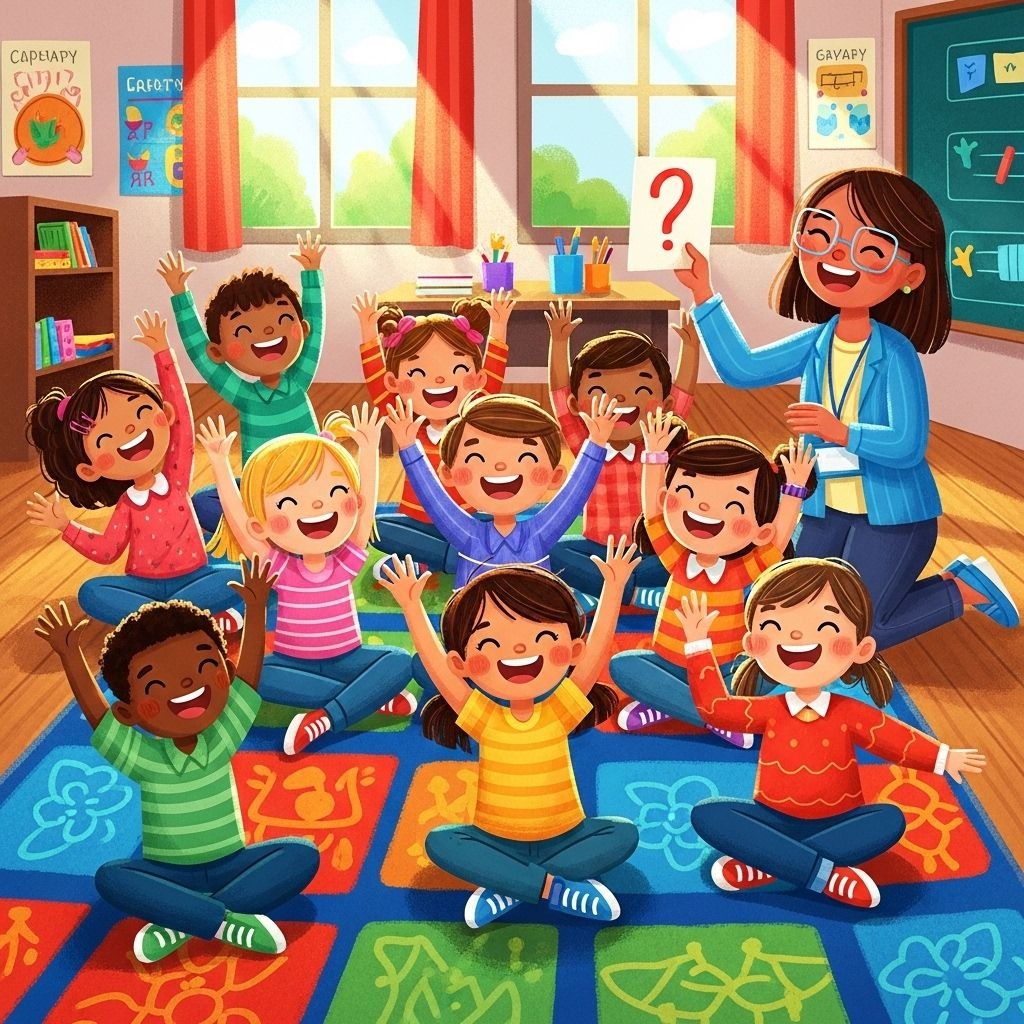
Head-Scratchers for Littles
- What has a face and two hands but no arms or legs?
A clock. - What has keys but can’t open locks?
A piano. - What belongs to you but others use it more than you do?
Your name.
- What has to be broken before you use it?
An egg. - I’m tall when I’m young and short when I’m old. What am I?
A candle. - What is full of holes but still holds water?
A sponge.
Car Ride Lifesavers
- What has one eye but can’t see?
A needle. - Where does Friday come before Thursday?
In the dictionary. - What can you catch but not throw?
A cold. - What word is spelled wrong in the dictionary?
“Wrong.”
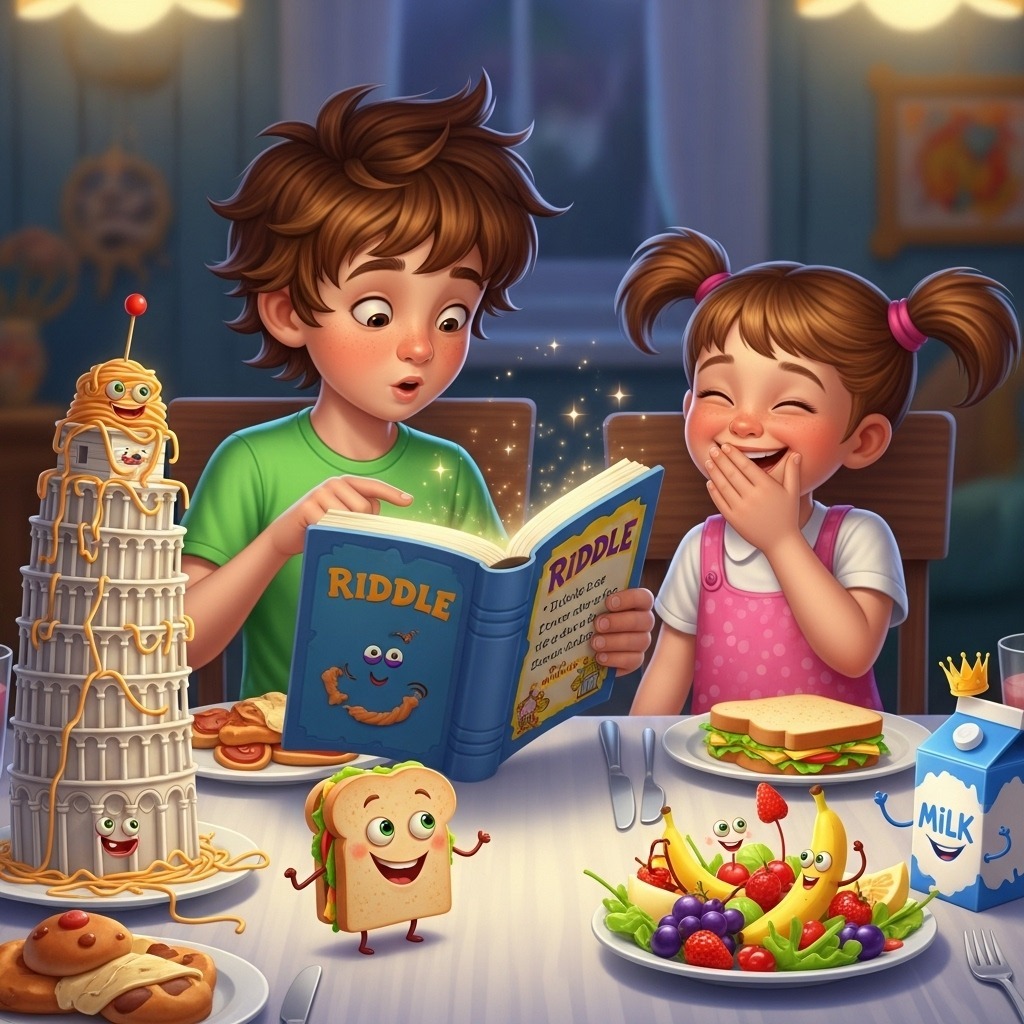
Dinner Table Riddles
- What’s as light as a feather but even the world’s strongest man can’t hold it for long?
His breath. - What kind of room has no doors or windows?
A mushroom. - I go up but never come down. What am I?
Your age.
Sneaky Math Riddles
- What has many teeth but can’t bite?
A comb. - If you drop a yellow hat in the Red Sea, what does it become?
Wet. - What number can you add to itself and get the same answer?
Zero. - What can travel around the world staying in one corner?
A stamp.
How to Make Riddles Your Family’s Secret Weapon
Here’s how riddles have saved my sanity (and how they can save yours, too):
- Road Trips: Assign a riddle master in the backseat—if they stump mom or dad, they pick the next playlist.
- After School Unwind: Post an easy riddle on the fridge; first one to solve it gets to pick dessert or tomorrow’s breakfast.
- Rainy Day Reset: Set a 10-minute riddle “power hour” when the bickering starts—laughter guaranteed.
- Bedtime Wind Down: End the day with a silly riddle and a goodnight giggle. It’s a surefire way to fight the “I’m not tired!” blues.
If you want to make riddles a game, mix them up with these fun trivia questions for kids for extra dinner table sparkle.
Try This One Trick Before You Even Yell Again
Next time the kids get wound up, distracted, or cranky, try this:
Ask an easy riddle for kids instead of raising your voice.
It sounds silly, but gently redirecting with a playful challenge can flip the mood faster than a timeout or warning ever could. My son now expects me to ask, “What runs around the whole yard without moving?” (“A fence!”) instead of nagging him to come inside—best parenting hack I’ve picked up this year.
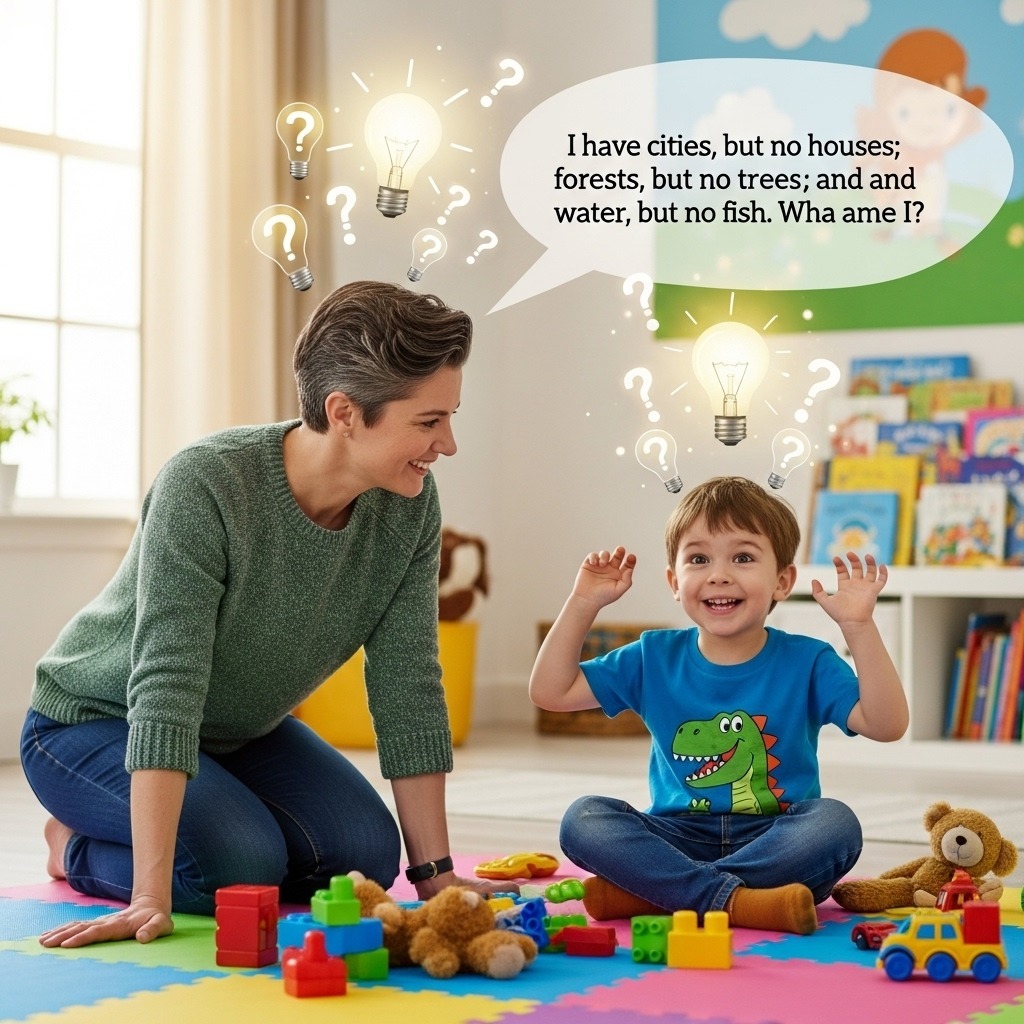
Building a Riddle Routine (and Why It Actually Works)
Over the years, riddles have become the glue that connects busy weekdays with lazy Sundays, new learning with family laughs.
- I keep handy kids’ activity books & workbooks stocked in the car and at home for brain breaks.
- Sometimes, we flip through these at bedtime as an alternative to more screen time.
- Mixing riddles with math jokes for kids provides stealth learning and helps kids see the “fun side” of school skills.
If you’re looking to nurture confidence, curiosity, and communication in your kids (and sneak in a little brain-stretching for you, too), making moments for a few easy riddles might be the best tradition you start this year.
FAQs: Riddle Edition
At what age can kids start understanding riddles?
Most kids can enjoy simple riddles by age 4–5, and complexity grows fast! Start with visual or concrete riddles and add more clever wordplay as their understanding grows.
How do I encourage a shy or frustrated child to guess riddles?
Choose easier riddles first, praise creativity, and focus on “close thinking” rather than “right answers.” Giving little hints helps confidence bloom over time.
Can riddles help with school skills?
Absolutely! They build listening skills, language comprehension, memory, logic, and quick thinking—skills that transfer straight to reading and math.
How do I keep my kids interested in riddles long-term?
Rotate themes (zoo riddles, science riddles, joke riddles), let kids invent their own, and mix in scavenger hunts or activity books so it stays new and engaging.
Where can I find more easy riddles for kids?
Check out curated collections in kids’ activity books & workbooks, mix it up with these fun trivia questions for kids, and bookmark trusted parenting sites for fresh ideas every season.
What’s the best riddle your child has ever solved (or invented)? Share your favorites in the comments—I’d love to add them to our rotation!