

The grocery store meltdown. We’ve all been there.
My three-year-old son once threw himself on the floor in the cereal aisle because I wouldn’t buy the sugar-coated rainbow loops he saw on TV. He screamed. He kicked. He went full starfish mode while other shoppers stared and whispered.
I felt my face burning with embarrassment. My first instinct? To yell, threaten, or drag him out of there. But I’d been learning about how to handle tantrums positively, and I knew that reacting with anger would only make things worse—for both of us.
So instead, I took a deep breath, knelt down beside him, and quietly said, “I see you’re really upset. You really wanted those cereals, huh?”
What happened next shocked me. Within two minutes, he calmed down enough to talk. We left without the cereal, but also without the battle I was dreading.
That moment taught me something crucial: positive tantrum management isn’t about stopping the tantrum immediately—it’s about helping your child through it while maintaining your own sanity. And yes, it actually works better than yelling or threatening.
If you’re exhausted from power struggles and desperate for a better way, you’re in the right place. Let’s talk about how to actually get through tantrums without losing your cool (most of the time).
Why Tantrums Happen (And Why They’re Actually Normal)
Before we dive into how to handle tantrums positively, let’s talk about why they happen in the first place.
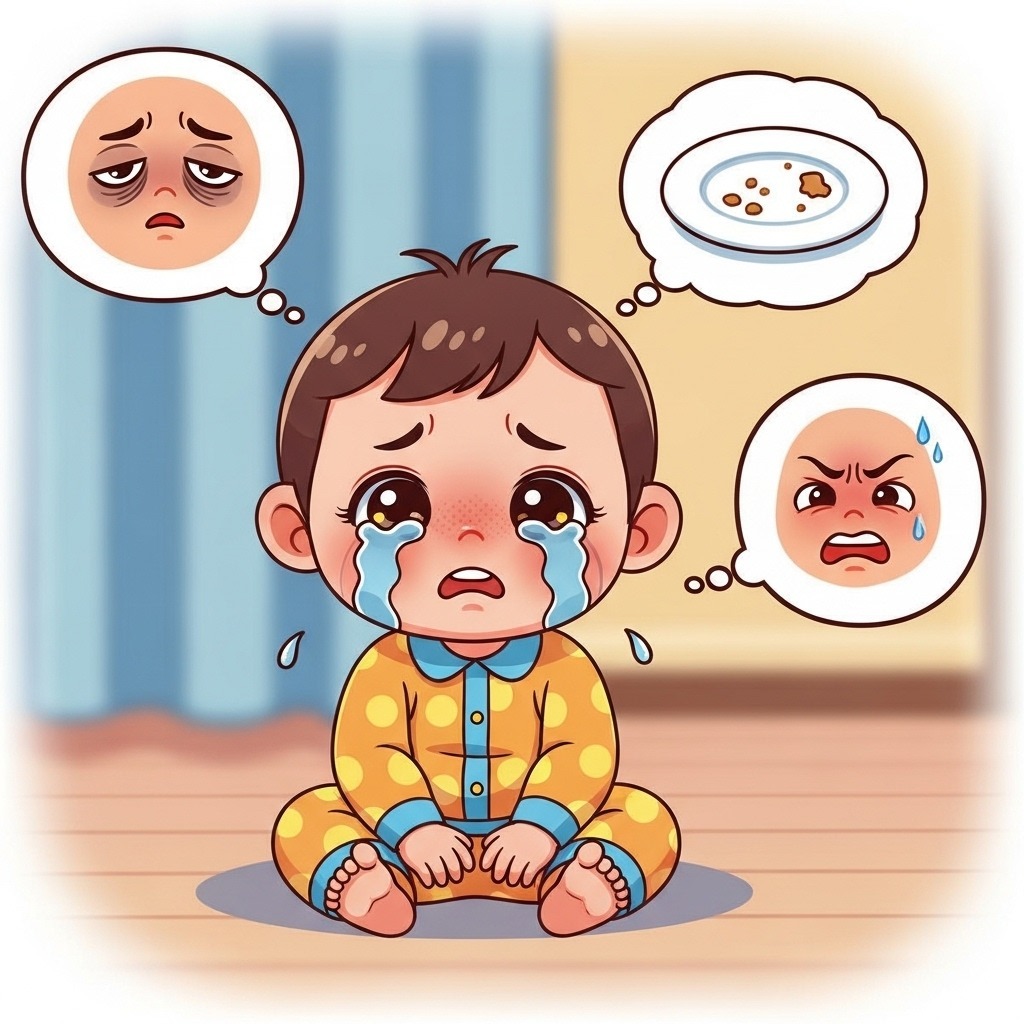
Tantrums are developmentally normal. Your toddler isn’t manipulating you or trying to ruin your day (even though it feels that way). Tantrums typically peak between ages 1-3 because toddlers have big feelings but limited language and self-regulation skills.
Think about it: Imagine feeling intensely frustrated, tired, or disappointed but not having the words to express it. That’s your toddler’s reality every single day.
Common tantrum triggers:
- Hunger or tiredness (the deadly combo)
- Wanting independence but lacking skills
- Frustration with communication
- Overstimulation or boredom
- Transitions between activities
- Being told “no”
My daughter’s tantrums always escalated around 5 PM—the witching hour when she was tired, hungry, and I was trying to make dinner. Understanding that pattern helped me plan ahead with snacks and quiet activities during that time. Sometimes, having kids’ activity books and workbooks ready for that vulnerable time makes all the difference.
The Strategy That Changed Everything for Me
Learning how to handle tantrums positively completely transformed our house. Here’s the approach that actually works:
1. Stay Calm (Even When You Want to Scream)
This is the hardest part, but it’s also the most important. Your child is looking to you to co-regulate their emotions. When you stay calm, you’re showing them what emotional regulation looks like.
My trick: I count to 10 slowly in my head while taking deep breaths. Sometimes I literally narrate my own calming process out loud: “Mommy is feeling frustrated right now, so I’m taking some deep breaths to calm down.”
Your child will eventually mirror this behavior. It doesn’t happen overnight, but consistency pays off.
2. Get Down on Their Level
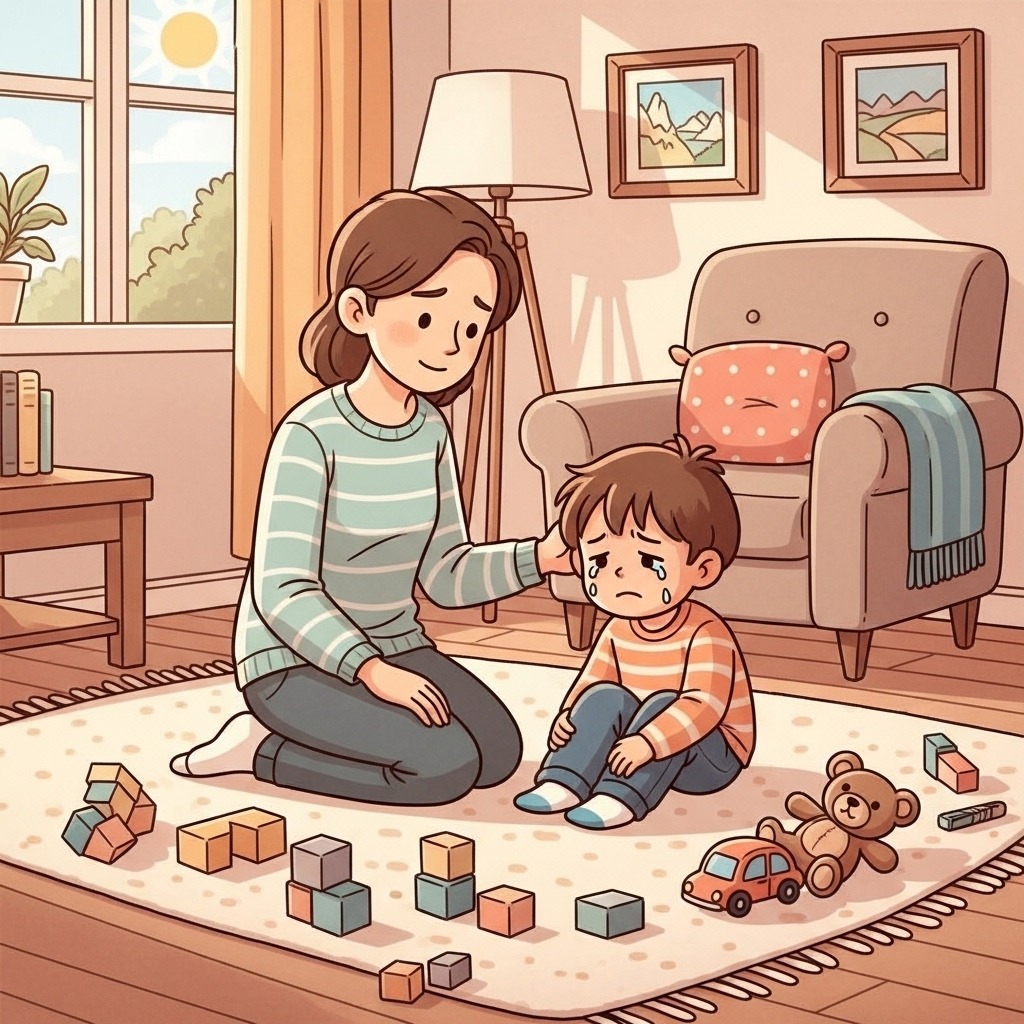
Physically lower yourself to your child’s eye level. This simple act shows respect and makes connections easier.
Don’t tower over them or try to reason from across the room. Kneel or sit nearby (not necessarily touching if they don’t want that) and be present.
3. Acknowledge Their Feelings Without Judgment
This is where the magic happens. Instead of dismissing their emotions (“You’re fine, stop crying”), validate what they’re experiencing.
Try phrases like:
- “I see you’re really upset right now.”
- “It’s hard when we can’t have what we want.”
- “You’re so angry that we have to leave the park.”
- “It sounds like you’re feeling frustrated.”
You’re not agreeing with their behavior or giving in to their demands. You’re simply acknowledging that their feelings are real and valid.
This validation alone often reduces the intensity of tantrums. When kids feel heard, they start to calm down naturally.
4. Hold Boundaries While Showing Empathy
Here’s the important part that many parents struggle with: you can validate feelings while still maintaining rules.
“I know you want to stay at the playground longer. It’s so fun here! And we do need to go home for dinner now. You can choose—do you want to go down the slide one more time or swing once before we leave?”
Notice how this acknowledges feelings, states the boundary clearly, and offers a choice within that boundary.
This is a key principle of positive parenting for moms that really reduces power struggles.
5. Give Limited Choices
Toddlers crave control. Offering simple choices empowers them while keeping you in charge of the bigger picture.
“Do you want to wear the red shirt or the blue shirt?”
“Should we clean up the blocks first or the crayons?”
“Would you like to walk to the car or should I carry you?”
Even tiny choices like this can prevent or de-escalate tantrums because kids feel like they have some say.
6. Keep Communication Simple During the Meltdown
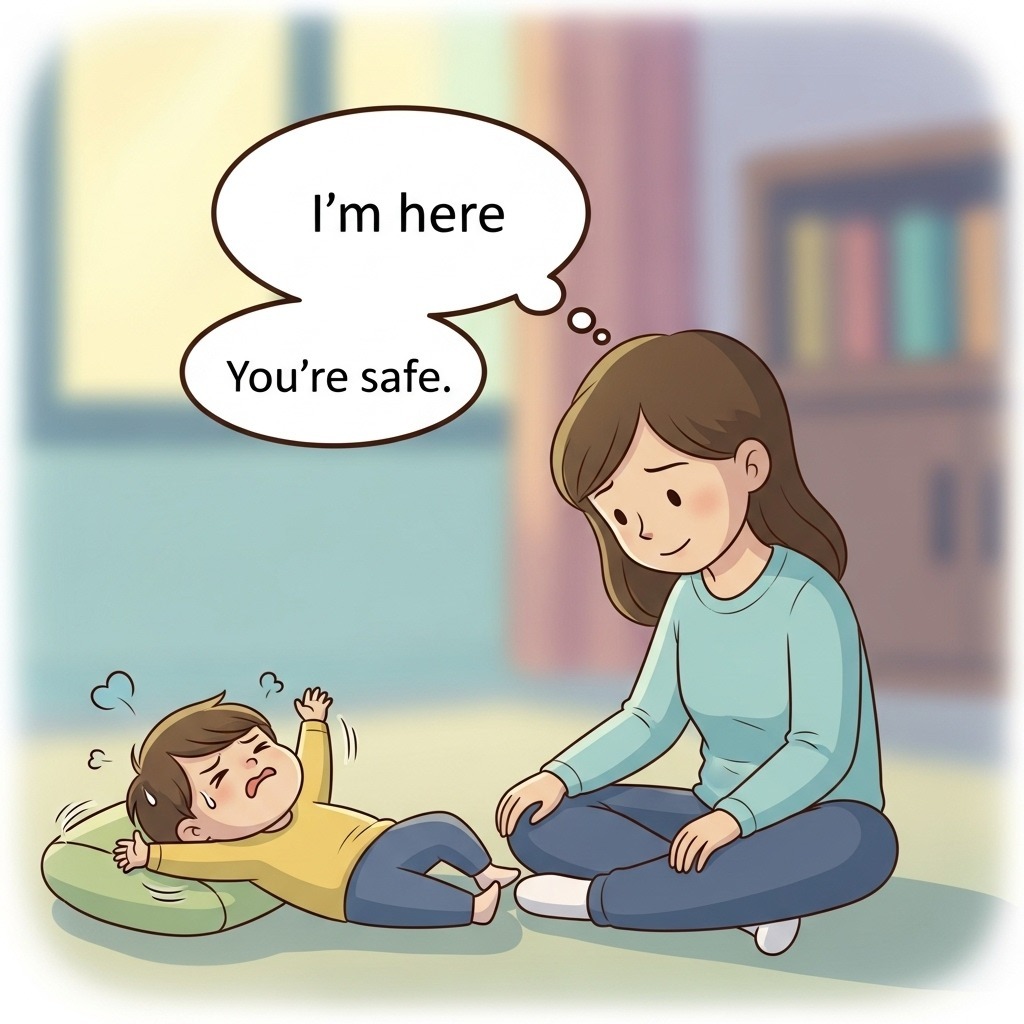
When your child is in full tantrum mode, their thinking brain has temporarily shut off. This isn’t the time for long explanations or lectures.
Use short, calm phrases:
- “I’m here.”
- “You’re safe.”
- “Take a breath.”
- “I’ll wait.”
Save the teaching moment for after they’ve calmed down completely.
What to Do When Tantrums Get Physical
Sometimes tantrums involve hitting, kicking, throwing, or other dangerous behaviors. Learning how to handle tantrums positively includes managing these situations safely.
Immediate response:
- Calmly block hits or catch thrown objects
- Move your child to a safe space away from harm.
- Use gentle physical contact if needed to prevent injury (holding arms gently, moving them away from walls or furniture)
- State the rule clearly: “I won’t let you hit. Hitting hurts.”
After they calm down:
- Talk about acceptable ways to express anger
- Practice alternative behaviors (stomping feet, squeezing a pillow, using words)
- Keep kids’ craft supplies like stress balls or playdough available for aggressive energy.
My son went through a hitting phase, and we designated a “hit pillow” that he could punch when angry. Redirecting that energy toward something safe was way more effective than just saying “don’t hit.”
Prevention Strategies That Actually Work
The best way to handle tantrums positively is to prevent them when possible. Here’s what’s worked for us:
Establish Predictable Routines
Kids thrive on predictability. When they know what’s coming next, they feel more secure and in control.
Create simple routines for morning, meals, bedtime, and transitions. Visual schedules with pictures help younger kids anticipate what’s next.
Give Advance Warnings for Transitions
“We’re leaving in 5 minutes” is way better than suddenly announcing “Time to go!”
I set timers on my phone and show my kids when we’re nearing a transition. “When the timer beeps, we’ll clean up and go home.”
Meet Basic Needs Proactively
Keep snacks accessible, don’t skip naps, and recognize your child’s stress signals before they escalate.
Having reusable snack containers for kids stocked and ready in the car and diaper bag has saved me countless hangry meltdowns.
Build Connection Throughout the Day
When kids feel genuinely connected to you, they’re less likely to “act out” for attention.
Spend 10-15 minutes of focused, phone-free time with each child daily. Play their favorite game, read books, or just talk. This “fills their cup” and reduces attention-seeking behaviors.
For ideas on connecting through play, check out fun activities for kids that build both skills and relationships.
Catch Them Being Good
We often focus so much on correcting behavior that we forget to notice the good stuff.
Make it a habit to praise specific positive behaviors: “Thank you for asking nicely for more juice,” or “I noticed you shared your toys with your sister—that was kind.”
Positive reinforcement actually works better than punishment for shaping long-term behavior.
What to Do After a Tantrum
Once your child has calmed down, that’s when the real learning happens.
Reconnect first: Offer a hug, snuggle, or just sit together quietly. Kids often feel embarrassed or ashamed after big tantrums and need reassurance that you still love them.
Talk about what happened (briefly): “You were really angry when I said no to candy. What could you do differently next time you feel that way?”
Keep it short and age-appropriate. The goal is building emotional vocabulary and coping skills, not making them feel worse.
Move on: Don’t hold grudges or keep bringing it up. Forgive and start fresh.
For more on building emotional intelligence, the approaches in positive discipline techniques for toddlers work beautifully alongside these tantrum strategies.

When to Seek Professional Help
Most tantrums are normal developmental behavior. However, consult your pediatrician if:
- Tantrums are getting worse after age 4
- Your child hurts themselves or others regularly during tantrums.
- Tantrums last longer than 15-25 minutes consistently.
- You notice regression in other developmental areas.
- You’re feeling overwhelmed or at your breaking point.
There’s no shame in asking for help. Sometimes talking to professionals or reading evidence-based parenting books provides strategies you haven’t tried yet.
The Tools That Have Saved My Sanity
Beyond strategies, having the right resources makes managing tantrums easier:
Books that helped me understand the “why”: Getting research-backed parenting books gave me confidence that I was on the right track and not just making things up.
Calm-down tools: We keep a “calm corner” with soft pillows, stress balls, and breathing exercise cards. When anyone in the family (including me!) needs a reset, we go there.
Distraction items: Sometimes redirecting to an engaging activity ends a brewing tantrum. Having board games for kids or special toys reserved for difficult moments gives you an escape hatch.
Physical outlets: Active play prevents tantrum buildup. We invested in simple backyard equipment, and the difference in behavior on days when kids burn energy outside versus being cooped up is dramatic.
Real Talk: It Won’t Always Go Perfectly
Let me be honest: even with all these strategies for how to handle tantrums positively, you will still have bad days.
You’ll still lose your temper sometimes. You’ll still feel like the worst parent ever when your kid melts down in public. You’ll still want to hide in the bathroom with chocolate and pretend you don’t hear anything.
That’s normal. That’s human. That’s parenting.
The goal isn’t perfection—it’s progress. Each time you choose connection over punishment, validation over dismissal, and calm over chaos, you’re teaching your child invaluable life skills.
And slowly, over weeks and months, you’ll notice the tantrums getting shorter, less intense, and less frequent. Your child will start using words more and screaming less. They’ll begin to self-regulate earlier in their frustration.
It works. It just takes time, consistency, and a whole lot of deep breaths.
FAQ: How to Handle Tantrums Positively
1. How long do tantrums typically last?
Most tantrums last 2-15 minutes if handled calmly. If you engage, argue, or give in inconsistently, they can last much longer. The key is staying calm and not accidentally reinforcing the tantrum behavior by giving attention or changing your boundaries mid-meltdown. With consistent positive handling, you’ll notice tantrums getting shorter over time as your child develops better emotional regulation skills.
2. Should I ignore tantrums or give attention during them?
It depends on the situation. If the tantrum is purely attention-seeking and your child is safe, planned ignoring (staying nearby but not engaging) can work. However, if your child is genuinely overwhelmed emotionally, they need your calm presence and co-regulation. Most experts now recommend the middle path: be present and supportive without giving in to unreasonable demands or making a big fuss. Stay calm, stay close, validate feelings, and hold boundaries.
3. What if my child has tantrums in public places?
Public tantrums are mortifying, but remember: every parent has been there, and anyone judging you probably doesn’t have kids. Handle it the same way you would at home—stay calm, get on their level, validate feelings, and hold boundaries. If possible, move to a quieter location (car, outside, bathroom) to reduce stimulation and embarrassment. Resist the urge to give in just to stop the tantrum faster, as this teaches that public tantrums work. For ongoing support, explore how to discipline without yelling strategies.
4. At what age should tantrums stop?
Tantrums typically peak between ages 1-3 and gradually decrease by age 4-5 as language and emotional regulation improve. However, occasional meltdowns can happen at any age when kids are overwhelmed. If your child over 5 is having frequent, intense tantrums, or if tantrums are increasing rather than decreasing, consult your pediatrician to rule out underlying issues like sensory processing difficulties, anxiety, or developmental delays.
5. Can positive tantrum handling actually work for strong-willed kids?
Absolutely—in fact, it often works better for strong-willed children than traditional punishment-based approaches. Strong-willed kids resist control, so power struggles and escalate tantrums. Positive strategies that validate feelings while offering choices give these kids the autonomy they crave within safe boundaries. The key is being super consistent and not backing down from reasonable limits, even when it’s hard. Strong-willed kids test more, but when they learn you’re both firm and respectful, they often respond beautifully.
Learning how to handle tantrums positively has been one of the most transformative parenting shifts in our house. It’s not always easy, and it definitely doesn’t happen overnight, but when I compare where we were a year ago to where we are now, the difference is remarkable.
My kids are learning to name their emotions, ask for help when frustrated, and recover from disappointment faster. And I’m yelling way less, feeling less guilty, and actually enjoying parenting more.
If you’re in the thick of the tantrum years right now, hang in there. You’re not alone, you’re not failing, and it does get better. Keep showing up with patience and connection, even on the hard days.
You’ve got this, mama.