
I remember the first time I tried a time-out with my toddler like it was yesterday. I sent her to the corner, expecting instant compliance and maybe even a little remorse. Instead, she screamed louder, kicked the floor, and refused to look at me. I felt totally defeated, questioning everything I thought I knew about parenting.
The guilt hit me hard later that night. Was I doing it wrong? Was time-out even the right approach? My daughter’s tear-streaked face kept flashing through my mind, and I couldn’t shake the feeling that there had to be a better way.
If you’re like me, you’ve probably wondered: Is time-out really the best way to teach kids discipline? What if it makes them feel isolated or shameful? What if there are gentler but just as effective ways to guide their behavior without the power struggles and tears?
After a decade of parenting three kids, countless hours of research, and more than a few parenting books (I highly recommend checking out these parenting books that completely changed my approach), I promise you—there are better ways. Time-out alternatives can nurture connection, teach emotional regulation, and build respect instead of fear.
Here’s my favorite toolkit of 10 proven, compassionate strategies to help your child learn and grow without the drama of traditional time-outs. These worked wonders for my family, transforming our home from a battlefield into a place of understanding. I know they can do the same for yours.

Why I Finally Ditched Time-Outs (And Why You Might Want To, Too)
Time-outs have been the cornerstone of parenting discipline for decades. Our parents used them. Parenting experts recommended them. They seemed like the obvious solution to misbehavior. But here’s what I discovered after years of relying on them:
Time-outs can feel isolating and shame-inducing rather than instructive. When we send kids away during their most difficult moments, we’re essentially saying, “Your feelings are too much for me to handle right now.” That’s not the message I wanted to send my children.
They don’t equip kids with tools to understand or manage their emotions. Think about it—what exactly is a child learning while sitting alone in a corner? They’re not developing coping strategies or emotional intelligence. They’re just… waiting it out.
Time-outs often escalate power struggles instead of resolving them. I can’t count how many times a simple redirection turned into a full-blown battle because my child refused to go to time-out. The original misbehavior became secondary to the fight over the consequence itself.
Their effectiveness drops dramatically when used excessively or without empathy. By my second child, time-outs had become my default response to everything. They lost all meaning, and my kids started tuning them out completely.
I used to rely heavily on time-outs until I noticed my kids reacting with fear, confusion, or even resentment. My middle child once said, “You don’t even like me when I’m upset.” That broke my heart. That’s when I started exploring alternatives rooted in respect, connection, and actually teaching kids the skills they need.
1. The Calm-Down Corner (A Safe Haven, Not a Punishment)
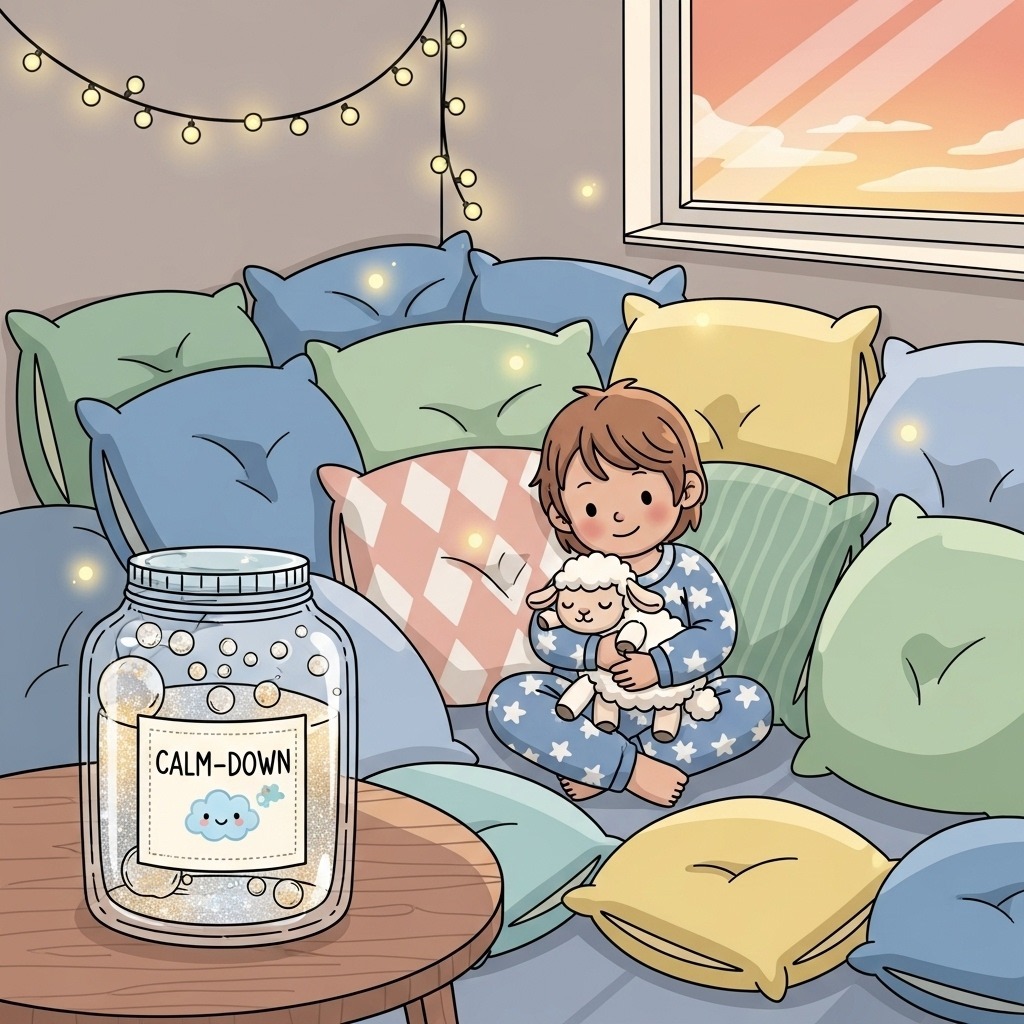
A calm-down corner completely changed our family dynamic. But here’s the key: it’s not a punishment space. It’s a cozy, inviting, safe zone designed specifically for kids to reset emotionally.
Here’s how I created ours: I designated a corner of our living room with soft floor cushions, a small bean bag, and a basket filled with sensory toys—stress balls, a glitter calm-down jar, and some favorite picture books. We also added a feelings chart with simple faces showing different emotions.
I taught my kids that this space is for taking big breaths and gathering strength when feelings feel too big to handle. The difference between this and a time-out? They can choose to go there. They’re not being sent away as punishment—they’re being given a tool for self-regulation.
My kids lovingly call it “our cozy thinking spot.” My youngest actually asked me to help him build one in his room because he loved it so much. That tells me everything I need to know about whether it’s working.
Training kids to seek this space takes time and gentle guidance. At first, I’d go with them. We’d sit together, use the calm-down jar, and practice deep breathing. Gradually, they started going on their own. Now, my 7-year-old will excuse herself mid-argument with her brother, saying, “I need to go to the calm corner for a minute.”
That’s self-regulation in action, and it builds lifelong emotion management skills that time-outs simply can’t teach.
2. Deep Breathing Together (The Tool That Works Every Time)
Deep breathing might sound too simple to be effective, but I’m telling you—it’s an absolute lifesaver in moments of overwhelm or tantrums.
Here’s my go-to technique: I kneel alongside my child, get on their level, and say gently, “Let’s take three big belly breaths together.” We breathe in slowly through our noses for a count of four, hold for three counts, then exhale gently through pursed lips for a count of five.
The science behind this is fascinating. Breathing like this activates the parasympathetic nervous system, which literally slows heart rate, reduces cortisol levels, and calms the nervous system. It also refocuses attention away from whatever was causing the upset.
The key is practicing together regularly—even when everyone is calm. We do breathing exercises before bed, in the car on the way to school, and sometimes just randomly during the day. This way, when my kids are upset, the technique is already familiar and automatic.
I’ve also taught my kids different breathing styles: bunny breathing (quick sniffs like a bunny), dragon breathing (slow inhale, forceful exhale like blowing fire), and balloon breathing (inhaling while “inflating” your belly). Making it playful helps younger kids engage with the practice.
My 5-year-old now reminds ME to breathe when I’m stressed. Talk about role reversal!
3. Emotion Naming (Because You Can’t Fix What You Can’t Name)
This one took me longer to master than I’d like to admit. Teaching kids to identify and name their feelings is absolutely crucial for their emotional development, but it requires patience and intentionality from us as parents.
When I see my child struggling, I crouch down to their eye level and say something like, “You seem really upset right now. Your face looks angry, and your fists are clenched. Can you tell me what’s going on inside?”
Naming emotions helps children feel understood and validates their experience. It also teaches emotional intelligence—the ability to recognize, understand, and manage emotions in themselves and others.
I started keeping a feelings chart on our fridge with faces showing different emotions: happy, sad, angry, frustrated, excited, scared, surprised. When my kids were younger, they could point to how they felt. As they got older, we expanded to more complex emotions: disappointment, overwhelmed, jealous, and proud.
This also opens pathways to problem-solving. Once a child can name their emotion, we can work together on what to do about it. “You’re feeling frustrated because your tower keeps falling down. What could we try differently?”
The more we practice this, the better my kids get at self-awareness. My 8-year-old recently said, “Mom, I’m feeling really anxious about my spelling test tomorrow.” That level of emotional literacy doesn’t happen without consistent practice and modeling.
4. Offering Choices (The Secret to Ending Power Struggles)
Power struggles are exhausting. I used to get into battles with my kids over the smallest things—putting on shoes, cleaning up toys, getting in the car seat. Everything felt like a fight.
Then I learned about the power of offering choices, and it completely transformed our dynamic.
Instead of issuing commands (“Put your shoes on NOW”), I started offering limited choices: “Do you want to put your shoes on first or your jacket?” or “Would you like to clean up the blocks or the art supplies first?”
These small moments of control make a huge difference. Kids feel empowered when they have some say in what happens to them. The outcome is the same (shoes get put on, toys get cleaned), but the path there involves cooperation instead of resistance.
The key is offering real choices that you’re okay with either way. Don’t ask “Do you want to clean your room?” unless you’re actually okay with them saying no. Ask, “Do you want to clean your room before dinner or after dinner?”
I also use choices to prevent misbehavior before it starts. “We’re leaving the park in 5 minutes. Do you want to go down the slide three more times or swing three more times?” This gives kids a sense of control over transitions, which are often triggering moments.
For more ideas on keeping kids positively engaged and cooperative, these activities for kids have been absolute lifesavers during challenging moments.

5. Positive Reinforcement & Redirection (Focus on the Good Stuff)
I used to spend so much energy telling my kids what NOT to do. “Don’t run!” “Don’t yell!” “Don’t touch that!” I was the queen of “no.”
Then I realized I was training my kids to focus on negative behaviors instead of positive ones. So I flipped my approach entirely.
Now, I emphasize what I WANT them to do instead of what I don’t want. Instead of “Don’t run in the house,” I say “Let’s use our walking feet inside.” Instead of “Don’t yell,” I say, “Can you use your inside voice, please?”
And here’s the magic: I praise every small successful effort. “I love how you’re using gentle hands with the baby.” “Great job remembering to walk!” “Thank you for using your quiet voice—that helps my ears feel better.”
Positive reinforcement works because it teaches kids what behaviors earn attention and praise. Kids repeat behaviors that get them positive attention.
Redirection is another game-changer. When my toddler is heading toward something dangerous or off-limits, instead of just saying “no,” I redirect: “I see you want to touch the lamp. Let’s go play with your light-up toy instead!” This gives them an acceptable alternative instead of just shutting them down.
I also keep a stash of kids’ craft supplies on hand for strategic redirection. When things start going sideways, pulling out playdough or coloring books can completely shift the energy.
6. Time-Ins Instead of Time-Outs (Stay Close When They Need You Most)
Time-ins were probably the hardest shift for me to make, but they’ve been the most transformative.
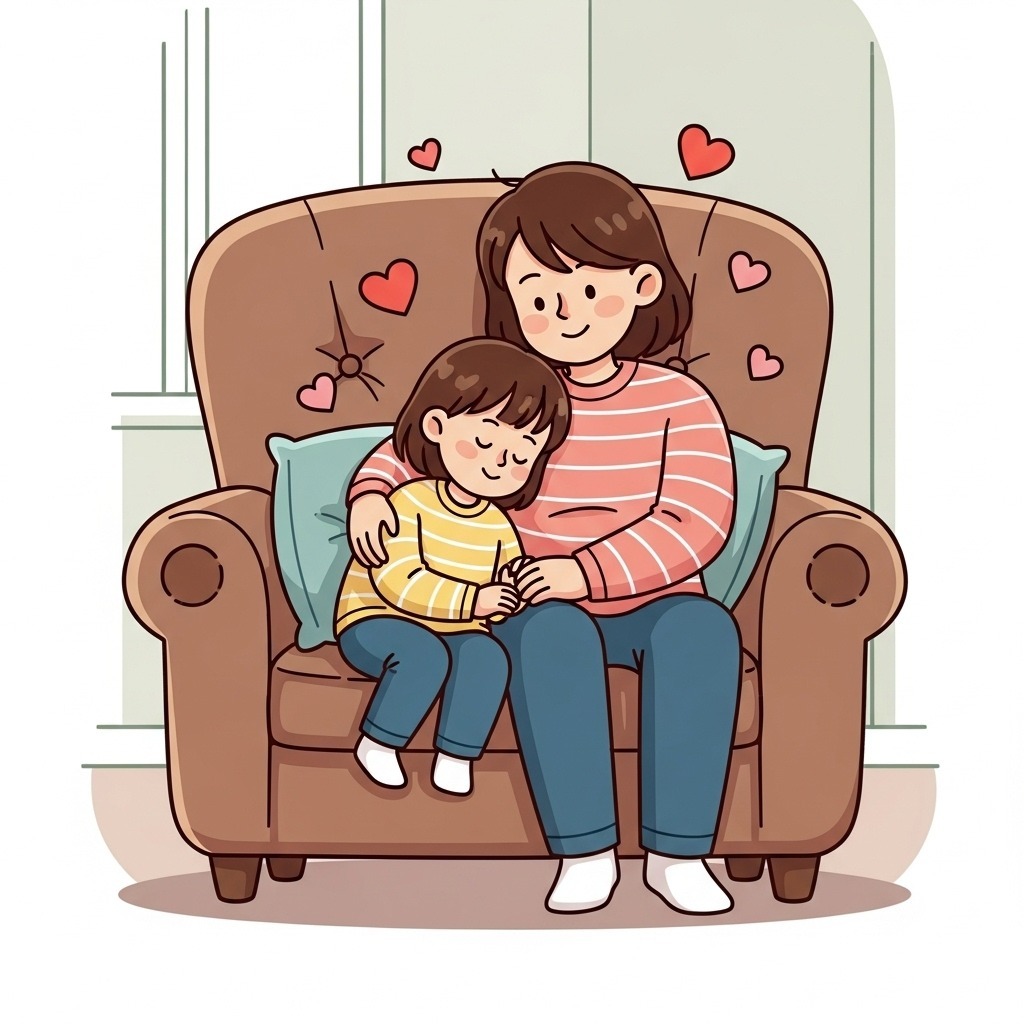
The concept is simple but counterintuitive: when your child is upset, instead of sending them away, invite them to sit with you for calm reassurance and connection.
When my child melts down, I sit on the floor, open my arms, and say, “Come sit with me. Let’s calm down together.” Sometimes they come immediately. Sometimes it takes a few minutes. But the message is clear: I’m here for you, even when you’re struggling.
This strengthens their sense of safety and models healthy emotional sharing. It says, “Your feelings don’t scare me. I can handle you at your worst, and I still love you.”
Time-ins teach kids that all feelings are okay, but how we express them matters. We talk about how it’s okay to feel angry, but it’s not okay to hit. It’s okay to feel sad, but we need to use words instead of screaming.
My kids now sometimes ask for time-ins on their own. My middle child will climb into my lap and say, “Mom, I need a time-in.” That speaks volumes about how effective and loving this alternative can be.
During time-ins, I don’t lecture or scold. I hold space. I might rub their back, offer water, or just sit quietly. Once they’re calm, we can talk about what happened and problem-solve together.
7. Problem-Solving Together (Teaching Skills, Not Just Compliance)
This approach requires patience, but it teaches kids critical thinking and accountability in ways that punishment never could.
Instead of immediately disciplining when misbehavior happens, I wait until everyone is calm, then we discuss what happened together.
I ask open-ended questions: “What happened?” “How were you feeling when that happened?” “How do you think your brother felt?” “What could we do differently next time?”
This teaches empathy because kids have to consider how their actions affect others. It teaches accountability because they’re part of the solution, not just being told what they did wrong. And it teaches conflict resolution skills they’ll use their entire lives.
Sometimes we even write down solutions together. My 7-year-old struggled with hitting when frustrated. After a time-in and calm discussion, we brainstormed alternatives: squeeze a stress ball, ask for help, take deep breaths, or walk away. We wrote them on a poster in her room.
Now, when she gets frustrated, she has a menu of options instead of just hitting. That’s skill-building, and it’s way more valuable than a time-out.
For more techniques on guiding behavior without punishment, check out these positive discipline techniques for toddlers that work for older kids too.
8. Movement Breaks (Because Sometimes Bodies Just Need to Move)
I can’t tell you how many “behavior problems” have been solved by simply letting my kids move their bodies.
Kids, especially young ones, have tons of energy and sensory needs. When they’ve been cooped up or sitting too long, that energy has to go somewhere. Often, it comes out as misbehavior.
Now, when I notice my kids getting antsy, irritable, or starting to act out, I call for a movement break. We do quick dance parties to silly songs, practice yoga poses, do jumping jacks, or race each other around the backyard.
Our family has a “move it” playlist that includes songs like “The Freeze Dance,” “Can’t Stop the Feeling,” and “Happy.” When behavior starts deteriorating, I hit play and we all get wiggly. It resets everyone’s mood in minutes.
For rainy days or when we can’t go outside, I keep active toys on rotation: a mini trampoline, an inflatable dome rocker bouncer that’s perfect for indoor energy release, or even just pillows for jumping.
Movement also helps kids process emotions. Research shows that physical activity reduces stress hormones and increases endorphins. When my son is upset, sometimes he just needs to run it out.
9. Sensory Tools and Fidgets (The Calm-Down Toolkit)
Many behaviors that look like defiance are actually kids responding to sensory overload or seeking sensory input they need.
I started keeping a “calm-down toolkit” accessible to my kids: stress balls, fidget spinners, kinetic sand, playdough, a weighted lap pad, and textured sensory toys.
When my daughter gets overwhelmed, she gravitates toward the kinetic sand. The repetitive motion of squishing and molding it helps her regulate. My son prefers a chewy necklace or a stress ball he can squeeze.
Teaching kids to self-regulate with these tools reduces tantrums and frustration. It gives them agency—they can recognize when they’re getting dysregulated and choose a tool that helps.
I also have a few surprise items I rotate in: bubble wrap to pop, a small water bead sensory bottle, or a soft brush. Novelty keeps kids engaged with the toolkit.
The key is making these tools available without judgment. When my child grabs a fidget toy, I don’t ask why or make a big deal. It’s just a normal part of our environment, like having tissues available for runny noses.
10. Consistent, Clear Expectations (The Foundation of Everything)
All these alternatives work best when built on a foundation of consistent, clear expectations.
Kids genuinely thrive when they know the rules and what’s expected of them. Uncertainty and inconsistency create anxiety and testing.
We have simple, clear household rules posted on the fridge: Use kind words. Keep your hands to yourself. Clean up after yourself. Ask before taking things that aren’t yours. Follow directions the first time.
When expectations are consistent and explained kindly, kids make better choices because they know what’s expected and why it matters.
I also preview expectations before challenging situations. Before grocery shopping: “We’re going to the store. I expect you to stay with the cart, use inside voices, and help me find items on our list. Can you do that?” Getting buy-in ahead of time reduces issues.
When rules are broken, I refer back to our expectations calmly. “Remember, our rule is kind words. What you said wasn’t kind. How can you say that differently?”
Consistency is hard, especially when you’re tired or stressed. But it’s the backbone that makes all these other strategies effective.
Why These Alternatives Actually Work (And Keep Working)
After implementing these strategies consistently for over two years, here’s what I’ve noticed:
They promote connection over isolation. My kids feel safe coming to me with their big emotions instead of hiding or suppressing them.
They teach emotional intelligence and self-regulation. My kids are learning to recognize their feelings, calm themselves down, and make better choices—skills that will serve them forever.
They reduce power struggles dramatically. Cooperation has replaced resistance in our home because my kids feel respected and heard.
They build cooperation through respect and choice. When kids feel they have some control and their feelings matter, they’re naturally more cooperative.
Each family is unique, so the secret is trying different tools, watching what resonates with your specific kids, and being patient with the process. It won’t be perfect, and there will be hard days. But over time, the results aren’t just better behavior—they’re a stronger, more connected relationship.
Frequently Asked Questions
What’s the best age to start using these time-out alternatives?
You can start as early as toddlerhood! Toddlers respond well to calm-down corners, simple breathing exercises, and redirection. As kids get older (preschool and beyond), you can incorporate more sophisticated strategies like problem-solving, emotion naming, and offering choices. The key is adapting each strategy to your child’s developmental level and building on them as they grow.
How can I stay consistent with these alternatives when my child really pushes my limits?
Consistency is tough, I won’t lie. I recommend choosing 3-4 favorite strategies that feel most natural to you and mastering those first. When you’re calm, explain these strategies to your kids so they know what to expect. During challenging moments, take your own deep breath, remind yourself why you’re doing this differently, and gently but firmly apply your chosen strategy. Over time, it becomes more automatic. On really hard days, it’s okay to take a break, tag in your partner if possible, or even admit to your kids, “I’m feeling really frustrated right now. I need a minute.” Modeling self-regulation is teaching, too.
Do time-ins really work for high-energy or defiant kids?
Absolutely! High-energy kids especially benefit from time-ins combined with movement breaks. The connection they get during a time-in helps them feel secure enough to accept redirection. For particularly defiant kids, offering choices during time-ins can help: “Do you want to sit here with me, or would you like to go to the calm corner?” The key is staying calm yourself and not engaging in power struggles. Sometimes defiance is actually a bid for connection or control—time-ins address both those needs.
When is a traditional time-out still necessary?
There are rare situations where immediate removal from a situation is necessary for safety—if a child is hurting someone, destroying property, or is in immediate danger. Even then, I’d frame it differently: “I can see you’re having a really hard time right now. Let’s take a break in a safe space until you’re ready to try again.” It’s still a pause, but the intention is safety and regulation rather than punishment. For most everyday behavior issues, one of these ten alternatives will be more effective and relationship-building.
Will these alternatives really reduce tantrums and meltdowns over time?
In my experience and based on what child development experts say, yes! Most families see a significant drop in both frequency and intensity of tantrums when they replace punitive discipline with empathetic, skill-building alternatives. Why? Because you’re teaching kids the skills they need to manage their emotions instead of just punishing them for not having those skills yet. It takes time—usually several weeks to a few months to see consistent improvement—but the results are so worth it. Plus, you’re building emotional intelligence that reduces tantrums well into the school years and beyond.
Which time-out alternative resonates most with you? Have you tried any of these strategies already? I’d love to hear what’s working in your house! Share your stories and questions in the comments below—we’re all learning together, and your experience might be exactly what another struggling parent needs to hear today.